landmark
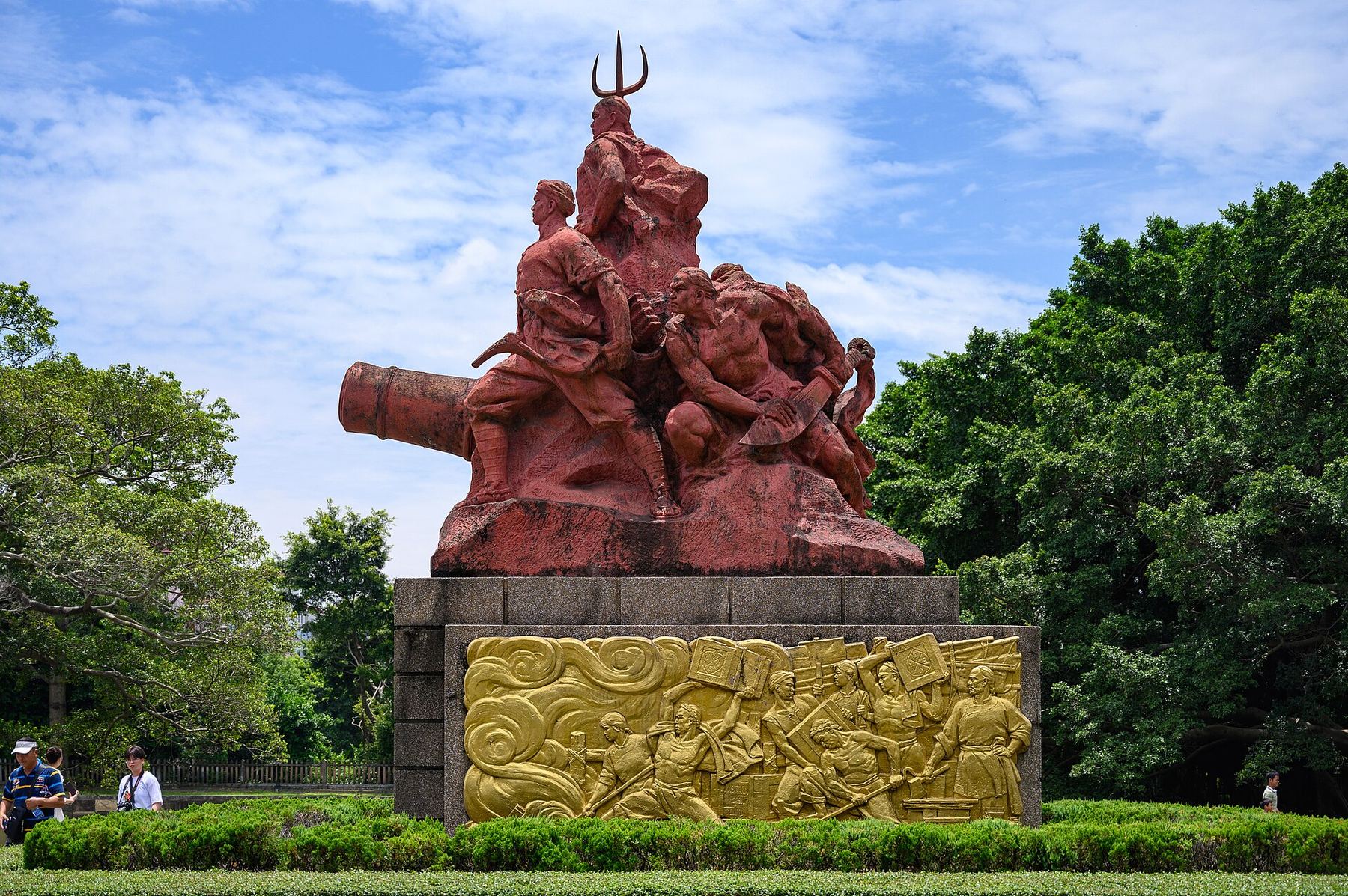
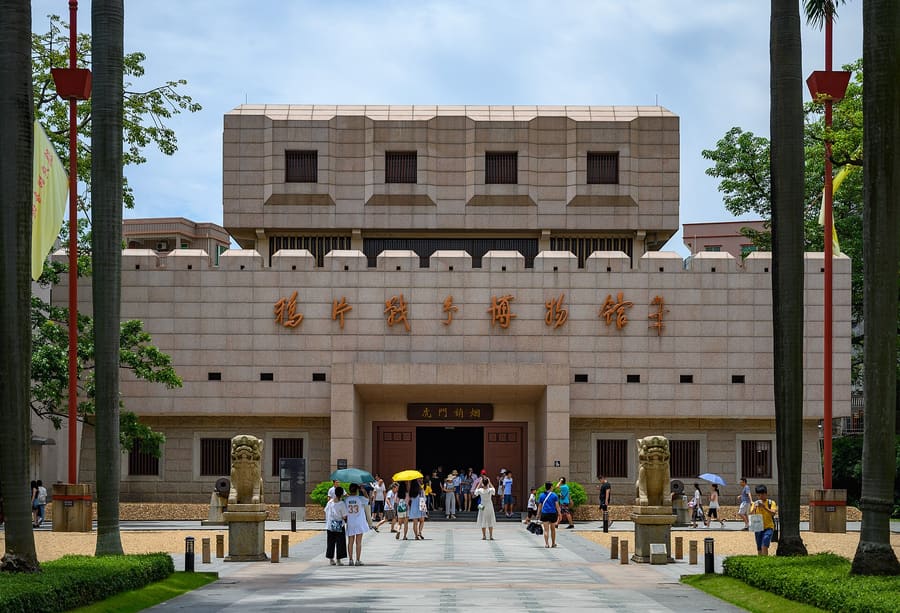
Opium War Museum
Exhibits on 19th-century naval defense at the mouth of the Pearl River. Passport required for free entrance.
Parley से पूछेंचीन
Industrial powerhouse with Lingnan gardens and roast goose.
introduction
Dongguan operates as a cluster of thirty-two distinct townships rather than a single centralised city. You navigate it via Metro Line 2 or intercity rail, moving between factory hubs and preserved Qing Dynasty pocket gardens. Expect heavy highway traffic, serious Cantonese roast goose stalls, and sprawling manufacturing campuses. Sprawl dominates the landscape, so choosing your accommodation near Line 2 stations keeps transit manageable.
Humen station connection
High-speed trains stop at Humen Station. Metro Line 2 connects directly from the station concourse to downtown Nancheng in 25 minutes.
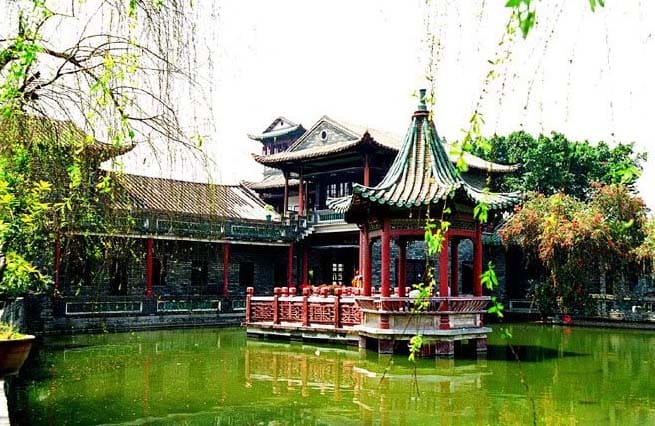
Lingnan garden landmark
Keyuan Garden in Guancheng was built in 1850. It remains one of the four famous Qing Dynasty gardens of Guangdong.
Township navigation strategy
Dongguan has no single main district. Map your destinations by township before booking hotels, as cross-town taxi rides exceed 40 minutes.
highlights
landmark
Exhibits on 19th-century naval defense at the mouth of the Pearl River. Passport required for free entrance.
Parley से पूछें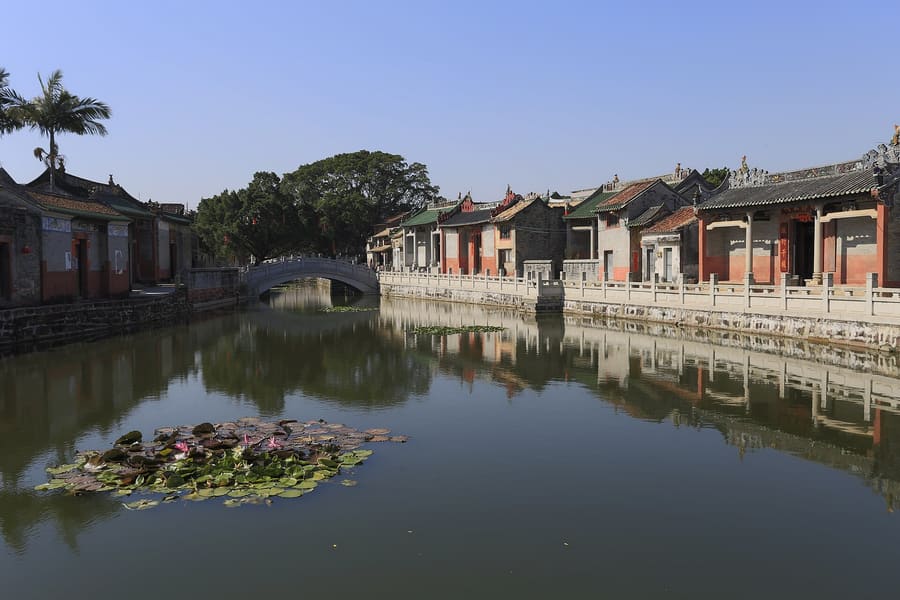
landmark
Ming and Qing clan residential quarter built around a chain of water ponds. Entry fee applies at the front gate.
Parley से पूछें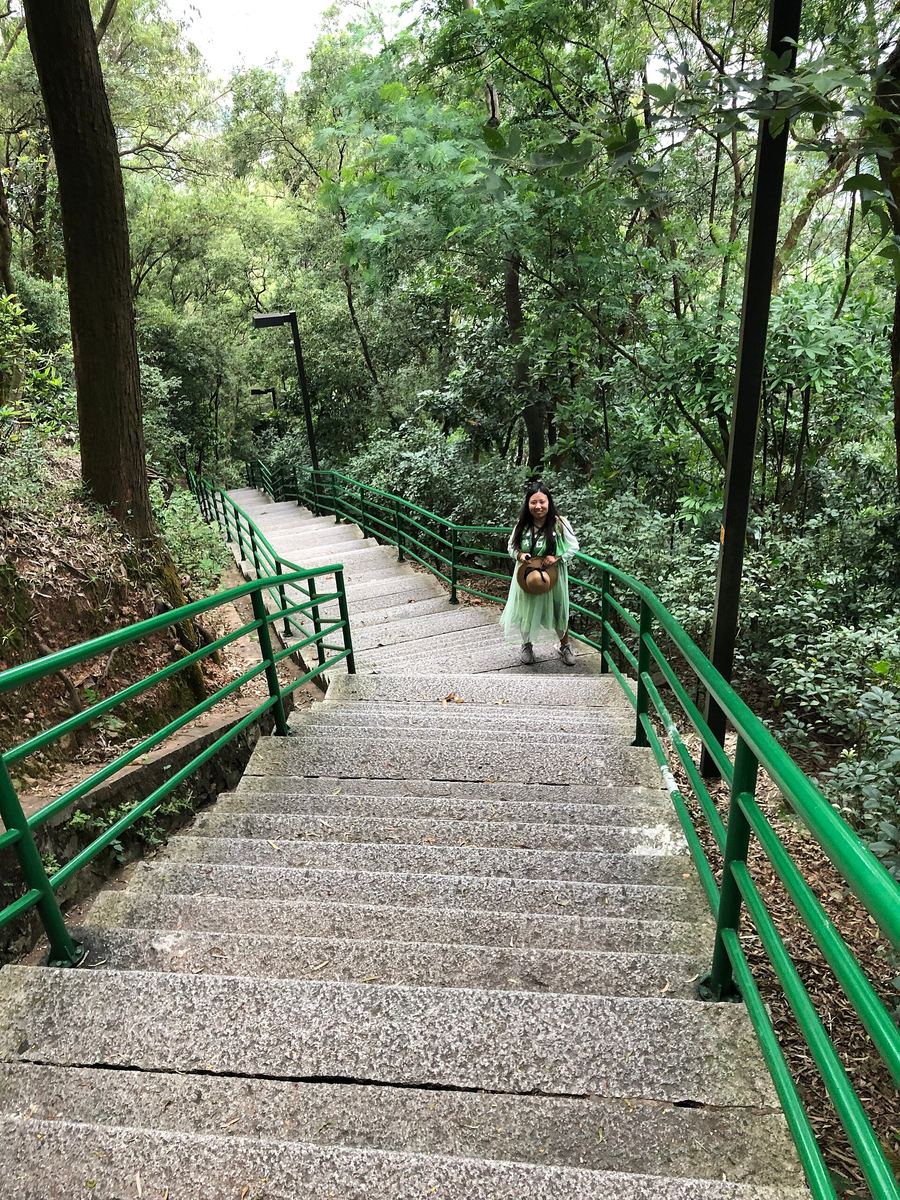
landmark
A central hill topped with a prominent red lantern icon. Metro Line 2 delivers you directly to the park gate.
Parley से पूछेंattractions
areas
Old-world arcade buildings, small eateries, and historic municipal alleys.
पास मेंKeyuan Garden and Dongguan Canal.
Parley से पूछें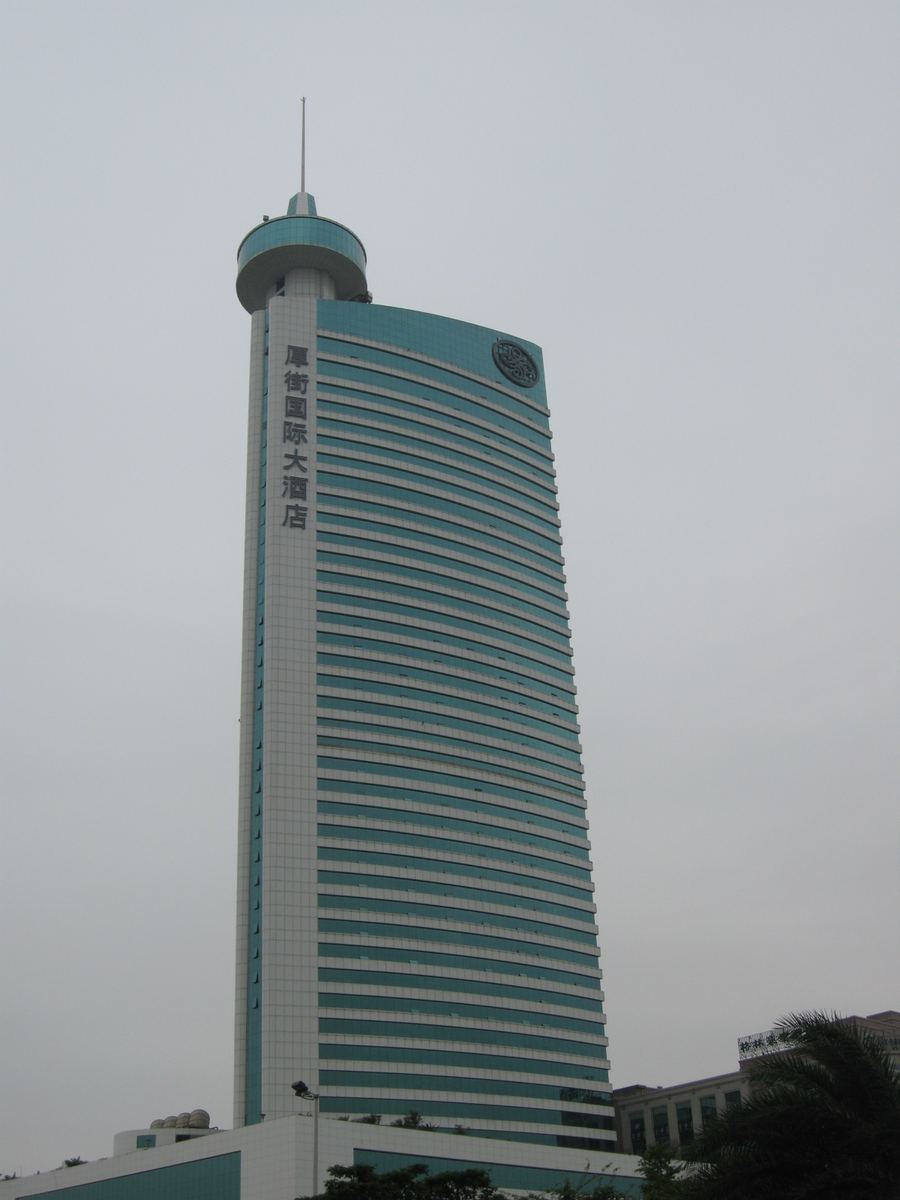
High-rise business hotels, shoe manufacturing hubs, and trade exhibition halls.
पास मेंGuangdong Modern International Exhibition Center.
Parley से पूछेंSleek corporate towers, central green spaces, and direct metro connections.
पास मेंDongguan Civic Center and Line 2 stations.
Parley से पूछेंTree-lined avenues, outdoor dining, and international residential compounds.
पास मेंQifeng Mountain and Bar Street.
Parley से पूछेंfood
Dongguan's defining dish is roast goose served over hand-made rice noodles known as laifen. The local variation relies on thick, springy rice noodles bathed in a rich goose-bone broth topped with crispy-skinned roast goose. Local diners target old stalls in Guancheng that roast goose twice daily using lychee wood. Dim sum culture here favours hearty rice dumplings and Houjie sausages over delicate seafood dumplings.
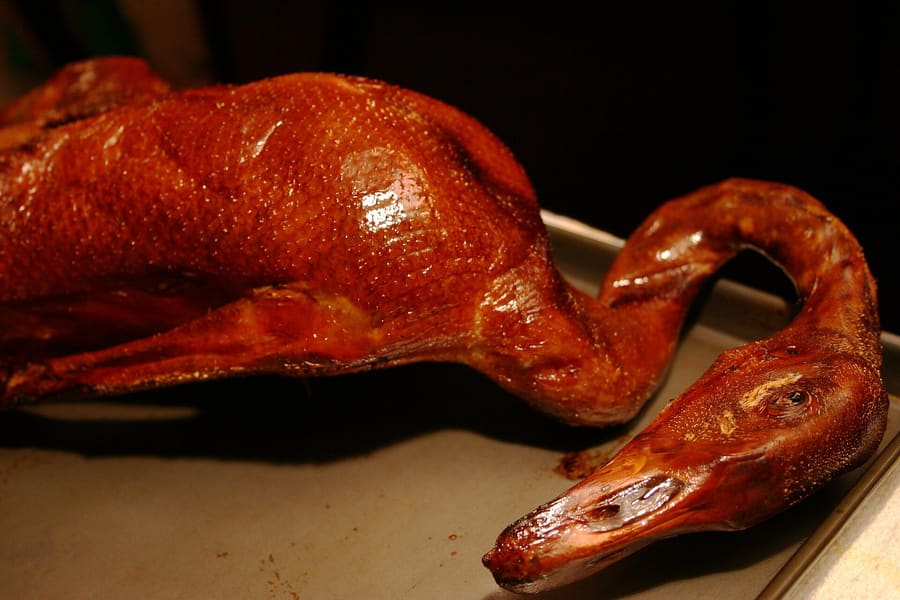
A bowl of Dongguan roast goose laifen served in thick goose stock.
sfllaw · CC BY-SA 2.0Eateries use QR codes at tables. Cash is accepted but creates delays.
Fresh goose comes out of wood ovens at 11:30 and 17:00. Arrive early before skin loses crispness.
Specify local thick round rice noodles instead of flat hefen strips.
Look for salty egg yolk and seasoned pork fat rice dumplings in Daojiao town markets.
history
Dongguan transitioned from an agricultural Pearl River county into a global manufacturing center within thirty years. In 1839, Lin Zexu destroyed confiscated British opium at Humen, sparking the First Opium War. After economic reforms in 1978, foreign capital transformed farm villages into specialized factory hubs. Today, the city produces smartphones, furniture, and electronics for international brands.
First export factory opens
Taiping Handbag Factory opens in Humen, marking the start of China's processing trade boom.
Elevation to prefecture city
Dongguan upgrades to a prefecture-level city to manage rapid industrialization across its townships.
Metro Line 2 opens
The city's first subway line opens, connecting Humen railway station to downtown districts.
where to stay
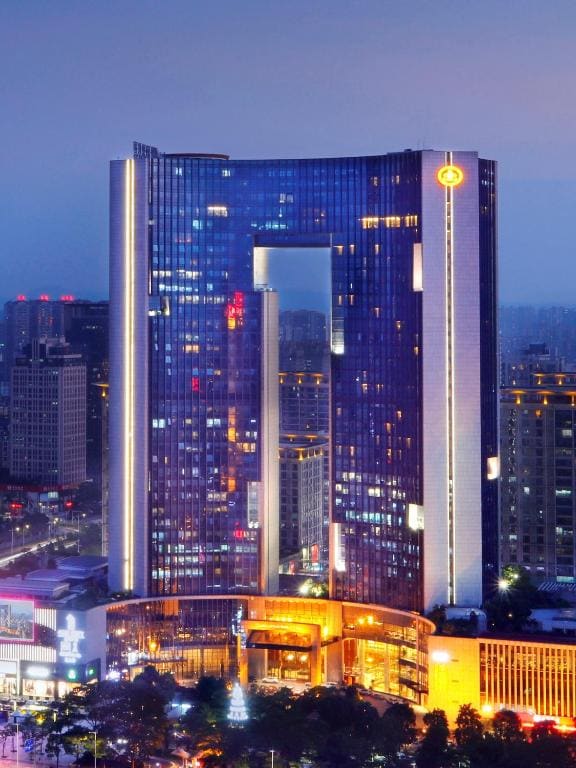
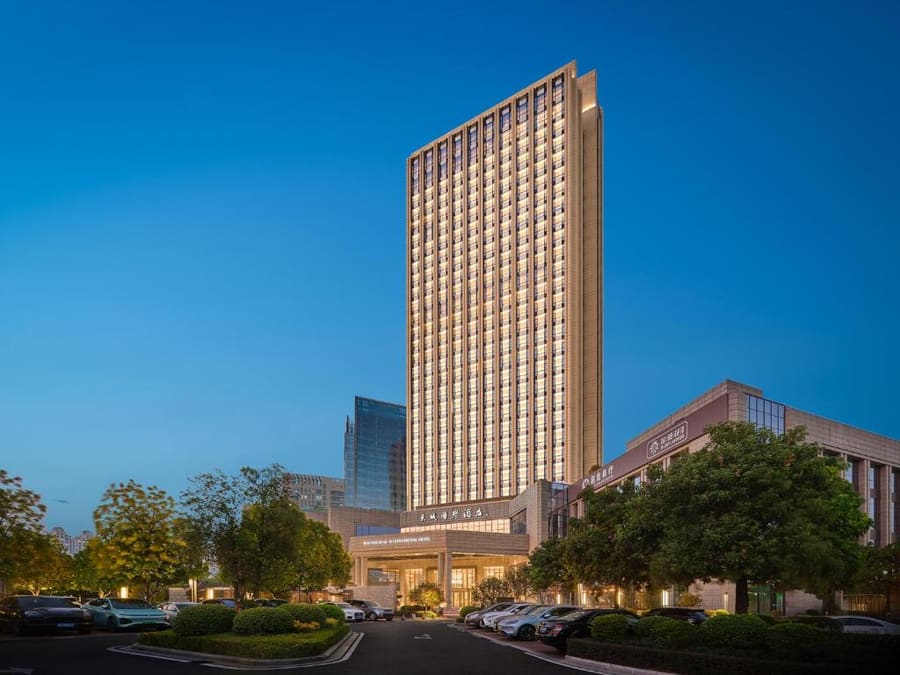
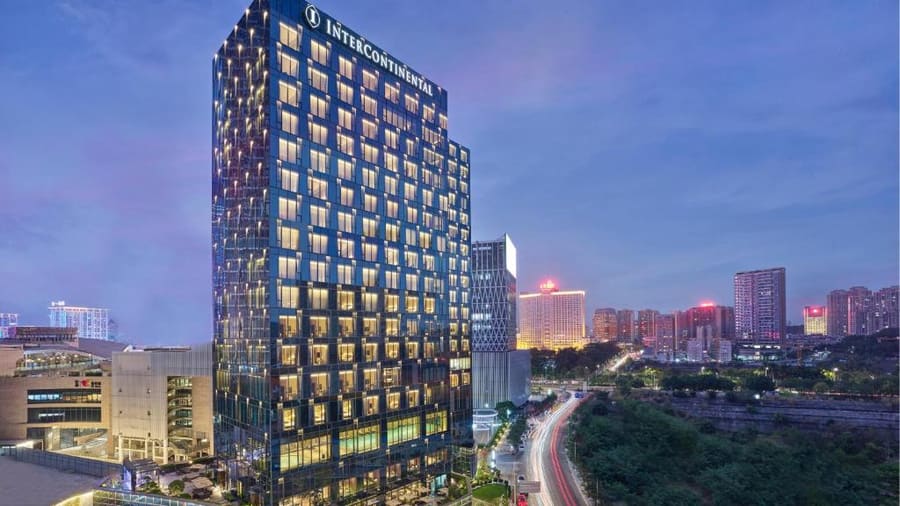
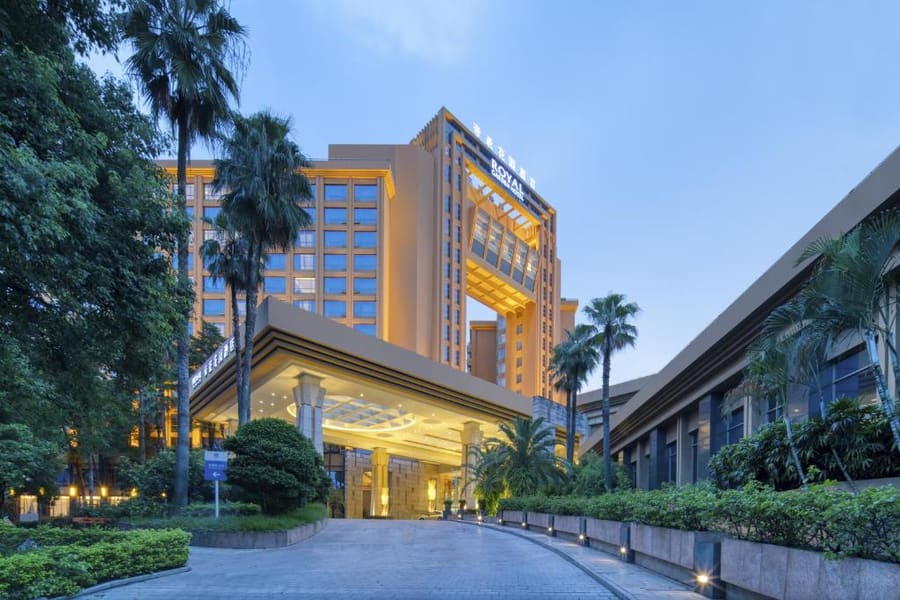
Select your district based on transit lines and purpose. Nancheng puts you on the metro grid near government offices. Dongcheng offers western dining and parks. Houjie suits trade show visitors.
Live rates, matched to the areas above.
transport
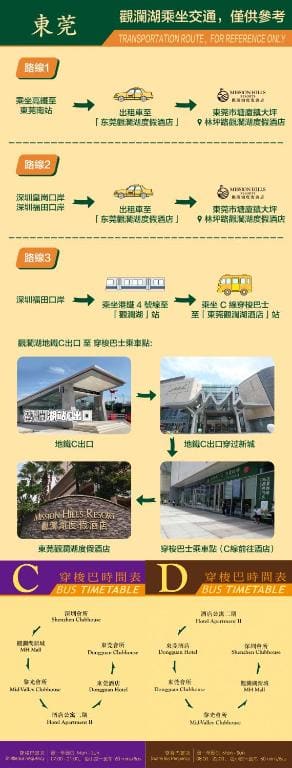
Dongguan lacks a primary commercial airport, so air arrivals use Shenzhen (SZX) or Guangzhou (CAN). High-speed trains arrive at Humen Station or Dongguan Station in Shilong. Metro Line 2 runs north-south through the main urban axis.
Shenzhen Bao'an Airport (SZX) से
Guangzhou-Shenzhen Intercity Rail connects SZX directly to Humen or Nancheng.
Highway toll tags add ¥20 to metered fares during peak hours.
Buses run from SZX to Dongcheng Air Terminal every 30 minutes.
Humen Station serves high-speed rail to Shenzhen and Guangzhou. Dongguan Station lies far north in Shilong.
Line 2 is currently the primary subway line. Buy tickets at machines using mobile pay or coins.
Guangdong Lingnan Pass or Shenzhen Tong cards work directly on Metro Line 2 turnstiles.
Didi apps require precise pin drops due to complex multi-lane frontage roads.
cost
Dongguan offers lower hotel and dining rates than neighboring Shenzhen and Guangzhou. Expenses rise sharply during major international trade expos in Houjie.
Prices depend on goose cut; leg drumsticks command a premium.
Fares scale by distance along Metro Line 2.
Rates double in Houjie during furniture trade fairs.
seasonality
OCT – DEC
Dry, clear air with temperatures around 20°C. Excellent weather for walking Keyuan and Songshan Lake.
JAN – FEB
Cool and damp with occasional overcast days. Factory workers depart for New Year, emptying industrial towns.
MAR – MAY
Humidity increases with frequent spring showers. High season for trade fairs in Houjie.
JUN – SEP
Hot and humid with temperatures above 33°C. Afternoon typhoons and heavy rain disrupt outdoor plans.
practicalities
Check Houjie expo dates before booking hotels. Room rates surge three-fold during major trade shows.
Townships specialize by industry; Houjie does shoes, Dalang does knitwear, Shijie does electronics.
Set up Alipay or WeChat Pay with your international credit card before arrival.
Humid air near Pearl River estuaries causes summer dampness. Pack breathable clothing.
Songshan Lake bicycle rentals require a Chinese phone number for app unlocked bikes; cash rentals exist near gates.