landmark
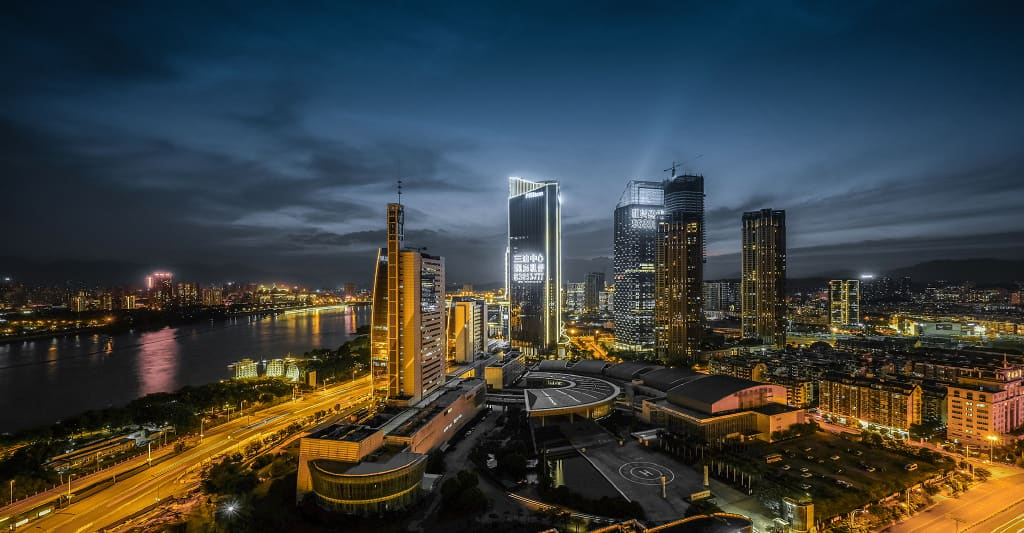
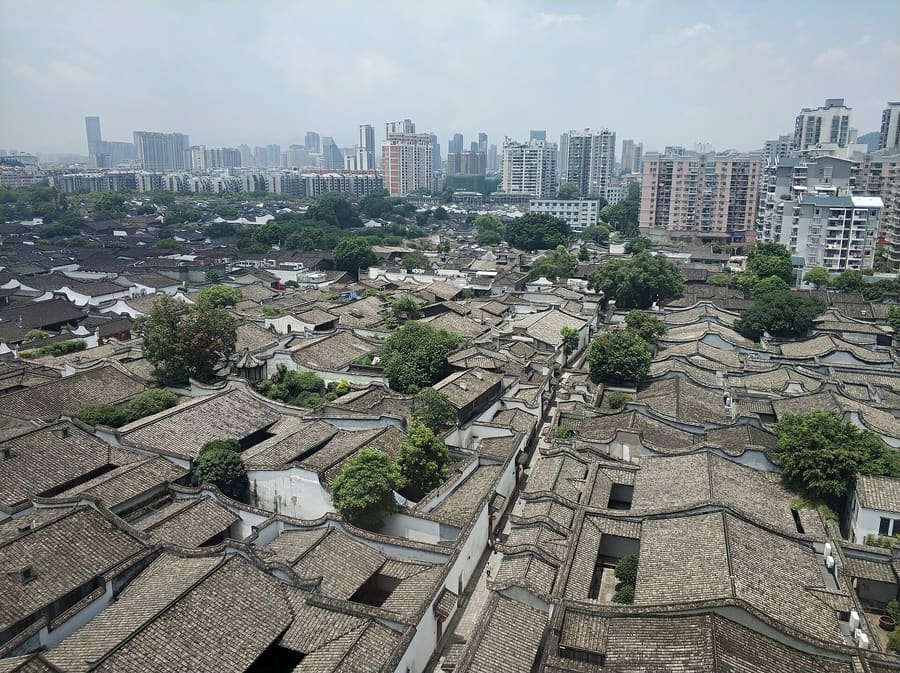
Sanfang Qixiang
Ten parallel alleyways showcase restored Qing timber residences. Visit early before tour groups arrive at 09:30.
Parley से पूछेंचीन
Banyan trees, slow tea broth, and Min River history.
introduction
Fuzhou sits along the lower reaches of the Min River in coastal Fujian. You move through the city using a fast metro system supplemented by dense bus routes. The urban core balances restored Qing-dynasty timber alleyways with wide banyan canopies that shield pedestrians from subtropical humidity. Expect damp heat most of the year, distinct sour-sweet regional flavors, and a slower pace than neighboring Xiamen.
Airport transit trick
Changle Airport lies 50 kilometres east of the city. Taking Airport Express buses to Fuzhou Station saves money compared to taxis.
Song Dynasty timber
Hualin Temple Main Hall stands as the oldest surviving wooden structure in southern China. It dates to 964 AD.
Jasmine harvest timing
Fresh jasmine tea processing peaks between July and August. Local tea houses along Nanhou Street offer tastings during this harvest.
highlights
landmark
Ten parallel alleyways showcase restored Qing timber residences. Visit early before tour groups arrive at 09:30.
Parley से पूछें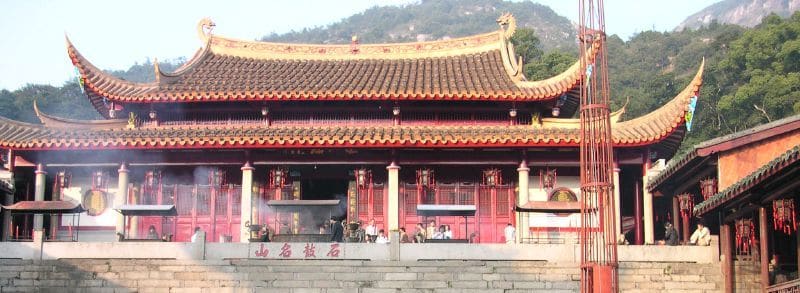
landmark
Hike the 2,000 stone steps or ride the cable car to Yongquan Temple. Morning ground fog clears around 10:00.
Parley से पूछें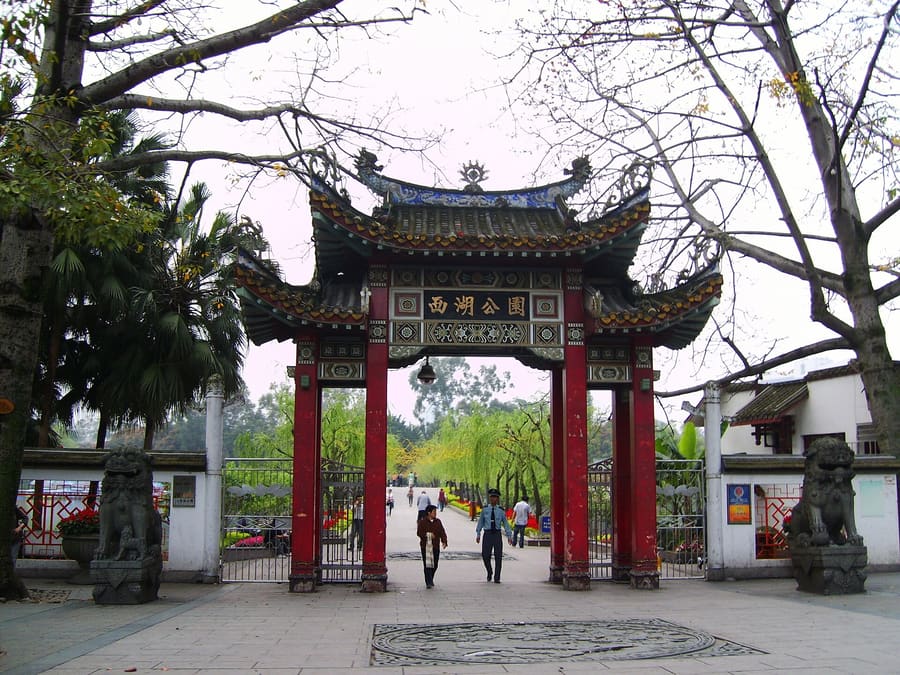
landmark
Classical water gardens landscaped during the Jin Dynasty. Local seniors gather here for morning opera practice.
Parley से पूछें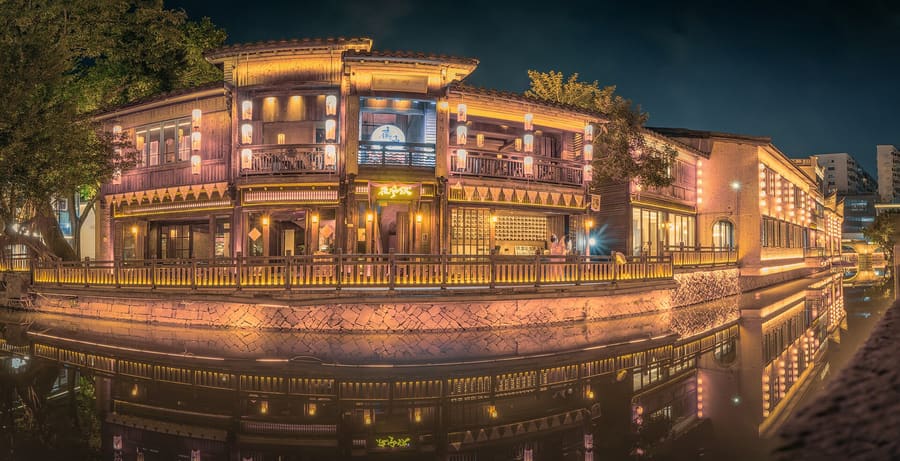
landmark
Former merchant guild houses line these canal banks. The brick arcades turn into evening dining hubs.
Parley से पूछें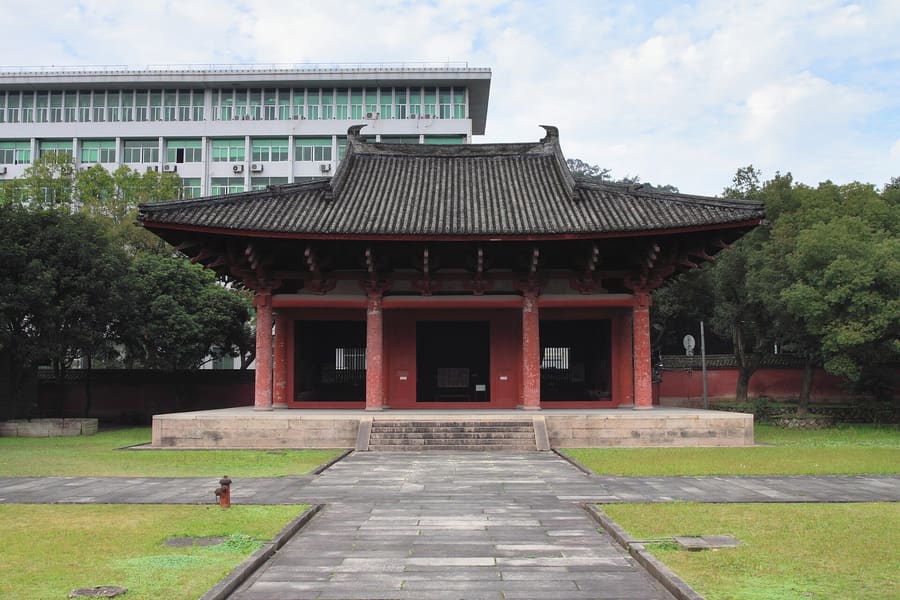
landmark
A 10th-century wooden hall built without single metallic nails. Entry costs 2 RMB and takes twenty minutes to tour.
Parley से पूछेंattractions
areas
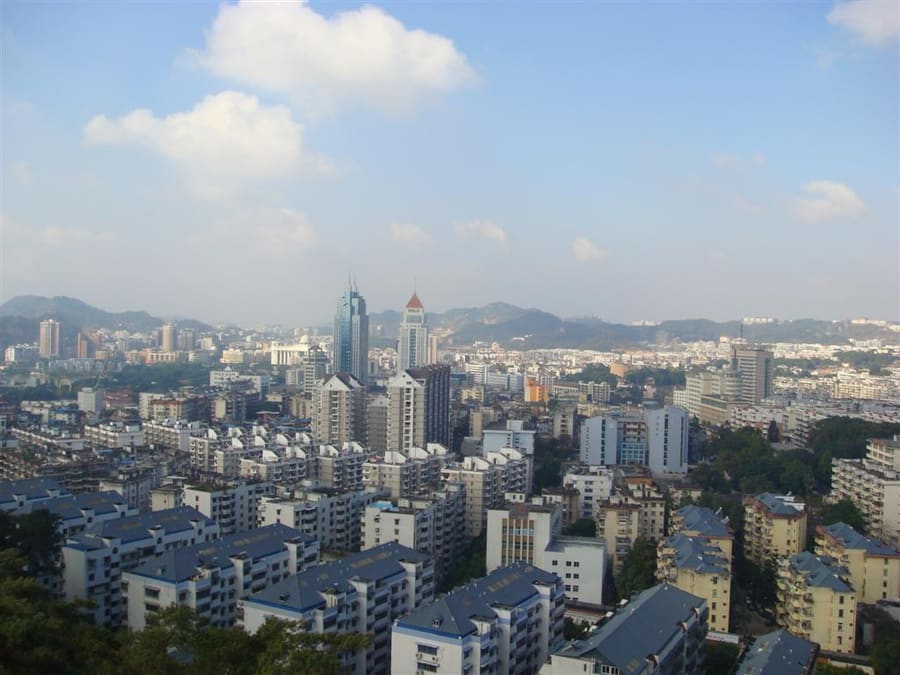
Dense central commerce mixed with ancient pedestrian lanes and government compounds.
पास मेंSanfang Qixiang, West Lake Park, Hualin Temple
Parley से पूछें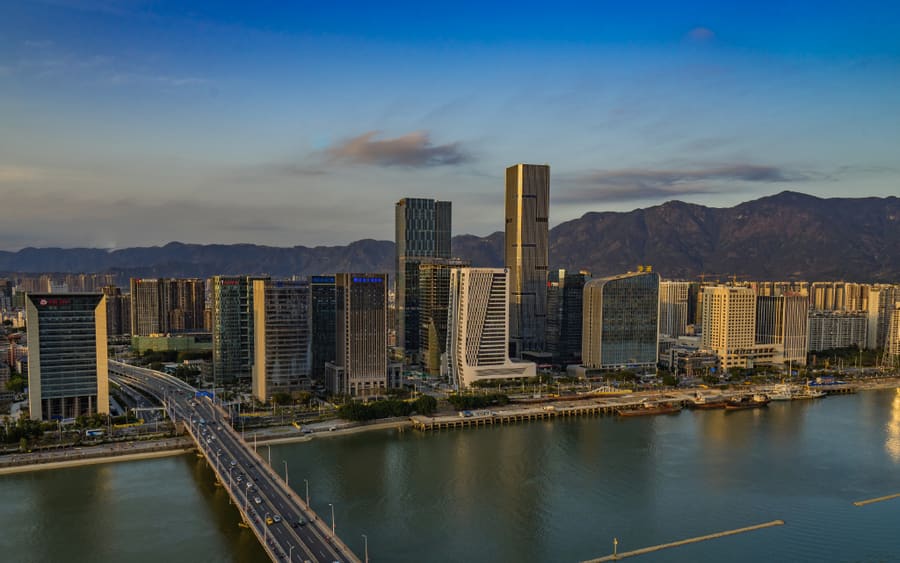
Restored riverfront guild streets with brick architecture and craft shops.
पास मेंMin River waterfront, Taijiang night market
Parley से पूछें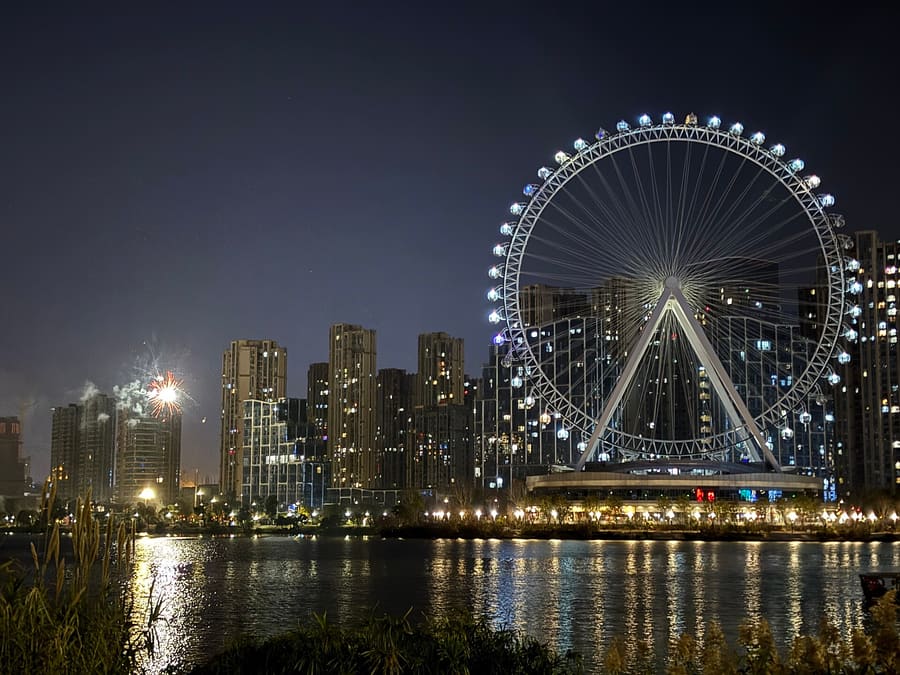
Modern residential expansion near the base of Drum Mountain and eastern rail hubs.
पास मेंFuzhou Station, Drum Mountain
Parley से पूछेंfood
Fuzhou cuisine uses red yeast rice wine lees to create a signature sweet and sour balance. Local soups rely on clear bone broths and fresh seafood harvested from the East China Sea coast.Fish balls made from pounded eel or Spanish mackerel encase minced pork filling. They float in light seaweed broth available at small neighbourhood storefronts.Buddha Jumps Over the Wall combines abalone, sea cucumber, and dried scallops in a sealed clay pot. It simmers for hours with Shaoxing wine and requires booking ahead at formal banquet dining rooms.
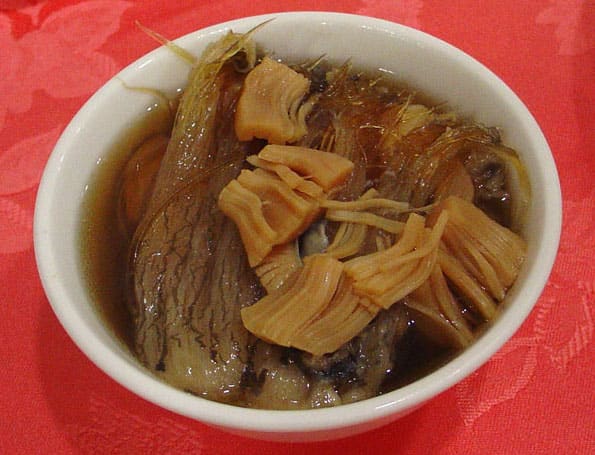
A clay crock of Buddha Jumps Over the Wall soup simmered with Shaoxing wine.
Photo taken by SunSuke (さんすけ) · CC BY-SA 2.5Order double-boiled fish balls at street stalls along Nanhou Street. Biting quickly risks spraying hot pork grease.
Lychee pork contains no fruit; fried pork chunks get cut to resemble lychee skin. Order it at lunch when deep fryers stay fresh.
Sip local jasmine tea brewed in gaiwan cups at open teahouses near West Lake Park. Refill hot water freely from side kettles.
history
Fuzhou served as the royal capital of the Minyue kingdom during the Han Dynasty. Its coastal positioning quickly turned the port into a key departure point for the Maritime Silk Road.During the Qing Dynasty, foreign trade agreements turned Fuzhou into one of five treaty ports open to Western merchants. Western consulates and tea trading firms established headquarters on Cangshan hill.
Minyue Capital
King Wuzhu builds the city walls of Ye, establishing the urban footprint of modern Fuzhou.
Hualin Temple Construction
Builders construct the wooden main hall of Hualin Temple using timber bracket structures.
Treaty Port Designation
The Treaty of Nanking opens Fuzhou to international trade, sparking a boom in tea exports.
Fuzhou Arsenal Founded
Qing officials establish China's modern naval shipyard and academy at Mawei downriver.
where to stay
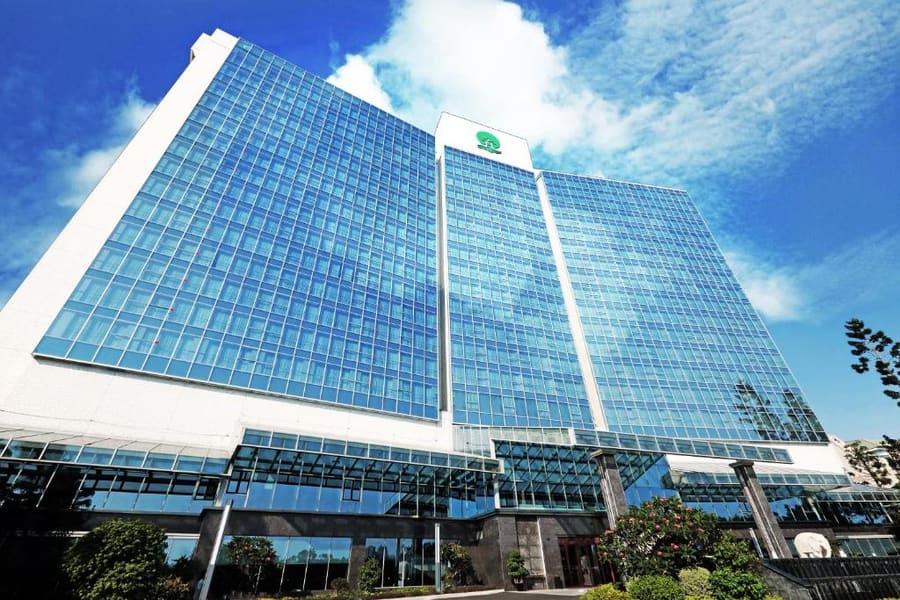
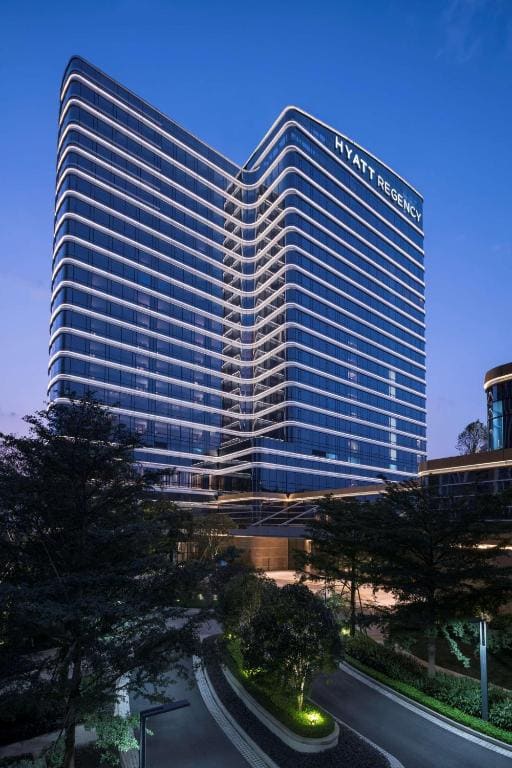
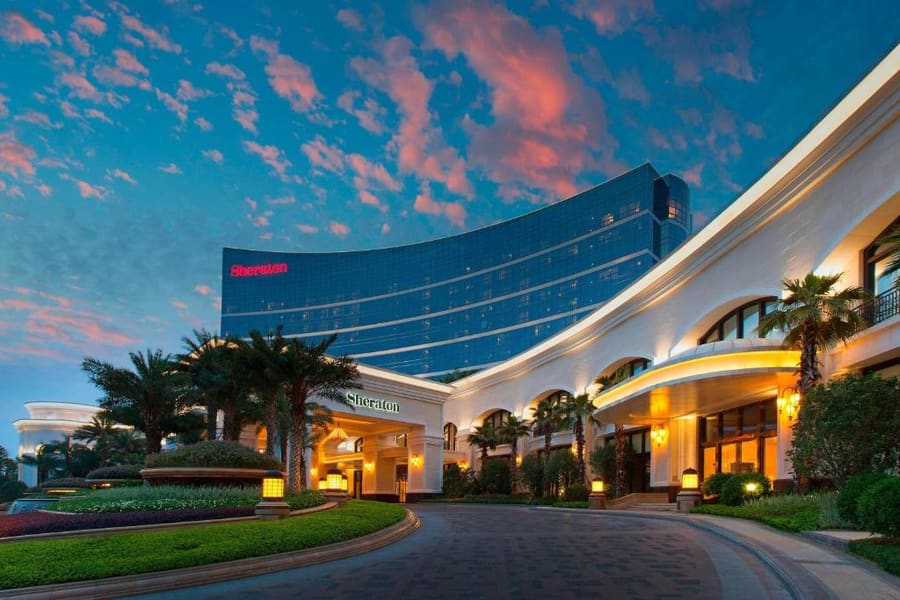
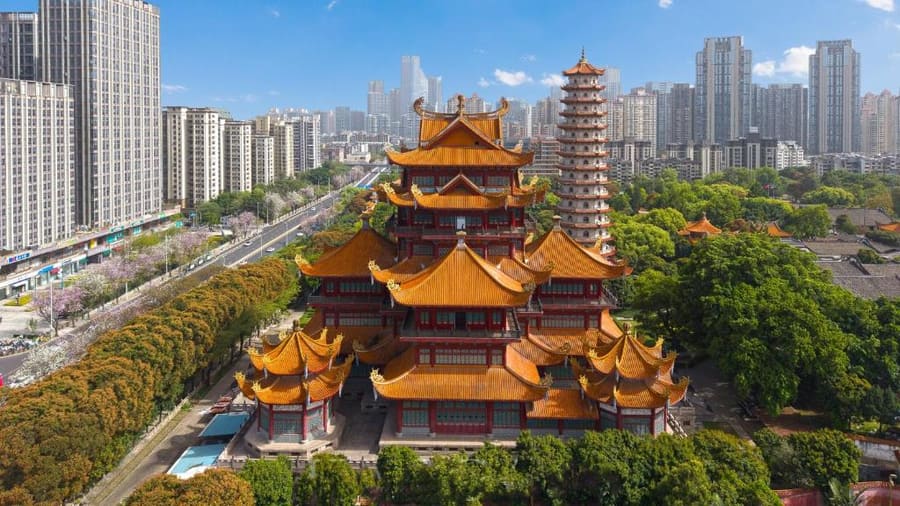
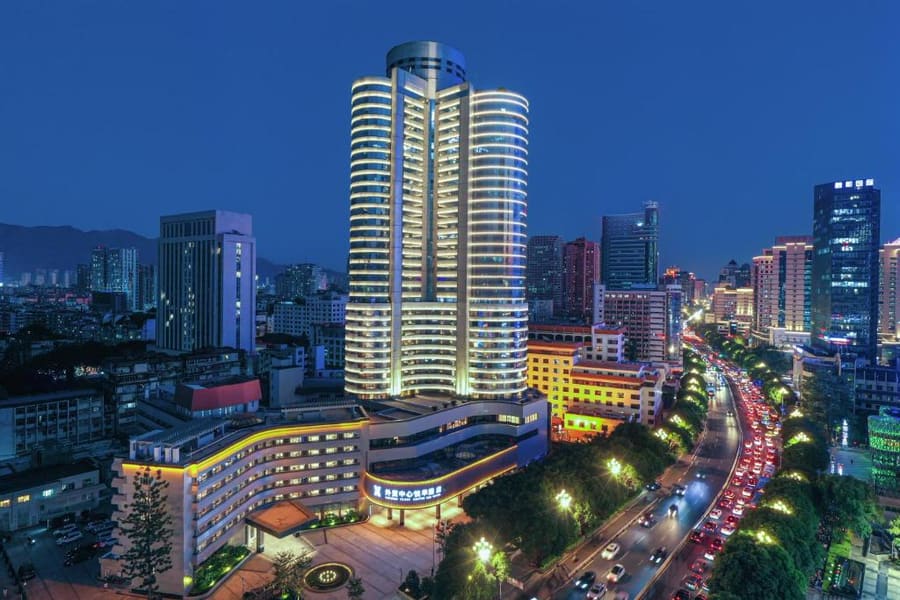
Choose your district based on walking access versus transit connections. Gulou puts historic sites outside your door, while Cangshan offers wider rooms and quieter evening streets across the river.
Live rates, matched to the areas above.
transport
Fuzhou Metro operates clean, efficient underground lines crossing at key city intersections. Buses fill remaining gaps, but route maps require Chinese reading ability.
Fuzhou Changle International Airport (FOC) से
Departs every 30 minutes for Fuzhou Railway Station and city hotels.
Use official queues outside arrival terminals. Highway tolls get added to meter fare.
Pick-up zone sits in the designated garage building opposite arrivals.
Load transit mini-programs inside WeChat or Alipay to scan Metro turnstiles instantly.
Metro Line 1 directly links Fuzhou Railway Station in the north with Fuzhou South Railway Station.
Underground trains pack tightly between 07:30–09:00 and 17:30–19:00 on weekdays.
Meter rates start at ¥10 for the first 3 kilometres. Drivers rarely speak English.
cost
Fuzhou remains significantly cheaper than Shanghai or Shenzhen. Dining and public transit cost modest sums, while upper-end seafood banquet dishes command premium rates.
A bowl of six large meat-filled fish balls at local neighborhood eateries.
Distance-based subway tickets purchased at station vending machines.
One-way or round-trip aerial car rides up to Yongquan Temple.
seasonality
OCT – DEC
Clear autumn days with low humidity. The most comfortable window for urban walking.
JAN – FEB
Cool and overcast weather. Spring Festival travel spikes accommodation prices.
MAR – MAY
Spring rain turns frequent. Pack waterproof footwear for slippery stone lanes.
JUN – SEP
High heat, heavy humidity, and occasional coastal typhoons. Drink plenty of tea.
practicalities
Most public sites and memorial halls close on Mondays for maintenance.
Subtropical sun hits hard in concrete districts. Carry water during daytime walks.
Cash is rarely used. Link your international credit card to Alipay or WeChat Pay before arrival.
Banyan trees and humid parks breed mosquitoes year-round. Carry bug spray.
Night cruises along Min River depart from Taijiang Pier to view illuminated bridges.