landmark
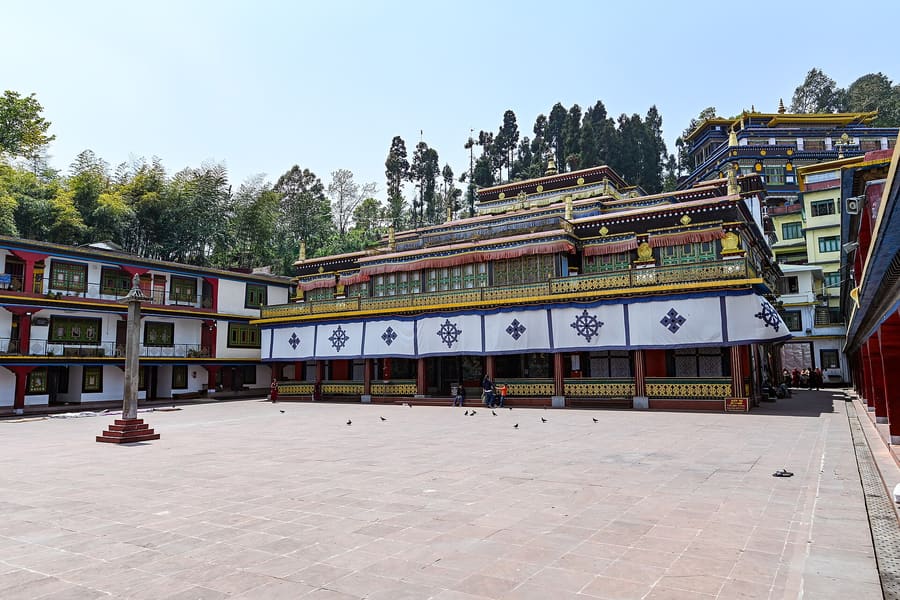
Rumtek Monastery
The seat of the Karma Kagyu lineage sits 24 kilometers outside town. Bring photo ID for security checkpoints at the gate.
Parley से पूछेंभारत
Himalayan capital of mountain monasteries and trade passes.
introduction
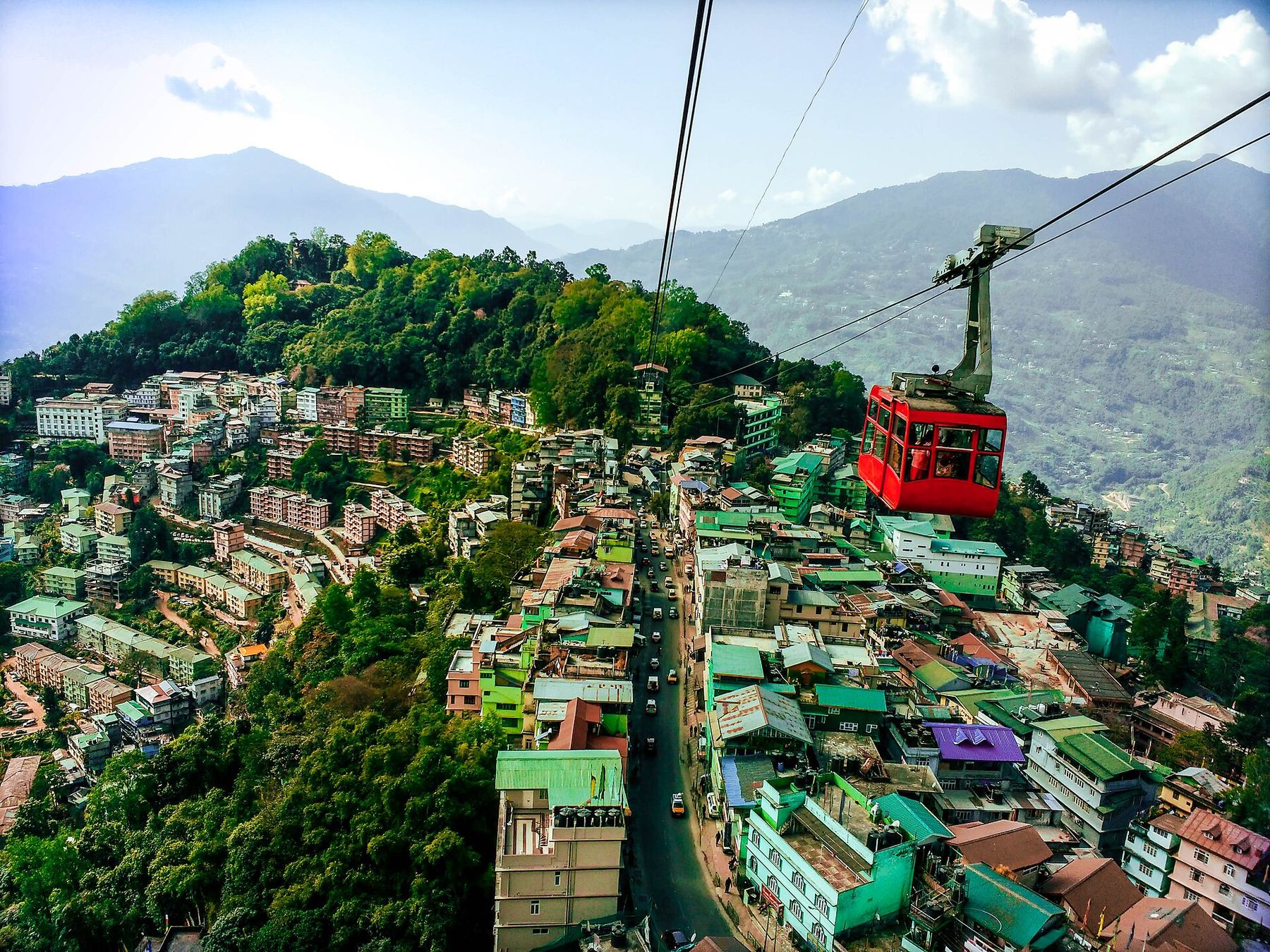
Gangtok sits along a steep eastern Himalayan ridge at 1,650 meters elevation. The capital of Sikkim operates with a calm structure distinct from lower Indian hill stations. Traffic strictly respects pedestrian zones, and public littering brings immediate fines. Navigating the city means walking steep stairs or taking fixed-rate shared cabs along the main mountain road.
Arrival from Bagdogra
Book a shared taxi from Siliguri or Bagdogra Airport. The 120-kilometer mountain drive takes four to five hours depending on landslips.
Strict Environmental Standards
Gangtok enforces a strict ban on single-use plastics and public smoking. Fines for littering around MG Marg are collected promptly.
Sikkim Permits
Foreign visitors need a Restricted Area Permit. You can collect it free of charge at the Rangpo border crossing.
highlights
landmark
The seat of the Karma Kagyu lineage sits 24 kilometers outside town. Bring photo ID for security checkpoints at the gate.
Parley से पूछें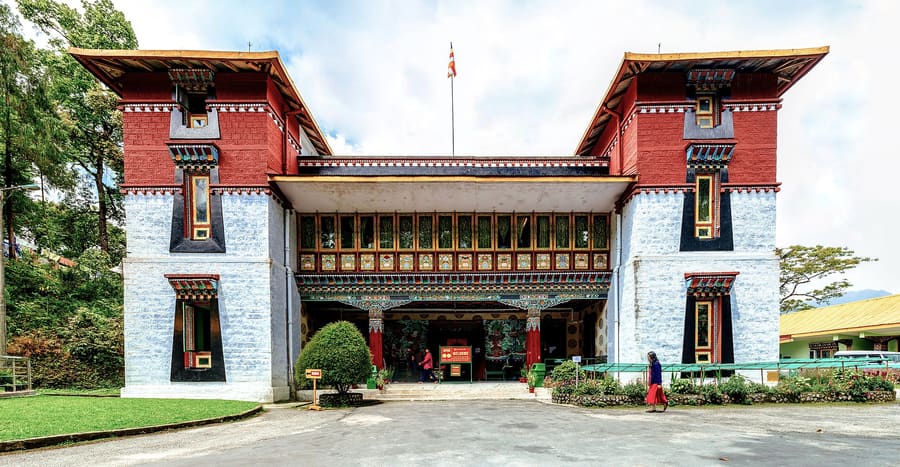
landmark
A premier center for Vajrayana Buddhist study housing ancient manuscripts and tapestries. Closed on Sundays and official holidays.
Parley से पूछें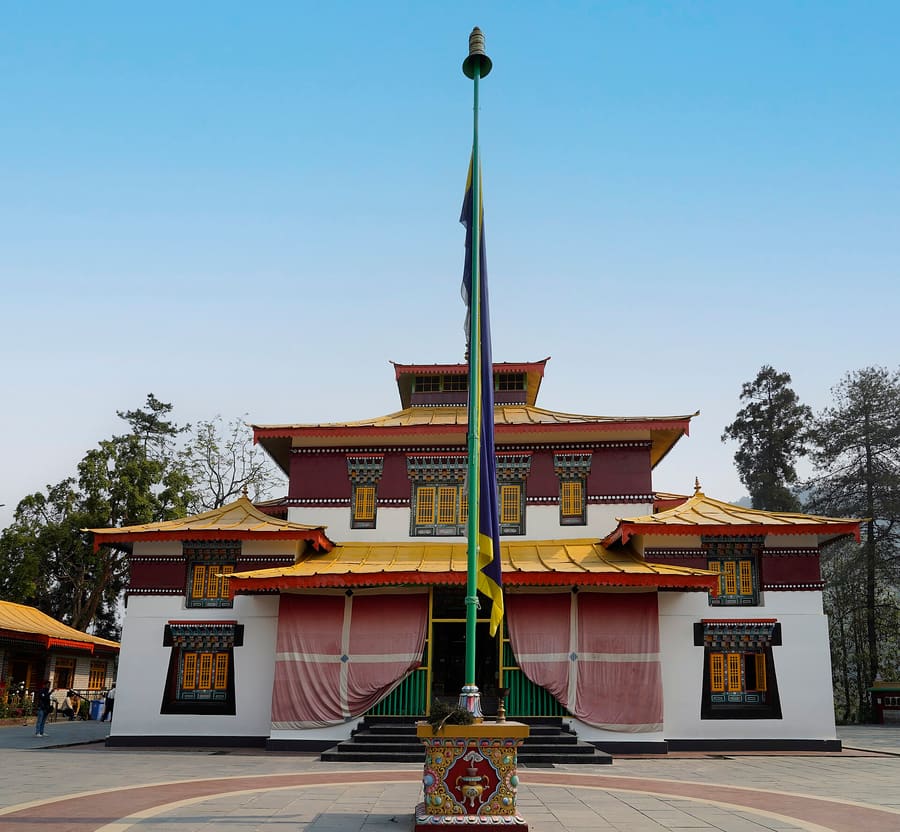
landmark
Perched above town, this 200-year-old Nyingma shrine offers quiet morning views of Kanchenjunga before tour buses arrive.
Parley से पूछें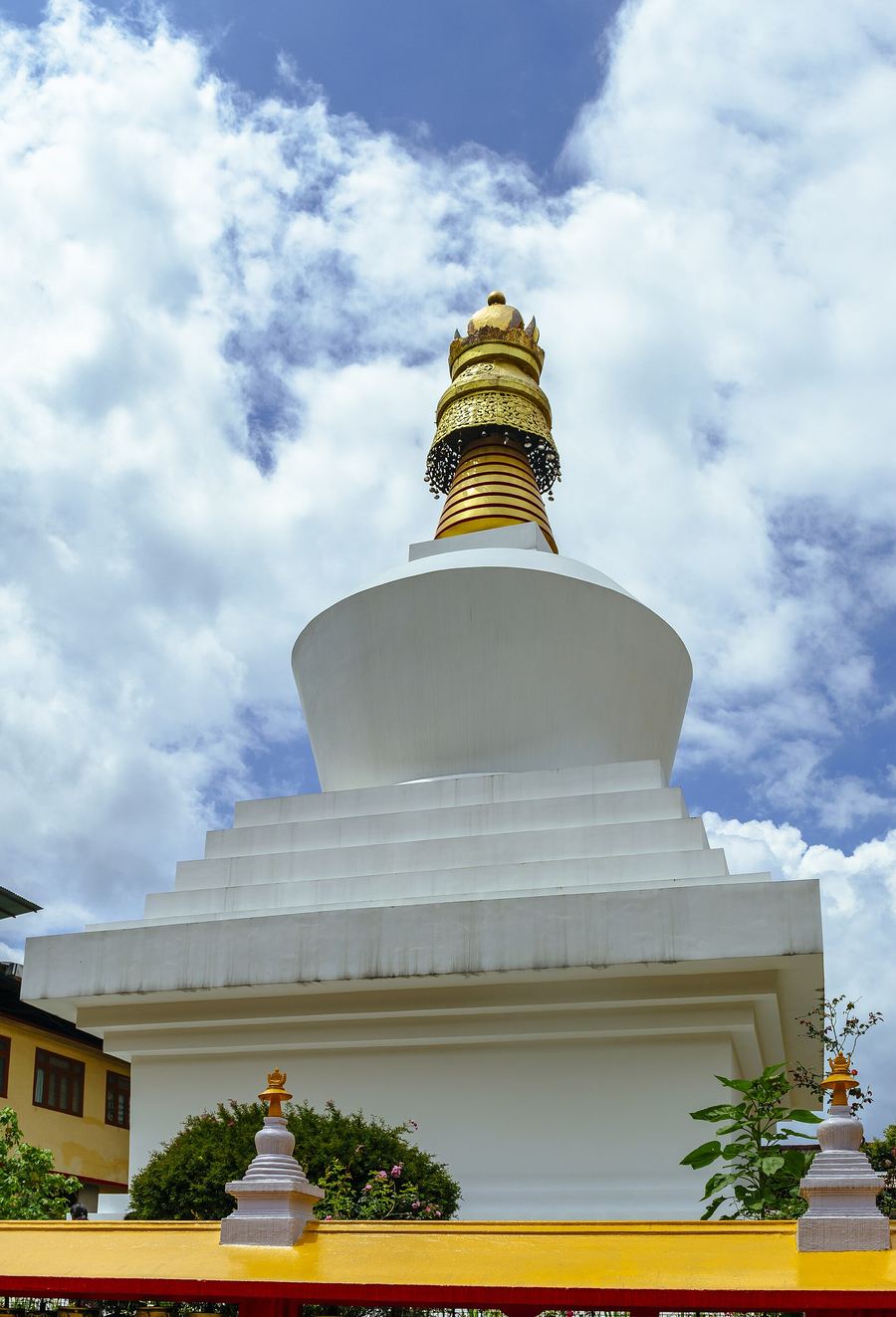
landmark
Built in 1945, this stupa is ringed by 108 prayer wheels. Pilgrims walk clockwise around the perimeter throughout the day.
Parley से पूछेंattractions
areas
Transport hub area near the ropeway station and lower taxi stands.
पास मेंNamgyal Institute of Tibetology and Do Drul Chorten
Parley से पूछेंPaved, pedestrian-only central spine lined with cafes, travel desks, and evening crowds.
पास मेंLal Bazaar and Main Taxi Stand
Parley से पूछेंQuieter hillside slopes around Ridge Park, government offices, and Enchey Monastery.
पास मेंEnchey Monastery and Ridge Park
Parley से पूछेंLower altitude suburb along the highway with local markets and university energy.
पास मेंSikkim University and Sikkim Manipal Hospital
Parley से पूछेंfood
Gangtok dining reflects Sikkimese, Tibetan, and Nepali culinary traditions. Steamed momos filled with pork, chicken, vegetables, or local cheese (chhurpi) form the core of daily eating. Noodle soups like thukpa and thenthuk are served in broth seasoned with ginger and garlic. Sikkimese homes fermented leafy green vegetables to preserve food through harsh winters, creating tangy side dishes like gundruk, while fermented bamboo shoots form separate dishes like mesu or tama. Local eateries serve tongba, a traditional millet beer consumed hot through a bamboo straw.
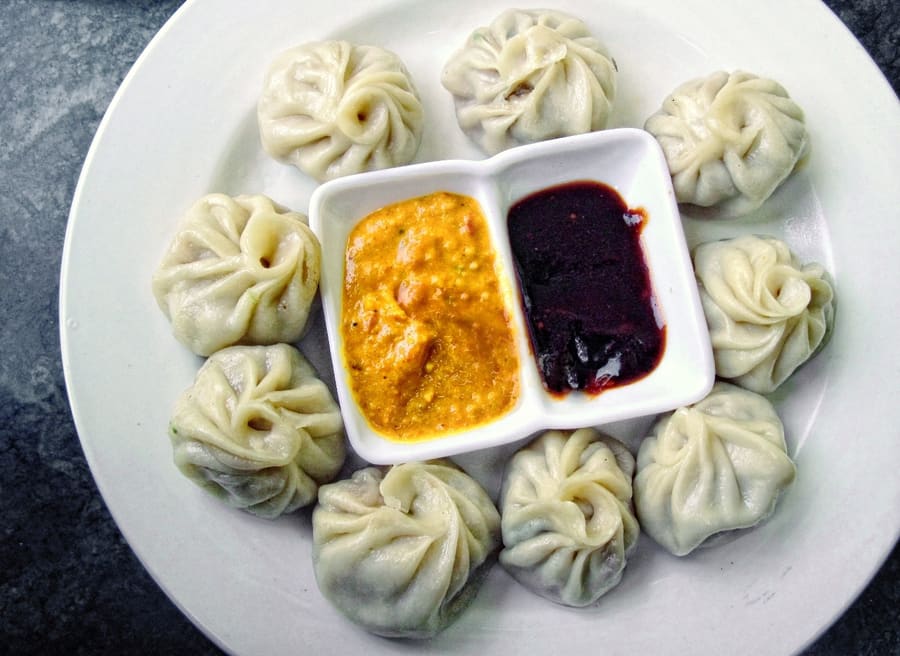
Steamed momos served with fiery fermented red chili chutney.
Kushal Goyal · CC BY-SA 3.0Most traditional Sikkimese kitchens close by 20:30. Plan dinner earlier than in lower Indian plains.
Hot millet beer is served in wooden mugs filled with warm water. Refill the mug three times before the flavor fades.
history
Gangtok remained a small village until the late 19th century when the Chogyal (monarch) shifted the kingdom's capital here in 1894. Its location along the trade route between Tibet and British India elevated its geopolitical role. Following Indian independence, Sikkim retained protectorate status under its monarchy until joining the Indian Union in 1975.
Capital Shift
Chogyal Thutob Namgyal moves the capital of the Kingdom of Sikkim from Tumlong to Gangtok.
Trade Route Hub
The Younghusband Expedition establishes Gangtok as a major trade link along the Nathu La route to Lhasa.
Border Closure
Sino-Indian war halts trade through Nathu La, redirecting Gangtok's economy toward administration and regional trade.
Statehood
Sikkim votes to end the monarchy, becoming the 22nd state of India with Gangtok as state capital.
where to stay
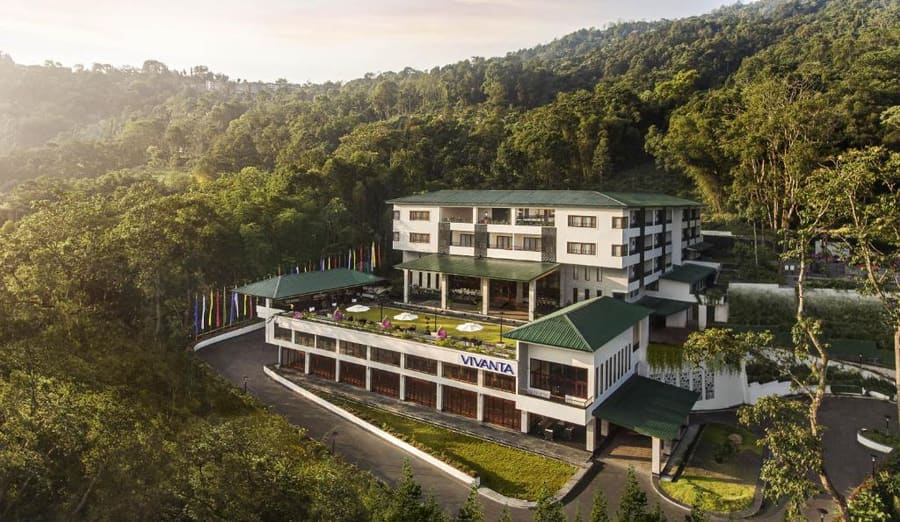
Choose your stay based on mobility and noise preference. MG Marg offers central access but requires walking up steep staircases with luggage. Upper Gangtok provides quieter air and mountain views at the cost of taxi trips for dinner. Deorali works best if you plan early departure drives to remote districts.
Live rates, matched to the areas above.
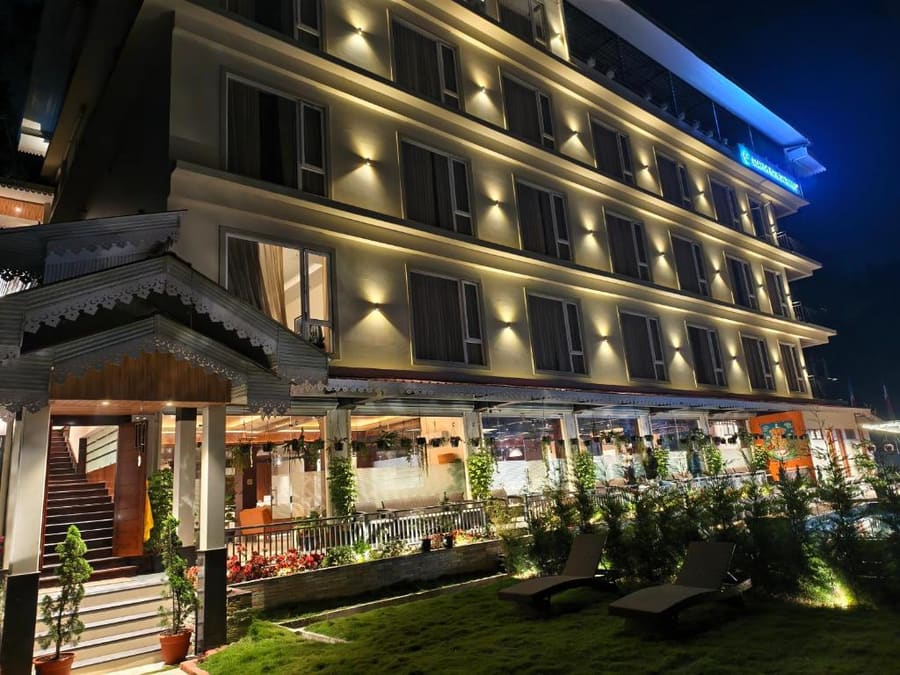
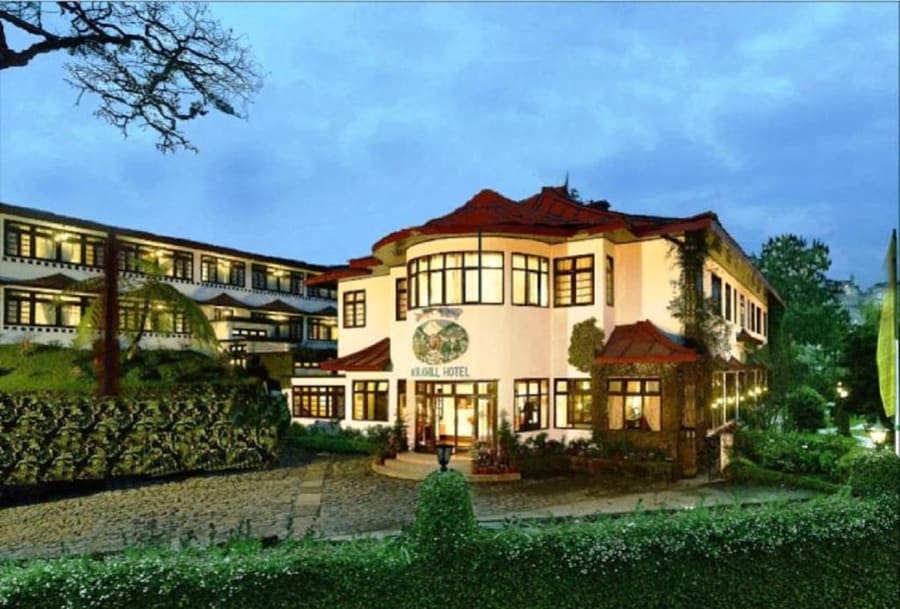
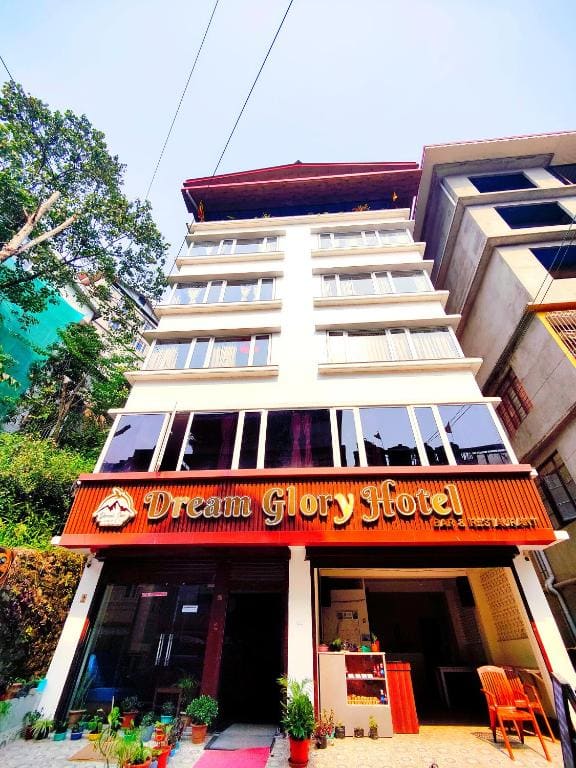
transport
Gangtok relies heavily on local Maruti 800 and Alto taxis running fixed routes. Private cars cannot enter MG Marg. Walking involves navigating steep public stairways that bypass winding road switchbacks.
The cable car runs between Deorali and Tashiling. It offers quick transit across vertical city layers for ₹160 return.
Shared cabs carry up to four passengers on fixed points along NH10. Pay the driver cash per seat upon arrival.
Shared cab frequency drops steeply after 20:00. Hire a full private taxi if returning late from dining.
Digital payments fail frequently in steep valley signal drops. Carry physical rupee notes for all local rides.
cost
Gangtok costs remain moderate compared to metro cities in India. Transport and permits add up when booking day trips to protected border areas.
Price for a full plate of eight steamed meat or cheese dumplings in central cafes.
Standard per-person fare for short taxi movements along the main ridge road.
Cost to hire an entire SUV including permit fees for high-altitude pass trips.
Standard admission ticket for the Namgyal Institute of Tibetology.
seasonality
MAR – MAY
Clear morning skies and blooming rhododendrons. Mountain routes operate smoothly before monsoon rains start.
JUN – SEP
Heavy monsoon rains trigger frequent landslips on NH10 highway. Transport delays are frequent.
OCT – NOV
The crispest mountain views of Kanchenjunga after post-monsoon clearing. High accommodation demand.
DEC – FEB
Freezing winter temperatures with clear blue skies. High passes like Tsomgo Lake experience heavy snow blockages.
practicalities
Carry four physical passport photos for Sikkim permit applications processed through travel agents.
Remove footwear before entering shrine halls. Take off hats and keep photography to designated outdoor spaces.
Gangtok sits at 1,650 meters, but day trips exceed 4,000 meters. Stay hydrated and pack warm layers.
Dawn arrives near 04:30 in summer and darkness sets by 17:00 in winter. Adjust schedules early.
Single-use packaged water bottles are banned in Sikkimese public zones. Carry a refillable flask.