landmark
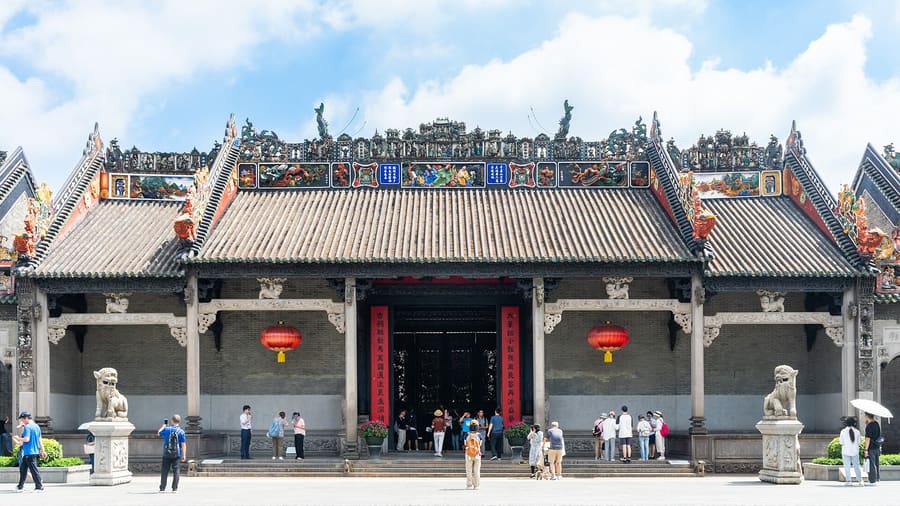
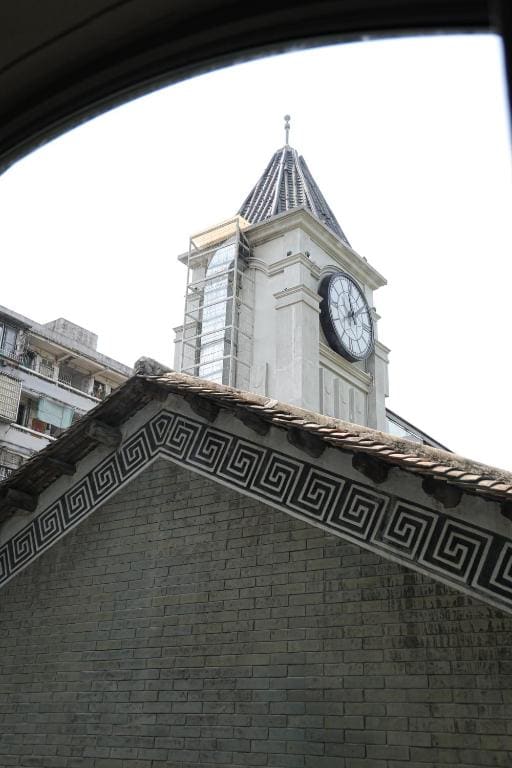
Chen Clan Academy
Intricate 1894 Lingnan Qing-dynasty folk art academy with brick carvings. Take Metro Line 1 directly to Chen Clan Academy Station.
Parley से पूछेंचीन
Pearl River trade, morning tea, and southern commerce.
introduction
Guangzhou is the engine of the Pearl River Delta, built on two millennia of maritime trade and Cantonese cooking. You navigate the city along the Pearl River, moving between old alleyways in Liwan and glass skyscrapers in Zhujiang New Town. The subway system carries nine million passengers daily, making underground transit faster than surface taxis. Expect humid subtropical air, late-night tea houses, and wholesale market districts that stretch for entire city blocks.
Airport metro connection
Line 3 connects Baiyun International Airport directly to downtown Guangzhou. Buy a single-journey token or tap a contact-less bank card at the turnstile.
Morning dim sum timing
Traditional tea houses charge higher prices during weekend peak hours. Arrive before 8:30 AM on weekdays to avoid queue times and secure freshly steamed dishes.
Guangzhou
Ricky Chow · CC BY-SA 3.0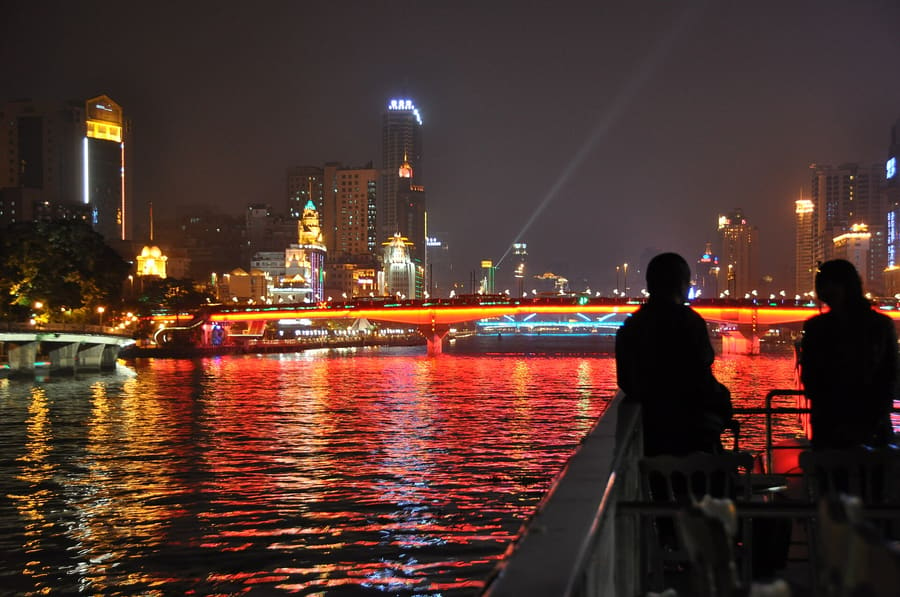
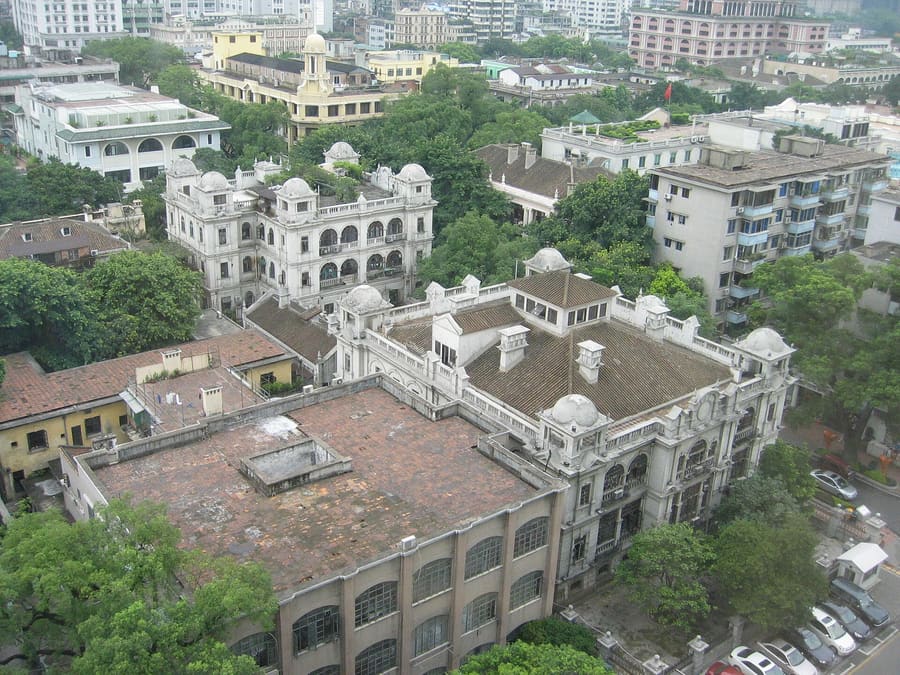
Liwan — Old Canton character with arcade streets, canal bridges, and traditional morning tea houses.
Michael Gwyther-Jones from London, UK · CC BY 2.0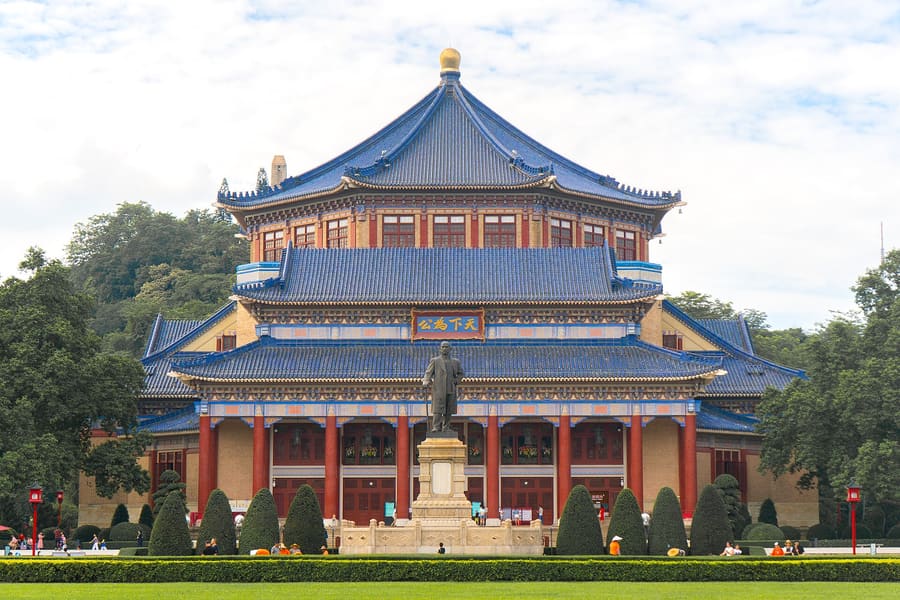
Yuexiu — Civic center mixing ancient city wall ruins with dense commercial shopping streets.
Shujianyang · CC BY 4.0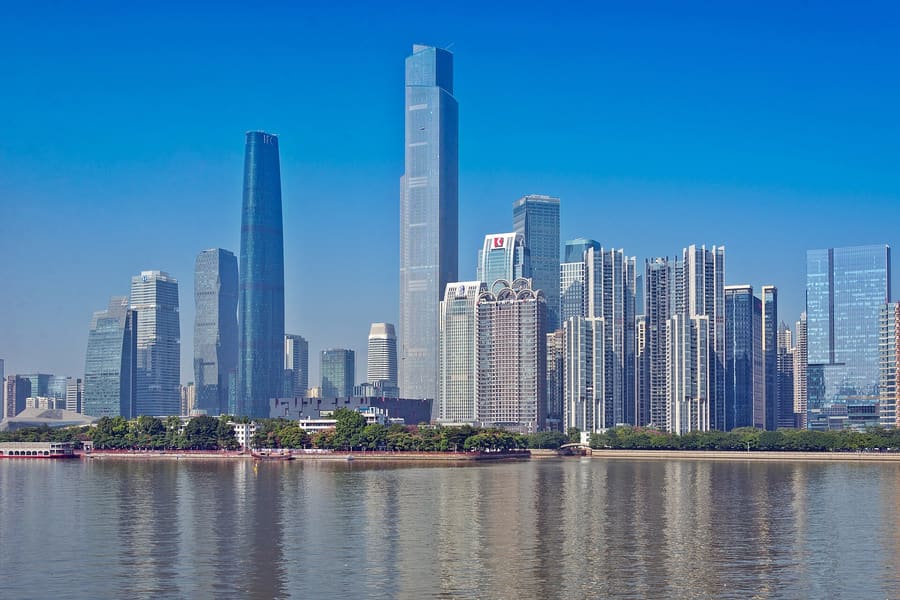
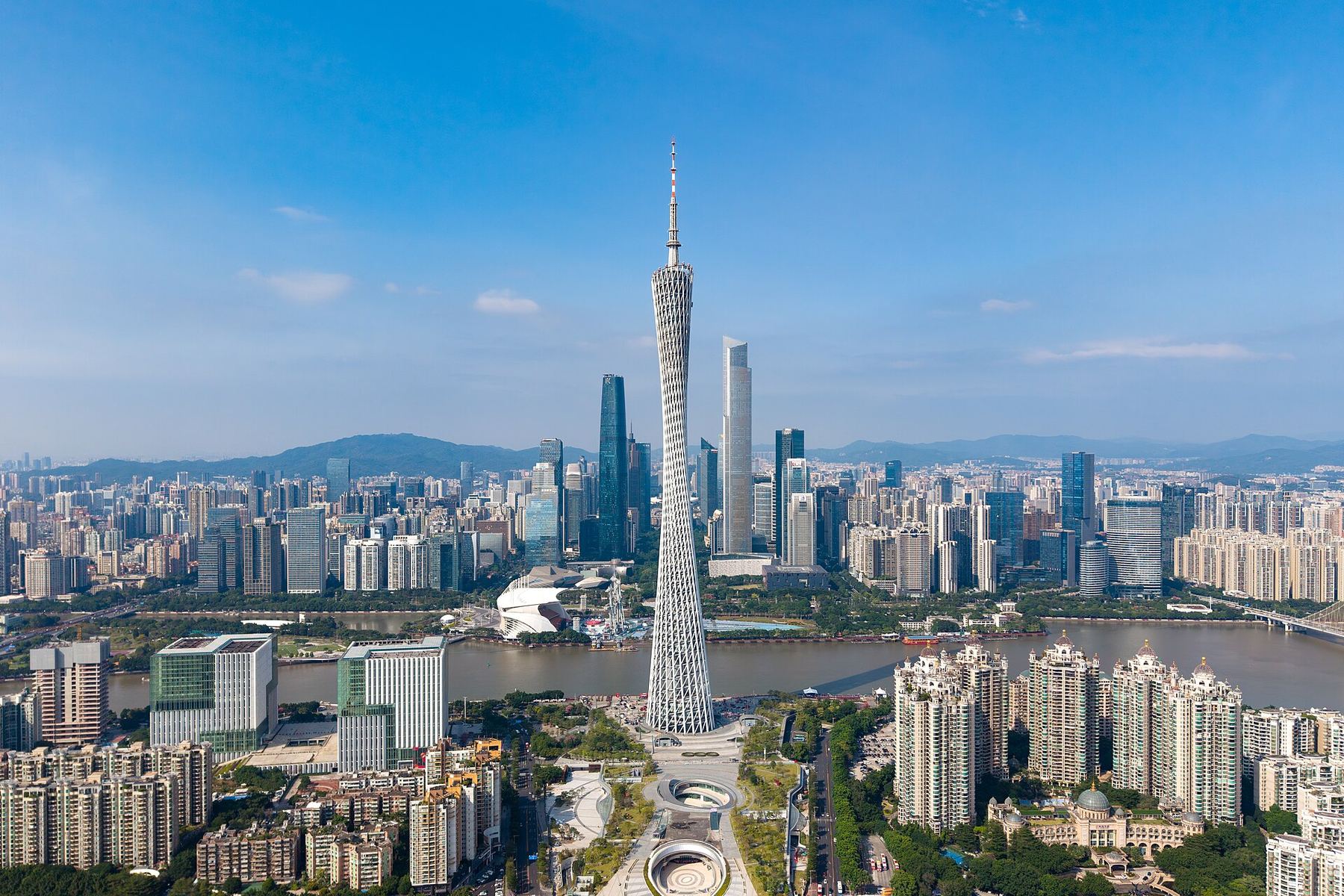
Zhujiang New Town — Glass towers, wide boulevards, luxury hotels, and modern cultural institutions.
xiquinhosilva · CC BY 2.0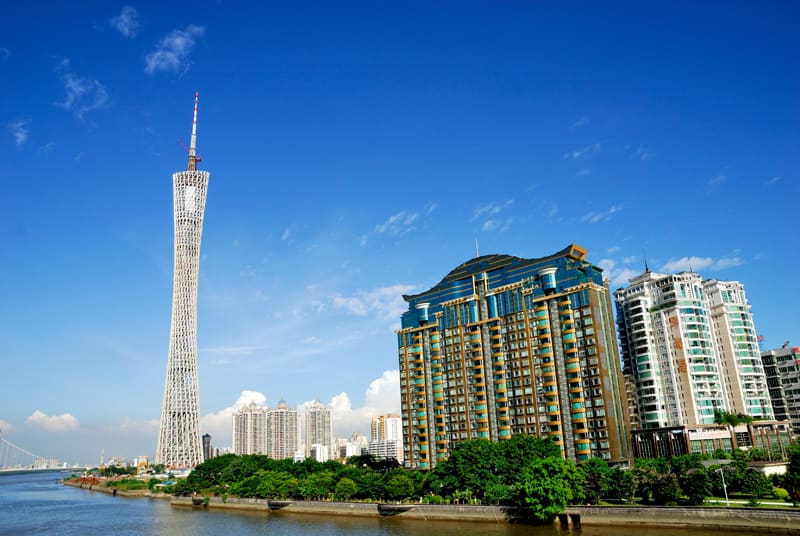
Haizhu — Former industrial riverside district transformed into creative parks and waterfront dining.
jiang-wen-jie · CC BY-SA 3.0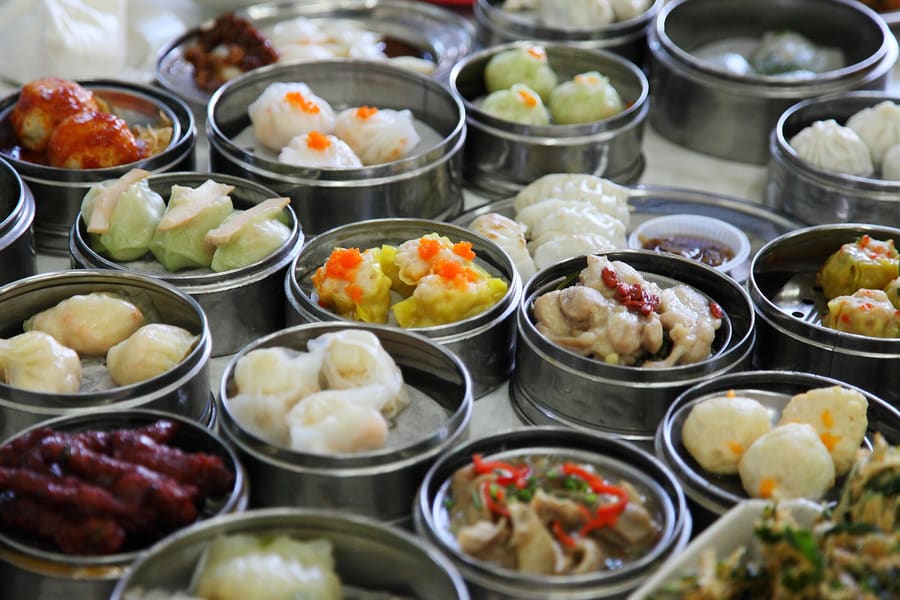
Dim sum bamboo baskets served during traditional morning tea in Guangzhou.
LeonardKong · CC BY 2.0highlights
landmark
Intricate 1894 Lingnan Qing-dynasty folk art academy with brick carvings. Take Metro Line 1 directly to Chen Clan Academy Station.
Parley से पूछें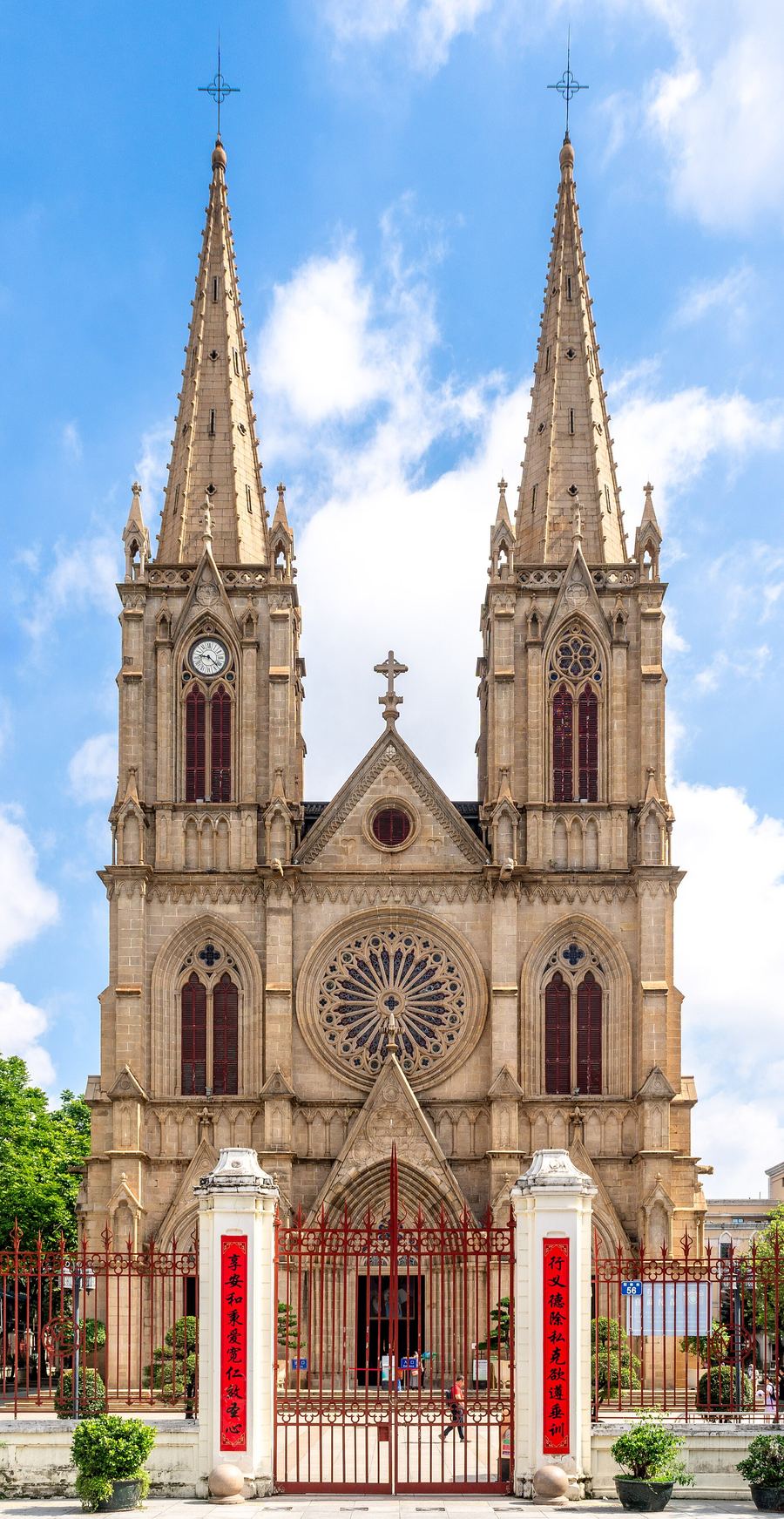
landmark
Granite Gothic cathedral built between 1863 and 1888. Enter via Yide Road near the dry seafood wholesale market.
Parley से पूछें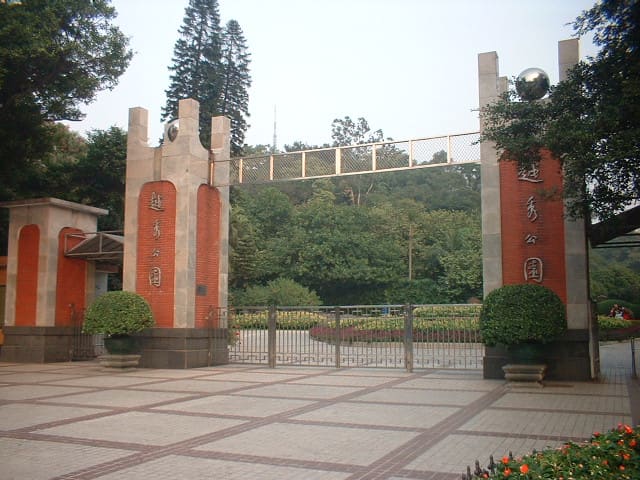
landmark
Guangzhou's largest park houses the Five Rams Sculpture and Ming dynasty city wall fragments. Metro Line 2 stops right at the entrance.
Parley से पूछेंattractions
areas
Old Canton character with arcade streets, canal bridges, and traditional morning tea houses.
पास मेंShamian Island and Qingping Market
Parley से पूछेंCivic center mixing ancient city wall ruins with dense commercial shopping streets.
पास मेंYuexiu Park and Sacred Heart Cathedral
Parley से पूछेंGlass towers, wide boulevards, luxury hotels, and modern cultural institutions.
पास मेंCanton Tower and Guangdong Museum
Parley से पूछेंFormer industrial riverside district transformed into creative parks and waterfront dining.
पास मेंCanton Tower and Pazhou Exhibition Center
Parley से पूछेंfood
Cantonese cuisine in Guangzhou centers on freshness, minimal seasoning, and precise steaming timing. Morning tea, or yum cha, is a hours-long social ritual centered on dim sum and pots of chrysanthemum or pu-erh tea. At night, open-air stalls cook rice rolls and stir-fried beef noodles over high-heat gas burners.
Dim sum bamboo baskets served during traditional morning tea in Guangzhou.
LeonardKong · CC BY 2.0Rinse your teacup and chopsticks with warm tea poured into the waste bowl provided at your table before eating.
Staff stamp a paper tracking card at your table whenever you pick up dishes from steam carts or order hot food.
Evaluate a tea house by its crystal shrimp dumplings (har gow); translucent skin and fresh shrimp indicate kitchen quality.
history
Guangzhou served as the southern terminus of the Maritime Silk Road for over two thousand years. During the Qing dynasty, the Canton System made this port China's sole legal point of trade with Western merchants.
Panyu Founded
Qin dynasty general Ren Xiao establishes Panyu, laying the urban foundation for modern Guangzhou.
Canton System Begins
The Qianlong Emperor restricts all foreign maritime trade exclusively to Guangzhou's Thirteen Factories district.
Opium War Impact
British forces occupy city forts, leading to the Treaty of Nanking and the opening of four other treaty ports.
First Canton Fair
China inaugurates the China Import and Export Fair in Guangzhou, creating a vital trade bridge to global buyers.
where to stay
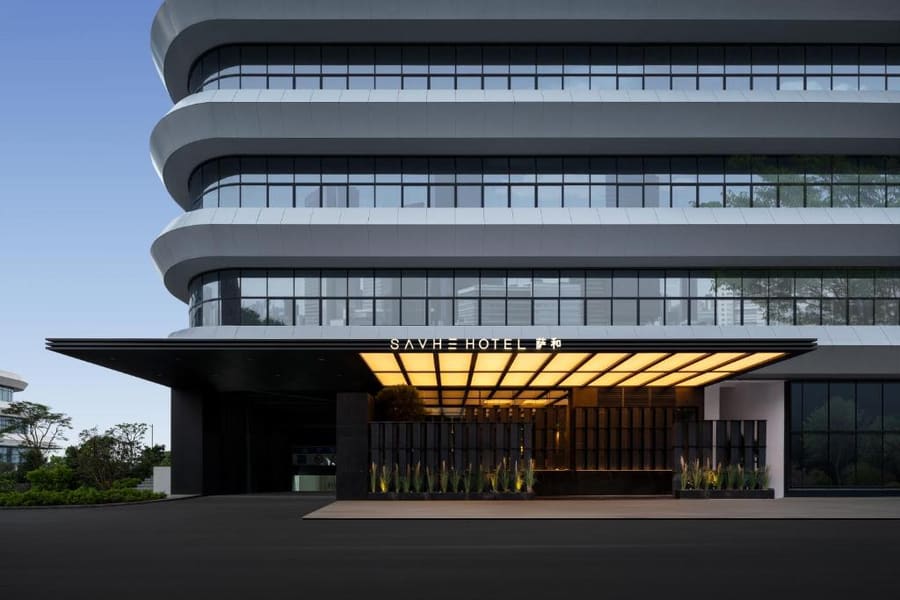
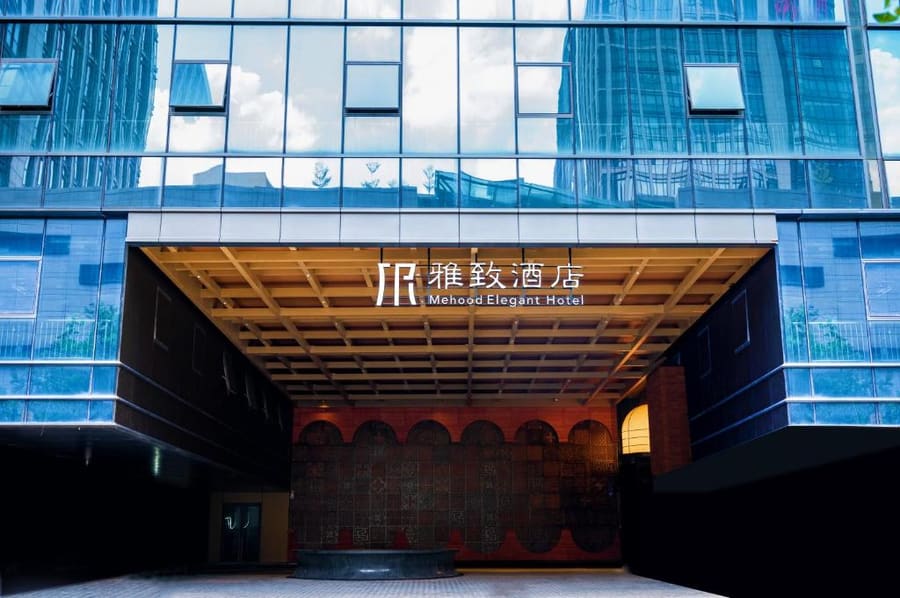
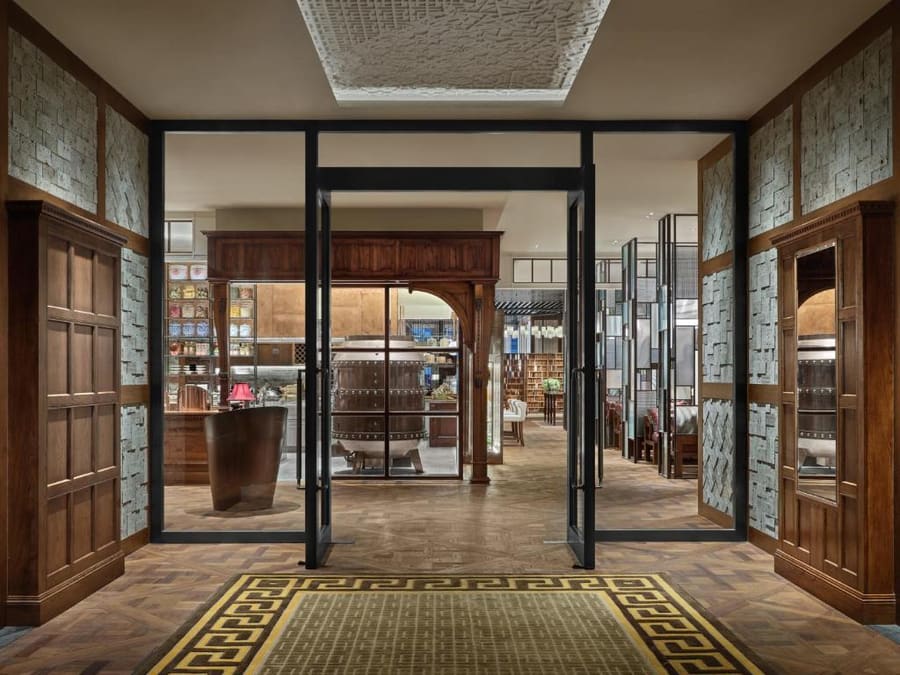
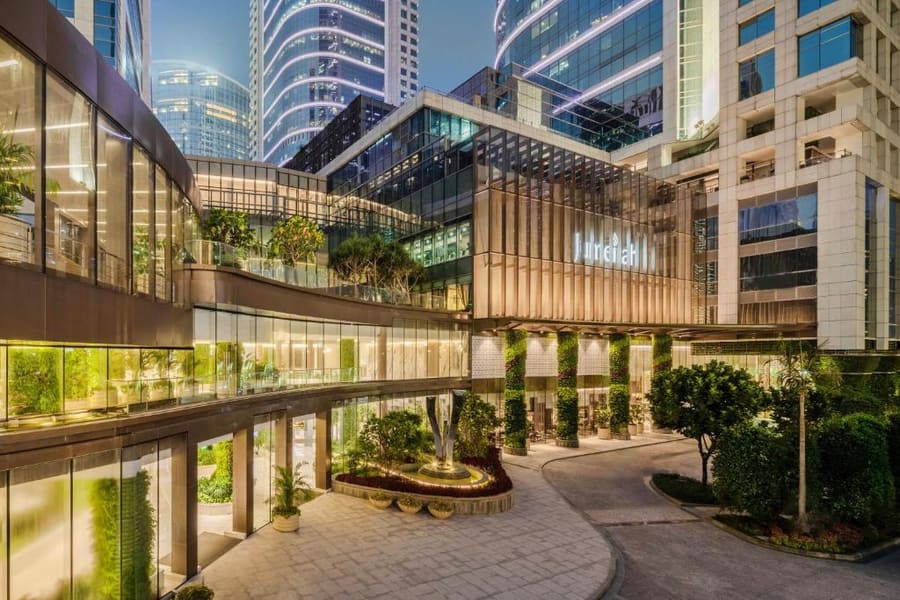
Choose your base by transit priority: stay in Zhujiang New Town for modern luxury and tower views, or pick Liwan for traditional Cantonese street life right outside your hotel lobby.
Live rates, matched to the areas above.
transport
Guangzhou's metro network runs smoothly with bilingual signage in English and Mandarin. Taxis and ride-hailing apps provide cheap river crossings when metro stations sit far apart.
Guangzhou Baiyun International Airport (CAN) से
Metro Line 3 connects Terminal 1 and 2 directly to Tiyu Xilu station.
Official taxi ranks operate outside arrivals; toll fees are added to the meter total.
Express buses run to Guangzhou Main Railway Station and major hotel hubs.
Buy a transit card at metro station service desks for seamless tap-and-go rides on subways and buses.
The driverless APM line runs beneath Zhujiang New Town for a flat fare of ¥2 per trip.
Line 3 experiences extreme crowding between 8:00 AM and 9:00 AM; avoid traveling with large luggage.
Water buses cost ¥2–10 and offer cheap scenic transit between Tianzi Pier and Canton Tower Pier.
cost
Guangzhou remains noticeably more affordable for dining and transit than Shanghai or Beijing. Daily expenses depend mostly on whether you eat in neighborhood teahouses or international hotels.
Covers tea charge and three to four dim sum baskets for one person at a traditional restaurant.
Distance-based fare covers almost all transit within the urban core.
Buys a fresh plate of steamed Changfen rice rolls and pork congee at a local eatery.
Standard admission ticket to the indoor observation level.
seasonality
OCT – DEC
Dry, mild weather with temperatures around 20°C. Best condition for walking historic streets.
JAN – FEB
Cool and grey. Lunar New Year flower markets fill public squares in late January or February.
MAR – MAY
Warm and damp with frequent fog and rain. Humidity rises steadily towards early summer.
JUN – SEP
Hot and humid with heavy downpours and occasional typhoons. Stick to air-conditioned indoors.
practicalities
Link your international credit card to Alipay or WeChat Pay before departure; cash is rarely used.
Download an offline English-Mandarin translation app; local service staff rarely speak fluent English.
Carry a compact umbrella and light jacket to navigate sudden downpours and strong indoors air conditioning.
Hotel prices double and triple during the Canton Fair sessions in mid-April to early May and mid-October to early November.
Do not drink untreated tap water. Boiled water or bottled water is provided in virtually all hotel rooms.