landmark
Ahu Tahai
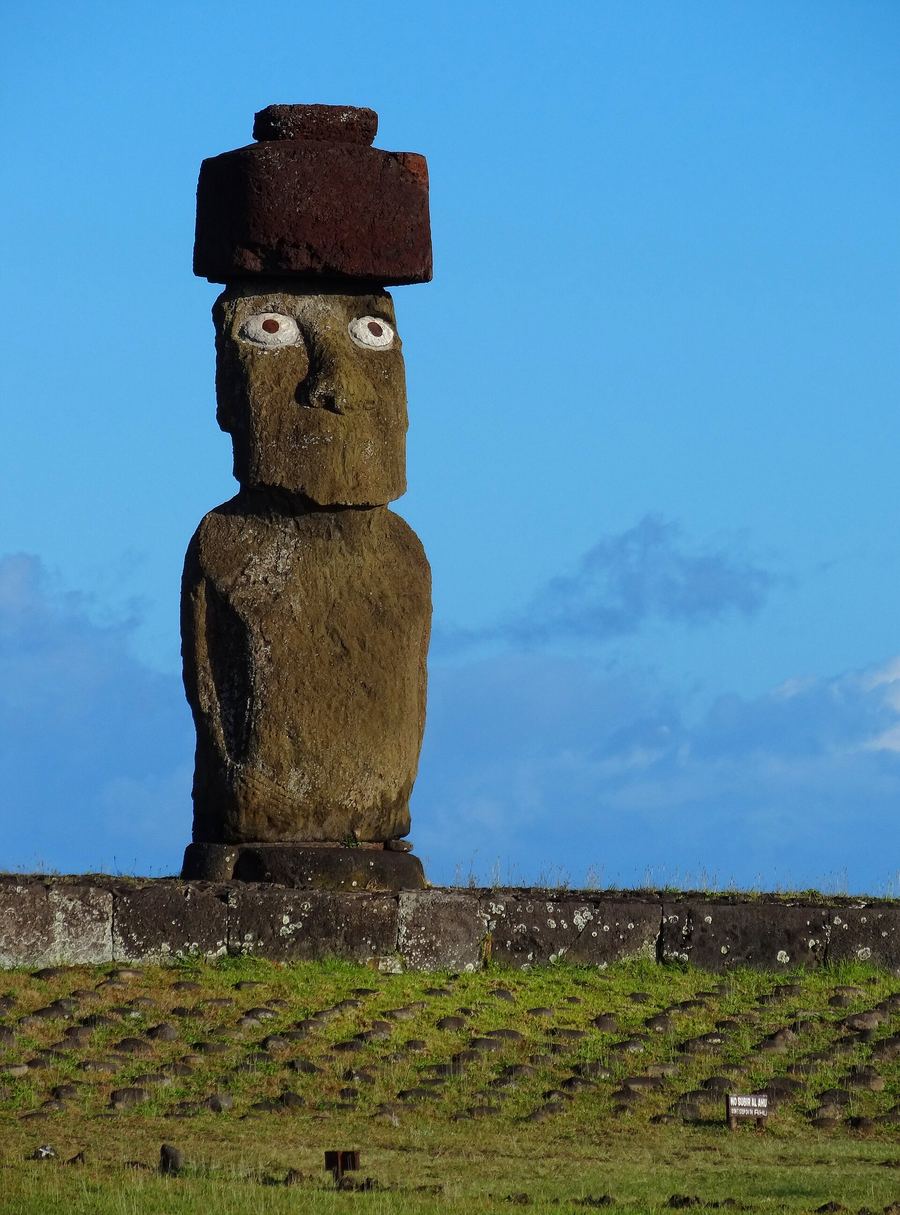
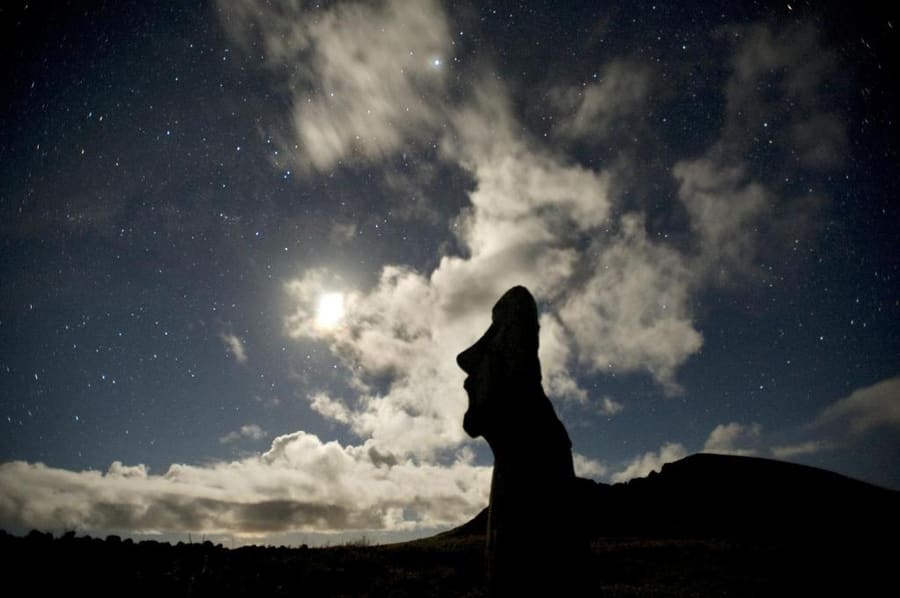
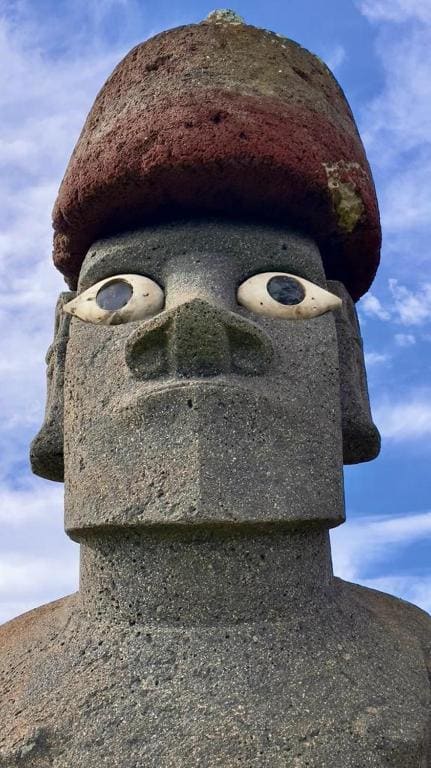
A complex of three ceremonial platforms north of town. Visit at sunset when the sky lights up behind the single eye-restored moai.
Parley से पूछेंचिली
Isolated Pacific outpost defined by ancient stone and sea.
introduction
Hanga Roa is the sole town on Rapa Nui, housing almost all of the island's population. You can walk the entire settlement in under an hour using Avenida Atamu Tekena as your main axis. The national park encompasses about 43% of Rapa Nui, leaving substantial areas outside Hanga Roa as non-park land, accessible by hired car, bike, or guided tour. Expect high island prices and a quiet, deliberate pace of daily life.
UNESCO World Heritage Status
Rapa Nui National Park covers over 40 percent of the island and earned UNESCO status in 1995 for its monumental stone ahu and moai.
Guide requirement rules
Chilean regulations require a licensed local guide or Rapa Nui host to enter most park sites. Book your guide before arriving on the island.
Hanga Roa
Ian Sewell · CC BY-SA 3.0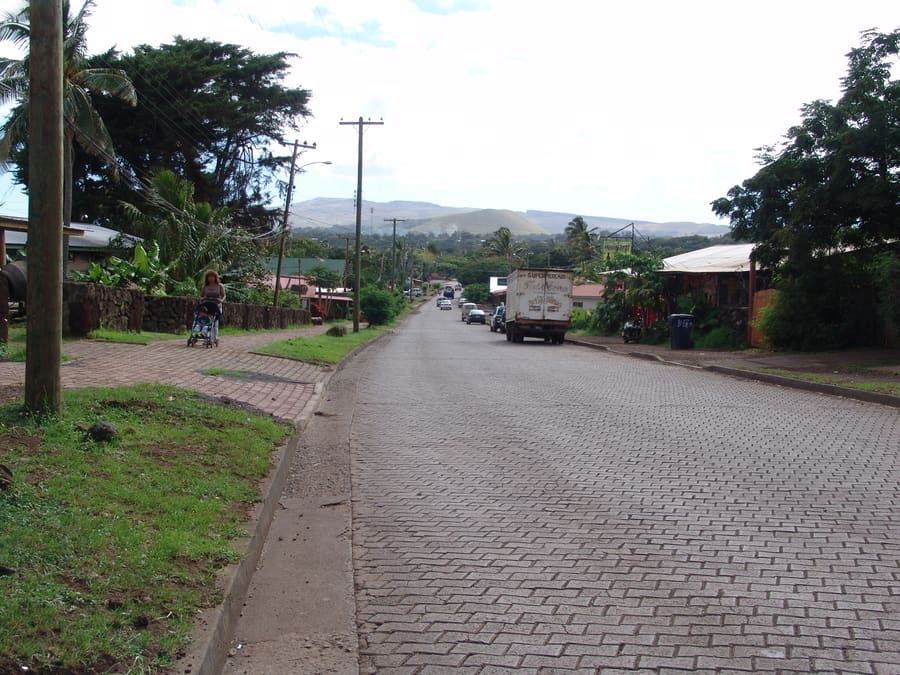
Centro / Atamu Tekena — Commercial heart with bakeries, craft shops, and main service offices.
Meik.ch · CC BY 3.0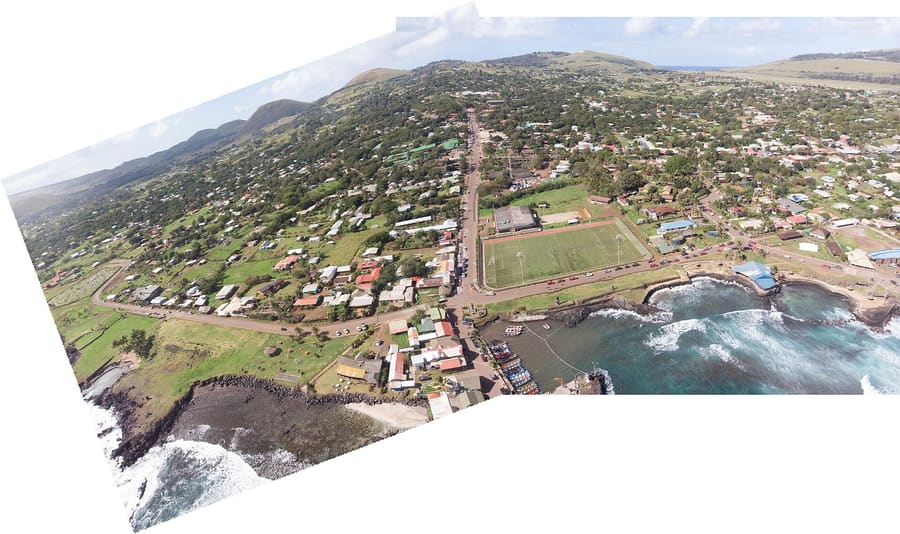
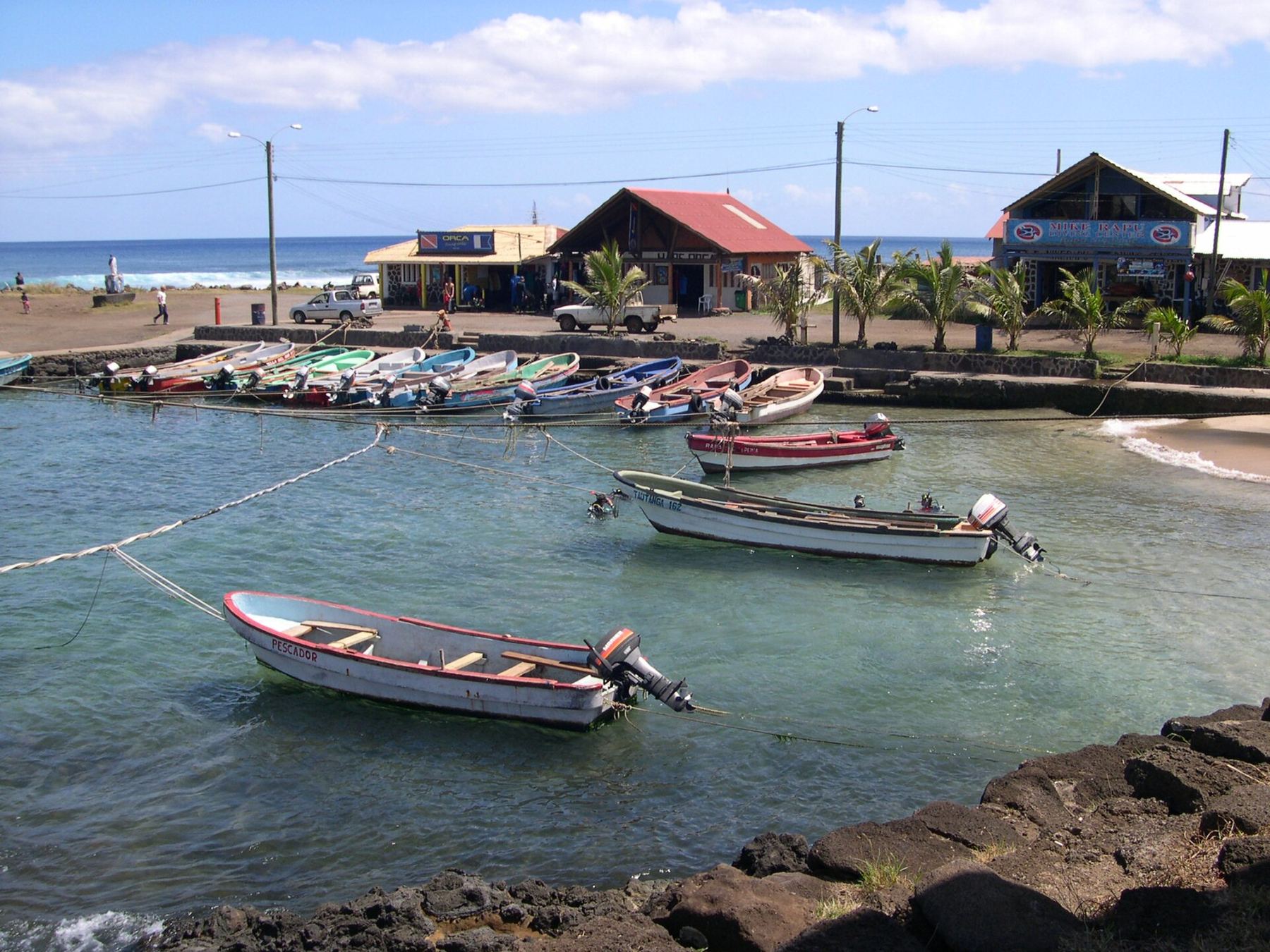
Caleta Hanga Roa — Small fishing harbour where sea turtles gather near the breakwater.
Chris Hoare · CC BY 2.0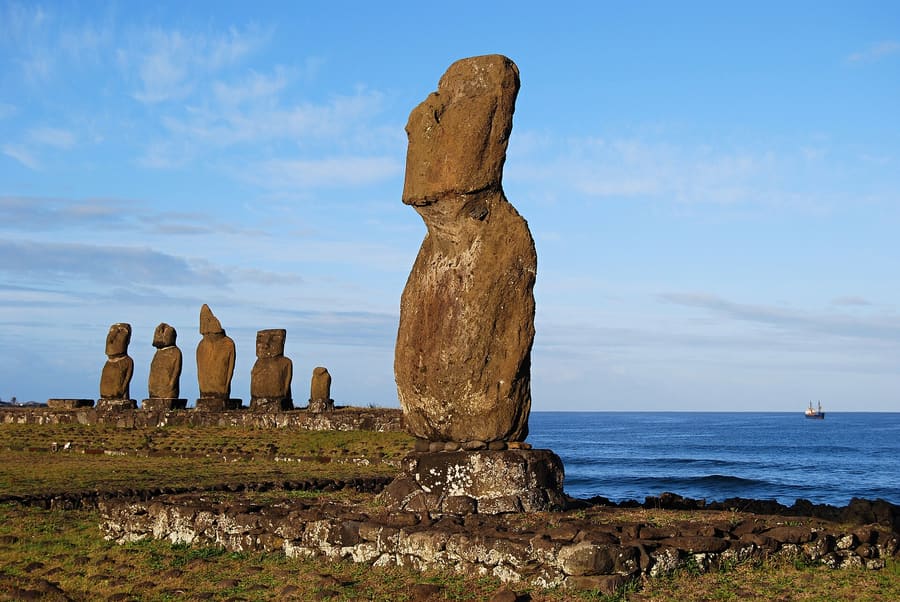
Tahai Edge — Quiet northern coastal fringe with open grasslands leading to ruins.
Pavel Špindler · CC BY 3.0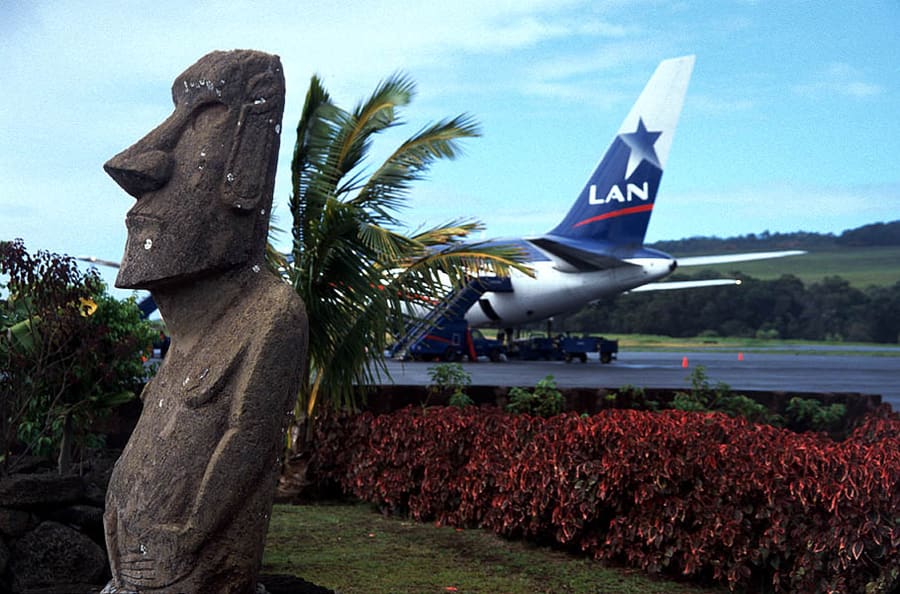
Mataveri — Residential southern neighborhood anchored by the airport runway.
Jialiang Gao www.peace-on-earth.org · CC BY-SA 3.0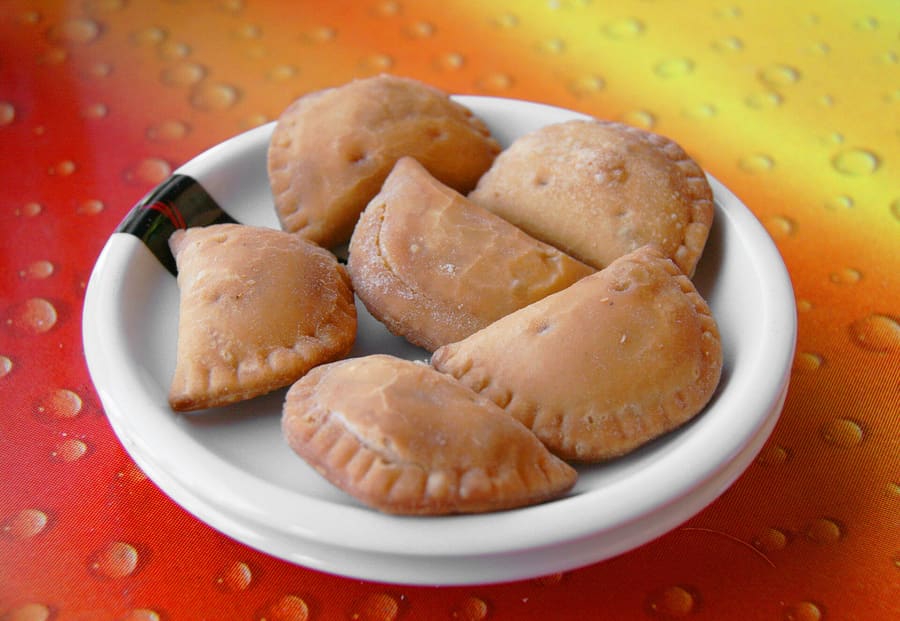
Fresh fried tuna empanada served near the harbour.
Tamorlan · CC BY 3.0highlights
landmark
A complex of three ceremonial platforms north of town. Visit at sunset when the sky lights up behind the single eye-restored moai.
Parley से पूछें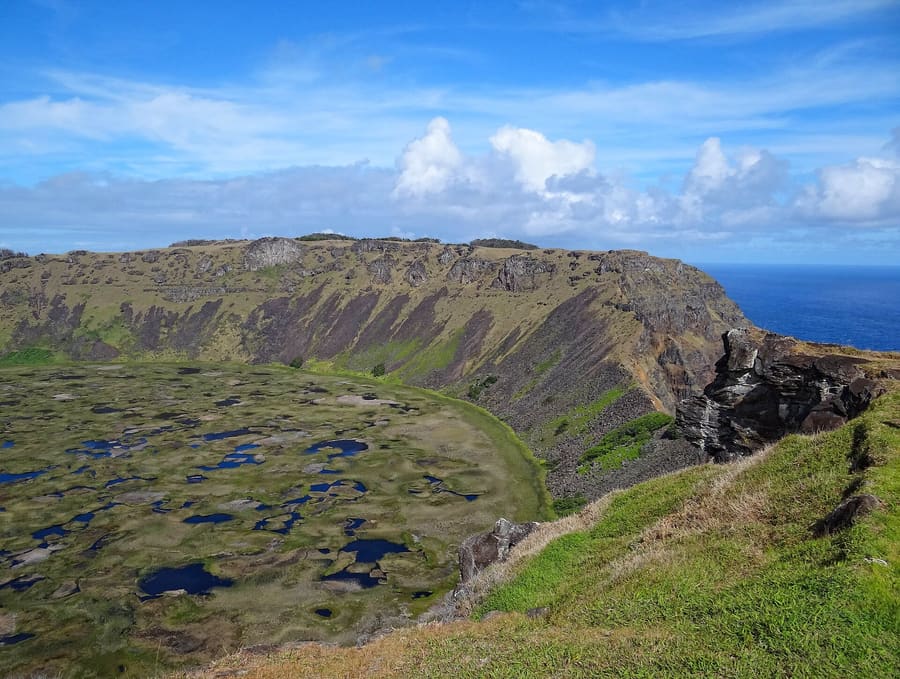
landmark
A massive volcanic crater lake beside the stone ceremonial village of Orongo. High wind is constant, so bring a jacket.
Parley से पूछें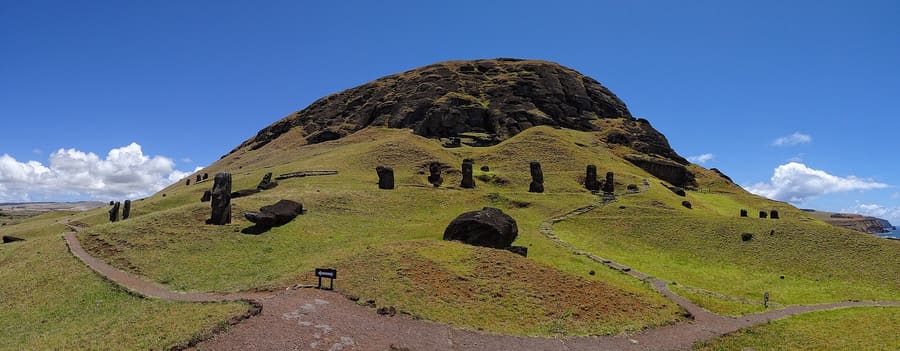
landmark
The volcanic quarry where hundreds of moai were carved. You can enter only once on your national park ticket.
Parley से पूछें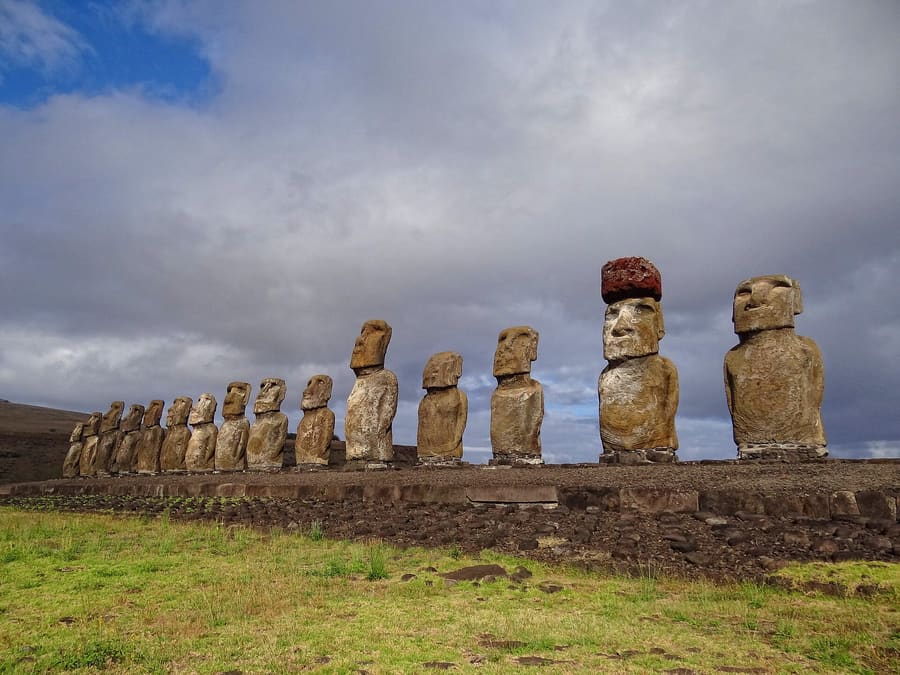
landmark
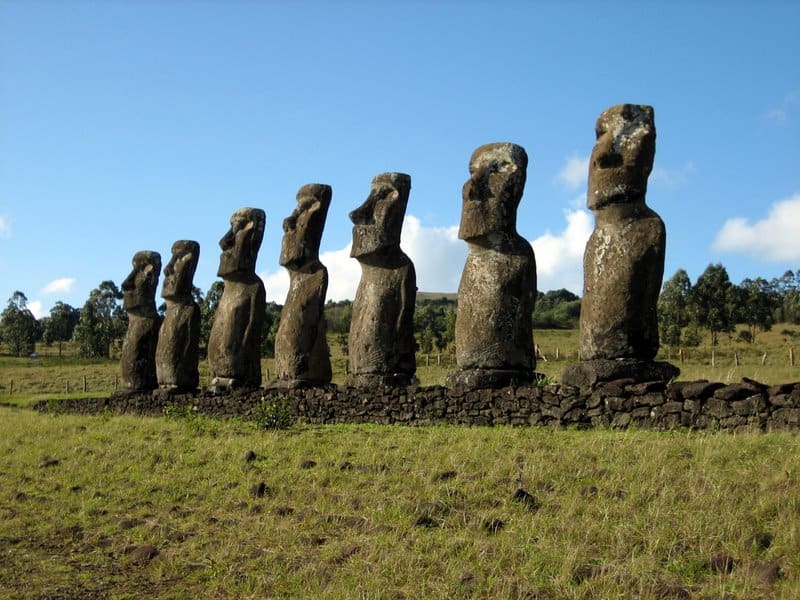
Fifteen standing statues facing inland on a massive oceanfront platform. Arrive at dawn for the best lighting conditions.
Parley से पूछें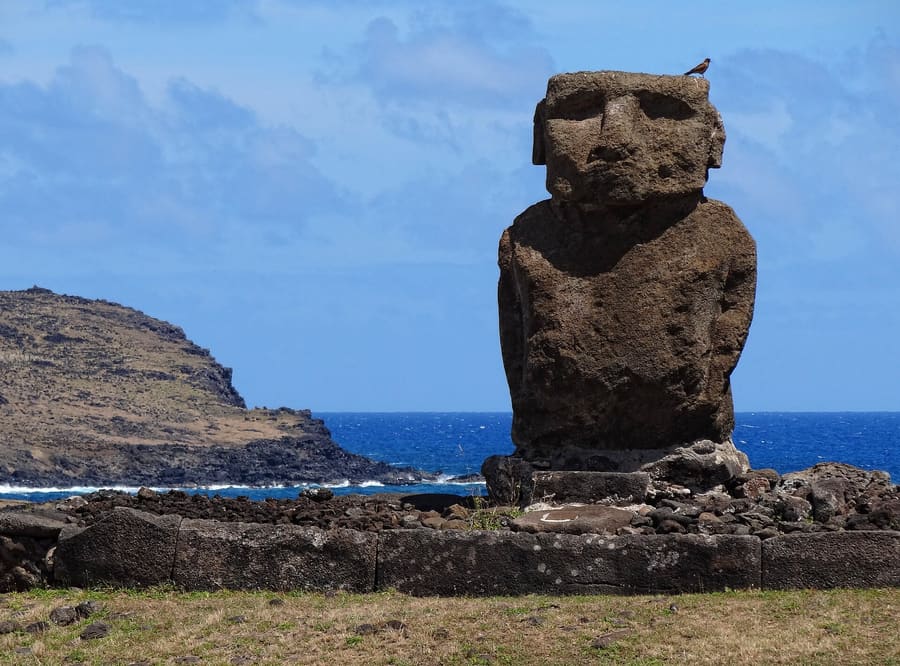
landmark
White coral sand and coconut palms beside Ahu Nau Nau. Bring Chilean pesos for local food stalls along the tree line.
Parley से पूछें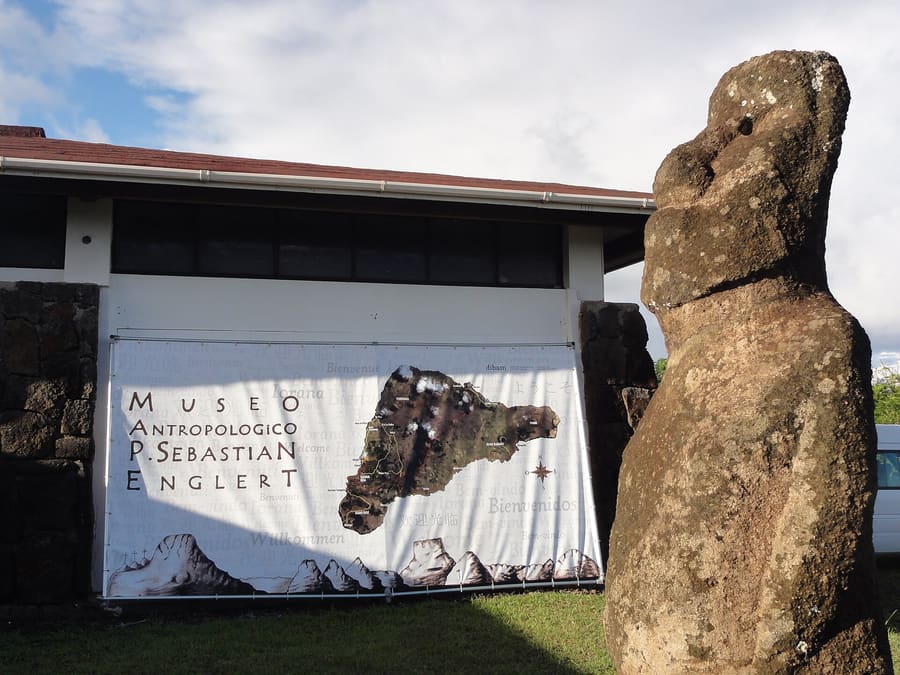
landmark
Houses the original coral eye found at Anakena and detailed Rapa Nui historical exhibits. Entry is completely free.
Parley से पूछेंattractions
areas
Commercial heart with bakeries, craft shops, and main service offices.
पास मेंPlaza Policarpo Toro and central markets.
Parley से पूछेंSmall fishing harbour where sea turtles gather near the breakwater.
पास मेंPea Beach and dive centers.
Parley से पूछेंQuiet northern coastal fringe with open grasslands leading to ruins.
पास मेंAhu Tahai and the anthropological museum.
Parley से पूछेंResidential southern neighborhood anchored by the airport runway.
पास मेंRano Kau trail access and Mataveri airport.
Parley से पूछेंfood
Isolation dictates the island menu. Fresh tuna arrives daily at the caleta, served raw as ceviche or fried inside deep dough empanadas. Imported produce is expensive, so local meals lean heavily on taro, sweet potatoes, and ocean catch.
Fresh fried tuna empanada served near the harbour.
Tamorlan · CC BY 3.0Order the empanada de atún con queso at this central spot. One fried empanada makes a complete lunch.
Eat fresh ceviche on the rocks at the edge of Hanga Piko harbour. Arrive before sunset to secure an outdoor table.
Try po'e, a sweet baked pudding made from pumpkin, banana, and cassava flour. Local bakeries sell slices by morning.
history
Rapa Nui was settled by Polynesian navigators around the 13th century. Isolation allowed a distinct culture to flourish, producing monumental stone architecture before ecological strain altered society. Chile formally annexed the island in 1888.
Polynesian settlement
Polynesian voyagers discover Rapa Nui and establish agricultural settlements.
European contact
Dutch navigator Jacob Roggeveen lands on Easter Sunday, naming the island.
Chilean annexation
King Atamu Tekena signs a treaty of annexation with Chilean naval officer Policarpo Toro.
Civil rights act
Rapa Nui residents receive full Chilean citizenship and voting rights.
where to stay
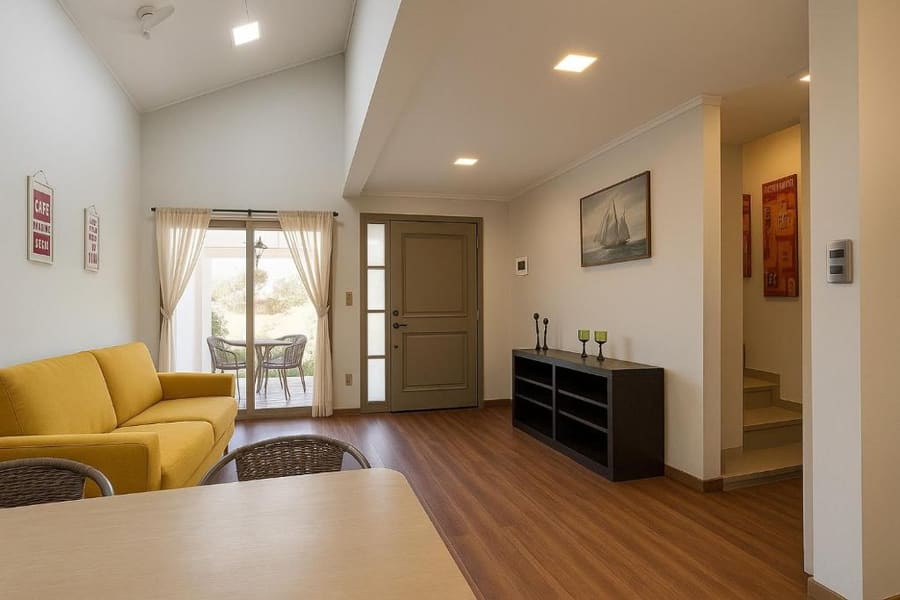
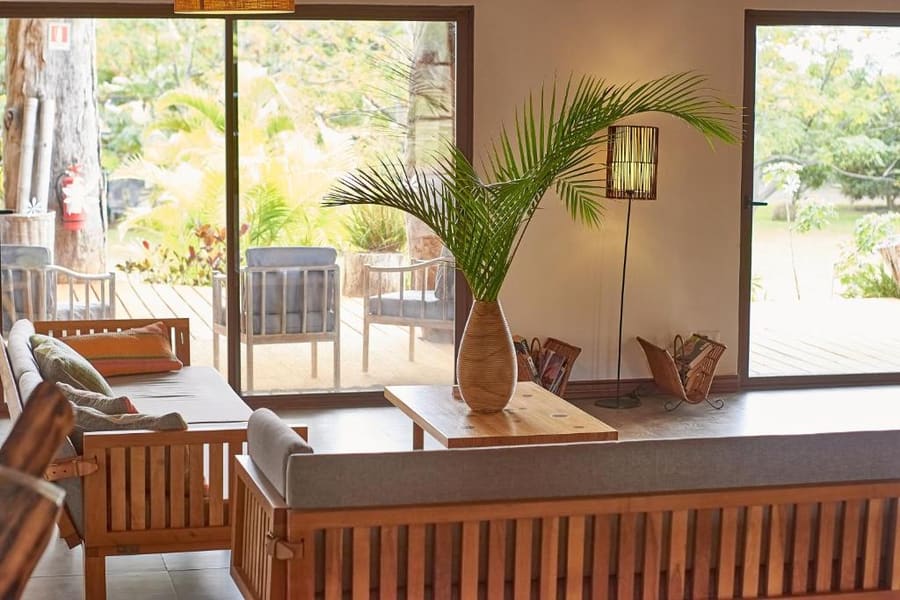
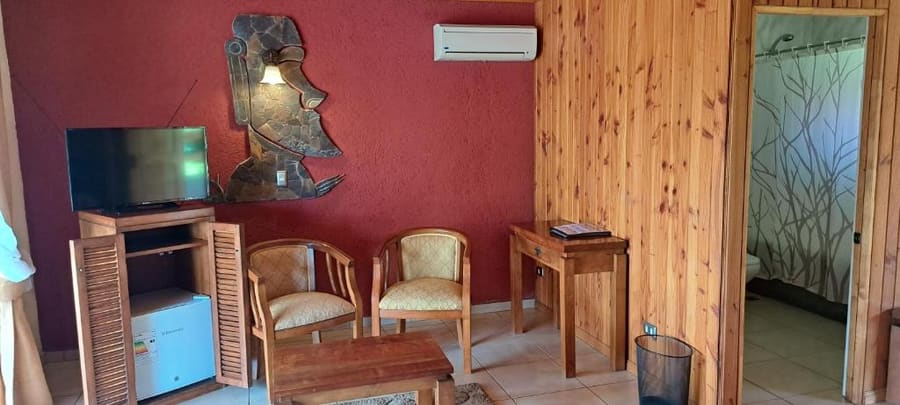
Choose your base according to your mobility plans. Staying along Atamu Tekena lets you walk to restaurants, while coastal lodges on the outskirts offer absolute quiet.
Live rates, matched to the areas above.
transport
Hanga Roa is easily navigated on foot, but exploring the national park requires wheels. Suzuki Jimny 4x4s, quad bikes, and electric bicycles are the standard rentals in town.
Hanga Roa has no public buses. Transport is limited to taxis, rental cars, or bicycles.
Taxis within Hanga Roa take flat cash fares. Agree on the price before getting in.
Rent electric bicycles along Atamu Tekena to handle the island's rolling terrain.
cost
Shipping goods 3,700 kilometers from mainland Chile elevates every price tag. Expect grocery and dining prices roughly double those in Santiago.
Filling local staple available at central bakeries and ocean stalls.
Standard 4x4 rental for touring distant sites like Tongariki.
Fresh catch fish dish at mid-range oceanfront restaurants.
seasonality
JAN – MAR
Warmest sea temperatures and peak tourist crowds during the Tapati Rapa Nui festival in February.
APR – JUN
Pleasant shoulder season temperature with higher rainfall. Pack a waterproof shell.
JUL – SEP
Cooler ocean winds and quietest park trails. Great for long hikes.
OCT – DEC
Spring weather with wild flowers blooming across crater slopes.
practicalities
Rapa Nui operates on Easter Island Standard Time, two hours behind Santiago.
Only two BancoEstado ATMs exist in town. Bring backup Chilean peso cash.
Tap water in Hanga Roa is drinkable, but heavily mineralized. Filtered water tastes better.
Beaches outside Anakena have treacherous rip currents. Swim only in designated zones.