landmark
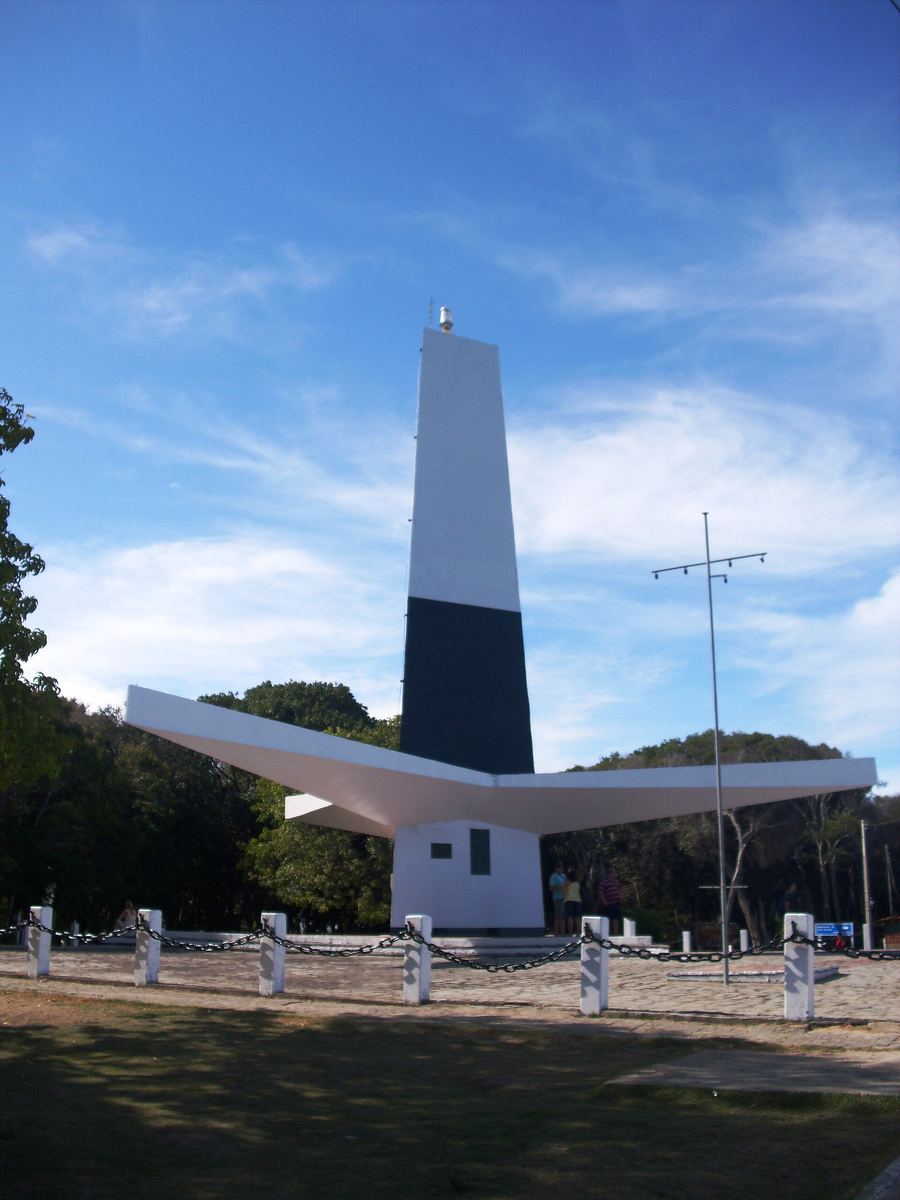
Farol do Cabo Branco
Stands on the cliff marking the easternmost tip of continental South America. Visit before 06:00 to see the continent's earliest sunrise.
Parley से पूछेंब्राज़ील
South America's easternmost city, built along warm waters.
introduction
João Pessoa sits at the easternmost point of the Americas mainland. Coastal height limits keep the oceanfront free of towering shadows and open to sea breezes. Life moves between early morning walks along Avenida Cabo Branco, low-tide trips to offshore reefs, and quiet evenings in the historic quarter.
Airport taxis operate fixed tariffs
Presidente Castro Pinto Airport uses set rate sheets for beach zones. Confirm the price at the official counter inside before stepping outside.
UNESCO Creative City for Crafts
UNESCO designated João Pessoa a Creative City in 2017. Local artisans produce intricate renda renascença lace across municipal markets.
Strict coastal height limits
A city law caps beachfront buildings at four stories. Ocean breezes reach inland streets and keep the waterfront unshaded all afternoon.
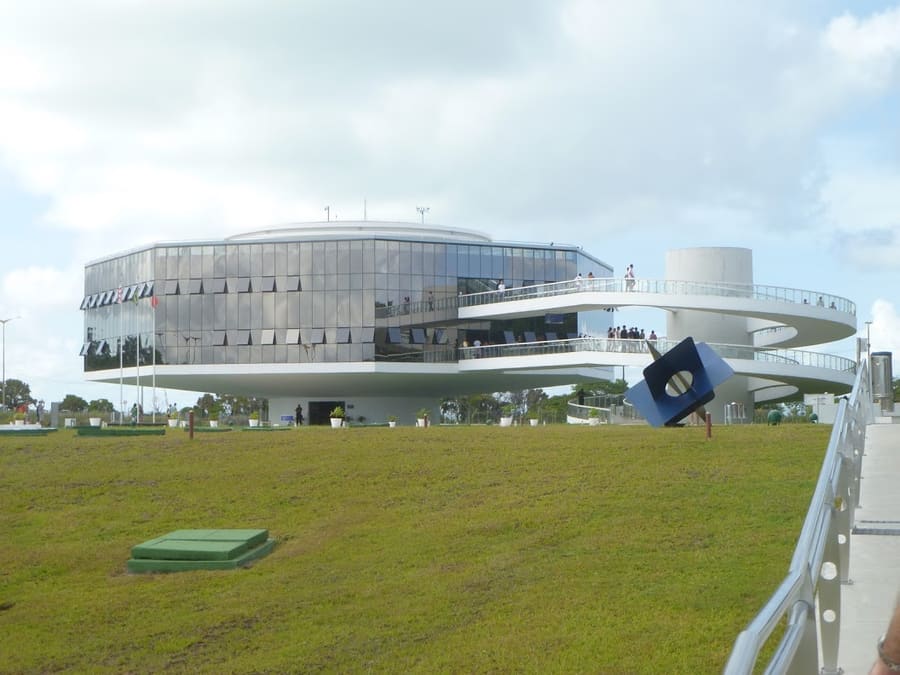
João Pessoa
Flaviohmg · CC BY-SA 3.0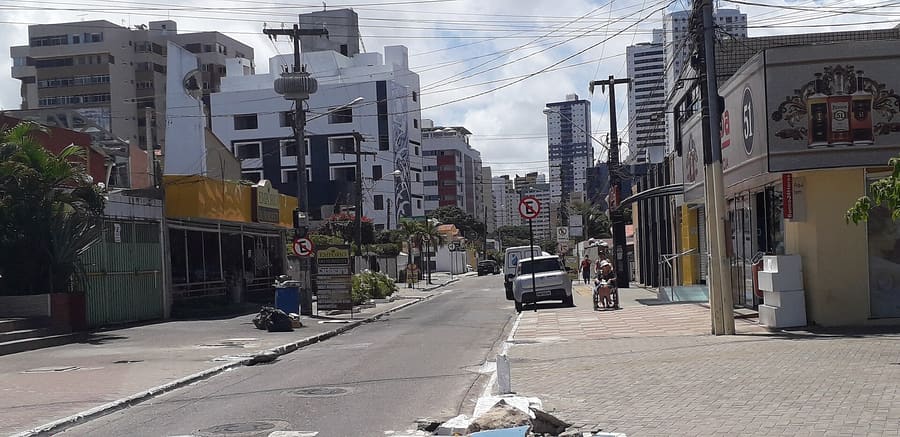
Tambaú — The energetic tourist hub packed with coastal bars, boardwalk kiosks, and craft stalls.
Ajmcbarreto · CC BY-SA 4.0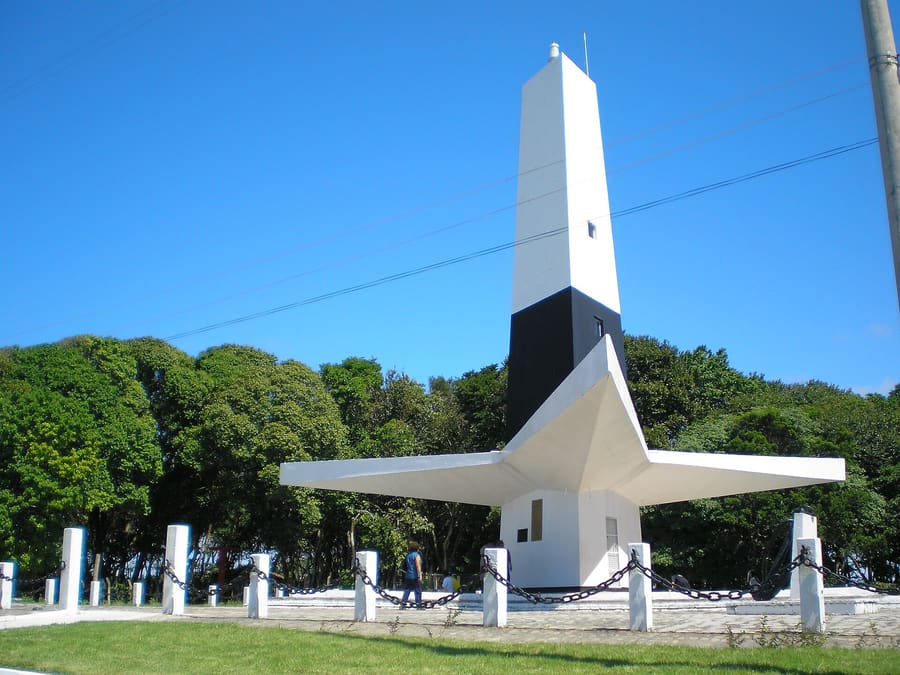
Cabo Branco — A spacious beachfront strip favoured by runners, cyclists, and quiet oceanfront hotels.
No machine-readable author provided. Pbendito assumed (based on copyright claims). · CC BY-SA 2.5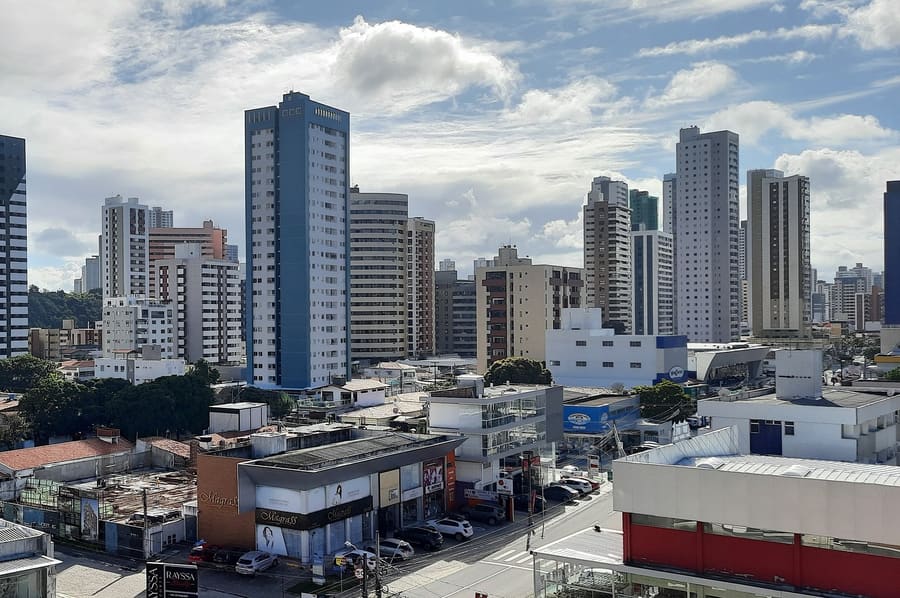
Manaíra — An upscale district housing the city's major shopping mall, bakeries, and modern flats.
Marcos Elias de Oliveira Júnior · CC0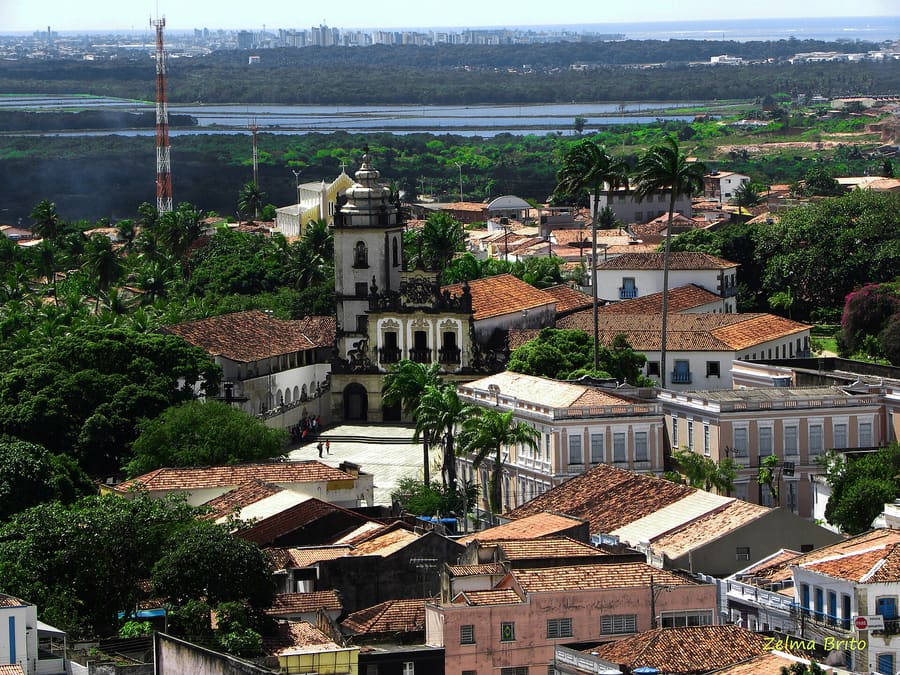
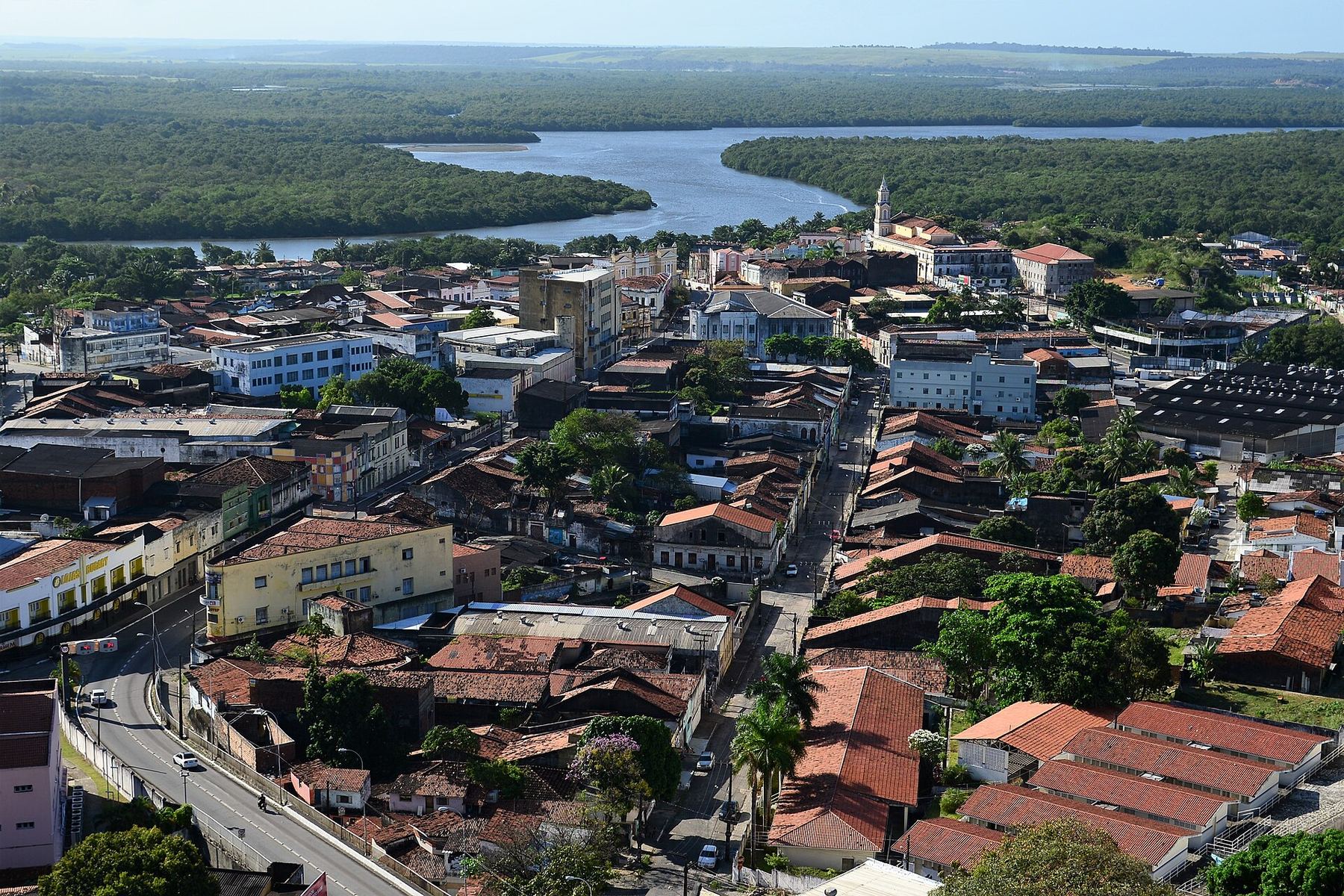
Centro Histórico — The colonial core set on elevated ground away from the sea, filled with churches and plazas.
Zelma Brito · CC BY-SA 3.0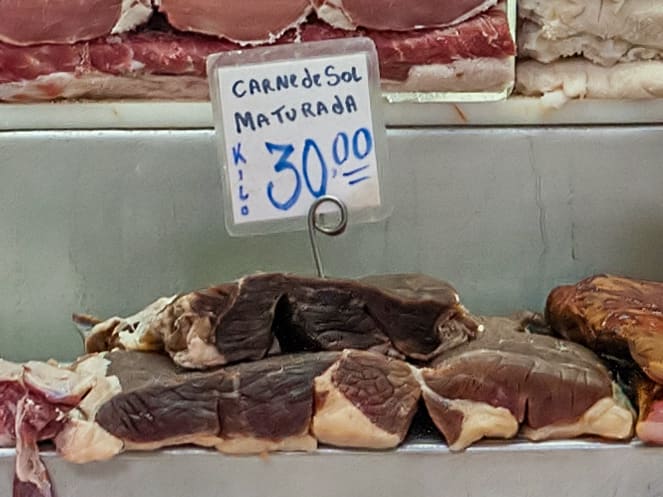
Carne de sol served with cassava and bottle butter is a staple across João Pessoa.
Wilfredor · CC BY-SA 4.0highlights
landmark
Stands on the cliff marking the easternmost tip of continental South America. Visit before 06:00 to see the continent's earliest sunrise.
Parley से पूछें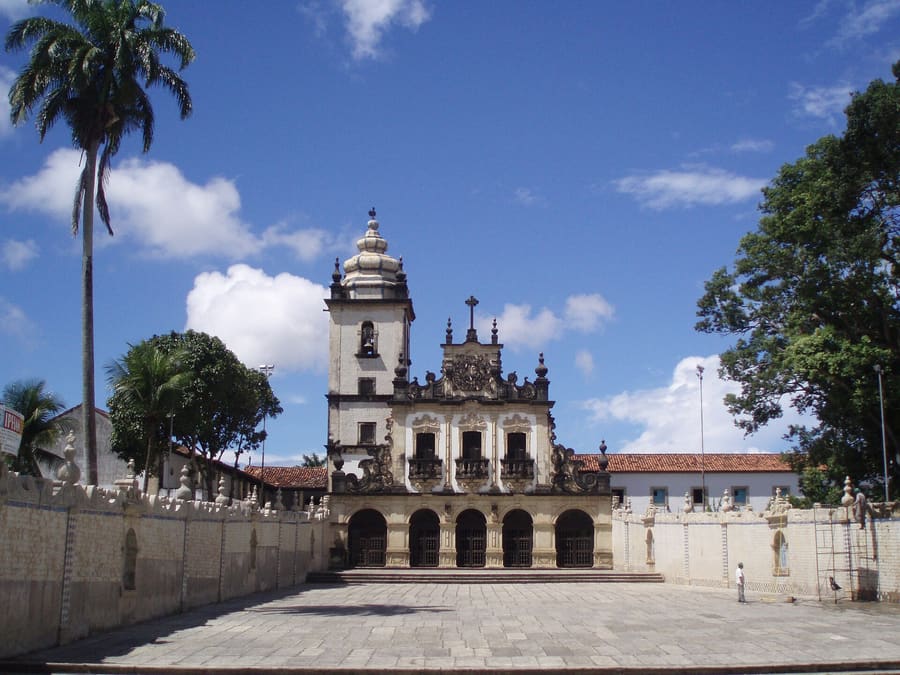
landmark
A 16th-century Franciscan complex with intricate gold leaf carvings. Guided tours cost R$12 and cover the blue azulejo courtyards.
Parley से पूछें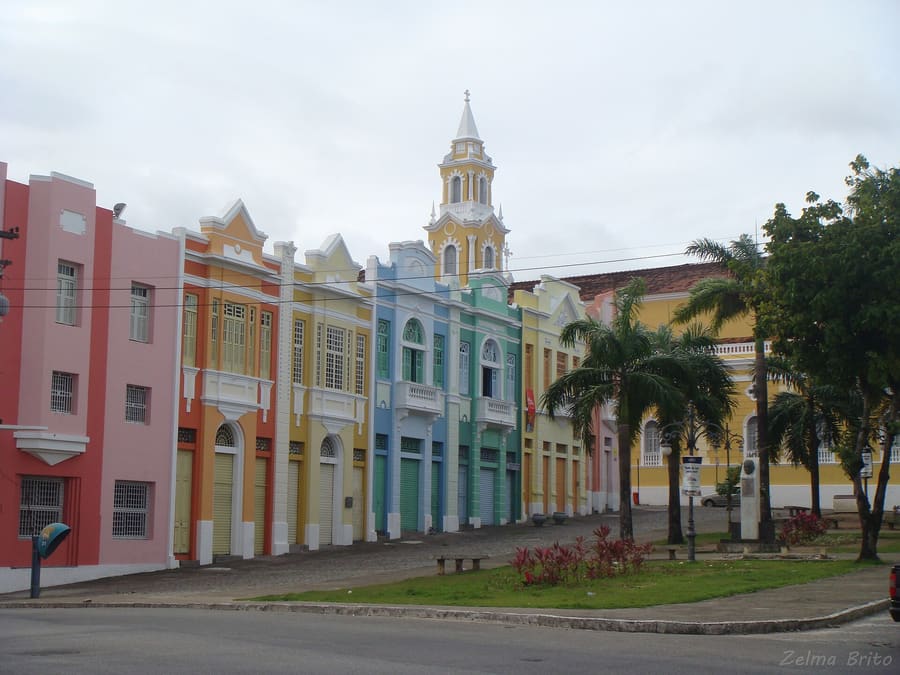
landmark
Pastel colonial facades line this lower-town plaza. Visit during daylight hours for architecture photography; quiet down at night.
Parley से पूछें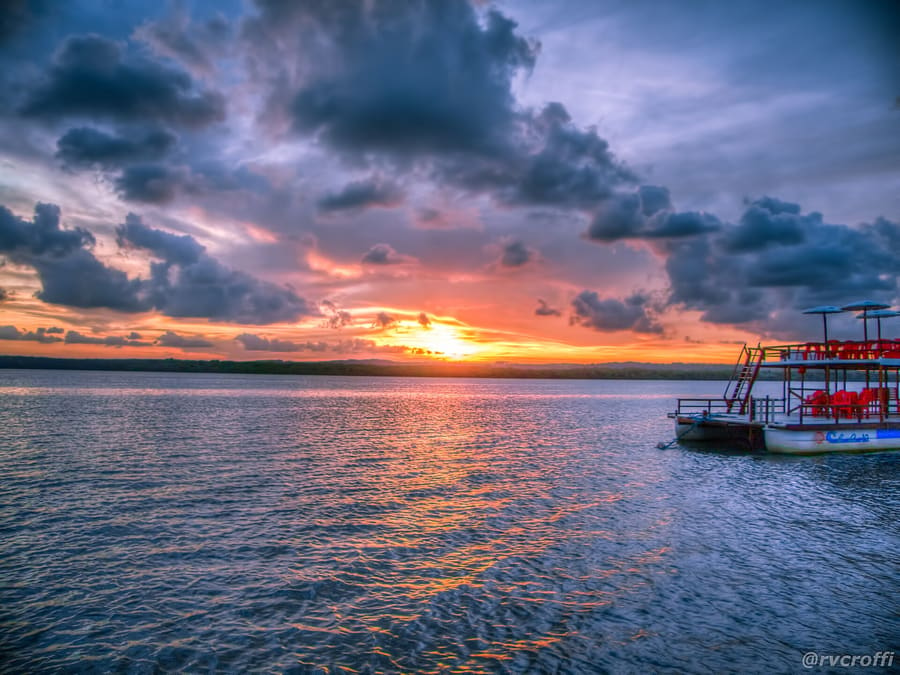
landmark
Musician Jurandy plays Ravel's Bolero from a canoe on the Paraíba River at 17:00 daily. Arrive by 16:15 to secure a spot on the boardwalk.
Parley से पूछेंattractions
areas
The energetic tourist hub packed with coastal bars, boardwalk kiosks, and craft stalls.
पास मेंPraia de Tambaú boardwalk and catamaran piers
Parley से पूछेंA spacious beachfront strip favoured by runners, cyclists, and quiet oceanfront hotels.
पास मेंAv. Cabo Branco car-free morning zone and Ponta do Seixas
Parley से पूछेंAn upscale district housing the city's major shopping mall, bakeries, and modern flats.
पास मेंManaíra Shopping and residential dining strips
Parley से पूछेंThe colonial core set on elevated ground away from the sea, filled with churches and plazas.
पास मेंCentro Cultural São Francisco and Praça Antenor Navarro
Parley से पूछेंfood
Paraíban food relies heavily on inland sertão ingredients. Salted, sun-cured beef served with melted bottle butter and cassava forms the bedrock of regional menus. Coastal kitchens focus on seafood and rubacão — a dense dish of rice, red beans, dried meat, cream, and coalho cheese.
Carne de sol served with cassava and bottle butter is a staple across João Pessoa.
Wilfredor · CC BY-SA 4.0This hearty regional rice dish combines red beans, cured meat, and melted cheese. Local venues serve portions sized for sharing.
Evening kiosks prepare thin cassava crepes filled with grated coconut and fresh cheese cooked directly on flat griddles.
Beachfront quiosques serve fried fish and crab cakes continuously from 11:00 to 17:00.
history
Founded in 1585 as Nossa Senhora das Neves, the settlement was the third oldest city in Brazil. It changed names several times, including a period under Dutch rule as Frederikstad between 1634 and 1654. In 1930, the city adopted its current name after the assassination of Paraíba's governor, João Pessoa.
City founded
Portuguese colonisers found Nossa Senhora das Neves near the Paraíba River to secure sugar export routes.
Dutch conquest
Dutch forces capture the settlement, rename it Frederikstad, and expand regional sugar plantations.
Portuguese return
Portuguese administration reclaims the city, building Franciscan convents and administrative squares.
Renamed João Pessoa
The city takes the name of assassinated governor João Pessoa following political turmoil across Brazil.
where to stay
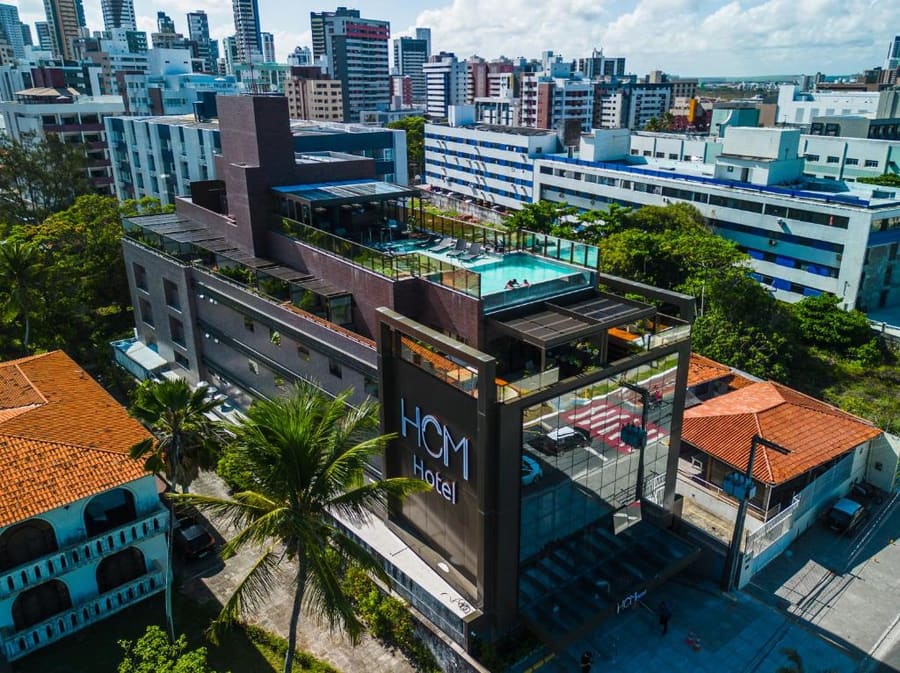
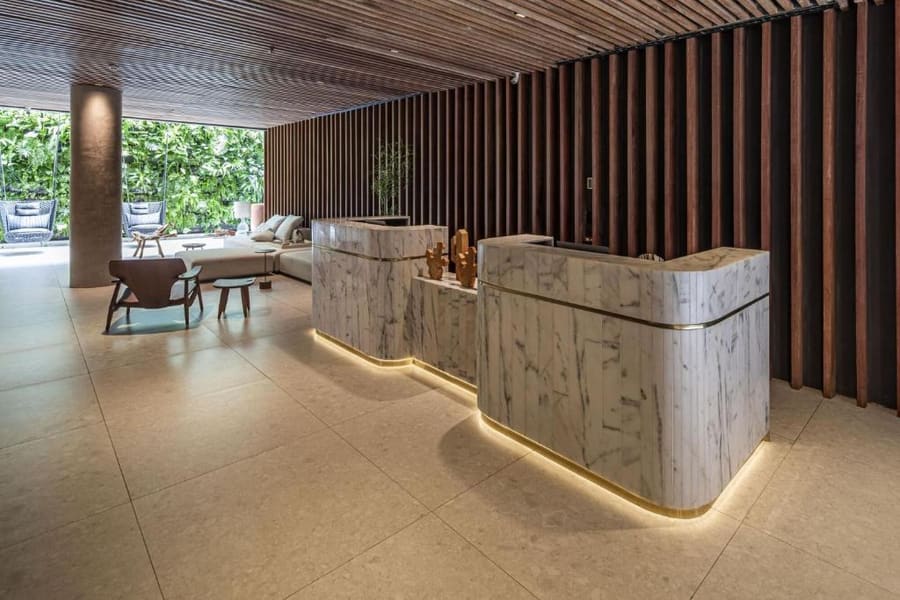
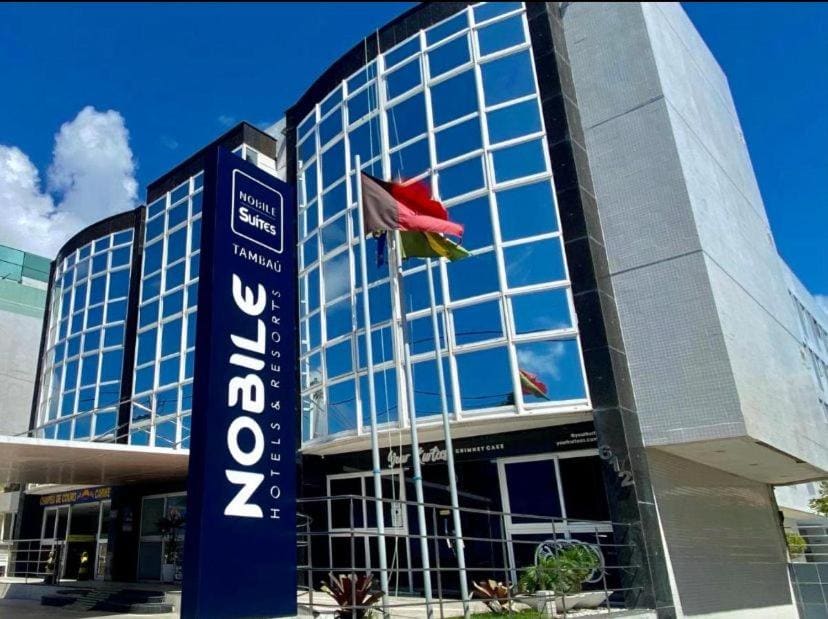
Choose by your daily routine. If you want immediate access to restaurants, craft markets, and catamaran departures, pick Tambaú. If you prefer morning runs on closed avenues and quieter nights, stay along Avenida Cabo Branco. Business trips and longer stays suit Manaíra.
Live rates, matched to the areas above.
transport
João Pessoa is spread out along the oceanfront and inland history district. Municipal buses connect downtown to coastal zones, but rideshare apps are inexpensive and widely used for travel between beach neighborhoods.
Presidente Castro Pinto International Airport (JPA) से
Fixed tariff sheets posted at the desk inside arrivals.
App pickup occurs directly outside the terminal exit.
Uber and 99 operate routinely between coastal hotels and downtown sites. Drivers take card or cash payments in-app.
The coastal avenue closes to vehicle traffic daily from 05:00 to 08:00 for exercise.
City buses accept cash directly to the onboard conductor or local transit cards.
Praia do Jacaré sits in neighbouring Cabedelo; request a return ride early as surge pricing hits post-sunset.
cost
João Pessoa offers lower daily costs than larger northeastern state capitals. Beachfront dining in Tambaú carries a tourist premium, but regional eateries and market stalls maintain reasonable rates.
Freshly cooked cassava crepe with coconut or regional cheese filling.
Generous serving with cassava, rice, and beans at regional venues.
Per person fare for low-tide boat trips to Picãozinho or Areia Vermelha.
seasonality
SEP – FEB
Dry season with warm, clear ocean water. Peak domestic crowd arrives during December and January.
MAR – MAY
Transitional months with intermittent rain showers. Hotel rates drop while sea temperatures stay warm.
JUN – AUG
Rainy season with frequent heavy downpours. June features major Festas Juninas celebrations across the state.
practicalities
Because Paraíba sits on the eastern tip of Brazil without daylight saving, daylight starts early and darkness falls by 17:30.
Reef boat excursions to Picãozinho depend strictly on low tide (0.0 to 0.4m). Plan around the lunar calendar.
From beachfront restaurants to market vendors using wireless terminals, credit and debit cards are widely accepted.
Equatorial sunlight is intense even on cloudy days. Wear a hat and sunscreen during morning walks.
English is rarely spoken outside major hotel reception desks. Basic Portuguese vocabulary helps immensely.