landmark
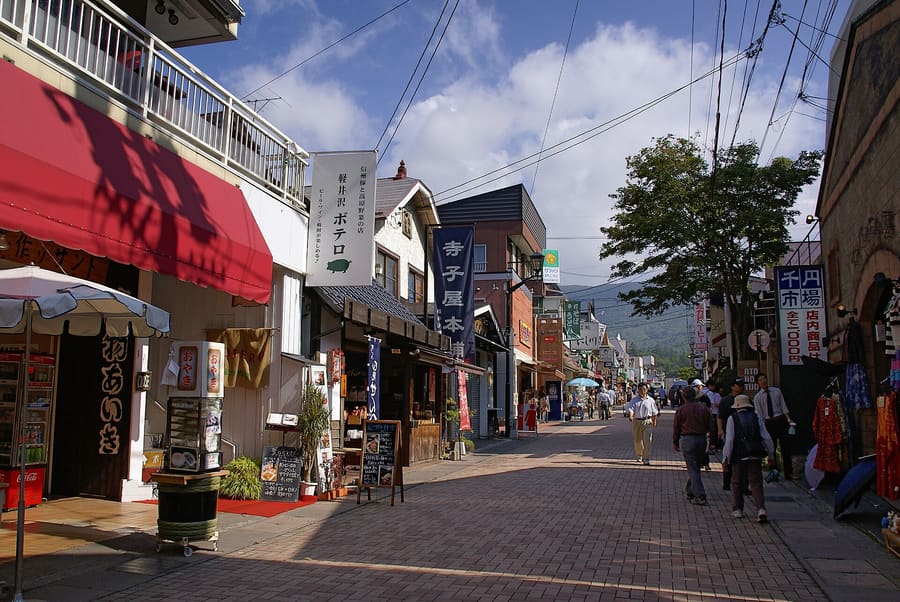
Kyu-Karuizawa Ginza Street
The historic pedestrian core lined with jam makers, bakeries, and craft shops. Walk before 10:00 to avoid day-trip tour crowds.
Parley से पूछेंजापान
Tokyo’s highland escape of larch forests and cool air.
introduction
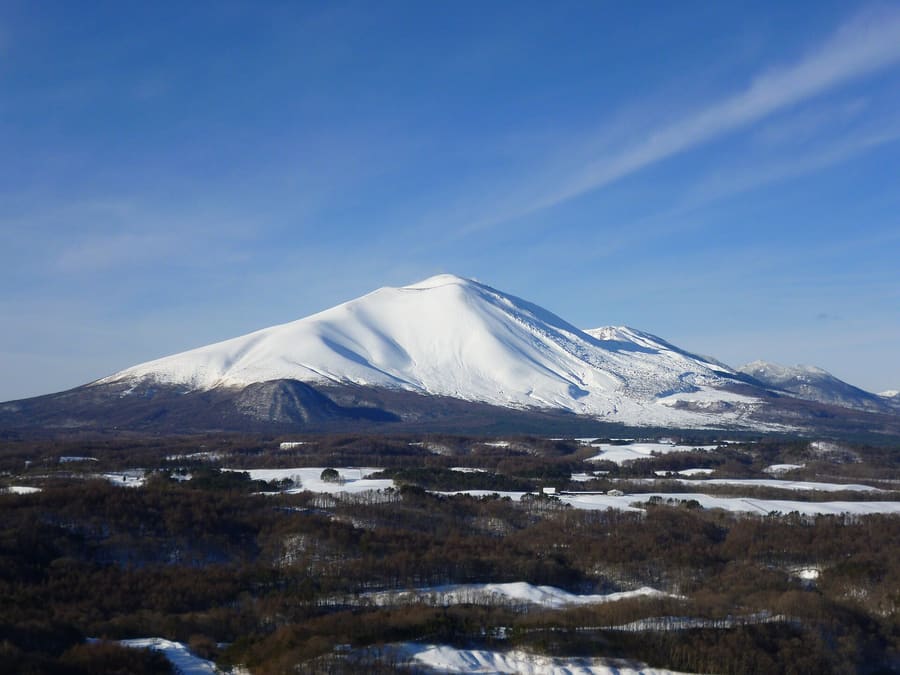
Karuizawa sits at 1,000 metres above sea level beneath the active volcano Mount Asama. Built in the late nineteenth century by Western missionaries as a summer refuge, it remains Tokyo's preferred mountain retreat. You move through it best on two wheels, crossing dense larch woods between detached hamlets. Expect cool evening temperatures, paved forest trails, and high-end dining tucked into cedar groves.
Arrival trick
The Hokuriku Shinkansen connects Tokyo Station to Karuizawa in 65 minutes. Book reserved seats early for Friday evening departures.
Highland legacy
Canadian missionary Alexander Croft Shaw established Karuizawa as Japan's first Western-style summer resort in 1888.
Mobility rule
Rent an e-bike at Karuizawa Station. Narrow tree-lined lanes gridlock with automobile traffic on peak summer weekends.
Karuizawa
Ski Mania · Public domain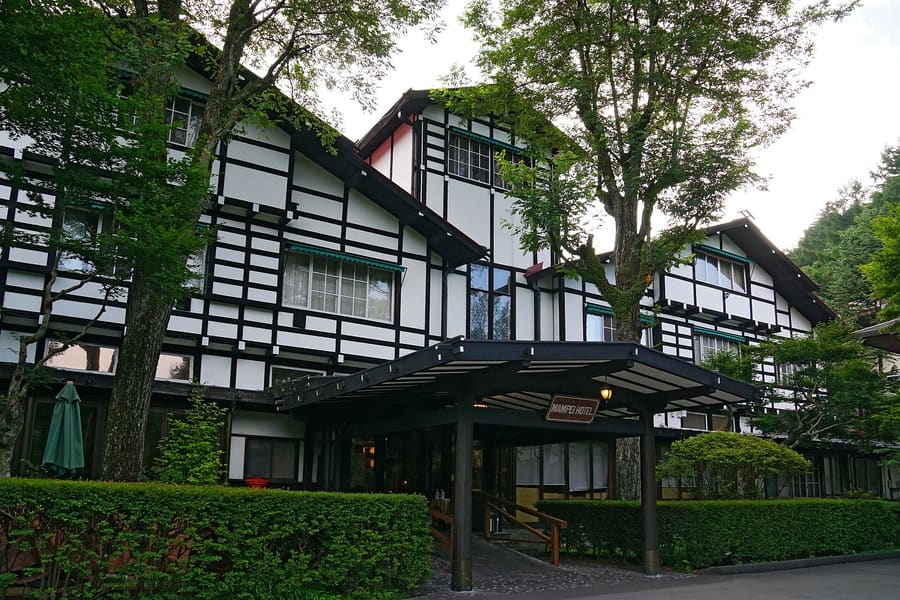
Kyu-Karuizawa — Historic resort hub with dense larch cover, classic villas, and walk-to-cafe convenience.
663highland · CC BY-SA 4.0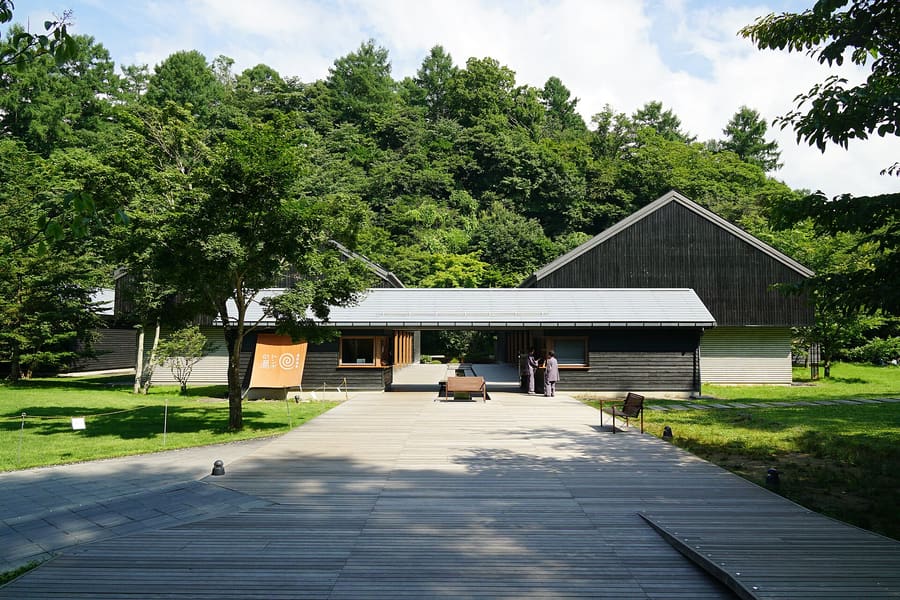
Naka-Karuizawa — A tranquil hot spring district set along clear river corridors and modern forest architecture.
663highland · CC BY 2.5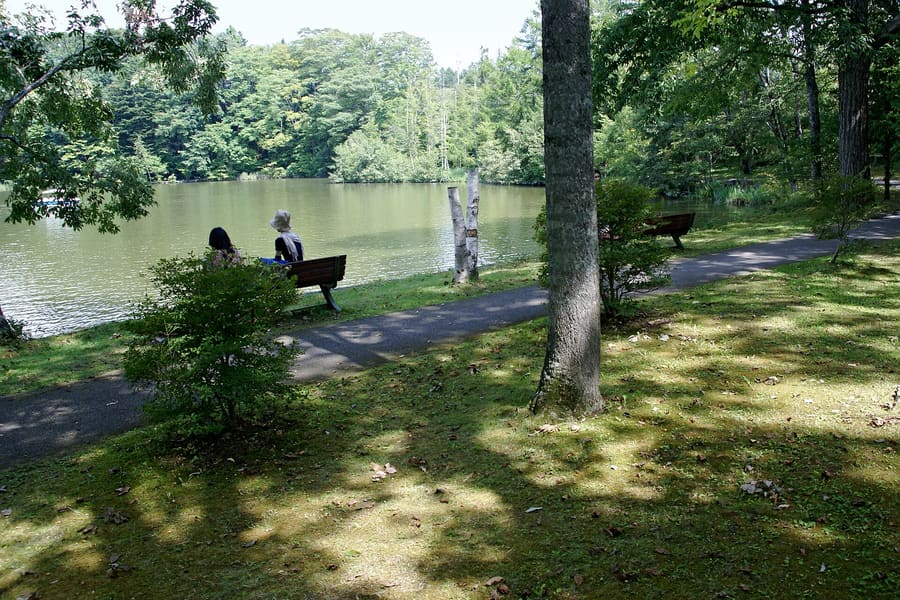
Minami-Karuizawa — Sprawling open valleys with manicured grounds, sports facilities, and golf courses south of the tracks.
663highland · CC BY 2.5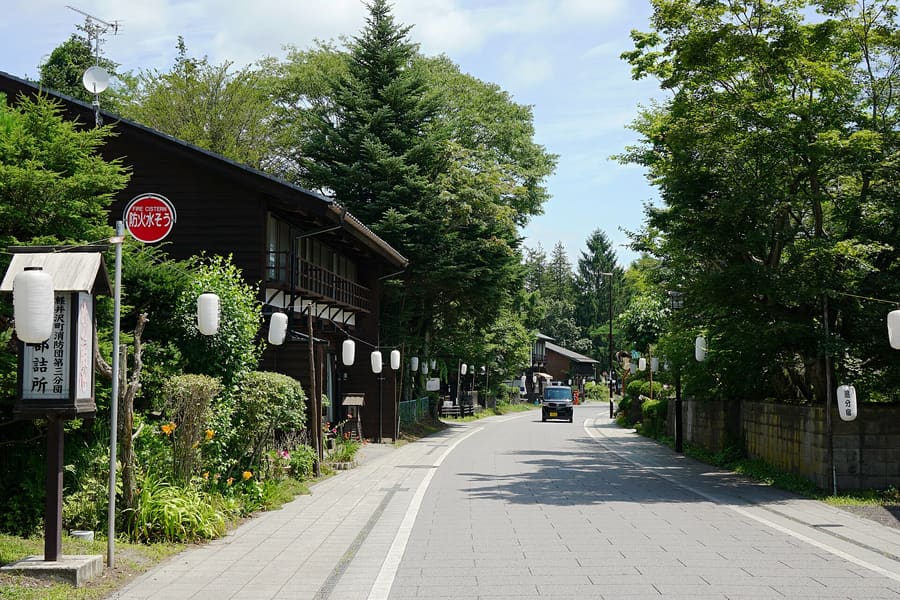
Oiwake — A preserved Edo-period post town on the ancient Nakasendo highway west of the center.
663highland · CC BY 2.5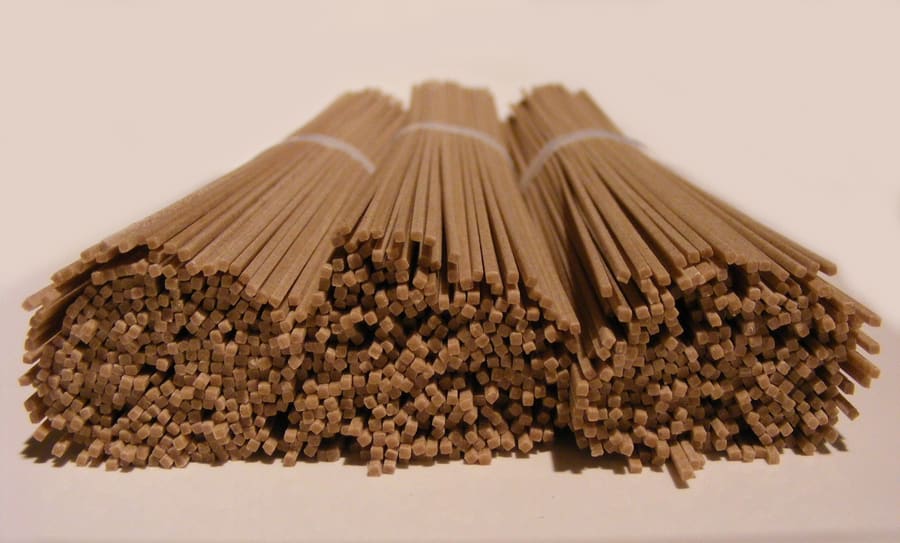
Chilled Shinshu soba served with seasonal vegetable tempura in Karuizawa.
FotoosVanRobin · CC BY-SA 2.0highlights
landmark
The historic pedestrian core lined with jam makers, bakeries, and craft shops. Walk before 10:00 to avoid day-trip tour crowds.
Parley से पूछें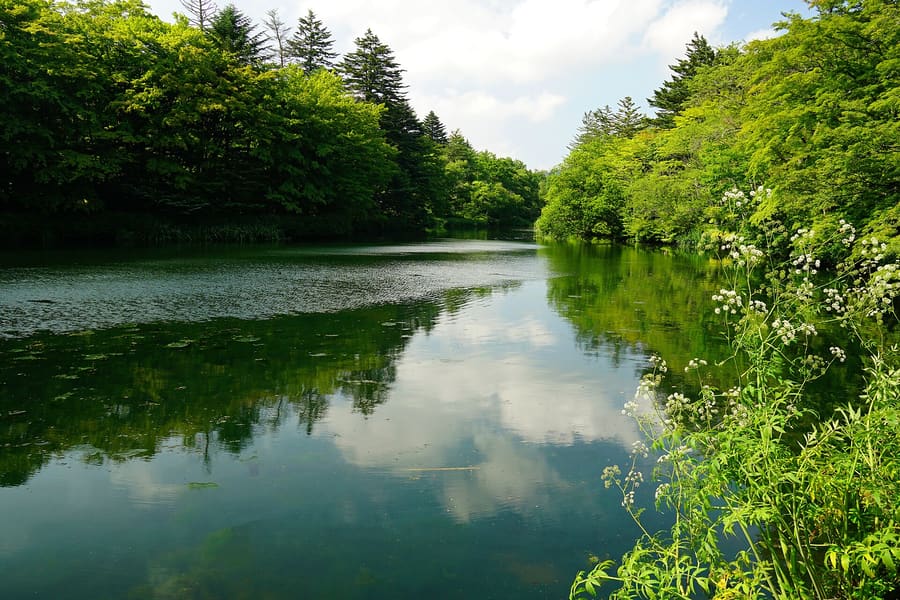
landmark
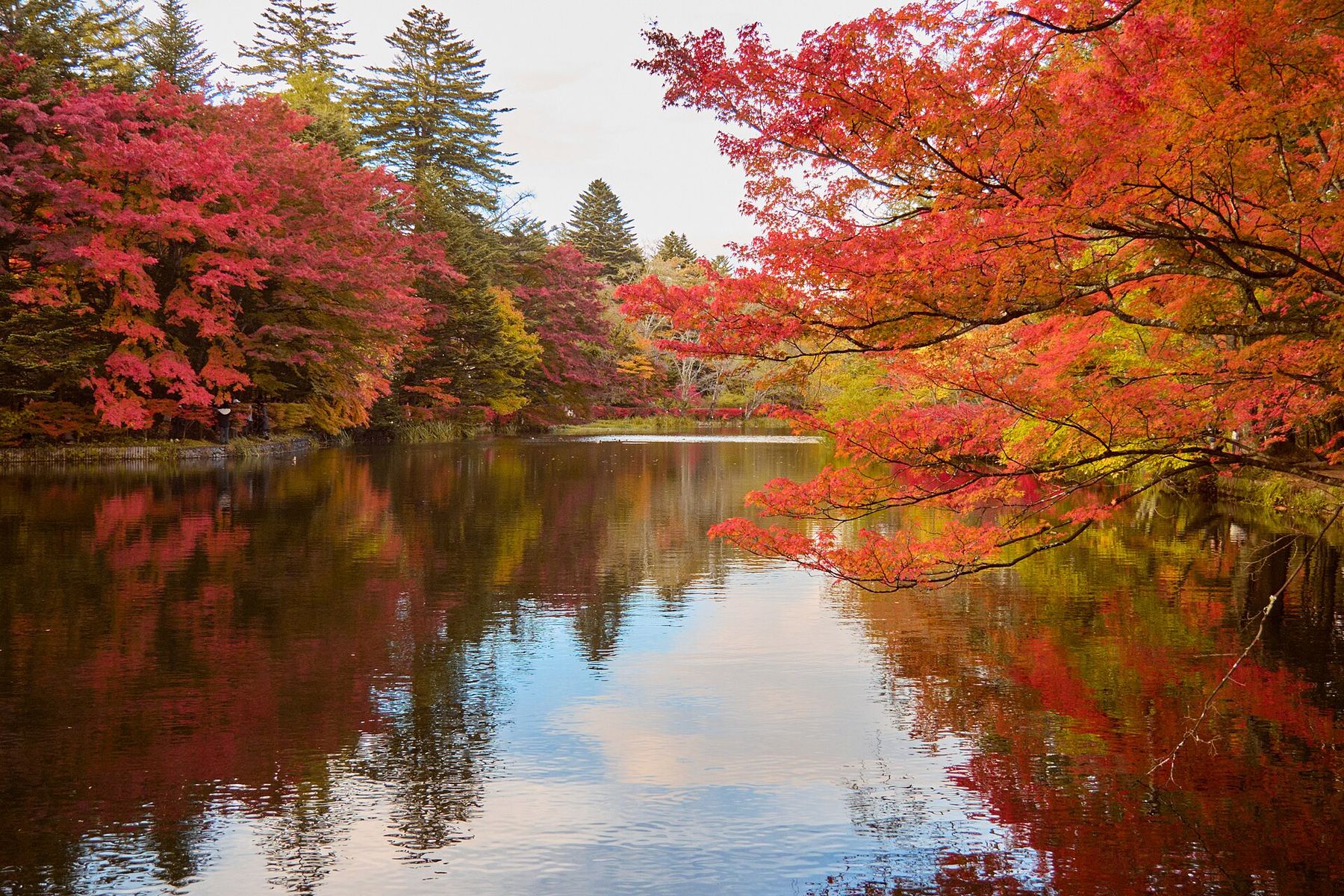
A serene forest pond reflecting seasonal foliage. Complete the easy twenty-minute shore loop on foot; bicycles must park at the entrance.
Parley से पूछें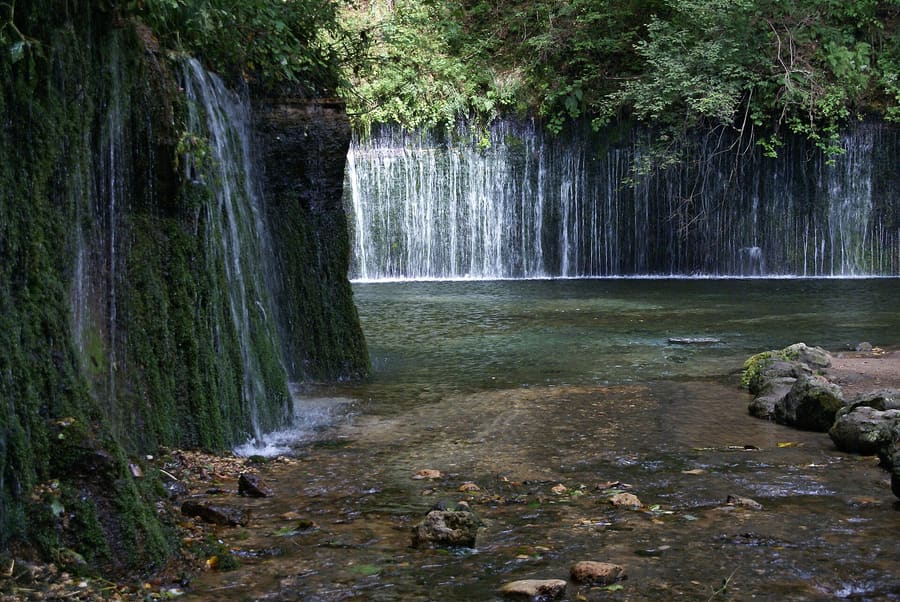
landmark
Groundwater seeps through volcanic rock in a three-metre high, seventy-metre wide arc. Take the public bus directly from the station.
Parley से पूछें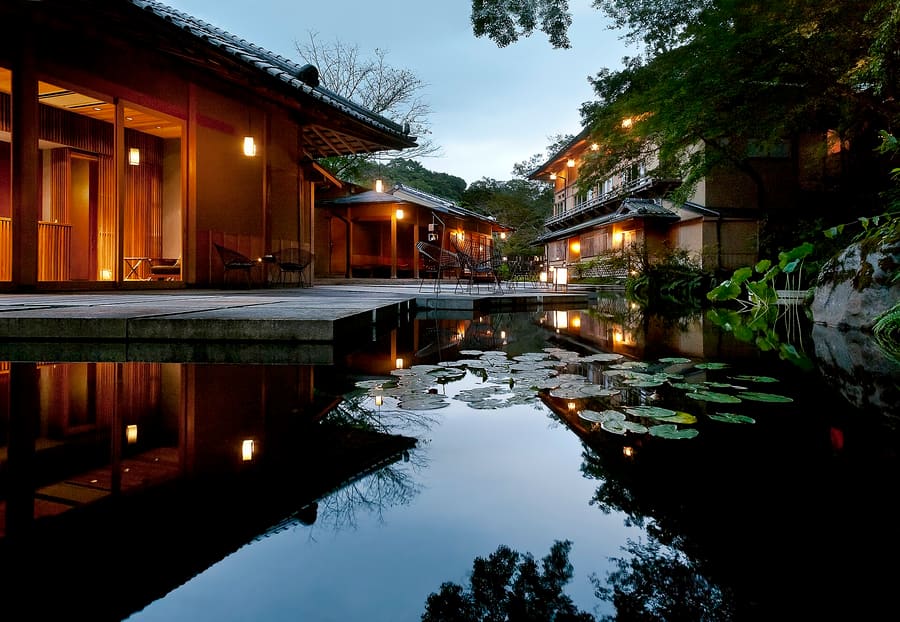
landmark
A timber boardwalk along the Yukawa River housing independent cafes and bakeries. Arrive for early breakfast to sit right by the water.
Parley से पूछें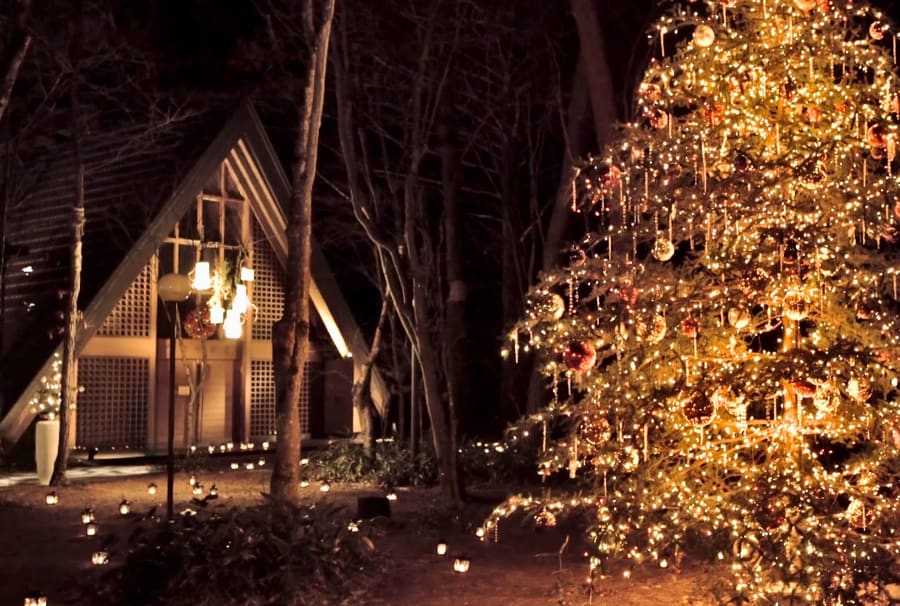
landmark
A timber triangle structure built in 1921 set deep in pine woods. Evening lantern displays run on selected dates and require reservations.
Parley से पूछें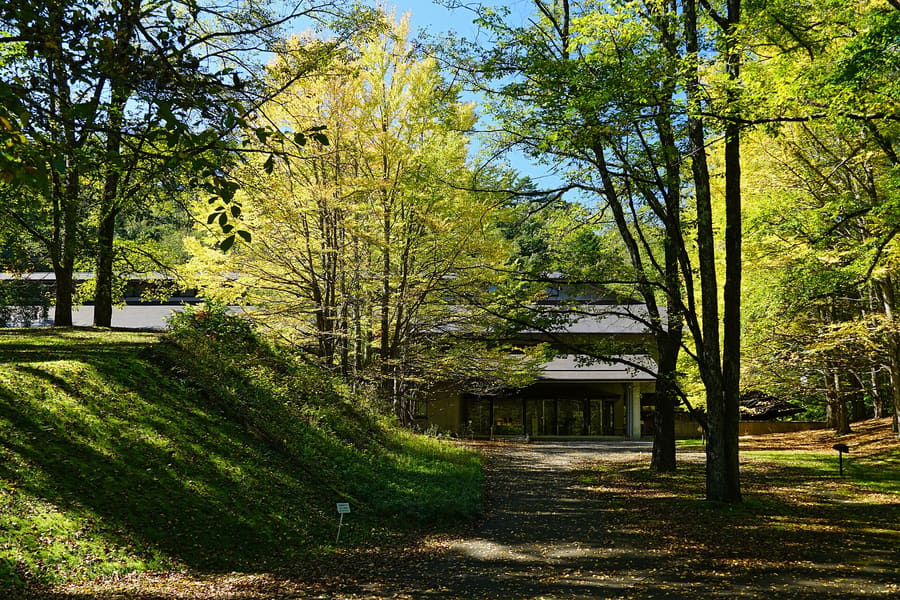
landmark
Post-war Japanese and international art displayed inside a woodland garden. Closed during the winter freezing months.
Parley से पूछेंattractions
areas
Historic resort hub with dense larch cover, classic villas, and walk-to-cafe convenience.
पास मेंKyu-Karuizawa Ginza and Kumoba Pond.
Parley से पूछेंA tranquil hot spring district set along clear river corridors and modern forest architecture.
पास मेंHarunire Terrace and Hoshino Onsen Tombo-no-yu.
Parley से पूछेंSprawling open valleys with manicured grounds, sports facilities, and golf courses south of the tracks.
पास मेंPrince Shopping Plaza and Lake Garden.
Parley से पूछेंA preserved Edo-period post town on the ancient Nakasendo highway west of the center.
पास मेंOiwake Shuku Museum and ancient stone stone markers.
Parley से पूछेंfood
Karuizawa’s dining culture stems from two sources: local Shinshu buckwheat farms and western bakeries established for foreign summer residents in the early 1900s. High day-to-night temperature swings in Shinshu give local vegetables exceptional sweetness. Soba restaurants here serve hand-rolled noodles accompanied by local wild mountain herbs fried in crisp tempura batter.Bakeries operate on a European scale unusual for rural Japan. Hard sourdoughs, fruit-filled rye loaves, and fruit preserves made from Nagano apples and rhubarb form standard breakfasts. Dinner trends upscale, with French and Italian bistros leveraging Nagano trout and local game meat.
Chilled Shinshu soba served with seasonal vegetable tempura in Karuizawa.
FotoosVanRobin · CC BY-SA 2.0Top soba houses like Kawakami An do not accept lunch reservations. Arrive by 10:45 to get seated in the first morning turn.
French Bakery and Sawamura sell out of signature loaves before noon. Buy your morning bread early before embarking on day trips.
High-end French bistros in Kyu-Karuizawa fill up weeks in advance for summer weekends. Reserve table space before booking transport.
history
For centuries Karuizawa served as Oiwake’s quiet neighbor along the Nakasendo trail connecting Edo to Kyoto. Travelers rested here before tackling the steep Usui Pass. When steam rail replaced foot travel in the late nineteenth century, the traditional inn town declined sharply.In 1886, Canadian Anglican missionary Alexander Croft Shaw visited the village and praised its cool highland air. He built the first wooden vacation cabin in 1888. Tokyo elite and foreign diplomats followed, creating a unique summer colony of Western architecture, tennis courts, and bakeries that endures today.
First Villa Built
Alexander Croft Shaw constructs his timber summer cabin, inaugurating Karuizawa's resort era.
Mampei Hotel Opens
A traditional inn transitions into full Western hospitality to host international guests.
Imperial Match on Court
Future Emperor Akihito meets Michiko Shoda at the Karuizawa International Tennis Court.
Shinkansen Arrives
Nagano Shinkansen opening cuts travel time from Tokyo to 65 minutes, prompting year-round visits.
where to stay
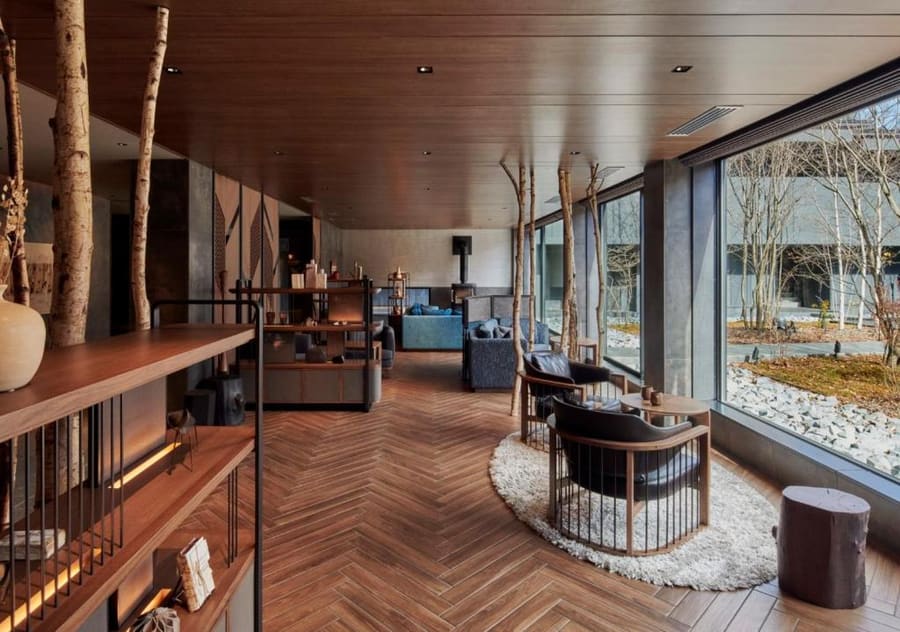
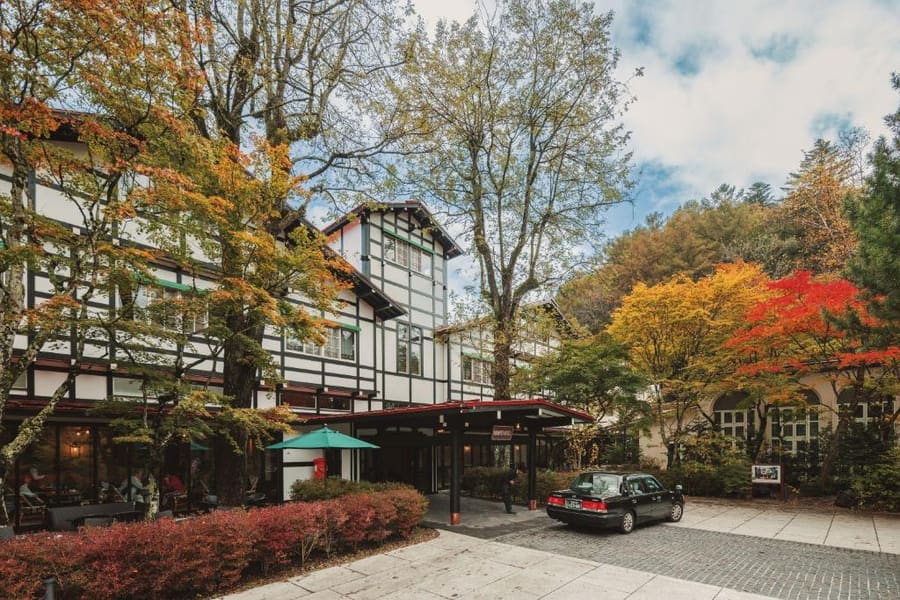
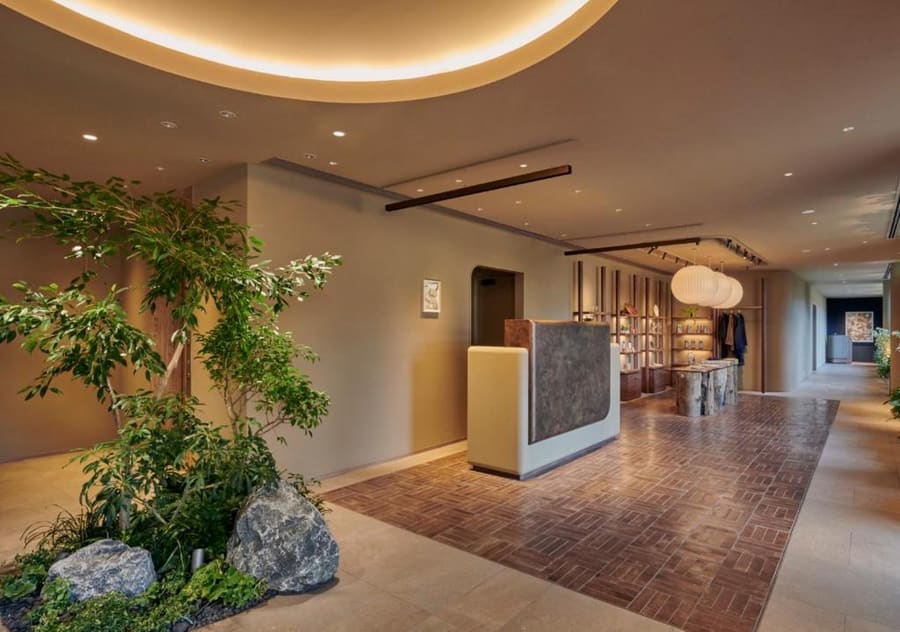
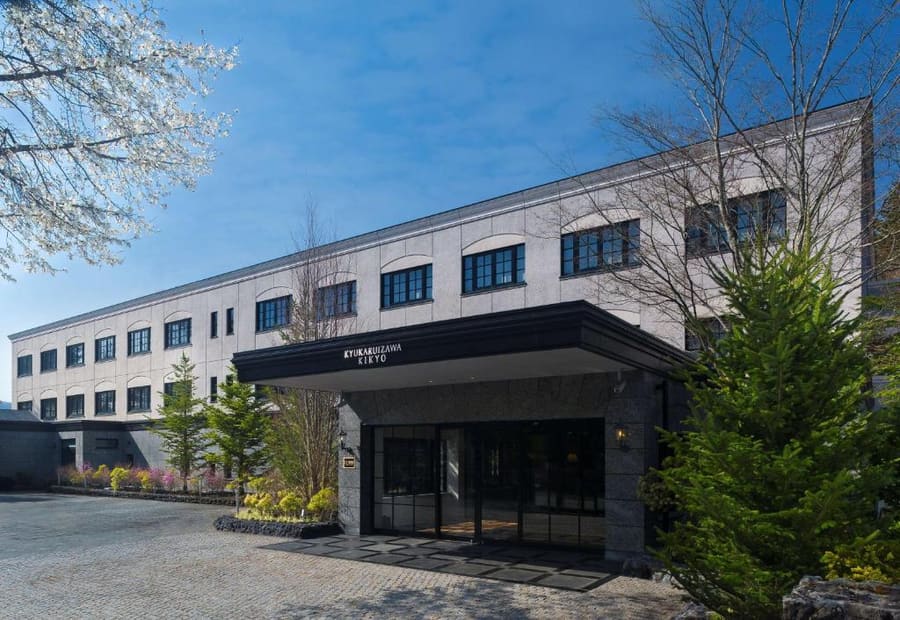
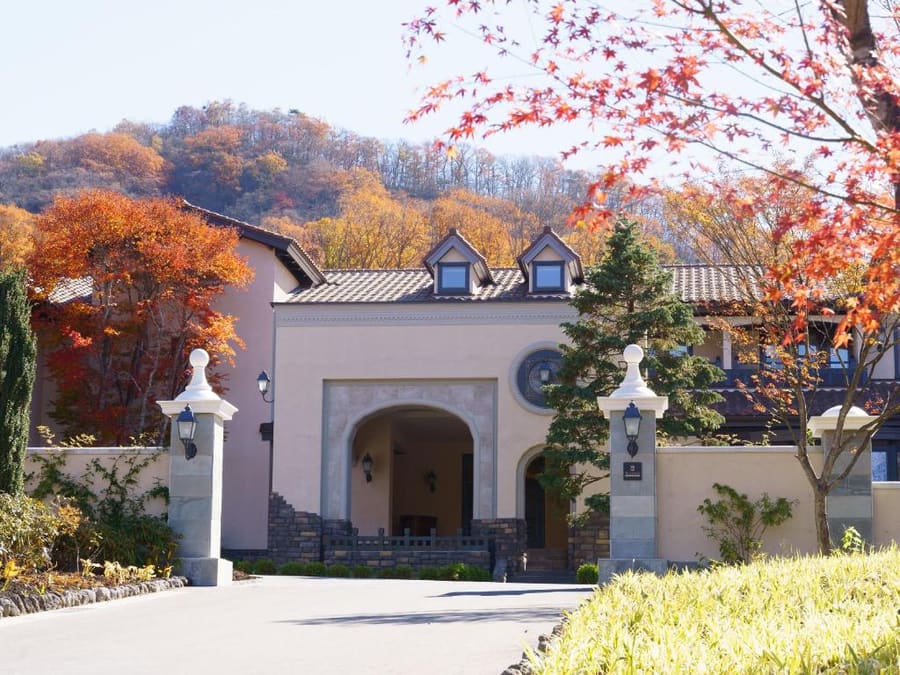
Choose your base around your intended transit mode and preferred night environment. Kyu-Karuizawa suits visitors who want to step directly onto forest footpaths and evening dining streets without driving. Naka-Karuizawa caters to hot spring enthusiasts seeking seclusion amidst stream valleys. Minami-Karuizawa provides large resort footprints adjacent to golf courses and outlet shopping.
Live rates, matched to the areas above.
transport
Karuizawa Station serves as the regional hub for both high-speed rail and local transport. Navigating the town relies on choosing the right vehicle for the season. Bicycles dominate local trips in spring and summer, while regional buses link mountain waterfalls and outlying hamlets.
Karuizawa Station (Hokuriku Shinkansen) से
Hokuriku Shinkansen from Tokyo Station. Reserved seat required on Kagayaki trains.
Kusakaru Dentetsu Bus from station north exit to Shiraito Falls trail.
Shinano Railway connecting Karuizawa Station to Naka-Karuizawa Station.
Ranks located at both North and South station exits.
Rental shops cluster at Karuizawa Station North Exit. Renting an e-bike (approx ¥1,500–¥2,000/day) lets you glide up mountain slopes effortlessly.
Take a numbered paper slip when boarding local buses through the rear door. Pay exact change in cash to the driver upon exit.
Local bus services end around 18:00. If dining out late in Naka-Karuizawa, pre-arrange a taxi dispatch with your restaurant.
cost
Karuizawa commands higher price points than typical rural Nagano towns due to its high-end resort status. Fresh bakery items and simple lunch sets remain reasonably priced, while resort dinners and specialized transport reflect Tokyo luxury spending.
Includes cold buckwheat noodles, dipping sauce, and fresh seasonal tempura.
Covers daily usage from 09:00 until shop closing time near 17:00.
Includes access to outdoor mineral baths like Hoshino Onsen Tombo-no-yu.
Multi-course meal utilizing regional Nagano game, trout, and produce.
seasonality
MAR – MAY
Spring bloom starts late in April due to elevation. Clear air and manageable weekend traffic.
JUN – AUG
Peak summer refuge season. Daytime temps stay 5°C cooler than Tokyo. Expect traffic jams and full hotel books.
SEP – NOV
Crisp mountain air and foliage peak in late October. Pack autumn coats for chilly night walks.
DEC – FEB
Sub-zero temperatures and snow cover. Karuizawa Prince Hotel Ski Resort opens artificial snow trails.
practicalities
Highland elevation means night temperatures drop rapidly. Always carry an extra layer even when visiting in August.
Shops on Kyu-Karuizawa Ginza shutter by 17:00 or 18:00 outside peak summer weeks. Plan shopping for daytime hours.
Asian black bears inhabit surrounding forest slopes. Stick to marked trails and carry bear bells on early morning hikes.
Many independent cafes and art museums close completely between late November and April.
Mount Asama is an active volcano. Check Japan Meteorological Agency alert levels if planning summit hikes beyond the tree line.