landmark
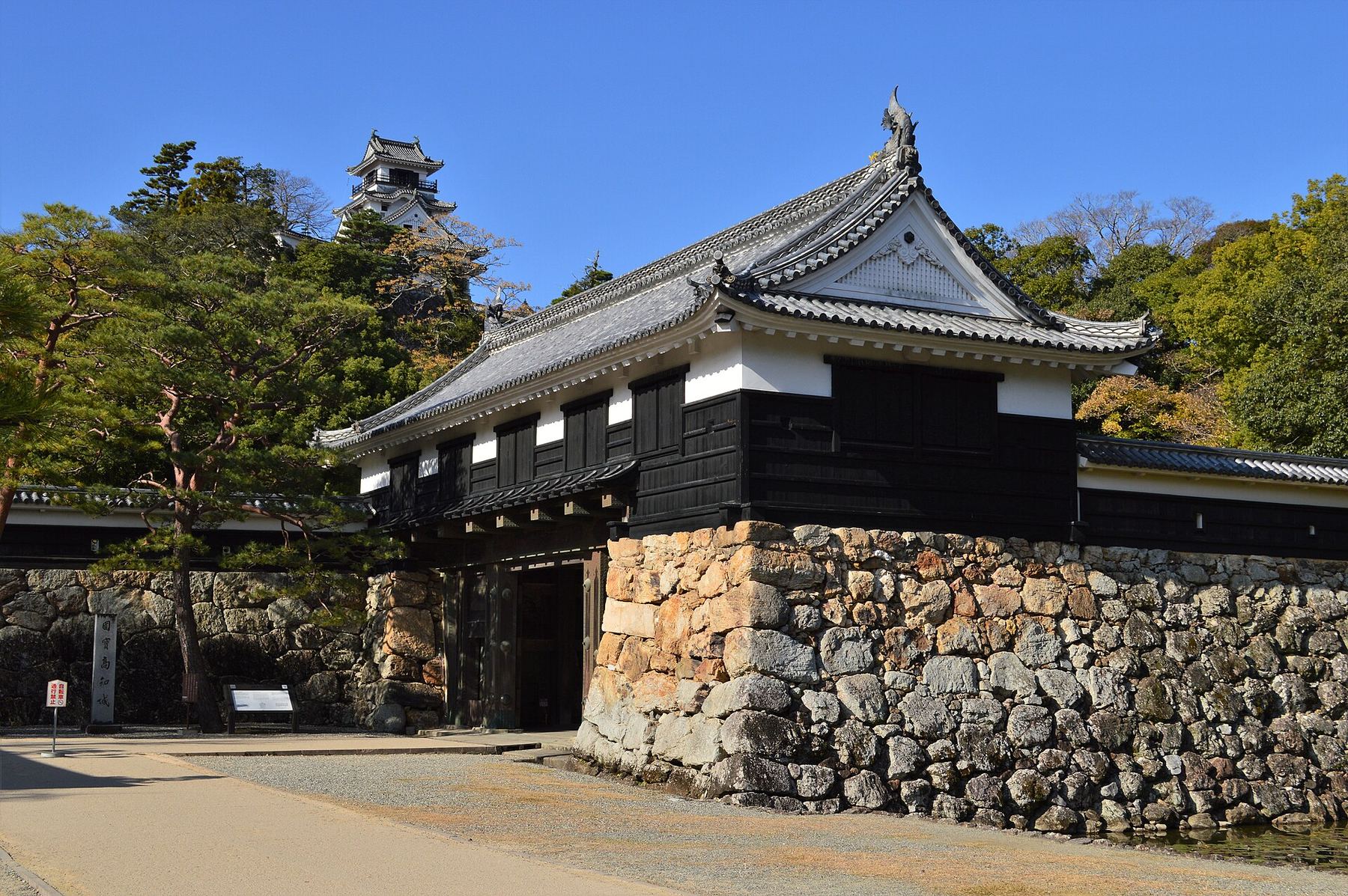
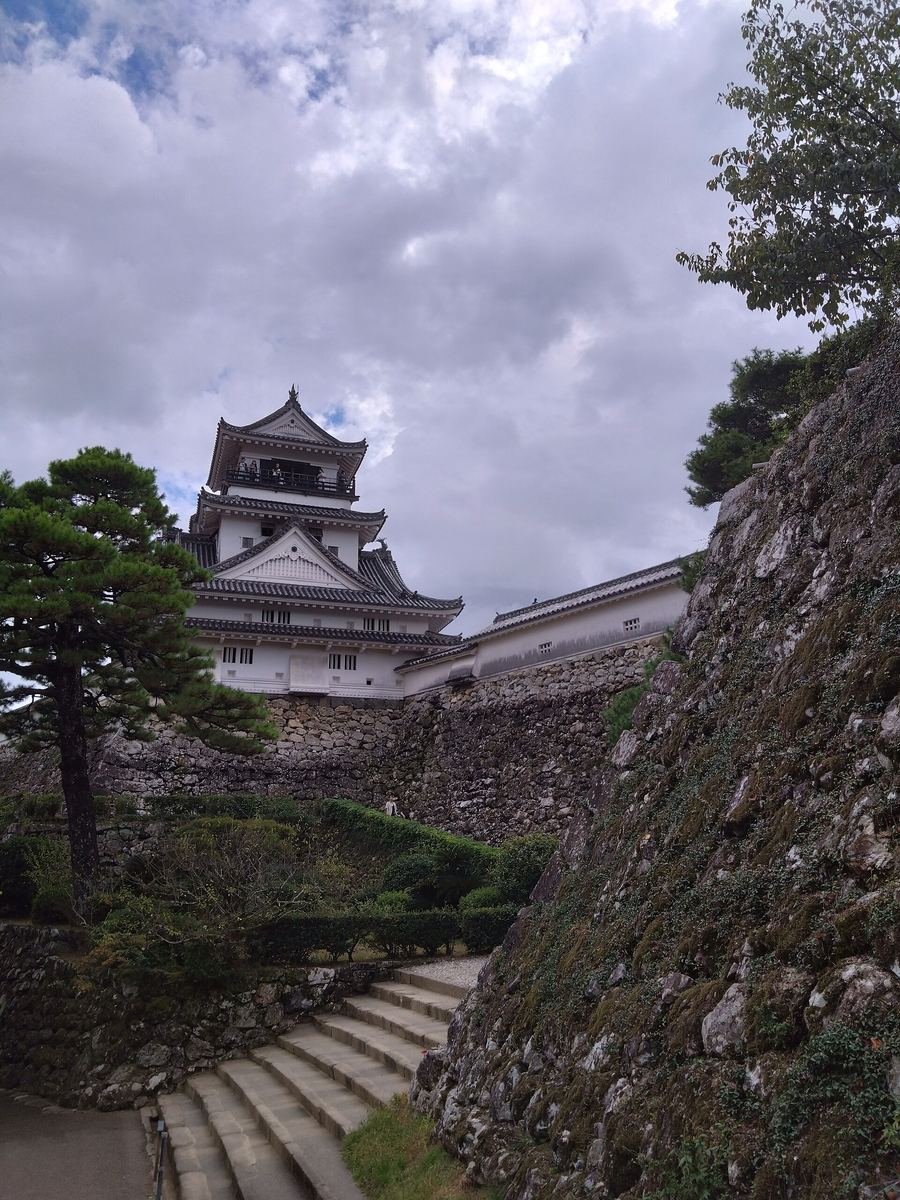
Kochi Castle
Built in 1601 and rebuilt in 1749. Climb the original wooden tower for views across the city without modern elevator retrofits.
Parley से पूछेंजापान
Straw-seared tuna, Kochi Castle towers, and tram-lined avenues.
introduction
Kochi sits on the southern coast of Shikoku, facing the Pacific Ocean behind a wall of mountains. You move through the city on Japan's oldest operating streetcar network, connecting samurai quarters with modern arcades. Expect communal dining at wooden market tables, intense local citrus, and a slower pace than Japan's main island.
Original Edo castle keep
Kochi Castle is one of only 12 surviving original castle keeps in Japan. Its entire main citadel structure remains intact from the feudal period.
Sunday Market timing
The 300-year-old Sunday Market stretches 1.3 kilometers along Otesuji Avenue. Arrive by 08:00 before popular produce and craft stalls sell out.
Kochi
MaedaAkihiko · CC BY-SA 4.0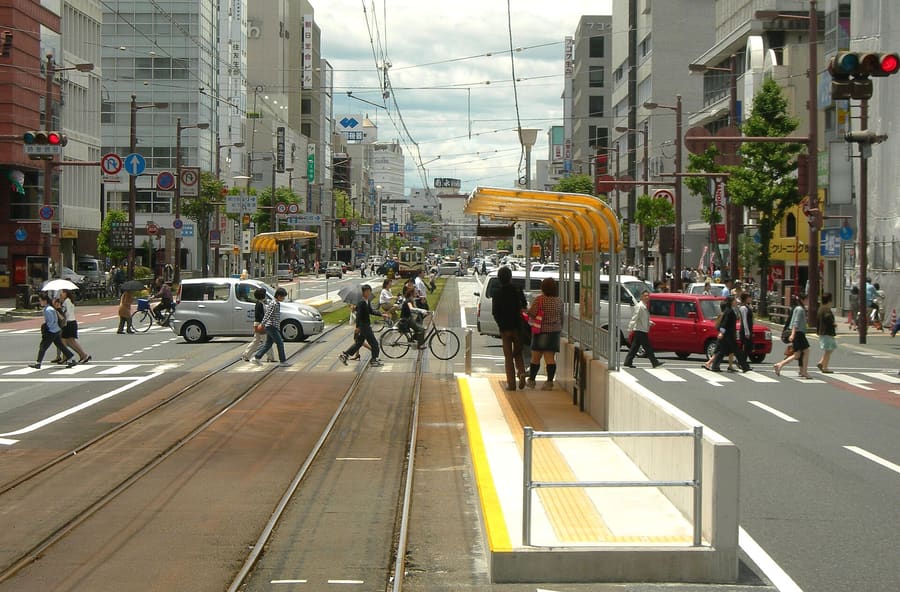
Obiyamachi & Downtown — Covered shopping arcades, izakayas, tram intersections, and late-night food stalls.
Rsa · CC BY-SA 3.0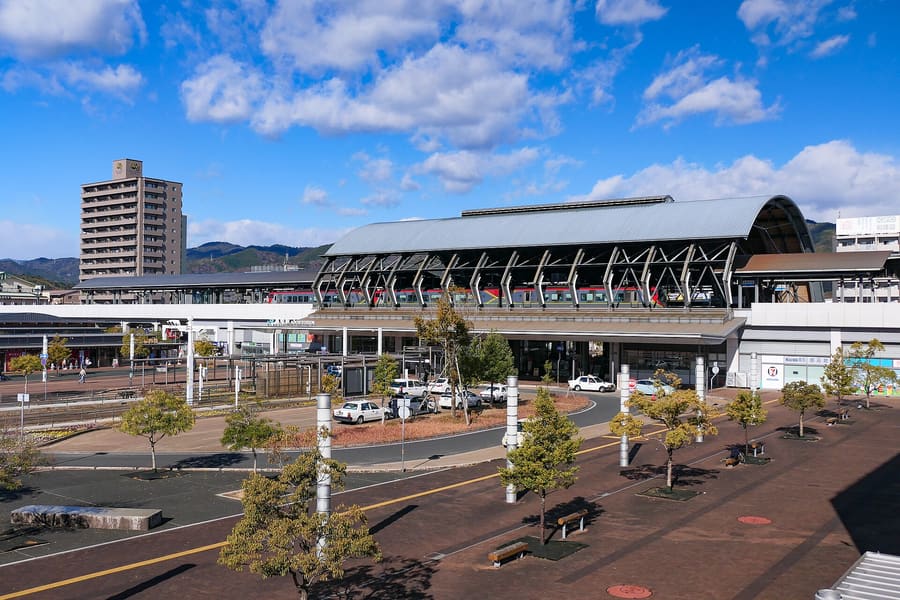
Kochi Station Area — Transit hub district with modern business hotels, highway buses, and car rentals.
MaedaAkihiko · CC BY-SA 4.0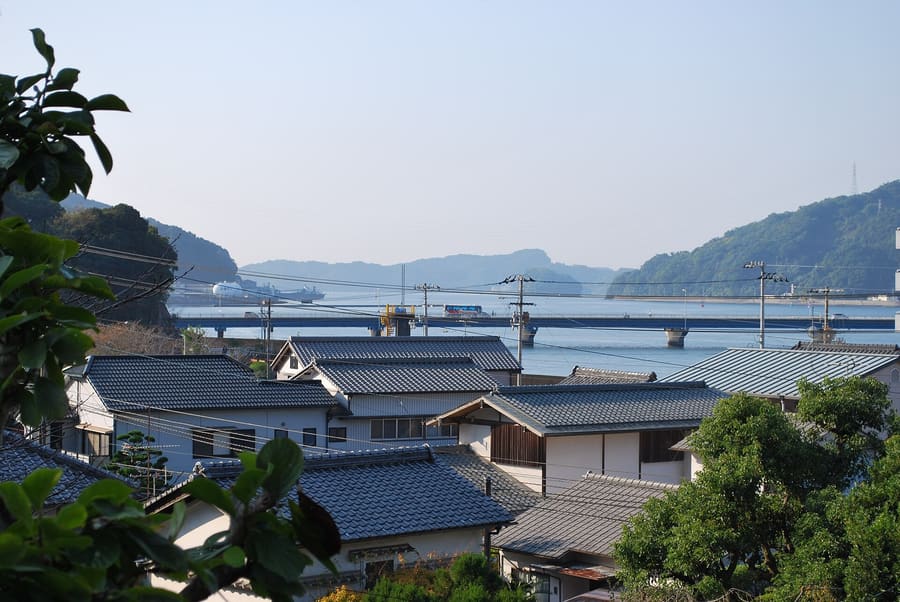
Katsurahama Coast — Coastal headland with pine trees, ocean vistas, and historical monuments.
Reggaeman · CC BY-SA 3.0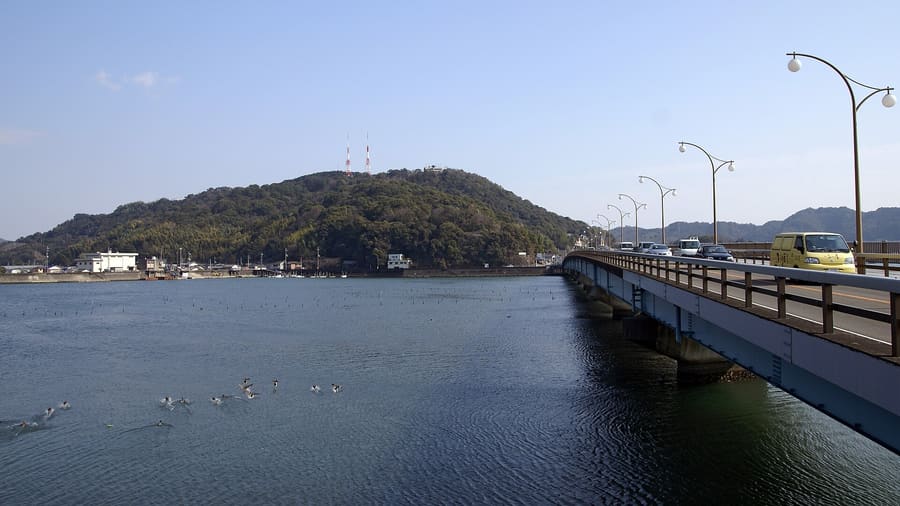
Mount Godai — Quiet hillside park housing temples, botanical collections, and city lookouts.
663highland · CC BY-SA 4.0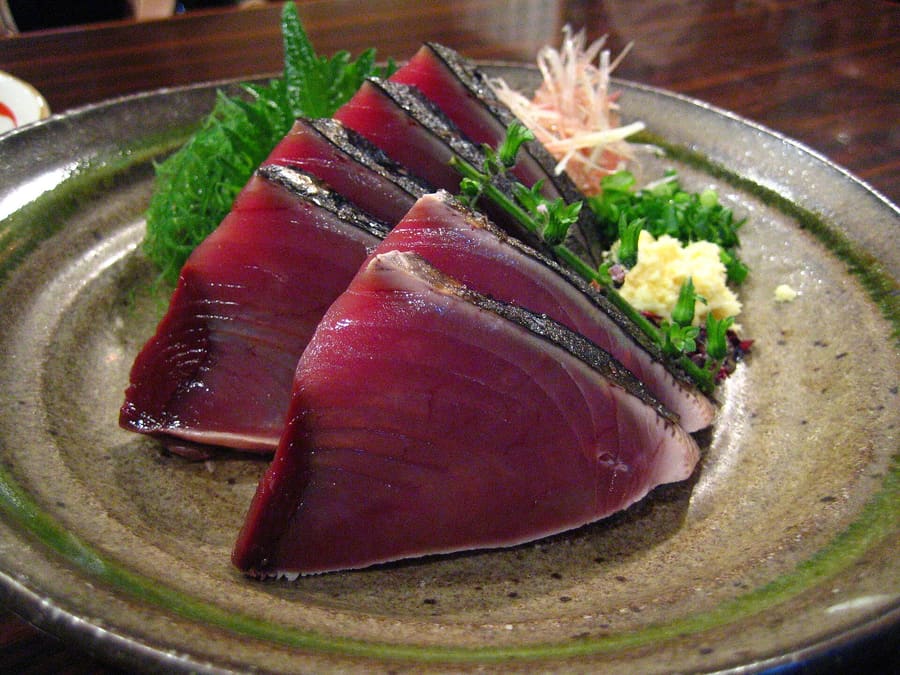
Katsuo no Tataki, seared over burning rice straw and served with raw garlic and sea salt.
ayustety from Tokyo, JAPAN · CC BY-SA 2.0highlights
landmark
Built in 1601 and rebuilt in 1749. Climb the original wooden tower for views across the city without modern elevator retrofits.
Parley से पूछें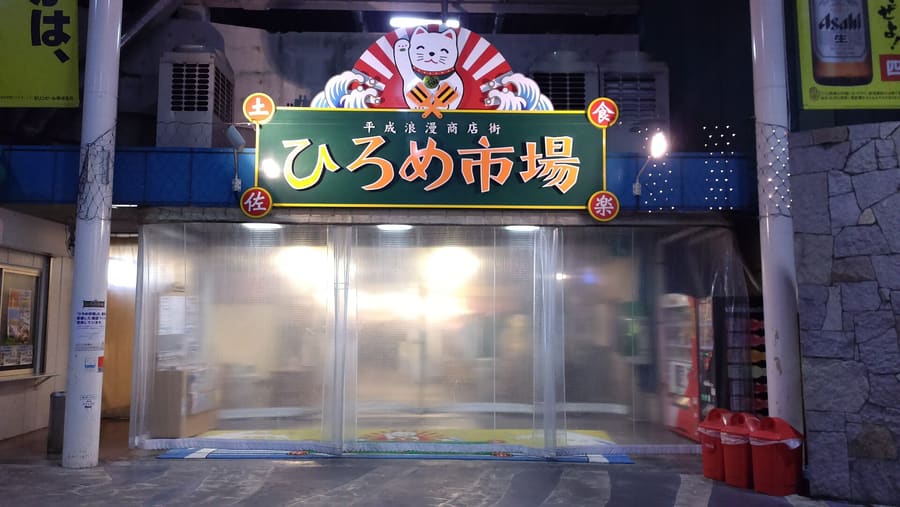
landmark
A covered indoor hall with 60 food stalls. Order seared bonito at one stall, grab a beer from another, and share a table.
Parley से पूछें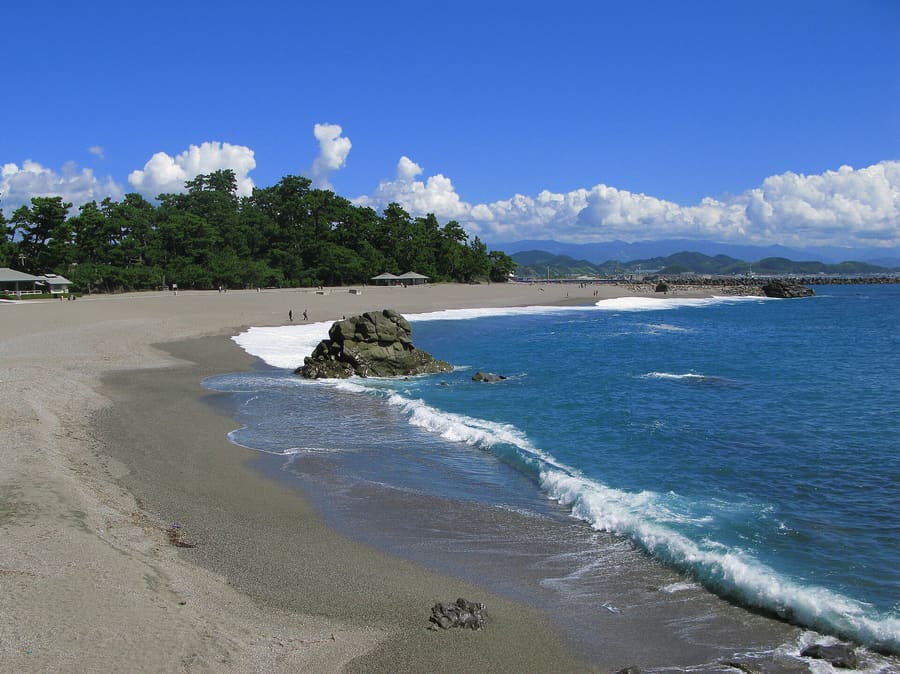
landmark
A scenic gravel cove guarded by a bronze statue of Sakamoto Ryoma. Swimming is banned due to dangerous ocean currents.
Parley से पूछें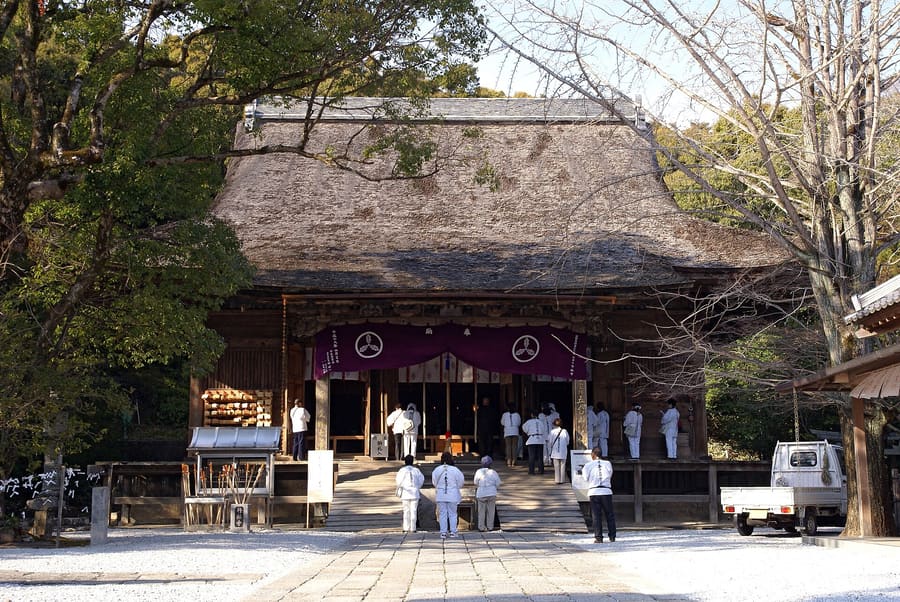
landmark
Temple 31 on the 88-temple pilgrimage. Features a five-story red pagoda and a 14th-century moss garden.
Parley से पूछें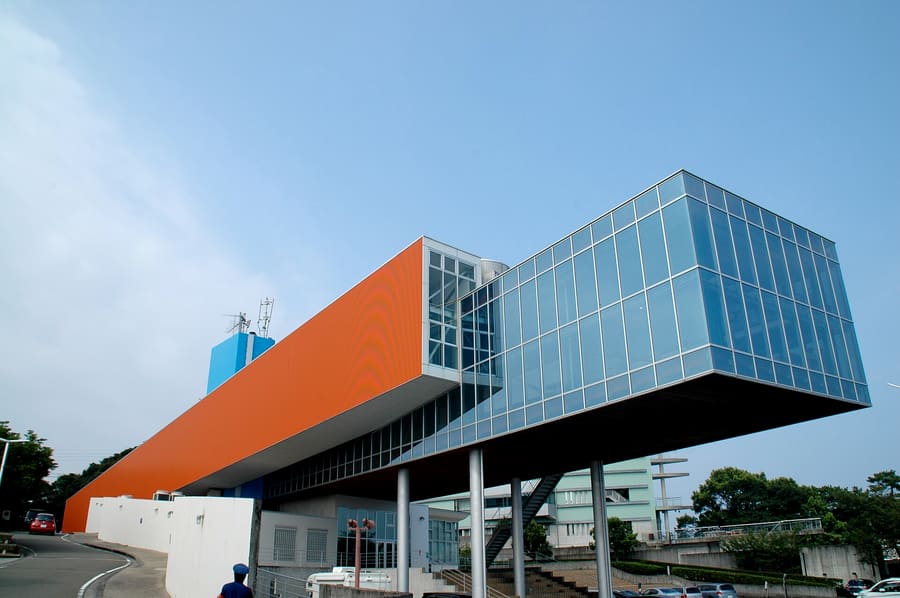
landmark
Exhibits on the samurai who negotiated the end of the Shogunate. Historical documents sit inside a cliffside glass building.
Parley से पूछेंattractions
areas
Covered shopping arcades, izakayas, tram intersections, and late-night food stalls.
पास मेंKochi Castle, Hirome Market, Sunday Market street
Parley से पूछेंTransit hub district with modern business hotels, highway buses, and car rentals.
पास मेंJR trains, Airport Shuttle, Tourist Information Centre
Parley से पूछेंCoastal headland with pine trees, ocean vistas, and historical monuments.
पास मेंKatsurahama Beach, Ryoma Museum, Urado Bay
Parley से पूछेंQuiet hillside park housing temples, botanical collections, and city lookouts.
पास मेंChikurin-ji Temple, Makino Botanical Garden, Godaisan Park
Parley से पूछेंfood
Kochi's food culture revolves around fresh seafood and communal drinking. The definitive local specialty is Katsuo no Tataki, skipjack tuna seared over high-heat rice straw fires until the skin is smoky while the center remains raw. Chefs slice it thick and serve it immediately with coarse sea salt, garlic slices, and green onions rather than soy sauce.Dining here is social. At Hirome Market, strangers sit together on long benches under hanging banners. You collect dishes from independent counters—fried green laver seaweed, grilled chicken skewers, and citrus-infused sake—and take a seat wherever a spot opens up.Citrus defines local seasoning. The region grows vast quantities of yuzu and bushukan, using the fresh sour juice to cut through oily fish dishes and season local ponzu sauces.
Katsuo no Tataki, seared over burning rice straw and served with raw garlic and sea salt.
ayustety from Tokyo, JAPAN · CC BY-SA 2.0Bonito season peaks twice: spring (May–June) yields lean fish, while autumn (September–November) brings fat-rich catches.
history
Kochi was long known as Tosa Province, isolated from the rest of Japan by the steep Shikoku Mountains. This geographic barrier forced the region to build strong coastal maritime trade routes while developing a distinct, independent political culture.During the late Edo period, Tosa produced influential reform thinkers, most notably Sakamoto Ryoma. Local samurai pushed to end Japan's feudal isolation, laying crucial intellectual groundwork for the 1868 Meiji Restoration.
Castle Construction
Feudal lord Yamauchi Kazutoyo begins building Kochi Castle and establishes the surrounding castle town layout.
Sunday Market Sanctioned
The Tosa domain officially permits street vendors to trade along castle avenues, launching a market tradition operating today.
Sakamoto Ryoma's Alliance
Kochi-born samurai Sakamoto Ryoma brokers a secret treaty between rival domains, triggering the Meiji Restoration.
Streetcar Opening
The Tosa Electric Railway opens, creating what is now Japan's oldest continuously operating tram network.
where to stay
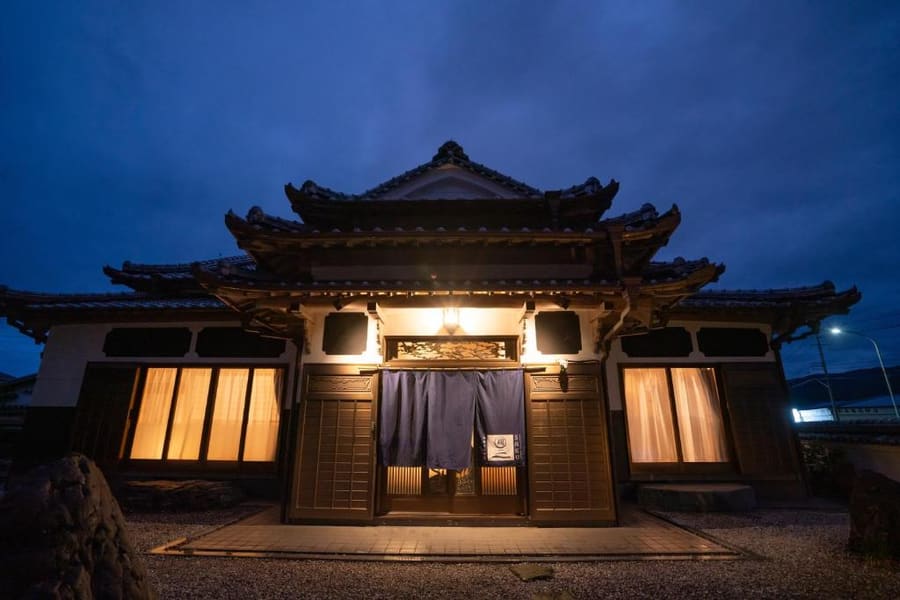
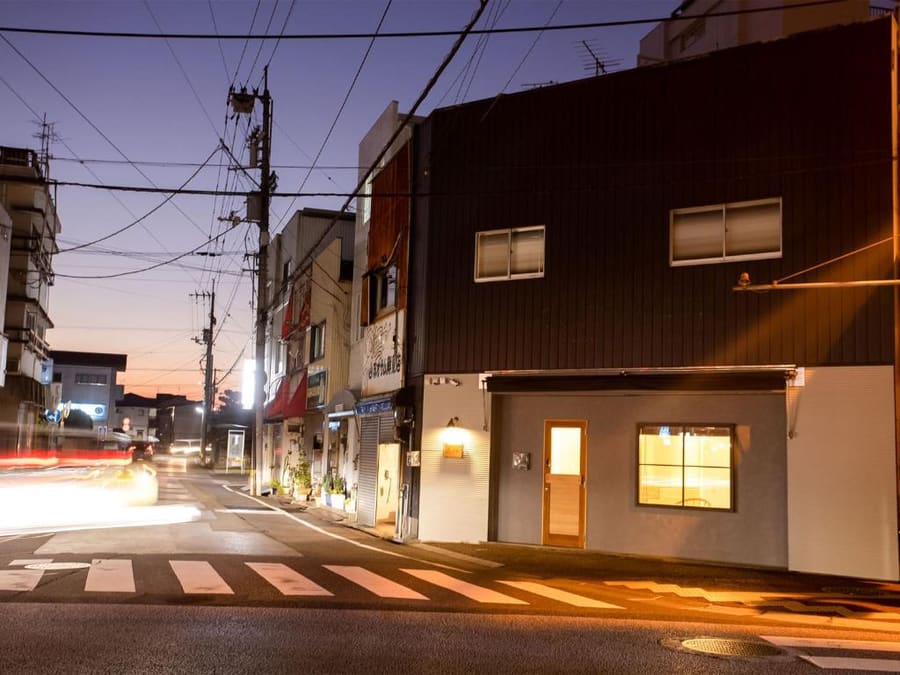
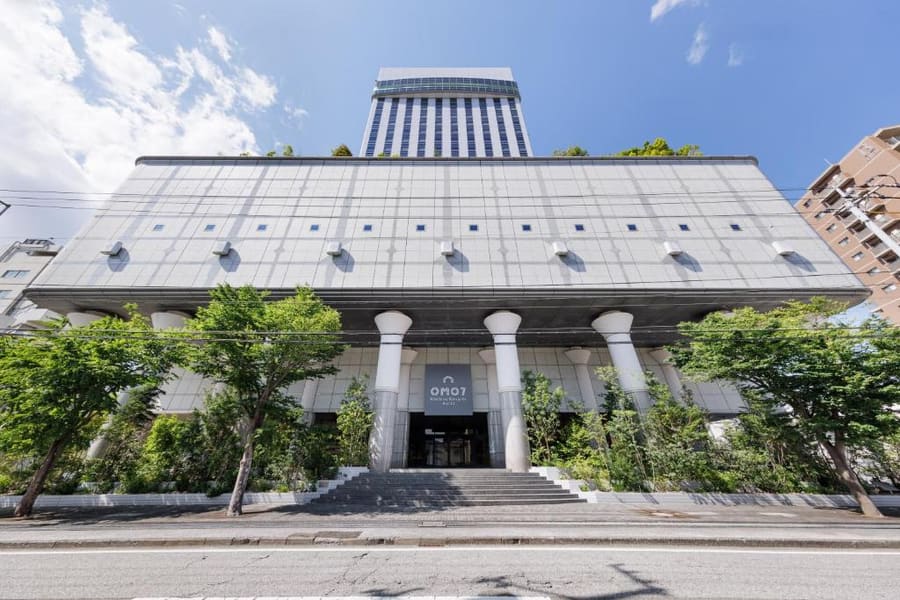
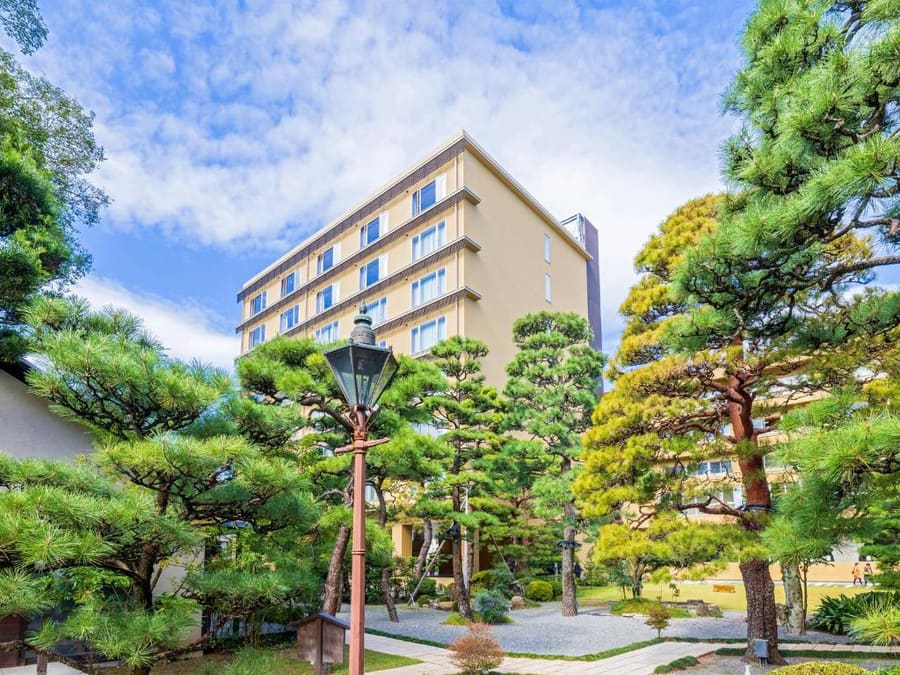
Base yourself near Obiyamachi if you plan to spend evenings eating at Hirome Market and drinking at local izakayas. Choose the Kochi Station district if you rely on JR trains for regional excursions across Shikoku or hold early morning highway bus tickets.
Live rates, matched to the areas above.
transport
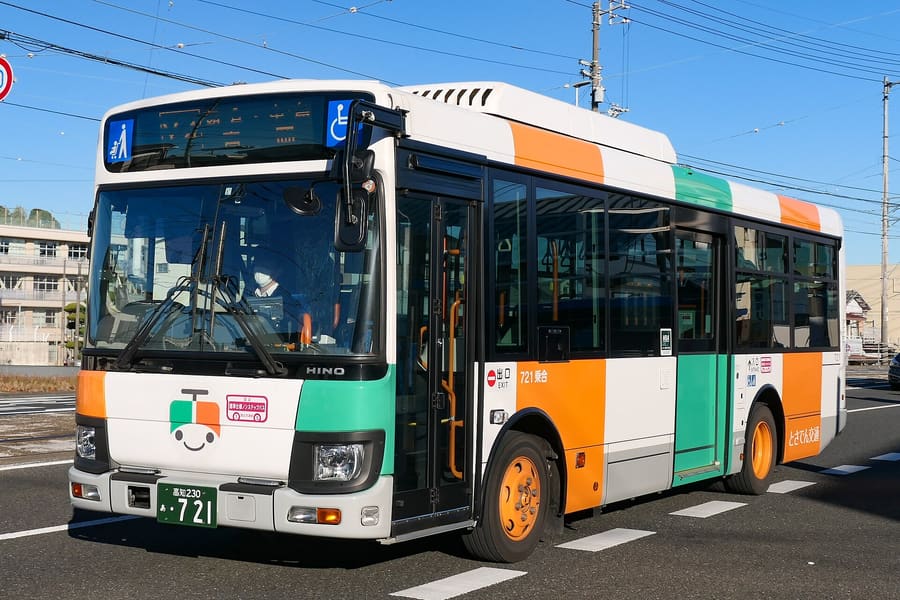
Central Kochi is compact and easy to walk. For distances beyond downtown, the Tosaden Tram network covers three main lines intersecting at Harimayabashi station. Buses fill the remaining gaps, especially for trips up Mount Godai or out to Katsurahama Beach.
Kochi Ryoma Airport (KCZ) से
Available directly outside domestic arrivals. Standard meters apply.
MY Yu Bus tourist pass provides one-day transport connecting the airport, Godaisan, and Katsurahama.
Trams cost a flat ¥230 within central city limits. Board through the rear door and tap your IC card or take a paper ticket.
A 1-day MY Yu Bus pass costs ¥1000 and includes discounted entry to the Makino Botanical Garden and Ryoma Museum.
If changing tram lines at Harimayabashi, ask the driver for a transfer ticket ('Norikae-ken') before exiting.
cost
Kochi offers lower dining and accommodation costs than Tokyo or Osaka. Cash remains essential for outdoor market stalls, older tram rides, and small temple entrance counters.
A generous five-slice serving of straw-seared bonito at Hirome Market.
Flat fare for any distance within the central city zone.
Grants access to the inner keep and historical museum rooms.
Full entry fee to the extensive hilltop glasshouses and gardens.
seasonality
MAR – MAY
Mild weather and spring cherry blossoms around Kochi Castle walls. First bonito harvest begins.
JUN – JUL
Heavy rainy season brings high humidity. Expect downpours, but green garden moss looks brilliant.
AUG
Hot and humid. The massive Yosakoi Dance Festival takes place August 9–12; book rooms months ahead.
SEP – NOV
Clear autumn skies, excellent seasonal fatty bonito, and autumn maple leaves on Mount Godai.
DEC – FEB
Cool, dry, and sunny compared to northern Japan. Snow is rare along the southern Kochi coast.
practicalities
Kochi sits directly on Japan's southern typhoon track. Major storms between August and October can halt buses and rail lines.
The inner keep closes at 17:00, but the surrounding park grounds remain open and lit until 21:00.
7-Bank ATMs inside 7-Eleven stores accept international debit cards 24/7 with low cash withdrawal fees.
At Chikurin-ji, bow briefly at the temple gateway (Sanmon) before stepping across the threshold.
Never wade into the water at Katsurahama Beach. Strong offshore currents pull swimmers out immediately.