landmark
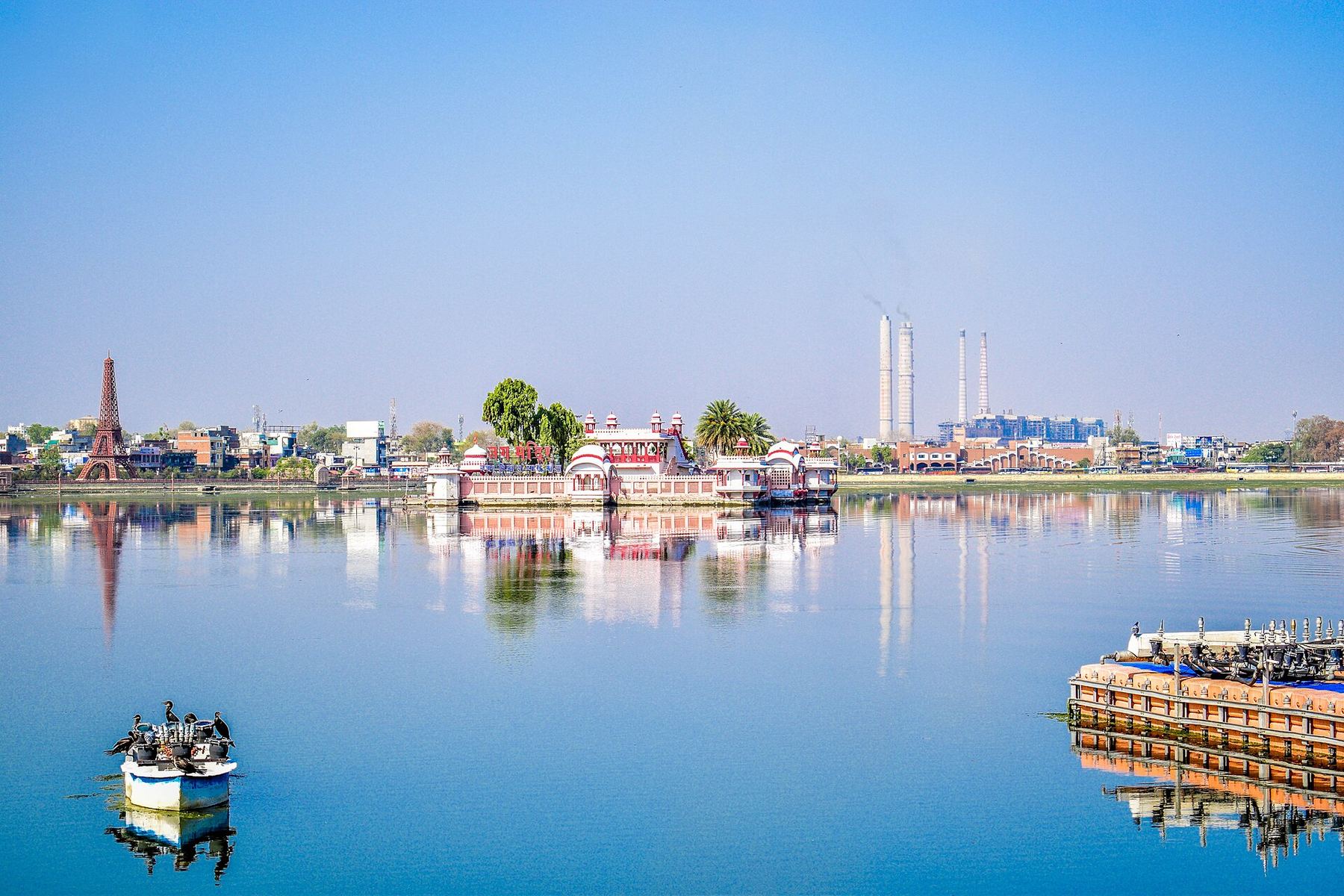
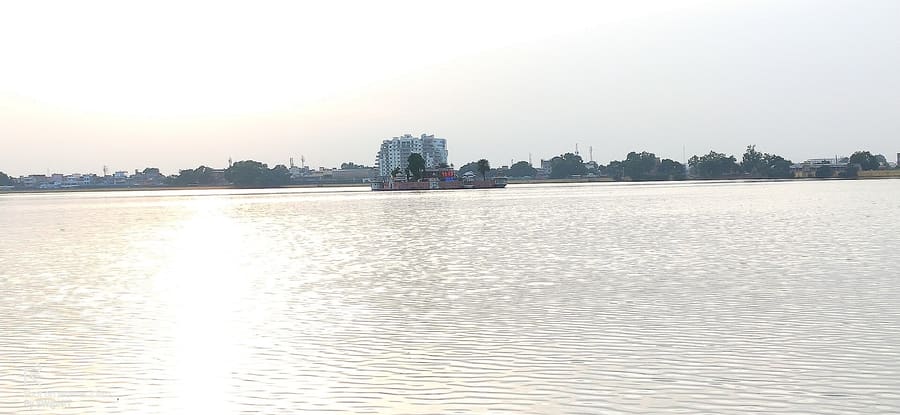
Kishore Sagar & Jagmandir
14th-century artificial lake surrounding an island palace. Visit at sunset for cooler lake breezes.
Parley से पूछेंभारत
Rajasthan's industrial hub of river canyons and academia.
introduction
Kota sits on the Chambal River in southeastern Rajasthan, detached from the standard palace circuits. The city functions largely as India's high-stakes test-preparation capital for aspiring engineers and doctors. Beyond the intense student quarters, you find steep river gorges, 17th-century fortresses, and delicate textile heritage.
Arrival trick
Kota Junction sits on the main Mumbai-Delhi rail line. Fast trains connect from Delhi or Jaipur daily.
Geographic anomaly
Kota houses the Chambal River gorge. It is one of the few places in Rajasthan with year-round river water.
Planning trick
Avoid visiting during national entrance exam weekends. Hotel rooms sell out completely months in advance.
Kota
Victoria Singh · CC BY-SA 4.0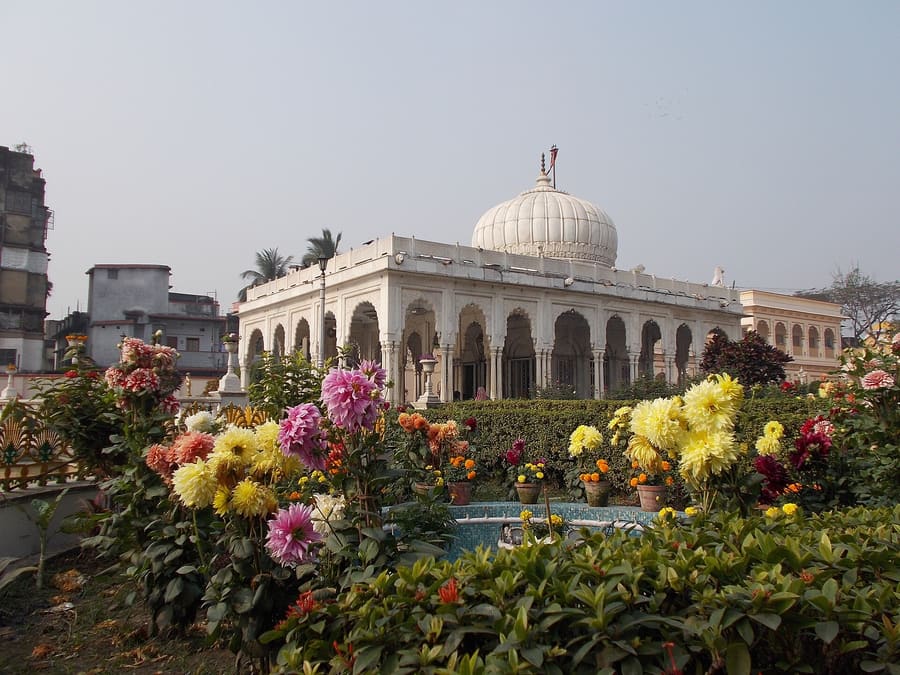
Dadabari — Leafy residential zone with wide streets, neighborhood parks, and family-run guesthouses.
ProbuddhoG. · CC BY-SA 3.0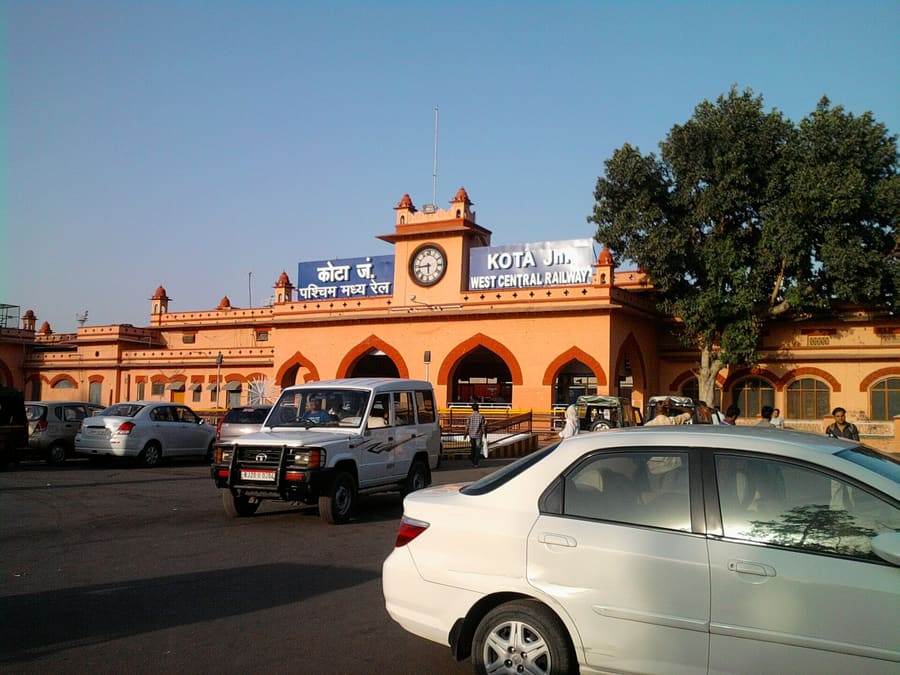
Station Road — Transit-heavy strip catering to overnight train passengers with basic hotels and transport stands.
Balajijagadesh · CC BY-SA 3.0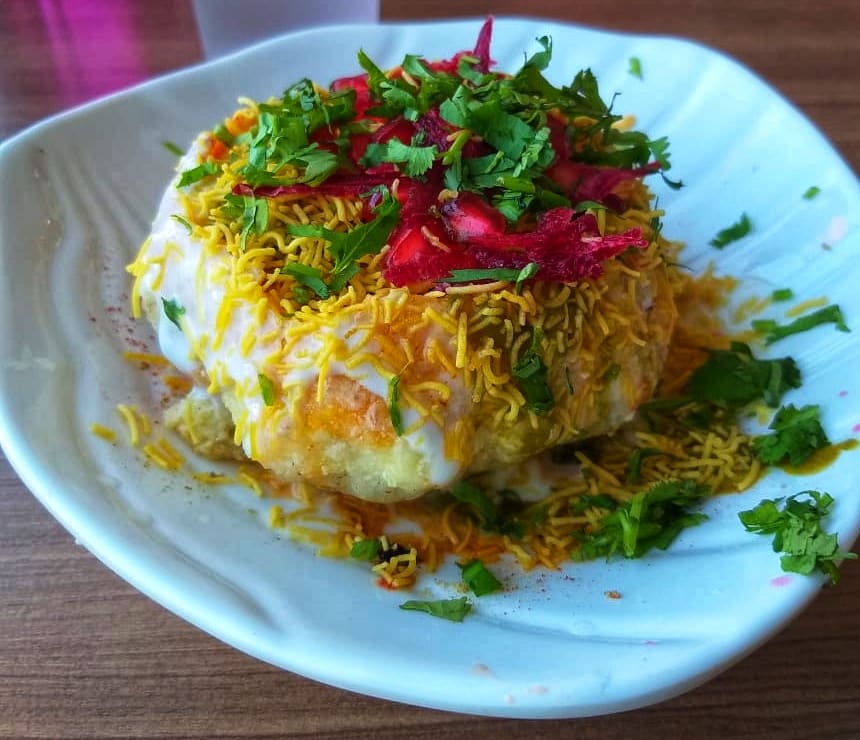
Freshly fried Kota kachori served crisp with spicy green chutney.
Jaipuriamanasi · CC BY-SA 4.0highlights
landmark
14th-century artificial lake surrounding an island palace. Visit at sunset for cooler lake breezes.
Parley से पूछें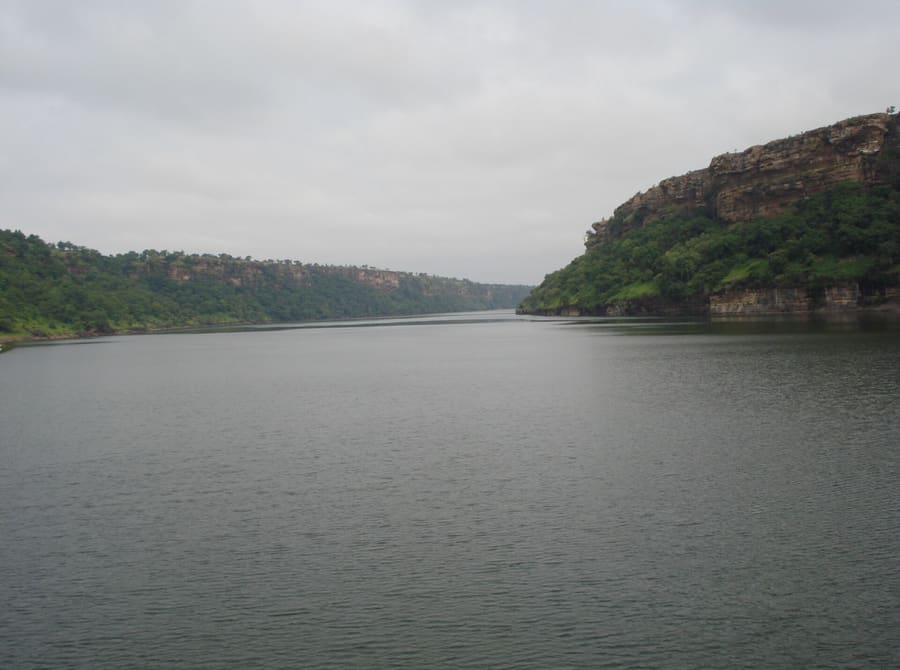
landmark
Overlook above a horseshoe bend in the Chambal canyon. Hire a private vehicle, as no public transit goes here.
Parley से पूछें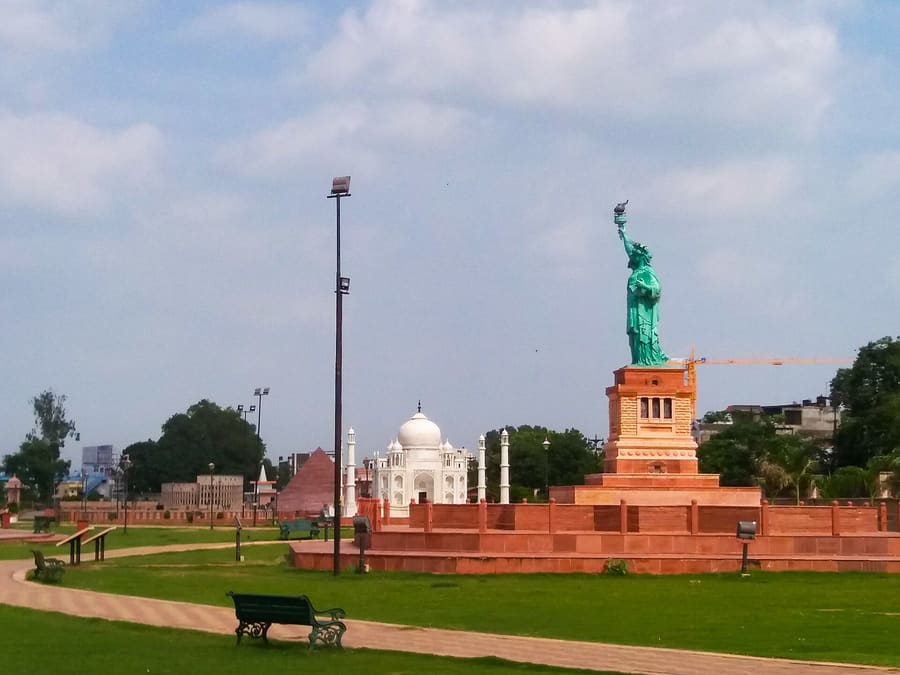
landmark
Scale replicas of global landmarks along the lakefront. Illuminated after dark, drawing local families.
Parley से पूछें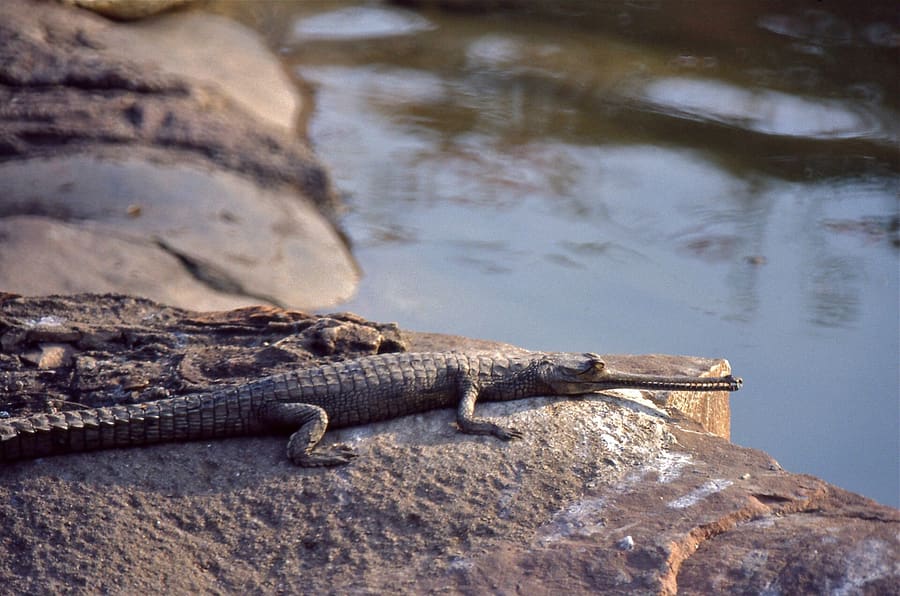
landmark
Riverfront park featuring gharial crocodile enclosures. Pay small entry fee in cash at the gate.
Parley से पूछेंattractions
areas
Leafy residential zone with wide streets, neighborhood parks, and family-run guesthouses.
पास मेंChambal Garden and riverfront parks
Parley से पूछेंTransit-heavy strip catering to overnight train passengers with basic hotels and transport stands.
पास मेंKota Junction station and main bus stand
Parley से पूछेंHistoric walled quarter of narrow alleys, old merchant houses, and textile shops.
पास मेंCity Palace and Kishore Sagar lake
Parley से पूछेंAcademic epicentre packed with tutoring institutes, student hostels, and late-night mess halls.
पास मेंCity Mall and Jawahar Nagar
Parley से पूछेंfood
Food in Kota revolves around fast, high-calorie snacks suited for busy workers and students. The city's signature specialty is the Kota kachori, a deep-fried pastry stuffed with spiced lentil flour or onions. Unlike elsewhere in Rajasthan, local vendors heavy-hand asafoetida (hing) in the dough, giving the pastry a distinct pungency. Main meals rely on traditional Rajasthani staples like dal baati churma, best eaten at specialty thali venues rather than street stalls.
Freshly fried Kota kachori served crisp with spicy green chutney.
Jaipuriamanasi · CC BY-SA 4.0Eat kachori before 10:00. Oil quality degrades in street fryers as the day progresses.
Head to Rampura Bazaar for the most established hing-flavored kachori stall in town.
Street snacks cost under ₹30. Small vendors rarely accept international credit cards.
history
Kota originated as an offshoot of the Rajput kingdom of Bundi in the early 17th century. Emperor Shah Jahan formally recognized Kota as an independent state in 1631 under Rao Madho Singh. The principality prospered along trade routes, building fortified river defences. In the 20th century, dam construction converted the region into an industrial energy provider before coaching institutes redefined its economy.
Independence from Bundi
Mughal decree carves Kota out as a separate sovereign Rajput state under Rao Madho Singh.
British Treaty
Kota enters a protective alliance with the British East India Company, guaranteeing regional borders.
Chambal Valley Project
Hydroelectric dams built along the Chambal river spur rapid industrial growth and chemical manufacturing.
Coaching boom begins
Private entrance-exam tutoring centers open, laying the groundwork for Kota's current educational empire.
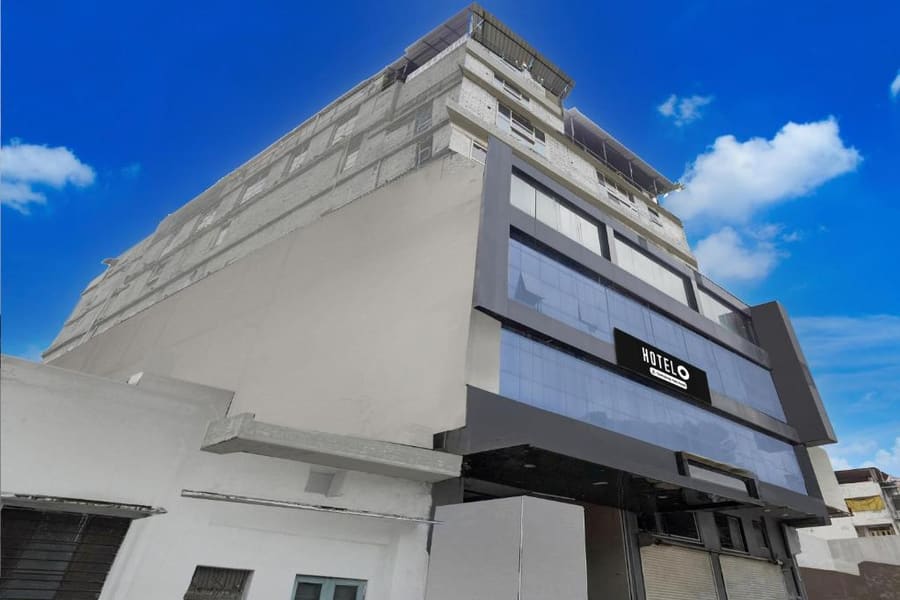
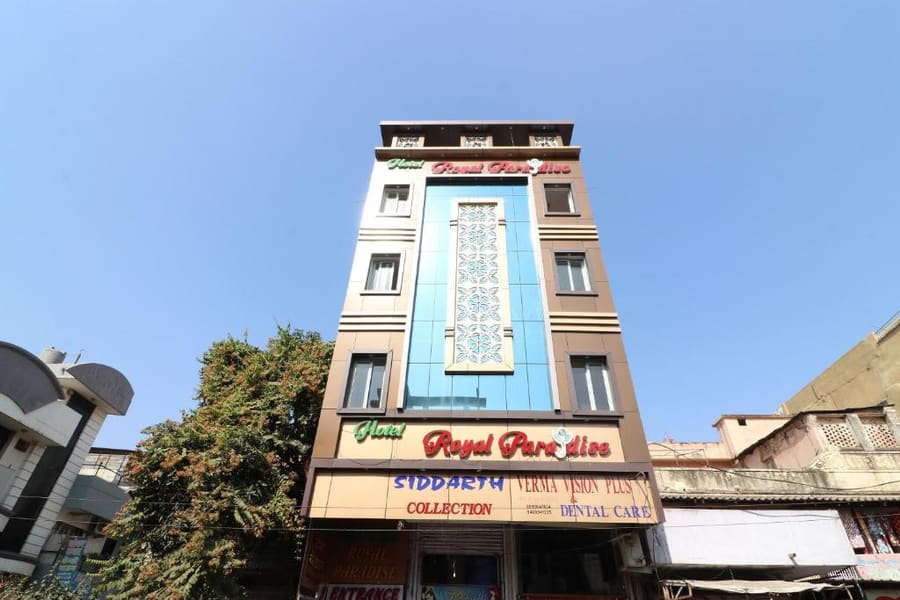
where to stay
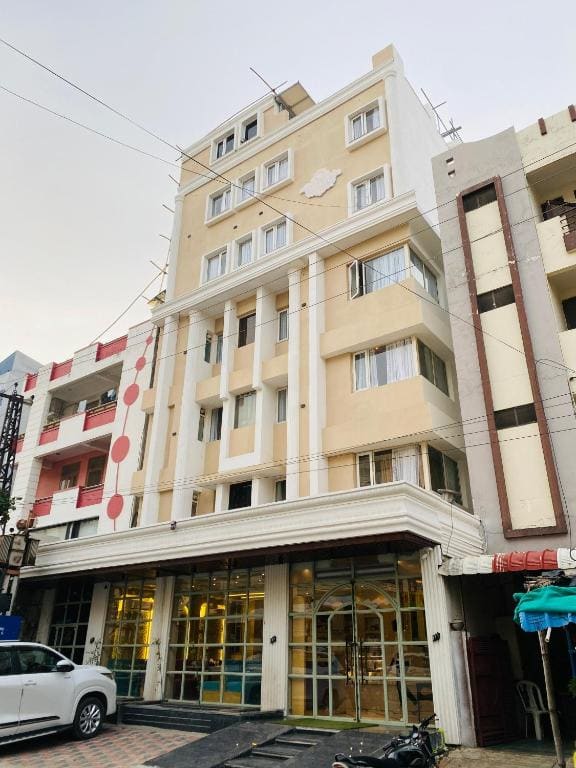
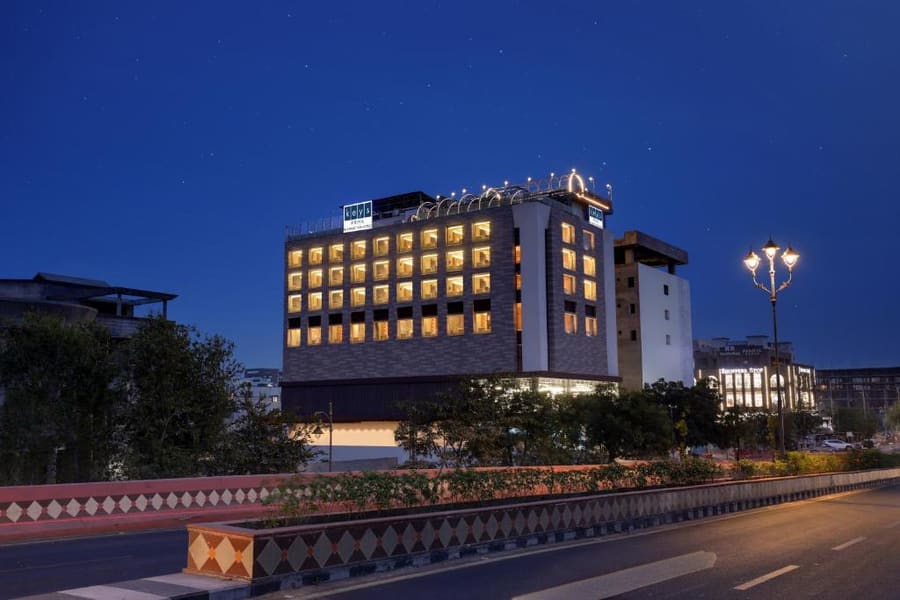
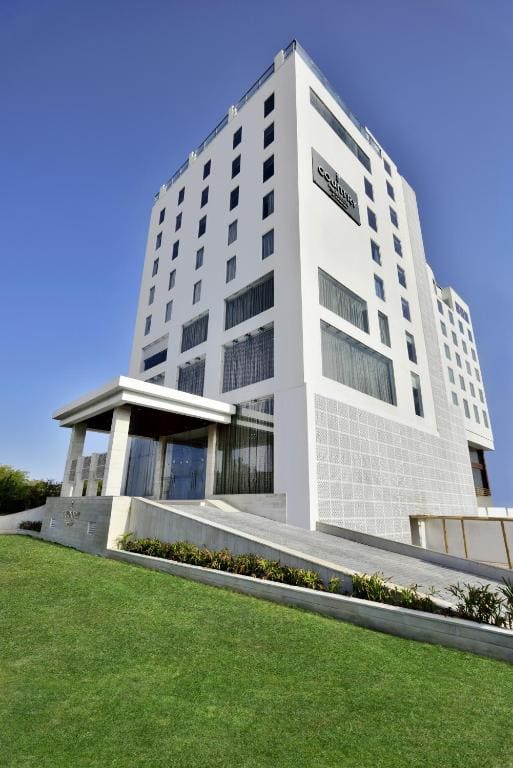
Choose your location based on transport access and noise tolerance. Commercial hotels concentrate around Nayapura and Station Road. Heritage seekers should look near the old quarter.
Live rates, matched to the areas above.
transport
Kota has no underground train or metro line. Auto-rickshaws dominate city transport, operating either on private hire or fixed shared routes. Local buses exist but operate without published timetables. App-based ridesharing is available for motorbikes and auto-rickshaws, though car availability remains spotty.
Kota Junction Railway Station (KOTA) से
Prepaid counter outside main exit avoids price haggling.
Always negotiate total fare before placing luggage inside.
Uber and Rapido operate auto and motorbikes reliably.
Drivers rarely use meters. Settle the exact rupee amount before getting in.
Shared autos run along fixed corridors like Station Road to Nayapura for ₹20 per seat.
Rapido and Ola offer faster pickup times than standard cars during morning peak hours.
Rickshaw drivers typically charge a 25 percent surcharge on rides after 22:00.
cost
Kota remains significantly cheaper than tourist-focused Rajasthan destinations like Jaipur or Udaipur. Accommodation and food cater heavily to budget-conscious students, keeping entry-level prices low.
Standard street price for a freshly fried lentil kachori.
Applies to 2-3 kilometre rides within central quarters.
Ticket tiers differ for domestic vs international visitors, plus camera fees.
Cost for two dining at a sit-down Rajasthani thali restaurant.
seasonality
OCT – MAR
Pleasant daytime temperatures (20–28°C). Ideal window for palace touring and river trips.
APR – JUN
Extreme summer heat regularly exceeds 42°C. Outdoor sightseeing is punishing after 10:00.
JUL – SEP
Monsoon rains fill the Chambal river and make gorge views green. Humidity stays very high.
practicalities
Chambal river is a wildlife sanctuary for critically endangered fish-eating crocodiles.
Cash machines are concentrated near Station Road, Talwandi, and Nayapura.
Garh Palace ticket counters close by 16:30 daily. Plan morning visits.
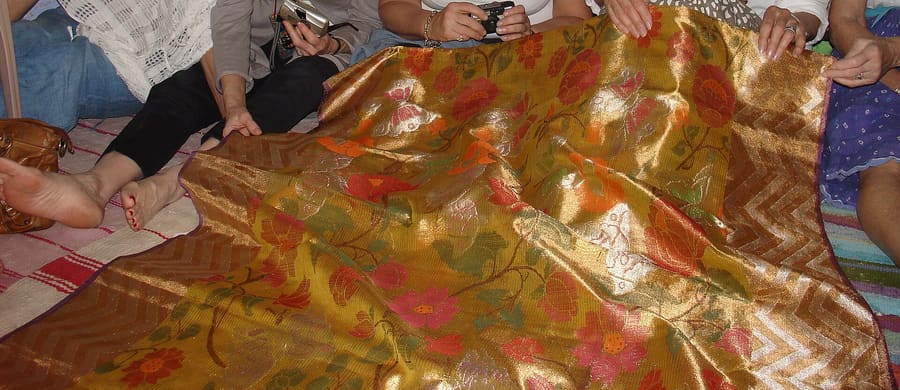
Buy authentic hand-woven sarees in Kaithun village, 15 km east of the city.
Do not swim in the Chambal River outside marked boating areas due to marsh crocodiles.