landmark
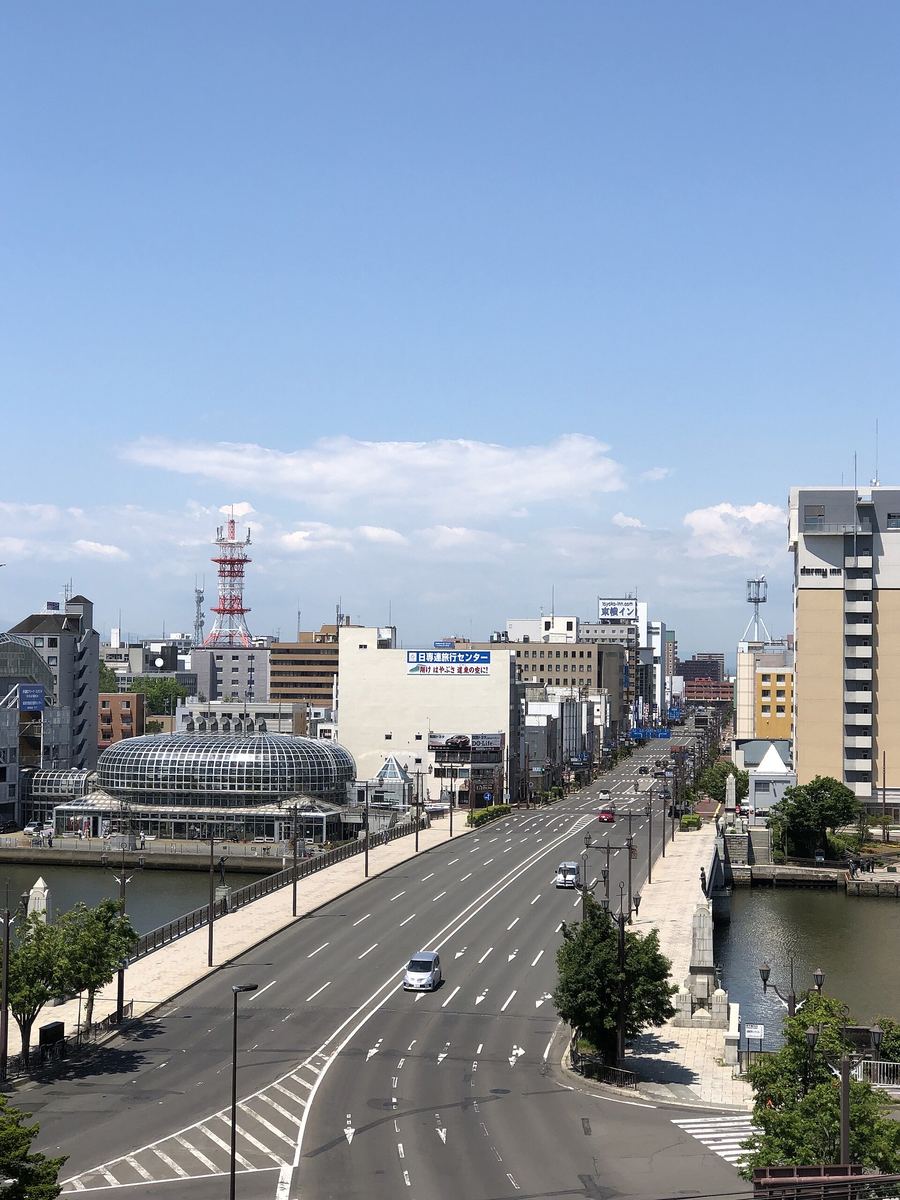
Nusamai Bridge
Spans the Kushiro River with four bronze statues depicting seasons. Gather on the northern bank 20 minutes before sunset for fog photography.
Parley से पूछेंजापान
Sea fog, charcoal robata, and vast coastal wetlands.
introduction
Kushiro is eastern Hokkaido's working port, shaped by cold Pacific ocean currents and dense summer sea fog. The city centers on its fishing harbor, charcoal robatayaki grills, and the vast peat bog of Kushiro Wetland stretching directly north. You come here to eat raw seafood off rice bowls at Washo Market, track red-crowned cranes in winter, and escape Japan's humid summer heat.
Ramsar wetland status
Kushiro Marsh became Japan's first Ramsar wetland in 1980. Over 28,000 hectares protect breeding grounds for the endangered red-crowned crane.
Kattedon market strategy
At Washo Market, buy a rice bowl first, then buy seafood slices from different stalls. Go before 14:00 before top-tier sea urchin sells out.
Kushiro
MaedaAkihiko · CC0
Sakaemachi — Dense nightlife block packed with retro izakayas, red lanterns, and charcoal robatayaki smoke.
Capitaine Haddock 1967 · CC0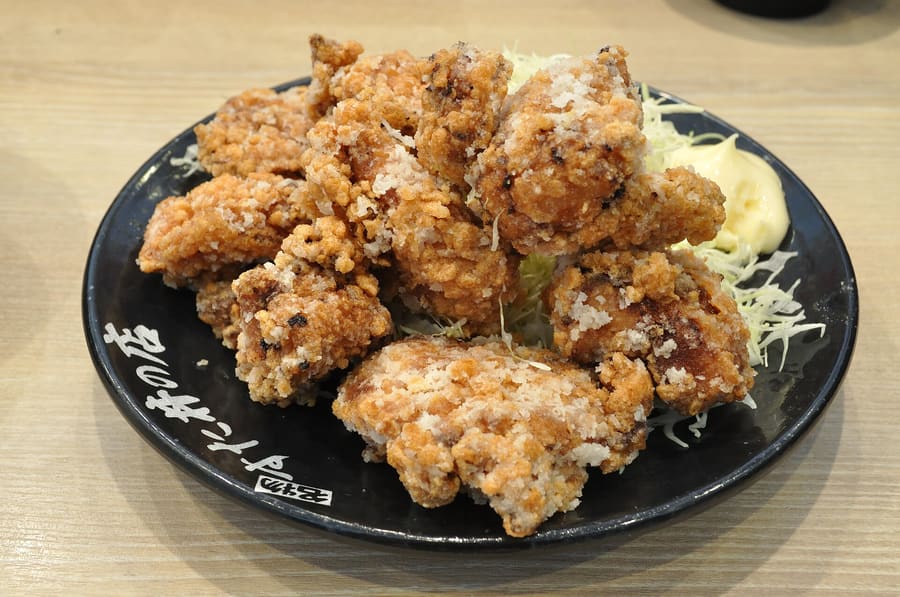
Crispy Kushiro Zangi, seasoned with soy, garlic, and Worcestershire-based sauce.
Ocdp · CC0highlights
landmark
Spans the Kushiro River with four bronze statues depicting seasons. Gather on the northern bank 20 minutes before sunset for fog photography.
Parley से पूछें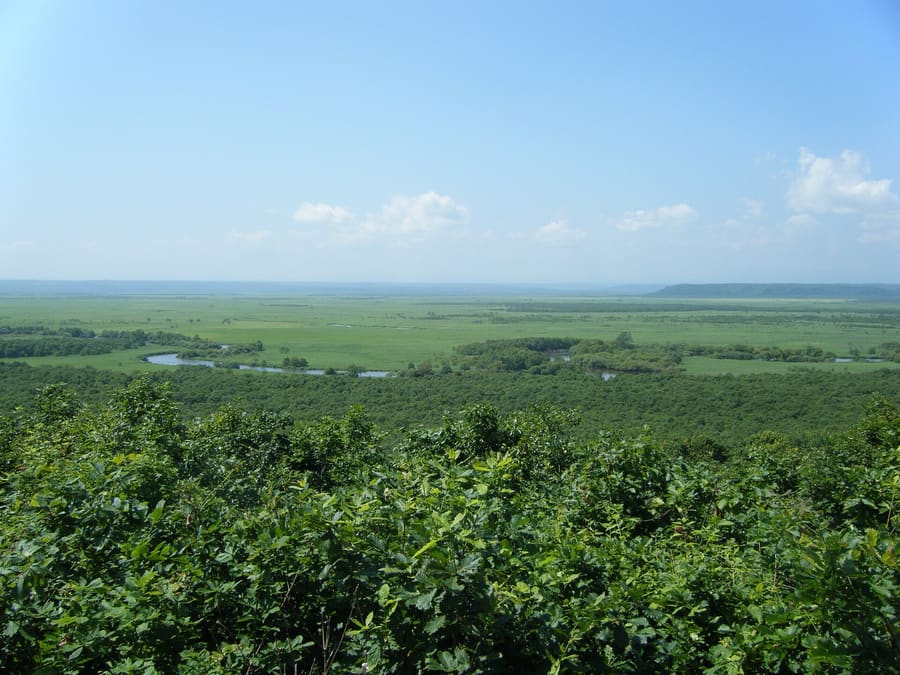
landmark
Delivers sweeping views across the winding Kushiro River and peat bog. Take the Senmo Line train to Kushiro-shitsugen Station and walk uphill.
Parley से पूछें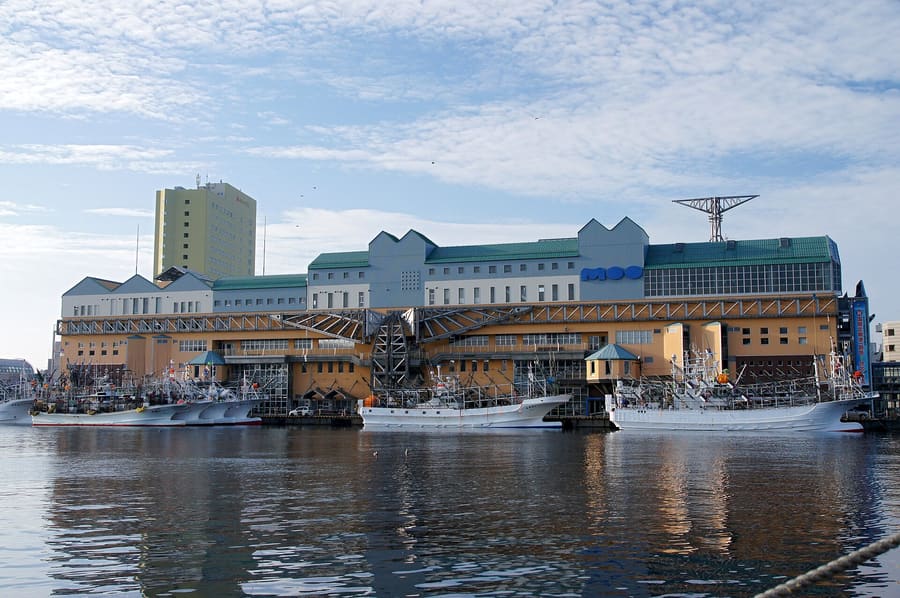
landmark
A glass-covered waterfront complex with seafood stalls and seasonal outdoor beer gardens. Grab roasted Pacific saury wrapped in shiso leaf.
Parley से पूछें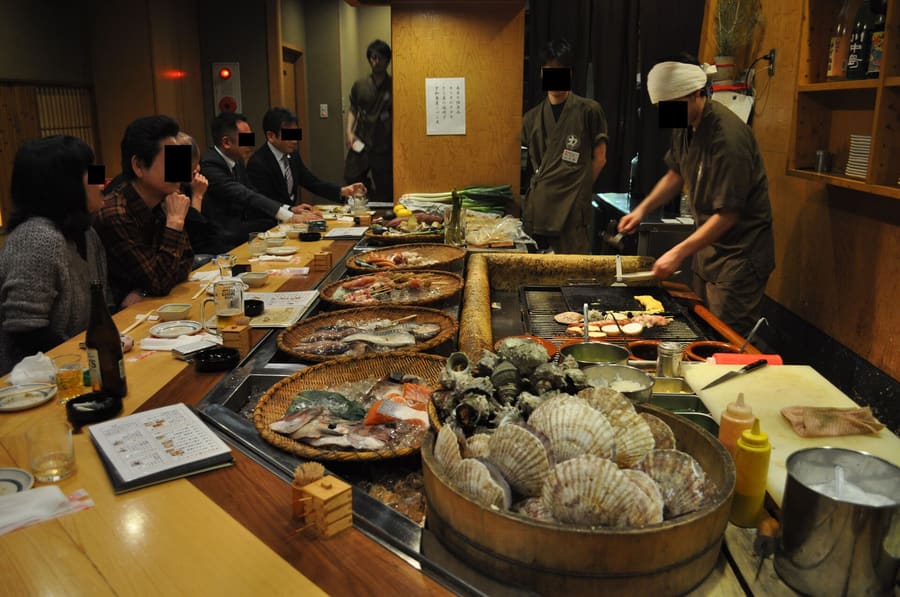
landmark
The birthplace of robatayaki charcoal grilling. Sit around counter hearths where elderly chefs grill fresh Hokke mackerel over glowing charcoal.
Parley से पूछेंattractions
areas
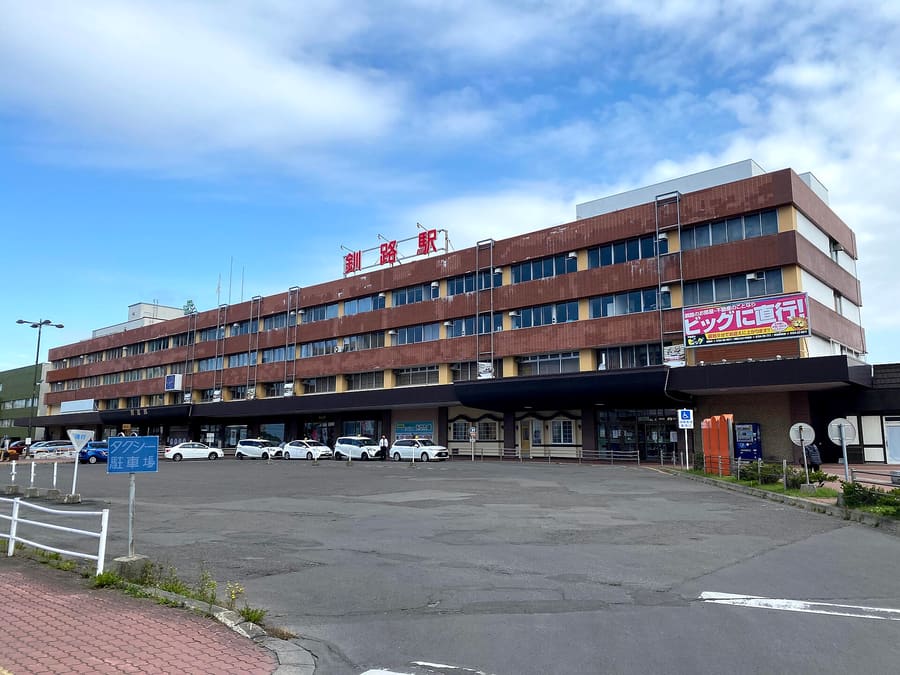
Transit-oriented grid filled with business hotels, rail lines, and early-morning fish markets.
पास मेंJR Kushiro Station and Washo Market
Parley से पूछेंDense nightlife block packed with retro izakayas, red lanterns, and charcoal robatayaki smoke.
पास मेंNusamai Bridge and downtown bars
Parley से पूछें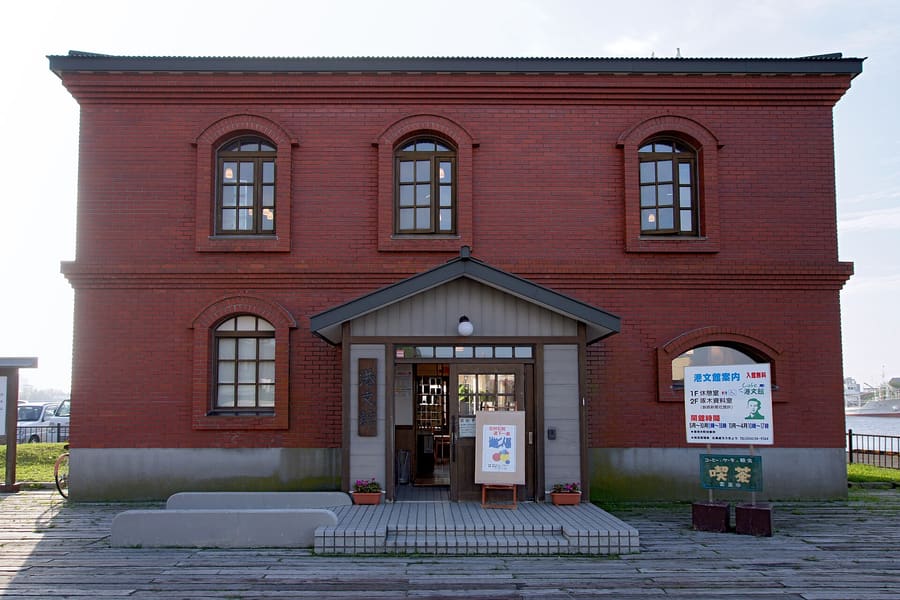
Scenic river mouth district with wide promenades, harbor breezes, and high-rise view hotels.
पास मेंFisherman's Wharf MOO and riverwalk
Parley से पूछेंRural fringe bordering prime national park forests, river bends, and crane habitats.
पास मेंHosooka Lookout and Kushiro River
Parley से पूछेंfood
Kushiro built its culinary reputation on two local innovations: Katte-don and Robatayaki. Fishermen returning to Kushiro Port in the mid-20th century needed fast, hot nourishment, giving rise to charcoal robata hearths where raw catch is grilled directly before you. At Washo Market, the custom of buying a bowl of plain rice and visiting individual vendors to handpick single slices of raw salmon, sea urchin, and botan shrimp remains unique to this city.
Crispy Kushiro Zangi, seasoned with soy, garlic, and Worcestershire-based sauce.
Ocdp · CC0Washo Market stall owners start laying out fresh seafood by 08:00. Arrive before 11:00 to secure rare catches like local spiny king crab and Hokkaido sea urchin.
Ask for open-cut Hokke (Atka mackerel) grilled skin-down over charcoal. The rich oils keep the fish juicy while rendering the outer skin crackling crispy.
Local fried chicken (Zangi) is seasoned with deep soy garlic marinade and served with a tangy dipping sauce. Torimatsu in Sakaemachi claims its origin.
history
Kushiro developed from an Ainu trading post along the Kushiro River mouth into Hokkaido's primary eastern port during the late Meiji era. The discovery of rich coal seams in surrounding hills and abundant cold-water Pacific fisheries turned the town into an industrial timber, coal, and fish exporter. After severe coal mine contractions in the late 20th century, the city pivoted to eco-tourism, preserving its vast northern peat wetlands and red-crowned crane wintering grounds.
Ramsar designation
Kushiro Marsh becomes Japan's first site designated under the Ramsar Convention to protect wetland ecosystems.
National Park status
Kushiro-shitsugen National Park is established, halting commercial drainage and protecting red-crowned crane nesting grounds.
where to stay
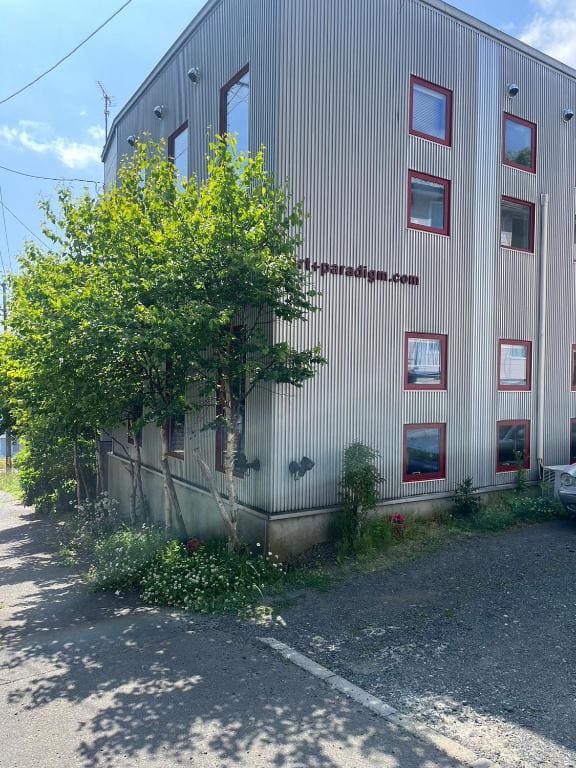
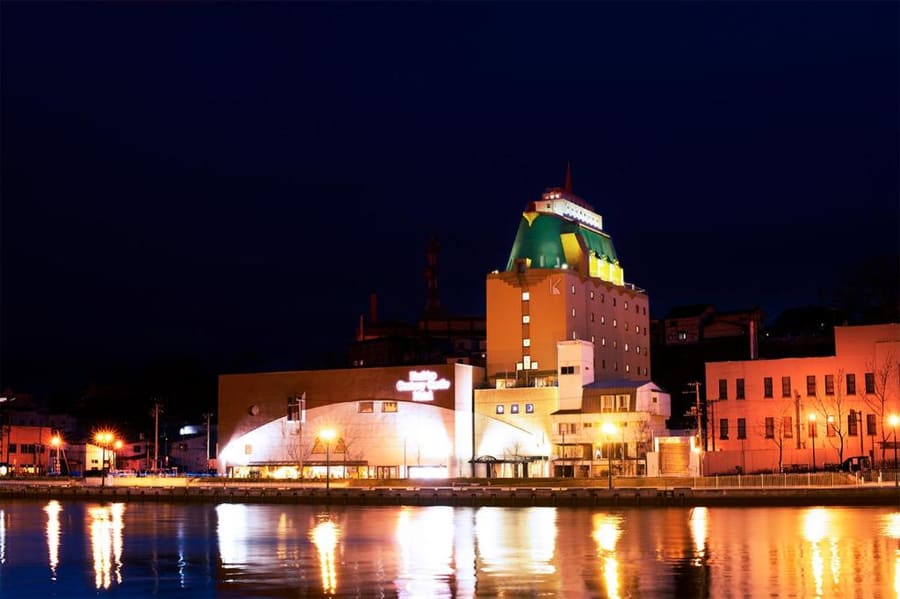
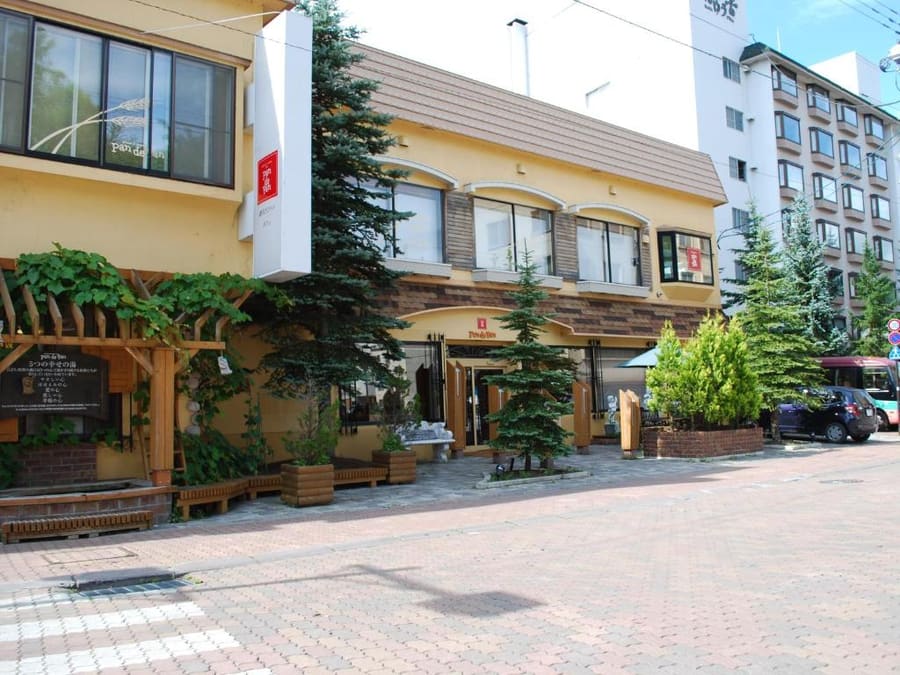
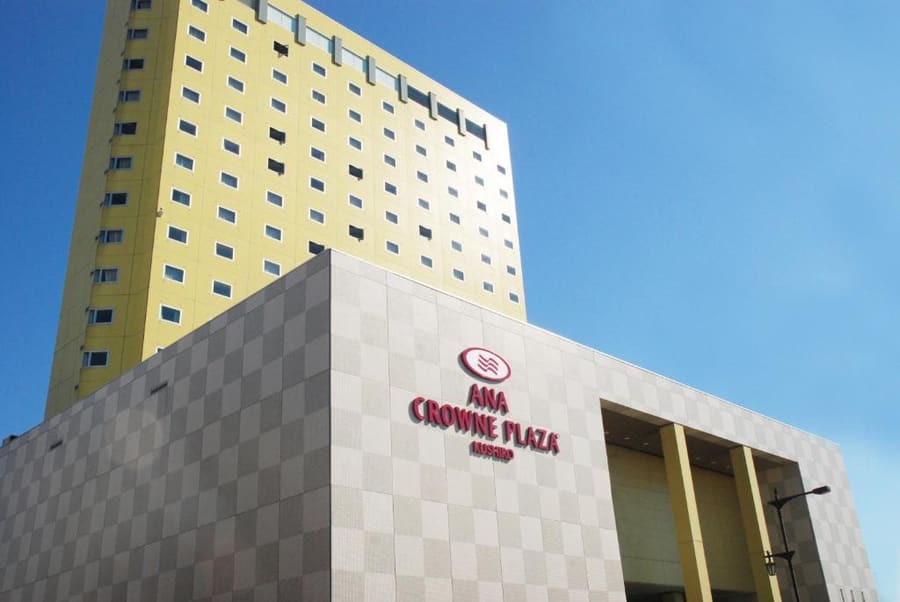
Select your accommodation based on how early you plan to move. If taking morning Senmo Line trains into the marsh, stay around Kushiro Station. If you prioritize late charcoal dinners and evening izakaya hopping, book inside the Sakaemachi grid. For floor-to-ceiling sunset views over Nusamai Bridge, choose the waterfront harbor district.
Live rates, matched to the areas above.
/efccf00f023c.jpg)
transport
Kushiro is compact along the waterfront, making central areas walkable on foot. Reaching outlying marsh lookouts and crane sanctuaries requires using JR Senmo train lines, regional Akan Bus routes, or a rental car.
Kushiro Airport (KUH) से
Akan Bus timed directly to match domestic flight arrivals; drops at Kushiro Station and major downtown hotels.
Fixed-rate options rare; best reserved ahead during heavy winter snowstorms.
Pre-arranged van transport for groups carrying winter photography gear and heavy luggage.
Trains running through Kushiro Marsh on the Senmo Line are sparse, often running 2–3 hours apart. Always check return departure times before stepping off.
Reaching winter crane observation sites in Tsurui or Akan is far easier by car. Rental agencies sit directly outside Kushiro Station and the airport.
Black ice and blowing snow frequently close regional expressways in January. Add a 45-minute buffer when driving to Kushiro Airport.
cost
Kushiro is significantly less expensive than Sapporo or Hakodate. Seafood prices at markets depend on daily catch volumes, but meal costs remain reasonable across local izakayas.
Base rice costs ¥150–200; individual seafood slices range from ¥100 for salmon to ¥600 for sea urchin.
Covers grilled fish, squid, vegetables, and two cold beers at a counter charcoal grill.
One-way JR ticket from Kushiro Station to Kushiro-shitsugen or Hosooka stations.
Adult admission ticket to Akan International Crane Centre including museum access.
seasonality
DEC – FEB
Freezing cold and heavy snow. Prime season for red-crowned crane photography and winter steam train runs.
MAR – MAY
Snow melts and marshlands thaw. Low tourist crowds, but foggy cool weather dominates.
JUN – AUG
Pleasant 20°C temperatures attract domestic escapees from mainland Japan's heat waves. Frequent morning sea fog.
SEP – NOV
Crisp autumn air, vibrant wetland foliage colors, and peak season for fresh salmon and saury.
practicalities
Kushiro experiences over 100 foggy days per year, mostly between June and August. Pack a light windbreaker even in midsummer.
Washo Market stalls begin clean-up by 16:00. Plan seafood breakfasts or early lunches rather than evening visits.
The indigenous Ainu heritage is woven into local place names and regional craft shops around Kushiro and Lake Akan.
Temperatures down by the harbor drop rapidly after sunset. Keep extra warm layers handy when watching the Nusamai Bridge sunset.
While hotels accept major credit cards, traditional robatayaki hearths in Sakaemachi often operate cash-only.