landmark
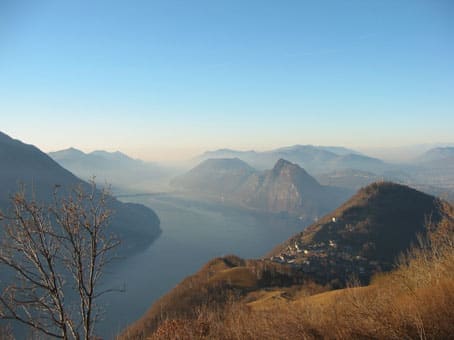
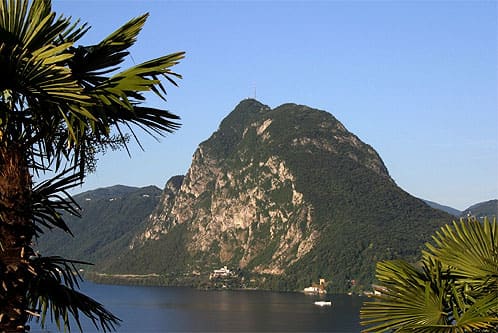
Monte San Salvatore
A funicular lifts you to 912 metres for 360-degree views. Ride up late afternoon to watch lake shadows lengthen.
Parley से पूछेंस्विट्ज़रलैंड
Swiss financial order meets Italian lake life.
introduction
Lugano sits in Switzerland's Italian-speaking Ticino canton, where palms line the promenade and banks face Lake Lugano. You travel between steep lakeside hills using three urban funiculars and yellow PostBuses. Expect Swiss efficiency paired with espresso culture, though prices remain strictly Swiss Francs. Walking the pedestrian core takes under twenty minutes, but steep stairs test your legs off the main squares.
Station funicular shortcut
The funicular inside Lugano station lowers you directly to Piazza Cioccaro in two minutes. Your Swiss Travel Pass or Ticino Ticket covers the ride.
Federal heritage site
The historic village of Gandria sits on the Federal Inventory of Heritage Sites. You reach it via an easy olive grove walking path from Castagnola.
Ticino Ticket advantage
Staying one night in any registered hotel or hostel grants a Ticino Ticket. It includes free public transport across the entire canton.
Lugano
JoachimKohler-HB · CC BY-SA 4.0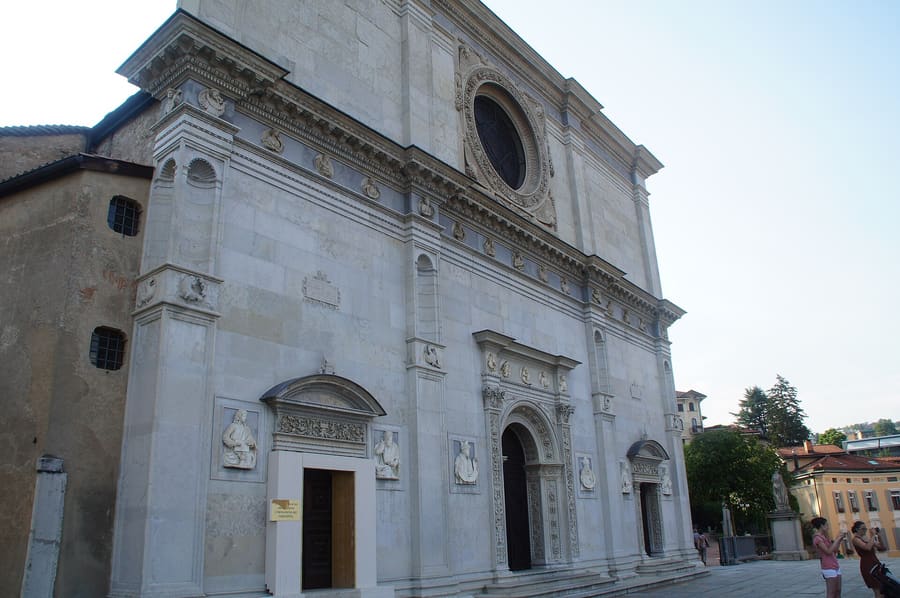
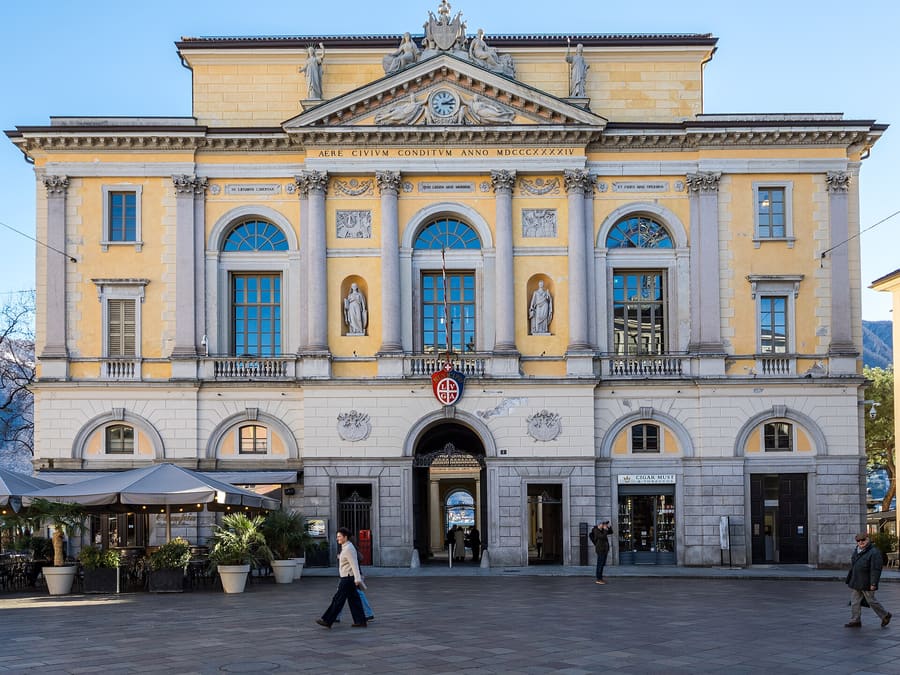
Centro Storico — Arcaded shopping streets, lively cafes, and fast lake access.
Emanuela Meme Giudic… · CC BY 3.0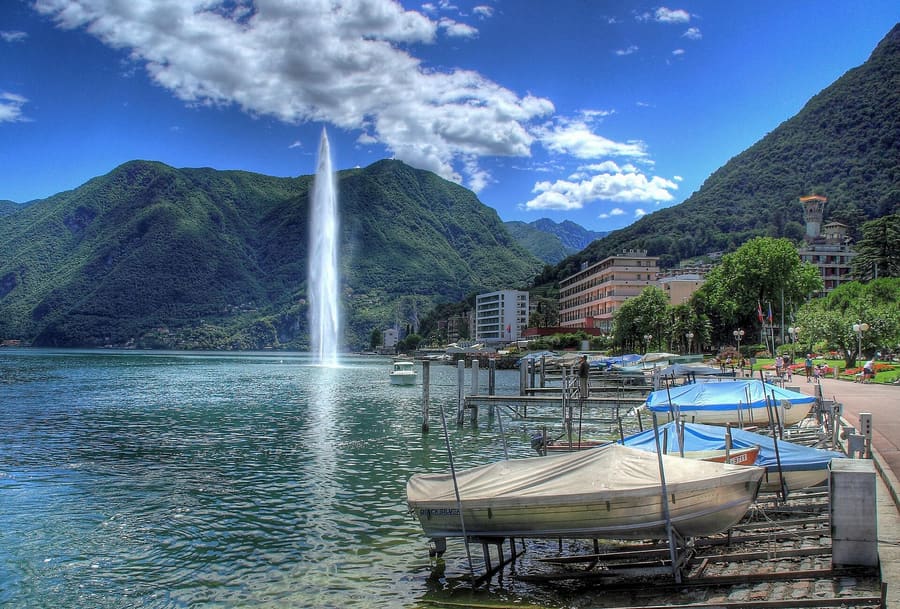
Paradiso — Waterfront resort strip at the base of Monte San Salvatore.
Valser · Public domain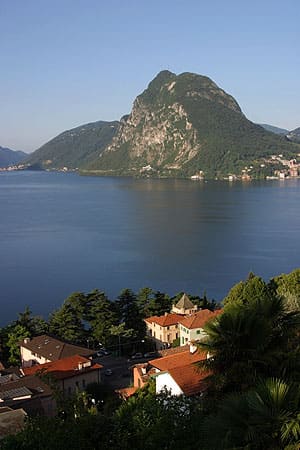
Castagnola — Residential hillside slope facing south across the bay.
Roland Zumbühl (Picswiss), Arlesheim (Commons:Picswiss project) · CC BY-SA 3.0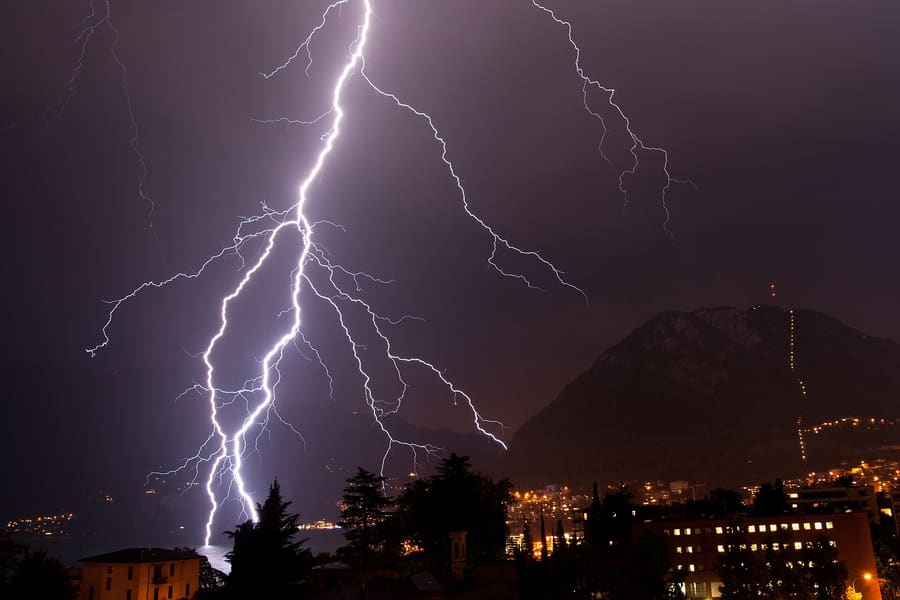
Loreto & Montarina — Elevated residential neighbourhood behind the main train station.
Philippe Moret · CC BY-SA 4.0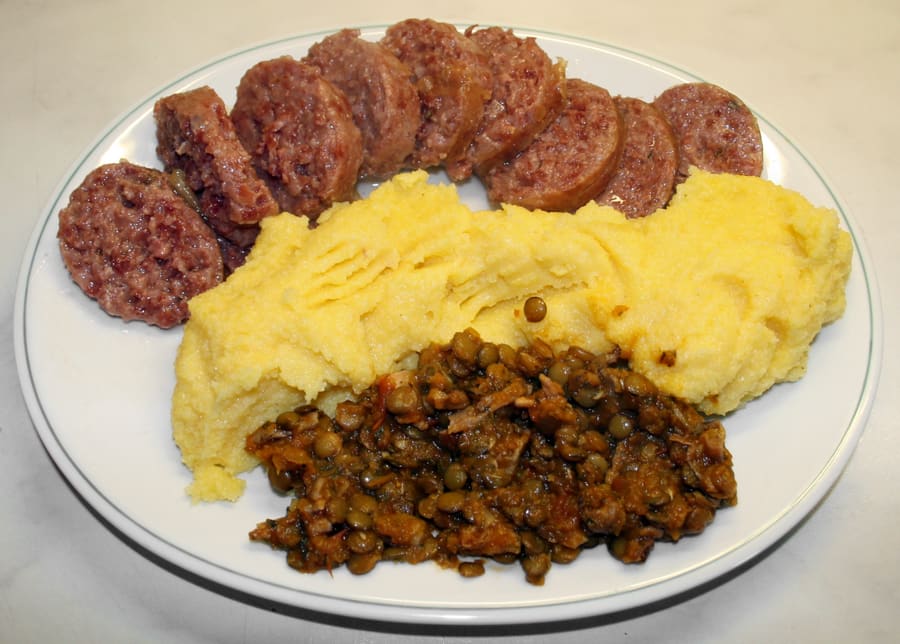
A shaded stone table at a traditional Ticinese grotto in the hills around Lugano.
J.P.Lon · CC BY-SA 3.0highlights
landmark
A funicular lifts you to 912 metres for 360-degree views. Ride up late afternoon to watch lake shadows lengthen.
Parley से पूछें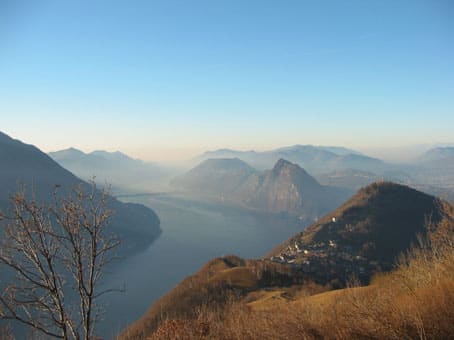
landmark
Claimed as Switzerland's sunniest peak, reached by funicular from Cassarate. Walk down through Brè village to inspect art installations.
Parley से पूछें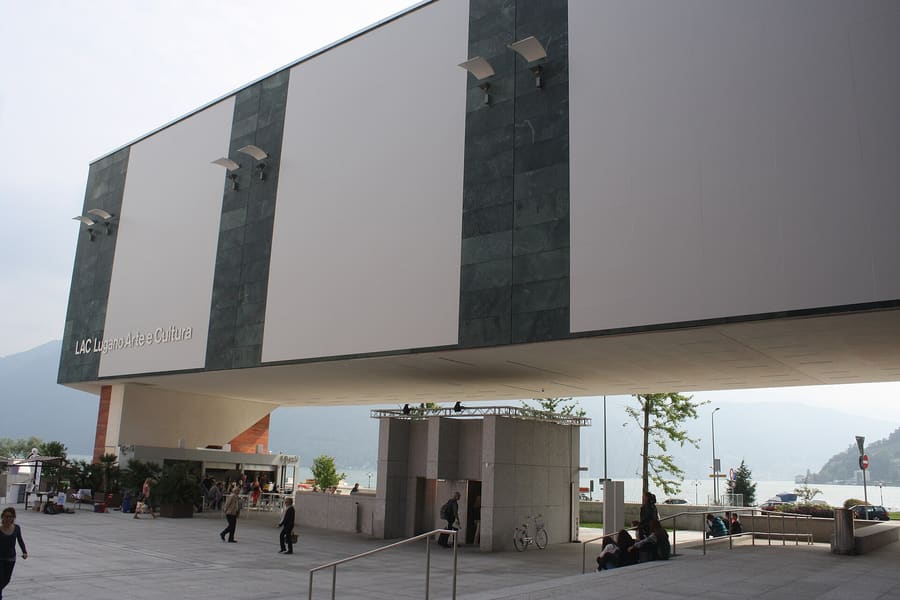
landmark
The city's modern arts center hosting theatre, concert hall, and MASI collection. Free entry to the ground-floor space and lakeside courtyard.
Parley से पूछें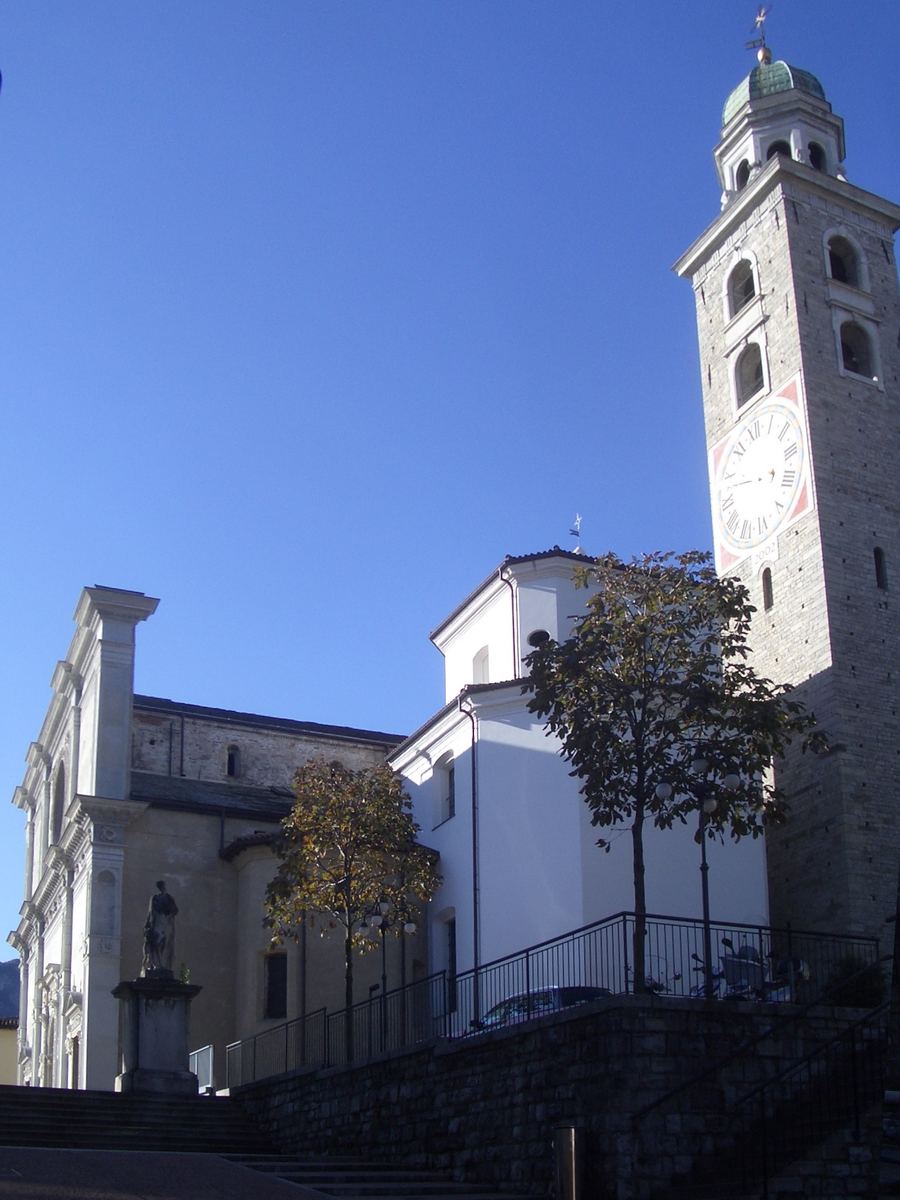
landmark
Early Renaissance limestone facade overlooking the Old Town roofs. Walk down the stepped alleyways from here to Piazza della Riforma.
Parley से पूछें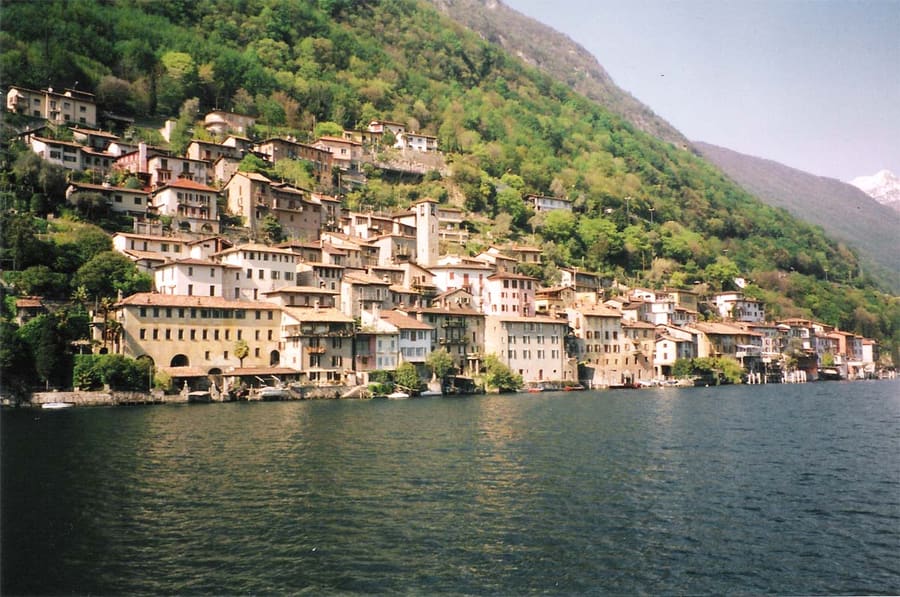
landmark
A car-free fishing village clinging to steep rock faces above Lake Lugano. Take the lake ferry out and walk back along the Olive Path.
Parley से पूछेंattractions
areas
Arcaded shopping streets, lively cafes, and fast lake access.
पास मेंPiazza della Riforma and the main ferry pier.
Parley से पूछेंWaterfront resort strip at the base of Monte San Salvatore.
पास मेंSan Salvatore funicular station.
Parley से पूछेंResidential hillside slope facing south across the bay.
पास मेंMonte Brè funicular and Lido di Lugano.
Parley से पूछेंElevated residential neighbourhood behind the main train station.
पास मेंLugano SBB station and LAC arts center.
Parley से पूछेंfood
Ticino cuisine centers on the grotto—traditional rustic stone taverns built into mountain slopes to keep wine and cured meats cool. In Lugano, you eat polenta cooked in copper cauldrons alongside braised beef shank or local luganighe sausages. While espresso and risotto feel entirely Italian, restaurant bills reflect Swiss labor costs and strict Swiss meat sourcing standards.
A shaded stone table at a traditional Ticinese grotto in the hills around Lugano.
J.P.Lon · CC BY-SA 3.0Inner city grotti often tailor menus to visitors. Take the bus up to mountain suburbs like Sorengo or Brè for wood-fired polenta and local Merlot served in two-handled terracotta cups (boccalino).
Kitchens close strictly between 14:00 and 18:30. If you miss lunch, look for a paninoteca near Piazza Cioccaro for focaccia stuffed with Ticino alpine cheese.
Ticino produces world-class white and red Merlot. House wines in stone grotti are affordable and served fresh from wooden barrels.
history
Lugano evolved from a disputed medieval fishing territory into a strategic border hub between Milanese dukes and Swiss Confederates. Swiss forces secured control of Ticino in 1512, establishing a centuries-long era of Swiss administration over Italian-speaking lands. The arrival of the Gotthard railway in 1882 transformed Lugano from an isolated lakeside town into a premier European winter resort and international banking centre.
Swiss Confederation Rule
Swiss bailiffs take administrative control of Lugano, establishing a stable frontier with Lombardy.
Canton Ticino Created
Napoleon dissolves the old bailiwicks and establishes Canton Ticino as an equal member of the Swiss Confederation.
Gotthard Rail Line Opens
Direct rail transit through the Alps connects northern Europe to Lugano, driving a massive tourism boom.
Gotthard Base Tunnel
The world's longest railway tunnel opens, cutting train travel time from Zurich to Lugano down to two hours.
where to stay
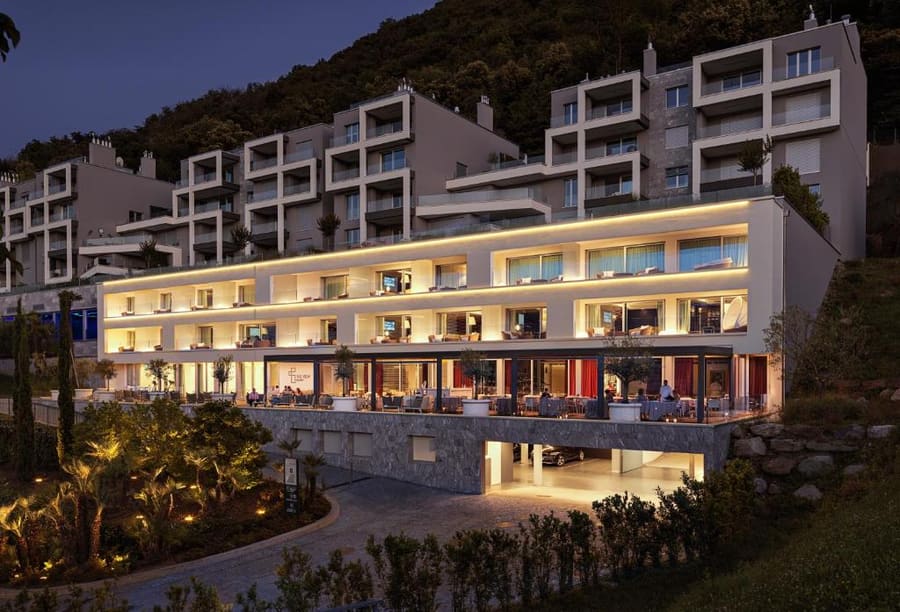
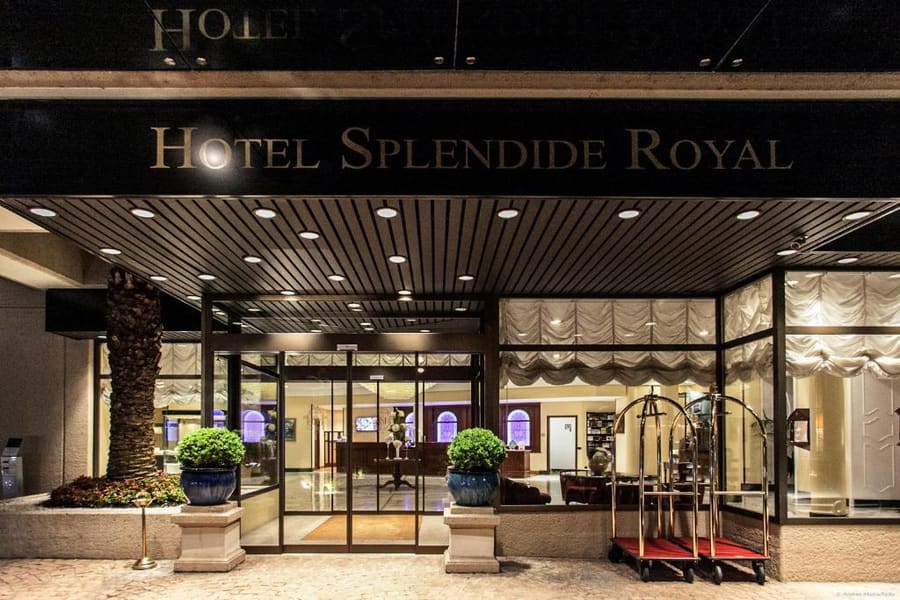
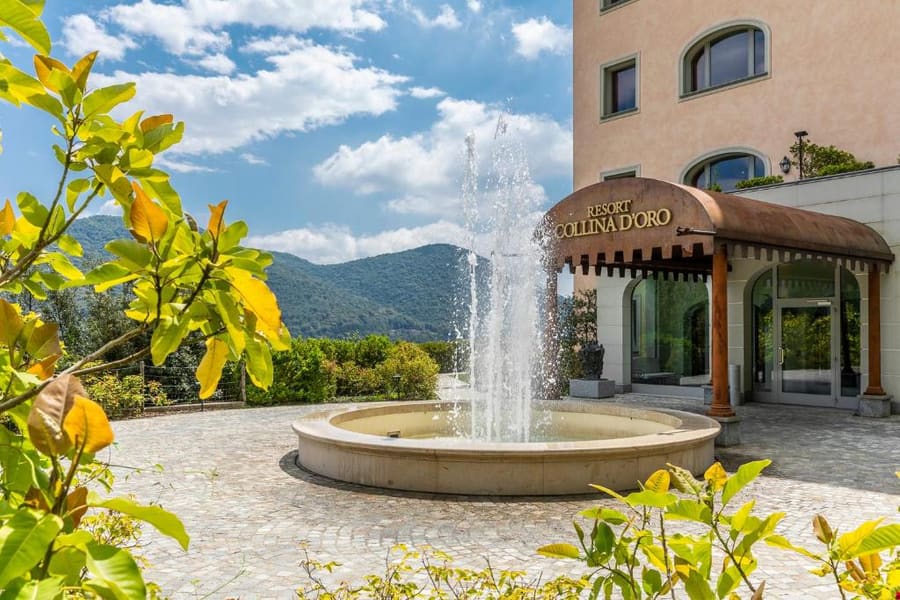
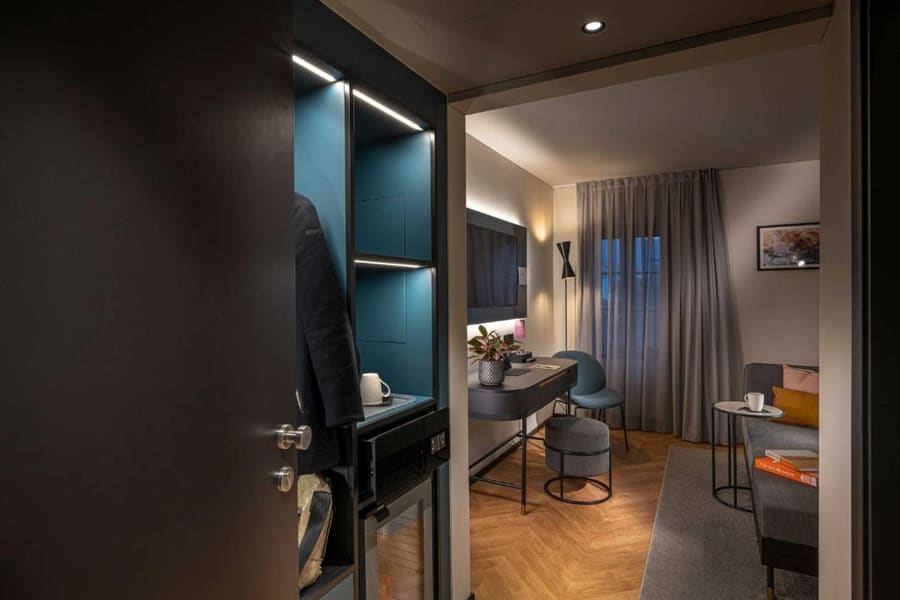
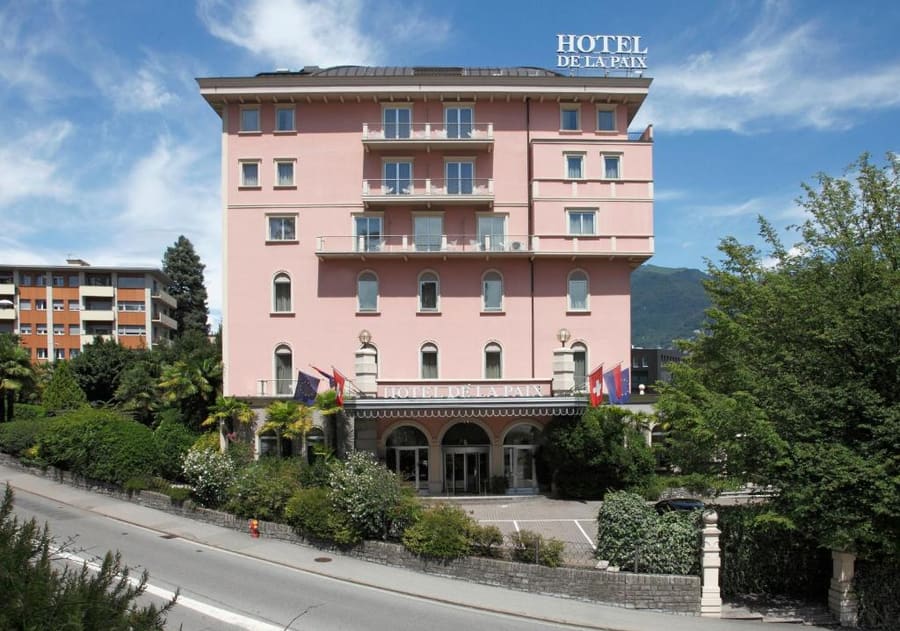
Choose your base by elevation and evening habits. Centro Storico keeps you steps from restaurants and ferries but costs more for smaller rooms. Paradiso offers mid-range lakefront hotels with flatter terrain, while Castagnola provides quieter residential views at the expense of a longer walk home.
Live rates, matched to the areas above.
transport
Lugano is compact but vertical. Pedestrian streets thread through the flat center along the lake, but moving inland requires climbing stairs or riding funiculars. Local public transport is clean, frequent, and fully integrated across boats, buses, and cable railways.
Milan Malpensa Airport (MXP) / Lugano SBB Station से
Direct SBB EuroCity trains connect Zurich Hauptbahnhof to Lugano through the Gotthard Base Tunnel.
Express airport shuttles run from Malpensa directly to Lugano train station.
Every overnight hotel, hostel, or campsite guest receives a free Ticino Ticket. It gives unlimited free rides on all regional trains and buses across the canton.
The Funicolare Lugano-Stazione connects the high-level SBB rail station down to central Piazza Cioccaro in two minutes.
Società Navigazione del Lago di Lugano operates regular passenger ferries. Use them to cruise to Gandria or Morcote, then walk back along coastal paths.
Yellow PostBus routes depart from Lugano station to remote Ticinese villages where city buses do not go.
cost
Lugano uses the Swiss Franc (CHF). Prices align with Zurich rather than neighboring Italy, so budget accordingly for food and services. Euros are occasionally accepted in tourist spots, but change is given in Swiss Francs at an unfavorable rate.
Drinking coffee at a table in Piazza della Riforma carries a standard table service charge.
Expect to pay around CHF 30–40 per main dish of polenta and meat, plus CHF 20 for house wine.
Ticino Ticket holders receive a 30% discount on mountain funicular fares.
Swiss Travel Pass holders ride free on public lake ferry lines.
seasonality
MAR – MAY
Camellias bloom and temperatures reach 18°C. Mountain paths clear and spring lake ferry schedules begin.
JUN – AUG
Warm days averaging 28°C draw swimmer crowds to lidos. Expect higher room rates and busy weekend promenades.
SEP – OCT
Chestnut harvest season and autumn wine festivals in October. Crisp, sunny days ideal for mountain hikes.
NOV – FEB
Quiet winter months with occasional mountain snow. Many outdoor grotto restaurants close until spring.
practicalities
Contactless card payment is ubiquitous across Lugano, including on buses, mountain funiculars, and small bakery counters.
Stores along Via Nassa close by 17:00 on Saturdays and remain shut Sundays. Train station shops stay open daily until late.
While English and German are spoken in hotels and restaurants, greeting staff with 'Buongiorno' sets a polite local tone.
For a small admission fee, you get heated pools, a sandy beach, and direct lake entry near Parco Ciani.
Cloud cover can obscure Monte Brè or San Salvatore while the town is sunny. Review live camera feeds at funicular bases before paying.