landmark
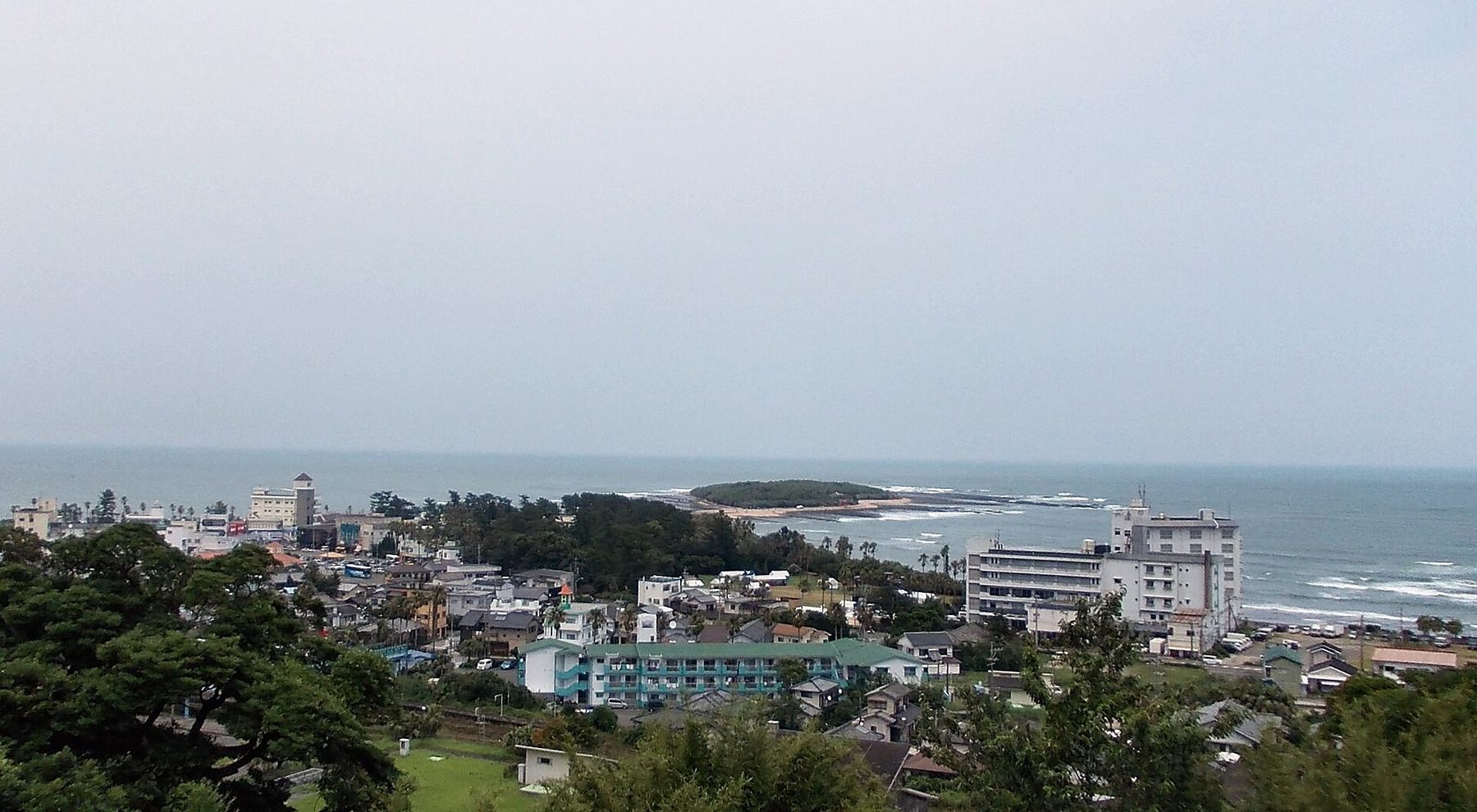
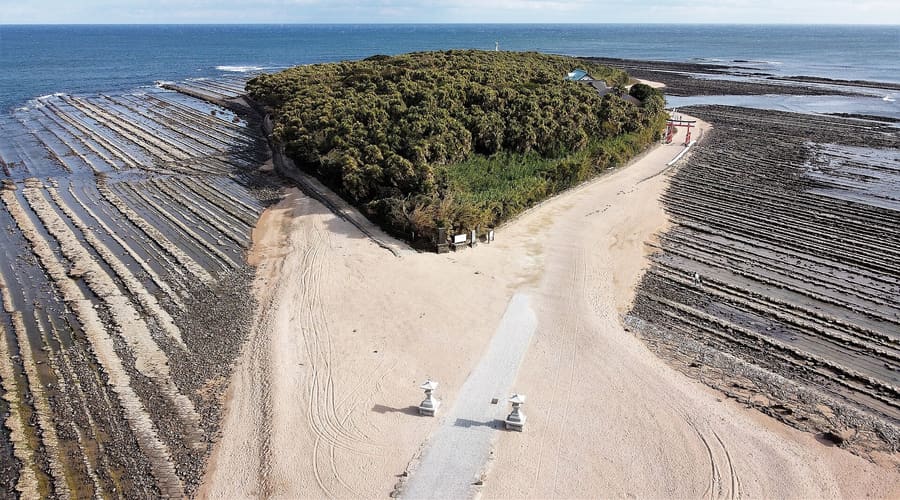
Aoshima Shrine
A red Shinto shrine set on a tiny island linked by footbridge. Walk around the island at low tide to see the Devil's Washboard rocks.
Parley से पूछेंजापान
Subtropical coastline, local shochu, and ancient mythology.
introduction
Miyazaki occupies the sunlit southeastern flank of Kyushu, defined by Pacific ocean swells, palm trees, and deep Shinto folklore. It feels distinctly slower than Tokyo or Osaka, trade-offs being sparser public transit and quieter nights outside the central dining corridor. You move best here by renting a car or timing the coastal buses carefully. Expect high-grade Miyazaki beef, uncrowded breaks, and cliffside shrines carved into sea caves.
Fastest airport connection
JR Miyazaki Airport Line reaches Miyazaki Station in 10 minutes for ¥360, making it one of Japan's fastest airport-to-downtown rail links.
Bus transit planning
Coastal buses run once hourly past 15:00. Buy a ¥1,500 Visit Miyazaki Bus Pass at the airport or station for unlimited daily suburban rides.
Miyazaki
ja:User:Sanjo · Public domain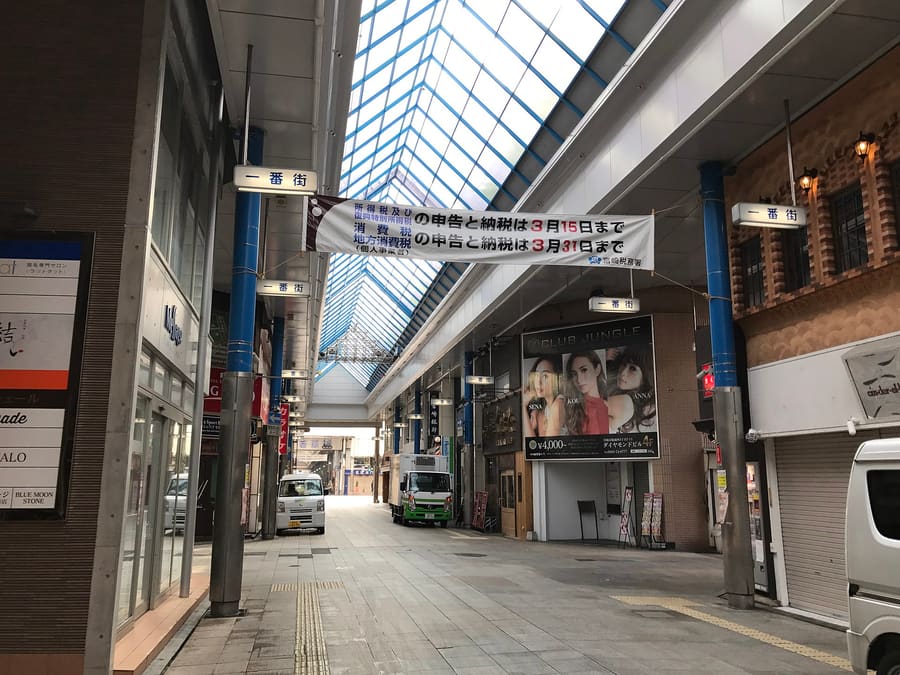
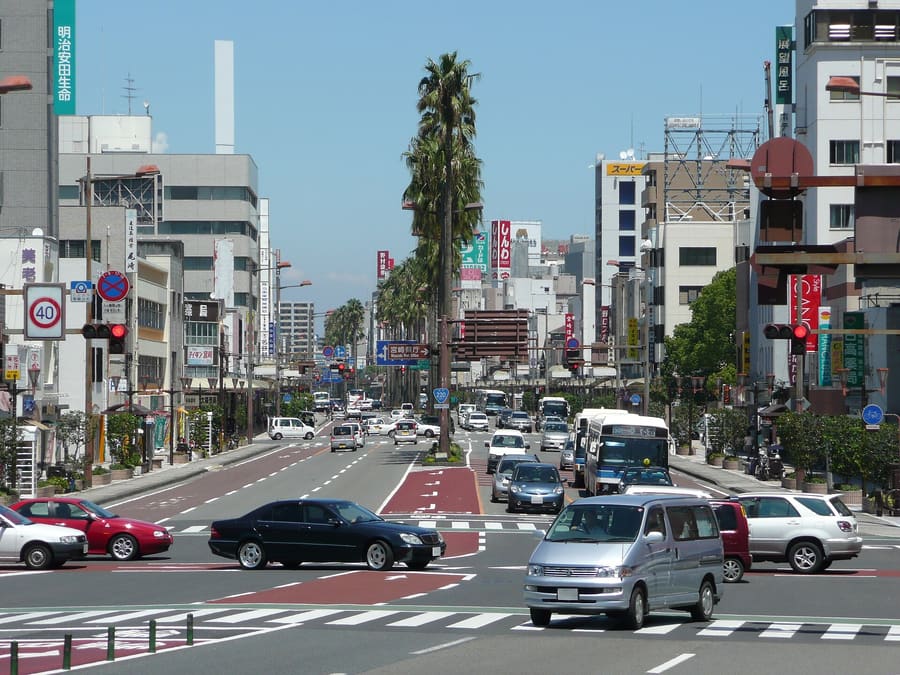
Tachibana-dori — Urban commercial spine packed with izakayas, local specialty restaurants, and late-night shochu bars.
そらみみ · CC BY-SA 4.0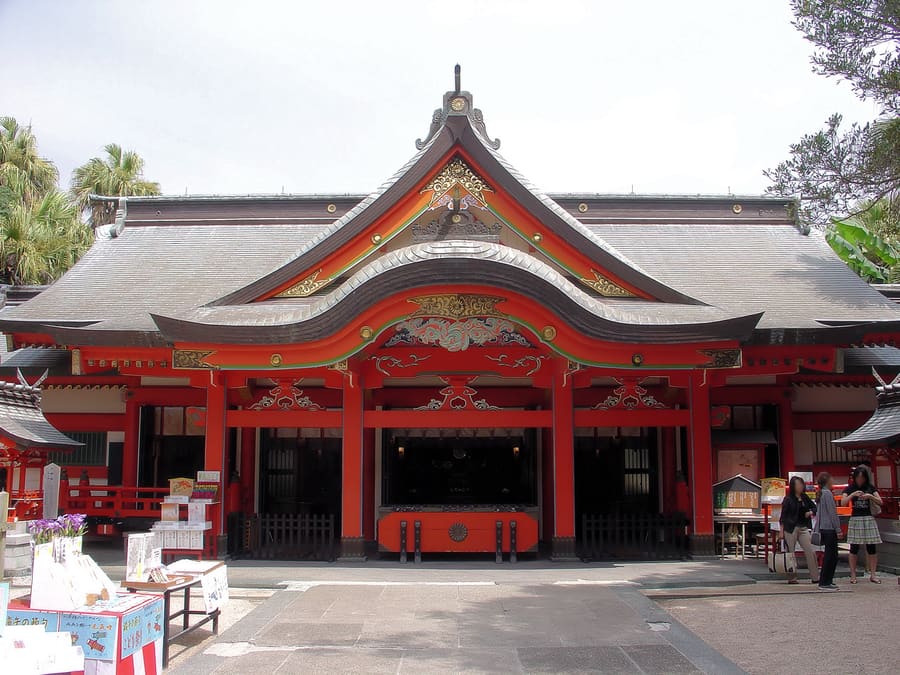
Aoshima — Laid-back beach village popular with surfers, craft coffee shops, and seaside hot spring inns.
JKT-c · CC BY 3.0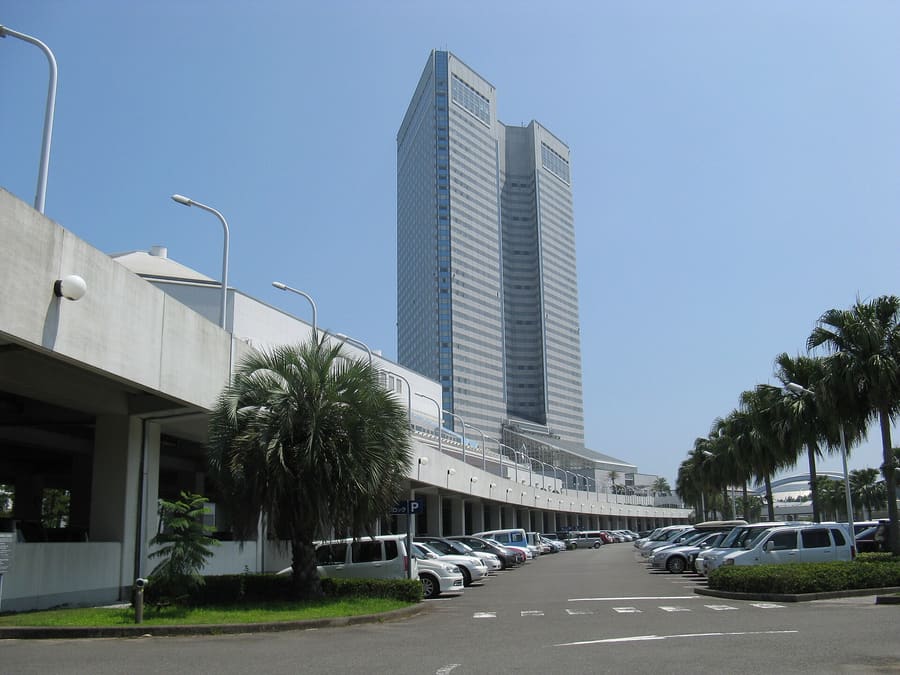
Seagaia — Resort zone set within coastal black pine forests, featuring golf courses and full-service hotels.
Tremblay.typea · CC BY-SA 3.0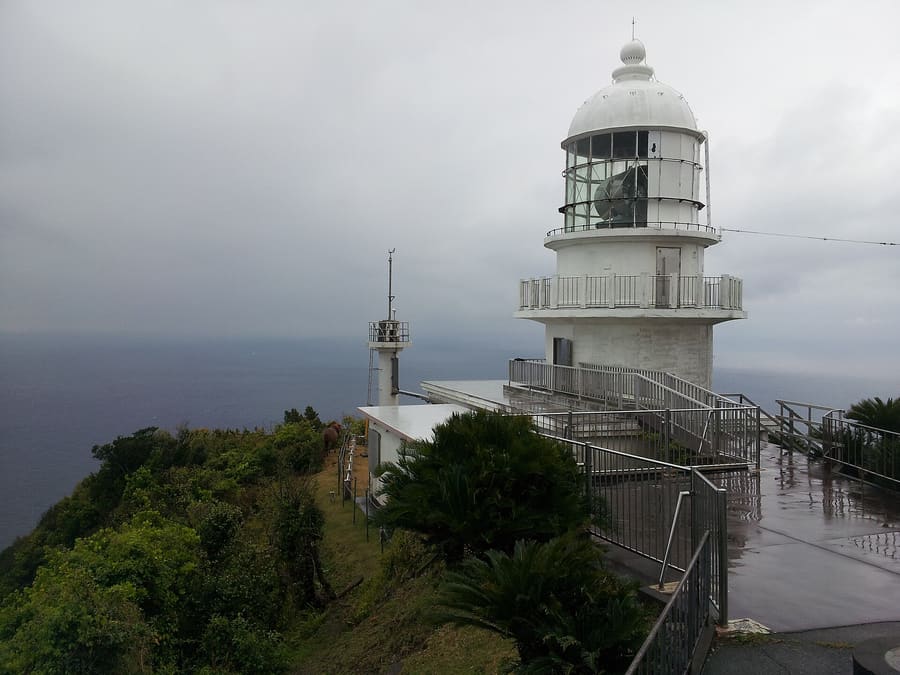
Nichinan Coast — Scenic coastal road corridor connecting sea cliffs, fishing harbors, and oceanfront shrines.
Vanquish0 · CC BY-SA 3.0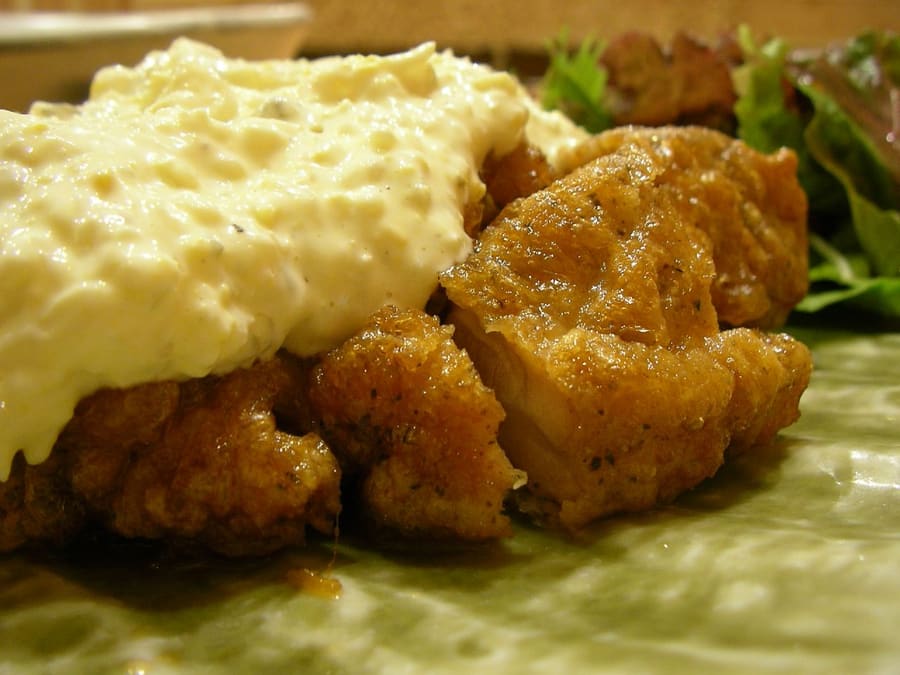
Chicken nanban served with tartar sauce, cabbage, and rice.
{{{photographer}}} from Okinawan and Kyusyu restaurant Diamond Head in Tsukishima, Chuo, Tokyo · CC BY 2.0highlights
landmark
A red Shinto shrine set on a tiny island linked by footbridge. Walk around the island at low tide to see the Devil's Washboard rocks.
Parley से पूछें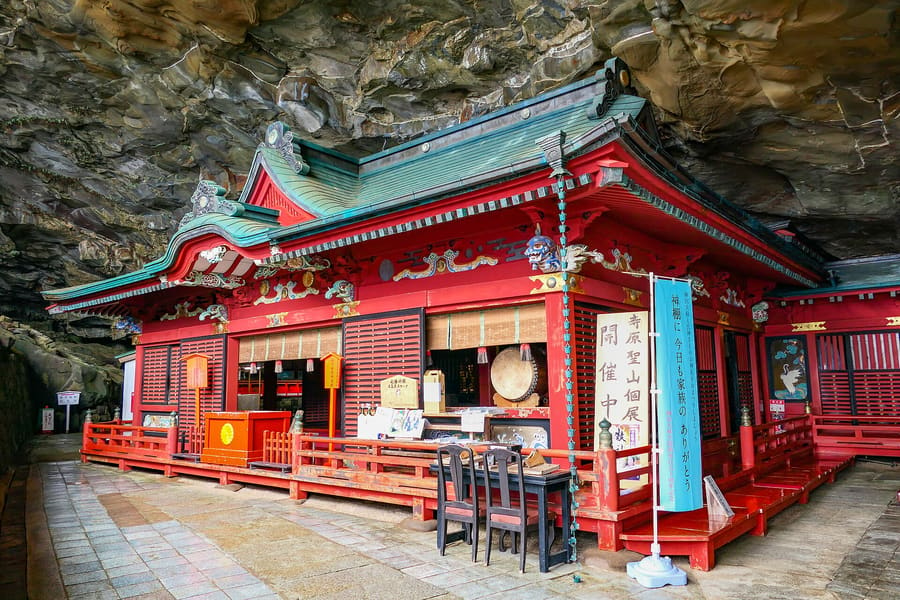
landmark
Constructed inside a sea cave on the cliff face. Throw clay undama stones into the target rope circle below for good fortune.
Parley से पूछें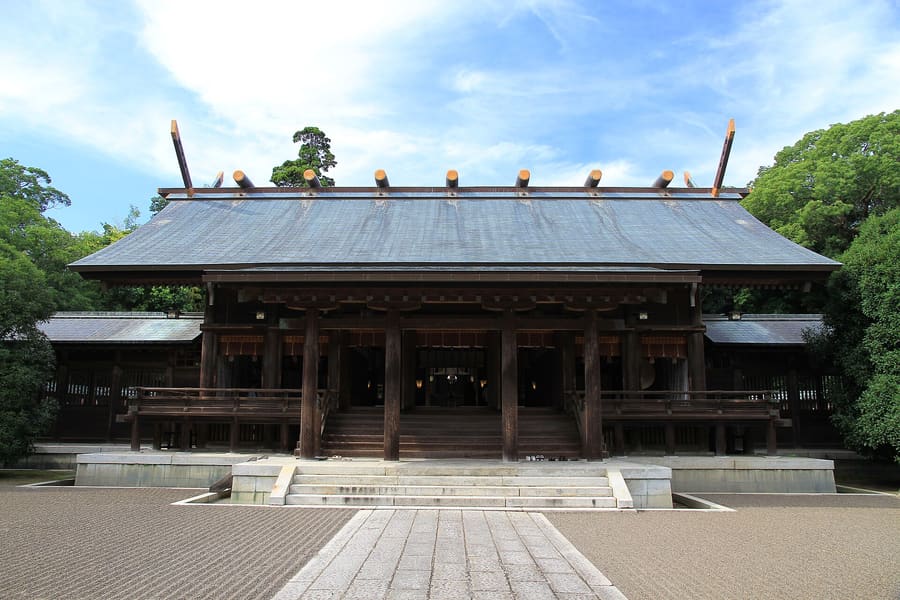
landmark
Dedicated to Emperor Jimmu, framed by ancient cedar trees. Quiet walking paths make it an easy morning stop near central rail links.
Parley से पूछें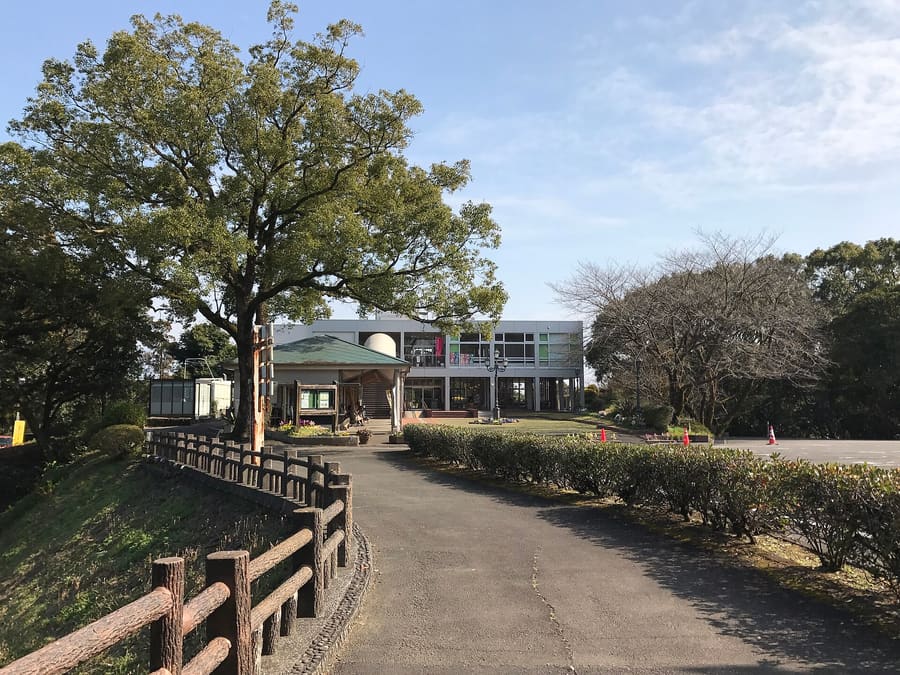
landmark
Features the 37-metre Peace Tower and a forest garden containing hundreds of ancient replica haniwa terracotta figures.
Parley से पूछेंattractions
areas
Urban commercial spine packed with izakayas, local specialty restaurants, and late-night shochu bars.
पास मेंMiyazaki Station, Miyazaki Shrine
Parley से पूछेंLaid-back beach village popular with surfers, craft coffee shops, and seaside hot spring inns.
पास मेंAoshima Shrine, Devil's Washboard
Parley से पूछेंResort zone set within coastal black pine forests, featuring golf courses and full-service hotels.
पास मेंFlorante Miyazaki, Hitotsuba Beach
Parley से पूछेंScenic coastal road corridor connecting sea cliffs, fishing harbors, and oceanfront shrines.
पास मेंUdo Shrine, Sun Messe Nichinan
Parley से पूछेंfood
Miyazaki created chicken nanban: deep-fried chicken dipped in sweet vinegar syrup and topped with tart tartar sauce. Ogura in central Tachibana-dori claims its creation and still draws lunch queues daily. Wagyu here means Miyazaki-gyu, an A5-grade beef that repeatedly wins national competition titles. Pair local grilled meats with sweet potato shochu, which Miyazaki distills and drinks over ice or warm water rather than sake.
Chicken nanban served with tartar sauce, cabbage, and rice.
{{{photographer}}} from Okinawan and Kyusyu restaurant Diamond Head in Tsukishima, Chuo, Tokyo · CC BY 2.0Order the original chicken nanban set at lunch. Arrive before 11:30 to avoid a 45-minute wait.
Book teppanyaki counter seats two weeks ahead to try certified Miyazaki-gyu at lower lunch set prices.
Ask for 'Kuro Kirishima' or local craft labels like 'Suki' at izakayas along Tachibana-dori.
history
Miyazaki features centrally in the Kojiki, Japan's oldest chronicle, as the earthly realm where Shinto gods descended. For centuries a quiet agricultural domain known as Hyuga, the region shifted into a resort destination during the mid-20th century. National rail extensions in the 1960s turned Miyazaki into Japan's premier honeymoon getaway before Okinawa opened up to domestic air traffic.
Mythological origin
The Kojiki records Hyuga (modern Miyazaki) as the homeland of Emperor Jimmu.
Prefectural naming
Miyazaki Prefecture is formally designated following the abolition of the feudal han system.
Honeymoon boom
Coastal rail expansion makes Miyazaki Japan's top domestic honeymoon destination.
Seagaia opening
The massive Ocean Dome and Seagaia resort open, reshaping coastal tourism investment.
where to stay
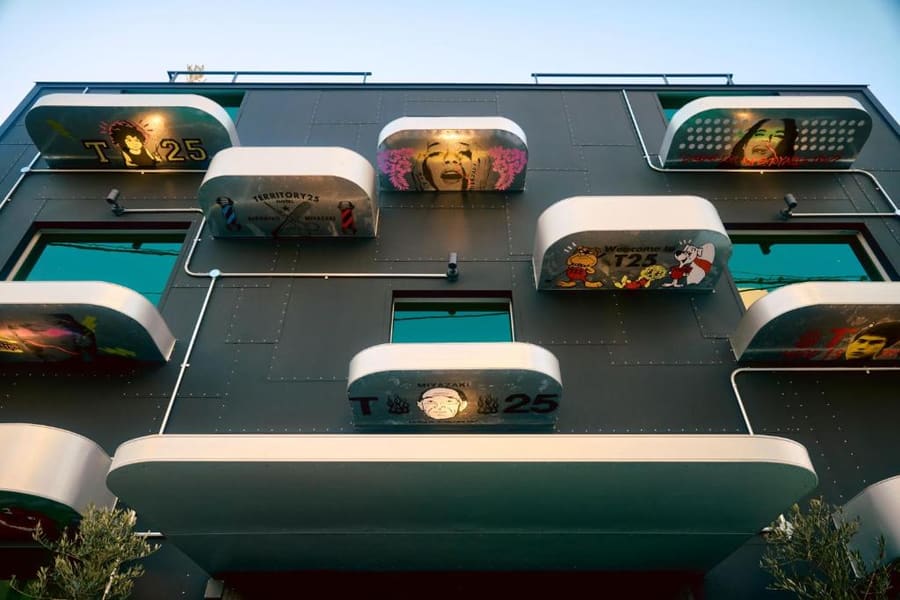
Choose your base based on how you plan to travel. Downtown Tachibana-dori puts you steps from dining and JR rail lines. Aoshima suits surfers and beachgoers seeking seaside hot springs. Seagaia provides full resort amenities in quiet coastal pine forests.
Live rates, matched to the areas above.
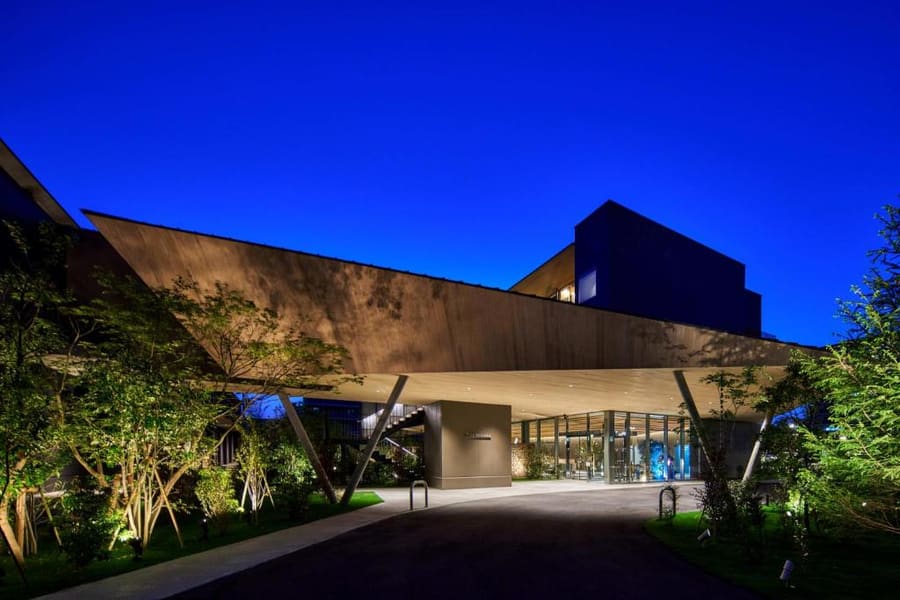
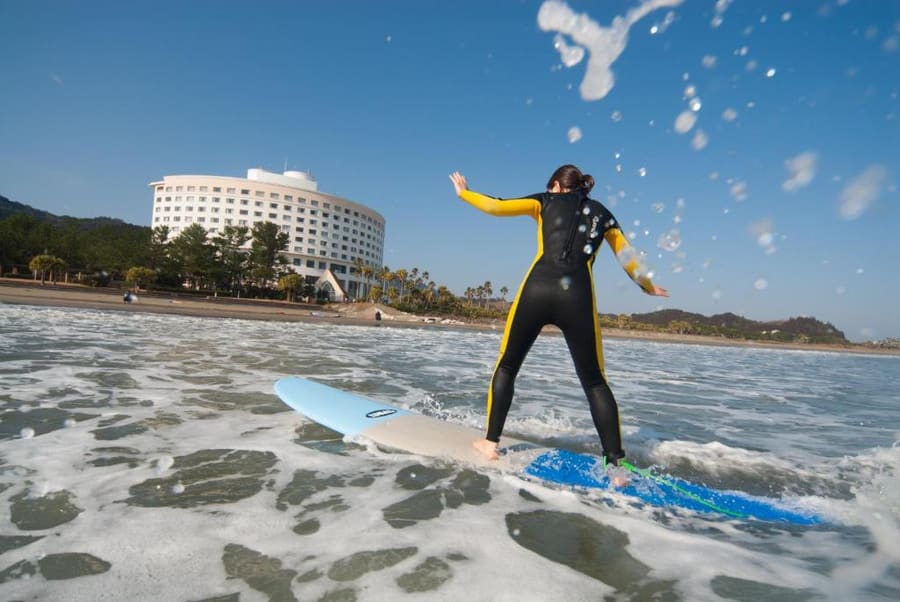
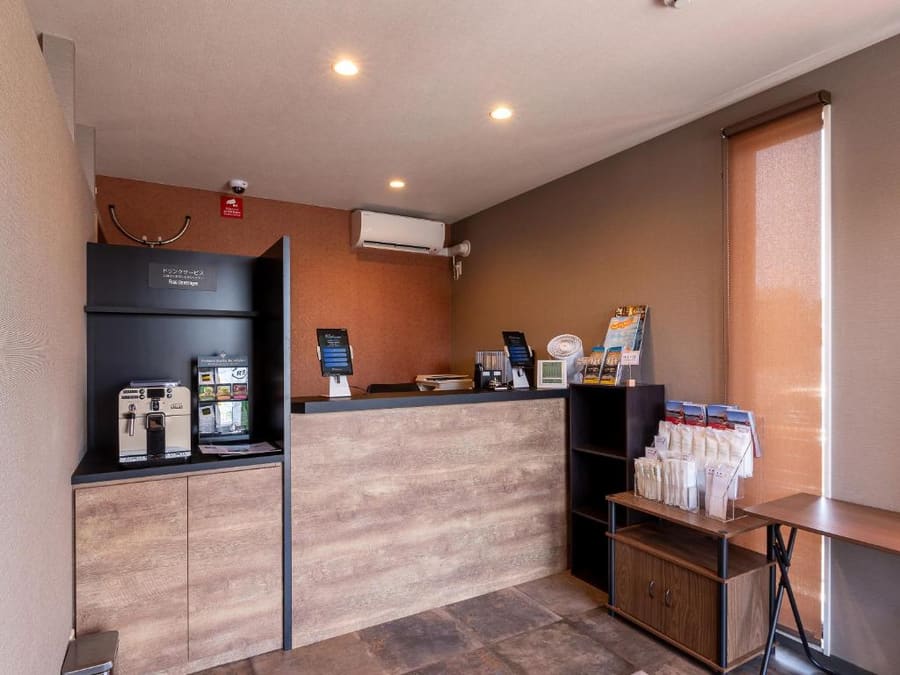
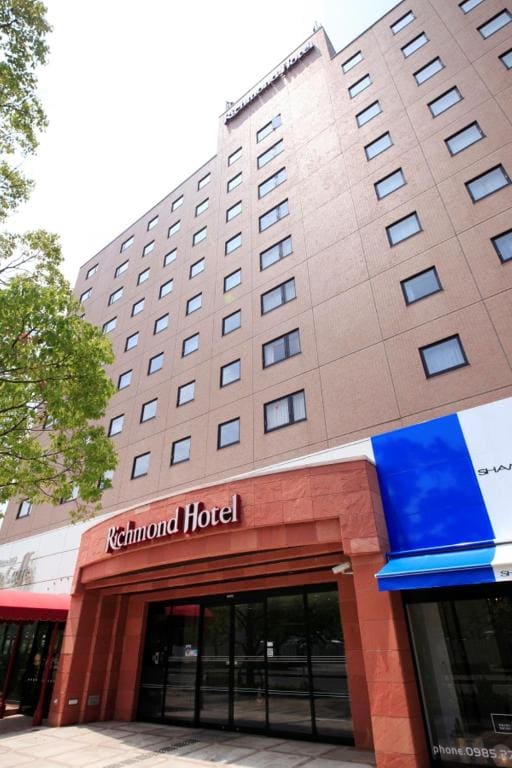
transport
Central Miyazaki is walkable, but suburban sights require public transit or a rental car. The JR Nichinan Line runs south along the ocean to Aoshima, though train gaps can exceed an hour. Local Miyazaki Kotsu buses cover downtown routes frequently, while coastal routes run once per hour.
Miyazaki Airport (KMI) से
JR Miyazaki Airport Line runs directly to Miyazaki Station every 30 minutes.
Miyazaki Kotsu bus leaves outside arrivals direct to Tachibana-dori.
Taxis operate continuously from domestic arrivals.
Trains to Aoshima are infrequent; missing one can cost 90 minutes of daylight.
Suica and Pasmo work on city buses and JR trains, but not at small coastal stations.
Joy Road inside Miyazaki Station rents bicycles for ¥500 per day for flat city riding.
Renting a car at Miyazaki Airport is the fastest way to visit Udo Shrine and Takachiho.
cost
Miyazaki is cheaper than Tokyo or Kyoto for food and accommodation. Local specialty lunches remain modest, though high-grade Miyazaki beef commands premium dinner pricing.
Includes fried chicken, vinegar sauce, tartar, salad, rice, and soup.
1-day pass for foreign visitors covering all local city and coastal buses.
Standard hardboard or soft-top rentals at Aoshima beach shops.
Glass of sweet potato shochu served over ice at Tachibana izakayas.
seasonality
MAR – MAY
Mild temperatures and blooming flora. Excellent window for coastal sightseeing and driving.
JUN – AUG
Hot and humid with rain showers. High surf season; pack sunscreen and light clothing.
SEP – NOV
Warm autumn weather and clear skies. Typhoon season peaks in September.
DEC – FEB
Cooler but significantly milder than mainland Japan. Low tourist volume and clear sea views.
practicalities
Miyazaki gets more UV exposure than central Japan. Wear sunscreen even during spring visits.
Outside Tachibana-dori, many coastal family restaurants close their kitchens by 19:30.
Small seaside shrines, parking meters, and bus ticket desks do not accept credit cards.
Rip currents occur along the Nichinan coast. Surf only at designated zones near Aoshima.
Taxis do not cruise suburban roads. Have your hotel desk call a taxi service in advance.