landmark
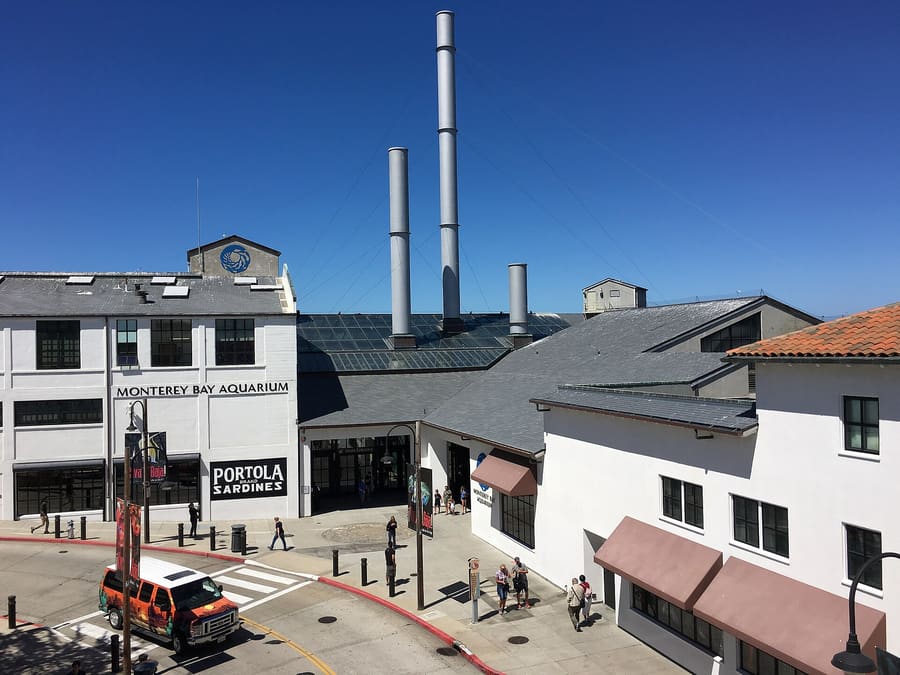
Monterey Bay Aquarium
A former cannery housing a three-story kelp forest. Book online ahead to secure your entry slot.
Parley से पूछेंसंयुक्त राज्य
Cold water, sardine history, and immediate ocean access.
introduction
Monterey faces a sheltered bay on California's Central Coast, 120 miles south of San Francisco. The town centers around its waterfront, running from the historic Custom House to the sardine-packing district turned marine science hub. You navigate it easily on foot along the paved coastal trail or by bike. Expect cold ocean fog in the mornings, calm sea air, and straight access to deep-water ocean life.
Transit from MRY
Monterey Regional Airport sits three miles east. MST Bus Line 93 links MRY to downtown in 15 minutes for $2.50.
National Marine Sanctuary
Monterey Bay National Marine Sanctuary protects 6,094 square miles of ocean, hosting blue whales and sea otters.
Aquarium timing
Buy Monterey Bay Aquarium tickets online days ahead. Entry uses fixed time slots, and walk-up counter sales are closed.
Monterey
Joyce Cory on Flickr as docentjoycefrom Los Osos, u.s.a. · CC BY 2.0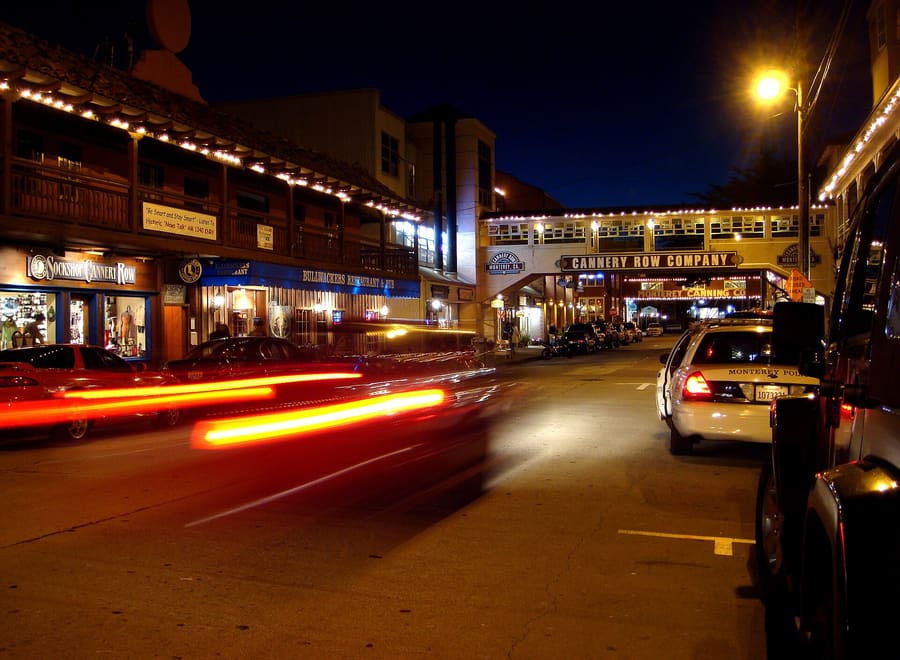
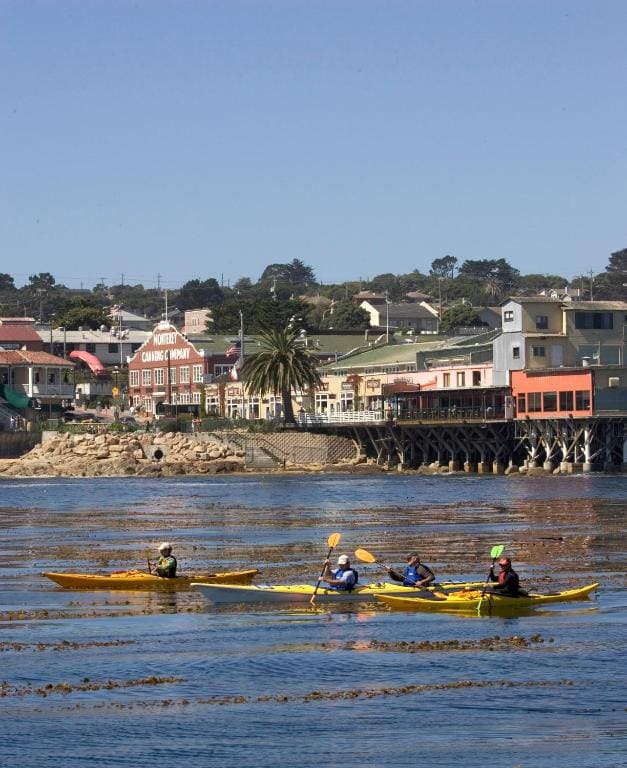
Cannery Row — Dense oceanfront strip of hotels, tasting rooms, and shops built inside former sardine plants.
Commons user, Amadscientist - Mark Miller · CC BY 3.0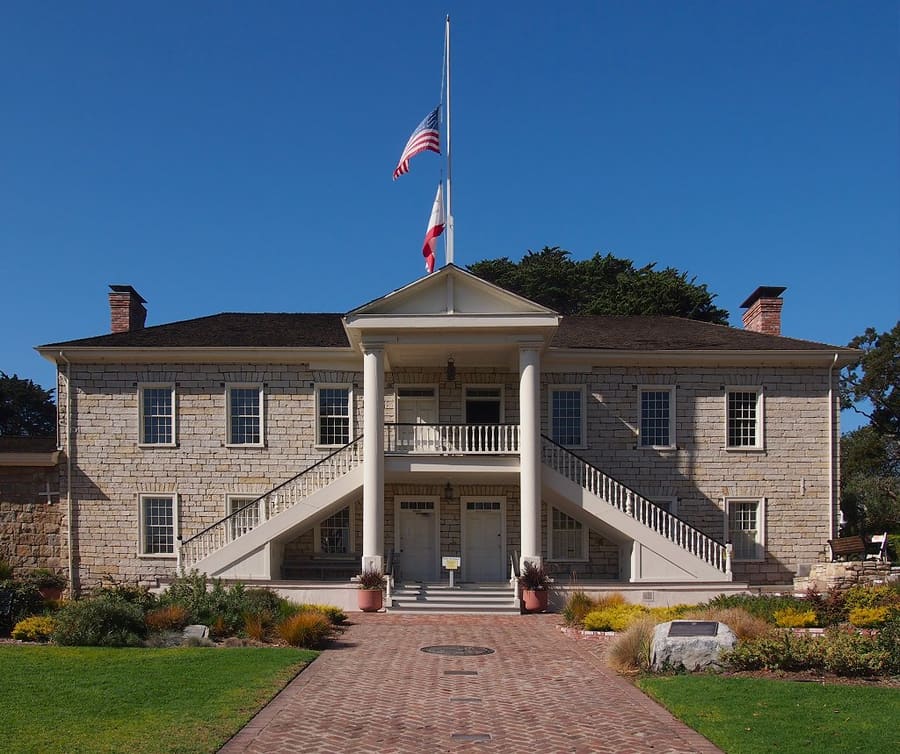
Downtown Monterey — Quiet historic core with 19th-century adobe structures, local eateries, and civic services.
McGhiever · CC BY-SA 3.0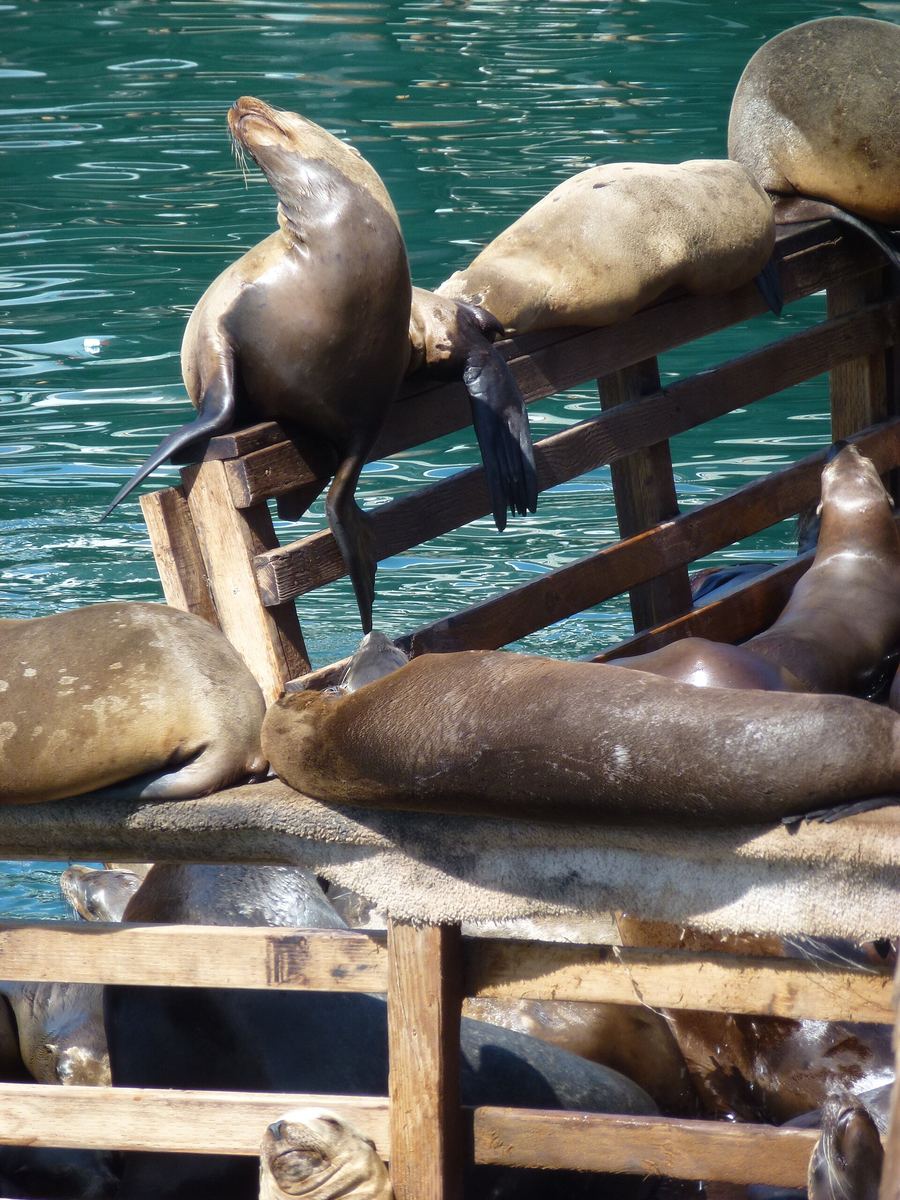
Fisherman's Wharf & Marina — Active harbor zone dominated by seafood counters, whale-watching departures, and harbor seals.
© Pierre André · CC BY-SA 4.0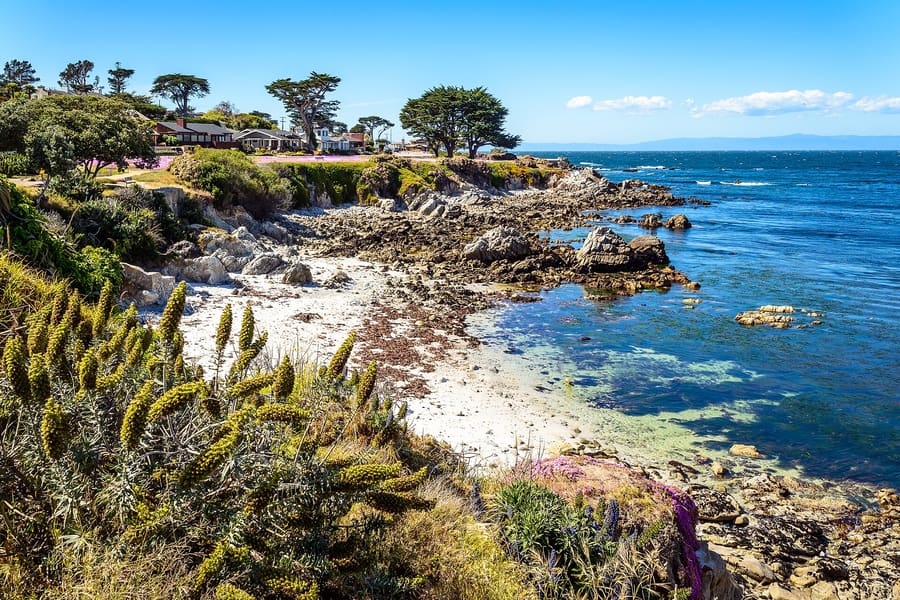
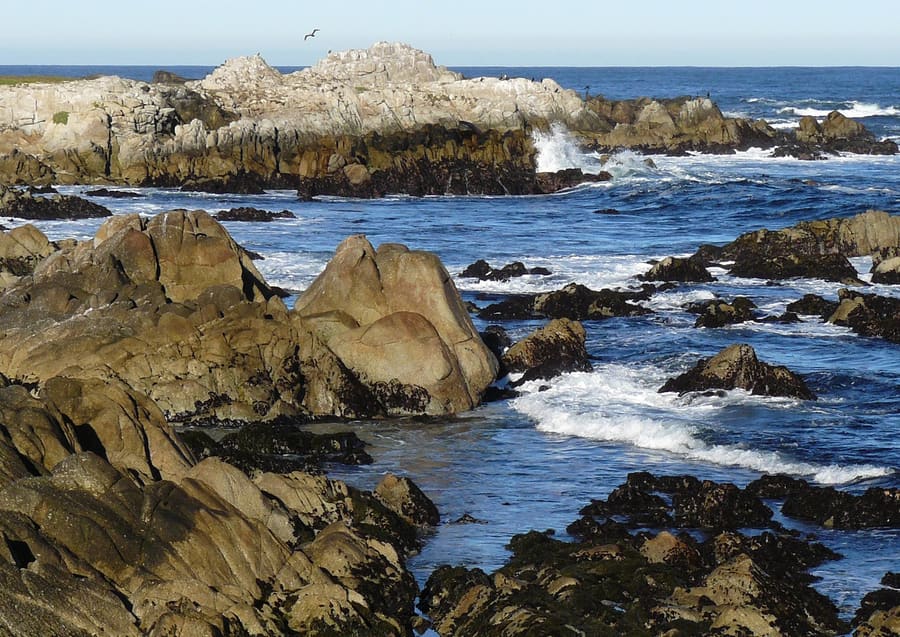
Pacific Grove Border — Residential coastal end with Victorian architecture, rocky tidepools, and quiet shoreline walks.
dconvertini · CC BY-SA 2.0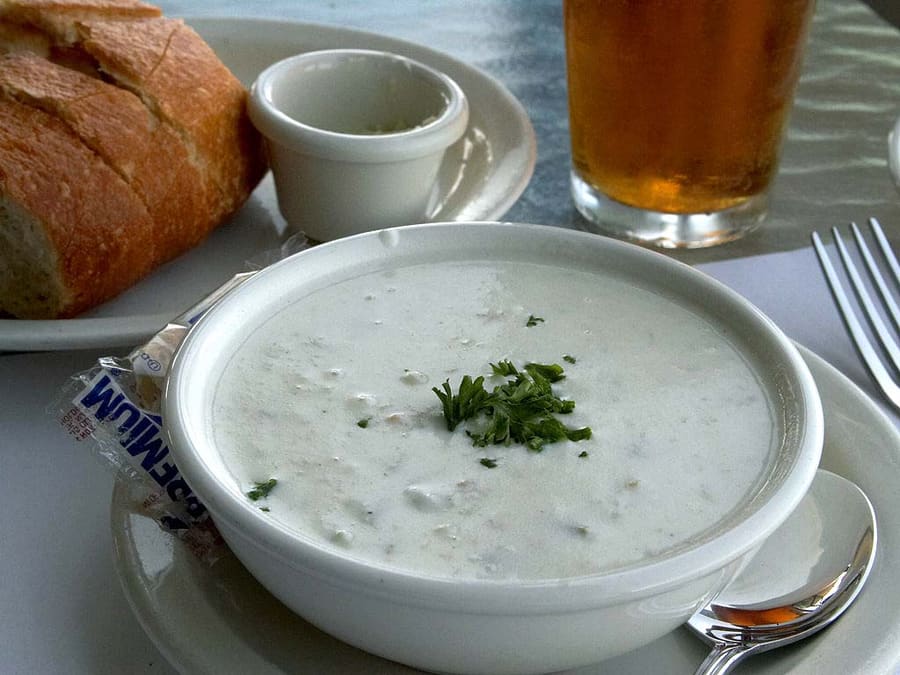
Clam chowder served in a sourdough bowl on Fisherman's Wharf.
Jon SullivanThe original uploader was Y6y6y6 at English Wikipedia. · Public domainhighlights
landmark
A former cannery housing a three-story kelp forest. Book online ahead to secure your entry slot.
Parley से पूछें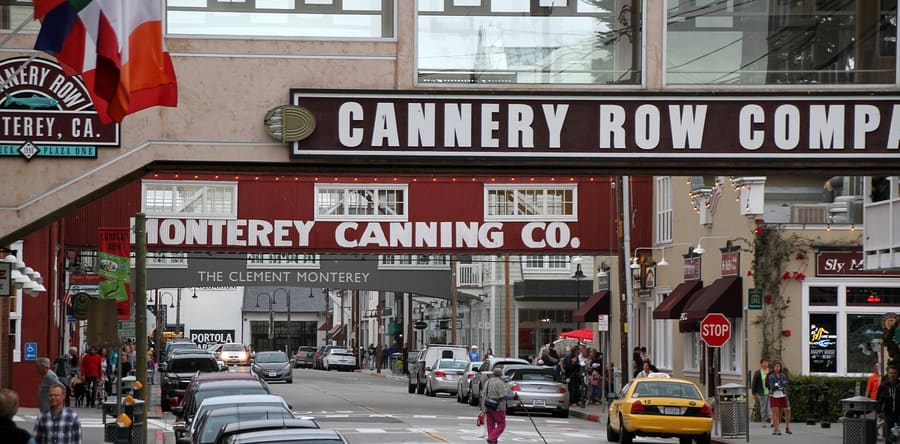
landmark
John Steinbeck's sardine street is now retail and dining. Walk early at 8:00 AM before cruise crowds fill the strip.
Parley से पूछें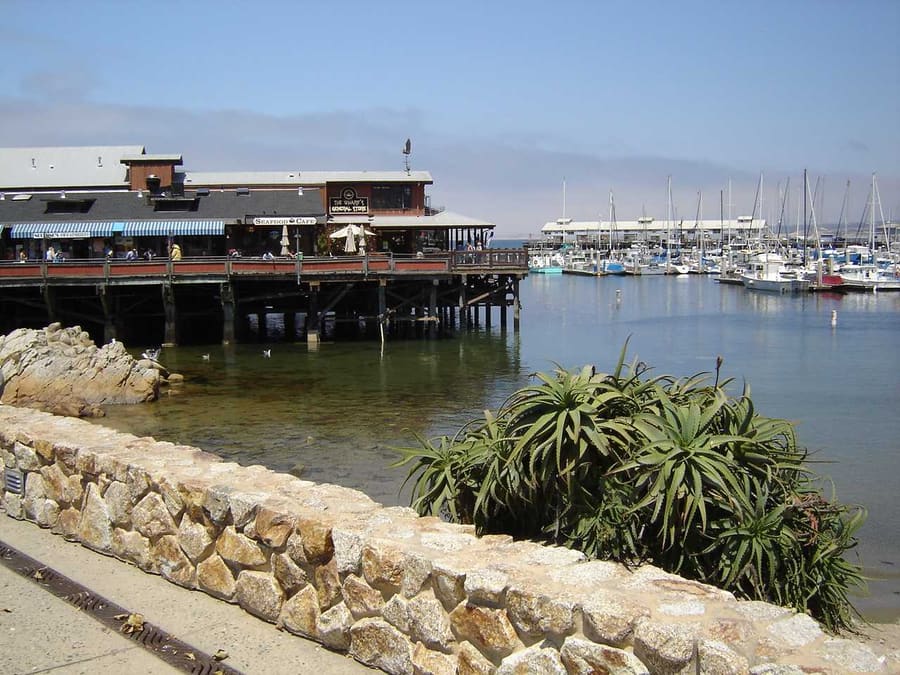
landmark
A wooden pier lined with clam chowder stalls and boat docks. Grab takeout soup and skip the indoor seating markups.
Parley से पूछें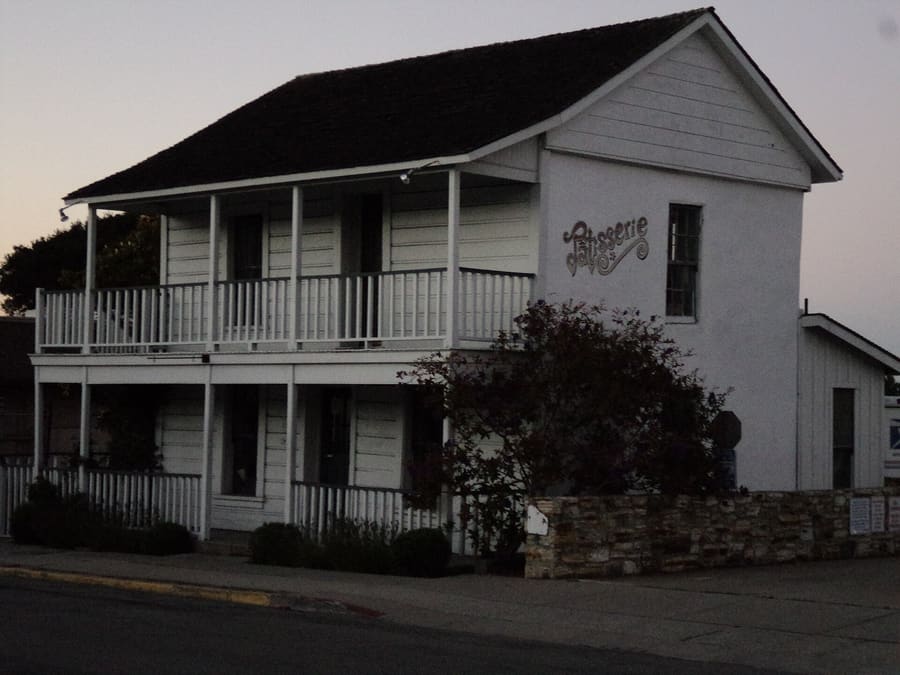
landmark
California's 1827 custom house marks the former Mexican capital. Take the self-guided walking path connecting 12 historic adobes.
Parley से पूछेंattractions
areas
Dense oceanfront strip of hotels, tasting rooms, and shops built inside former sardine plants.
पास मेंMonterey Bay Aquarium and Pacific Grove waterfront
Parley से पूछेंQuiet historic core with 19th-century adobe structures, local eateries, and civic services.
पास मेंColton Hall and Monterey State Historic Park
Parley से पूछेंActive harbor zone dominated by seafood counters, whale-watching departures, and harbor seals.
पास मेंCustom House Plaza and Municipal Beach
Parley से पूछेंResidential coastal end with Victorian architecture, rocky tidepools, and quiet shoreline walks.
पास मेंLovers Point Park and Point Pinos Lighthouse
Parley से पूछेंfood
Monterey dining centers on cold-water seafood and local produce from the neighboring Salinas Valley. Sourdough bread bowls filled with clam chowder dominate the waterfront tourist menus, but local catches like sanddabs, king salmon, and spot prawns show the bay's true range. Fresh squid remains a regional staple, rooted in the city's early Italian and Chinese fishing history.
Clam chowder served in a sourdough bowl on Fisherman's Wharf.
Jon SullivanThe original uploader was Y6y6y6 at English Wikipedia. · Public domainOrder Pacific sanddabs pan-fried in butter and lemon. This small flatfish is landed locally and rarely shipped outside Northern California.
Walk the wharf past noon to sample hot chowder from competing counters. Skip the sit-down dining rooms and buy a takeaway cup to eat on the pier.
Head south of the harbor to Alvarado Street for craft breweries and farm-to-table kitchens where residents eat away from tour buses.
history
Monterey served as California's original political and economic anchor under Spanish and Mexican rule. The arrival of the Southern Pacific Railroad in 1880 shifted the local economy toward industrial sardine canning, which peaked in the 1930s before fish stocks collapsed. Today, marine conservation and tourism occupy the former industrial spaces along the coastline.
Presidio founded
Gaspar de Portolá and Father Junípero Serra establish a Spanish military post and mission at Monterey Bay.
U.S. flag raised
Commodore John Drake Sloat claims California for the United States at the Monterey Custom House during the Mexican-American War.
State constitution
Delegates draft California's first constitution inside Colton Hall, establishing Monterey as the state's birthplace.
Cannery Row peak
Sardine processing hits record volumes before overfishing causes total ecosystem collapse by the early 1950s.
Aquarium opening
The Monterey Bay Aquarium opens inside the renovated Hovden Cannery, reshaping the city into an ocean research hub.
where to stay
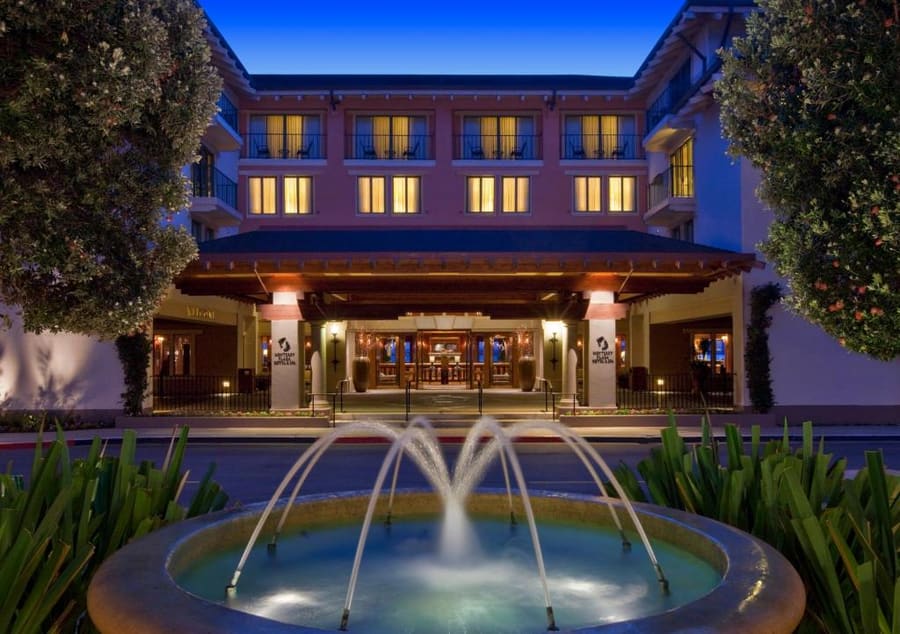
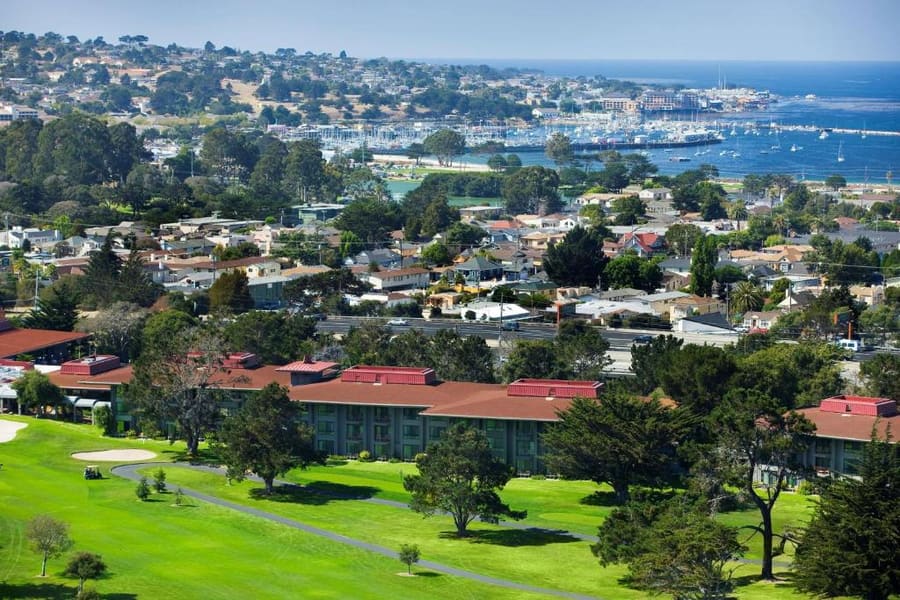
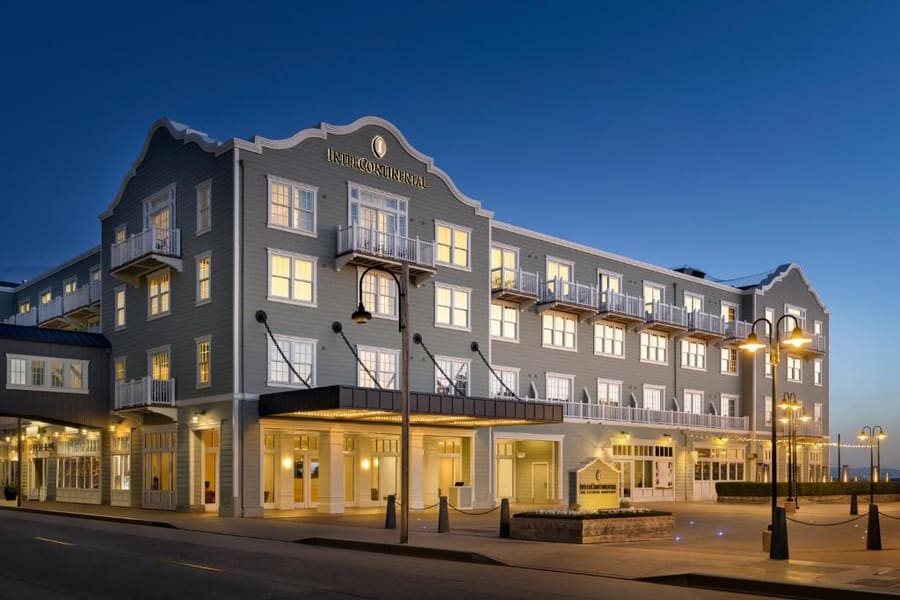
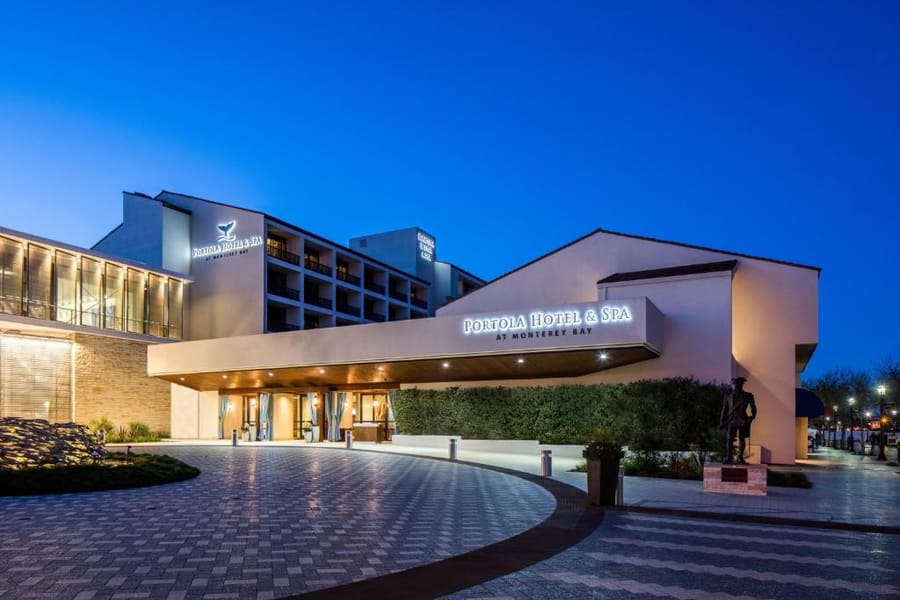
Choose your location based on walkability and vehicle plans. Cannery Row places you steps from marine attractions and oceanfront dining but carries parking surcharges. Downtown offers lower nightly rates and historic character directly adjacent to the waterfront and harbor. The Pacific Grove border delivers direct trail access and quiet residential streets.
Live rates, matched to the areas above.
transport
Monterey is compact along the water, making walking or cycling the coast trail the most efficient option. Monterey-Salinas Transit (MST) operates buses connecting the waterfront to neighboring towns like Carmel and Pacific Grove. Driving requires paying for parking in municipal garages or metered street spots.
Monterey Regional Airport (MRY) से
MST Line 93 runs directly from MRY terminal to Downtown Monterey Transfer Center.
Taxis park directly outside the baggage claim doors.
Pick-up point is located at the upper curb outside the main terminal.
Ride the free MST Trolley during summer months. It connects Downtown, Fisherman's Wharf, and Cannery Row every 10 to 15 minutes.
Park in Municipal Garages 1 or 2 downtown for fixed daily max rates instead of feeding short-term meters on Cannery Row.
Rent a bicycle to travel between the Wharf and Pacific Grove along the flat, car-free coastal trail route.
Pay $2.50 exact cash on MST buses or tap a contactless credit card at the fare box upon boarding.
cost
Monterey carries higher price points than inland California due to coastal demand. Budget carefully for parking fees, attraction tickets, and oceanfront dining markups. You save substantially by dining away from Cannery Row and using transit or walking trails.
A hot sourdough bread bowl filled with chowder at waterfront takeout windows.
Adult general admission ticket; must be purchased online prior to arrival.
A three-hour ocean boat tour departing from Fisherman's Wharf.
Unlimited rides across all Monterey-Salinas Transit local bus routes.
seasonality
SEP – NOV
Warmest weather and clearest skies of the year. Peak window for humpback and blue whale sightings.
DEC – FEB
Cooler temperatures and winter rain. Monarch butterflies cluster in nearby pines and gray whales migrate south.
MAR – MAY
Spring wild flowers along coastal bluffs. Sea otter pups appear in quiet bay coves.
JUN – AUG
Heavy coastal fog dominates mornings. Summer tourist crowds fill Cannery Row and oceanfront traffic peaks.
practicalities
Ocean fog keeps afternoon temperatures cool even in mid-summer. Carry a windproof fleece or jacket wherever you walk.
Check local tide charts for low tide before visiting rocky shores. Never turn your back on incoming swells.
Reserve your entry window online well before arriving. Walk-up ticket sales at the entrance gate do not exist.
Federal law requires keeping at least 50 yards away from sea otters while kayaking or swimming in the bay.
Many kitchens close by 8:30 PM outside peak summer weekends. Plan evening meals earlier than in large cities.