landmark
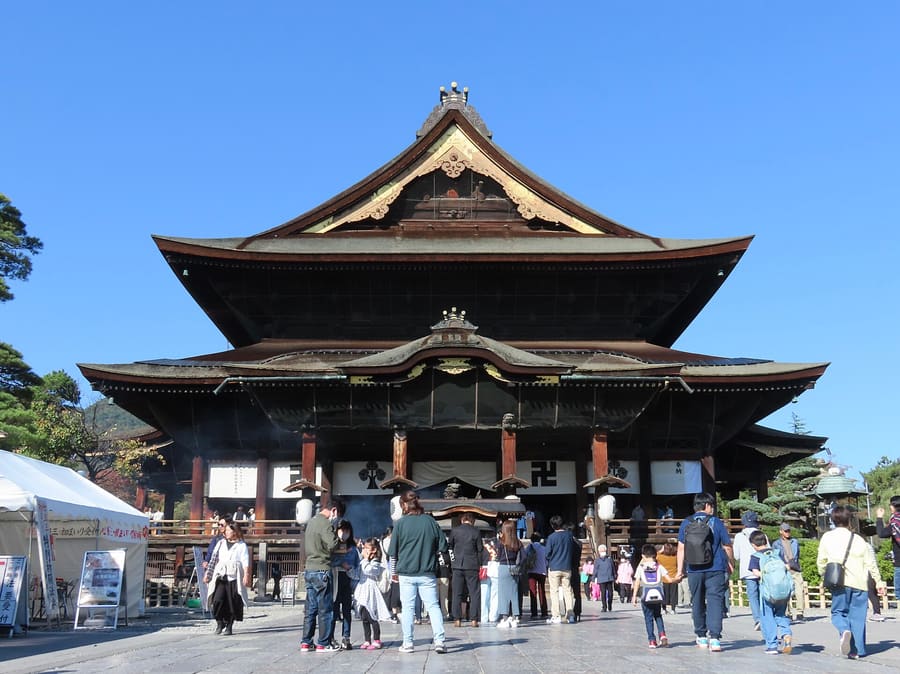
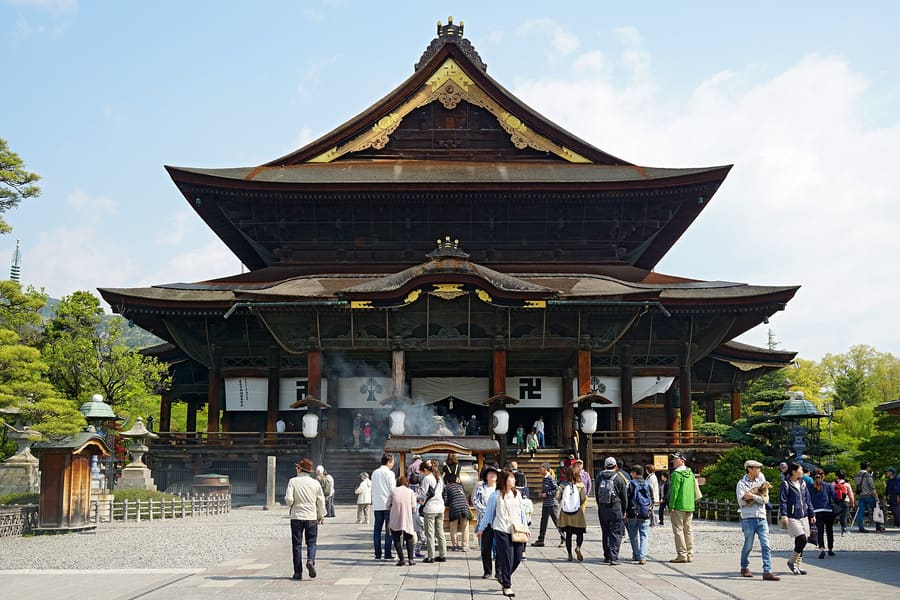
Zenko-ji Temple
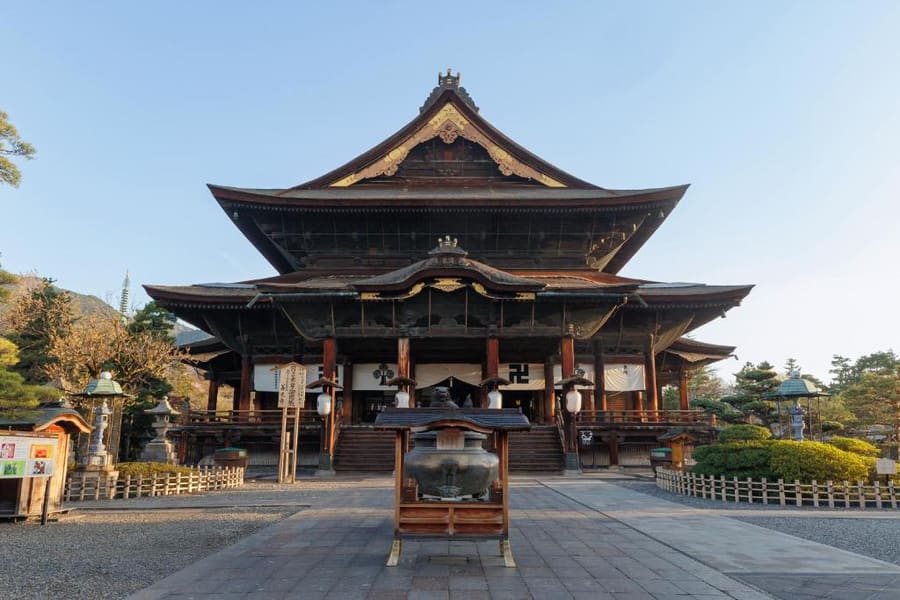
Founded in the seventh century. Walk through the pitch-black underground passage under the main altar to touch the Key to Paradise.
Parley से पूछेंजापान
An alpine temple town anchored by Zenko-ji and winter transit.
introduction
Nagano sits in a valley surrounded by the Japan Alps. Zenko-ji temple anchors the northern end of town, while the main Shinkansen station anchors the south. You can cross the central district on foot in thirty minutes, using public buses to reach mountain trailheads and hot spring valleys. Expect cold winters, hot summers, and precise transit connections.
Historic recognition
Zenko-ji Main Hall is a designated National Treasure of Japan, built without nails in its current form in 1707.
Seasonal planning trick
Togakushi buses run on reduced winter schedules from December to April. Check the Alpico bus timetable on the morning of travel.
Nagano
663highland · CC BY 2.5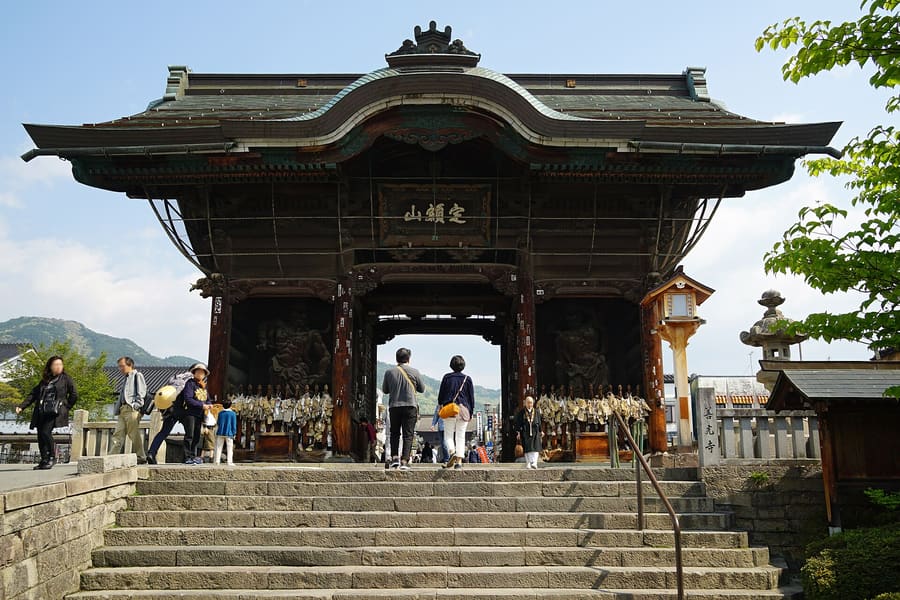
Zenko-ji Monzen — Historic pilgrim corridor with renovated wooden storehouses, tea shops, and quiet alleyways.
663highland · CC BY 2.5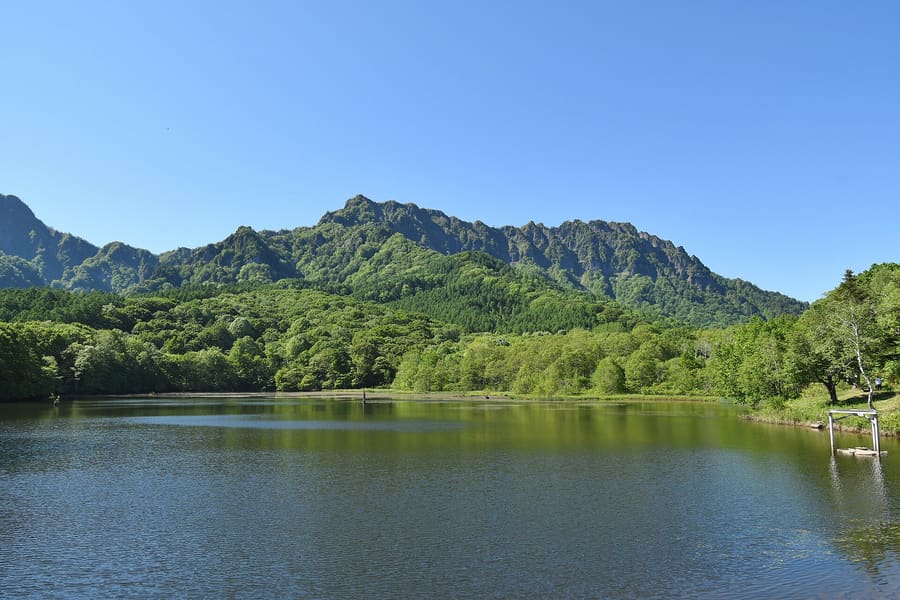
Togakushi — Dense mountain forest district packed with ancient Shinto shrines and handcrafted soba eateries.
Saigen Jiro · CC0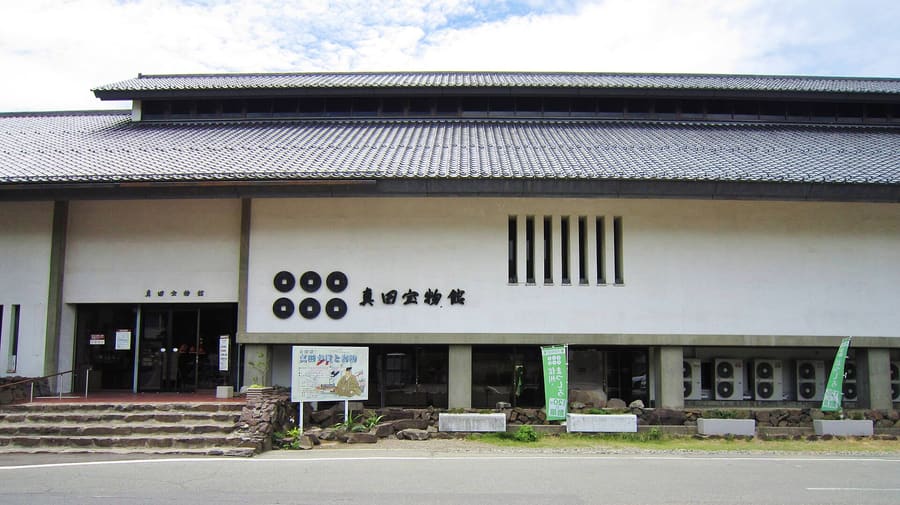
Matsushiro — Feudal castle town south of the river with preserved samurai residences and historic gardens.
photo: Qurren (talk) Taken with Canon IXY 10S (Digital IXUS 210) · CC BY-SA 3.0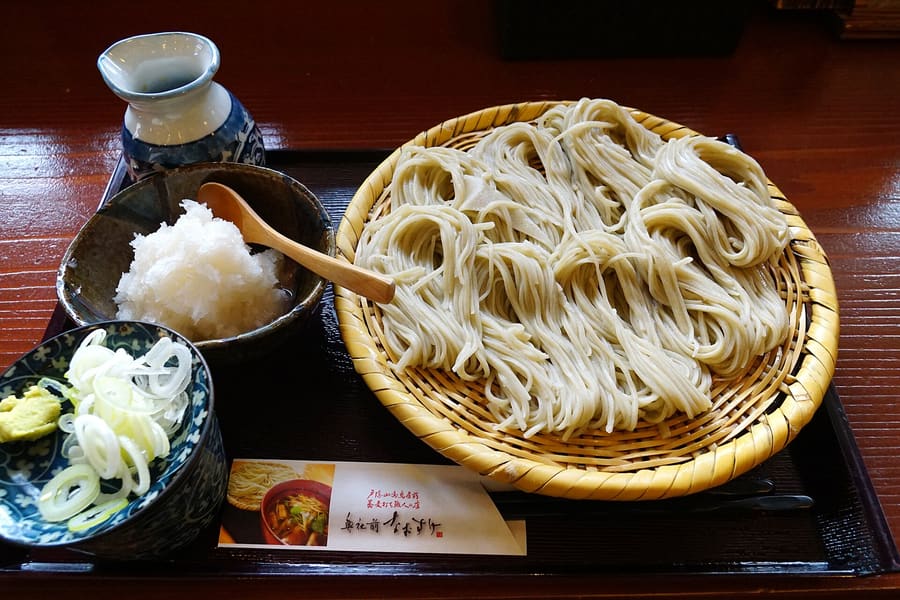
Togakushi soba served in horseshoe-shaped coils on a round bamboo mat.
663highland · CC BY 2.5highlights
landmark
Founded in the seventh century. Walk through the pitch-black underground passage under the main altar to touch the Key to Paradise.
Parley से पूछें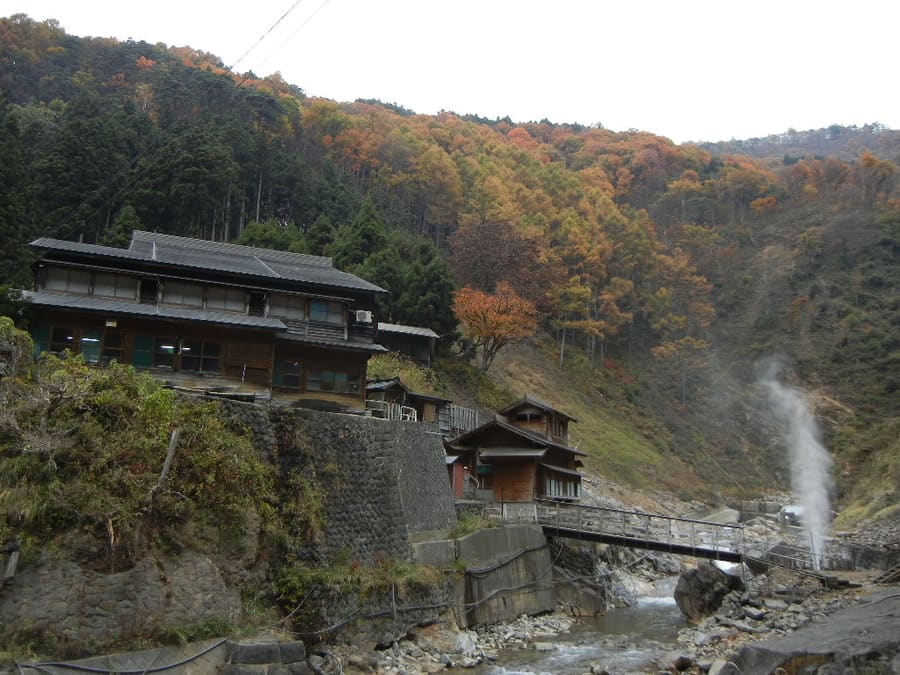
landmark
Wild Japanese macaques bathe in outdoor hot springs. The 1.6km forest walk to the park entrance requires sturdy footwear.
Parley से पूछें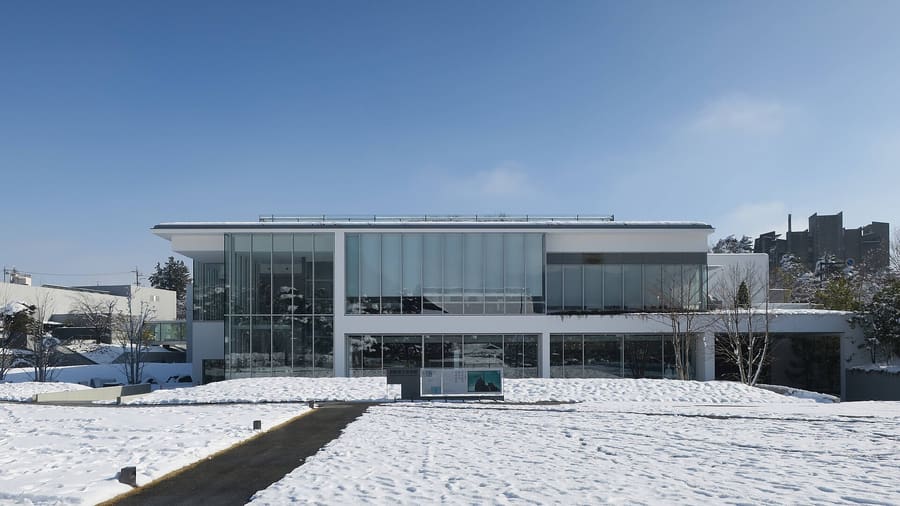
landmark
Adjacent to Zenko-ji in Joyama Park. Houses extensive works by landscape painter Kaii Higashiyama inside a sleek glass building.
Parley से पूछेंattractions
areas
Historic pilgrim corridor with renovated wooden storehouses, tea shops, and quiet alleyways.
पास मेंZenko-ji Temple, Joyama Park, Art Museum
Parley से पूछेंDense mountain forest district packed with ancient Shinto shrines and handcrafted soba eateries.
पास मेंTogakushi Okusha, Ninja Trick House
Parley से पूछेंFeudal castle town south of the river with preserved samurai residences and historic gardens.
पास मेंMatsushiro Castle, Sanada Museum
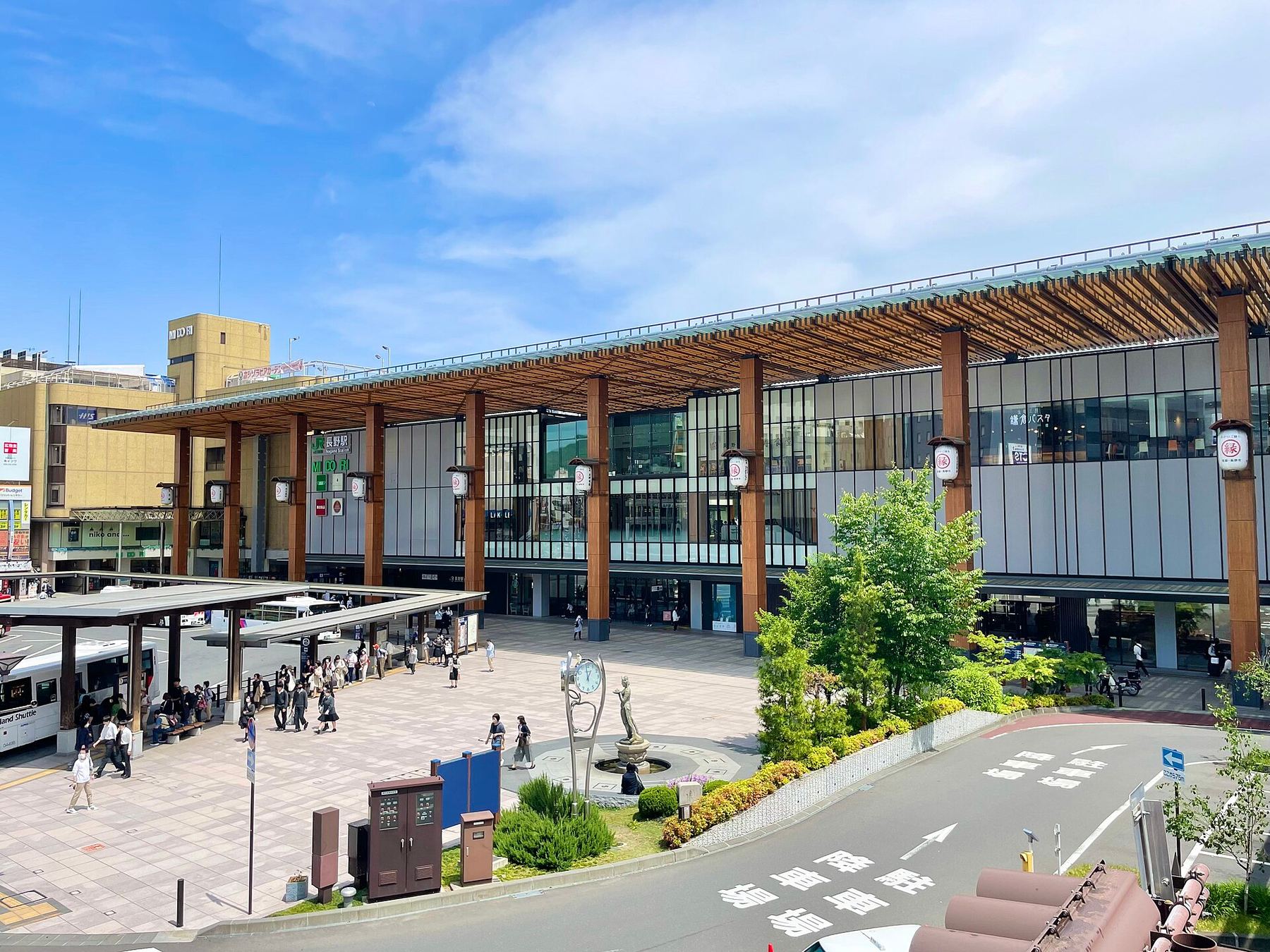
Parley से पूछेंTransit hub with modern department stores, izakaya lanes, and straightforward business hotels.
पास मेंMIDORI Shopping Mall, Alpico Bus Terminal
Parley से पूछेंfood
Nagano food relies on mountainous agricultural roots. Cold mountain water and volcanic soil produce high-grade buckwheat, making cold soba noodles the regional staple. Local snacks center on oyaki—flour dumplings stuffed with seasoned wild vegetables or sweet bean paste, traditionally cooked on iron griddles.
Togakushi soba served in horseshoe-shaped coils on a round bamboo mat.
663highland · CC BY 2.5Buy steamed or griddled oyaki stuffed with pickled mustard greens (nozawana) at Ogawa-no-Sho near Zenko-ji.
Yawataya Isogoro near Zenko-ji has blended seven-spice chili powders on the same spot since 1736. You can customize your own blend.
history
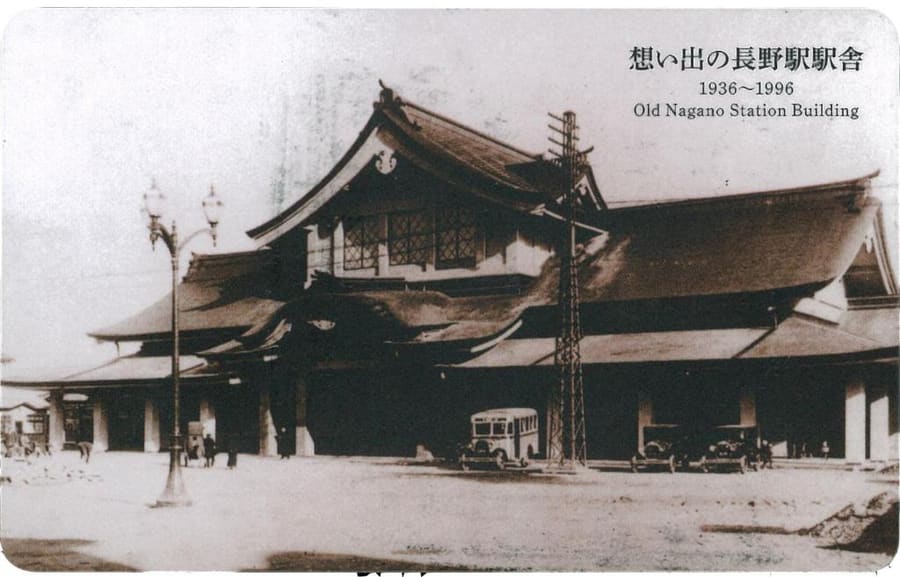
Nagano grew around Zenko-ji, established in 642 to house Japan's first Buddhist statue. The town developed as a major temple market and staging point on inland trade routes. Modern Nagano expanded after the 1998 Winter Olympics, which brought bullet train infrastructure connecting the valley directly to Tokyo.
Zenko-ji Founded
Priest Yoshimitsu enshrines the Ikko Sanzon Amida Nyorai image, forming the core of the settlement.
Battles of Kawanakajima
Warlords Takeda Shingen and Uesugi Kenshin fight five legendary battles south of modern Nagano.
Winter Olympics
Nagano hosts the XVIII Olympic Winter Games, triggering the construction of the Shinkansen rail link.
Shinkansen Extension
Hokuriku Shinkansen extends beyond Nagano to Kanazawa, turning the station into a regional transit hub.
where to stay
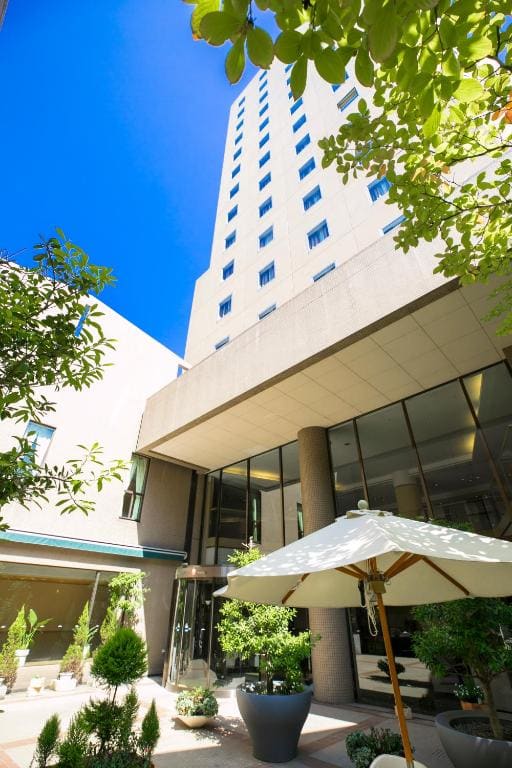
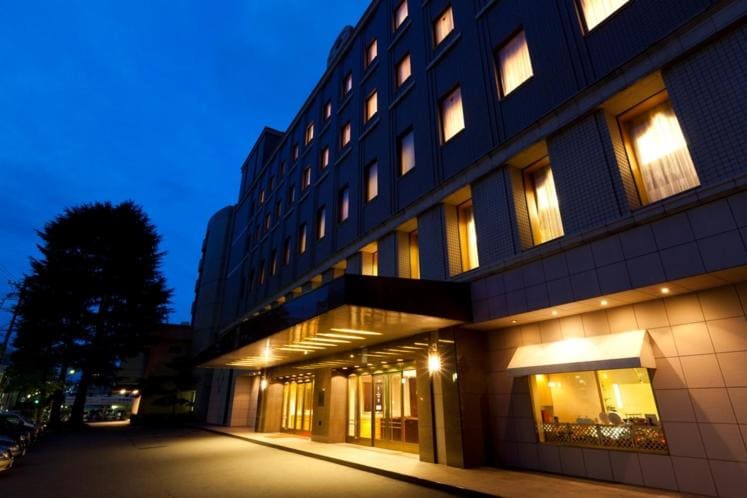
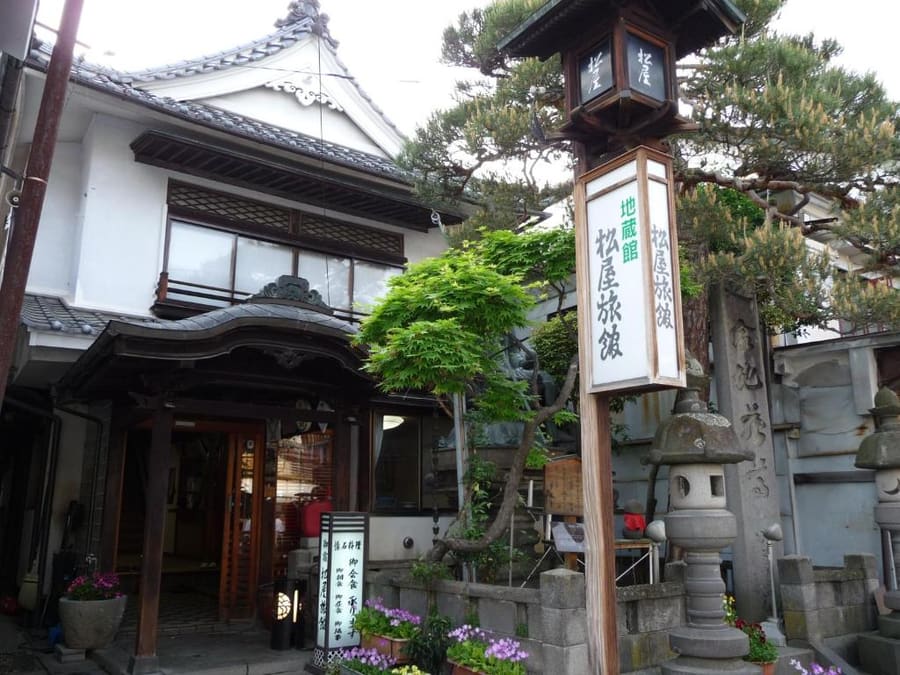
Choose your stay based on your morning plans. Station hotels cater to early train departures and day trips into the Alps. Monzen temple lodgings (shukubo) put you steps from Zenko-ji's dawn ceremonies, though they strictly enforce early check-in and evening curfews.
Live rates, matched to the areas above.
transport
Central Nagano is linear. A single main street, Chuo-dori, connects Nagano Station to Zenko-ji Temple over a 2km distance. You can walk it in 25 minutes or catch frequent local city buses. Regional transit relies on the Nagano Electric Railway and Alpico bus routes.
Nagano Electric Railway underground tracks run beneath Chuo-dori street, stopping at Zenkoji-shita Station.
Board local buses through the rear door. Take a paper ticket and pay exact cash at the front when exiting.
Purchase a 1-Day Zenko-ji pass at the station tourist office if making more than three bus journeys in a day.
cost
Nagano is less expensive than Tokyo or Kyoto. Meals at traditional soba shops and local transportation offer good value, though winter peak rates apply near ski shuttle hubs.
Includes handmade buckwheat noodles, fresh vegetable tempura, and hot dipping broth.
Steamed wheat dough dumpling stuffed with local vegetables, bought warm from street vendors.
Grants access to the main hall, underground pitch-black passage, and Sanmon gate upper floor.
One-way fare from Nagano Station to Togakushi Okusha bus terminal.
seasonality
DEC – FEB
Heavy snow in surrounding mountains. Cold conditions in town; snow monkey park visits are best now.
MAR – MAY
Cherry blossoms bloom at Joyama Park in mid-April. Pleasant temperatures for walking along Nakamise-dori.
JUN – AUG
Warm and humid in the city valley. Togakushi mountain trails offer cool forest relief.
SEP – NOV
Autumn foliage peaks in late October across Togakushi forest and surrounding valley peaks.
practicalities
Zenko-ji's morning service starts at sunrise. High priest blessing occurs outside the main hall.
Remove footwear before walking onto tatami mats in Zenko-ji and historic residences. Wear easy shoes.
Paths at Togakushi and the Monkey Park ice over. Attach crampons or slip-on spikes to boots in winter.
Historic shops along Nakamise-dori accept credit cards, but rural soba stalls in Togakushi take cash only.
Coin lockers inside Nagano Station fill up quickly on winter mornings. Use the baggage delivery desk on 1F.