landmark
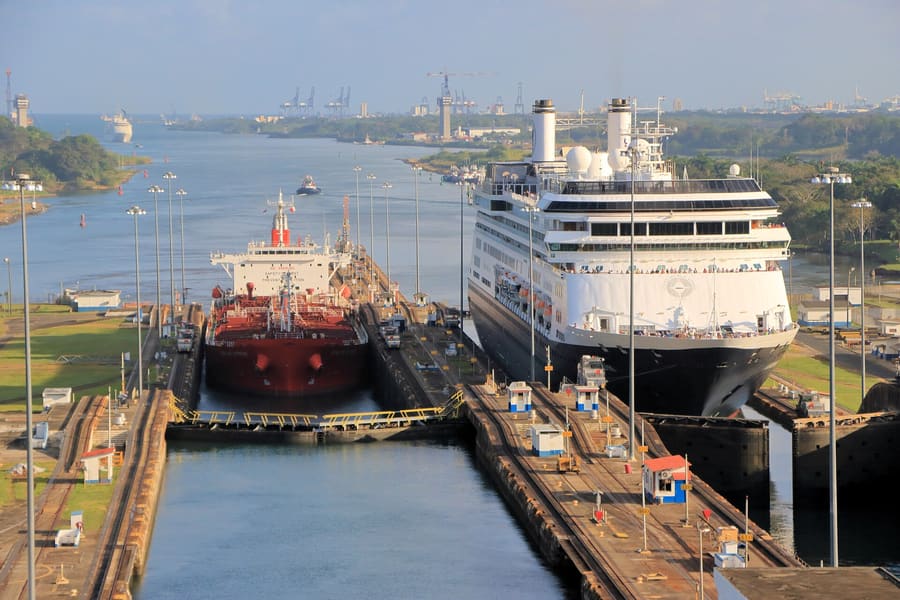
Miraflores Locks Center
Watch container ships clear canal locks with inches to spare. Check transit schedules online before taking a 20-minute taxi.
Parley से पूछेंपनामा
A canal crossroads of high-rises and old stone.
introduction
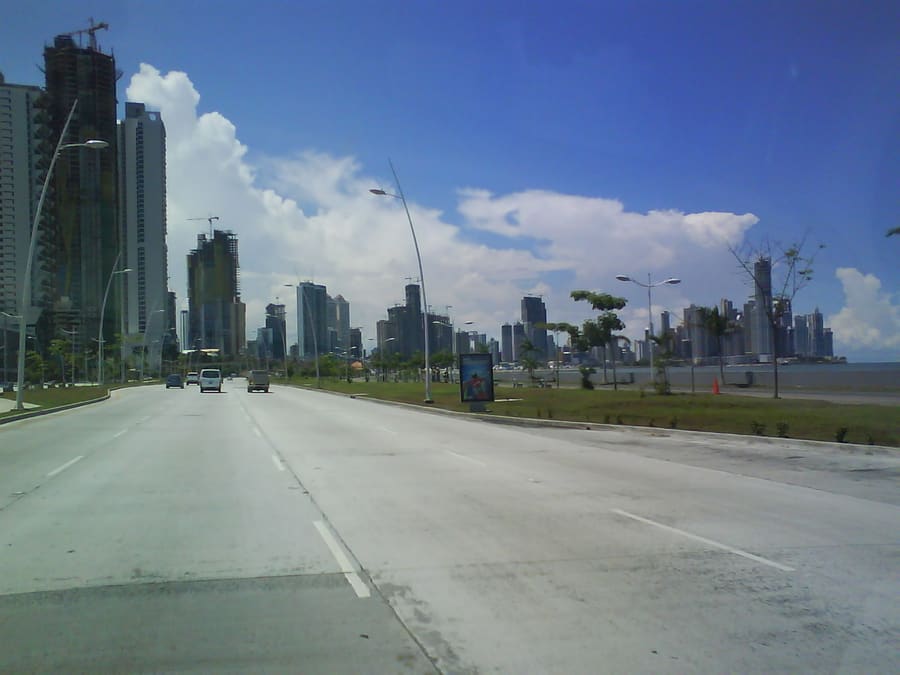
Panama City splits sharply into three eras: colonial stone, early modern infrastructure, and high-rise glass. You move between them along the Cinta Costera waterfront highway or via a short Metro ride. Traffic stalls during tropical rainstorms, so timing your movements around the weather is essential. Expect intense heat, brisk air-conditioning, and immediate access to rainforest trails within city limits.
Canal transit scheduling trick
Ships transit the Miraflores Locks mostly in early morning and late afternoon. Arrive by 08:00 or after 14:30 to watch large container vessels move.
UNESCO historic center
Casco Viejo gained UNESCO World Heritage status in 1997. Its grid was constructed after pirate Henry Morgan destroyed original Panama Viejo in 1671.
Airport toll road tip
Taxis from Tocumen Airport use the Corredor Sur toll road. Confirm your driver has an active Panapass tag to avoid suburban traffic jams.
Panama City
123Hollic · CC BY-SA 4.0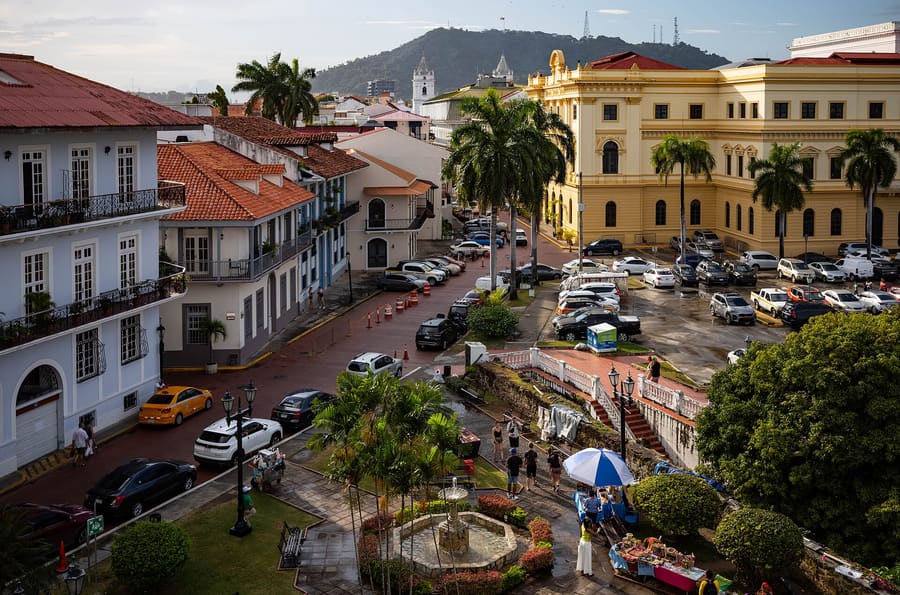
Casco Viejo — Colonial brick lanes packed with boutique hotels, cocktail bars, and restore facades.
RB Photo · CC BY 2.0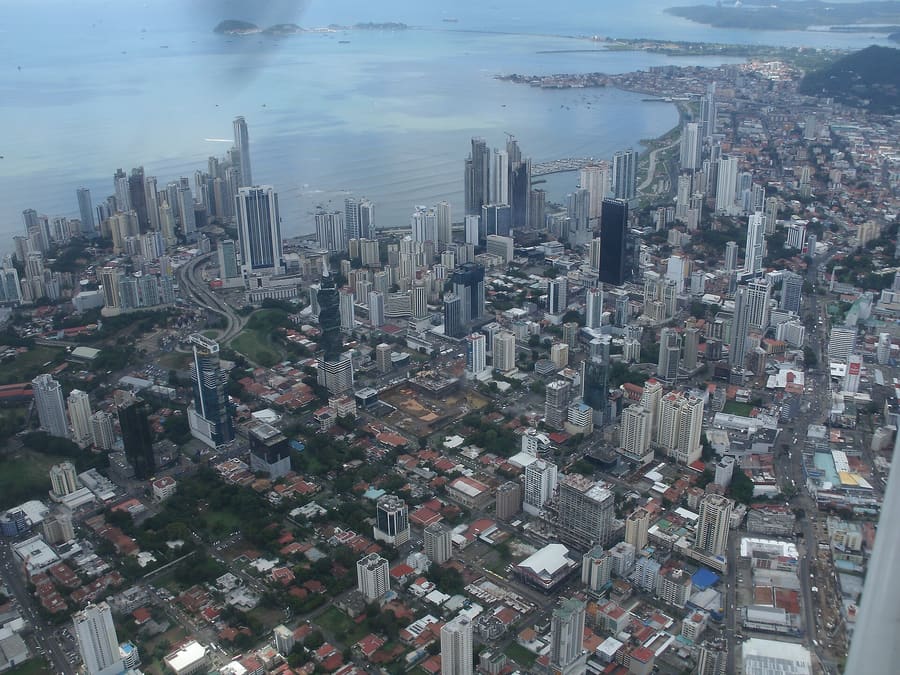
San Francisco — A residential district turned culinary hub filled with specialty coffee shops and local restaurants.
Lucas Martínez Farra… · CC BY-SA 3.0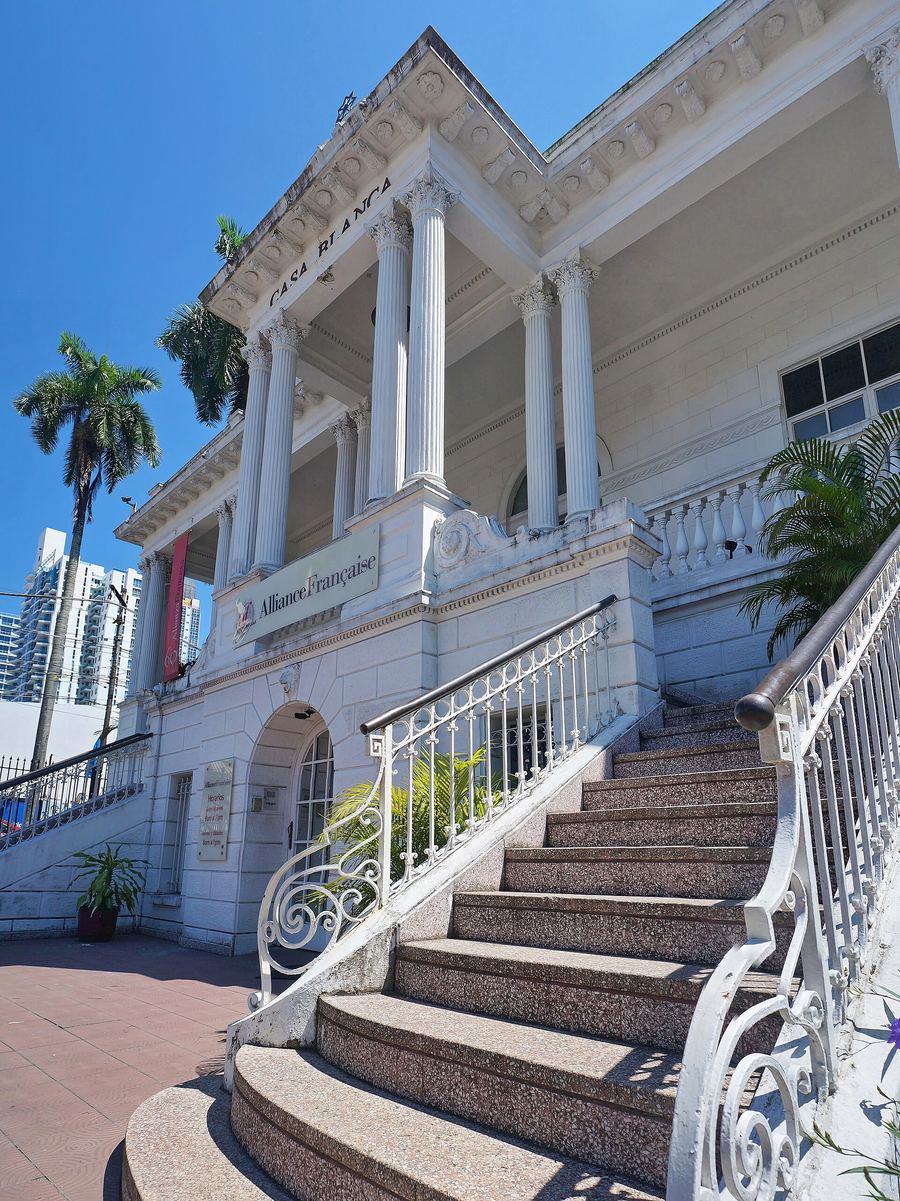
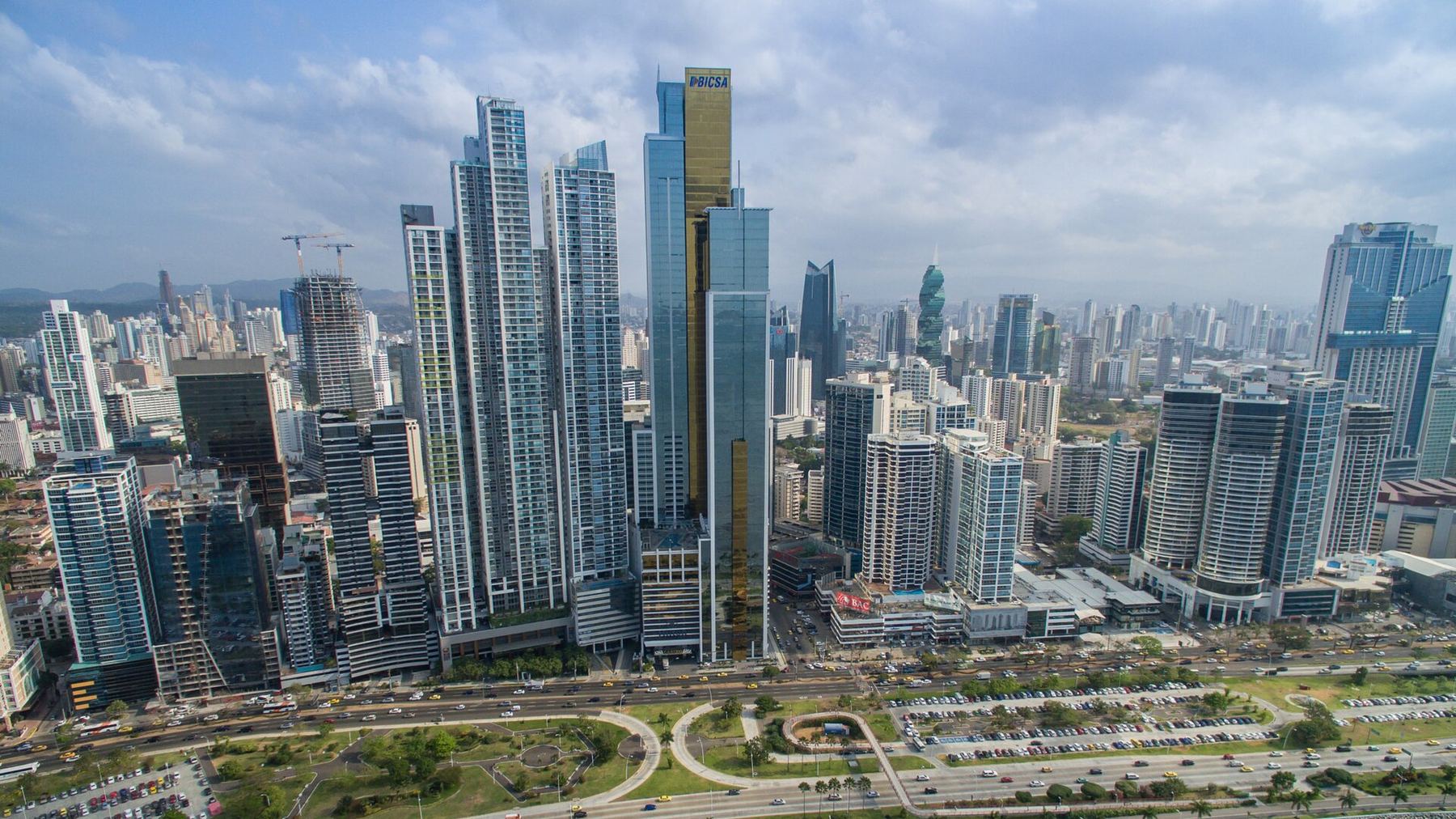
Bella Vista & Obarrio — The commercial skyline center featuring high-rise towers, direct Metro access, and business hotels.
Editorpana · CC BY-SA 3.0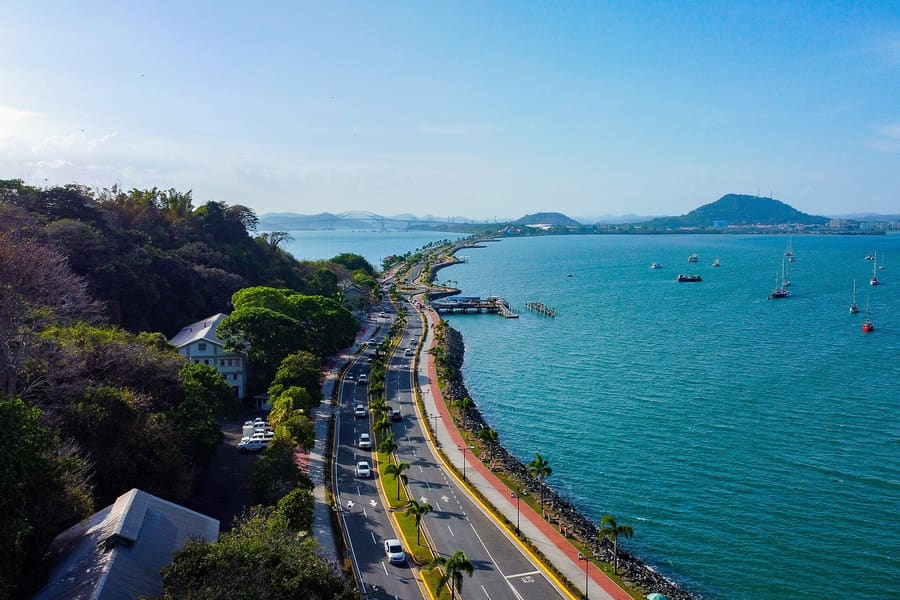
Amador Causeway — A windswept peninsula district offering sea breezes, bike paths, and views of entering canal ships.
Joy Nuñez · CC BY-SA 4.0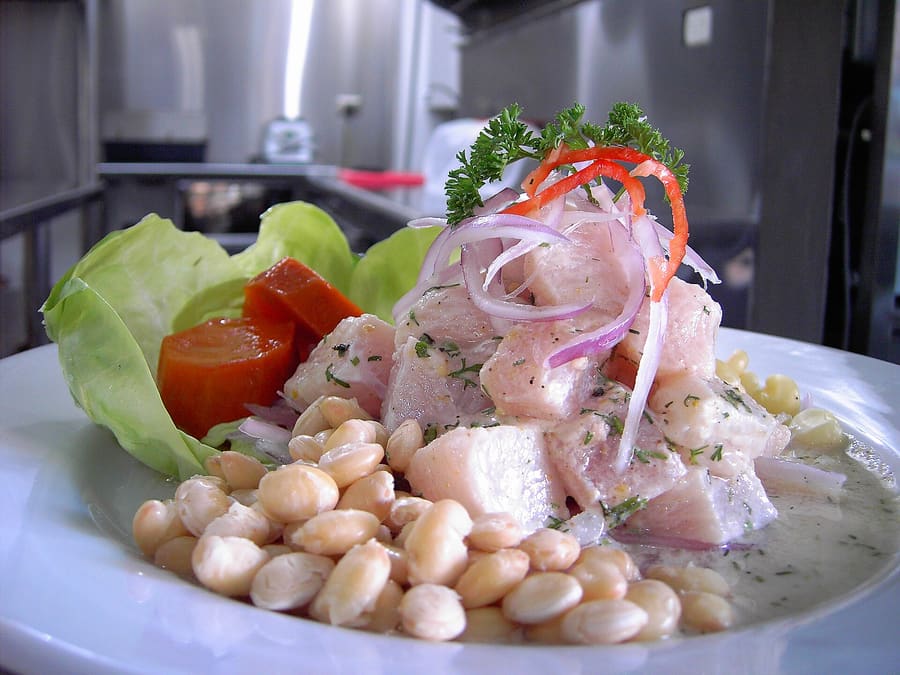
Fresh ceviche in plastic cups served daily at the Mercado de Mariscos.
Picanteria karol · CC BY-SA 4.0highlights
landmark
Watch container ships clear canal locks with inches to spare. Check transit schedules online before taking a 20-minute taxi.
Parley से पूछें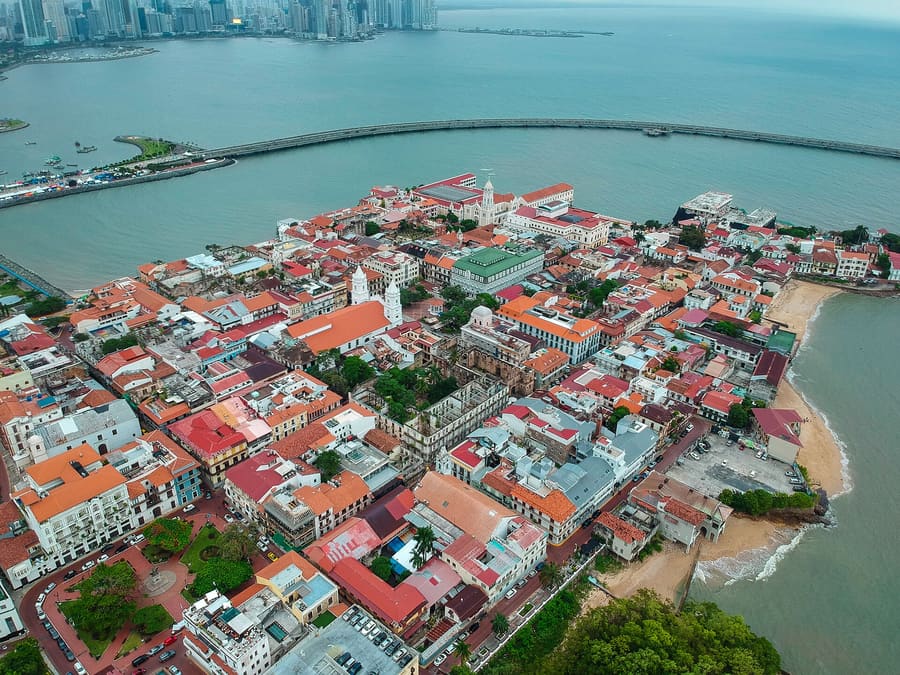
landmark
A restored 17th-century neighbourhood on a narrow peninsula. Walk early in the morning to beat the humidity and afternoon crowds.
Parley से पूछें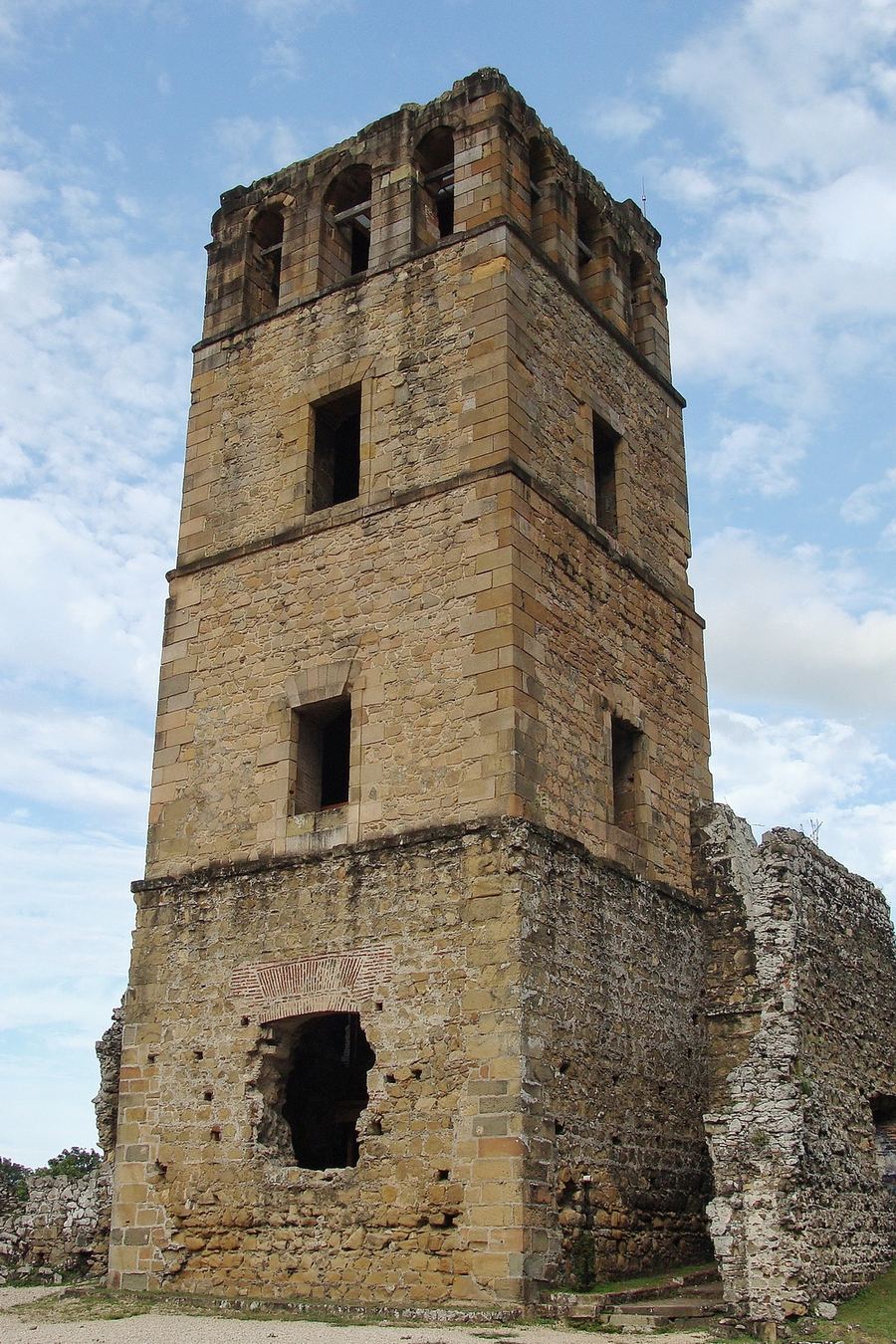
landmark
Stone ruins of the original 1519 Spanish city destroyed by pirates. The museum tower provides a clear view over the modern city.
Parley से पूछें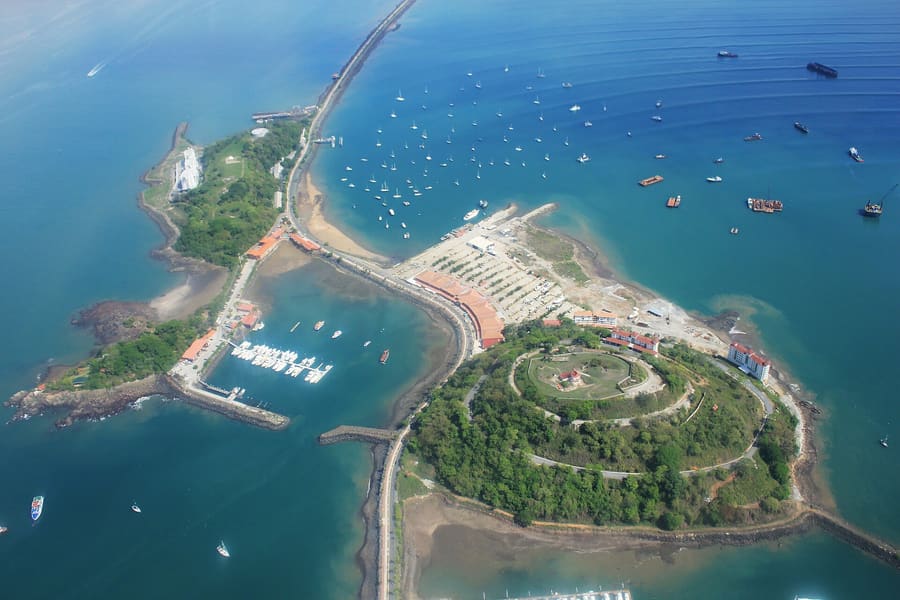
landmark
A six-kilometer breakwater path constructed using canal excavation rock. Rent a bicycle near Isla Naos to escape main street traffic.
Parley से पूछें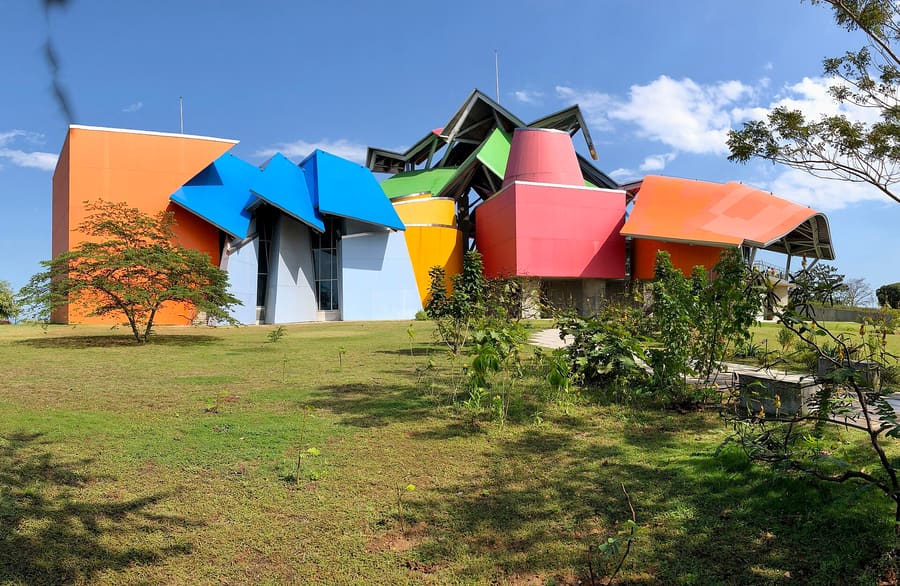
landmark
Frank Gehry designed this building detailing how the Panamanian isthmus changed global biodiversity. Buy tickets online to skip queues.
Parley से पूछें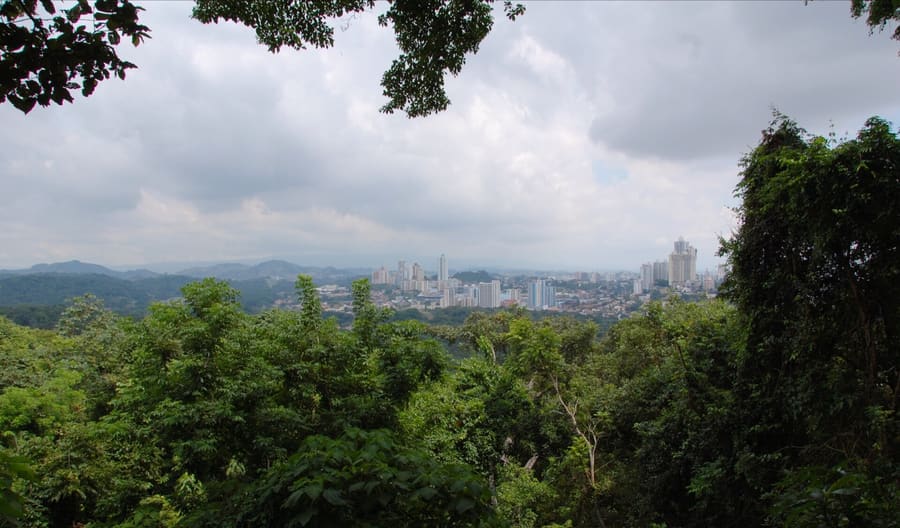
landmark
A tropical forest preserve located entirely inside city limits. Hike the Mono Titi trail at 07:00 to spot sloths and toucans.
Parley से पूछेंattractions
areas
Colonial brick lanes packed with boutique hotels, cocktail bars, and restore facades.
पास मेंMercado de Mariscos and Cinta Costera
Parley से पूछेंA residential district turned culinary hub filled with specialty coffee shops and local restaurants.
पास मेंParque Omar Torrijos
Parley से पूछेंThe commercial skyline center featuring high-rise towers, direct Metro access, and business hotels.
पास मेंIglesia del Carmen Metro station and Avenida Balboa
Parley से पूछेंA windswept peninsula district offering sea breezes, bike paths, and views of entering canal ships.
पास मेंBiomuseo and Taboga Island ferry terminals
Parley से पूछेंfood
Panama City food relies heavily on Pacific catch and local produce. Fresh corvina (sea bass) dominates fish markets, served raw in spicy citrus marinades or fried whole with fried green plantains called patacones.High-end dining rooms in Casco Viejo focus on modern Panamanian tasting menus. They incorporate ingredients like culantro and indigenous tubers alongside local lobster.Specialty coffee shops across San Francisco brew Panamanian Geisha beans. This high-altitude variety commands premium prices for its tea-like floral profile.
Fresh ceviche in plastic cups served daily at the Mercado de Mariscos.
Picanteria karol · CC BY-SA 4.0Walk straight past the aggressive outer recruiters inside to the inner counter stalls. Buy a $3 to $5 cup of black clam or Corvina ceviche direct from vendors.
Pour-over Geisha coffee takes up to ten minutes per order in specialty cafes. Expect to pay $9 to $15 per cup for award-winning lots.
history
Panama City began in 1519 as the first Spanish settlement on the American Pacific coast. It served as a transit point for Peruvian silver bound for Europe until Welsh privateer Henry Morgan sacked the town in 1671. Spanish authorities relocated the city two years later to a fortified rocky peninsula known today as Casco Viejo. The modern era began in 1904 when the United States started construction on the canal, reshaping regional politics and engineering.
Original Foundation
Pedro Arias Dávila establishes Panama City as a strategic base for Pacific trade routes.
Morgan's Raid
Pirate Henry Morgan loots and burns the original city, leaving the stone ruins of Panamá Viejo.
Casco Viejo Built
The city relocates eight kilometers west behind defensive walls to protect against sea attacks.
Panama Canal Opens
The first ocean steamer transits the canal, establishing the city as a global maritime capital.
Canal Handover
Full administrative control of the Panama Canal transfers from the United States to Panama.
where to stay
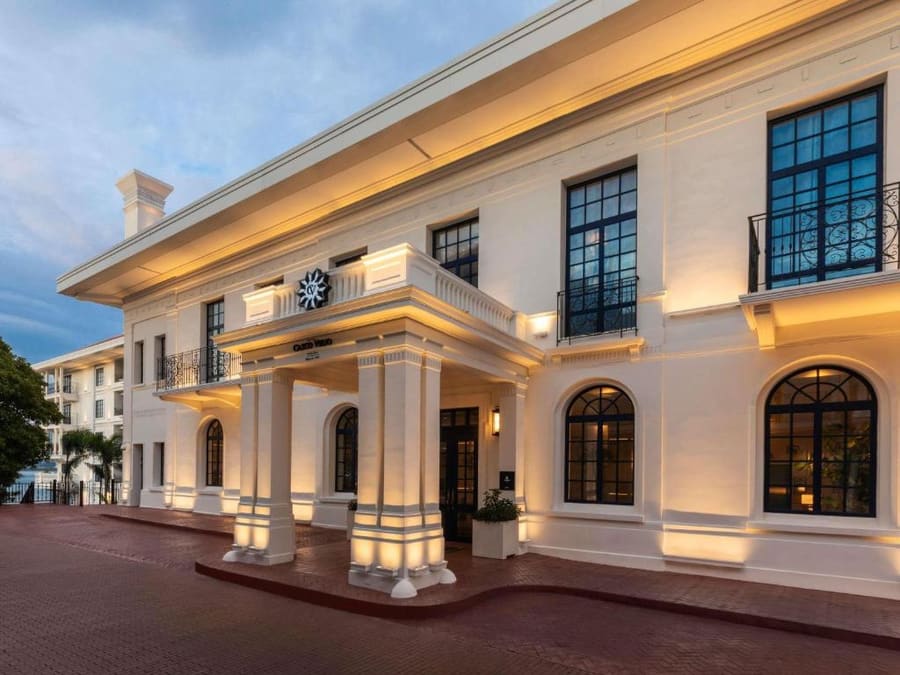
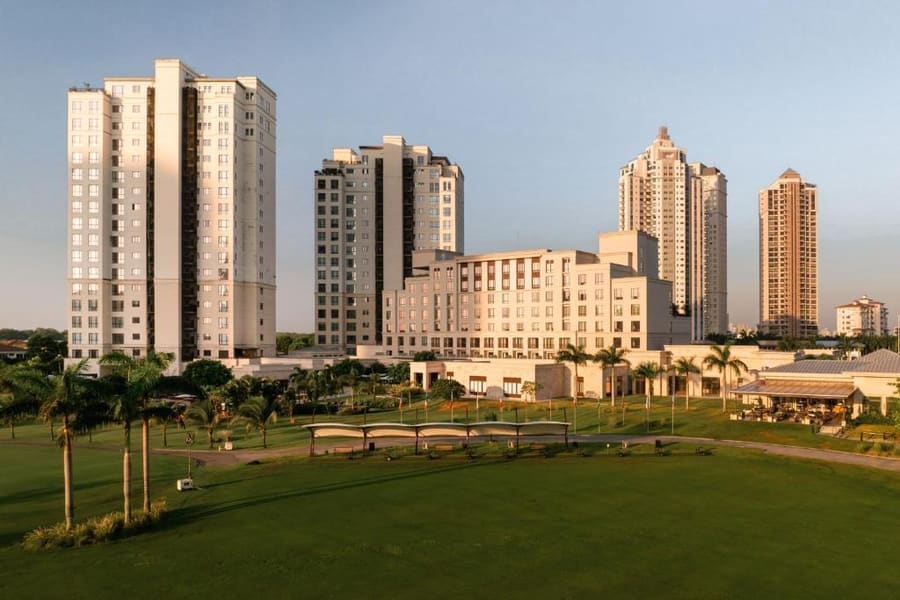
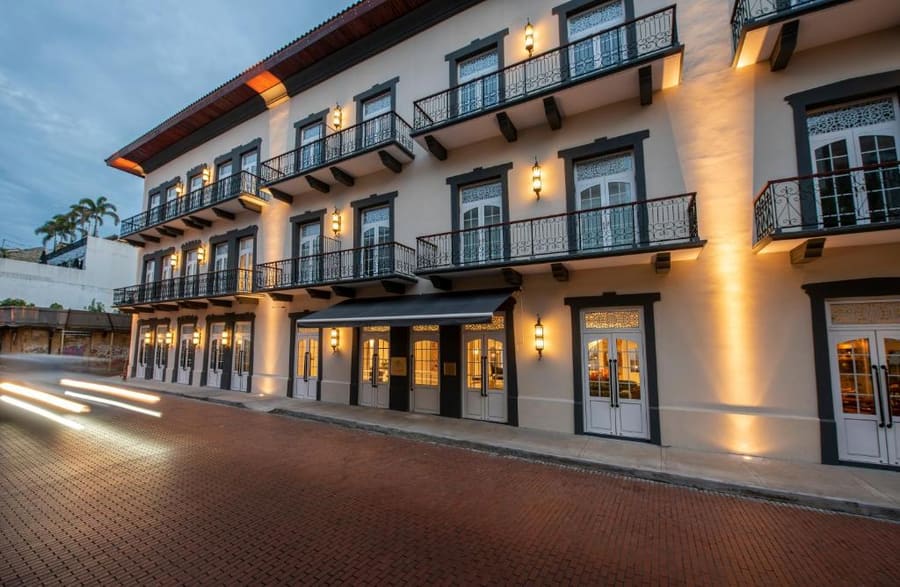
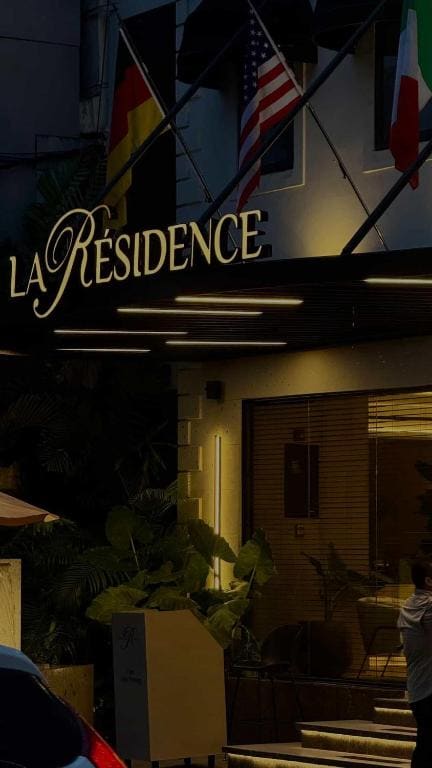
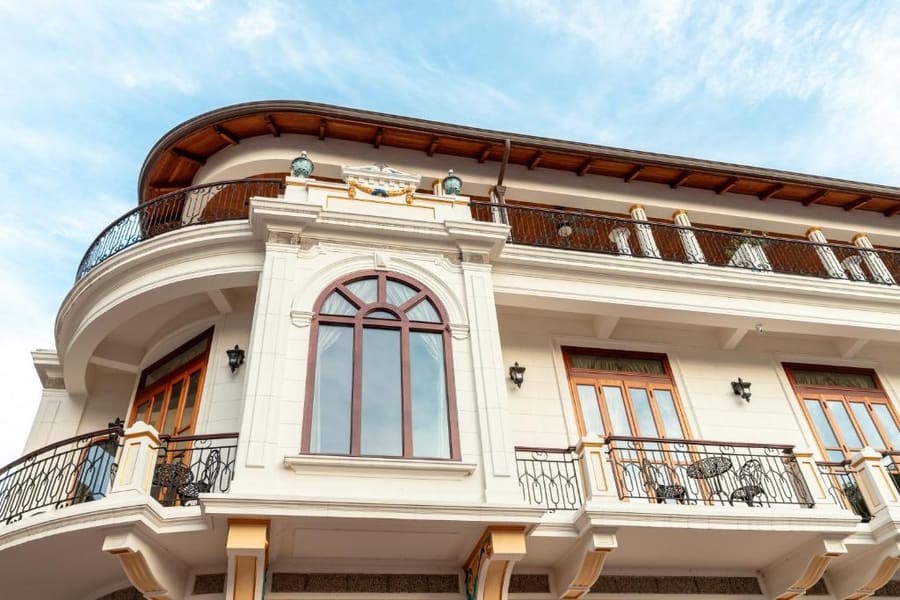
Choose your location based on walkability and evening noise tolerance. Casco Viejo offers character and dining outside your door, but nightlife noise continues past midnight. Bella Vista offers reliable modern tower hotels with direct Metro links, while San Francisco provides quiet residential streets near top cafes.
Live rates, matched to the areas above.
transport
Panama City transit relies on a modern two-line Metro system, rideshare applications, and public buses. Traffic gridlock occurs daily along main corridors during peak rush hours, making the Metro the fastest transit option across central zones.
Tocumen International Airport (PTY) से
Pick-up area is outside arrivals hall on upper curb. Uses toll highway for faster trips.
Official official airport taxi flat rate to downtown. Confirm toll inclusion before closing doors.
Metro Line 2 branch connects terminal to city center with a transfer at San Miguelito.
Buy a rechargeable Metro tarjeta at any station terminal for $2. Metro fares cost $0.35 per ride on Line 1 and $0.50 on Line 2.
Street taxis lack meters and charge rates based on negotiated zones. Rideshare apps avoid price disputes and driver directions problems.
Avoid driving between 07:00–09:00 and 17:00–19:00 on Avenida Balboa and the Corredor Sur motorway.
Line 1 runs north-south from Albrook transportation hub straight through central banking districts.
cost
Panama uses the US Dollar alongside the local Balboa at a 1:1 fixed rate. Paper currency is entirely US Dollars, while small coins are a mix of US and Panamanian mintings. Credit cards are accepted in hotels and sit-down establishments, but small food stalls require cash.
Fresh ceviche cup costs $3 to $5; fried fish with plantains costs around $8.
Line 1 inner-city transit costs $0.35; Line 2 airport extension runs $0.50.
High-grade Geisha coffee served in boutique roasting cafes in Casco Viejo or San Francisco.
Standard adult international entrance ticket includes observation deck and exhibit access.
seasonality
DEC – APR
Dry season with strong trade winds and blue skies. Hotel prices peak and canal visitor centers experience long morning lines.
MAY – JUL
Transition period featuring afternoon tropical downpours. Morning hours remain clear for hiking and outdoor sightseeing.
AUG – OCT
Peak wet season with intense daily rains and high humidity. Humpback whales pass through the offshore bay islands.
NOV
National holiday season (Fiestas Patrias). Expect government closures, parades, and traffic detours across town.
practicalities
Panama City municipal tap water is safe to drink straight from the faucet, unlike many regional neighbors.
Taxi drivers and market vendors rarely break $20 bills. Keep $1 and $5 notes handy for daily small purchases.
Malls, taxis, and museums set AC temperatures very cold. Carry a light layer when spending hours indoors.
Panamanian law requires tourists to carry physical photo identification. Police occasionally check IDs at transport hubs.
Because Panama sits close to the equator, UV index reaches extreme levels by 11:00. Wear sunscreen even on overcast rain days.