landmark
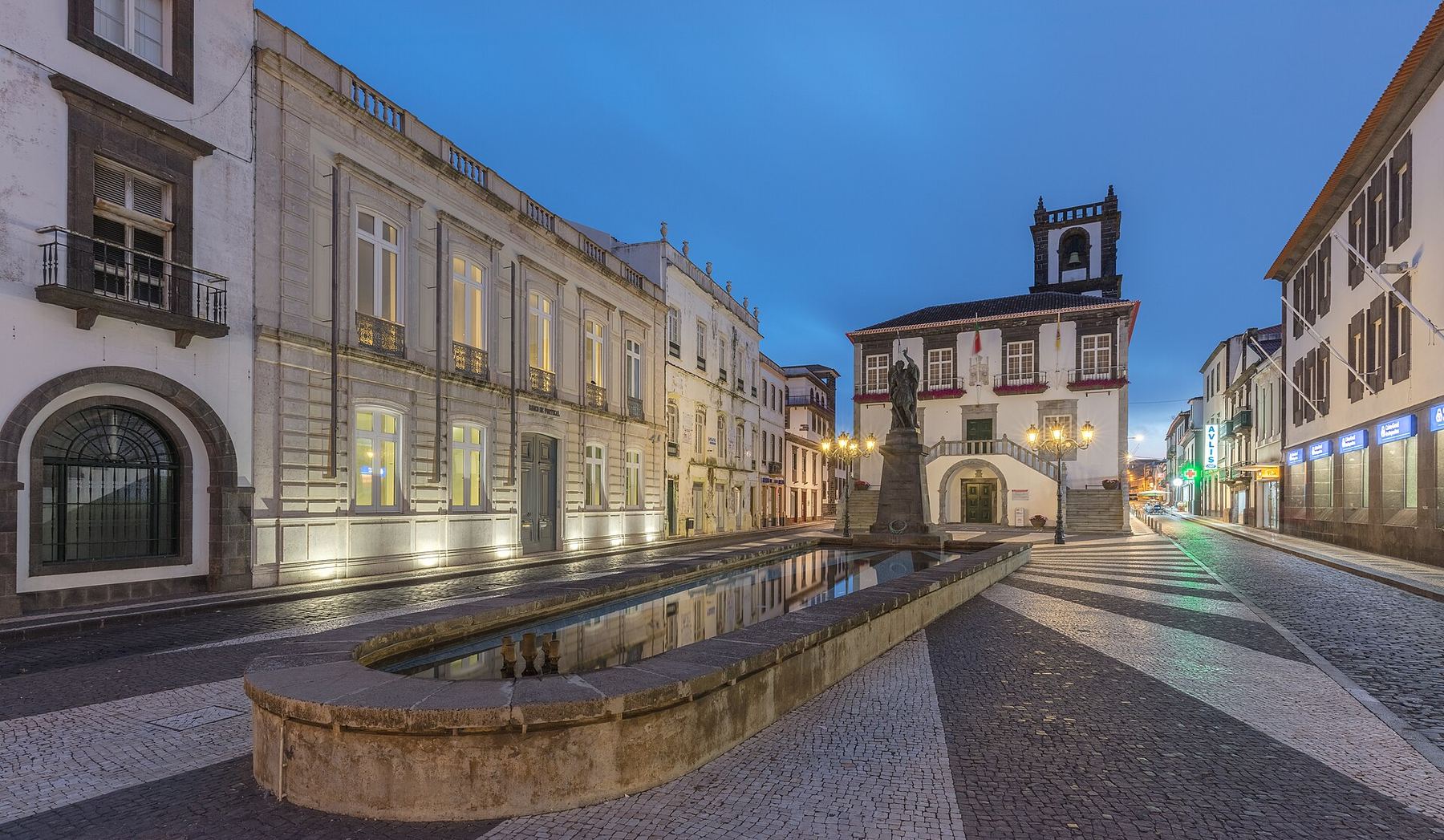
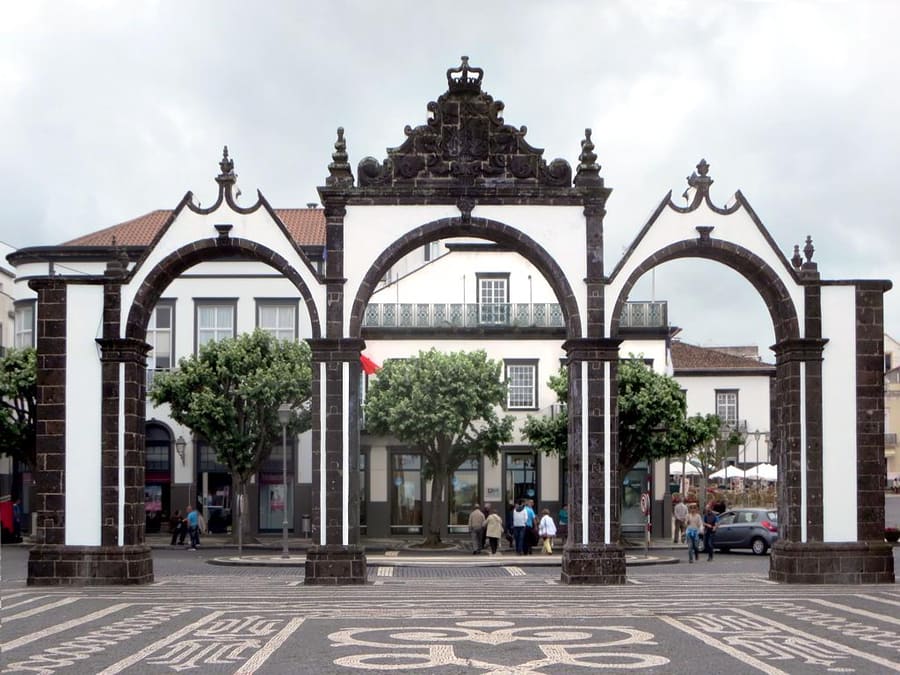
Portas da Cidade
The 18th-century three-arched gate marks the sea entry. Visit early morning to shoot photos without modern delivery vans.
Parley से पूछेंपुर्तगाल
Volcanic basalt, Atlantic harbour, and island basecamp.
introduction
Ponta Delgada acts as the commercial and cultural engine of São Miguel Island. Black basalt paving and whitewashed walls line a grid that steps straight up from the Atlantic marina. You can walk the historic core within an hour, but you need a car to unlock the rest of the island. Expect quick shifts in weather, steep harbour streets, and rich regional food.
UNESCO status
The city centre is not UNESCO-listed, but São Miguel sits inside the Azores UNESCO Global Geopark network.
Planning tip
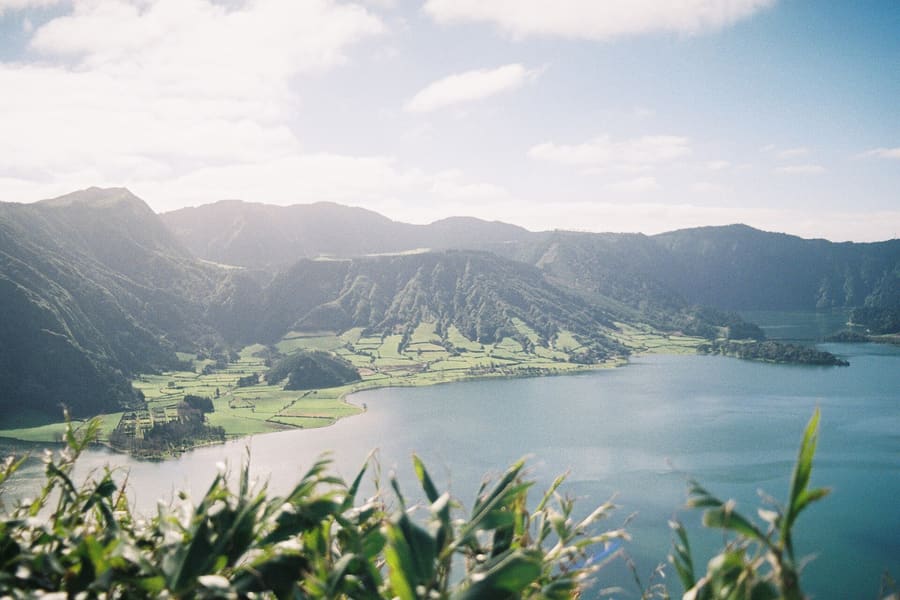
Download the SpotAzores camera app before driving out. Caldera lookouts can fog over in minutes while the coast stays clear.
Ponta Delgada
Gonçalo Torres · CC BY-SA 4.0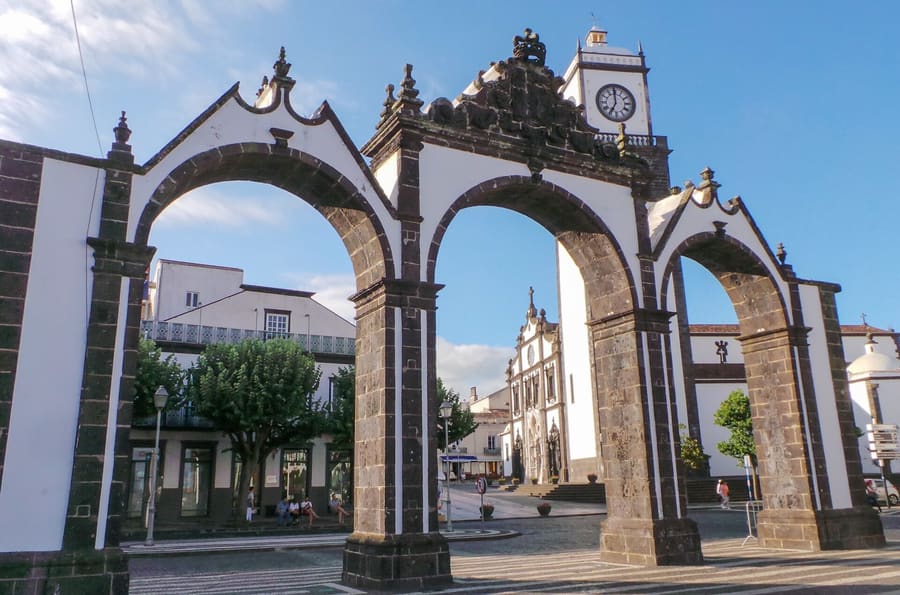
Baixa — Historic core filled with paved pedestrian lanes, churches, and harbour cafes.
El Coleccionista de Instantes Fotografía & Video · CC BY-SA 2.0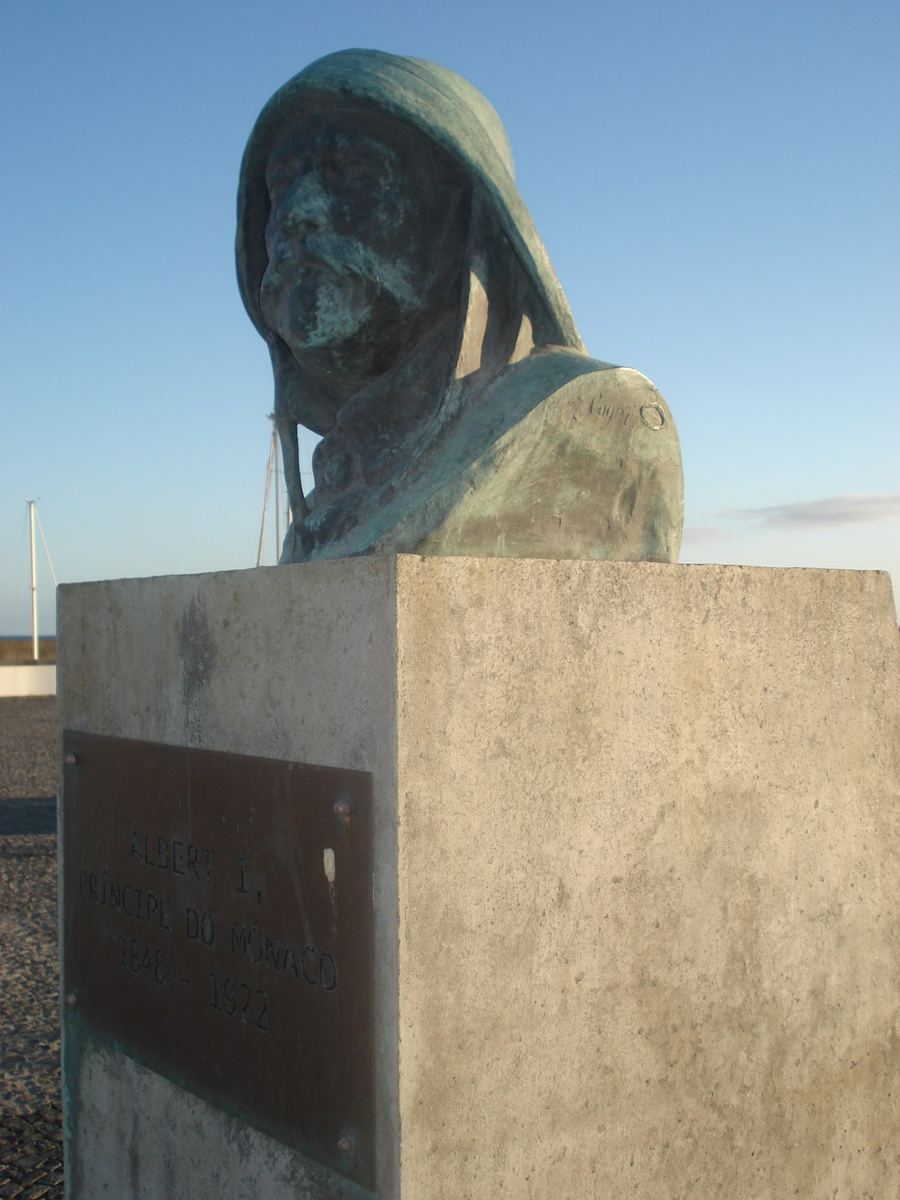
São Pedro — Maritime neighbourhood with waterfront hotels and wide ocean views.
Ruben JC Furtado · CC BY-SA 3.0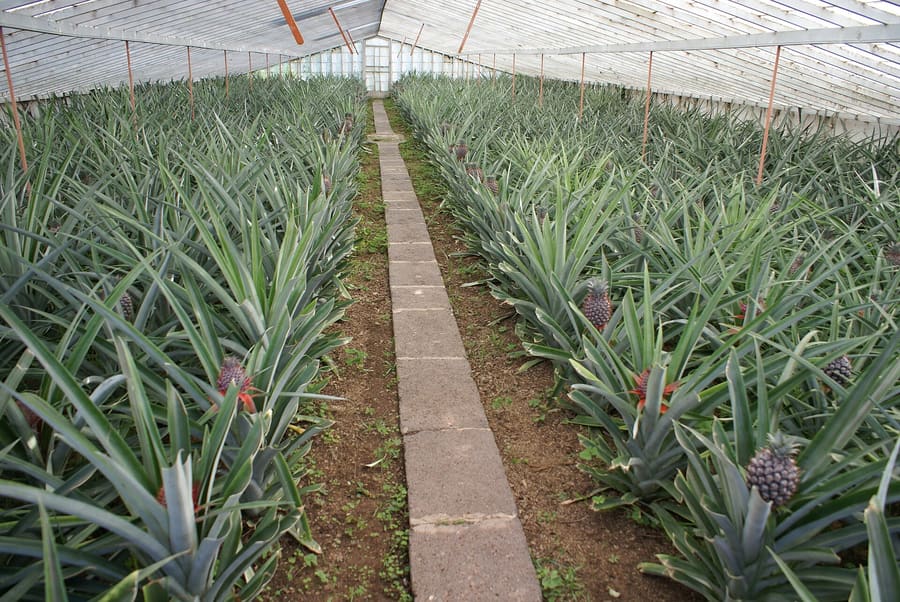
Fajã de Baixo — Suburban agricultural quarter famous for glasshouse pineapple cultivation.
José Luís Ávila Silveira/Pedro Noronha e Costa · Public domain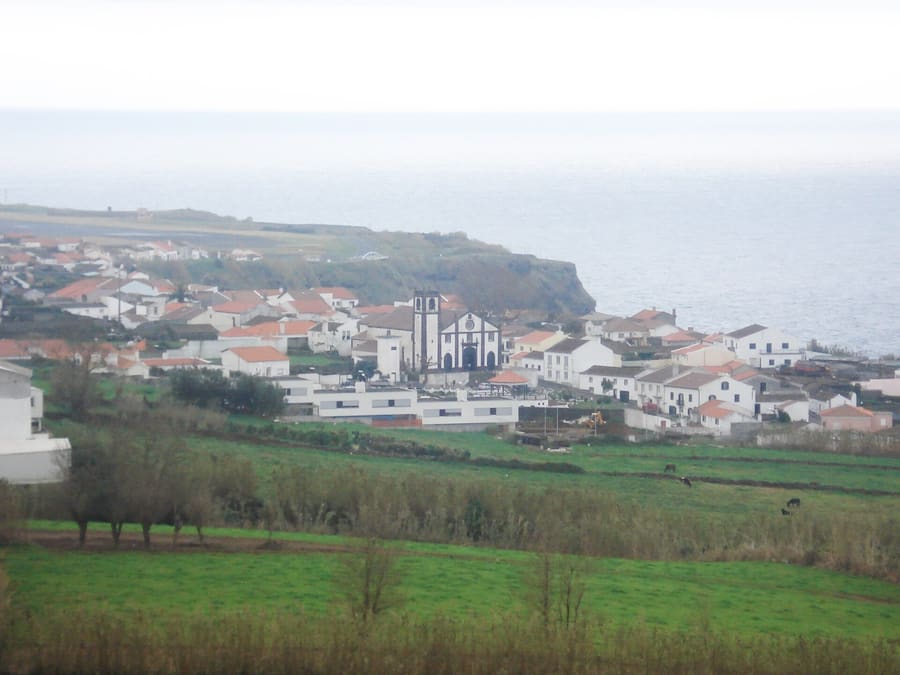
Relva — Cliffside village right beside the airport runway overlooking coastal bluffs.
Ruben JC Furtado · Public domainhighlights
landmark
The 18th-century three-arched gate marks the sea entry. Visit early morning to shoot photos without modern delivery vans.
Parley से पूछें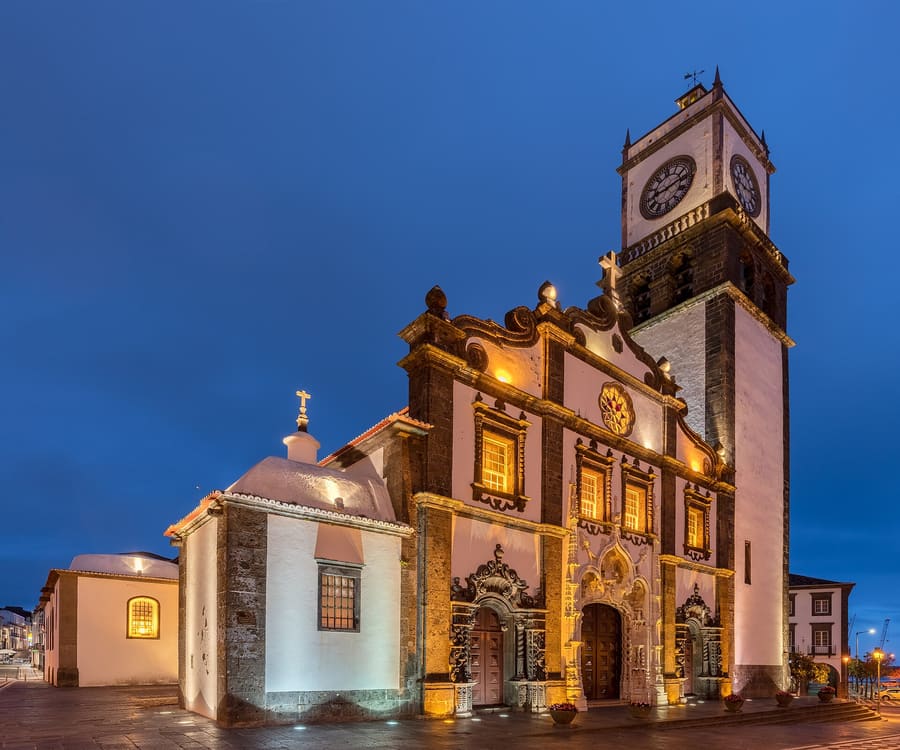
landmark
Built in Manueline style with dark basalt trim. Step inside to see rare Portuguese cedar carvings and blue azulejo tiles.
Parley से पूछें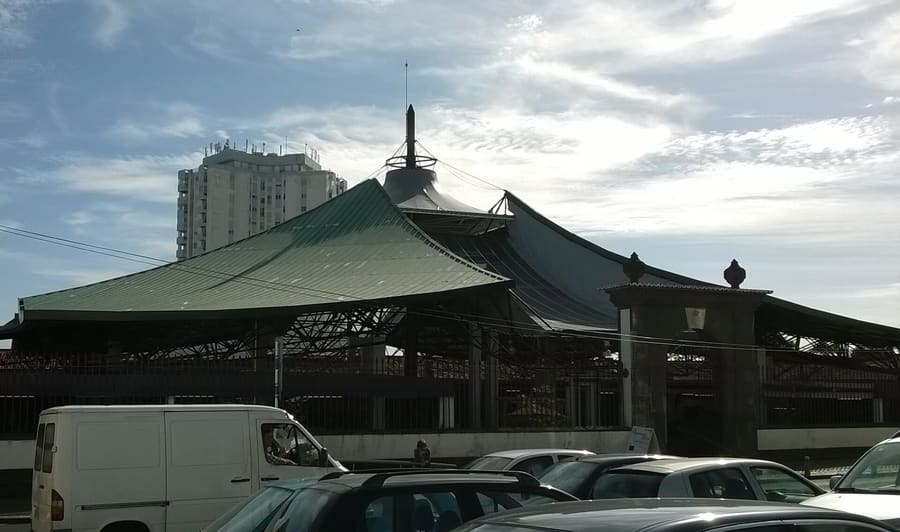
landmark
The main produce hall serves local cheeses, sweet pineapples, and fish. Buy cured São Jorge cheese directly from the vendors.
Parley से पूछें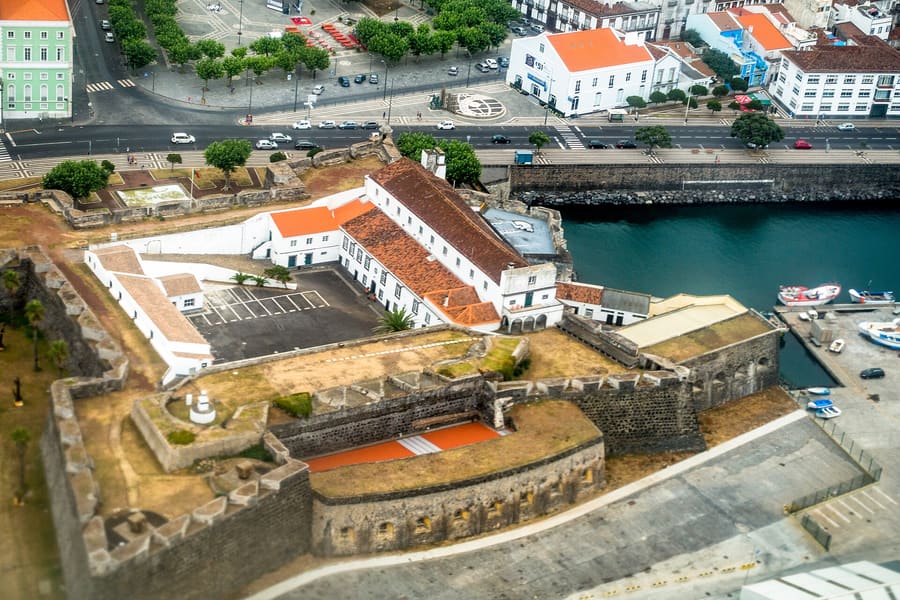
landmark
A 16th-century stone fortress built against pirate raids. It houses the military museum and commands harbour views.
Parley से पूछें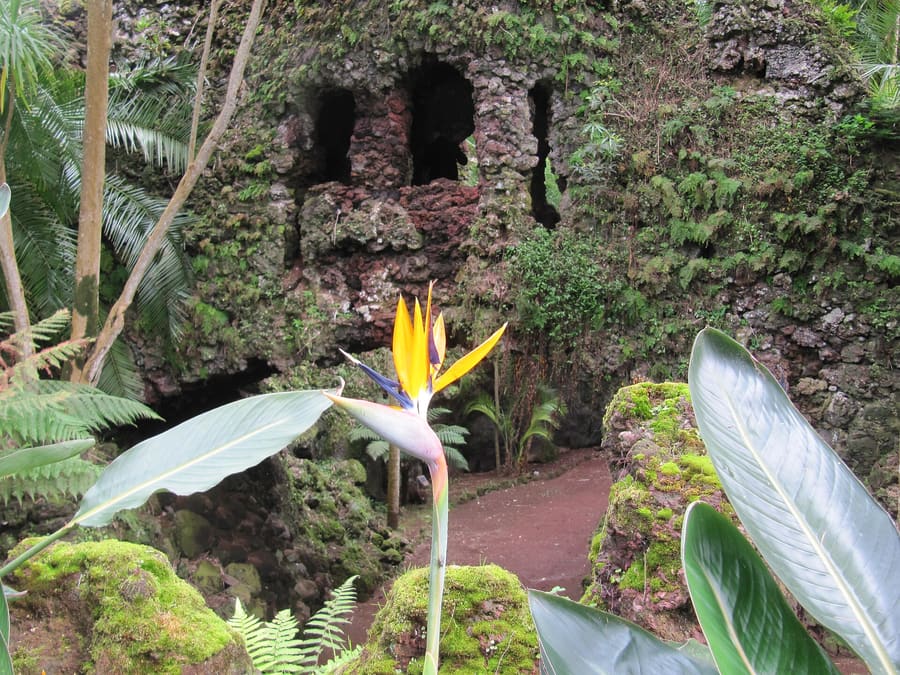
landmark
A 19th-century romantic garden filled with Australian banyan trees and basalt grottos. Free entry until dusk.
Parley से पूछें
landmark
Greenhouses showing how Azorean pineapples grow over two years. Free entry, with tasting liquor at the gift shop.
Parley से पूछेंattractions
areas
Historic core filled with paved pedestrian lanes, churches, and harbour cafes.
पास मेंPortas da Cidade and harbour marina.
Parley से पूछेंMaritime neighbourhood with waterfront hotels and wide ocean views.
पास मेंMarina, ocean swimming pools, and waterfront promenade.
Parley से पूछेंSuburban agricultural quarter famous for glasshouse pineapple cultivation.
पास मेंArruda Pineapple Plantation and local taverns.
Parley से पूछेंCliffside village right beside the airport runway overlooking coastal bluffs.
पास मेंJoão Paulo II Airport and ocean lookouts.
Parley से पूछेंfood
Azorean cuisine centres on dairy, beef, and Atlantic seafood rather than mainland olive oil and dried cod. Volcanic soil yields sweet pineapples and tea, while pasture grazing produces distinctive firm, hard cured cheeses like Queijo de São Jorge, known for its sharp, tangy flavor. You order beef served sizzling on hot basalt tiles or rich fish stews made with local limpets.
Limpets grilled in garlic butter and red pepper paste are the island's staple seafood starter. Squeeze fresh lemon over them before eating.
Azorean pineapples take 18 to 24 months to mature in glasshouses. They are smaller and far sweeter than South American imports.
Kitchens open earlier than mainland Portugal. Popular spots fill completely by 20:00, so reserve two days ahead.
history
Ponta Delgada grew from a fishing village into São Miguel's main port after an earthquake destroyed neighbouring Vila Franca do Campo in 1522. Natural Atlantic trade routes made it a key resupply station for ships crossing between Europe and the Americas.
Capital shift
A massive earthquake destroys Vila Franca do Campo. Ponta Delgada assumes role as island capital.
City status
King John III grants city status to Ponta Delgada, sparking a boom in church and fort building.
Orange boom
Exporting oranges to England builds merchant fortunes, funding luxury botanical gardens.
where to stay
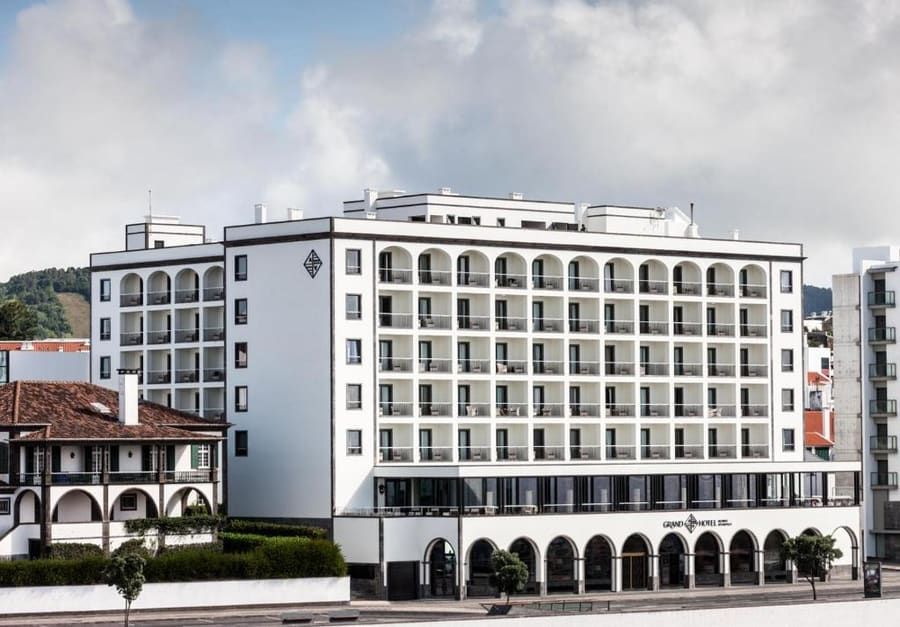
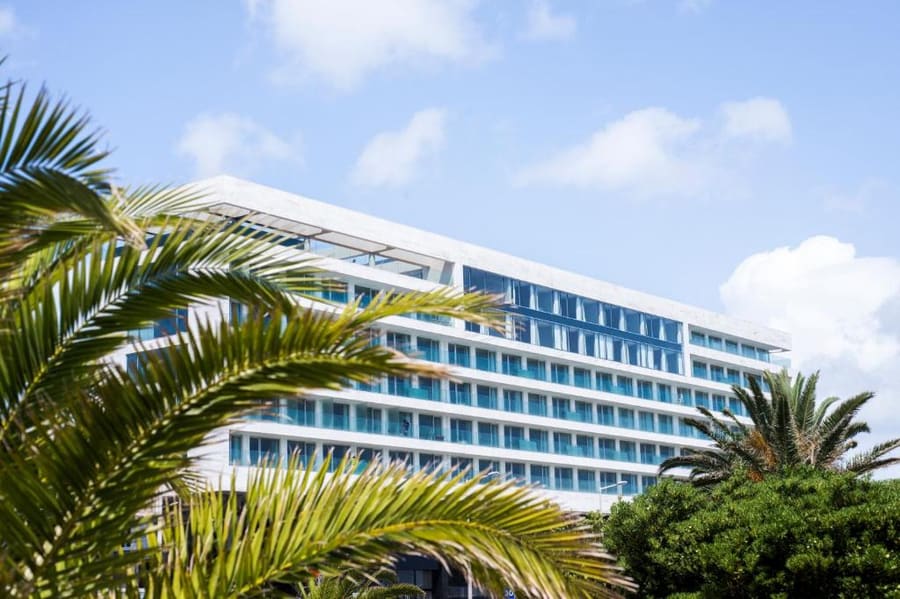
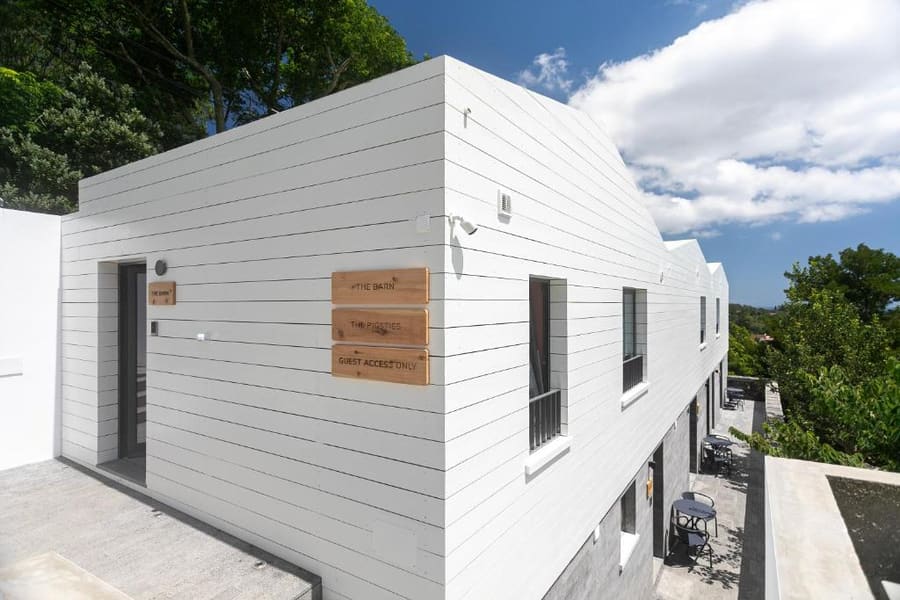
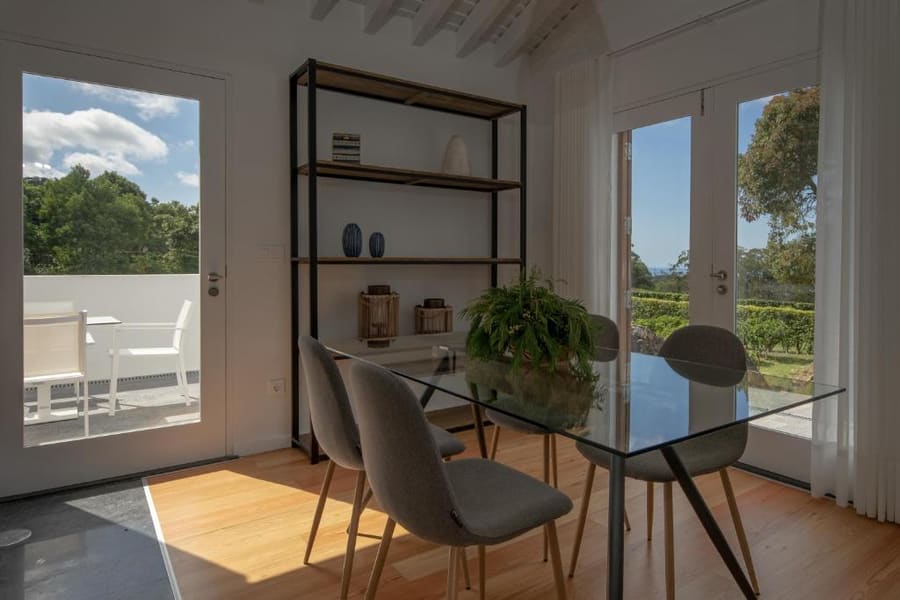
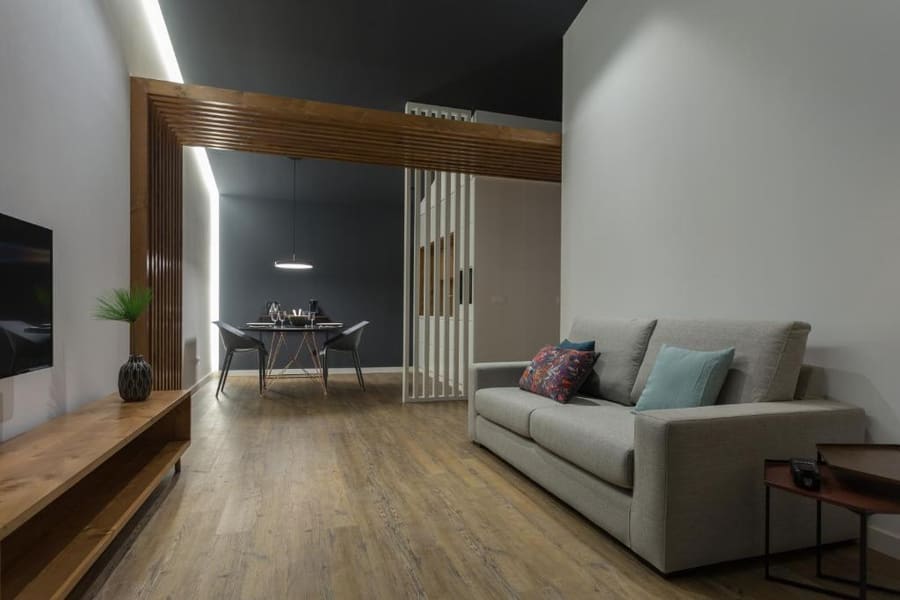
Choose by your vehicle plans. Stay in Baixa if you want to walk to dinner without driving. Pick São Pedro for modern harbourfront hotels with parking garages.
Live rates, matched to the areas above.
transport
Downtown Ponta Delgada is compact and best explored on foot. Navigating the wider island requires a rental car or booked excursions, as intercity public buses operate on sparse schedules.
João Paulo II Airport (PDL) से
Fixed tariff between airport and city limits. Standard luggage included.
ANC Aerobus shuttle runs directly to city centre hotels every 30 minutes.
Manual and automatic rental cars sell out months ahead in summer. Reserve well before arrival to avoid sky-high rates.
PDL mini-buses run three circular routes around the downtown area for under €1.50 per ticket.
São Miguel has no railway system. Public travel relies entirely on buses, taxis, or private cars.
Regional bus lines connect major towns, but schedules cater to school commutes rather than day trips.
cost
Prices sit slightly below mainland Portugal for food, but rental cars spike dramatically in high summer. Cash is required for small bakery purchases and local rural buses.
Standard cafe price across city bakeries.
Includes fresh local fish, wine, and starter limpets.
Winter rates start low, but summer rates jump three-fold.
Rates double during July and August peak travel months.
seasonality
NOV – FEB
Cooler days around 15°C with heavy rain spells. Lowest hotel rates and empty hiking paths.
MAR – MAY
Spring flowers bloom across pastures. Mild temperatures and ideal conditions for whale watching.
JUN – AUG
Warmest ocean temperatures around 22°C. Long daylight hours, but high summer hotel prices.
SEP – OCT
Warm ocean waters remain. Crowds drop off and autumn weather brings stable hiking days.
practicalities
Subtropical oceanic weather brings rain, sun, and fog on the same afternoon.
Check wave conditions before swimming at natural tide pools along the coastal rocks.
Most city shops accept contactless cards, but keep €20 cash for small village stops.
Staff in hotels and restaurants speak English fluently, though local Portuguese accent is thick.
Trail mud is iron-rich clay. Wear dark, sturdy hiking shoes on caldera trails.