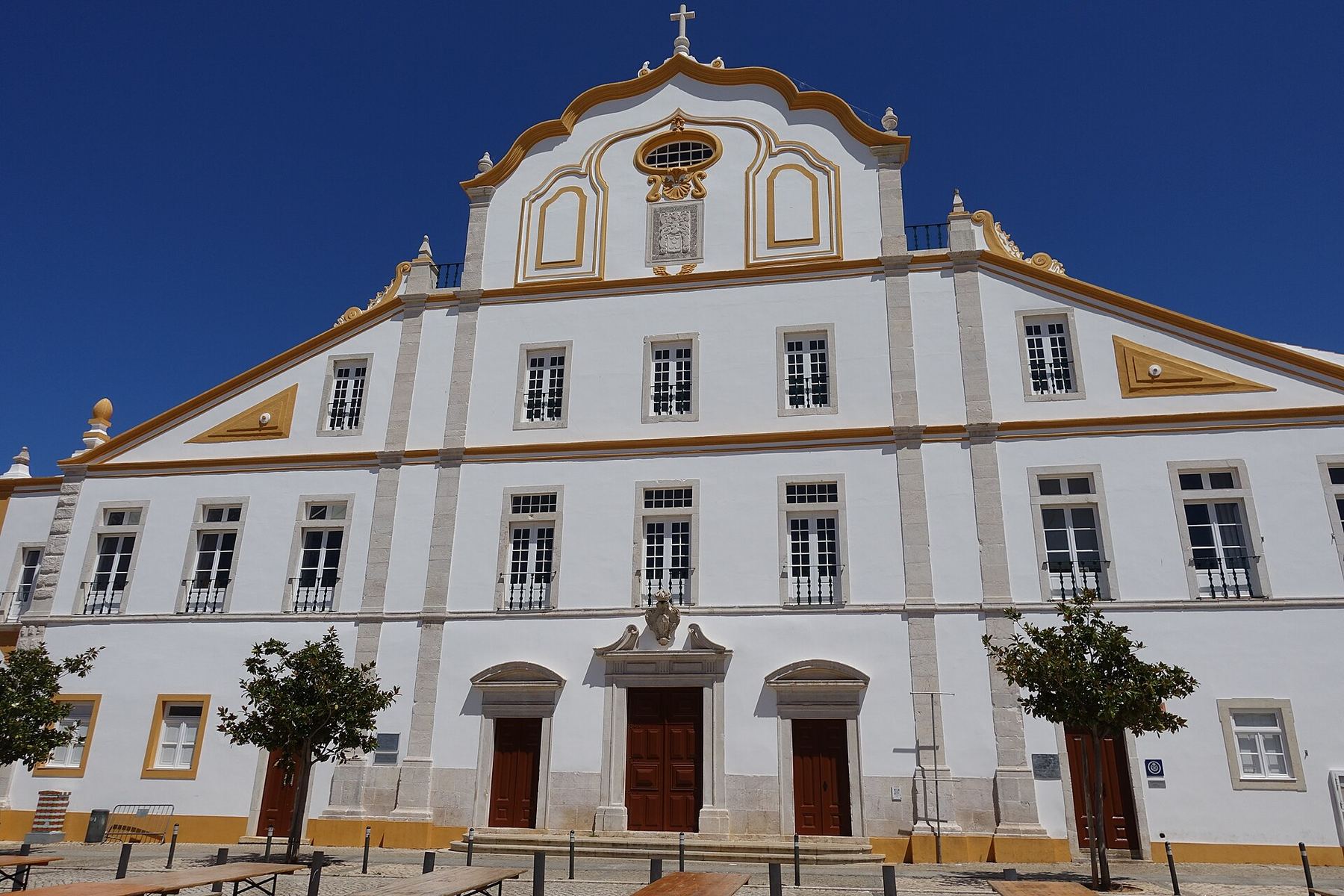
landmark
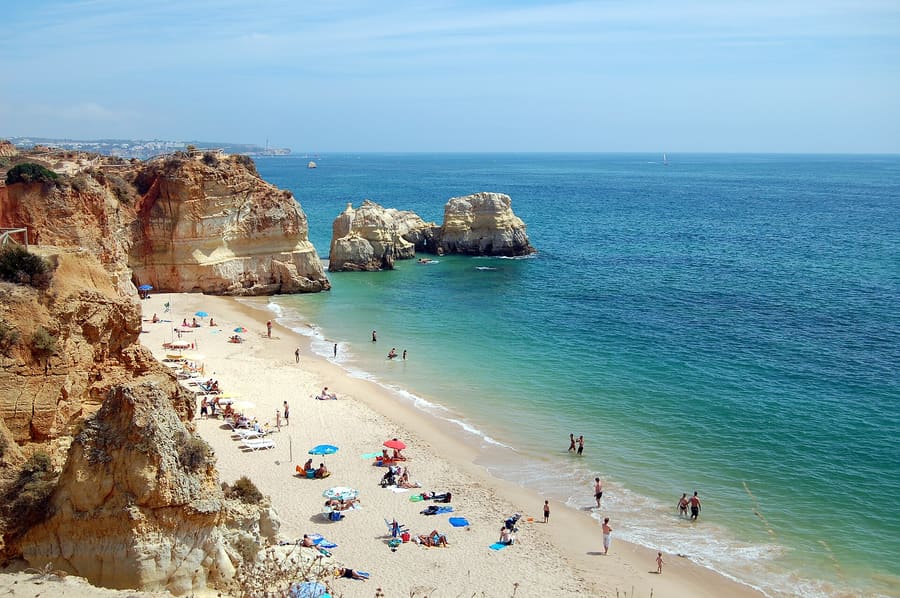
Praia da Rocha
Long golden beach framed by towering limestone cliffs. Busy in summer; visit at low tide for wider walking space.
Parley से पूछेंपुर्तगाल
Sardine history, high-cliff beaches, and two urban faces.
introduction
Portimão splits cleanly into two distinct worlds: a dense working city along the Arade River and a high-rise beach resort at Praia da Rocha. The riverfront preserves the town's industrial canning legacy, while the coastal strip caters directly to mass tourism. You navigate between them using the local Vai e Vem buses or a 25-minute walk. Expect direct sun, windy boardwalks, and straightforward seafood without fine-dining pretense.
Airport transit trick
Take the Vamus Aerobus Line 56 directly from Faro Airport to Portimão. It runs faster than the local stopping train and avoids a taxi transfer to Faro station.
Industrial heritage recognition
The Museu de Portimão won the Council of Europe Museum Prize in 2010 for preserving sardine canning culture.
Beach tide rule
High tide swallows narrow stretches of sand beneath the ochre cliffs. Check tide tables before choosing your sunbed spot at Praia da Rocha.
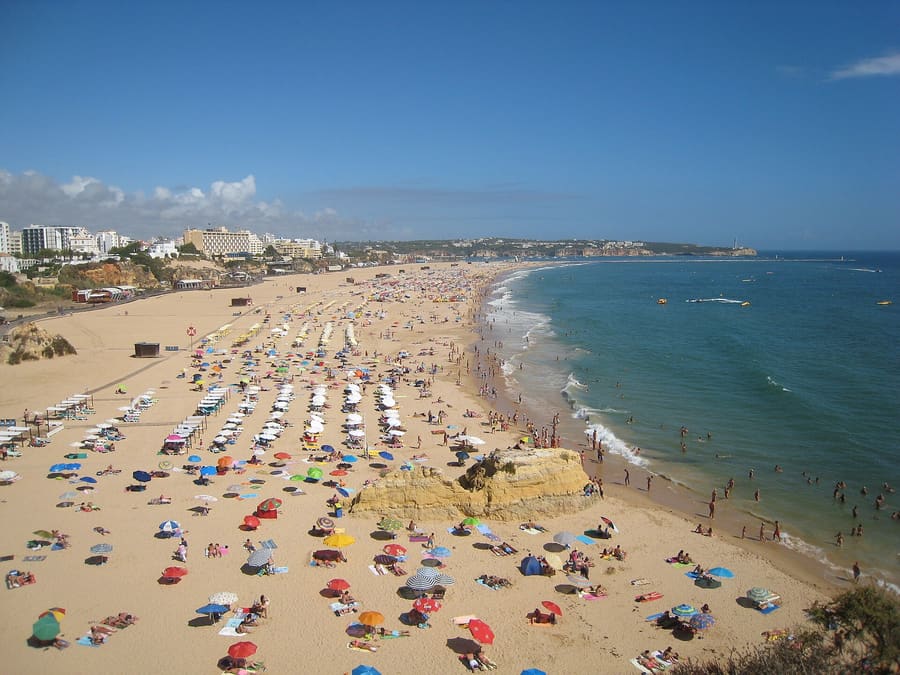
Portimão
Hugo Cadavez from Maia, Portugal · CC BY 2.0Praia da Rocha — High-rise resort strip, lively nightlife, direct beach stairs.
Steven Fruitsmaak · CC BY-SA 3.0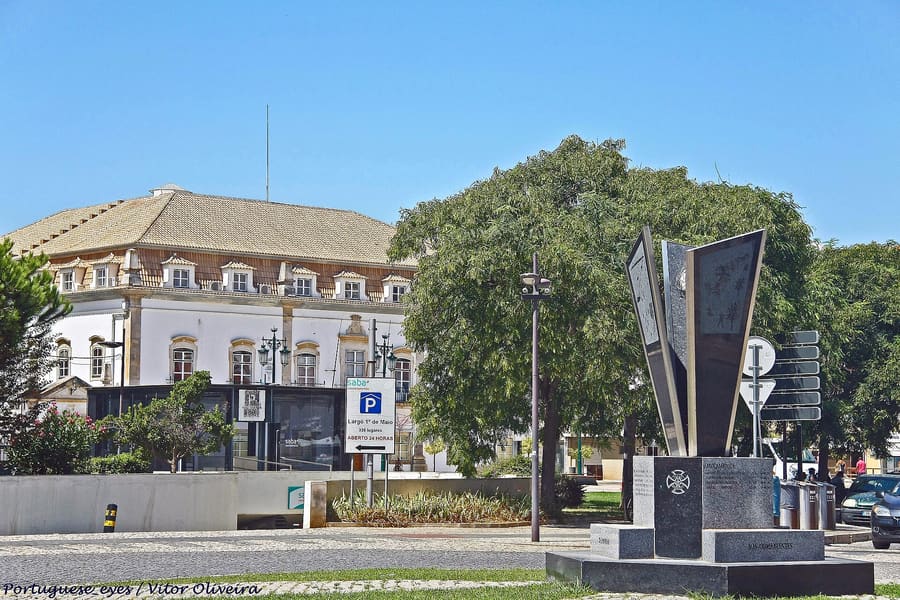
Centro Histórico — Quiet residential alleys, traditional bakeries, local shops.
Portuguese_eyes · CC BY-SA 2.0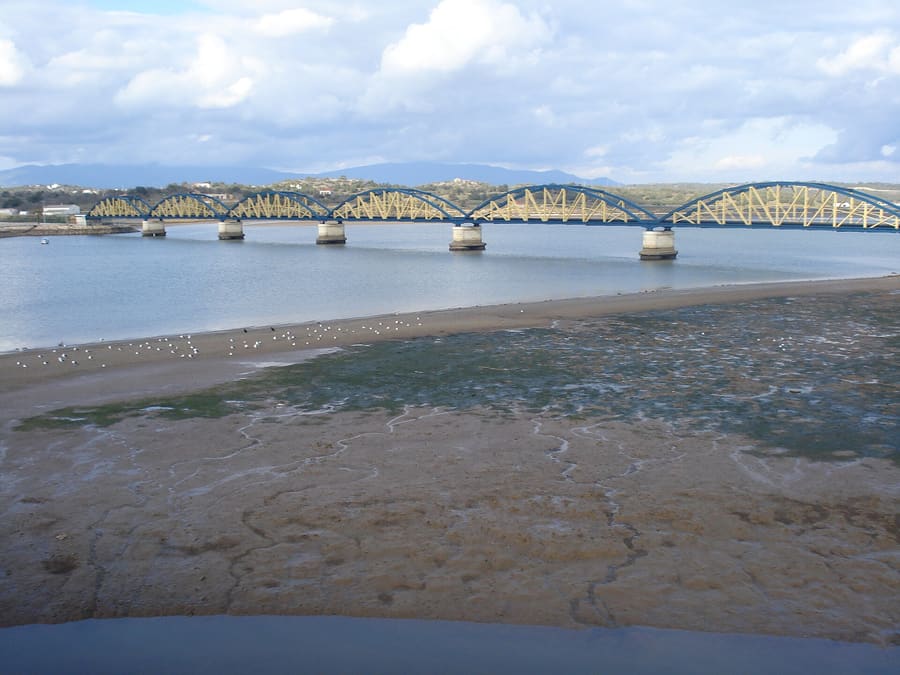
Zona Ribeirinha — Open river promenade, sardine smell from open grills, dock views.
Patrícia Nunes · CC BY-SA 3.0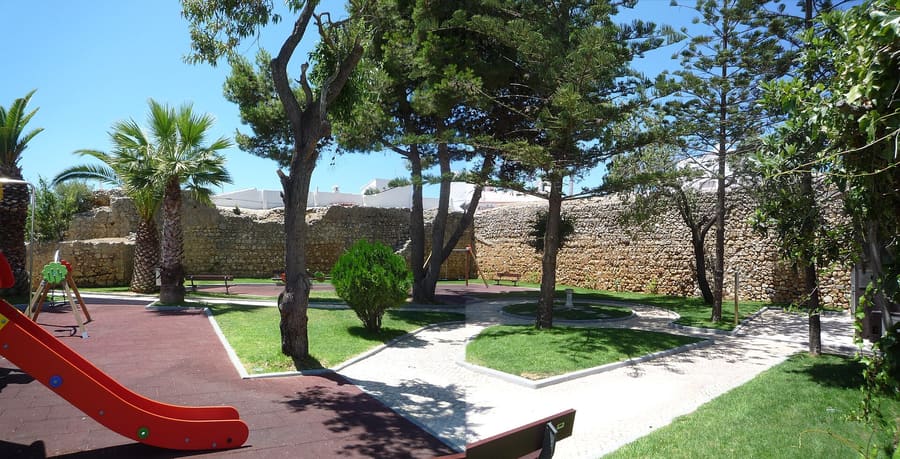
Alvor — Low-rise fishing village vibe, estuary lagoon, boardwalk trails.
RHaworth · CC BY-SA 3.0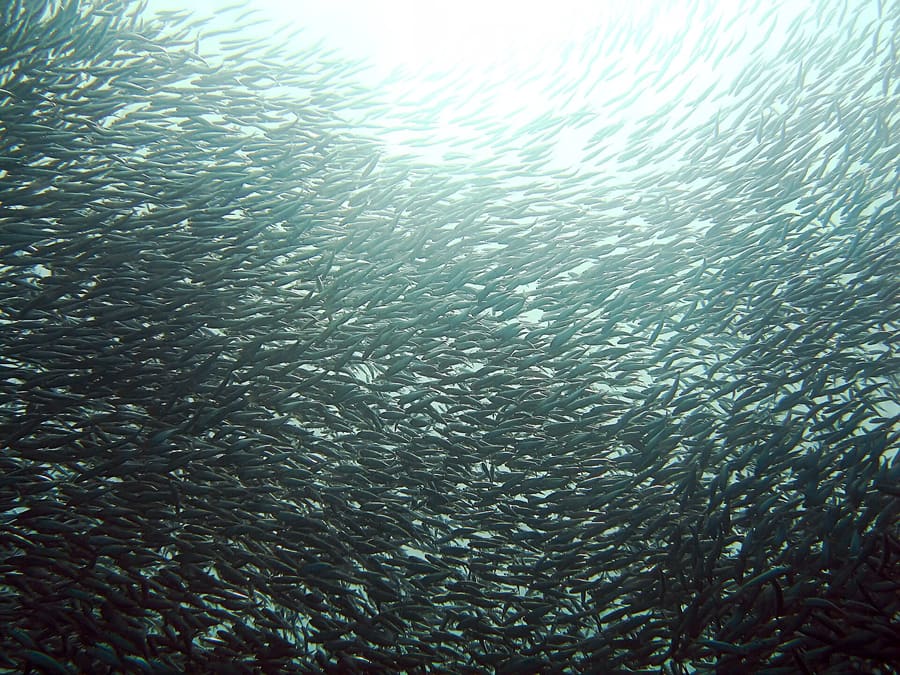
Sardinhas assadas served fresh off open charcoal grills along the riverfront.
TANAKA Juuyoh (田中十洋) · CC BY 2.0highlights
landmark
Long golden beach framed by towering limestone cliffs. Busy in summer; visit at low tide for wider walking space.
Parley से पूछें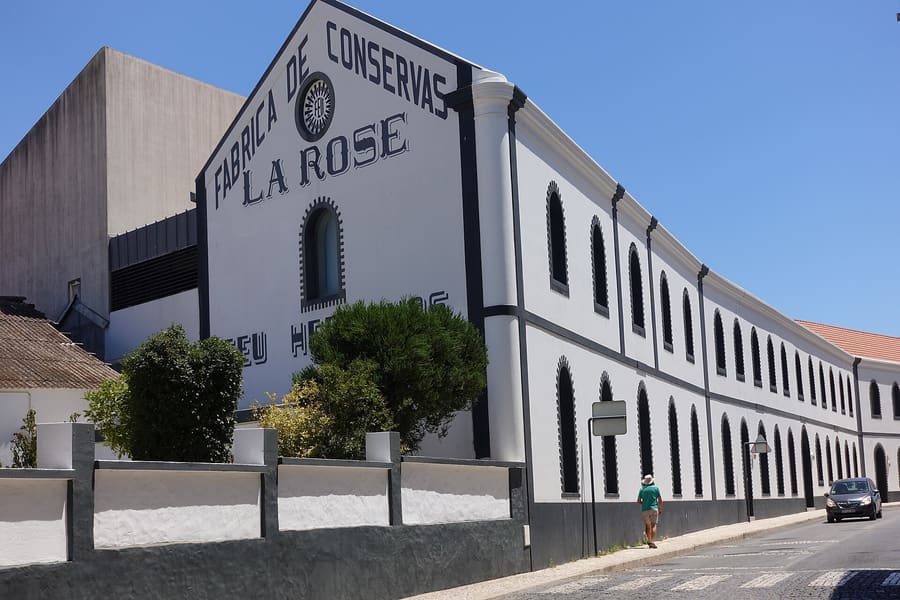
landmark
Set inside a restored 19th-century sardine cannery. Demonstrates the assembly line and fish canning history.
Parley से पूछें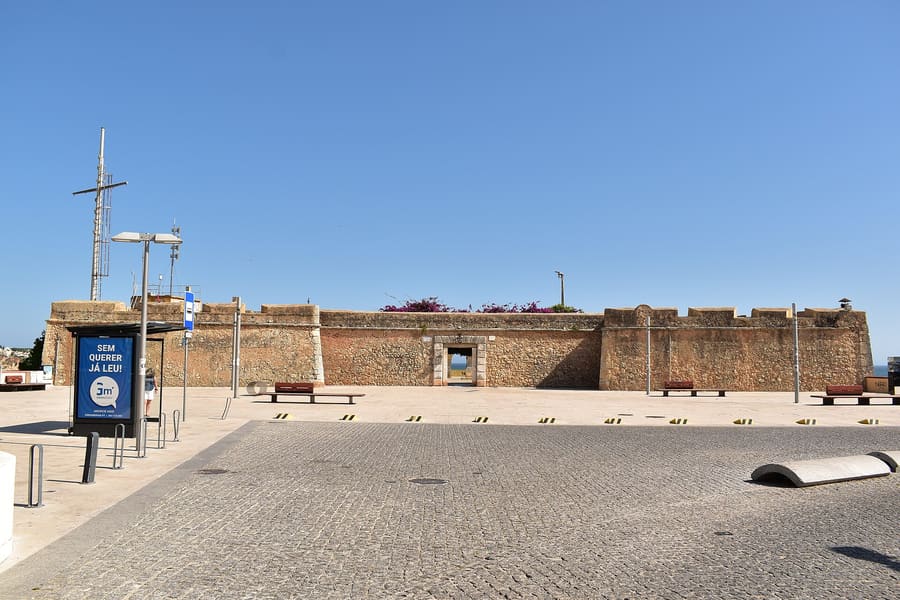
landmark
17th-century coastal fort built to defend the Arade estuary. Free admission with views over the marina and ocean.
Parley से पूछें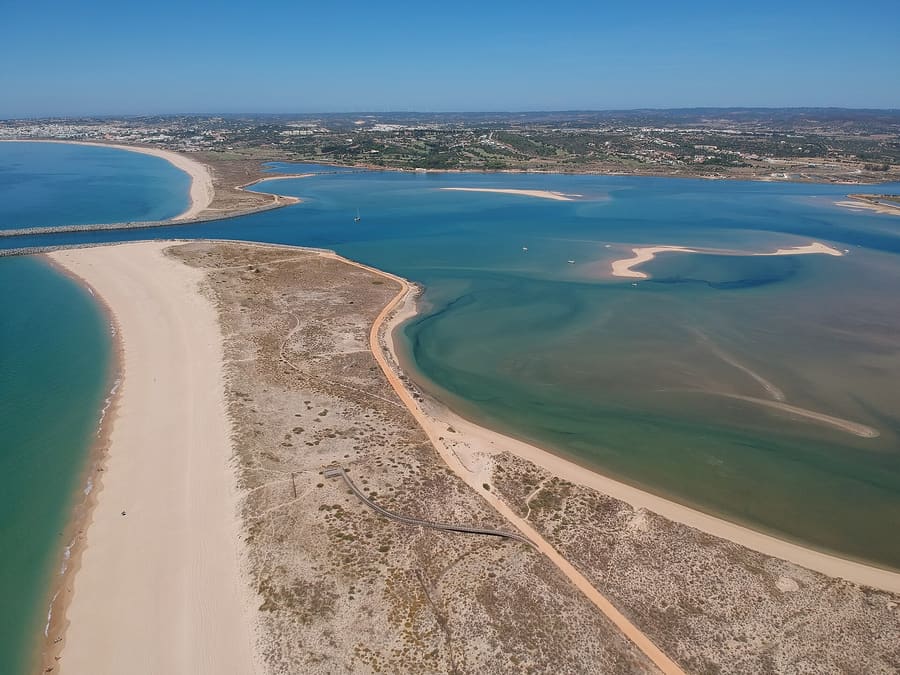
landmark
Miles of elevated wooden walkways crossing the Ria de Alvor nature reserve. Flat and ideal for birdwatching.
Parley से पूछें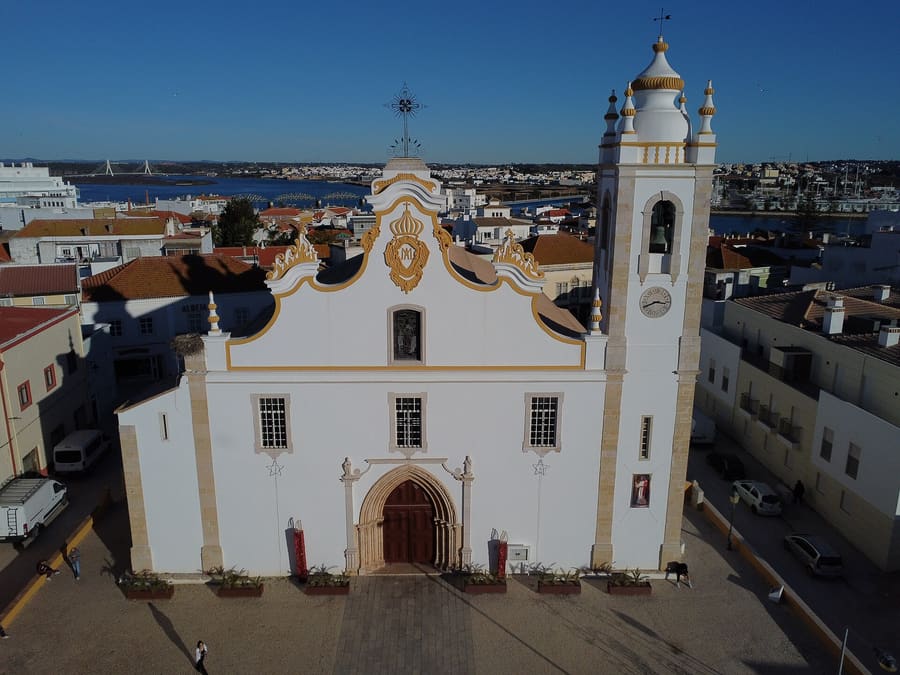
landmark
15th-century parish church preserving original Gothic arches. Located in a quiet plaza in the historic core.
Parley से पूछेंattractions
areas
High-rise resort strip, lively nightlife, direct beach stairs.
पास मेंSanta Catarina fortress and marina.
Parley से पूछेंQuiet residential alleys, traditional bakeries, local shops.
पास मेंIgreja Matriz and Alameda plaza.
Parley से पूछेंOpen river promenade, sardine smell from open grills, dock views.
पास मेंMuseu de Portimão and river dock.
Parley से पूछेंLow-rise fishing village vibe, estuary lagoon, boardwalk trails.
पास मेंAlvor lagoon boardwalk and Ria de Alvor.
Parley से पूछेंfood
Portimão is the sardine capital of the western Algarve. From June to August, the fish reach peak fat content and are grilled whole with coarse sea salt right beside the old harbor bridge. Local tradition pairs them with boiled potatoes and a salad of roasted peppers dressed in olive oil and vinegar. Beyond sardines, cataplana copper pots steam local clams, monkfish, and prawns over low heat.
Sardinhas assadas served fresh off open charcoal grills along the riverfront.
TANAKA Juuyoh (田中十洋) · CC BY 2.0August brings the annual Festival da Sardinha to the riverfront promenade with live music and outdoor charcoal grilling.
Fishing fleets rest on Sunday nights, meaning restaurants serve day-old or frozen stock on Mondays.
Traditional fish places under the Arade bridge prefer cash or local Portuguese Multibanco cards over credit cards.
history
Portimão grew as a commercial trading port at the mouth of the Arade River, exporting salted fish and dried fruit. In the 19th and 20th centuries, industrial canning factories lined the riverbank, driving the city's economy. As industrial fishing shifted in the late 20th century, the city repurposed its riverfront and developed Praia da Rocha into a premier coastal tourist center.
Royal charter
King Afonso V grants a charter founding Vila Nova de Portimão to secure the Arade river mouth.
Earthquake damage
The Great Earthquake damages historic structures, prompting rebuilds of municipal fortresses.
Canning boom
Dozens of fish canning factories open along the riverbank, processing canned sardines for export.
Resort origins
Praia da Rocha emerges as an early beach resort destination, attracting winter visitors.
Museum opening
The former Feu cannery reopens as the municipal museum, preserving local maritime heritage.
where to stay
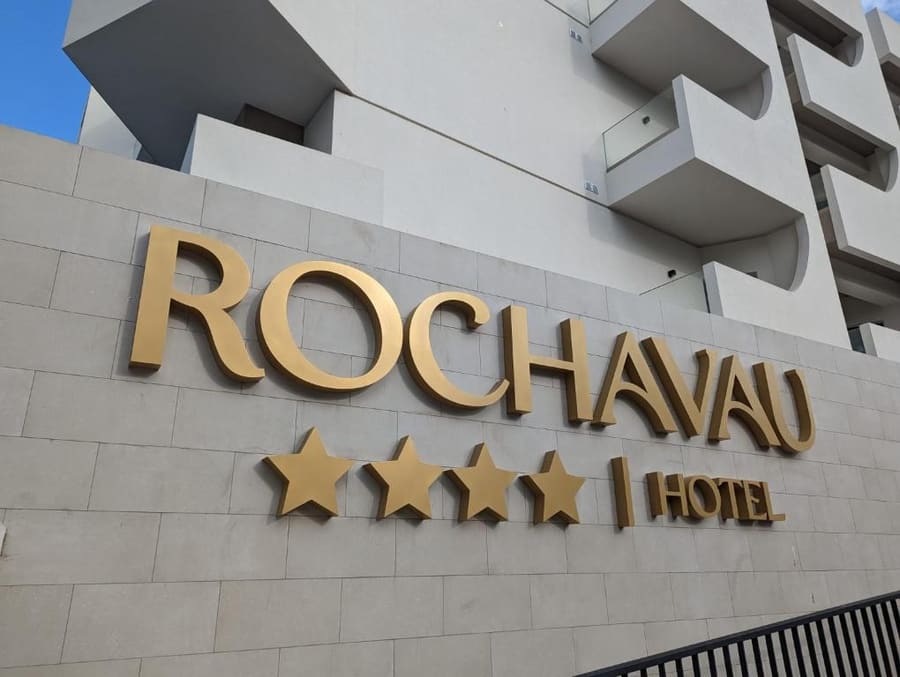
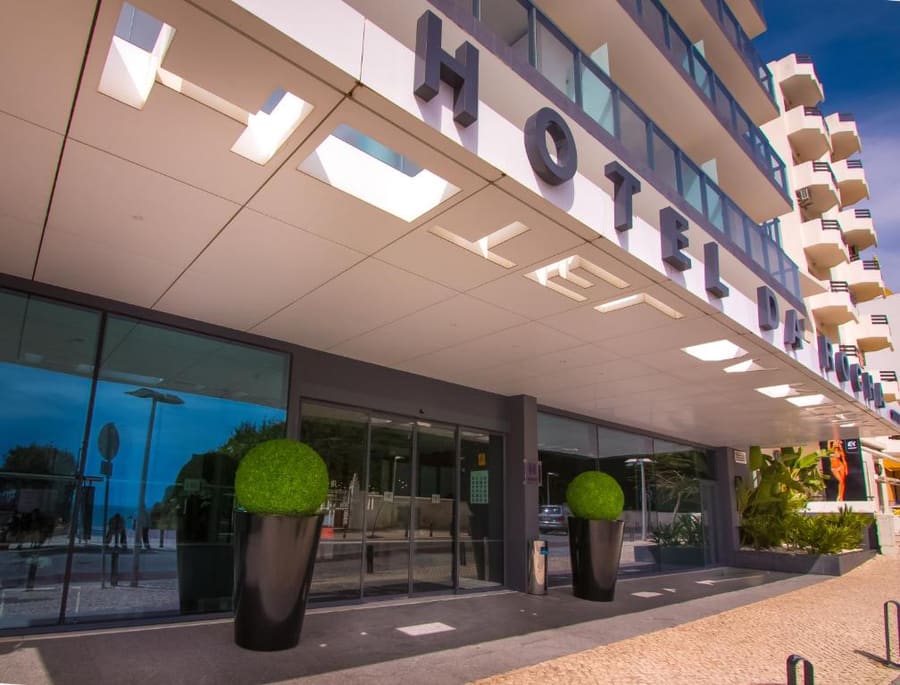
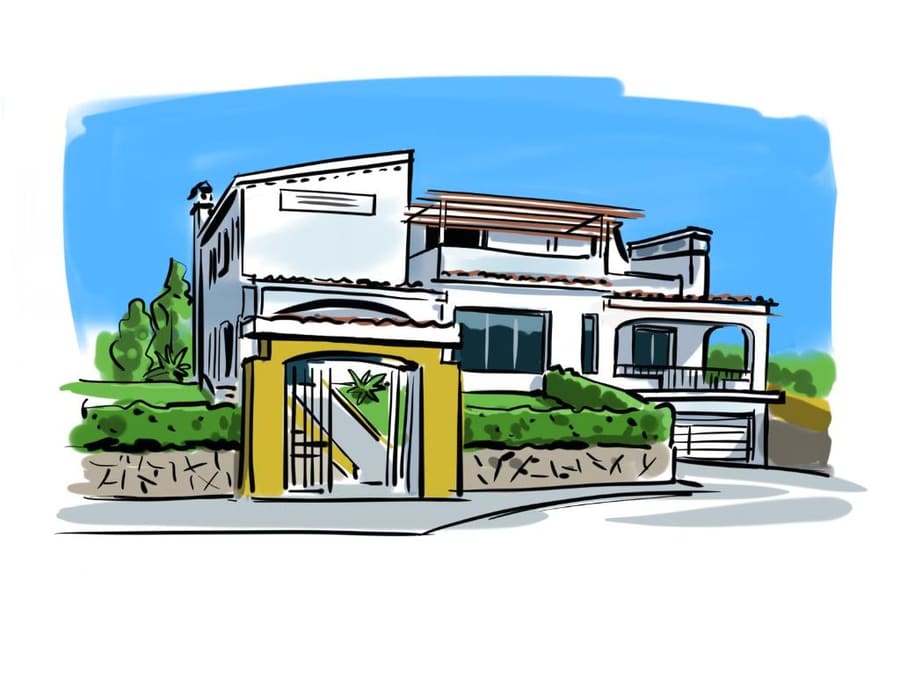
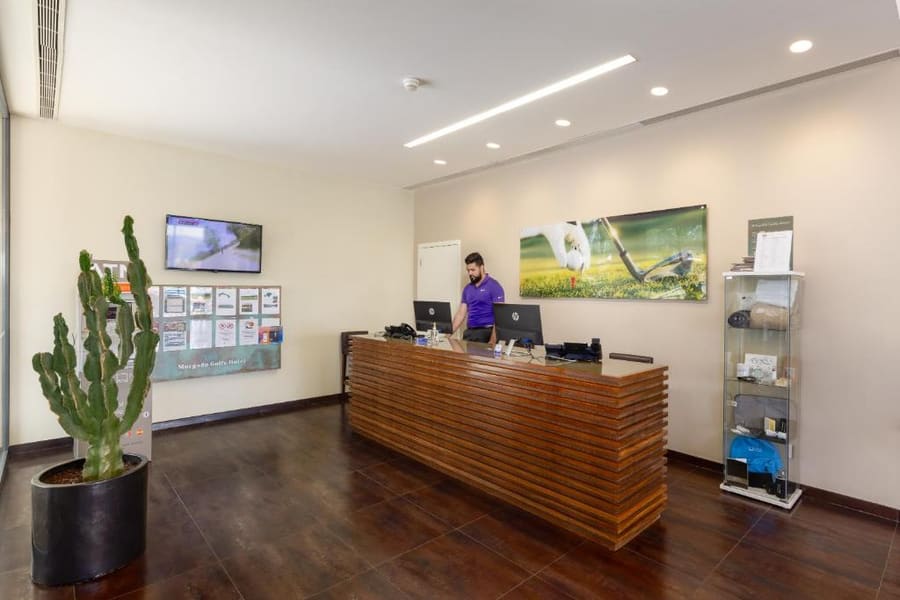
Choose your location based on daily priorities: immediate beach access or practical city convenience. Staying at Praia da Rocha puts you steps from the sand, but means living among high-rise towers and summer night noise. The old town and Zona Ribeirinha offer lower prices and local bakeries, but require a bus ride or a 25-minute uphill walk to reach the ocean.
Live rates, matched to the areas above.
transport
Portimão relies on two hubs: the central bus/rail station in the north and the beach resort area in the south. Local public transport is clean and straightforward, though walking between the town center and the beach involves a modest elevation gain.
Faro Airport (FAO) से
Vamus Aerobus Line 56 links the airport directly to Portimão without changing at Faro.
Uber and Bolt operate from the dedicated airport pickup parking zone.
Pre-book door-to-door service if travelling with heavy luggage or small children.
The city's local bus system connects the old town to Praia da Rocha every 15 to 30 minutes.
Pay exact cash to the bus driver or buy multi-ride passes at the main transit kiosk on Avenida Guanaré.
Walking from the old town down to Praia da Rocha takes roughly 25 minutes along paved sidewalks.
Municipal bus routes stop running around 20:30; use Uber or Bolt for late returns from beach bars.
cost
Portimão offers reasonable prices compared to luxury central Algarve resorts. Eating inland in the old town keeps costs low, whereas beach-front dining carries a steep location markup.
Includes 5 to 6 sardines, boiled potatoes, and roasted pepper salad along the river.
Covers two beach loungers and one shade umbrella at Praia da Rocha.
Flat fare purchased onboard directly from the driver.
Standard price in old town cafes; expects to pay €2.00 on the ocean boardwalk.
seasonality
MAR – MAY
Mild sunny weather with cool Atlantic waters. Ideal for coastal hiking without oppressive heat.
JUN – AUG
Warm ocean swimming and maximum crowds. Sardines are at peak quality; book hotel rooms early.
SEP – OCT
Warm ocean temperatures remain with thinner crowds. Great balance of beach days and fair prices.
NOV – FEB
Quiet winter season with occasional rain. Beach strip businesses close, but old town functions normally.
practicalities
Keep distance from the base and edges of ochre cliffs at Praia da Rocha due to rockfall risk.
Avoid standalone yellow Euronet ATMs on the beach strip; use bank ATMs like CGD to avoid high surcharges.
Traditional shops in the old town close for lunch between 13:00 and 15:00 and close early on Saturdays.
Afternoon ocean winds (Nortada) blow strongly on broad beaches; rent a sheltered sunbed or find cove beaches.
Atlantic ocean waters can have heavy undertows; restrict swimming to zones monitored by active lifeguards.