landmark
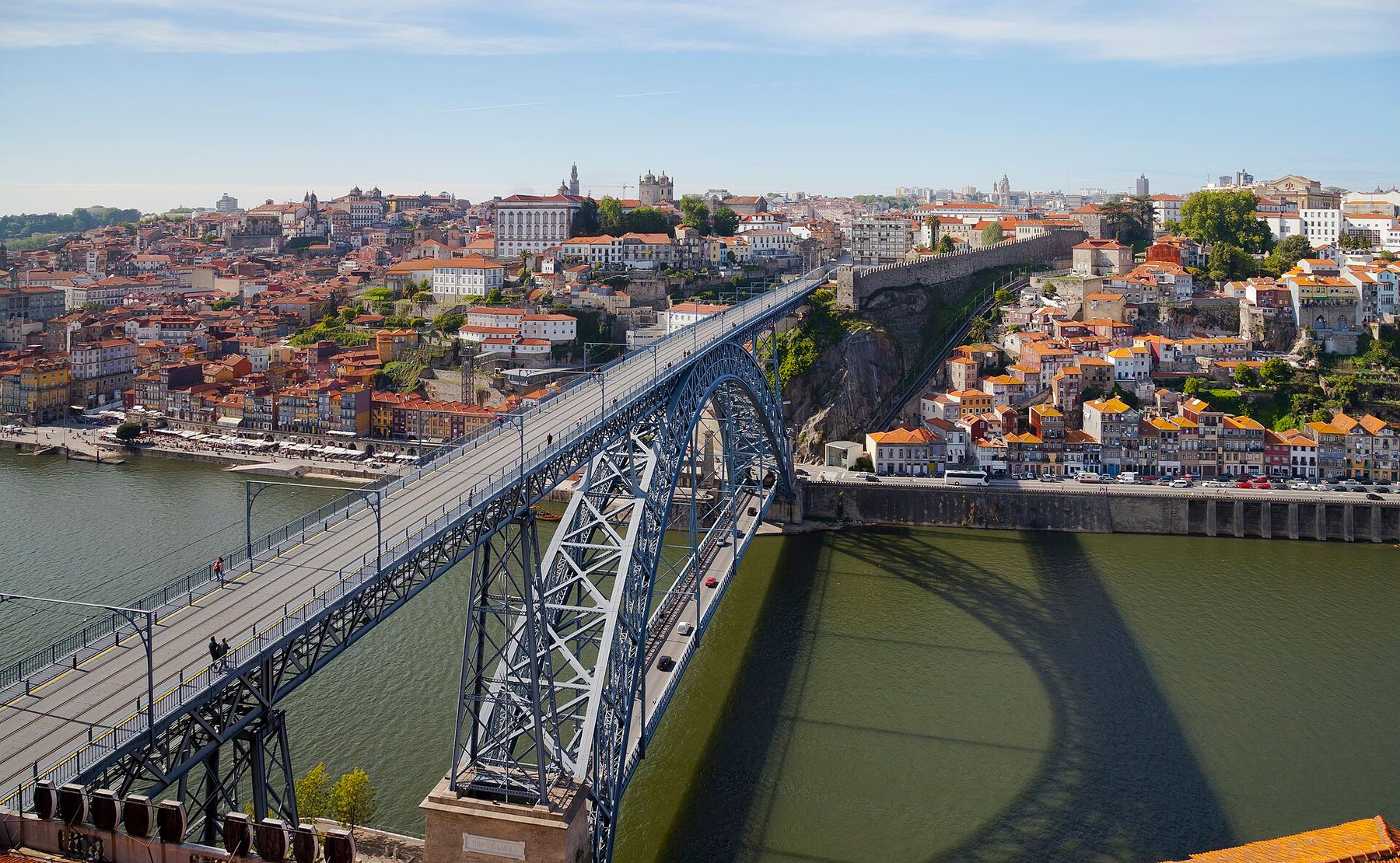
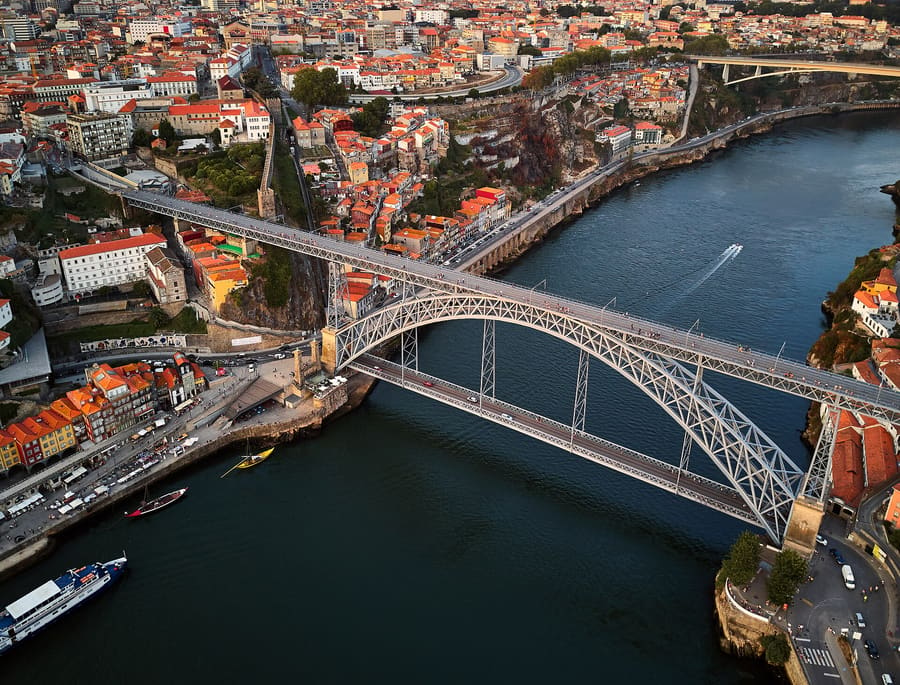
Dom Luís I Bridge
Teophile Seyrig designed this double-deck iron arch bridge in 1886. Walk the upper deck at sunset for views over Vila Nova de Gaia.
Parley से पूछेंपुर्तगाल
Granite hills, fortified wine, and steep Atlantic urbanity.
introduction
Porto clings to granite cliffs above the Douro River near the Atlantic coast. You move through the city on foot by climbing stone staircases or riding steep public funiculars. The city rewards effort with clear lines of sight across tile-faced facades and deep river ravines. Expect brisk sea winds, heavy red wines, and dense urban terrain.
Airport metro connection
Metro Line E runs from Francisco Sá Carneiro Airport to Trindade station in 27 minutes for under €3.
UNESCO Historic Centre
Porto historic centre gained UNESCO World Heritage status in 1996 for its continuous medieval street layout.
Andante ticket system
Buy an Andante card at airport machines and validate it before every journey to avoid a €120 fine.
Porto
Alvesgaspar · CC BY-SA 4.0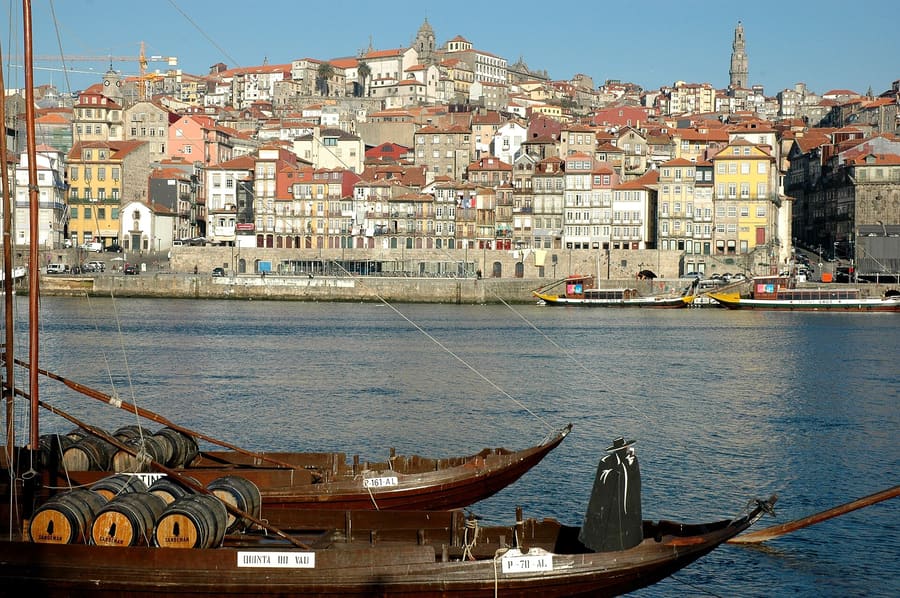
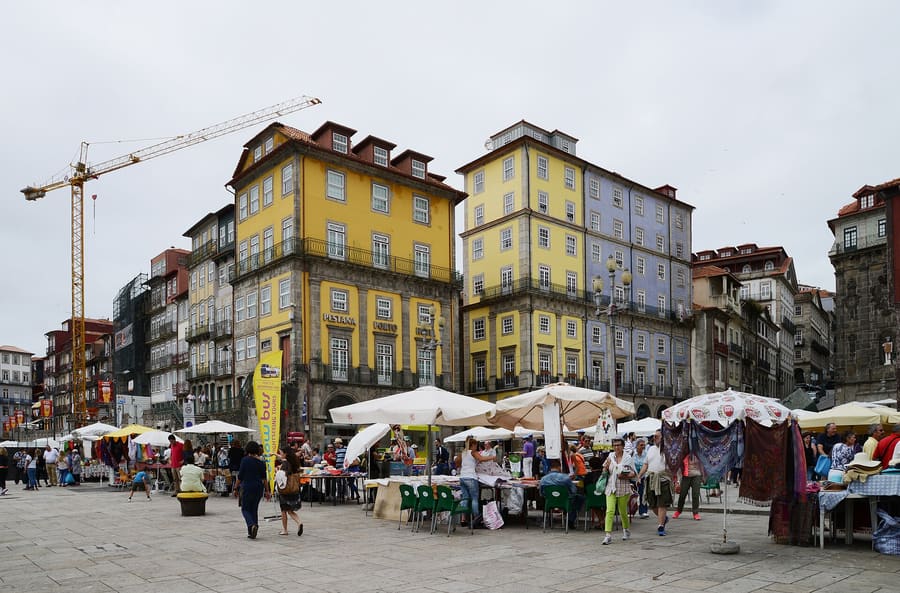
Ribeira — Densely packed waterfront houses, granite arcades, and steep river vistas.
Josep Renalias · CC BY-SA 3.0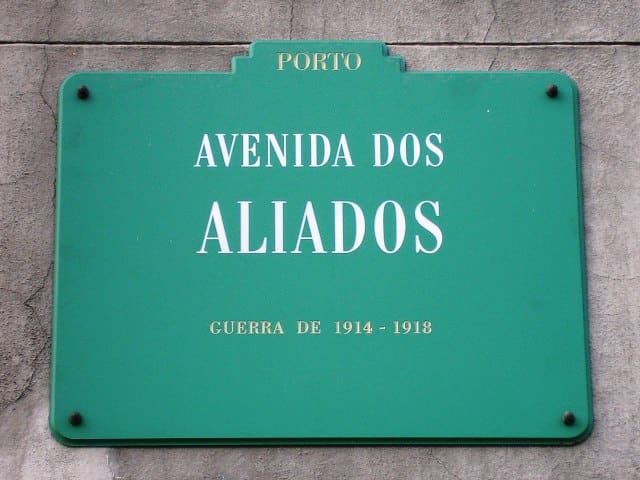
Baixa & Bolhão — Commercial heart with traditional markets, grand plazas, and metro nodes.
Manuel de Sousa · Public domain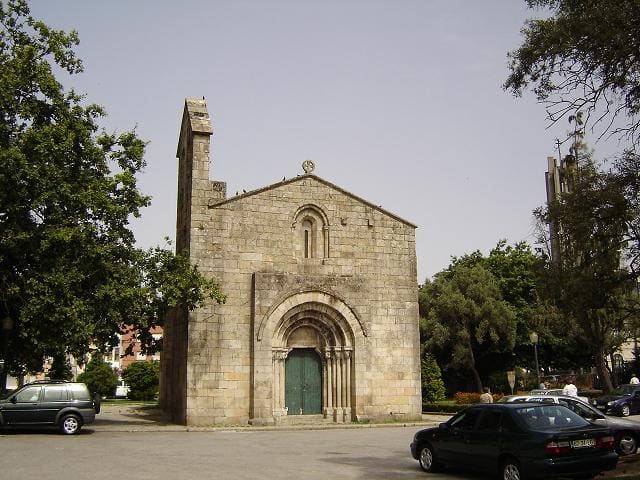
Cedofeita — Creative art district with independent galleries, design shops, and quiet residential lanes.
pt:usuário:JoaoMiranda · CC BY-SA 3.0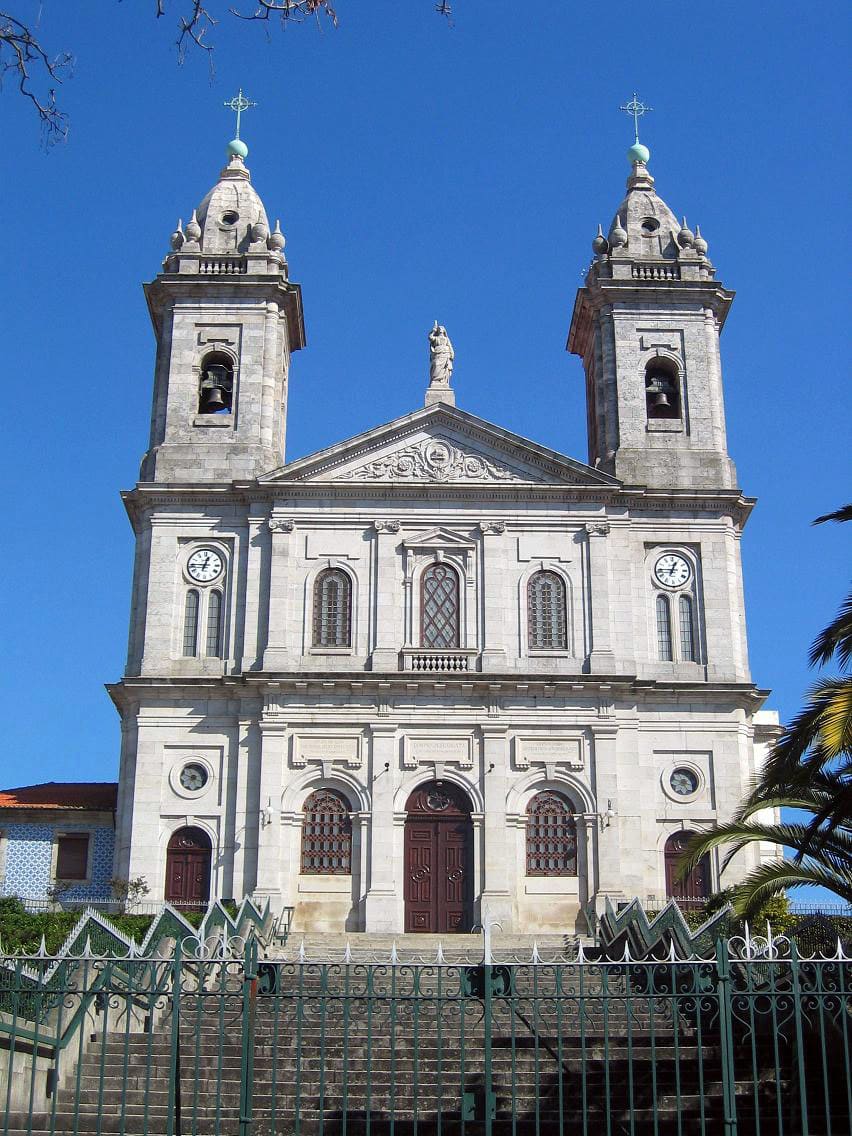
Bonfim — Residential neighborhood with traditional bakeries, local craft breweries, and authentic dining.
Henrique Matos · CC BY 2.5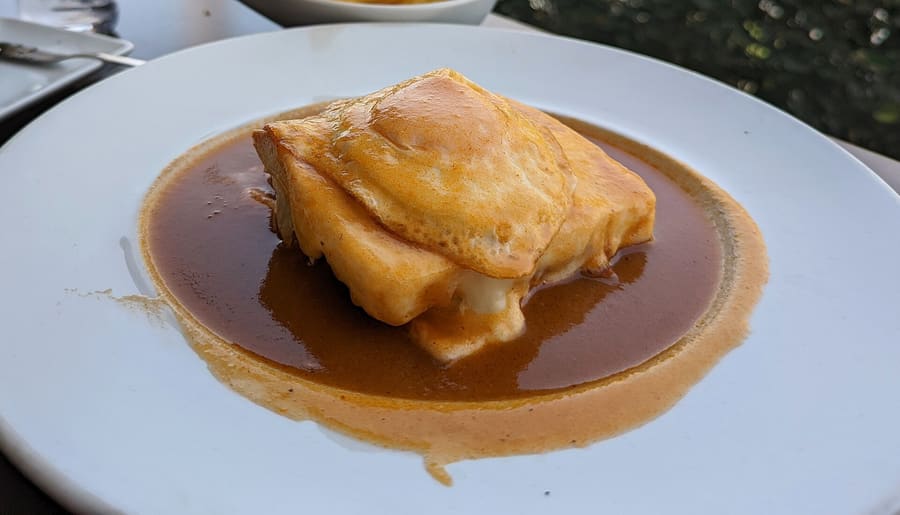
Francesinha served hot with a fried egg and fries in Porto.
TheRealDapperDan · CC BY-SA 4.0highlights
landmark
Teophile Seyrig designed this double-deck iron arch bridge in 1886. Walk the upper deck at sunset for views over Vila Nova de Gaia.
Parley से पूछें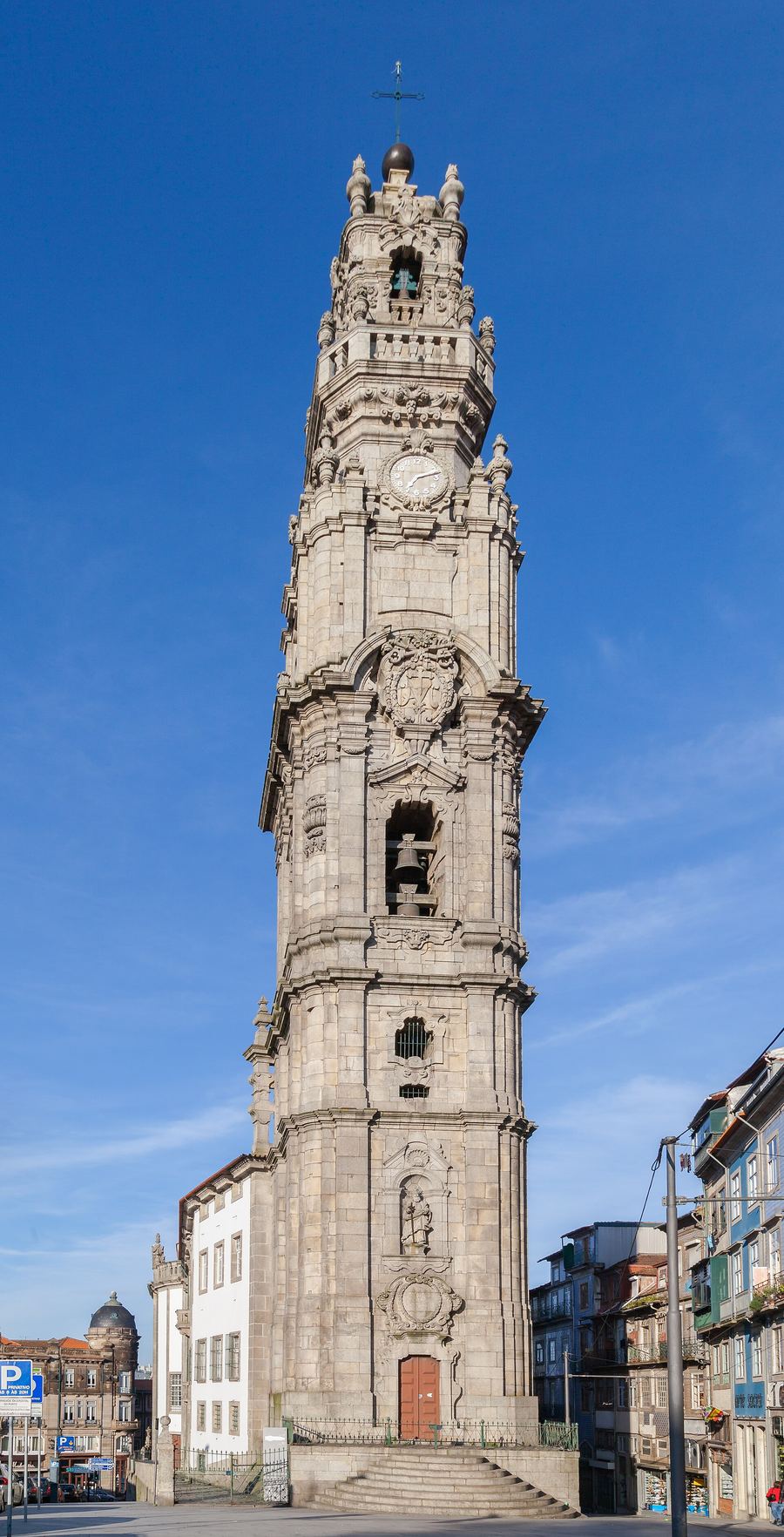
landmark
Nicolau Nasoni built this 75-metre baroque granite tower in 1763. Climb 225 steps for panoramic views across the city rooftops.
Parley से पूछें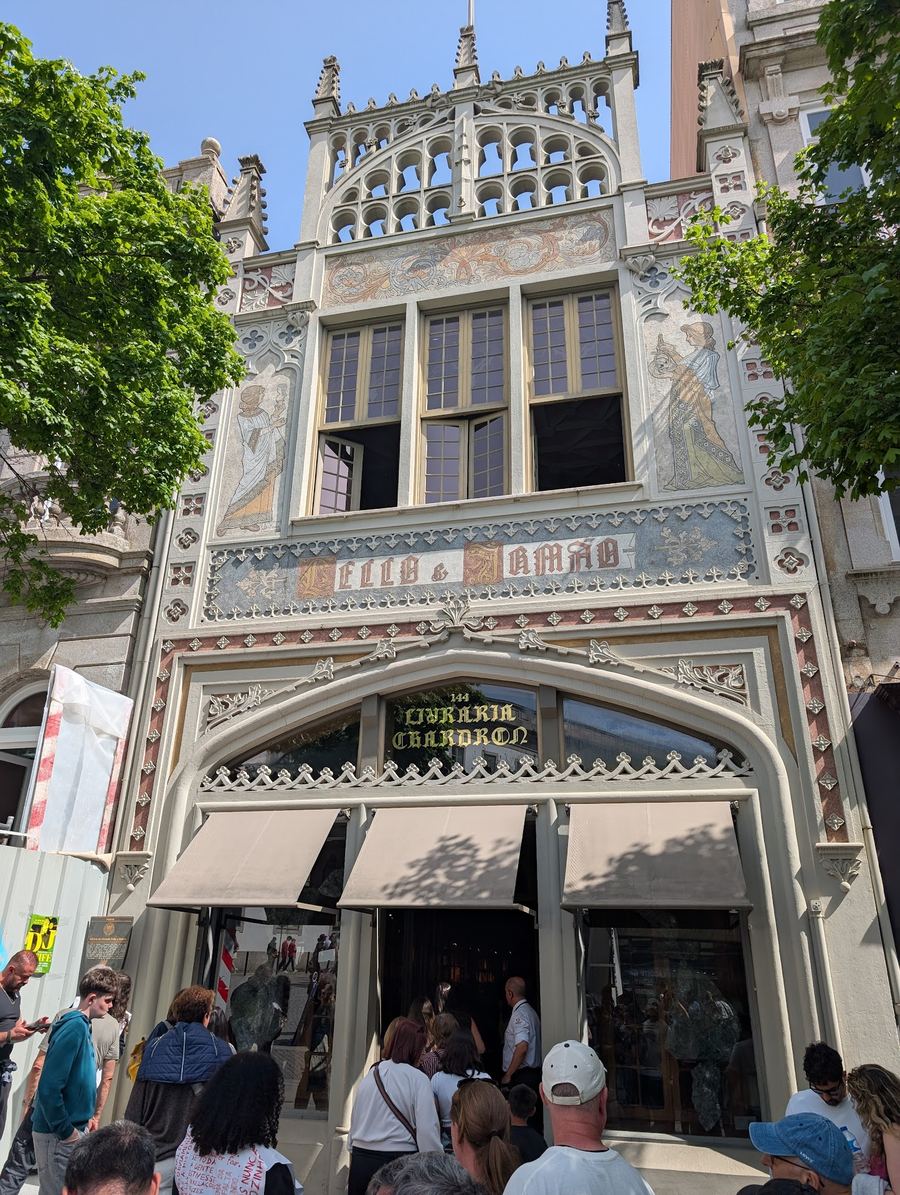
landmark
Neo-Gothic bookstore famous for its carved crimson staircase. Buy your entry voucher online in advance to skip the main sidewalk line.
Parley से पूछें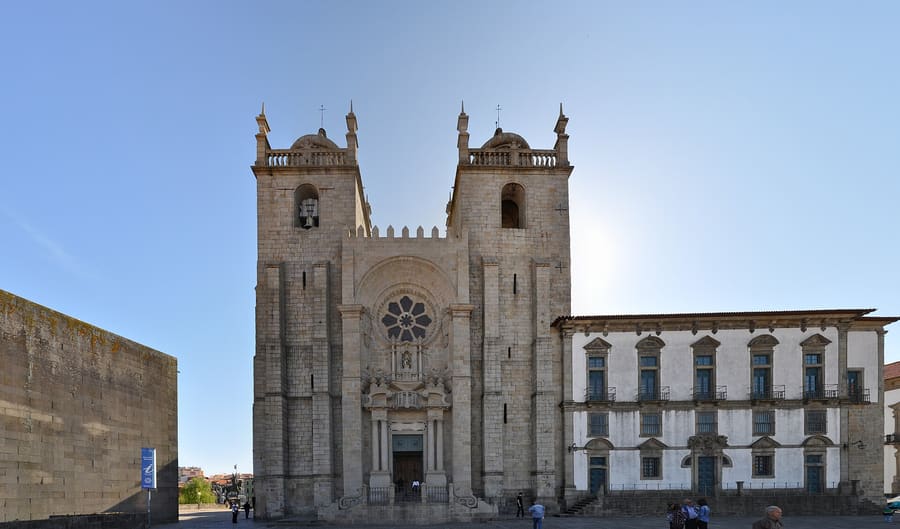
landmark
Twelfth-century fortress cathedral featuring a 14th-century Gothic cloister decorated with blue and white azulejo tiles.
Parley से पूछें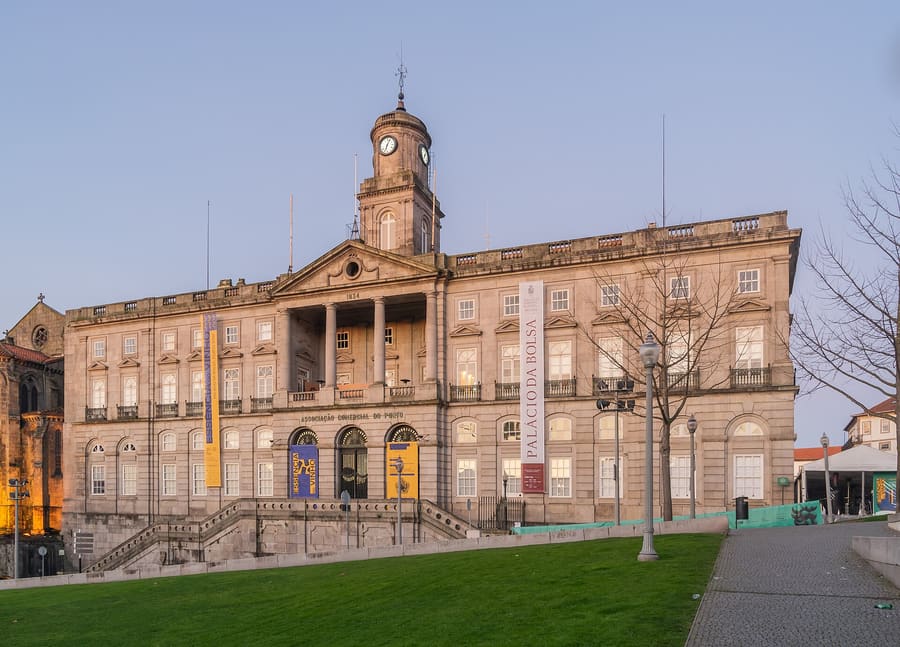
landmark
Nineteenth-century stock exchange building built over a Franciscan monastery. Book guided tours in advance to enter the Moorish Revival hall.
Parley से पूछें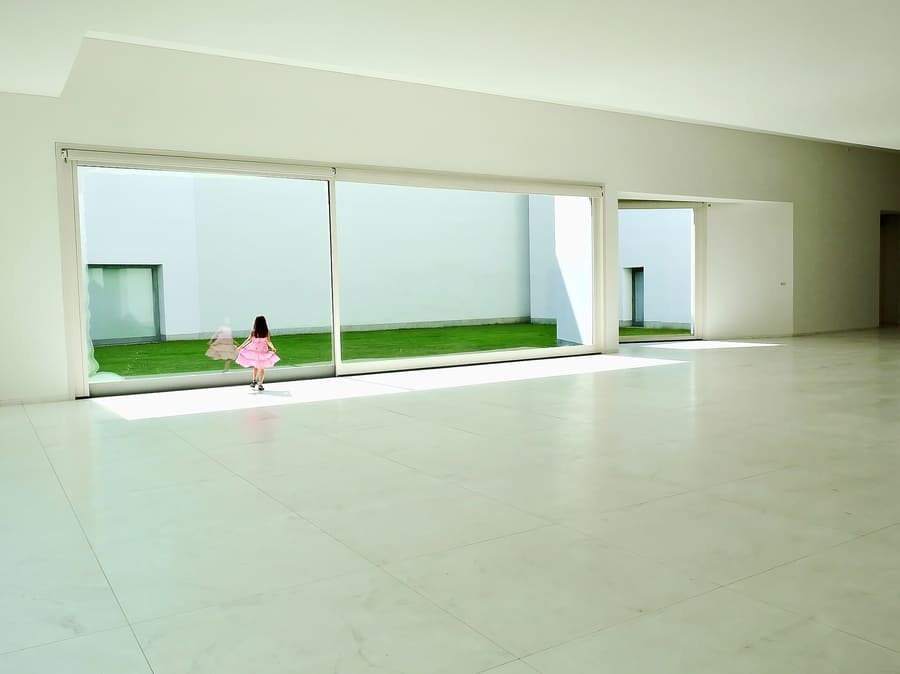
landmark
Álvaro Siza Vieira designed this contemporary art museum set within an 18-hectare park. Take bus 201 or 203 directly from central Porto.
Parley से पूछेंattractions
areas
Densely packed waterfront houses, granite arcades, and steep river vistas.
पास मेंDom Luís I Bridge and the river docks.
Parley से पूछेंCommercial heart with traditional markets, grand plazas, and metro nodes.
पास मेंTrindade Station and Mercado do Bolhão.
Parley से पूछेंCreative art district with independent galleries, design shops, and quiet residential lanes.
पास मेंRua Miguel Bombarda galleries and Crystal Palace Gardens.
Parley से पूछेंResidential neighborhood with traditional bakeries, local craft breweries, and authentic dining.
पास मेंCampanhã train station and Fontainhas viewpoint.
Parley से पूछेंfood
Porto cooking relies on offal, cod, and heavy sauces designed to sustain industrial dockworkers. The flagship dish is the francesinha, a multi-layer meat sandwich covered in melted cheese and a spiced beer-and-tomato gravy. Local taverns, known as tascas, serve tripe stew (tripas à moda do Porto) and grilled sardines without pretense.
Francesinha served hot with a fried egg and fries in Porto.
TheRealDapperDan · CC BY-SA 4.0Select a restaurant like Cervejaria Brasão or Regaleira that makes gravy in-house rather than using commercial mixes.
Traditional tascas serve lunch strictly between 12:30 and 15:00. Kitchens close promptly before evening service.
Bread, olives, and cheese brought to your table are not free gifts. Send them back immediately if you do not wish to pay for them.
history
Porto grew as a Roman trading post named Portus Cale, which later gave Portugal its name. The city built its wealth on medieval shipbuilding and the export of Douro fortified wines to England under the 1703 Methuen Treaty. Its citizens earned the nickname Tripeiros in 1415 after donating all quality meat to Prince Henry the Navigator's expeditionary fleet.
City Charter Granted
Bishop Hugo grants the first city charter, establishing local administrative rights distinct from royal control.
Treaty of Windsor
Portugal and England sign an alliance that establishes centuries of trade in Douro fortified wine.
Douro Wine Region Demarcated
Marquês de Pombal creates the world's first formal wine classification system to protect Port quality.
Republican Uprising
Porto citizens lead the country's first military revolt against the monarchy along Rua de Santo António.
where to stay
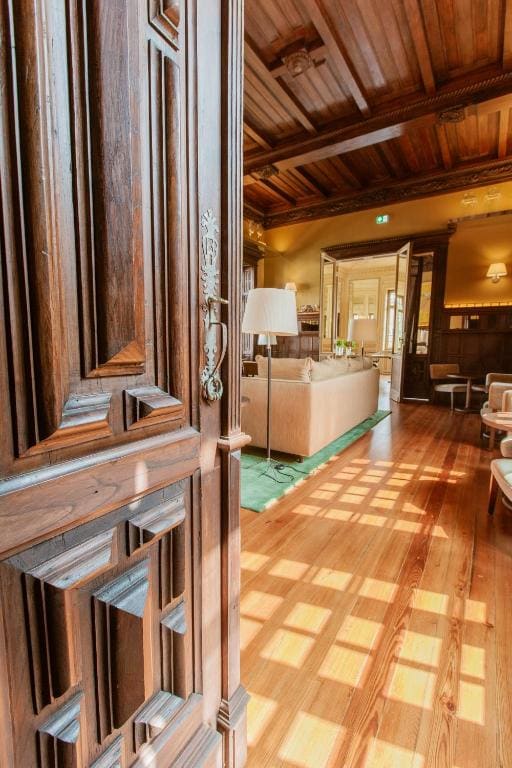
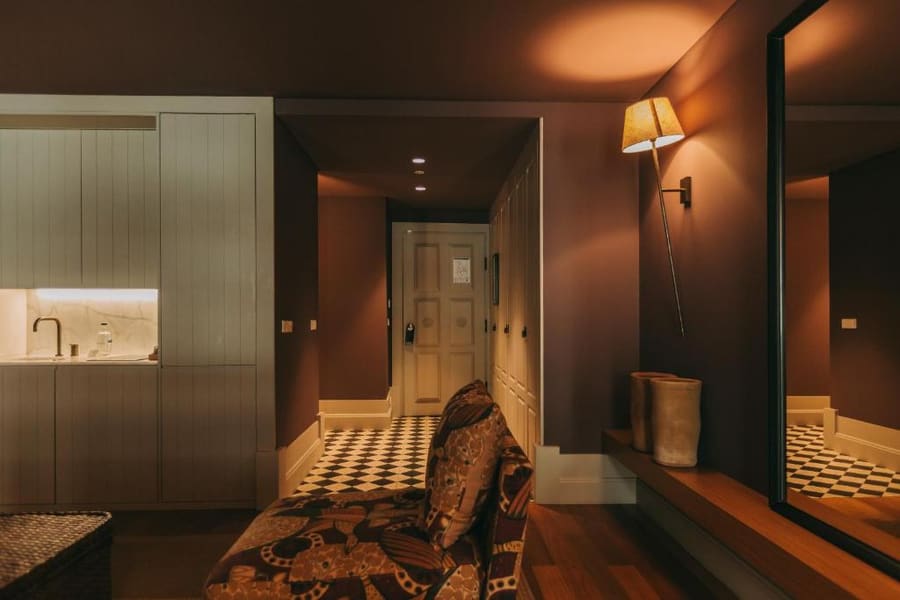
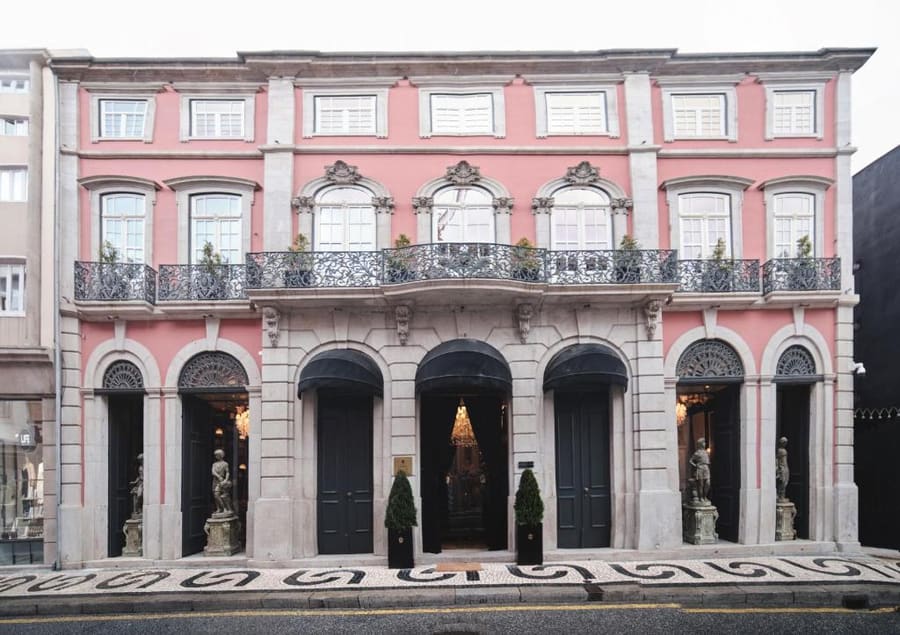
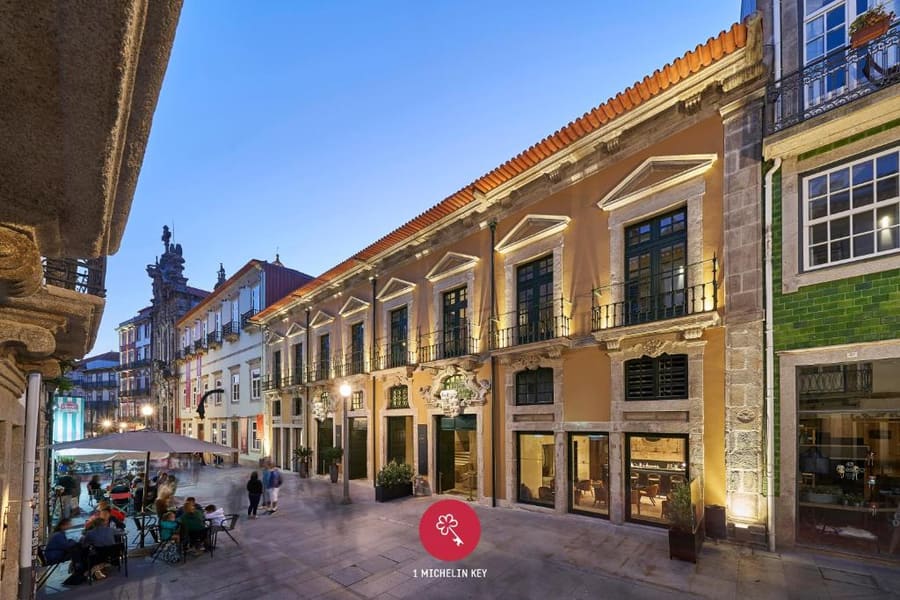
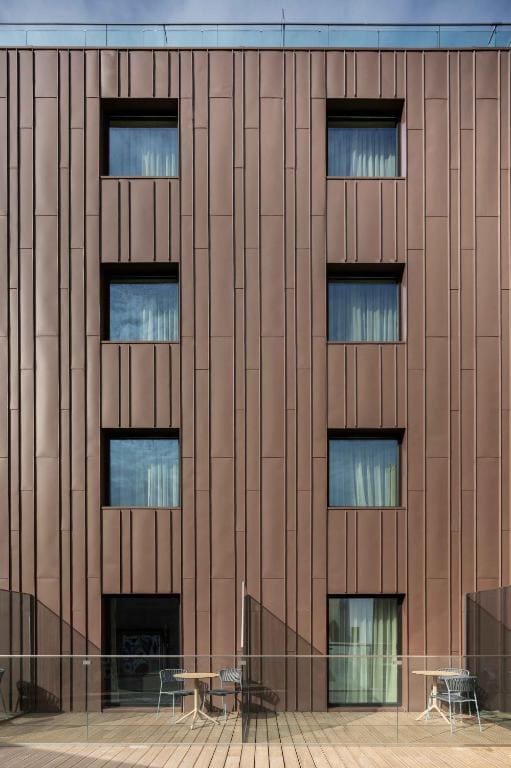
Choose your accommodation based on elevation and hill tolerance. Staying in Ribeira places you near the river but requires climbing steep hills every time you head north. Staying in Baixa or Cedofeita keeps you on flatter ground near central metro connections.
Live rates, matched to the areas above.
transport
Porto transit relies on a modern light-rail metro, urban buses, and steep outdoor lifts. Walking is the fastest option for short distances, but the city terrain demands sturdy footwear.
Airport (OPO) से
Official rank outside arrivals. Luggage incurs no extra fee.
Pickup at designated Kiss & Fly zone upstairs in departures.
Airport trips require a Z4 single ticket or a 24-hour Andante Tour pass bought at station machines.
Vintage tram Line 1 links Infante to Passeio Alegre along the river, costing €5 for a single ride on board.
Saves you a steep walk from Ribeira up to Batalha for €4 per ride.
Metro Line D uses the upper deck of the bridge. Pedestrians walk beside the tracks safely.
cost
Porto remains more affordable than Western European capitals, though prices rise significantly along the riverfront.
Expect to pay this range in standard local taverns outside tourist-heavy zones.
Tours and tastings across the river in Gaia vary by wine age and reserve tier.
Standard price standing at local counters throughout central Porto.
Cost depends on the number of transit zones included in your travel plan.
seasonality
MAR – MAY
Mild temperatures and blooming spring gardens. Ideal walking weather with manageable crowd levels.
JUN – AUG
Hot days, clear skies, and warm summer nights. Book accommodation months in advance for peak season.
SEP – OCT
Grape harvest season in the Douro Valley. Pleasant daytime weather with thinning tourist numbers.
NOV – FEB
Cool temperatures and frequent Atlantic rain. Lower hotel rates, but outdoor walking requires waterproof gear.
practicalities
Porto streets are paved with slippery calcada portuguesa granite. Wear flat shoes with good grip.
Many family-run restaurants and independent shops close on Sundays and Mondays.
Cross the Dom Luís I bridge to reach the Port wine lodges. They sit in Gaia, not Porto municipality.
Atlantic sea winds drop evening temperatures sharply along the Douro riverfront.
Strong currents make Atlantic beaches at Foz hazardous for swimming despite calm appearances.