landmark
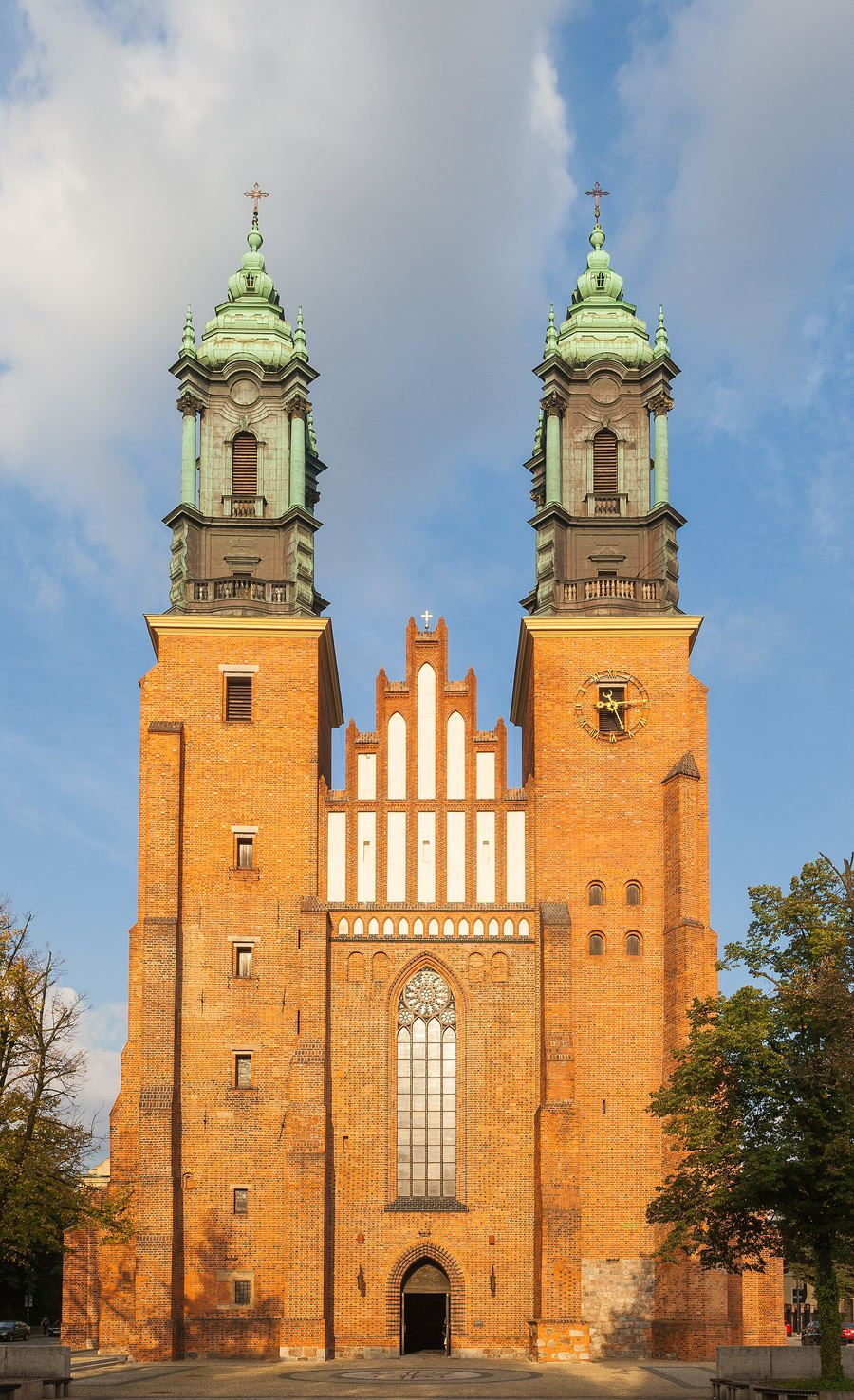
Ostrów Tumski Cathedral
The gothic cathedral stands on an island where Polish statehood began in 966. Crypt admission costs 9 PLN and includes royal tombs.
Parley से पूछेंपोलैंड
Gothic roots, modern craft beer, and heavy pastry.
introduction
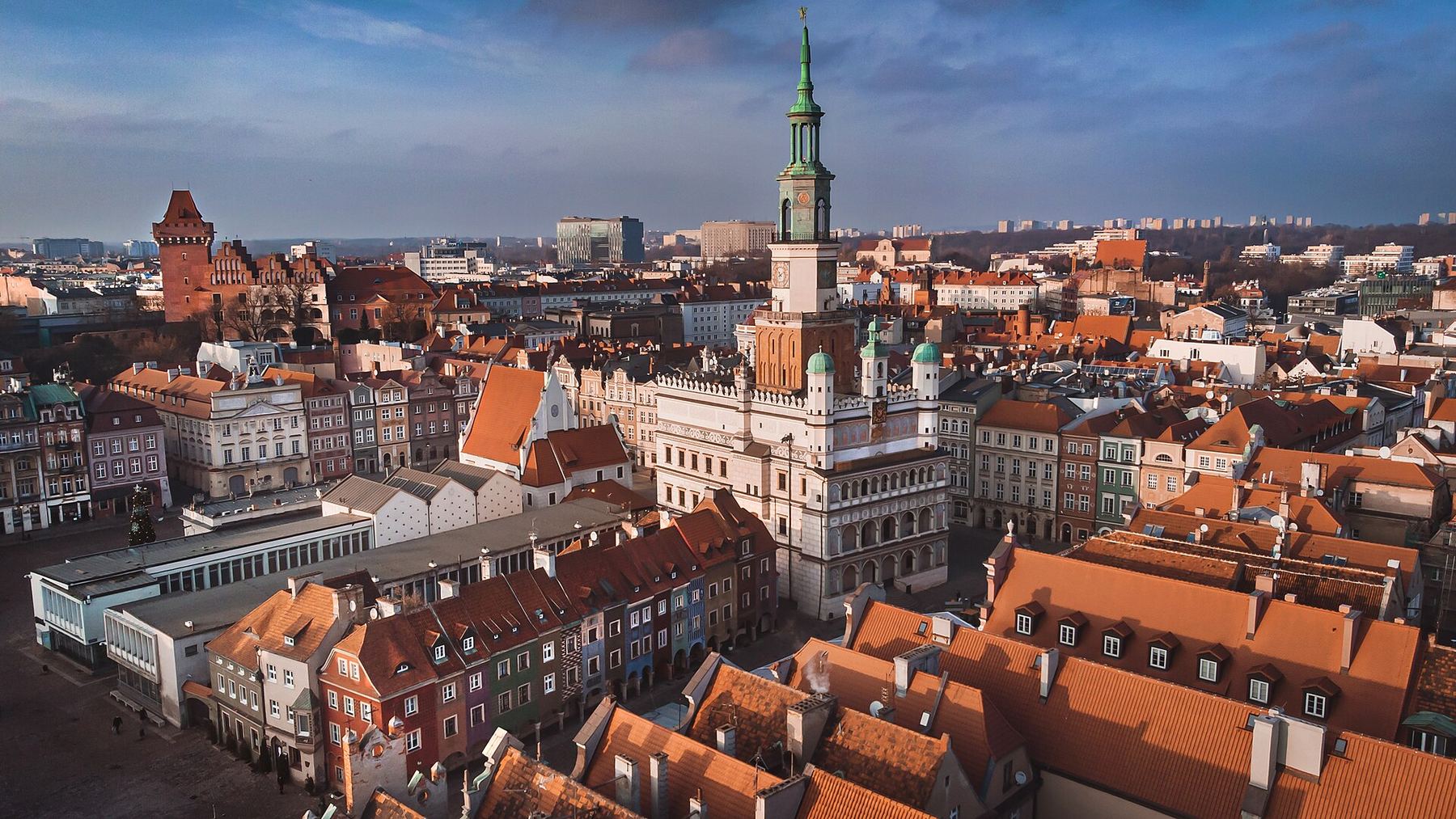
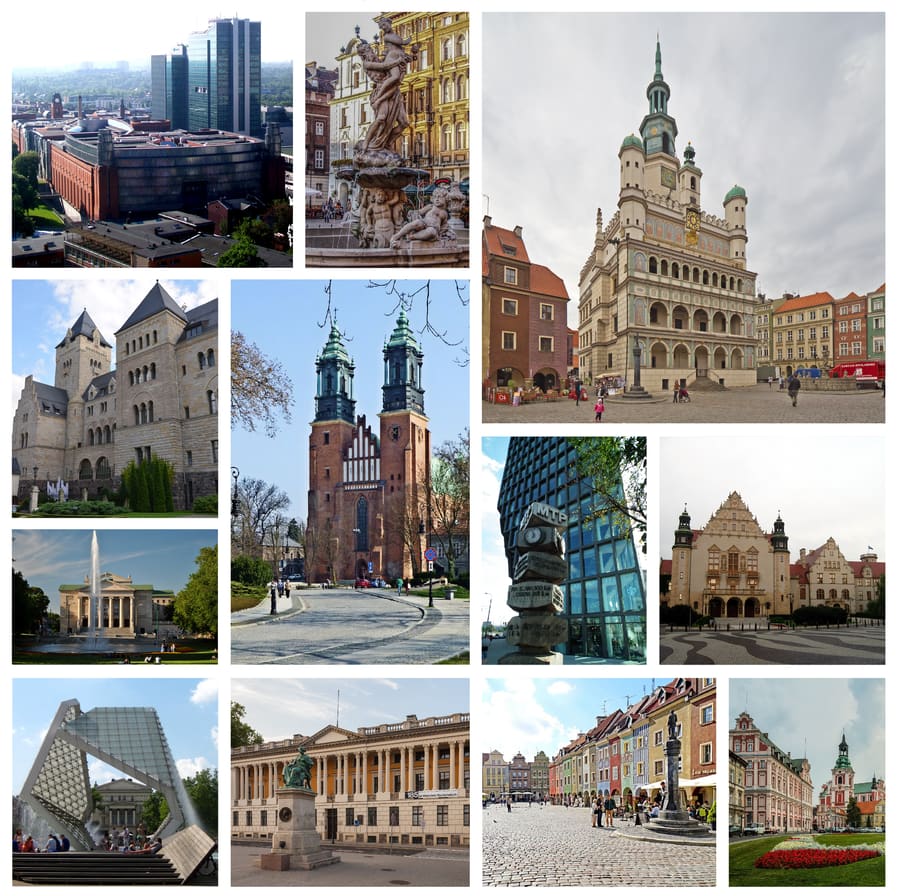
Poznań runs at a steady, pragmatic pace between Warsaw and Berlin. The city center is compact, organised around a restored Renaissance square and an ancient cathedral island. You can cross the core on foot in twenty minutes or take green and yellow trams that arrive on time. It offers serious historical depth without the overwhelming crowds of Kraków.
Airport to rail hub in 20 minutes
Bus line 159 runs direct from Ławica Airport to Poznań Główny in 20 minutes. Tap a bank card at the ticket validator on board.
Poland's oldest cathedral island
Ostrów Tumski holds Poland's earliest cathedral structure. The 10th-century crypt contains tombs of the nation's first Piast monarchs.
Tram tariff optimization
Poznań trams charge by time rather than flat distance. Tap contactless cards at entry and exit validators to pay exact stage fares.
Poznań
Diego Delso · CC BY-SA 4.0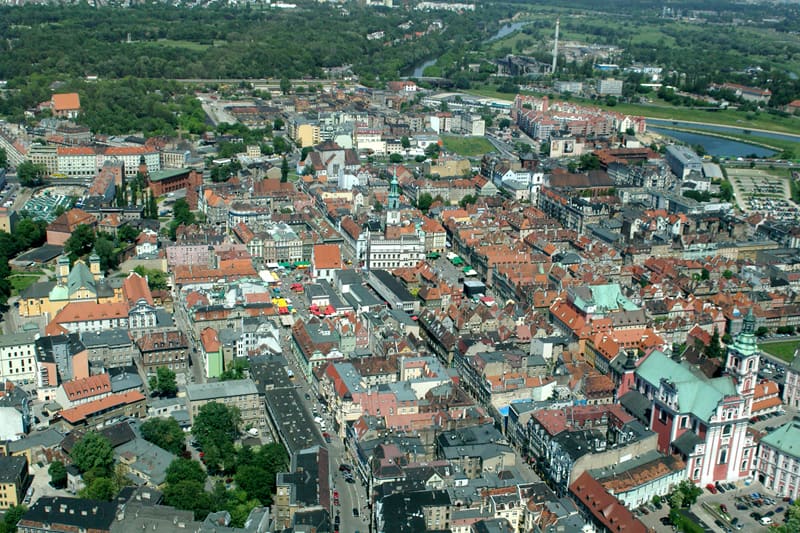
Stare Miasto — Cobblestone grids, restored colorful merchant houses, and late-night bars around the central square.
Monika Mężyńska · CC BY-SA 2.5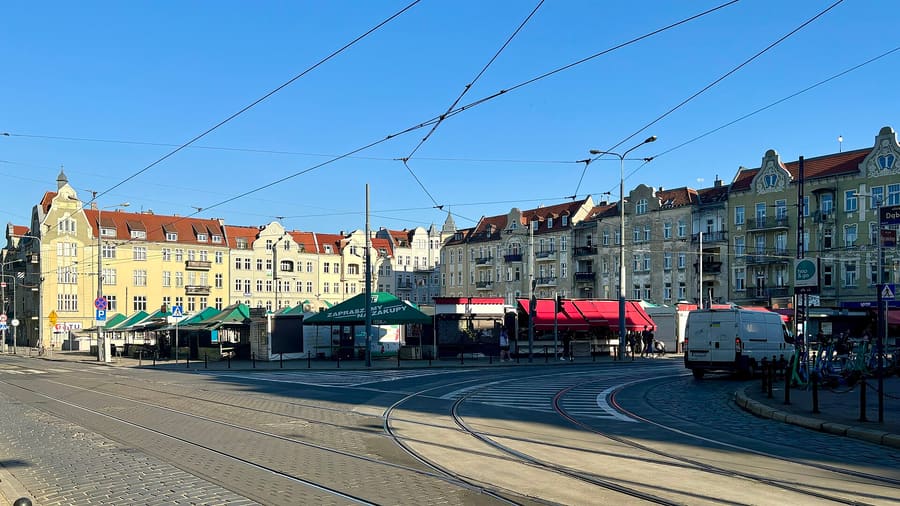
Jeżyce — Art Nouveau apartment blocks filled with specialty coffee shops, vegan bakeries, and market stalls.
Borzpoz · CC0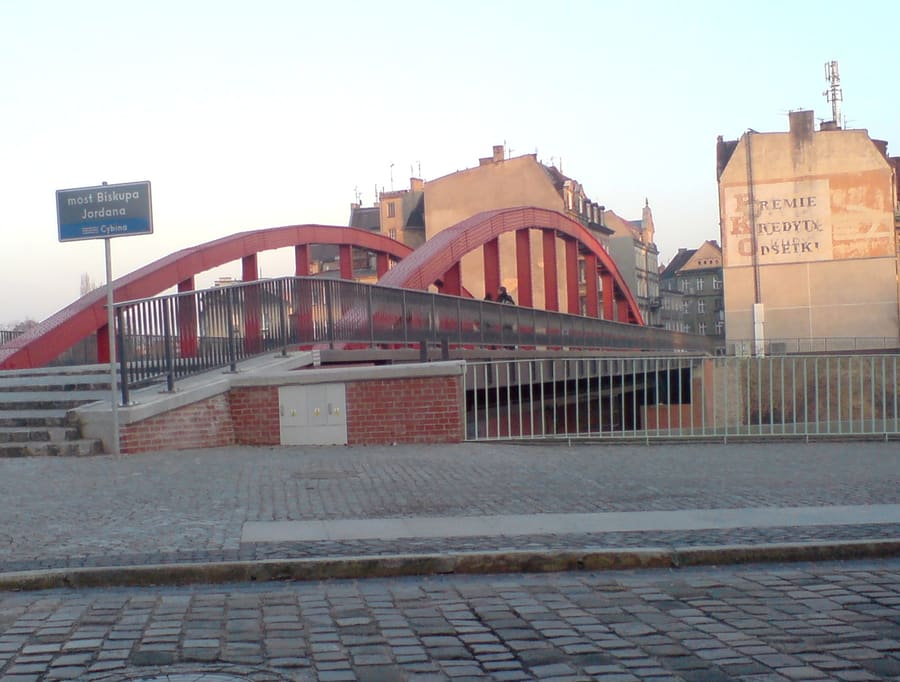
Śródka — A quiet historic district east of the Cybina river known for 3D murals and intimate cafes.
Patnac · CC BY-SA 3.0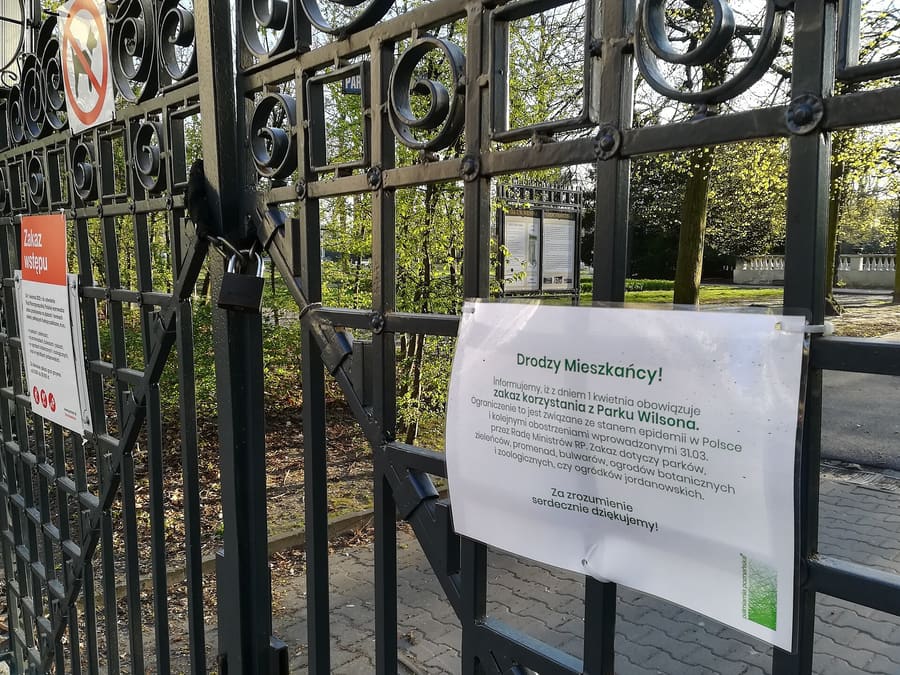
Łazarz — Tree-lined avenues, early 20th-century residential architecture, and botanical greenhouses.
MOs810 · CC BY-SA 4.0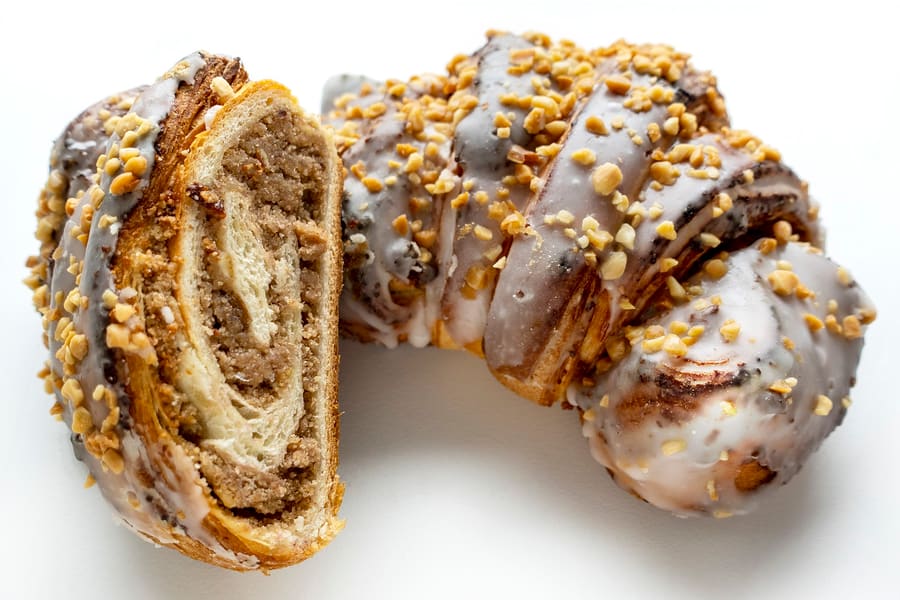
A certified St. Martin croissant, packed with white poppy seed filling and topped with sugar glaze.
Polonist · CC BY 2.0highlights
landmark
The gothic cathedral stands on an island where Polish statehood began in 966. Crypt admission costs 9 PLN and includes royal tombs.
Parley से पूछें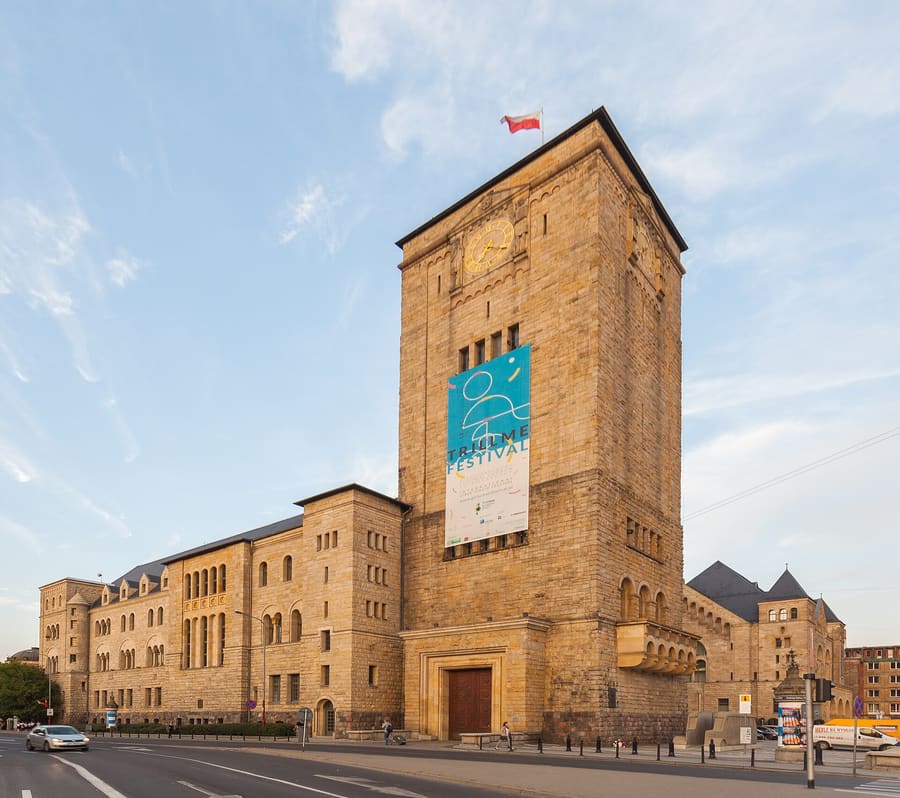
landmark
Built for Kaiser Wilhelm II in 1910, this is Europe's youngest royal palace. The interior now houses an active cultural centre.
Parley से पूछें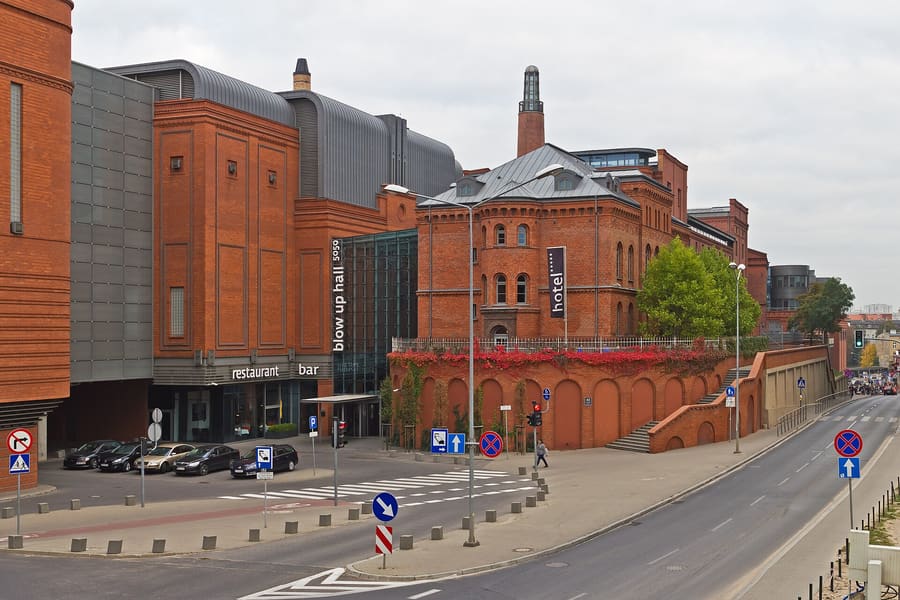
landmark
A 19th-century brick brewery converted into a design gallery and retail space. Public art installations sit beside local coffee shops.
Parley से पूछें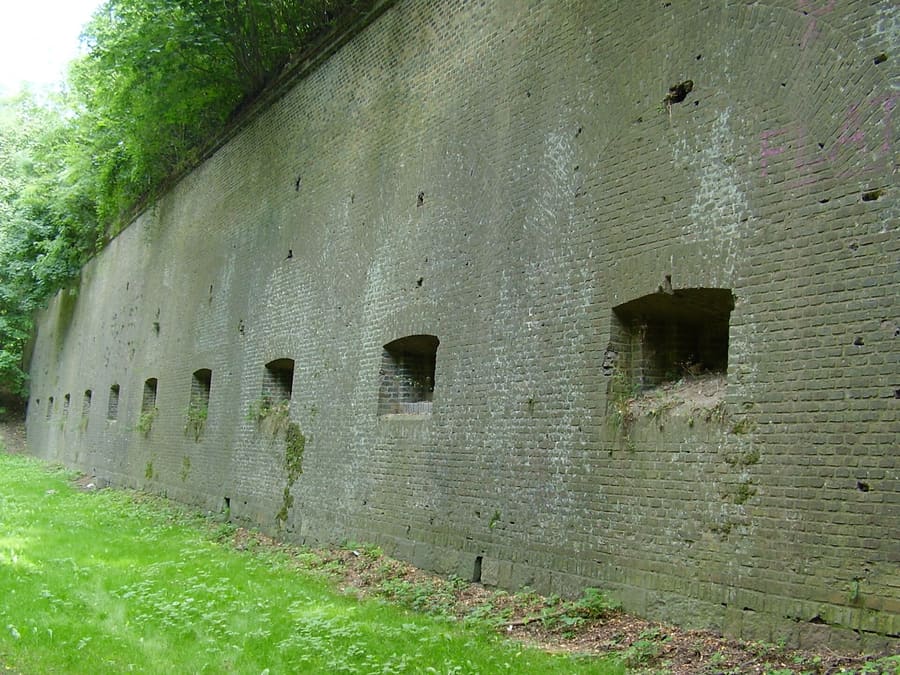
landmark
A Prussian fort turned into a 100-hectare park. Magdalena Abakanowicz's 112 headless iron sculptures occupy the central glade.
Parley से पूछेंattractions
areas
Cobblestone grids, restored colorful merchant houses, and late-night bars around the central square.
पास मेंTown Hall, Fara Church, Royal Castle.
Parley से पूछेंArt Nouveau apartment blocks filled with specialty coffee shops, vegan bakeries, and market stalls.
पास मेंRialto Cinema, Rynek Jeżycki market.
Parley से पूछेंA quiet historic district east of the Cybina river known for 3D murals and intimate cafes.
पास मेंOstrów Tumski, Jordan Bridge, Porta Posnaniensis.
Parley से पूछेंTree-lined avenues, early 20th-century residential architecture, and botanical greenhouses.
पास मेंPoznań Palm House, Wilson Park, Main Railway Station.
Parley से पूछेंfood
Poznań culinary tradition centers on hearty regional staples shaped by Wielkopolska agricultural history. The ultimate local pastry is the Rogal świętomarciński (St. Martin's Croissant), protected under EU law. Certified bakeries craft it from semi-puff pastry filled with white poppy seeds, ground almonds, sugar, raisins, and candied orange peel.Savory dining relies heavily on potatoes, locally known as pyry. The definitive regional starter is pyry z gzikiem, consisting of jacket-boiled potatoes served with seasoned cottage cheese, sour cream, and chives. Roast duck served with braised red cabbage and pyzy (steamed yeast dumplings) features on traditional Sunday lunch menus across the city.
A certified St. Martin croissant, packed with white poppy seed filling and topped with sugar glaze.
Polonist · CC BY 2.0Only bakeries displaying the official Cech Cukierników certificate use the legal recipe for St. Martin croissants.
On 11 November, the city consumes over 250 tonnes of croissants. Expect long lines outside certified bakeries on Święty Marcin street.
Head to Kościelna street in Jeżyce for craft ice cream, specialty coffee, and contemporary Polish dining.
history
Poznań stands among the oldest urban settlements in Poland. In the 10th century, Mieszko I built a fortified stronghold on Ostrów Tumski island, turning it into a primary administrative center of the early Piast kingdom. The baptism of Mieszko I in 966 established the site as the cradle of Polish Christianity.During the Partitions of Poland, Prussia annexed the city in 1793 and renamed it Posen. Prussian authorities constructed massive fortification rings and the Imperial Castle. The Greater Poland Uprising of 1918–1919 successfully liberated the city, reuniting Poznań with the second Polish Republic.
First Polish Bishopric
Ostrów Tumski becomes the seat of Jordan, Poland's first missionary bishop.
Magdeburg Rights
Duke Przemysł I grants civic privileges, establishing the grid layout of Stary Rynek on the left bank of the Warta river.
Imperial Castle Built
Kaiser Wilhelm II inaugurates his neo-Romanesque palace, the last monarchical castle erected in Europe.
Poznań Protests
Factory workers launch Poland's first major anti-communist uprising on 28 June, paving the way for political reforms.
where to stay
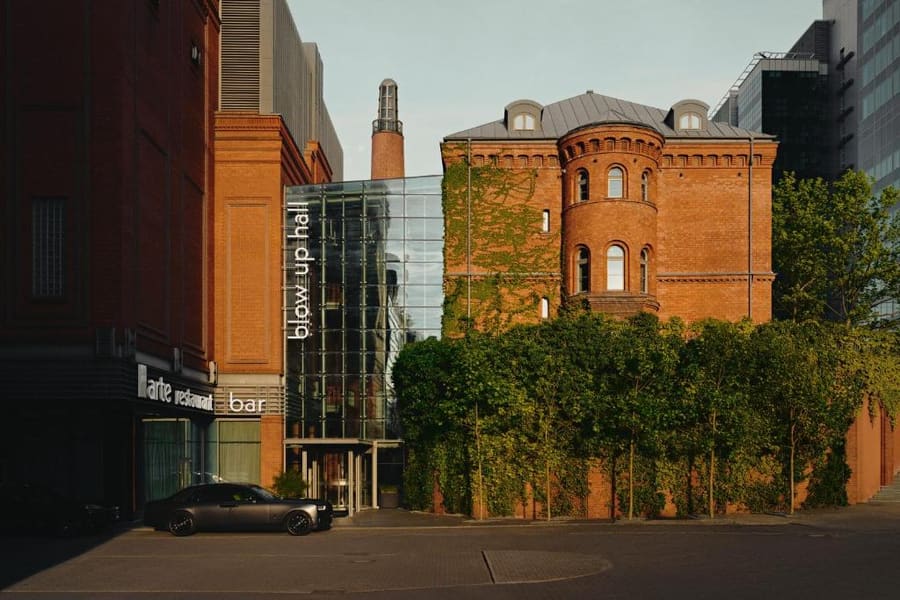
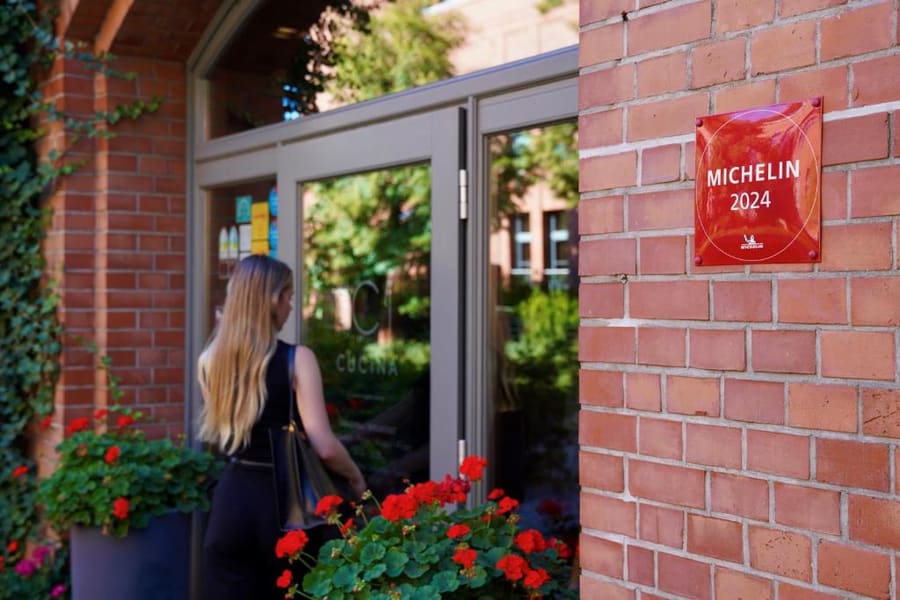
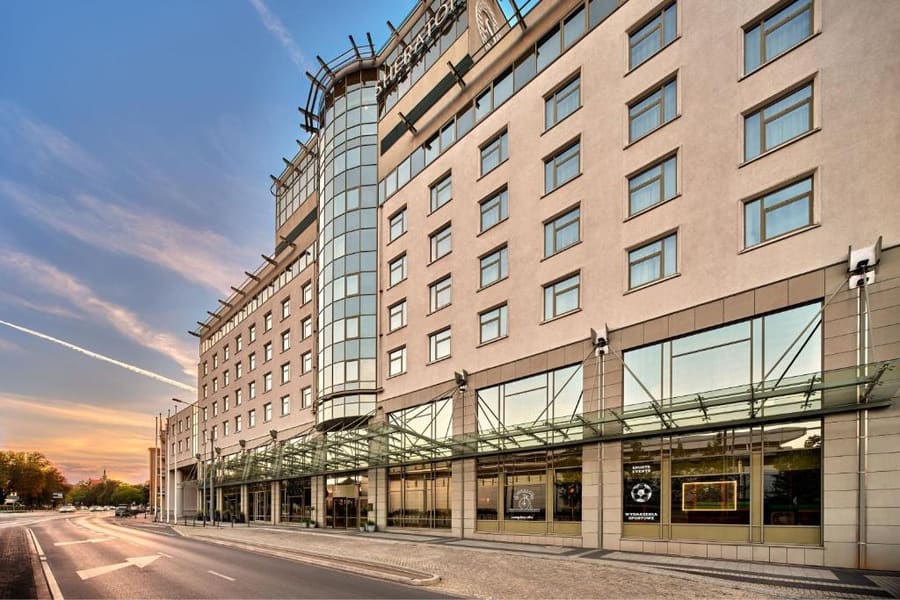
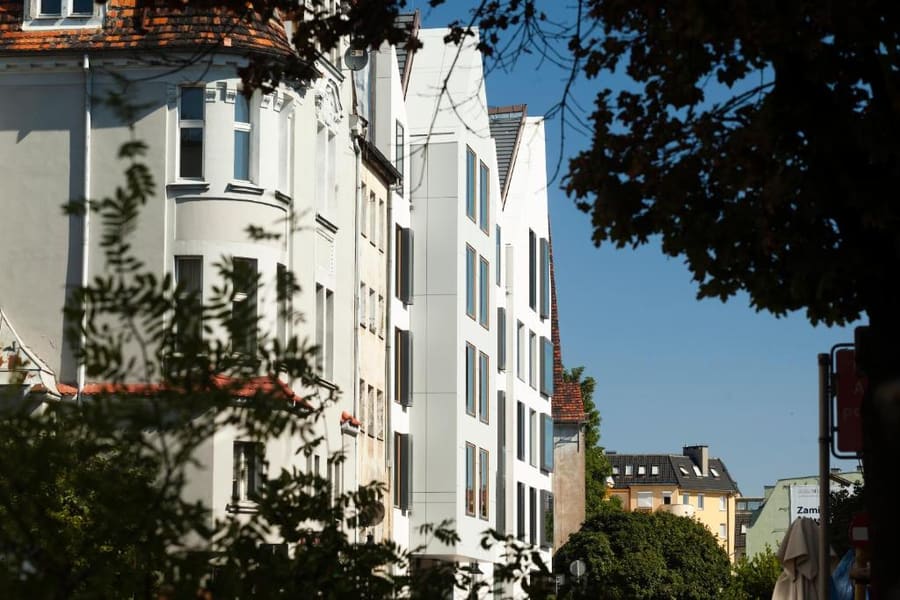
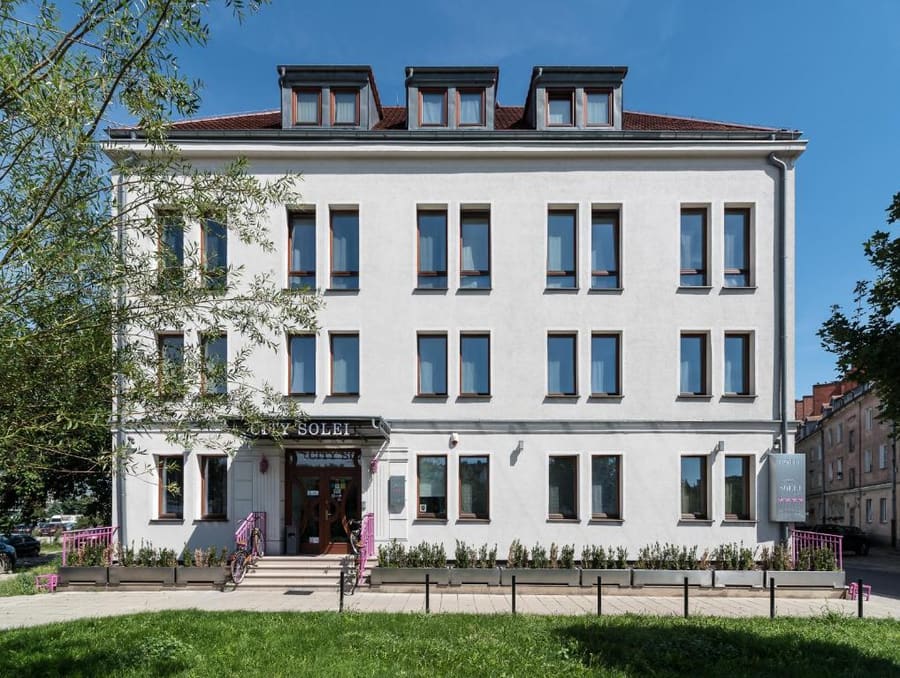
Choose your location based on your transport preferences and daily pacing. Stare Miasto offers direct walkability to historic sights and nightlife. Jeżyce delivers residential quiet, local dining, and quick tram connections.
Live rates, matched to the areas above.
transport
Poznań possesses an efficient transit network operated by ZTM Poznań. Trams are the primary transport method, running on dedicated tracks across the city core. Contactless payment terminals exist on all vehicles.
Poznań–Ławica Airport (POZ) से
Line 159 connects terminal directly to Poznań Główny main train station.
Official airport taxi ranks sit directly outside the arrivals exit.
Uber and Bolt pickup zones are designated in the short-term parking lot.
A 24-hour pass costs 15 PLN and covers unlimited rides on all city lines in Zone A.
Night bus lines run every 30 minutes from the Kaponiera transit hub between 23:30 and 04:30.
Paper tickets purchased at street kiosks must be stamped in the yellow validator immediately upon stepping onto the tram.
cost
Poland uses the Polish Złoty (PLN). Cards are accepted everywhere from upscale dining rooms to market stalls. Carrying cash is rarely necessary except for coin-operated public toilets.
Price per croissant in certified central bakeries.
Standard price at independent cafes in Jeżyce or Stare Miasto.
500ml pour at local taprooms near the Old Market Square.
Covers short tram journeys across the inner city core.
seasonality
MAR – MAY
Mild weather with moderate crowds. Outdoor restaurant terraces open along the Warta riverbanks.
JUN – AUG
Warm summer days averaging 25°C. Open-air cinema and water sports active around Lake Malta.
SEP – NOV
Crisp autumn air. November 11 brings St. Martin's Day parades and massive croissant sales.
DEC – FEB
Freezing temperatures and snow. The annual Stary Rynek Christmas market runs throughout December.
practicalities
Most supermarkets and retail stores close on Sundays due to national regulation. Restaurants and museums remain open.
Public alcohol consumption is allowed along specified concrete terraces on the Warta riverbanks.
The National Museum offers free general entry on Tuesdays.
English is widely spoken by hospital staff, venue service staff, and younger residents.