landmark
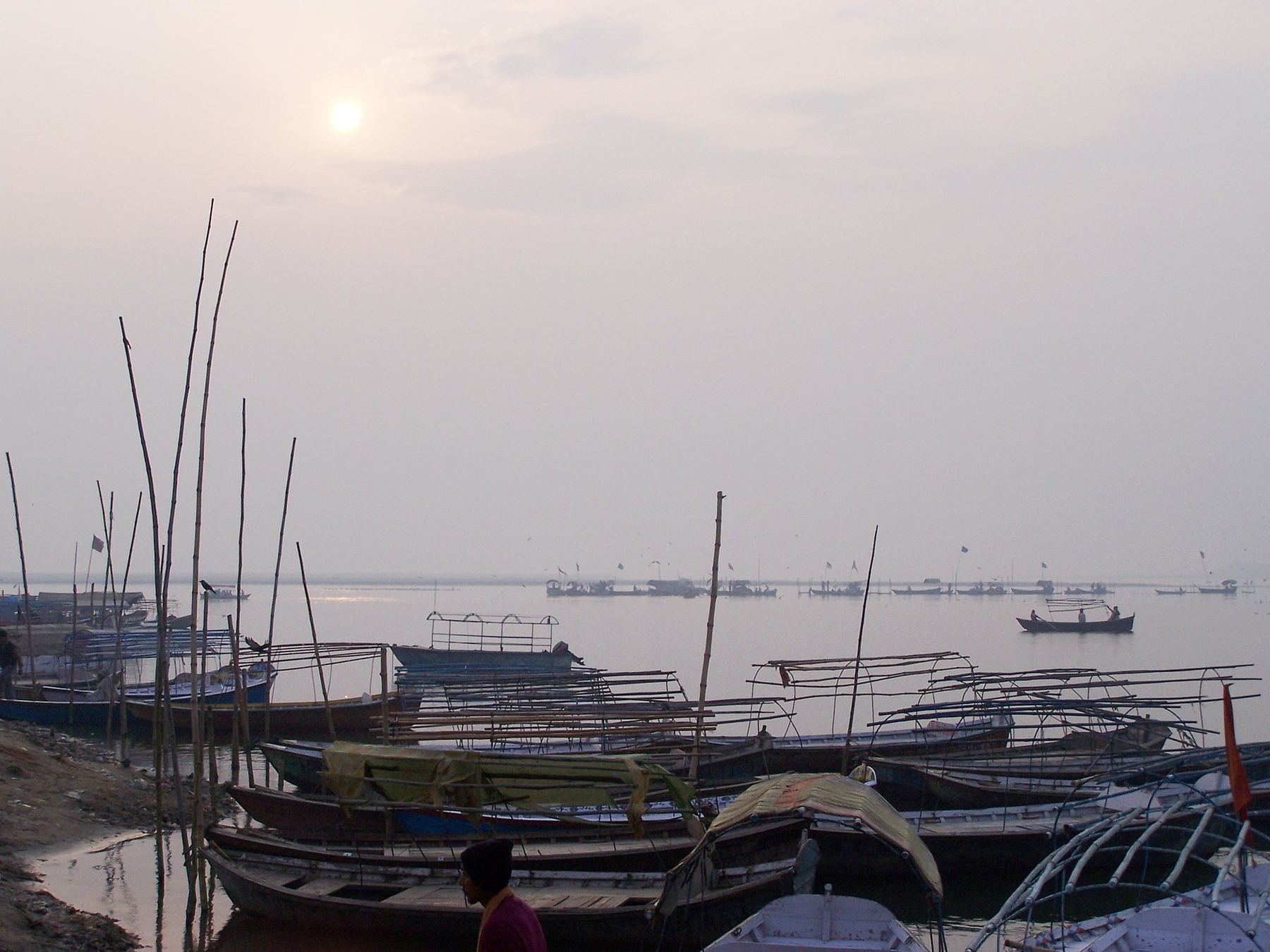
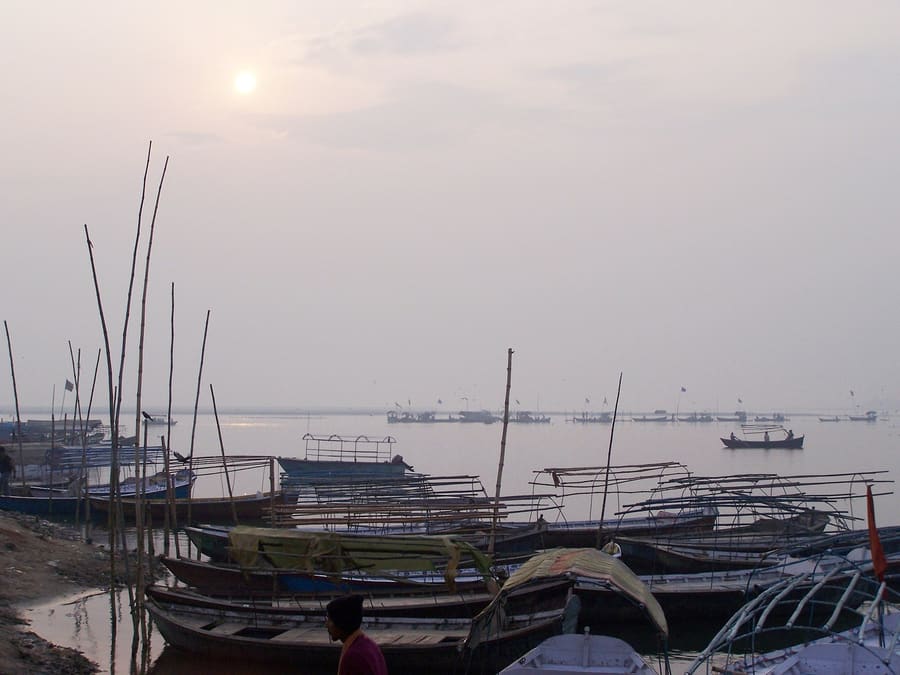
Triveni Sangam
The confluence of the Ganges, Yamuna, and mythical Saraswati. Hire a wooden boat at Quila Ghat to reach the shallow meeting point.
Parley से पूछेंभारत
River confluences, Mughal stone, and nationalist history.
introduction
Prayagraj sits at the geographic and spiritual junction where the Ganges and Yamuna rivers meet. You navigate the city in distinct layers: the congested bazaar lanes of Chowk, the orderly British-era grid of Civil Lines, and the vast riverbanks that host millions during religious gatherings. Movement here requires patience, as e-rickshaws and foot traffic dictate the pace through older quarters. Expect intense heat in summer, brisk winters, and an unfiltered look at North Indian urban life.
Fly via Varanasi or Lucknow
Prayagraj Airport has limited flights. Flying to Varanasi or Lucknow and taking a three-hour express train is often faster and cheaper.
UNESCO Intangible Heritage
UNESCO inscribed the Kumbh Mela on its Intangible Cultural Heritage list in 2017. The city hosts millions at the river confluence during the festival.
Fixed boat tariffs at Quila Ghat
Avoid haggling for Sangam boat rides on the mudbanks. Buy fixed-rate tickets at the official government counter near Quila Ghat.
highlights
landmark
The confluence of the Ganges, Yamuna, and mythical Saraswati. Hire a wooden boat at Quila Ghat to reach the shallow meeting point.
Parley से पूछें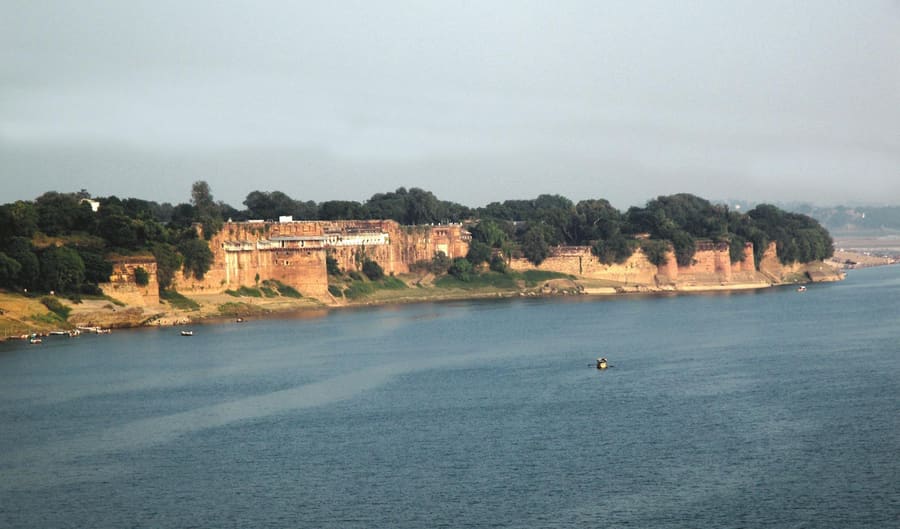
landmark
Built by Emperor Akbar in 1583. Most remains under military control, but you can visit the underground Patalpuri Temple inside.
Parley से पूछें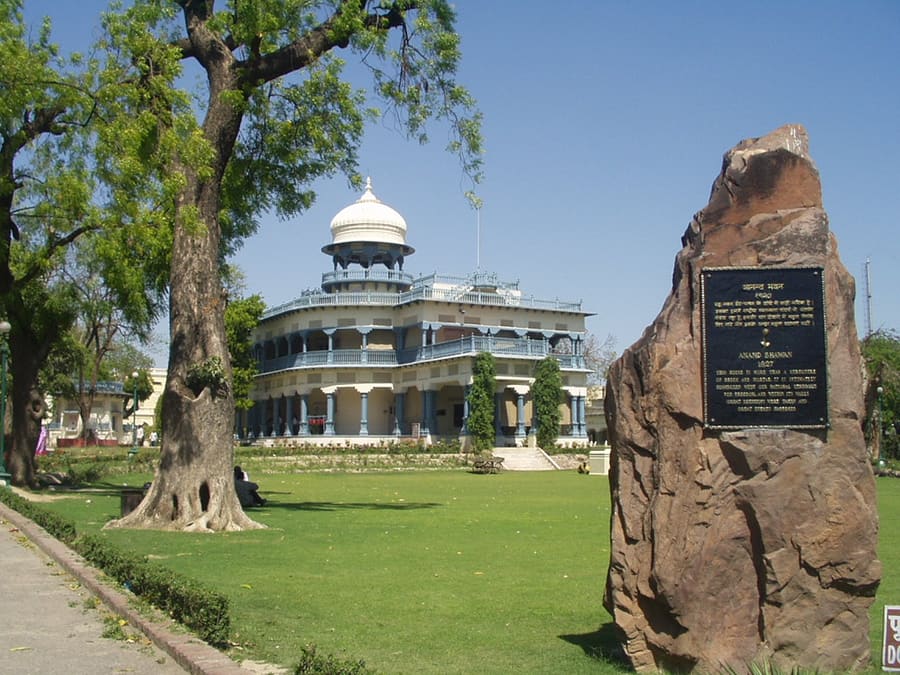
landmark
The 1930s estate of the Nehru-Gandhi political dynasty. Now a museum detailing India's independence movement with preserved living quarters.
Parley से पूछें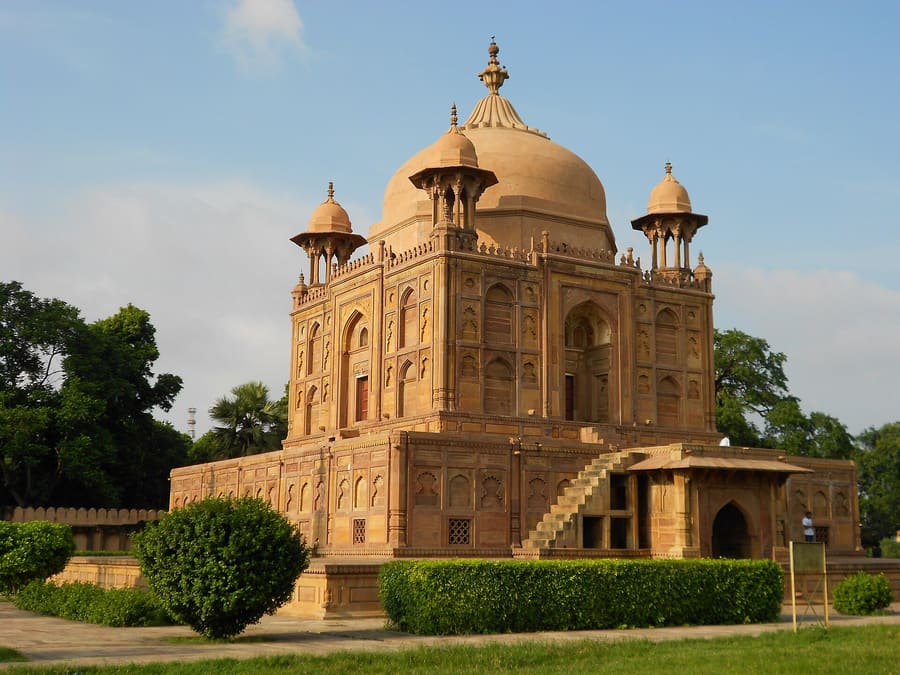
landmark
A walled Mughal garden housing three stone mausoleums, including Prince Khusro's tomb. Quiet stone pathways offer relief from urban traffic.
Parley से पूछें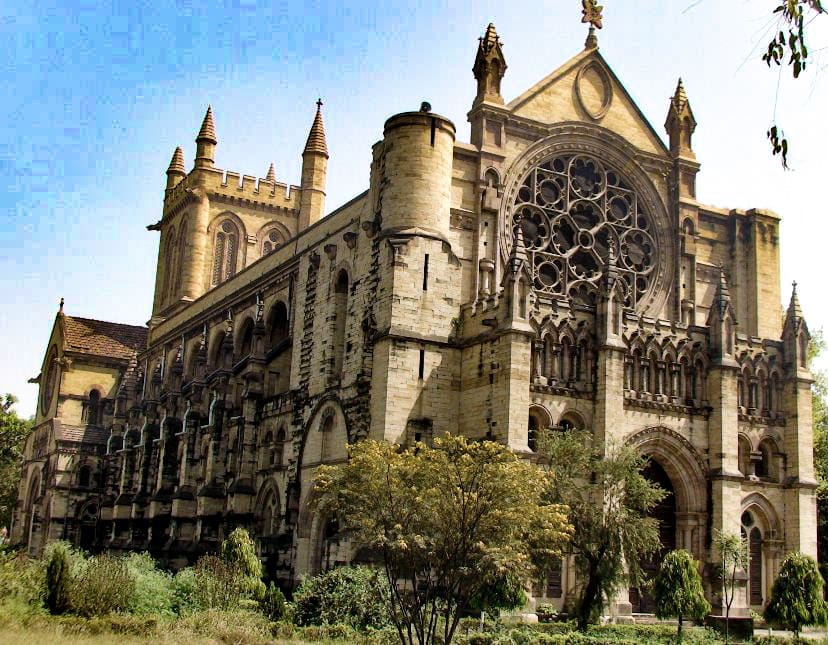
landmark
A late 19th-century Gothic Revival church designed by Sir William Emerson. Stained-glass windows and high stone vaults anchor Civil Lines.
Parley से पूछें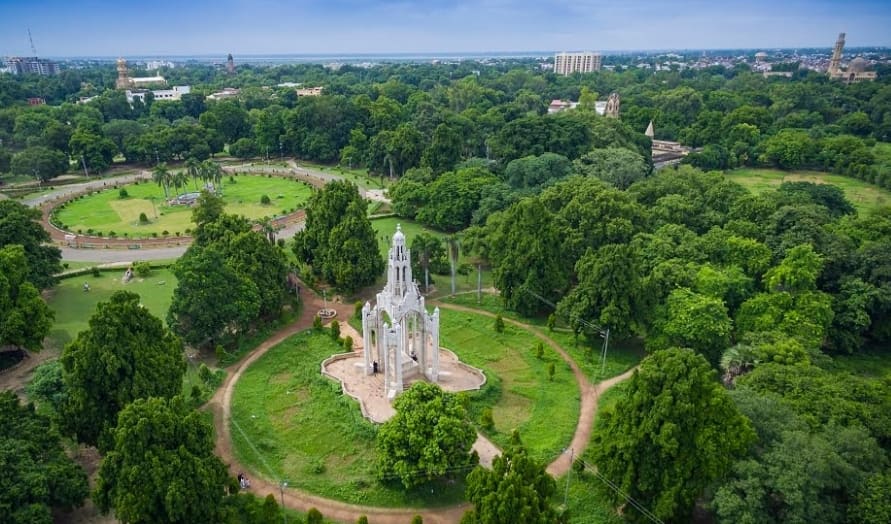
landmark
A 133-acre colonial-era green space housing the Allahabad Museum and Thornhill Mayne Memorial. Ideal for morning walks before midday heat.
Parley से पूछेंattractions
areas
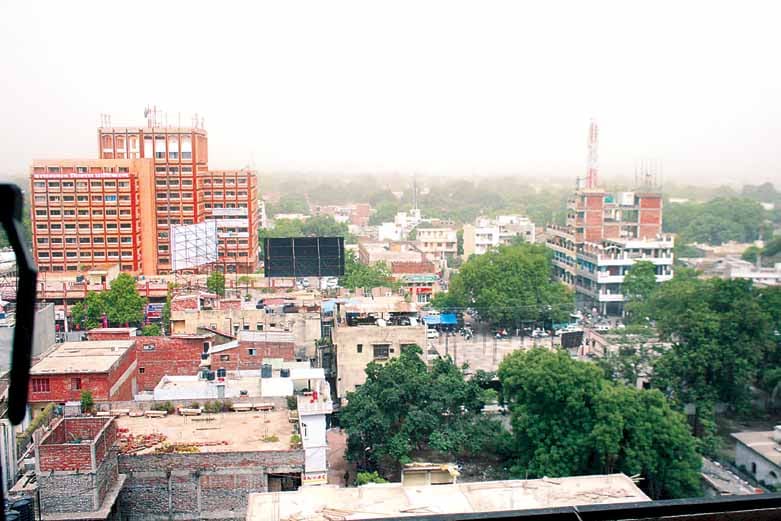
Colonial grid with wide avenues, modern retail outlets, and mid-range hotels.
पास मेंAll Saints Cathedral and Prayagraj Junction rail station.
Parley से पूछें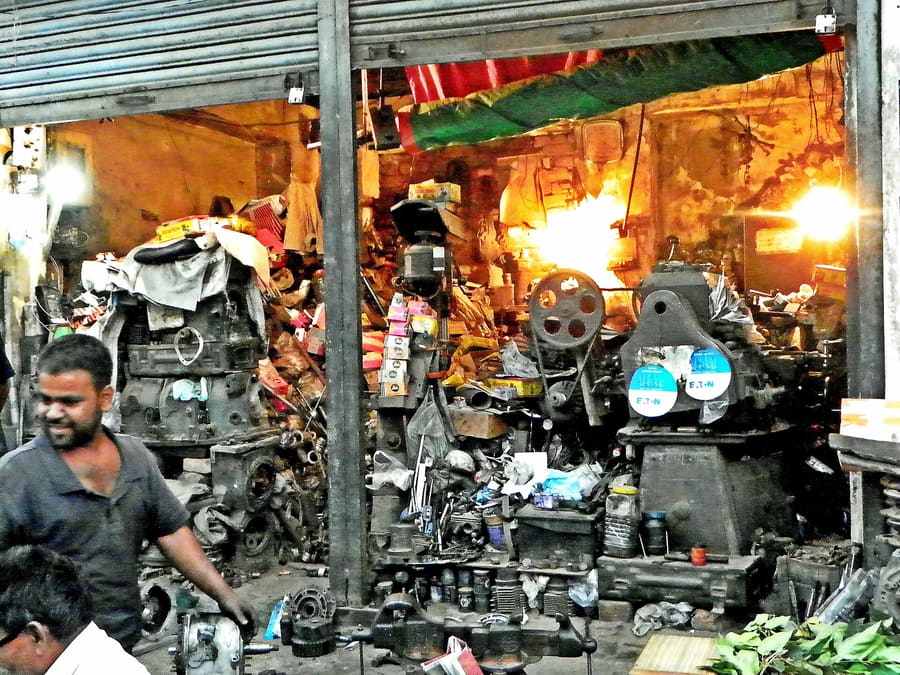
Dense historic market district filled with narrow lanes, spice shops, and street-food stalls.
पास मेंKhusro Bagh and Grand Trunk Road.
Parley से पूछें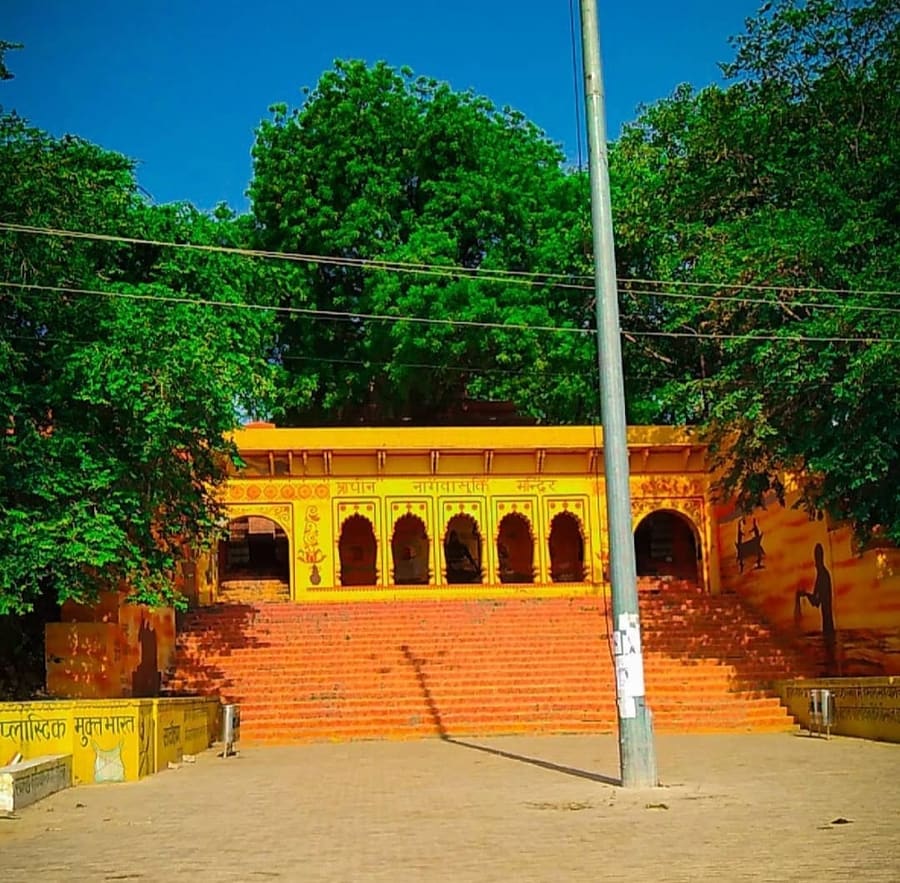
Riverfront neighborhood of ancient temples, Brahmin residences, and steep stone staircases.
पास मेंTriveni Sangam and Shastri Bridge.
Parley से पूछेंLively university quarter with clothing markets, budget eateries, and heavy student traffic.
पास मेंUniversity of Allahabad and Anand Bhavan.
Parley से पूछेंfood
Breakfast in Prayagraj belongs to the kachori. At Netram Sweets in Katra, deep-fried wheat breads stuffed with spiced lentils arrive alongside spicy potato curry and pumpkin subzi served on dried leaf plates. Later in the afternoon, Loknath Gali in Chowk produces legendary dahi bhallas and thick rabri served in clay cups called kulhads.
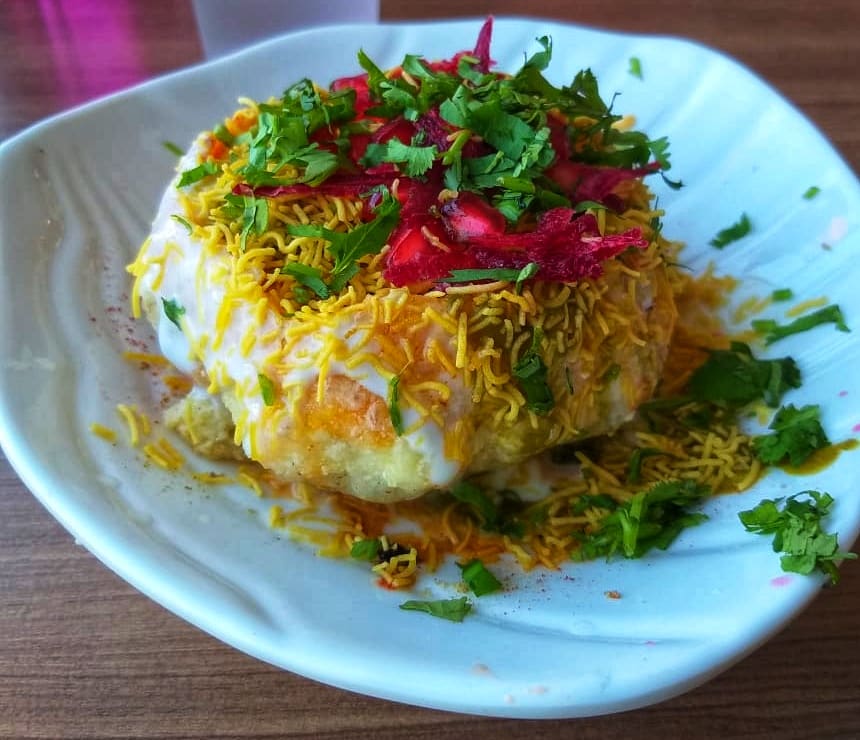
A plate of hot kachori sabzi served with spicy potato curry at a street sweet shop.
Jaipuriamanasi · CC BY-SA 4.0Netram Sweets and Loknath vendors sell out of morning kachori sabzi by mid-morning. Arrive by 08:30 for fresh batches straight from the wok.
The narrow lane of Loknath in Chowk specializes in milk sweets, hari ram namkeen, and kulfi falooda. Cash is required at almost every counter.
Prayagraj is famous across India for Surkha guavas, distinguishable by their red pulp. They appear at street stalls from November through February.
history
Known historically as Prayag, the city at the sacred confluence was renamed Allahabad by Mughal Emperor Akbar in 1583 when he constructed his massive stone fort overlooking the Yamuna. Under British rule, the city became the capital of the United Provinces and the intellectual core of the Indian independence movement. It was officially renamed Prayagraj in 2018.
Akbar founds Illahabad
Emperor Akbar constructs Allahabad Fort at the confluence of the rivers, establishing a major imperial stronghold.
Capital of Northwest Provinces
After the 1857 uprising, Queen Victoria's proclamation is read at Minto Park, transferring Indian governance to the British Crown.
Azad's final stand
Revolutionary leader Chandrashekhar Azad dies fighting British police in Alfred Park, now named Chandrashekhar Azad Park.
City renamed Prayagraj
The Uttar Pradesh government officially renames Allahabad to Prayagraj, restoring its ancient Vedic name.
where to stay
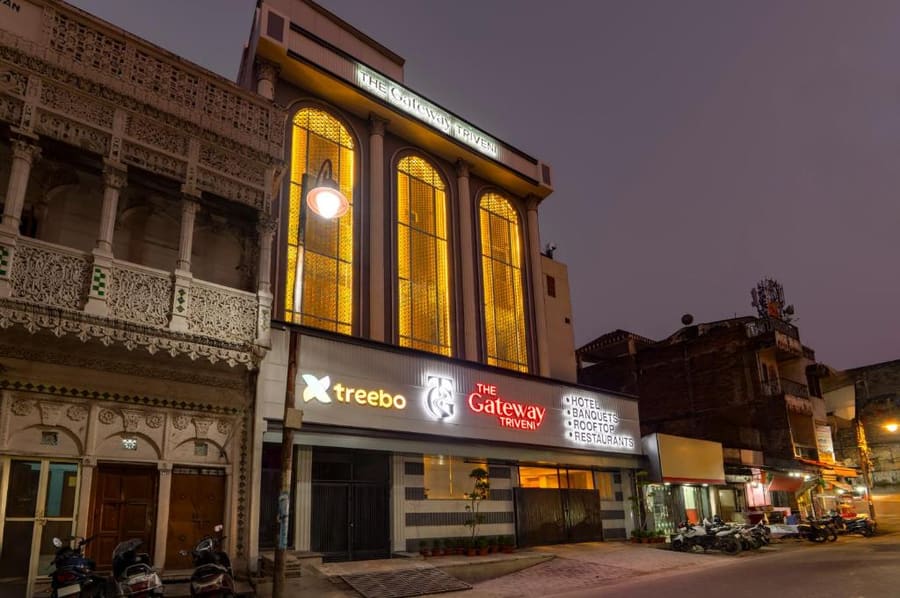
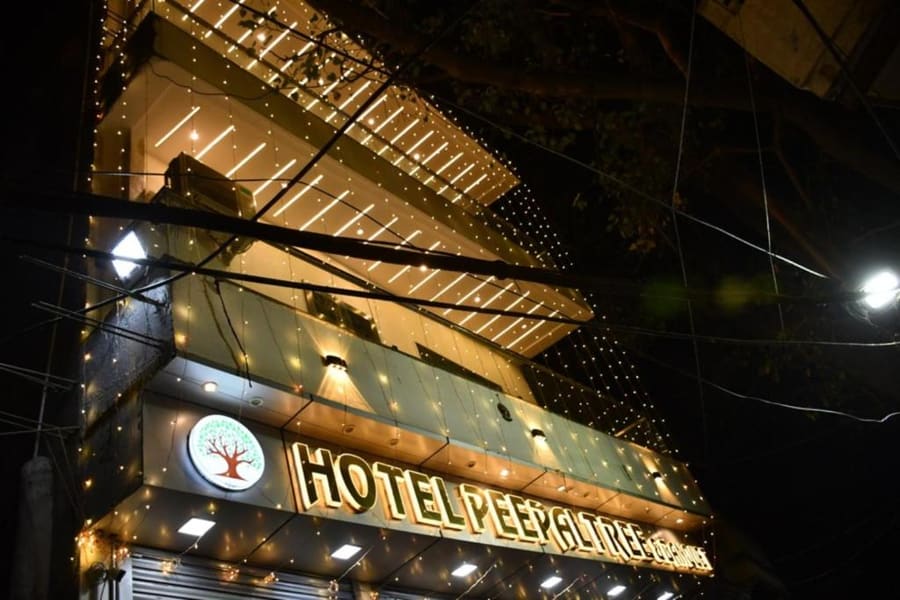
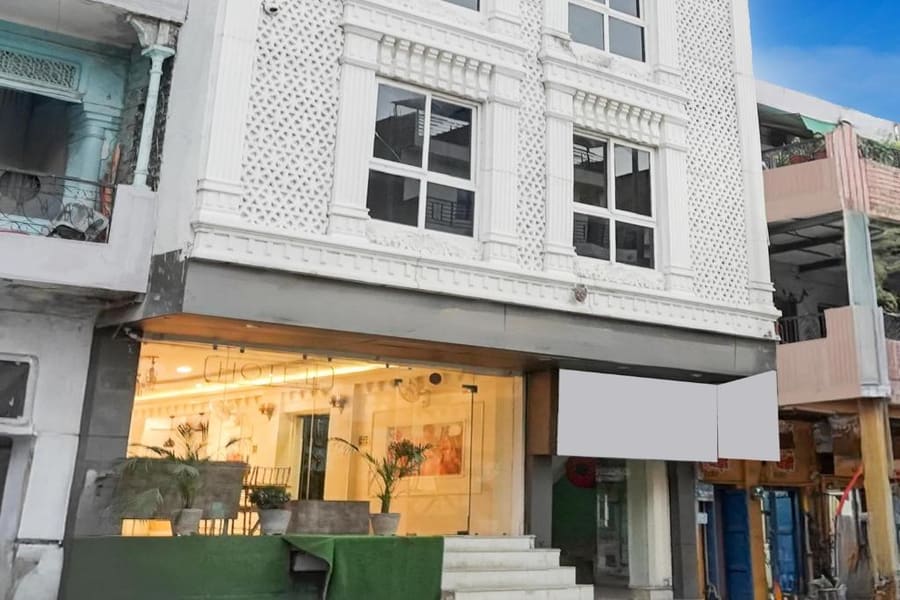
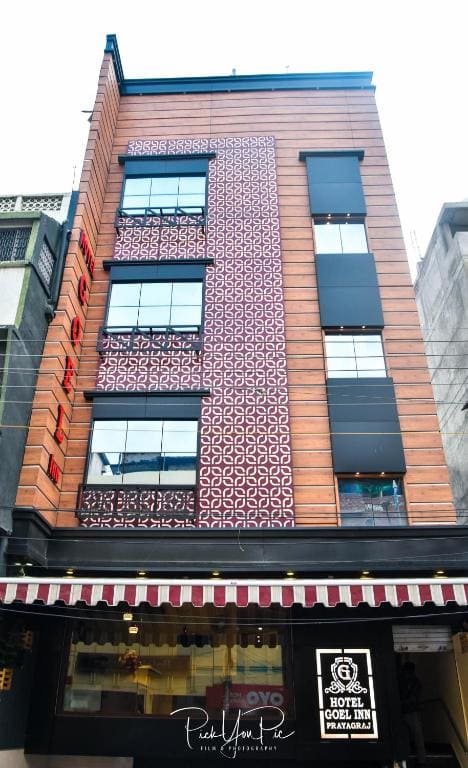
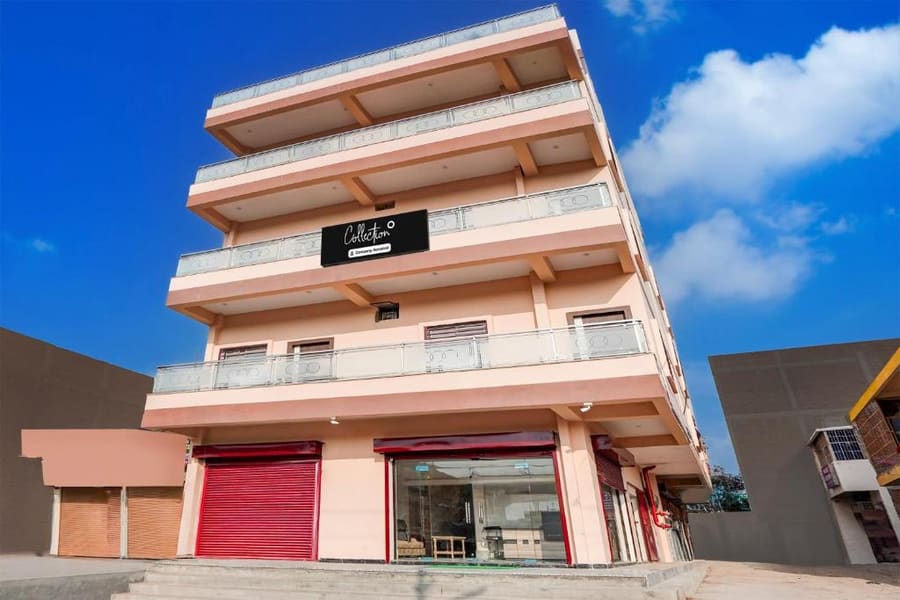
Choose your base by transit convenience and density. Civil Lines offers international chain standards, paved sidewalks, and proximity to Prayagraj Junction railway station. Chowk and Katra put you close to street food markets and heritage sites, though streets are congested and noise levels remain high until late evening.
Live rates, matched to the areas above.
transport
Navigating Prayagraj requires matching your transit mode to the district. Electric rickshaws dominate broad roads in Civil Lines, while cycle-rickshaws and foot travel are the only reliable options inside the tightly packed lanes of Chowk.
Prayagraj Junction (PRYJ) / Prayagraj Airport (IXD) से
Prepaid counters operate outside Prayagraj Airport Terminal.
Uber and Ola pick up at Bamrauli airport and major rail stations.
UPSRTC city buses connect airport road to Civil Lines bus stand.
Electric auto-rickshaws are the main short-hop transit. Expect shared fares of ₹10–20 per seat along major arteries like Leader Road.
Motorized vehicles struggle in Chowk’s narrow alleys. Hand-pedaled rickshaws navigate these lanes easily; agree on ₹30–50 before sitting.
Long-distance express trains split between Prayagraj Junction (PRYJ) and Prayagraj Chheoki (PCOI). Check your ticket carefully to avoid a 10 km taxi mix-up.
Uber and Ola operate reliably in Civil Lines and Katra, but drivers often refuse rides to Sangam Ghat during heavy festival weekends.
cost
Prayagraj is significantly cheaper than Delhi or Mumbai. Accommodations surge dramatically during the Magh Mela (January–February) and Kumbh Mela, when temporary tent cities charge premium rates.
Joining a group on a wooden rowboat to the confluence costs far less than chartering an entire boat.
A traditional breakfast served on dried leaves at heritage sweet shops like Netram.
Private auto-rickshaw fare from Prayagraj Junction to Triveni Sangam.
Entry fee for Indian citizens and foreign nationals covering the museum and grounds.
seasonality
OCT – FEB
Cool, clear days between 10°C and 25°C. Peak season for Magh Mela; book hotel rooms months ahead.
MAR – APR
Warm afternoons touching 32°C, but comfortable early mornings for river trips.
MAY – JUN
Extreme heat exceeding 42°C. Outdoor activity is restricted to early morning and late evening.
JUL – SEP
Monsoon rains raise river levels, submerging ghats and stopping boat services to Triveni Sangam during flood peaks.
practicalities
You must remove your shoes when stepping onto holy ghats and wooden boats at Sangam. Carry a slip-on shoe bag.
The Indian Army controls Akbar Fort. Only the underground Patalpuri Temple is open to civilians; photography inside is banned.
Currents at the confluence of the rivers are surprisingly strong. Use life jackets on wooden boats and avoid swimming deep.
While Civil Lines accepts digital UPI payments and cards, vendors in Chowk and river boatmen demand paper cash.
Loudspeakers run constantly near ghats during religious months. Pack silicone earplugs if staying near Daraganj or Sangam.