landmark
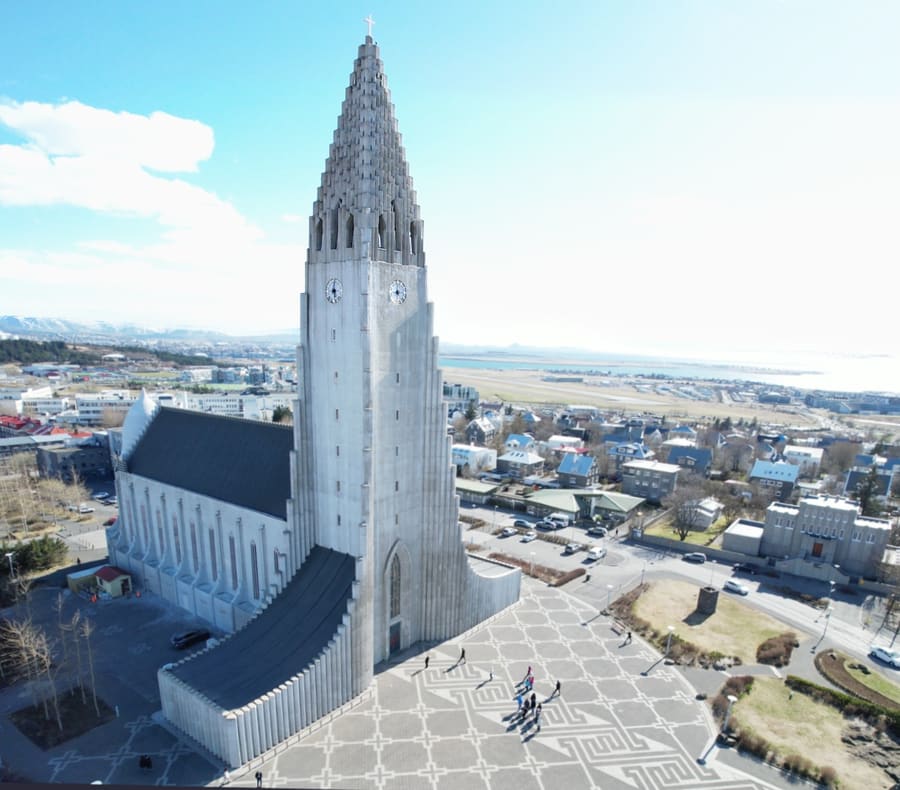
Hallgrímskirkja
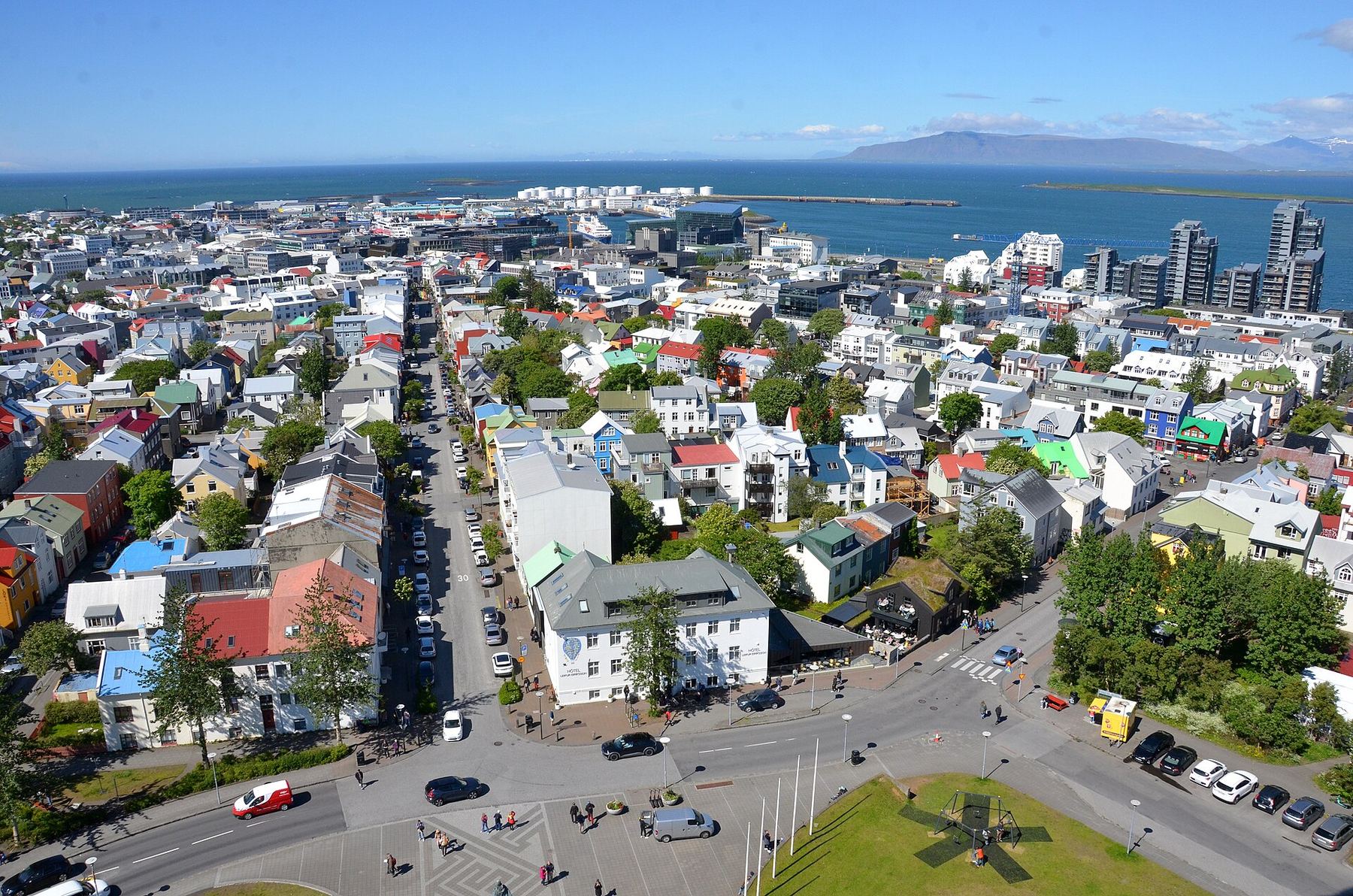
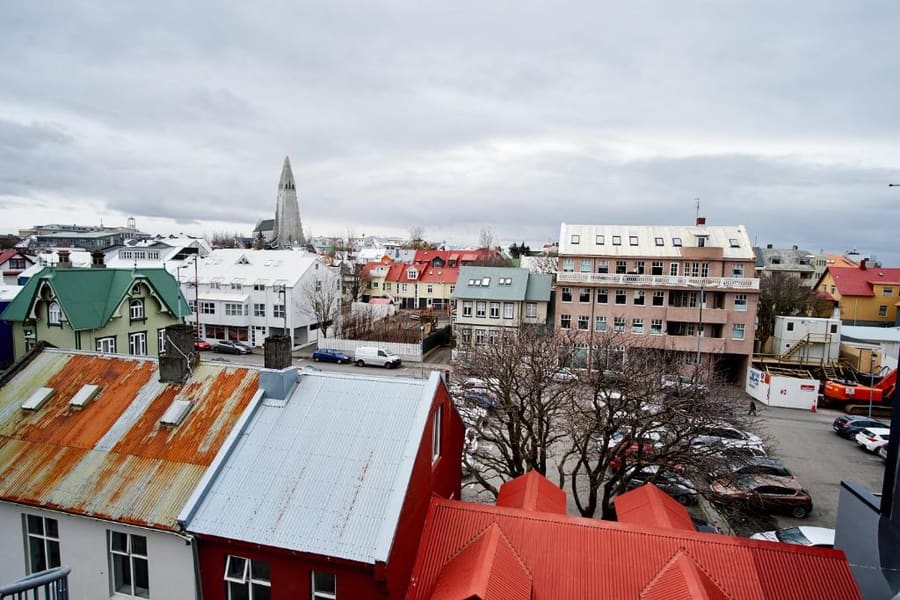
The tower elevator costs 1,400 ISK and offers views across the city grid. Arrive before 10:00 to skip tour bus queues.
Parley से पूछेंआइसलैंड
Geothermal heated pools, harsh winds, and low-rise blocks.
introduction
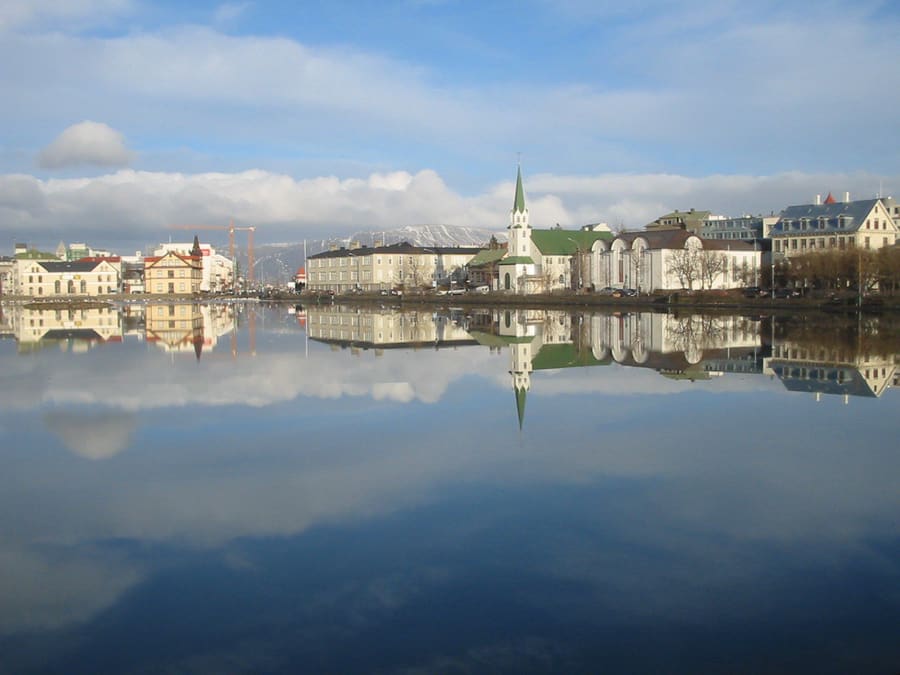
Reykjavik is a low-rise, walkable capital anchored by geothermal pools and a harbor facing Faxaflói bay. You navigate the grid on foot, moving between concrete landmarks and heated public baths. Wind defines the daily commute more than distance or transit schedules. Prepare for high expenses, strict weather windows, and warm communal outdoor water.
Arrival option
Flybus connects Keflavík Airport to the BSÍ terminal in 45 minutes. Taxis cost triple and save ten minutes.
Design designation
Reykjavik became a UNESCO City of Literature in 2011. Reading culture spikes every December during the Jolabokaflod book rush.
Geothermal etiquette
Public pools require a naked shower with soap before entering the water. Bathing suits stay dry until after the shower.
Reykjavik
Helgi Hall from Reykjavík, Iceland · CC BY 2.0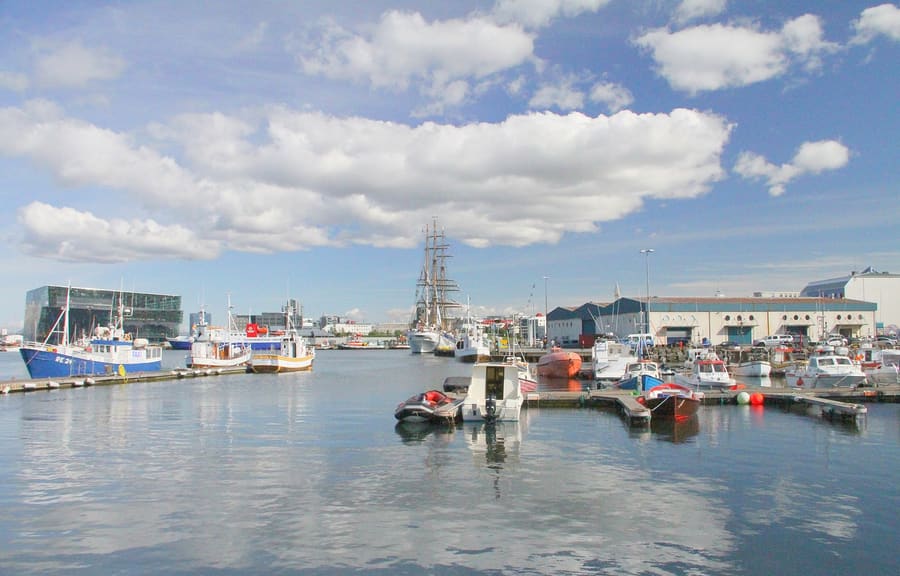
Grandi — Former fish processing warehouses converted into ice cream shops, museums, and microbreweries.
Helgi Halldórsson from Reykjavík, Iceland · CC BY-SA 2.0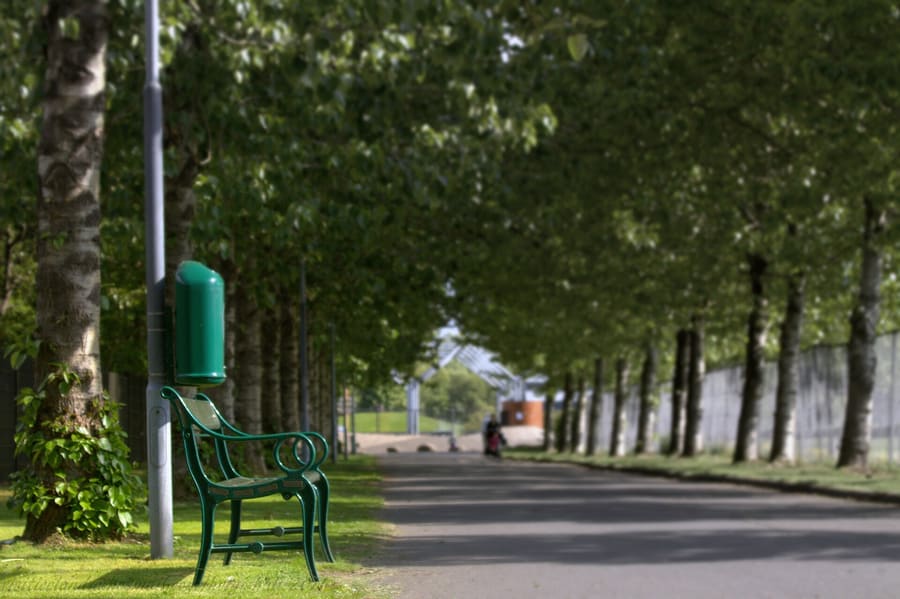
Laugardalur — A green suburban basin featuring the city's largest geothermal pool and botanical gardens.
Helgi Halldórsson from Reykjavík, Iceland · CC BY-SA 2.0highlights
landmark
The tower elevator costs 1,400 ISK and offers views across the city grid. Arrive before 10:00 to skip tour bus queues.
Parley से पूछें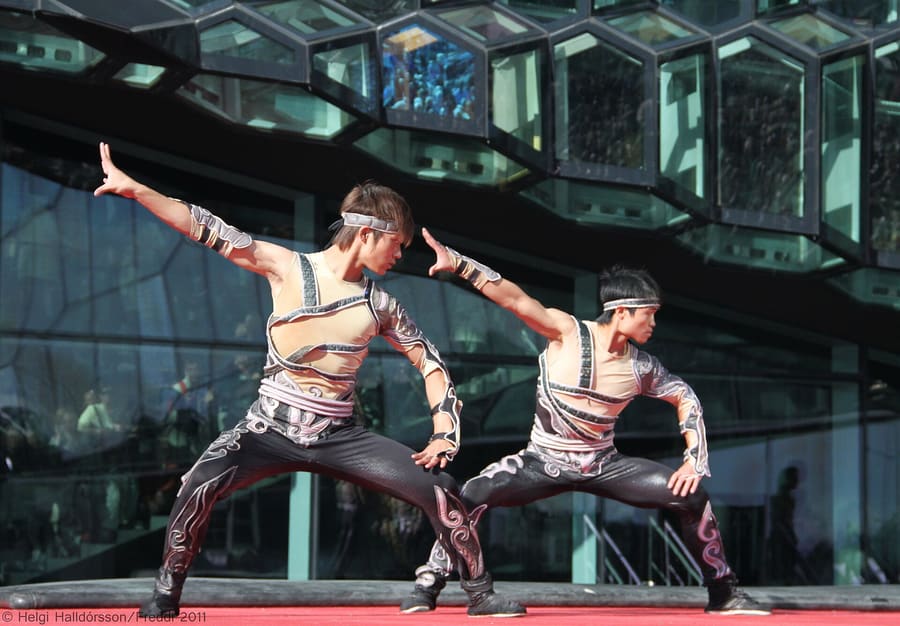
landmark
Walk inside to study the glass facade designed by Ólafur Elíasson without buying a concert ticket.
Parley से पूछें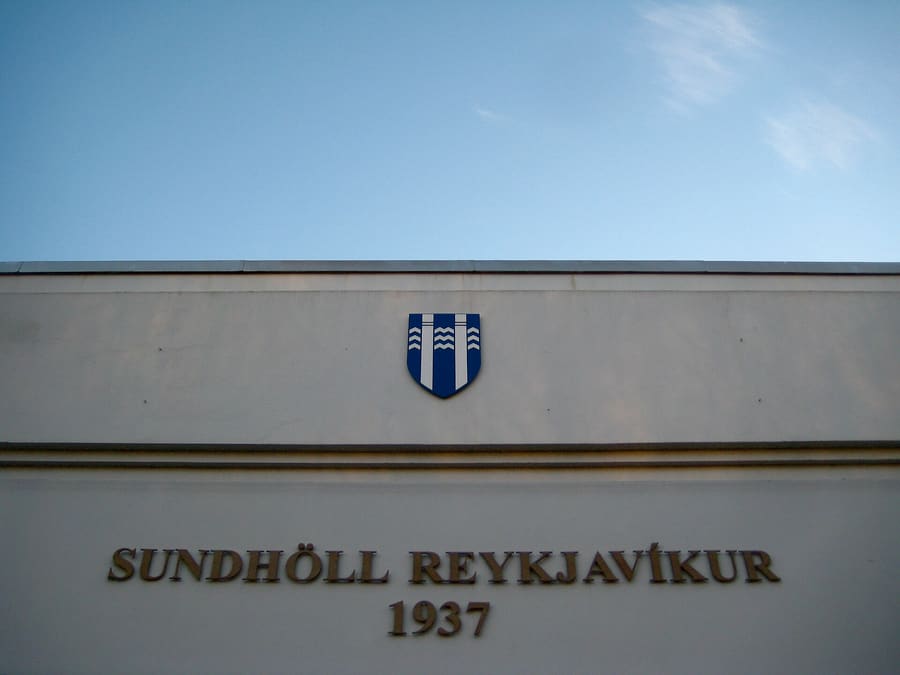
landmark
The city's oldest pool features indoor baths, outdoor hot tubs, and cold plunges. Entry costs 1,330 ISK.
Parley से पूछें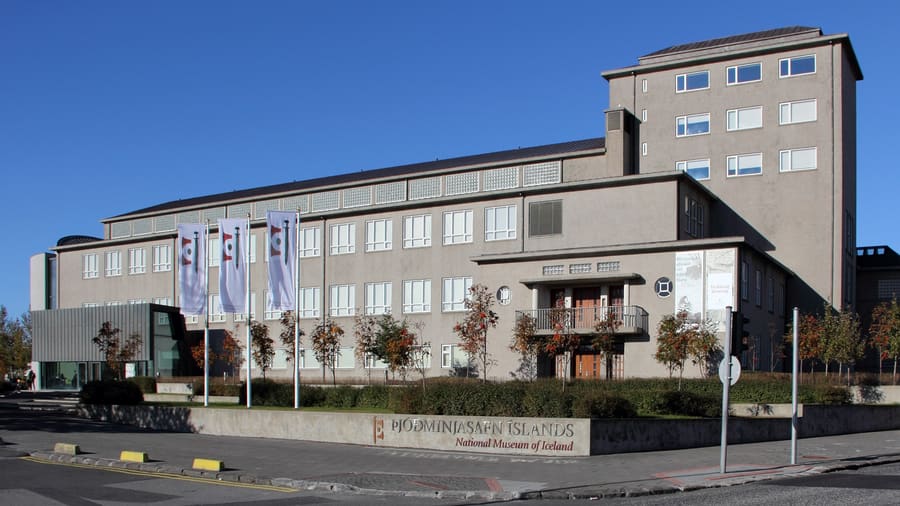
landmark
Exhibits track settlement from 874 AD to modern statehood. Tickets cost 2,500 ISK and include audio guides.
Parley से पूछेंattractions
areas
Former fish processing warehouses converted into ice cream shops, museums, and microbreweries.
पास मेंOld Harbour and Maritime Museum
Parley से पूछेंA green suburban basin featuring the city's largest geothermal pool and botanical gardens.
पास मेंLaugardalslaug and Reykjavik Zoo
Parley से पूछेंfood
Dining in Reykjavik centers on coastal seafood, mountain lamb, and traditional preservation methods. Hot dog stands serve food fast, while dining rooms focus on modern Nordic techniques. Imports drive up restaurant costs across every tier.
This traditional fish stew combines boiled cod or haddock with potatoes and white sauce. Order it at Icelandic Street Food on Lækjargata.
The harbor hot dog stand serves lamb-based hot dogs with raw onions, crispy onions, brown mustard, and remoulade. Expect a line at peak hours.
Sit-down restaurants offer lunch set menus for roughly 3,500 ISK. The same dinner menu often costs double after 18:00.
history
Norse settler Ingólfr Arnarson named the bay Reykjavik around 874 AD after seeing steam from hot springs. The settlement remained a collection of farms until the late 18th century. Modern urban growth accelerated after independence and the post-war expansion of fishing and tourism.
First settlement
Ingólfr Arnarson establishes a farmstead at the steam-filled bay.
Town charter
Reykjavik receives trading rights and a town charter with 167 residents.
Republic declared
Iceland declares independence from Denmark at Þingvellir, establishing Reykjavik as the capital.
Harpa opens
Harpa Concert Hall opens on the harbor, signaling recovery from the 2008 financial crisis.
where to stay
Choose your base by walkability and noise tolerance. Miðborg keeps you close to restaurants and transit hubs, but late weekend crowds create street noise. Vesturbær and Grandi provide quieter streets within a 15-minute walk of the center.
Live rates, matched to the areas above.
transport
Reykjavik is compact enough to navigate on foot within the downtown core. The city bus system, Strætó, connects outer neighborhoods and suburbs. Cars are unnecessary unless you plan day trips into the countryside.
Keflavík International Airport (KEF) से
Timed with flight arrivals. Flybus and Gray Line drop off at BSÍ Terminal or downtown hotel stops.
Strætó Line 55. Cheaper option, but infrequent service with many local stops along the route.
Available 24/7 outside arrivals. Expensive flat/metered rates; Uber/rideshares do not operate in IS.
Pedestrian routes downtown are well maintained, but ice spikes are essential on shoe soles during winter freezes.
Flybus and Gray Line run direct buses timed to all arriving flights at Keflavík Airport.
cost
Reykjavik ranks among Europe's most expensive capitals. Card payments are accepted everywhere, from street food stands to public buses. Tipping is not expected or required in Icelandic culture.
Gives access to geothermal pools, hot tubs, and steam baths for the entire day.
The cheapest cooked meal option in central Reykjavik.
Expect high prices for fresh fish or lamb in sit-down restaurants.
Happy hour specials between 16:00 and 19:00 usually cut beer prices by half.
seasonality
JUN – AUG
24 hours of daylight and mild temperatures around 12°C. Hotel rates hit peak prices.
SEP – OCT
Shorter days return with northern lights potential. Winds intensify and rainfall peaks.
NOV – FEB
4 to 5 hours of daylight. Snow covers streets and northern lights tours operate nightly.
MAR – MAY
Daylight expands quickly. Spring thaws create slushy pavements before summer tourism returns.
practicalities
Pool etiquette requires washing thoroughly without a swimsuit before entering thermal waters.
Wind conditions change rapidly. A rain jacket with warm layers beats an umbrella in Reykjavik gusts.
Credit and debit cards are accepted universally. Cash is unnecessary even for small transactions.
Grocery stores only sell low-alcohol beer. Standard spirits and wine are sold exclusively at state-run Vínbúðin shops.
Cold tap water is pure spring water. Hot water comes from geothermal sources and smells lightly of sulfur.