landmark
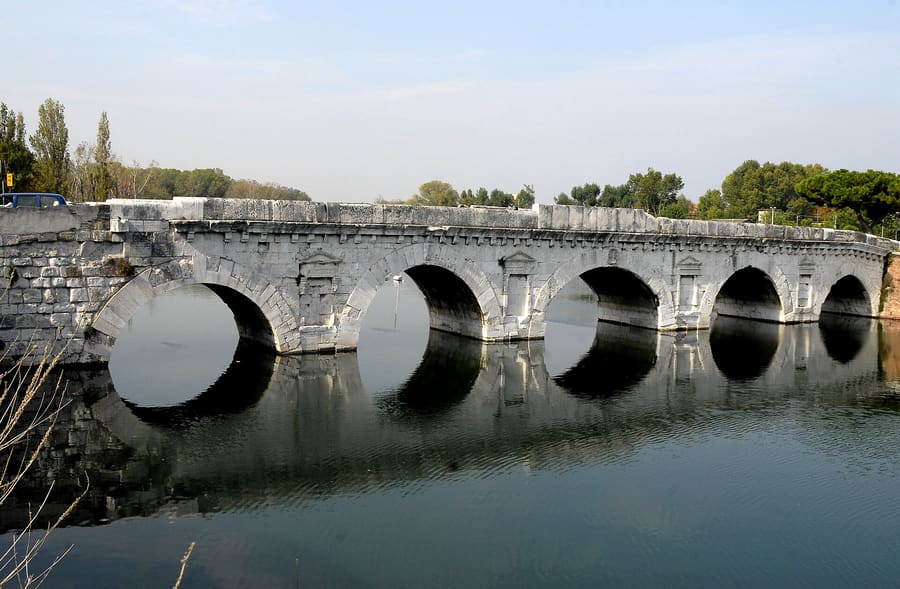
Tiberius Bridge
Five Istrian stone arches intact since 21 AD. Cross at sunset for views of Borgo San Giuliano reflected in the water.
Parley से पूछेंइटली
Roman arches, Fellini cinema, and endless Adriatic sand.
introduction
Rimini splits neatly into two distinct worlds separated by the railway line. To the east, 15 kilometres of continuous sandy beaches line the Adriatic coast with paid sunbeds and summer nightlife. To the west, a compact Roman grid contains two-thousand-year-old arches and Federico Fellini's cinematic legacy. You navigate the flat terrain best on a rented city bike or on foot.
Airport connection
Metromare trolleybuses connect Rimini central station to Miramare airport in 12 minutes. Tickets cost €2.50 from machines on the platform.
Roman heritage
Ponte di Tiberio has carried road traffic over the Marecchia river since 21 AD. It remains open to pedestrian traffic daily without entry fees.
Beach sector strategy
Free public beach space sits adjacent to the harbor canal. Striped umbrellas on numbered beach clubs require advance booking during July and August.
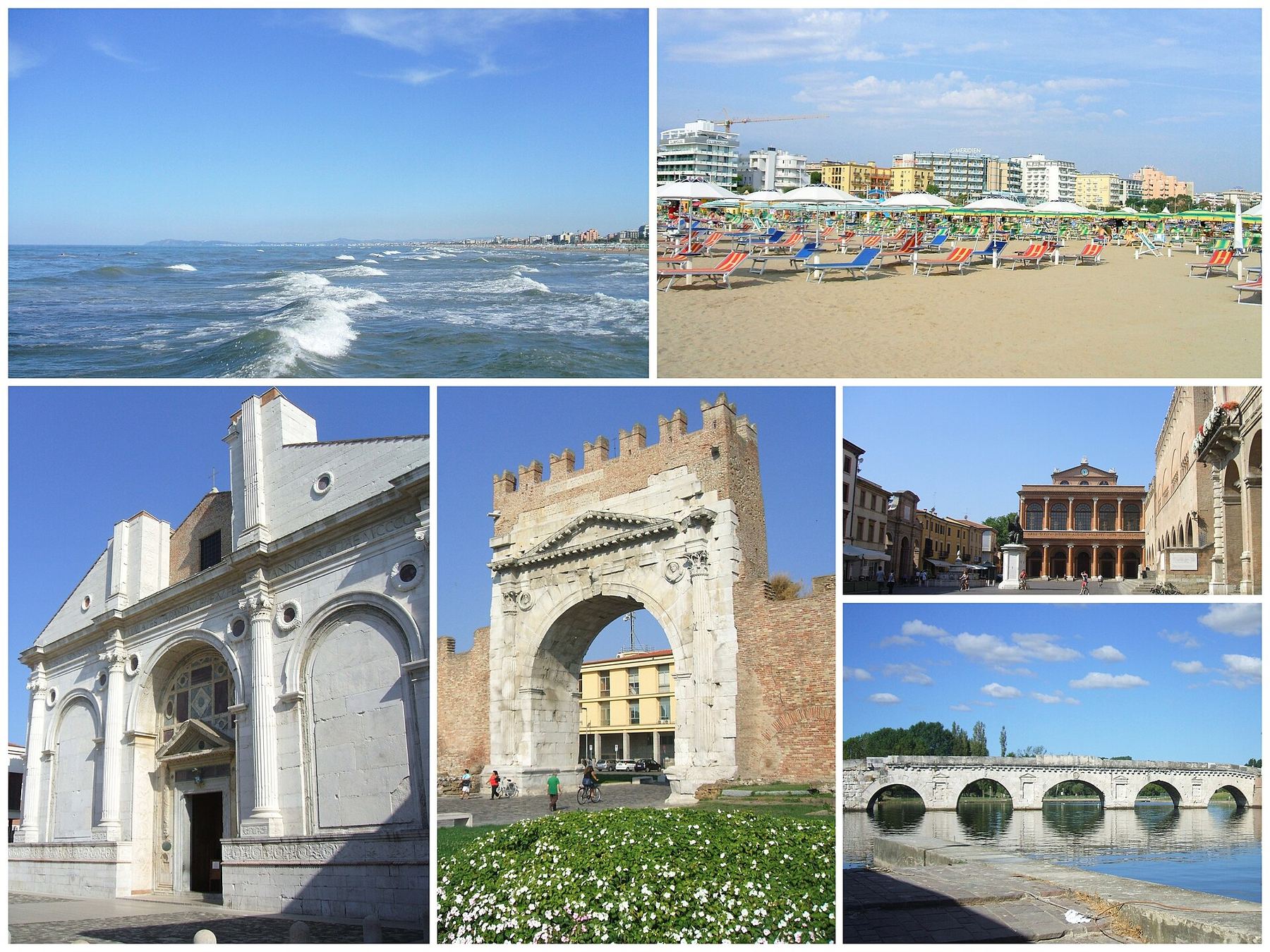
Rimini
Sailko · CC BY-SA 3.0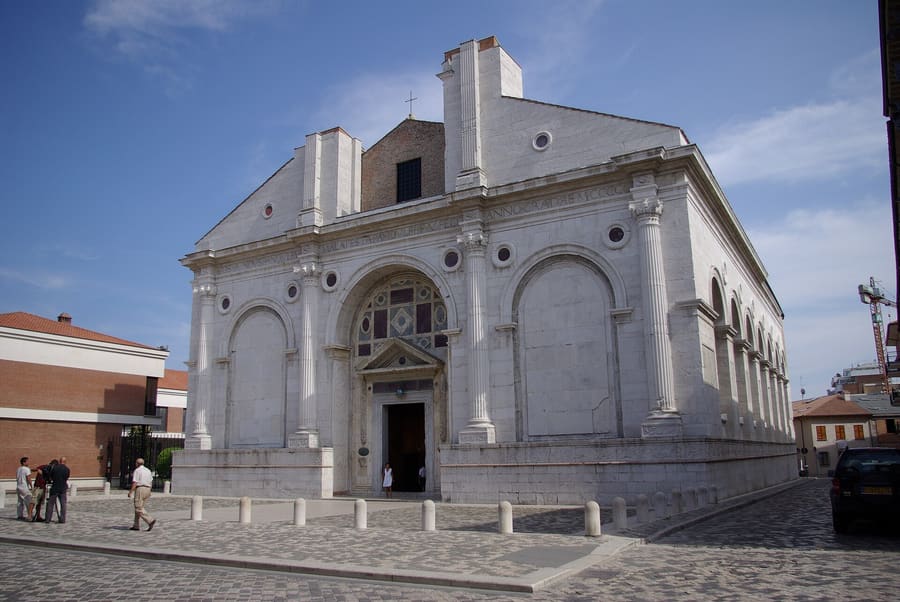
Centro Storico — Ancient Roman grid packed with gelaterias, quiet squares, and Renaissance palaces.
Flying Russian · CC BY-SA 3.0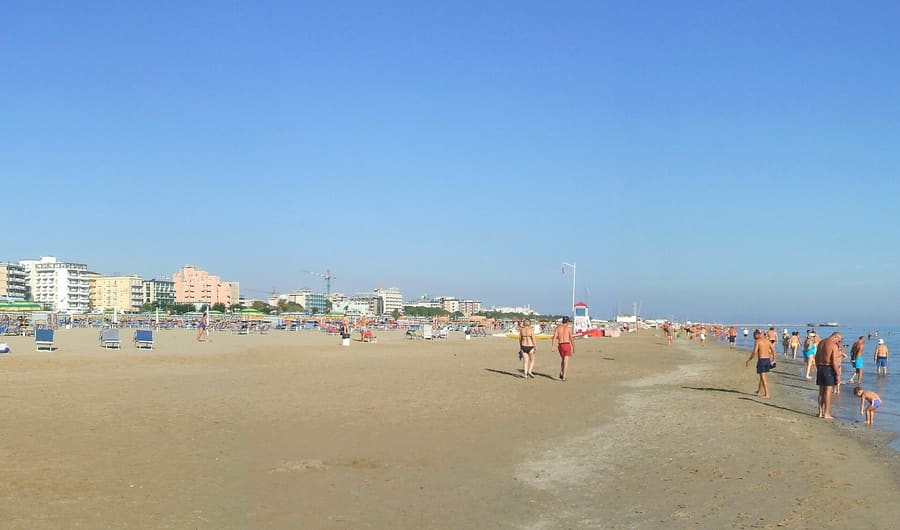
Marina Centro — Sensory coastal boulevard lined with seafood trattorias, cocktail lounges, and beach clubs.
RiminiCity · CC BY-SA 3.0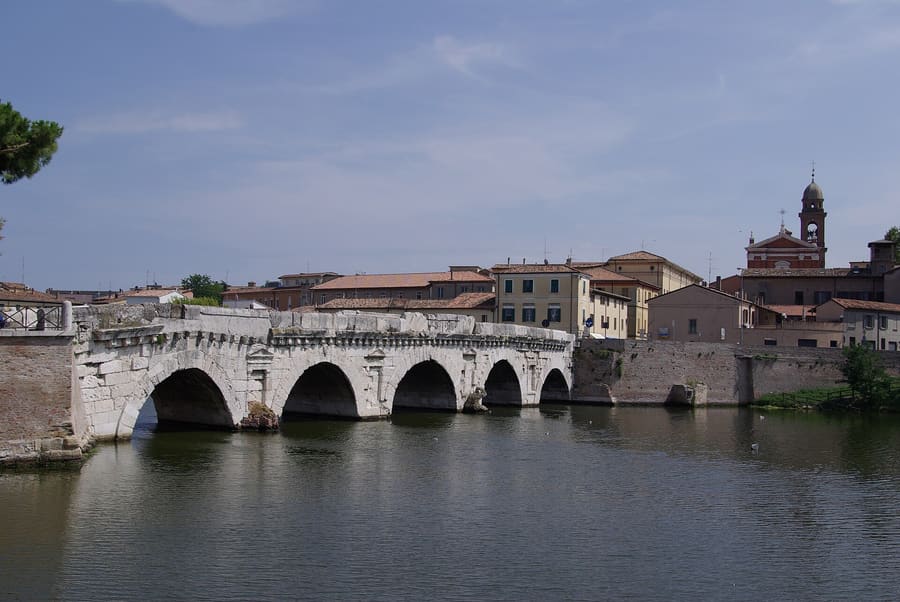
Borgo San Giuliano — Former fishermen's quarter with pastel houses, mural-covered alleys, and osterias.
Flying Russian · CC BY-SA 3.0
Miramare — Laid-back southern beach zone near the airport with thermal baths and wide sands.
Michele1978rimini · Public domain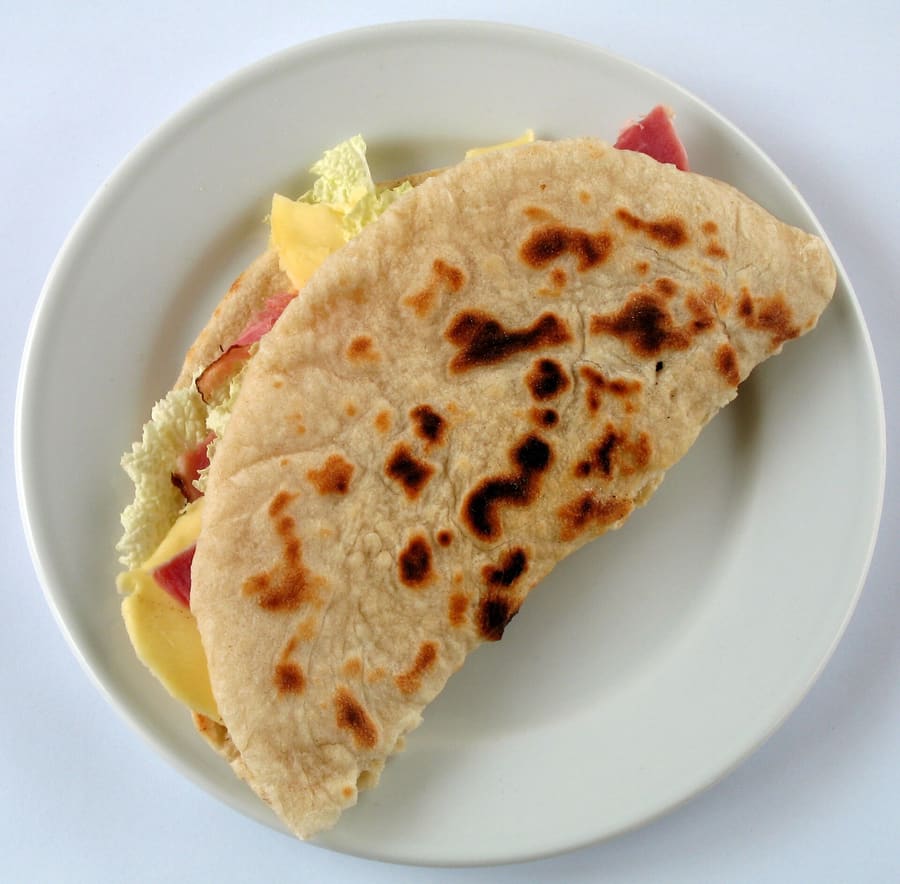
Freshly griddled piadina folded with squacquerone cheese and prosciutto crudo.
Kobako · CC BY-SA 2.5highlights
landmark
Five Istrian stone arches intact since 21 AD. Cross at sunset for views of Borgo San Giuliano reflected in the water.
Parley से पूछें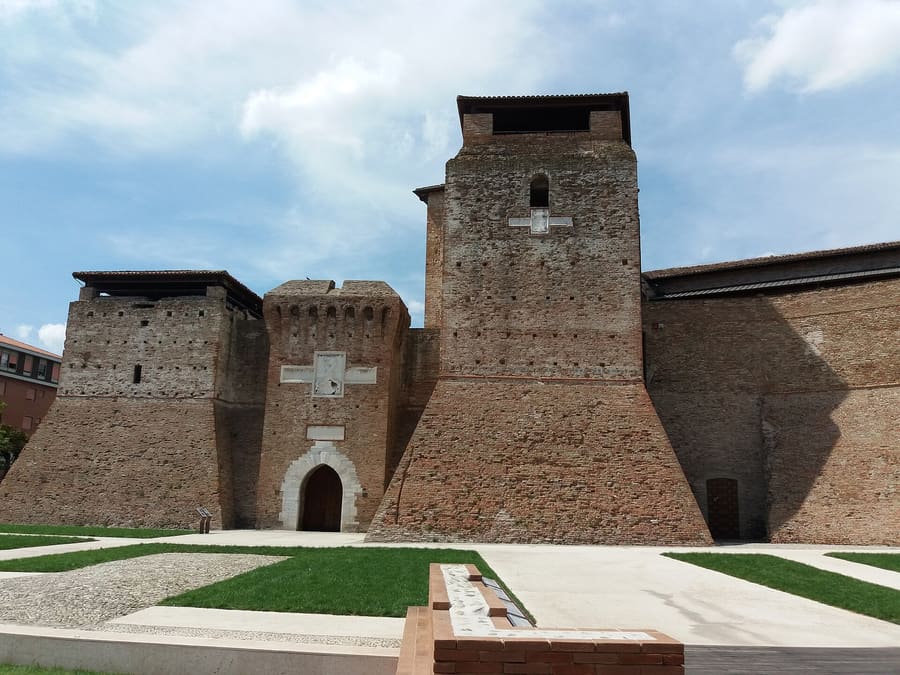
landmark
A 15th-century fortress that now forms the indoor core of the Fellini Museum. Purchase a combined ticket with Palazzo del Fulgor.
Parley से पूछें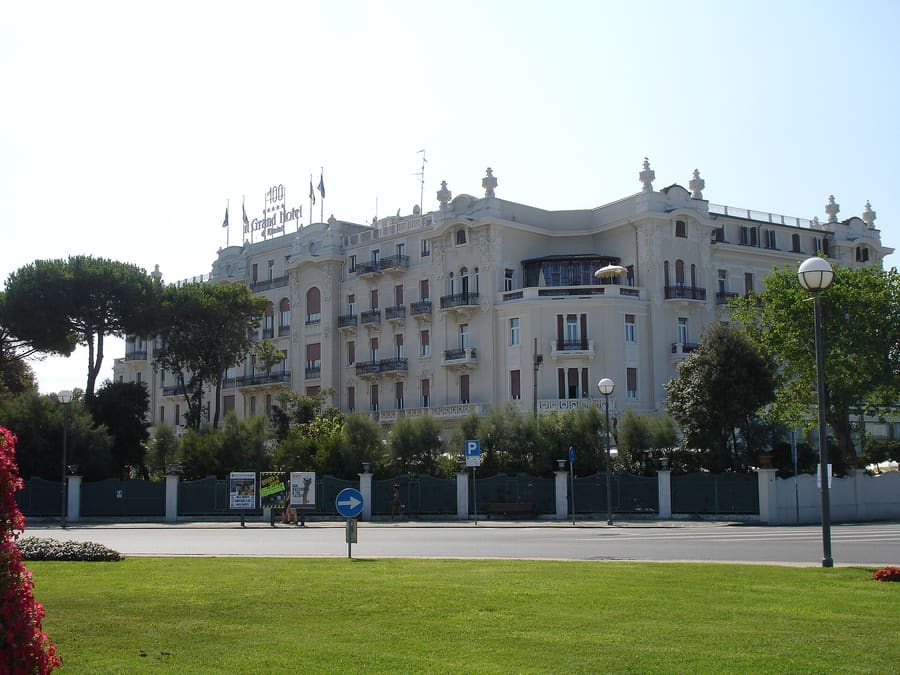
landmark
The Art Nouveau hotel immortalized in Fellini's Amarcord. Non-guests can order an aperitivo in the garden during summer evenings.
Parley से पूछेंattractions
areas
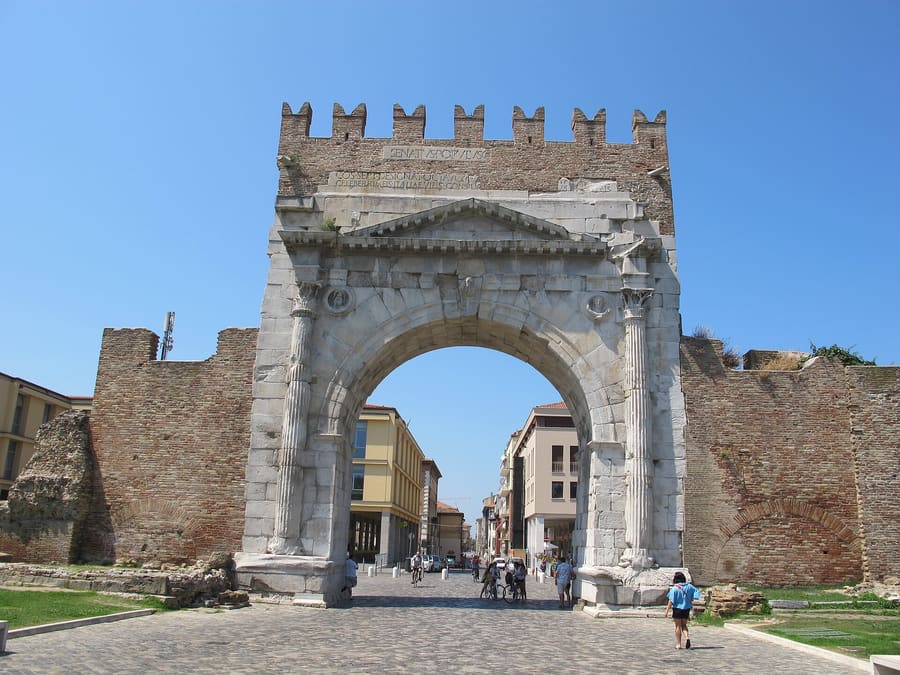
Ancient Roman grid packed with gelaterias, quiet squares, and Renaissance palaces.
पास मेंTempio Malatestiano and Tiberius Bridge
Parley से पूछेंSensory coastal boulevard lined with seafood trattorias, cocktail lounges, and beach clubs.
पास मेंGrand Hotel and the main pier
Parley से पूछेंFormer fishermen's quarter with pastel houses, mural-covered alleys, and osterias.
पास मेंTiberius Bridge and Parco Marecchia
Parley से पूछेंLaid-back southern beach zone near the airport with thermal baths and wide sands.
पास मेंRimini Airport and Beach Village
Parley से पूछेंfood
Rimini's culinary identity centers on the piadina, an unleavened flatbread cooked on a hot griddle. In Romagna, Rimini's version is thinner and wider than the thicker flatbreads found further inland. Bakers use extra virgin olive oil or lard in the dough, filling it warm with squacquerone cheese, rocket, and prosciutto crudo.For a quick bite on the go, order a cassone. This is a piadina folded and sealed before griddling, stuffed with cooked wild greens or tomato and mozzarella. Near the canal harbor, local seafood trattorias serve grilled Adriatic sardines and brodetto, a rich fish soup seasoned with vinegar and garlic.
Freshly griddled piadina folded with squacquerone cheese and prosciutto crudo.
Kobako · CC BY-SA 2.5Order flatbread at striped outdoor kiosks called chioschi. Dalla Lella on Via Covignano griddles some of the city's finest piadine.
Bars around Piazzetta San Martino serve small plates of warm piadina cuts alongside wine from 18:30.
Mercato Coperto on Via Castelfidardo houses over forty local fishmongers selling catches daily except Sunday.
history
Roman Colony
Ariminum is established as a defensive outpost at the terminus of the Via Flaminia.
Tiberius Bridge Completed
Emperor Tiberius finishes the five-arch stone bridge across the Marecchia river.
Malatesta Renaissance
Sigismondo Malatesta rebuilds Castel Sismondo and commissions the Tempio Malatestiano.
First Beach Resort
Rimini opens its first official bathing establishment, launching Adriatic beach tourism.
where to stay
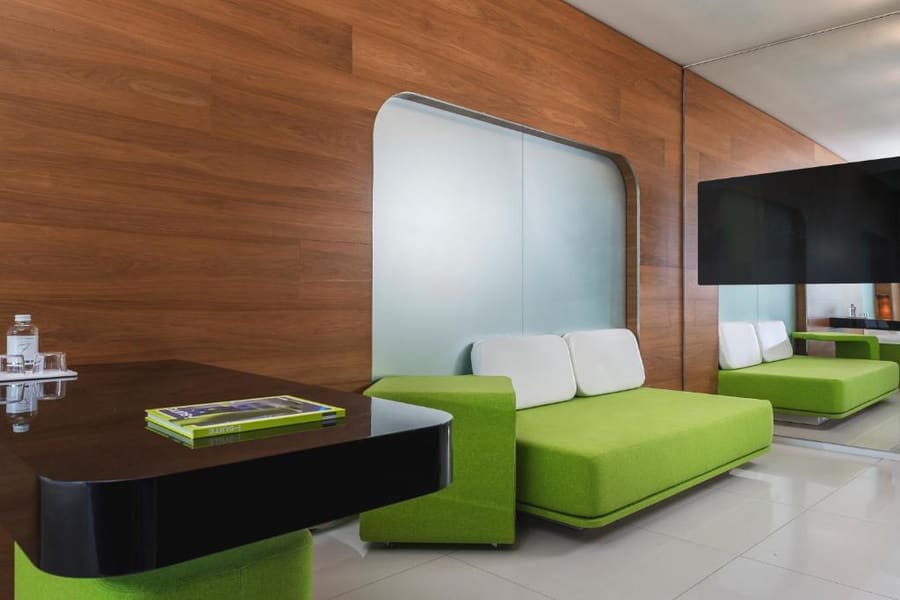
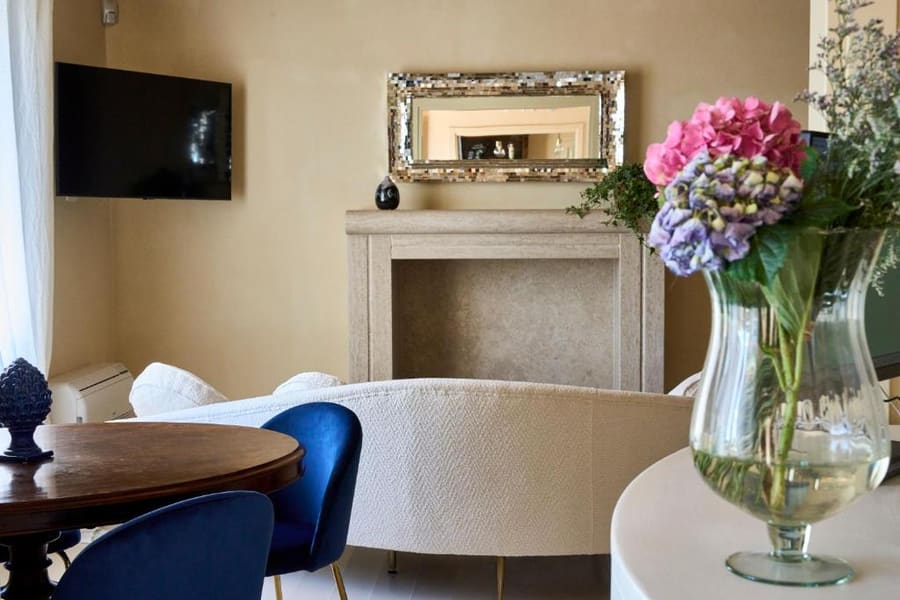
Choose your base by your priority: immediate beach access or historic character. The main railway line creates a physical barrier between the two. Staying near the sea keeps you close to the sand but requires a 20-minute walk or bike ride to Roman sites. Staying in the old town puts you near restaurants and museums, requiring transit to reach the water.
Live rates, matched to the areas above.
transport
Rimini is completely flat, making bicycles the most practical mode of transport between the historic centre and the coast. Dedicated cycling paths run along the entire seafront and through Parco Marecchia. For regional trips along the coast, the Metromare trolleybus offers fast, traffic-free journeys.
Line TRM runs on a dedicated track from Rimini Station to Riccione with 15 stops. Tap contactless cards onboard.
A 3-day pass costs €11 and allows unlimited travel on all Start Romagna public buses.
Regional trains accept assembled bicycles with a €3.50 daily bike supplement ticket.
During July and August, Blue Line night buses run along the coast until 05:00.
cost
Rimini offers lower daily costs than Florence or Venice, but beach infrastructure adds predictable expenses in summer. Eating at local street stalls keeps food budgets low, while beach umbrella rentals dominate warm-weather spending.
Freshly made piadina stuffed with prosciutto and squacquerone at a street kiosk.
Covers one umbrella and two sunbeds at a managed beach club in July.
Three courses of pasta and Adriatic seafood with local Trebbiano wine.
Valid for 75 minutes across city routes when bought at newsstands.
seasonality
MAR – MAY
Mild weather ideal for cycling and historic sightseeing. Beach establishments begin opening in mid-May.
JUN – AUG
Peak summer heat with warm seawater. High hotel rates and crowded beaches make advance booking mandatory.
SEP – OCT
Warm sea temperatures persist through September while summer crowds disperse. Osterias reopen regular hours.
NOV – FEB
Quiet winter months with damp coastal fog. Many beach resorts close, but historic attractions stay open.
practicalities
Unpaid public beaches sit beside the harbour pier at Piazzale Boscovich and in San Giuliano Mare.
Historic centre boutiques close between 13:00 and 16:30 every day.
Buy single tickets at newsstands or via the DropTicket app before boarding city buses.
Your combined entry ticket includes admission to both Castel Sismondo and Palazzo del Fulgor.
Stay out of red-painted bike lanes along the seafront strip to avoid collisions with cyclists.