landmark
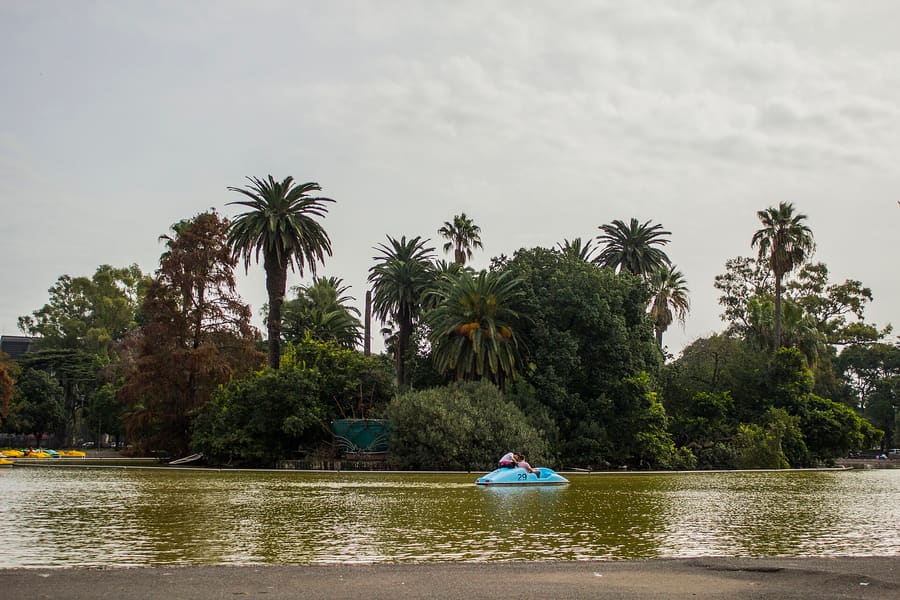
Parque de la Independencia
The city's largest green space, designed in 1902 with a central lake. Rent a paddleboat or visit the fine arts museum inside.
Parley से पूछेंअर्जेंटीना
Riverfront grit, neoclassic grandeur, and grain-port soul.
introduction
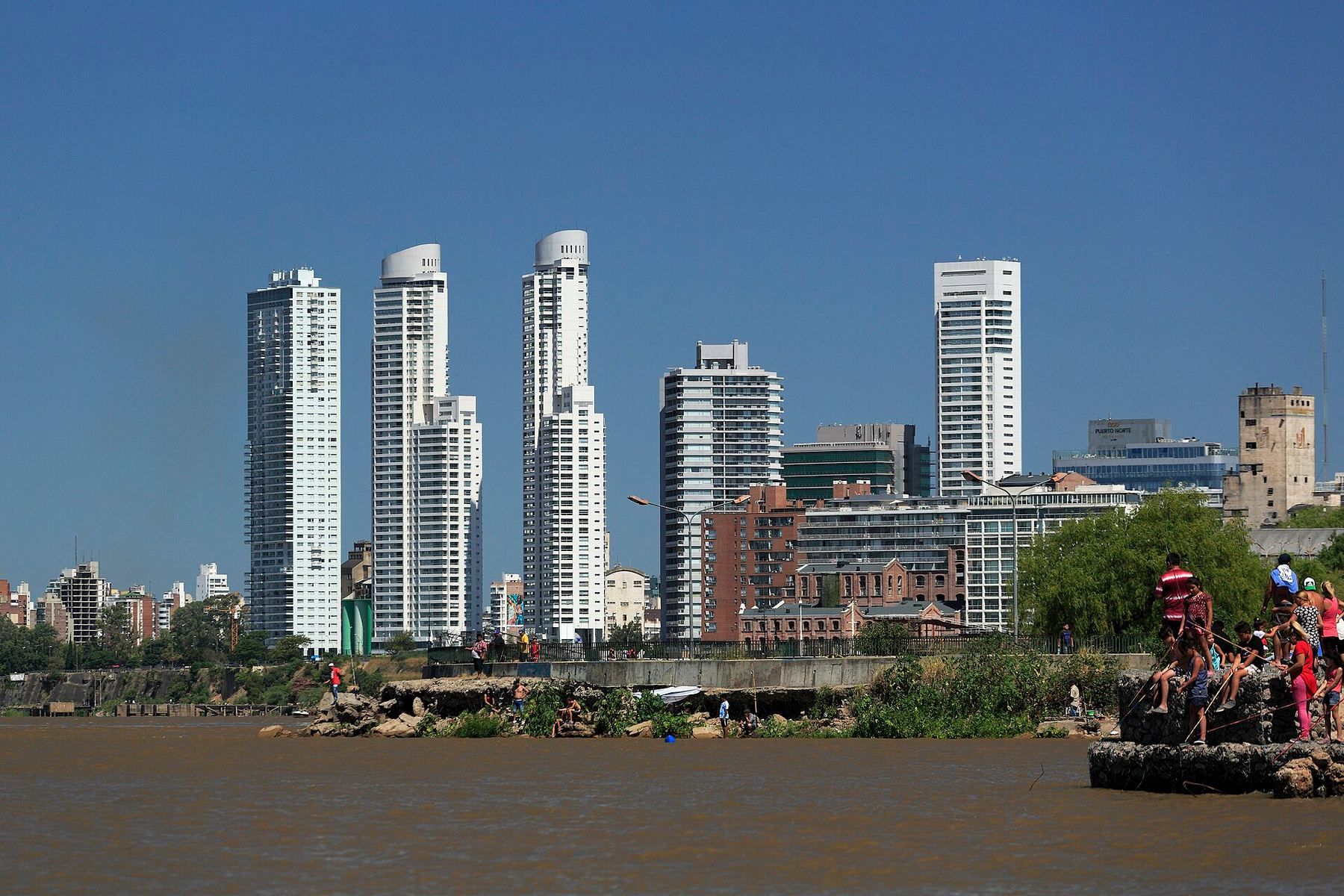
Rosario sits on the western bank of the Paraná River, 300 kilometres northwest of Buenos Aires. Grain exports funded its grand late-19th-century architecture, leaving broad avenues that end at massive waterfront parks. You move through a working river port that trades capital-city hype for island beaches and late-night neighbourhood dining. Expect a down-to-earth urban tempo where life centers entirely on the water.
Arrival trick
The direct train from Buenos Aires Retiro costs a fraction of the bus fare. Tickets release monthly and sell out within hours.
National monument
Rosario is where Manuel Belgrano raised the Argentine flag in 1812. A massive stone memorial now sits above the river shore.
Island access
Water taxis depart from Estación Fluvial directly to island sandbars across the Paraná River. Boats run continuously on summer weekends.
Rosario
User:Turkmenistan · CC0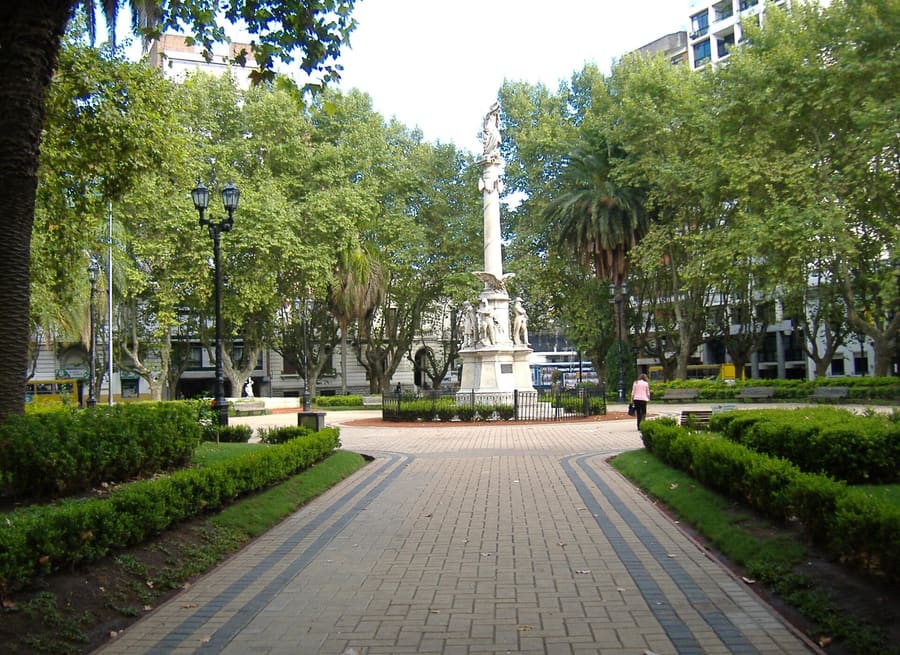
Centro — Commercial pedestrian streets, French-style facades, busy office rush, and easy riverfront access.
Pablo D. Flores · CC BY-SA 3.0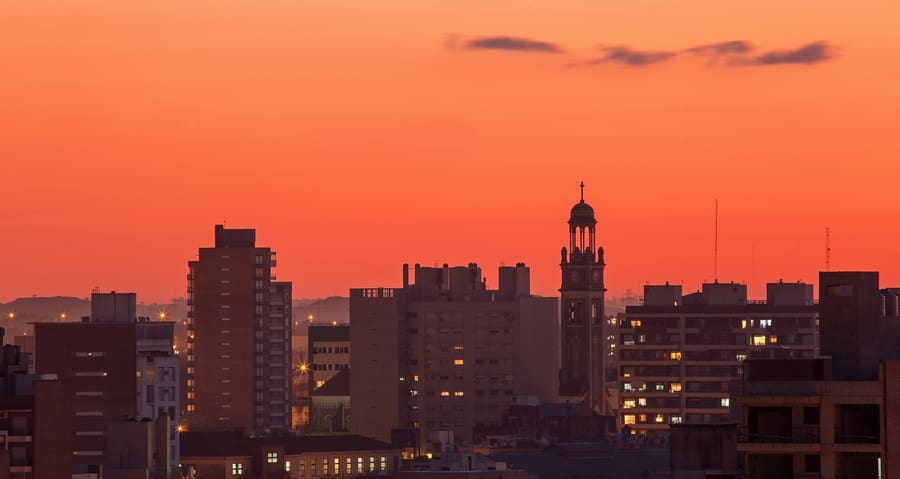
Pichincha — Former red-light district turned nightlife hub filled with craft breweries, vermouth bars, and antique markets.
Scarabinol · CC BY-SA 4.0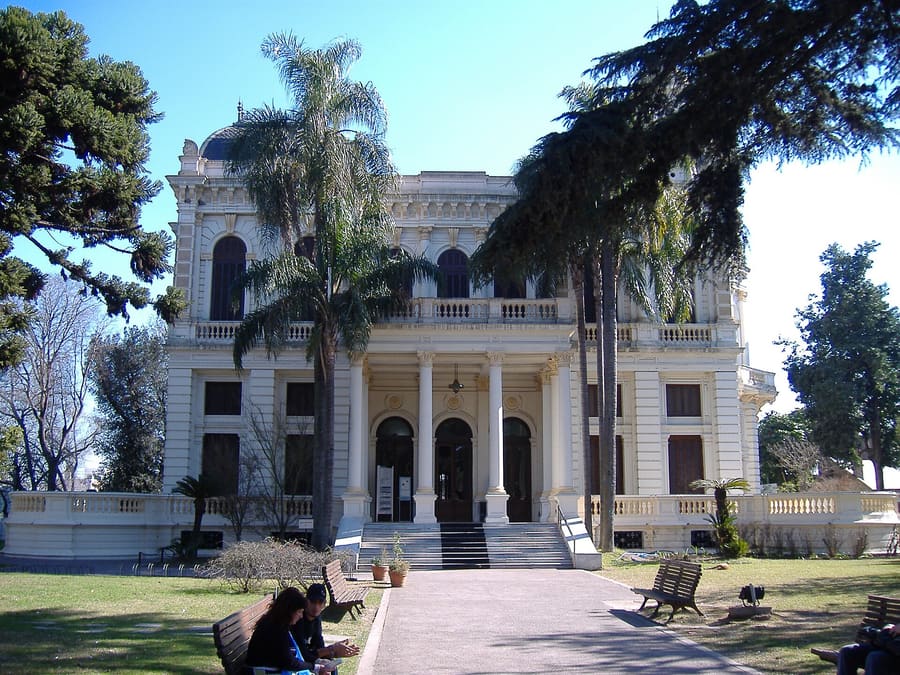
Alberdi — Leafy northern residential district with historic mansions, rowing clubs, and broad river views.
Pablo D. Flores · CC BY-SA 2.5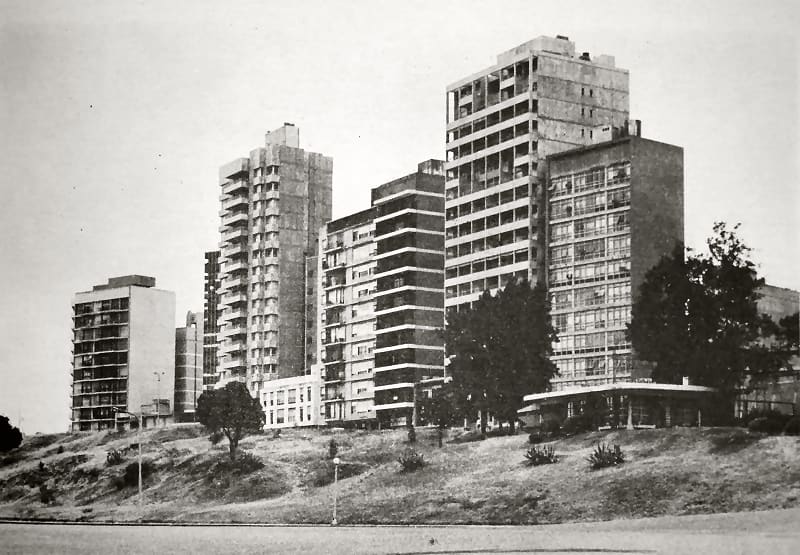
Barrio Martin — High-density residential neighborhood perched on cliffs overlooking Urquiza Park and the river.
Unknown authorUnknown author · Public domain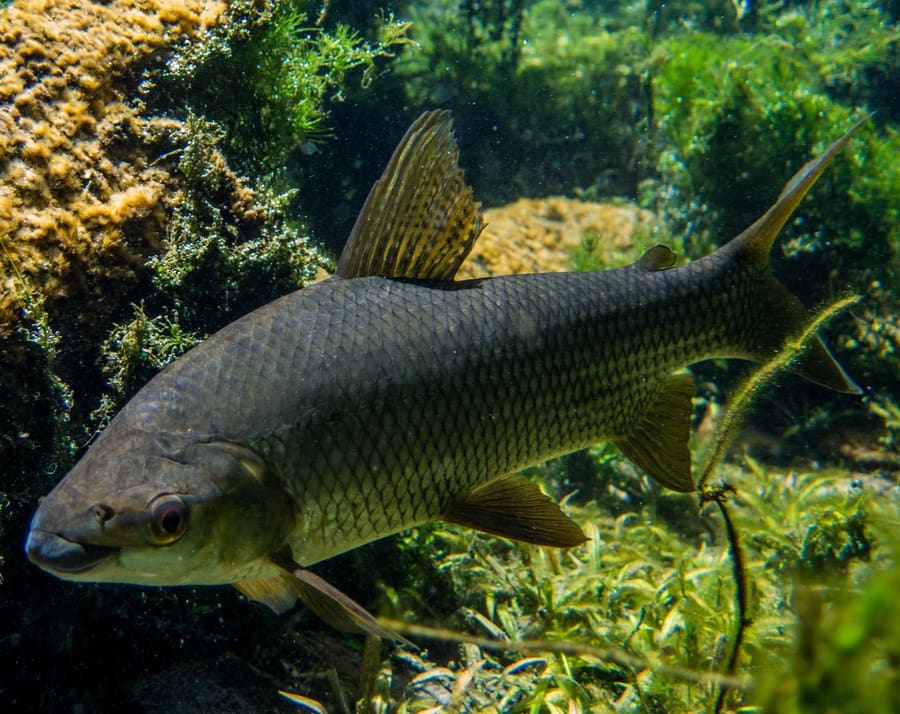
Pescado de río grilled over wood embers, a staple along the Rosario riverfront.
João D'Andretta · CC BY 4.0highlights
landmark
The city's largest green space, designed in 1902 with a central lake. Rent a paddleboat or visit the fine arts museum inside.
Parley से पूछें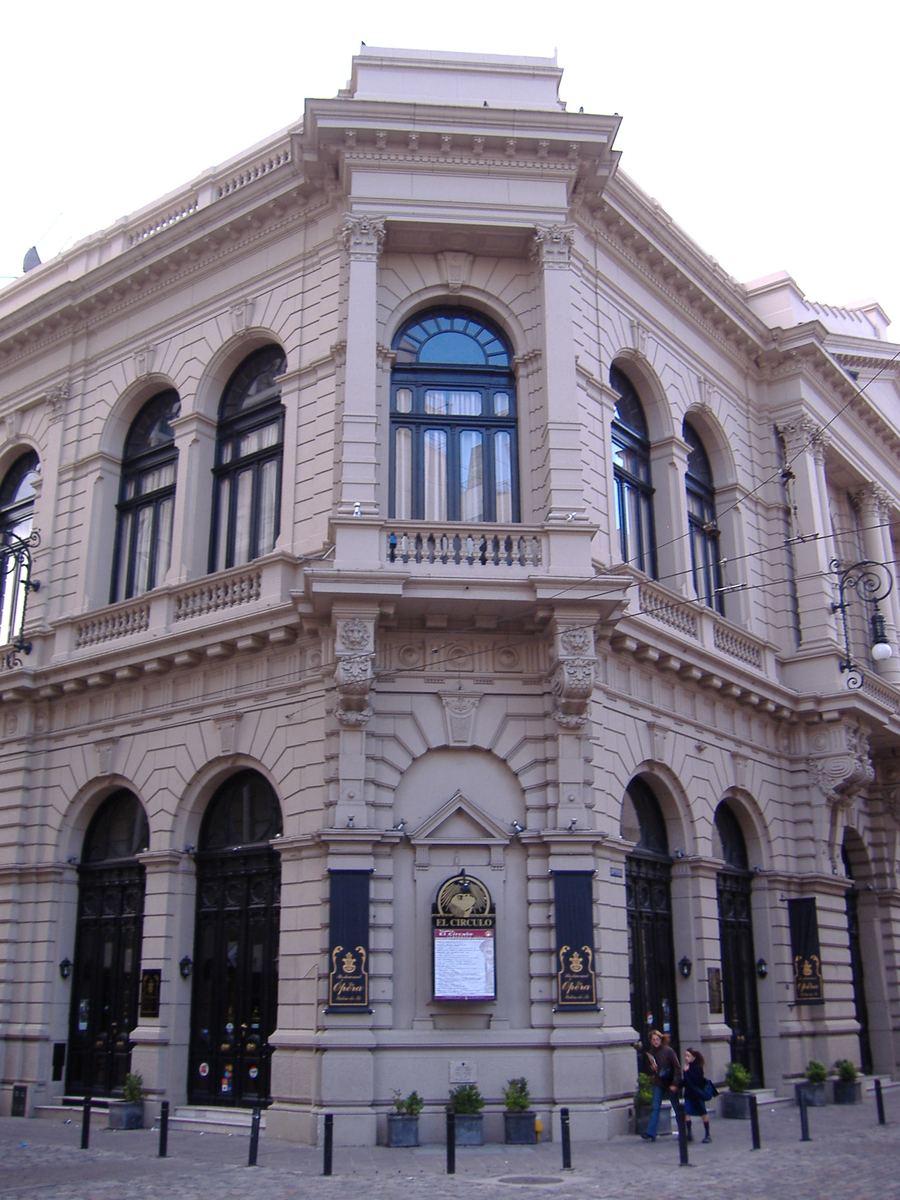
landmark
An 1904 opera house famed for acoustics praised by Caruso. Book a guided tour to see the underground catacombs.
Parley से पूछें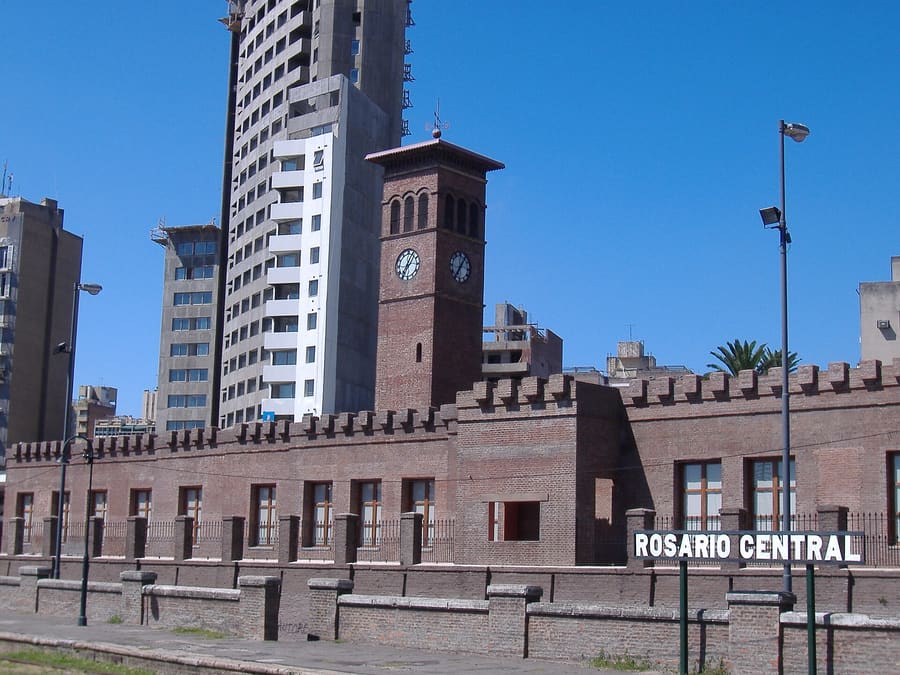
landmark
A converted 19th-century train terminal turned creative workshop. Open Friday to Sunday with entry for less than a soft drink.
Parley से पूछेंattractions
areas
Commercial pedestrian streets, French-style facades, busy office rush, and easy riverfront access.
पास मेंFlag Monument, Peatonal Córdoba, River promenade
Parley से पूछेंFormer red-light district turned nightlife hub filled with craft breweries, vermouth bars, and antique markets.
पास मेंSavor Sunday market, Rosario Norte station, Jujuy street bars
Parley से पूछेंLeafy northern residential district with historic mansions, rowing clubs, and broad river views.
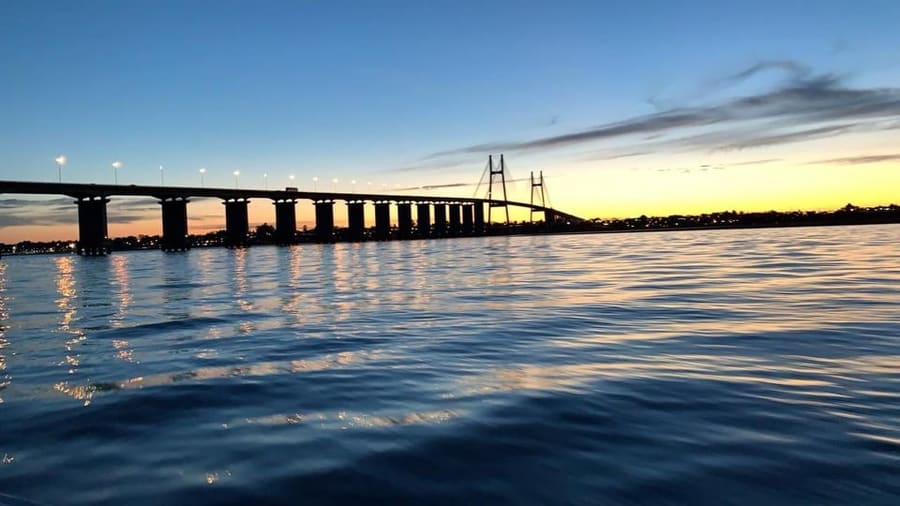
पास मेंLa Florida beach, Rosario-Victoria bridge, Riverfront fish eateries
Parley से पूछेंHigh-density residential neighborhood perched on cliffs overlooking Urquiza Park and the river.
पास मेंParque Urquiza, Planetarium, Flag Monument
Parley से पूछेंfood
Rosario dining diverges from standard Argentine beef culture at the river's edge. Local cooks specialize in freshwater fish caught directly from the Paraná basin, particularly boga and surubí. You eat boga split open and grilled over wood coals, dressed simply with lemon, garlic, and provencal herbs.In the evening, the neighbourhood of Pichincha operates on a distinct rhythm. Locals gather for late-afternoon vermouth on tap before transitioning to craft breweries and wood-fired pizzerias after 21:00.
Pescado de río grilled over wood embers, a staple along the Rosario riverfront.
João D'Andretta · CC BY 4.0Head to northern riverfront restaurants like Escauriza for grilled boga with views of the water.
Kitchens rarely open before 20:30. Arriving at 21:30 places you among the first diners in the room.
Traditional bars in Pichincha serve local draft vermouth with a side siphon of carbonated water.
history
Unlike most major Argentine cities, Rosario has no formal founder or colonial foundation decree. It grew organically around a 1730 chapel dedicated to the Virgin of the Rosary. Its location on the Paraná River made it an ideal transit point for agricultural trade from the central plains.By the late 19th century, foreign capital and massive European immigration transformed the settlement into Argentina's primary grain-export port. Railroads converged on the waterfront, funding ambitious civic architecture that still defines the city center today.
First Flag Raised
General Manuel Belgrano unveils the sky-blue and white Argentine flag on the banks of the Paraná River.
Declared a City
Rosario officially attains city status and opens its port to direct foreign trade, triggering rapid growth.
Che Guevara Born
Ernesto Guevara is born in an apartment building on the corner of Entre Ríos and Urquiza streets.
Flag Monument Opened
The massive National Flag Memorial is inaugurated after decades of design changes and construction.
where to stay
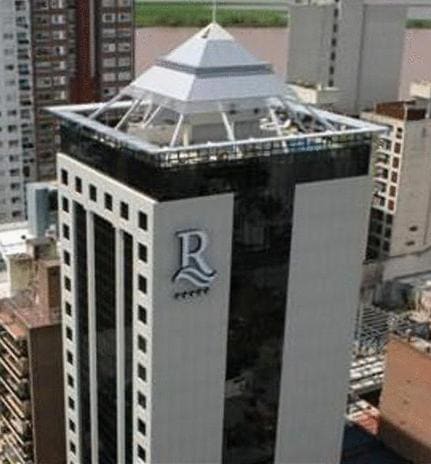
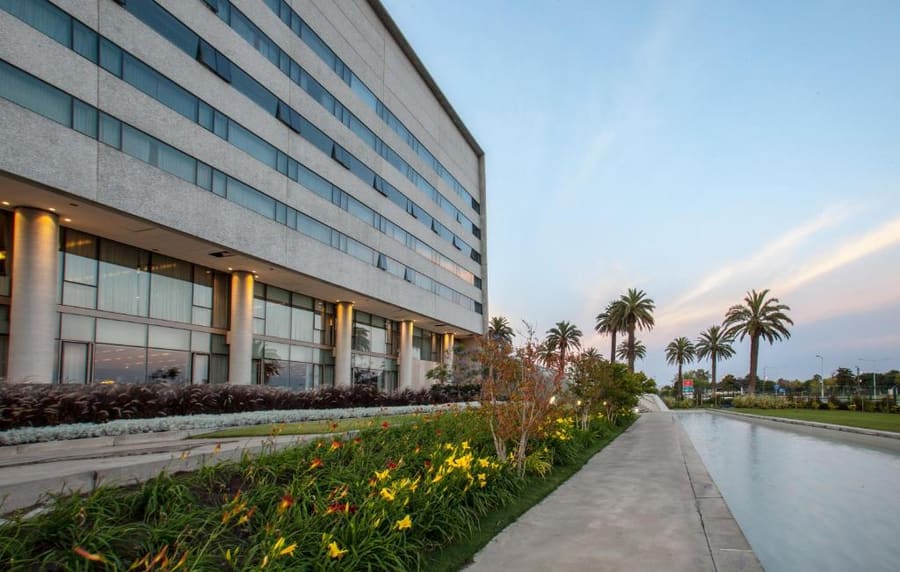
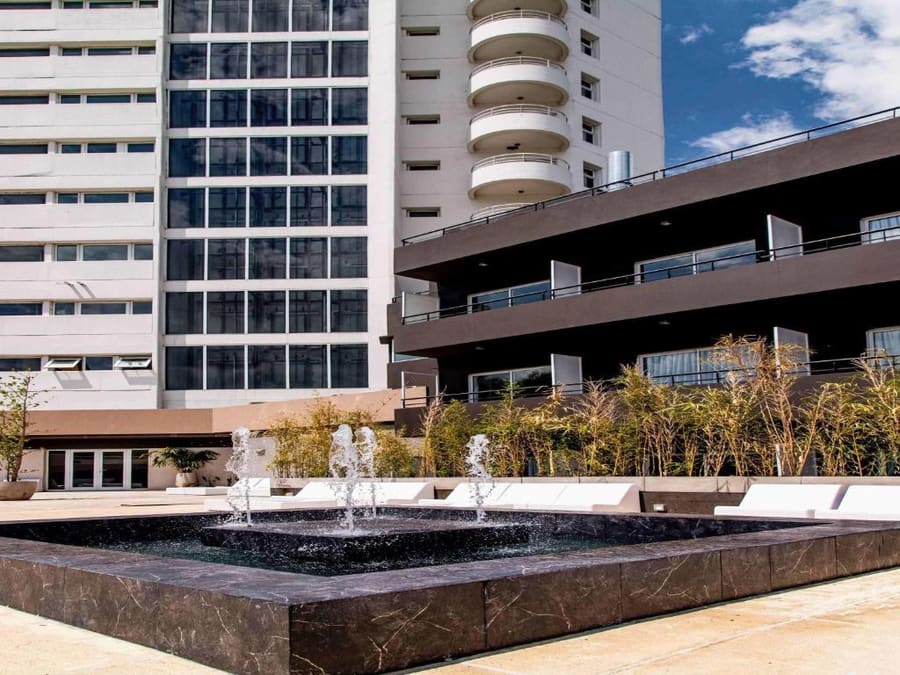
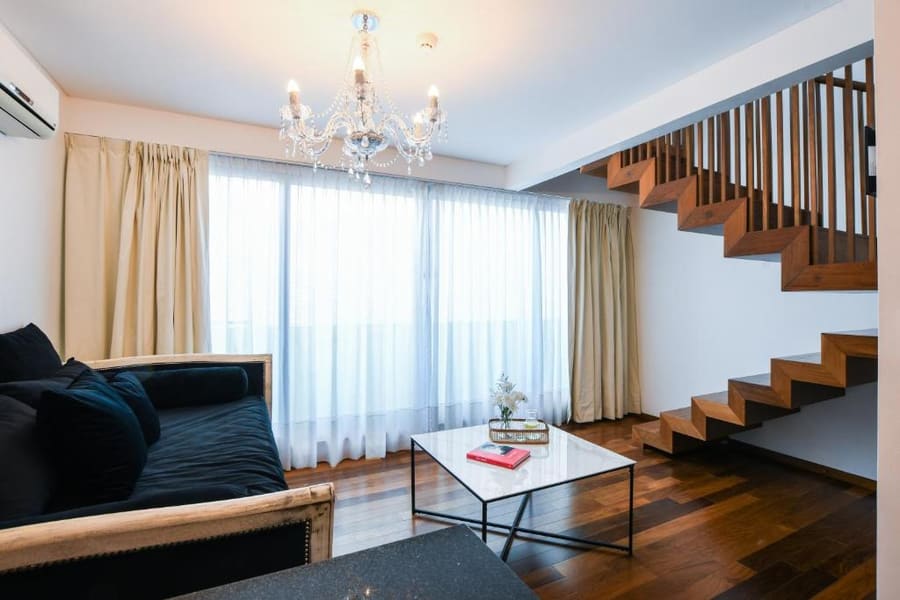
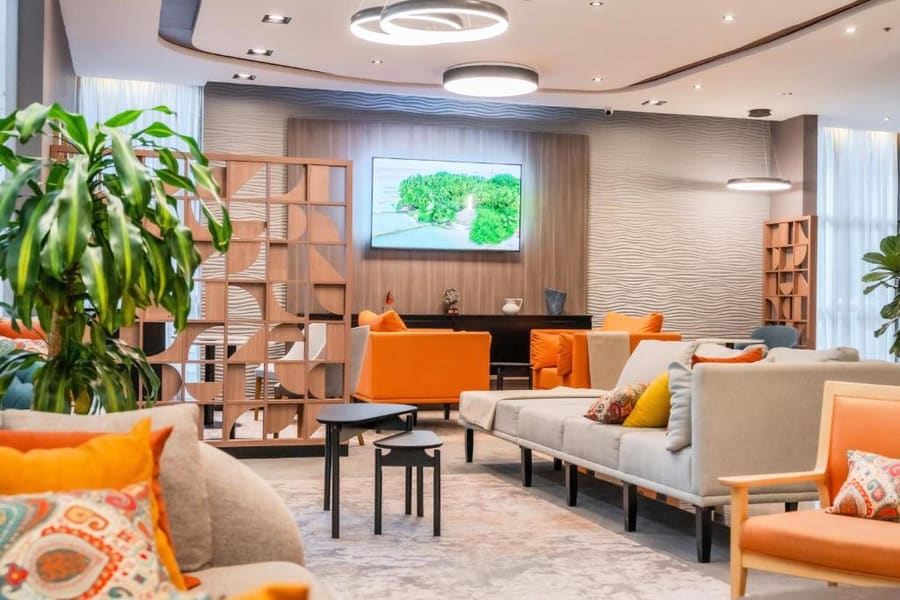
Choose your base based on how you want to end your evening. Staying in Centro puts you within walking distance of historical landmarks, daytime shopping, and river parks, but streets quiet down early. Pichincha suits travellers who want bars, restaurants, and craft breweries outside their front door. Alberdi offers a quieter, resort-style feel right near the northern beaches.
Live rates, matched to the areas above.
transport
Rosario is built on a grid that tilts toward the Paraná River. Central streets are flat and easy to navigate on foot, though distance from downtown to northern beaches requires public transit or rideshares. Buses (TUP) cover the entire city using the plastic SUBE card shared with Buenos Aires.
City buses use the national SUBE card. You can purchase and top it up at kiosks marked 'Kiosco' throughout Centro.
Download the official 'Movi Rosario' app for real-time bus arrivals at every city stop.
Water taxis depart from La Fluvial station near the Flag Monument to reach island beaches.
cost
Prices in Rosario run lower than in Buenos Aires for dining and accommodation. Argentina experiences high inflation; prices listed here reflect base local costs and fluctuate in peso terms. Cash is widely used for small purchases, while credit cards and digital transfers are accepted at most established venues.
seasonality
DEC – FEB
Hot and humid with temperatures often exceeding 32°C. Island beaches and river bars operate at maximum capacity.
MAR – MAY
Warm days and mild nights make autumn ideal for walking central parks and exploring outdoor dining.
JUN – AUG
Cool and dry with highs around 15°C. River traffic slows, but indoor culture and dining remain active.
SEP – NOV
Spring brings blooming jacaranda trees and comfortable temperatures for waterfront cycling and sightseeing.
practicalities
Smaller shops outside main shopping malls close between 13:00 and 16:30 for afternoon breaks.
Keep smartphones out of sight on main avenues and use registered radio taxis or app rides late at night.
Bring cash for small purchases, street markets, and kiosks where card terminals occasionally drop offline.
Repellent is essential when visiting island sandbars and wetlands along the Paraná River.
Only swim in designated beach zones like La Florida where lifeguards monitor strong river currents.