landmark
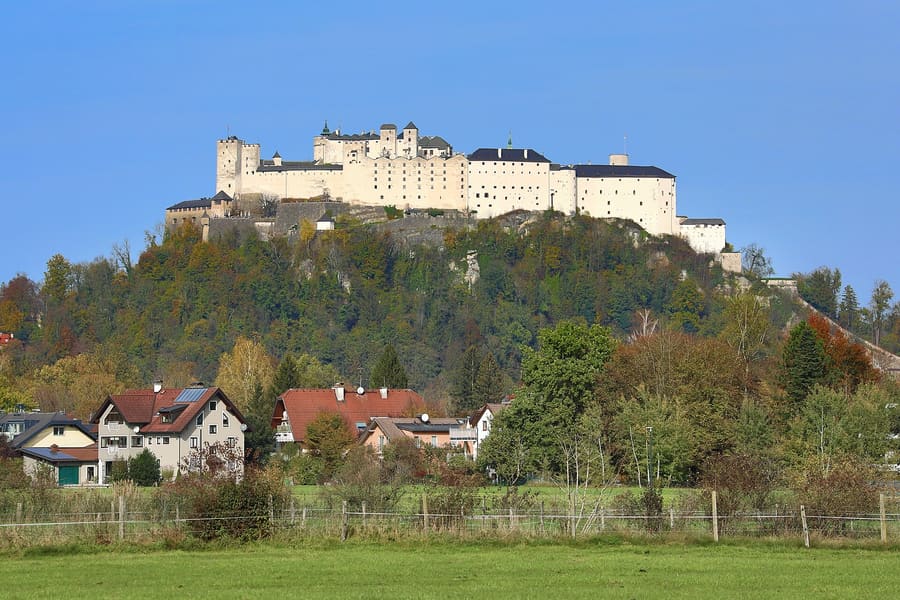
Hohensalzburg Fortress
Takes 15 minutes to climb on foot or 1 minute via the Festungsbahn funicular.
Parley से पूछेंऑस्ट्रिया
Baroque architecture split by the Salzach, defined by music.
introduction
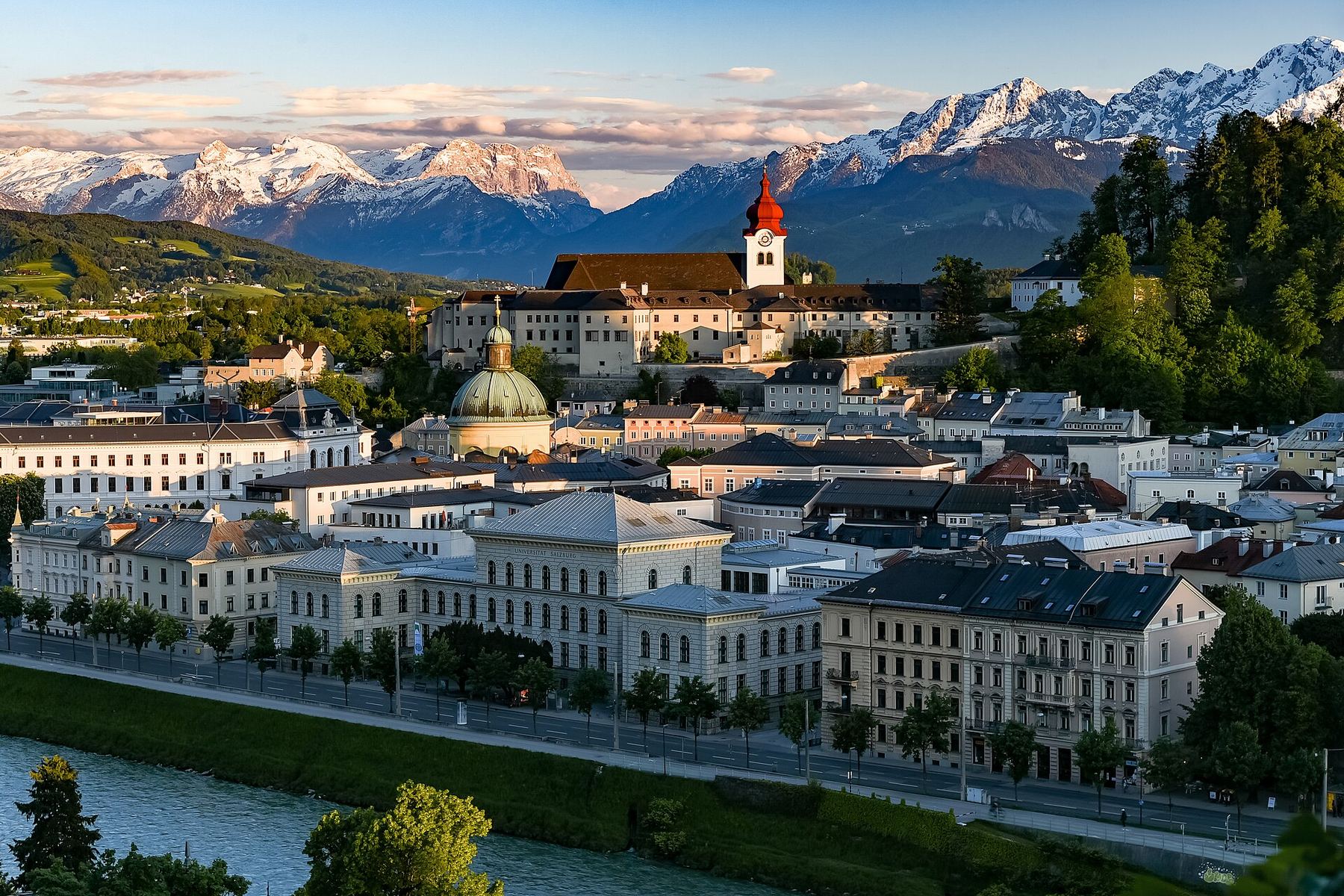
Salzburg sits on the Salzach River, split into an intact medieval-baroque Altstadt and a 19th-century Neustadt. You walk almost everywhere here; the historic centre is largely pedestrianised and compressed against steep cliffs. Expect high costs during the summer festival season, damp mountain weather year-round, and dense crowds along Getreidegasse.
Heritage designation
UNESCO listed the historic centre in 1996 for its preserved townscape and music heritage.
Festival pricing
July and August bring the Salzburg Festival. Room rates double and dining requires booking months ahead.
Salzburg
Mattsjc · CC BY-SA 4.0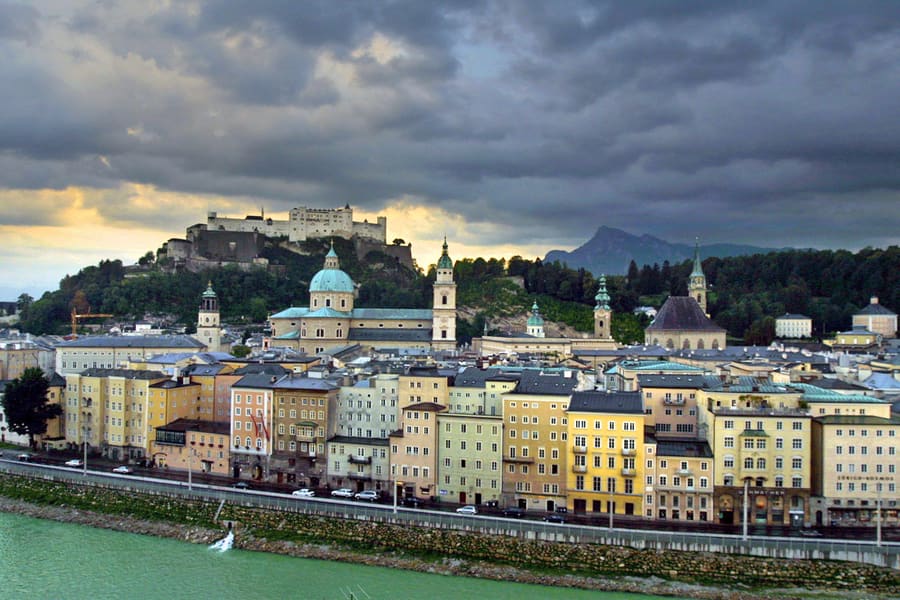
Altstadt — Dense medieval alleys beneath steep cliffs. Busy by day, quiet late at night.
Thomas Pintaric (= Pintaric) · CC BY-SA 3.0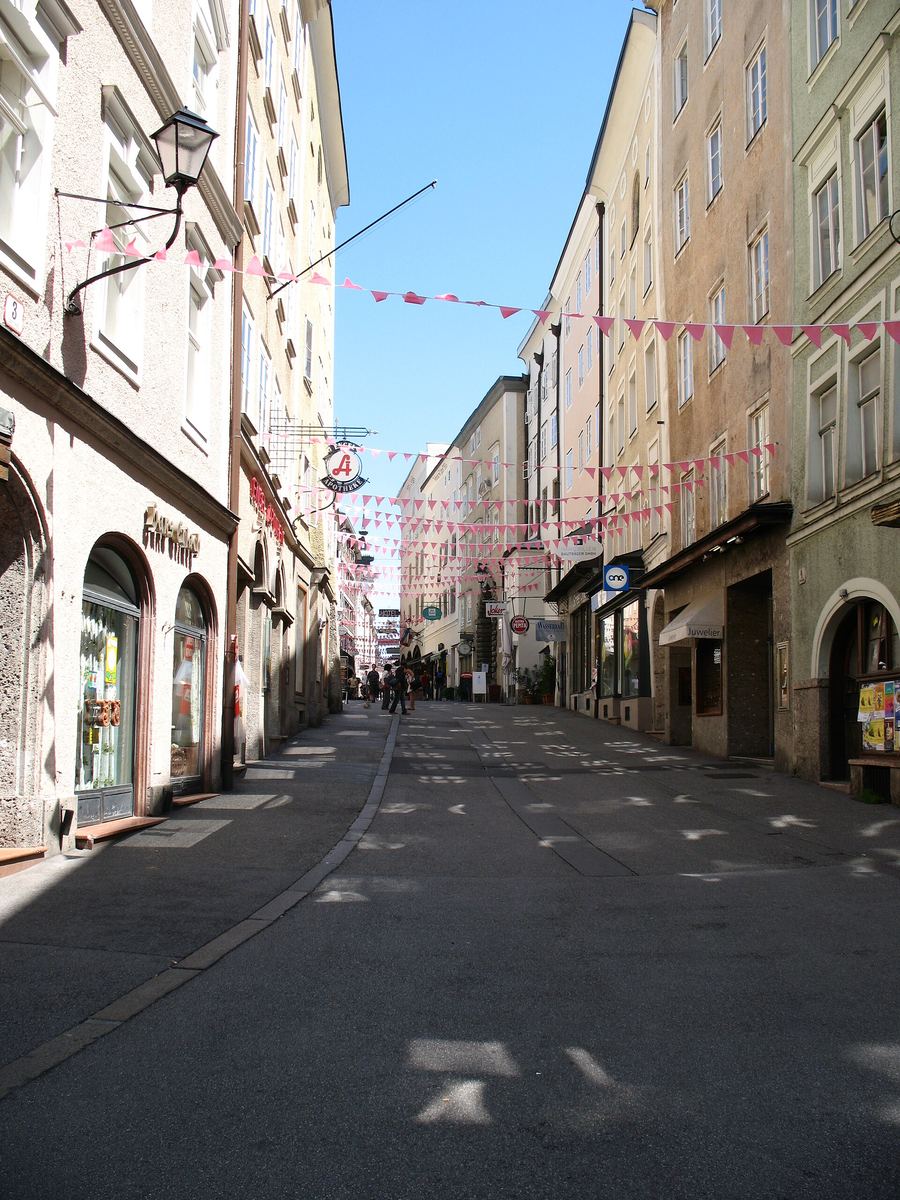
Neustadt — Right bank district with active local trade, independent shops, and direct access to Kapuzinerberg.
Andrew Bossi · CC BY-SA 2.5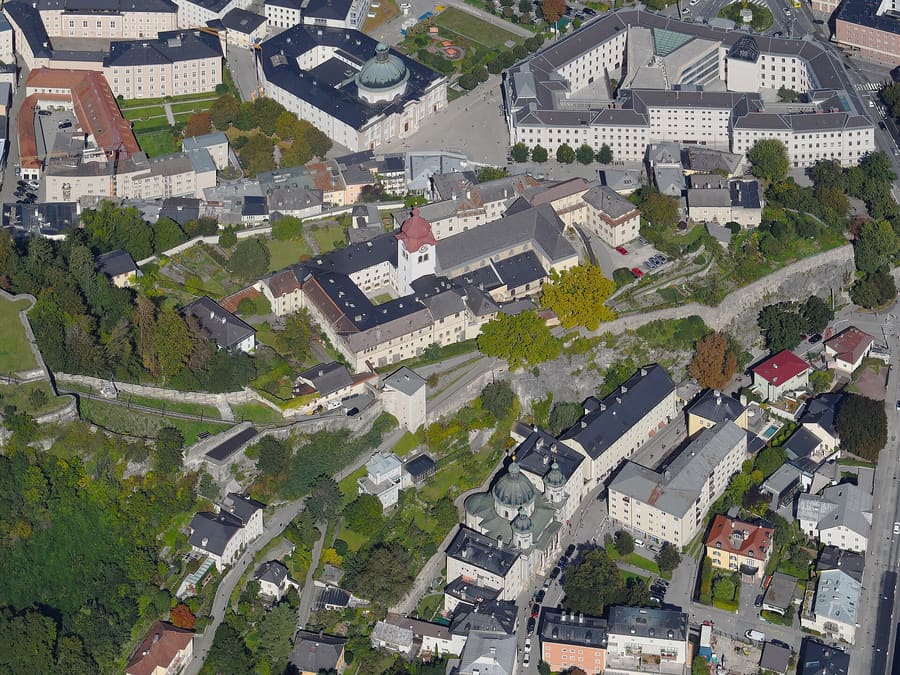
Nonntal — Residential quarter south of the fortress with quiet streets and university buildings.
Carsten Steger · CC BY-SA 4.0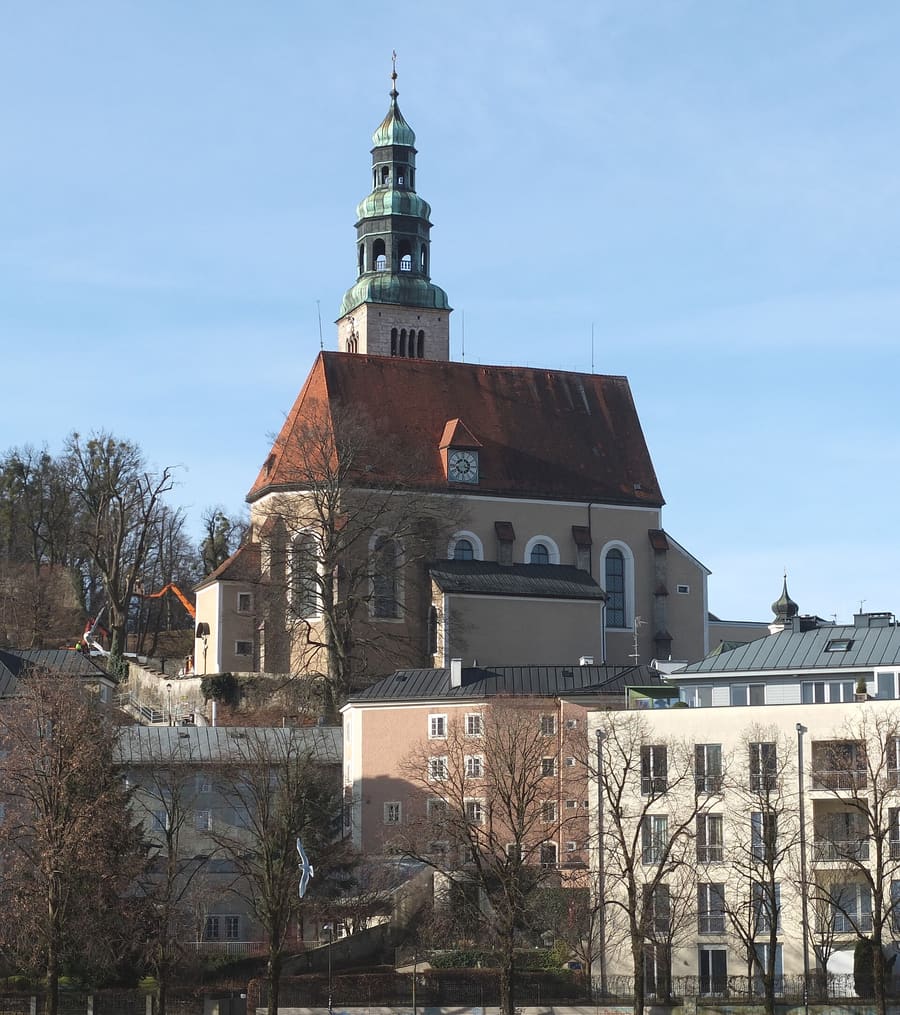
Mülln — Historic brewing area west of the centre, dominated by the Augustiner Bräustübl.
Palauenc05 · CC BY-SA 4.0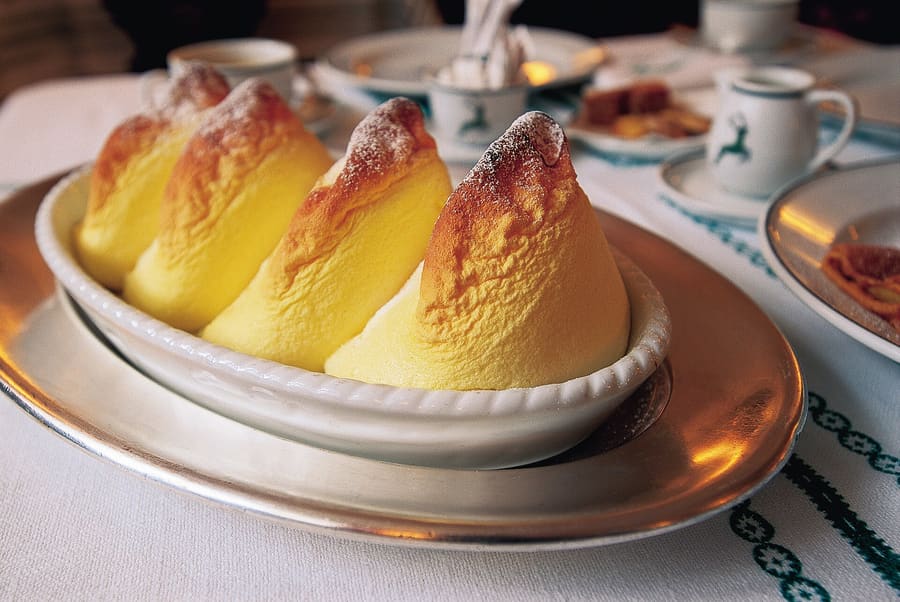
Salzburger Nockerl served hot at a traditional Altstadt gasthaus.
Tourismus Salzburg - original uploader was Salzburg at de.wikipedia · CC BY-SA 3.0highlights
landmark
Takes 15 minutes to climb on foot or 1 minute via the Festungsbahn funicular.
Parley से पूछें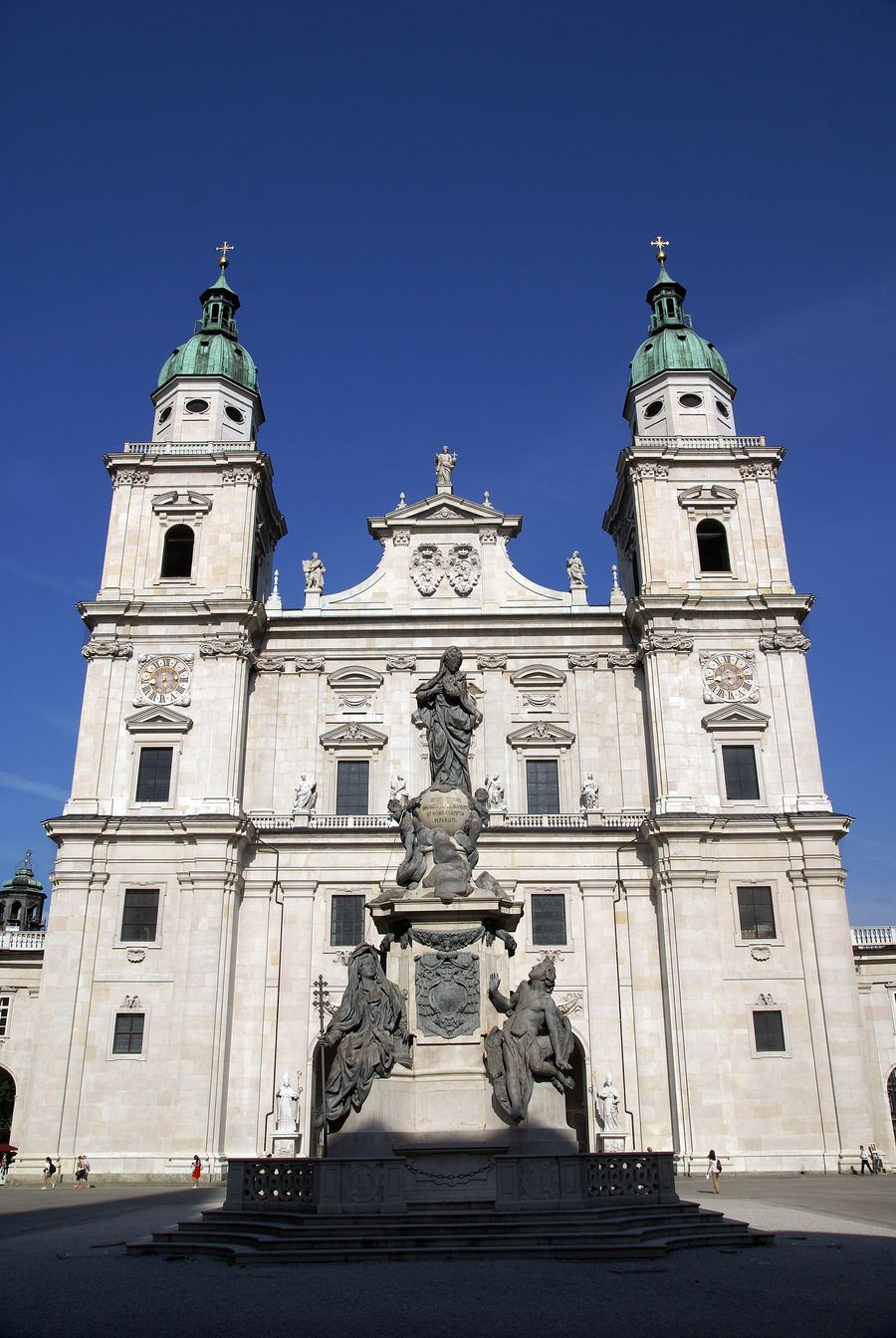
landmark
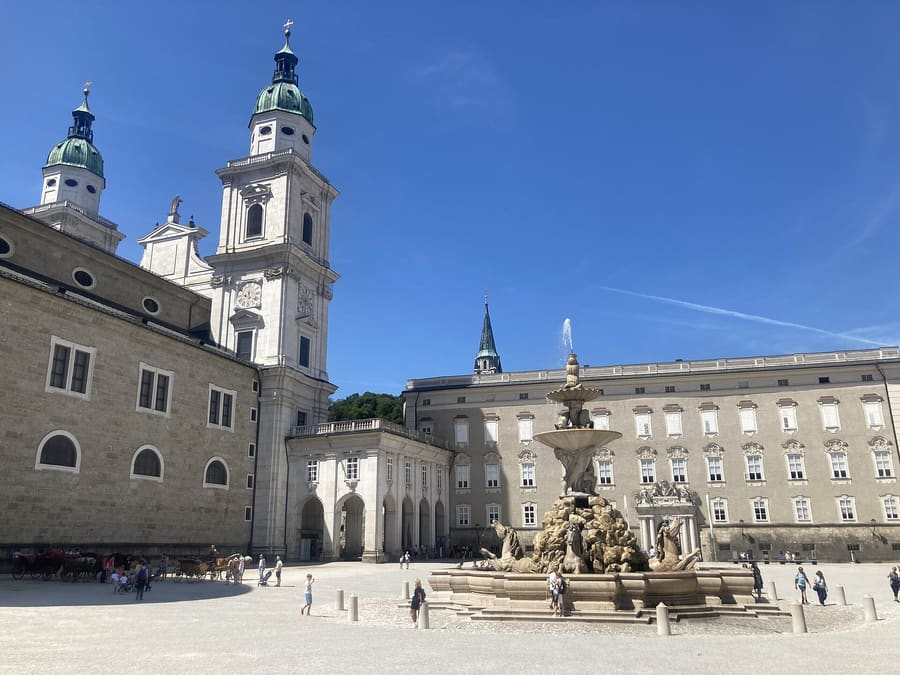
Baroque cathedral where Mozart was baptised. Enter early before mid-day tour groups.
Parley से पूछें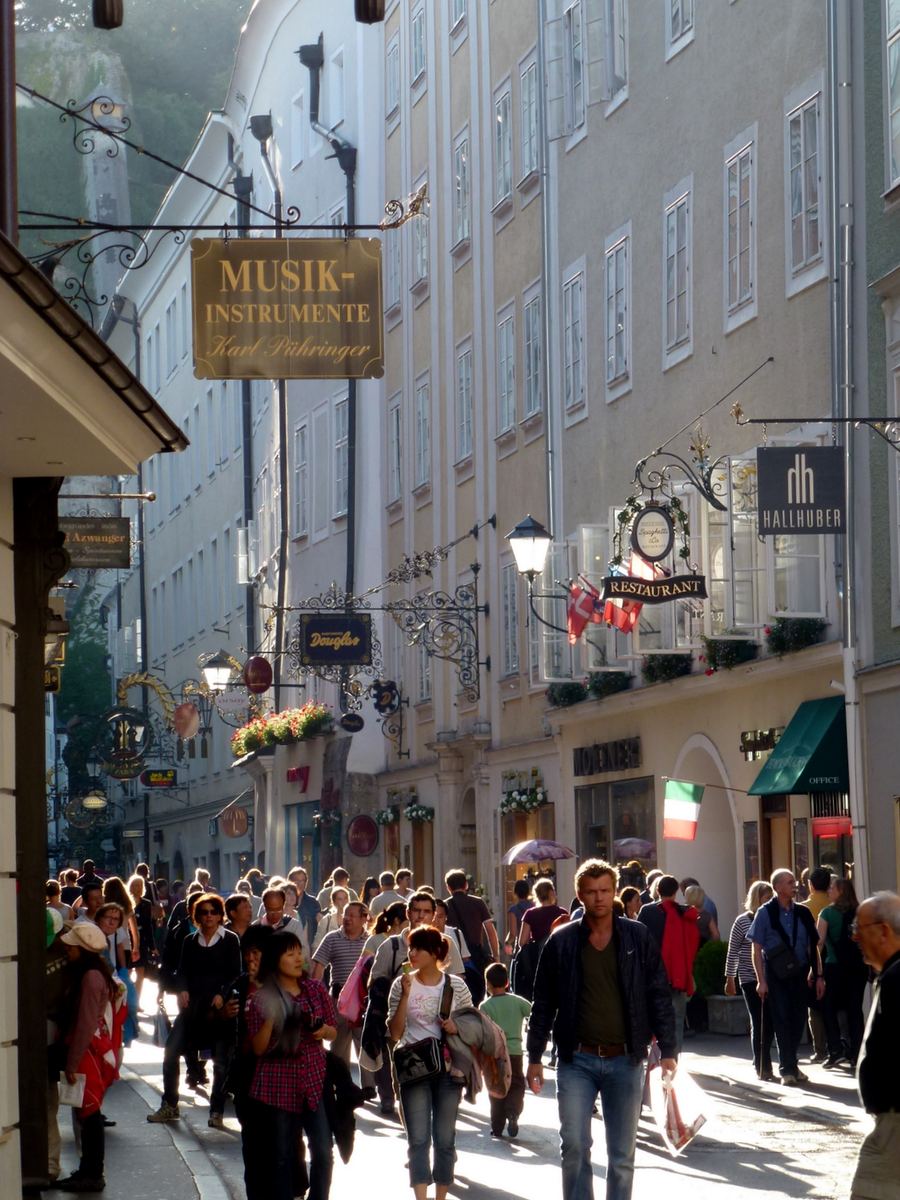
landmark
Narrow shopping lane known for wrought-iron shop signs. Walk before 09:00 for space.
Parley से पूछें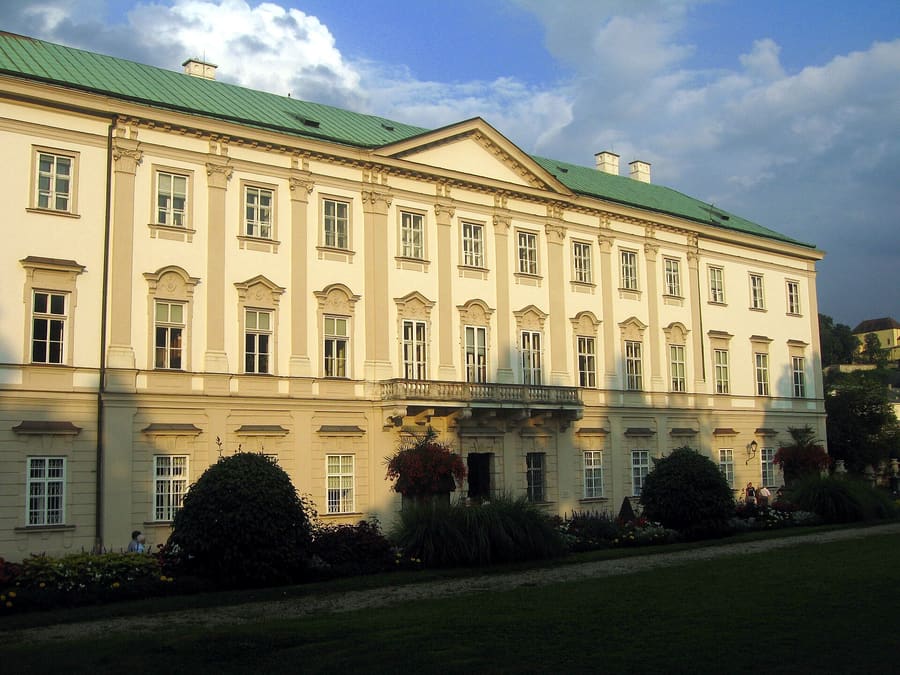
landmark
17th-century palace with free garden access and clear fortress views from the north.
Parley से पूछें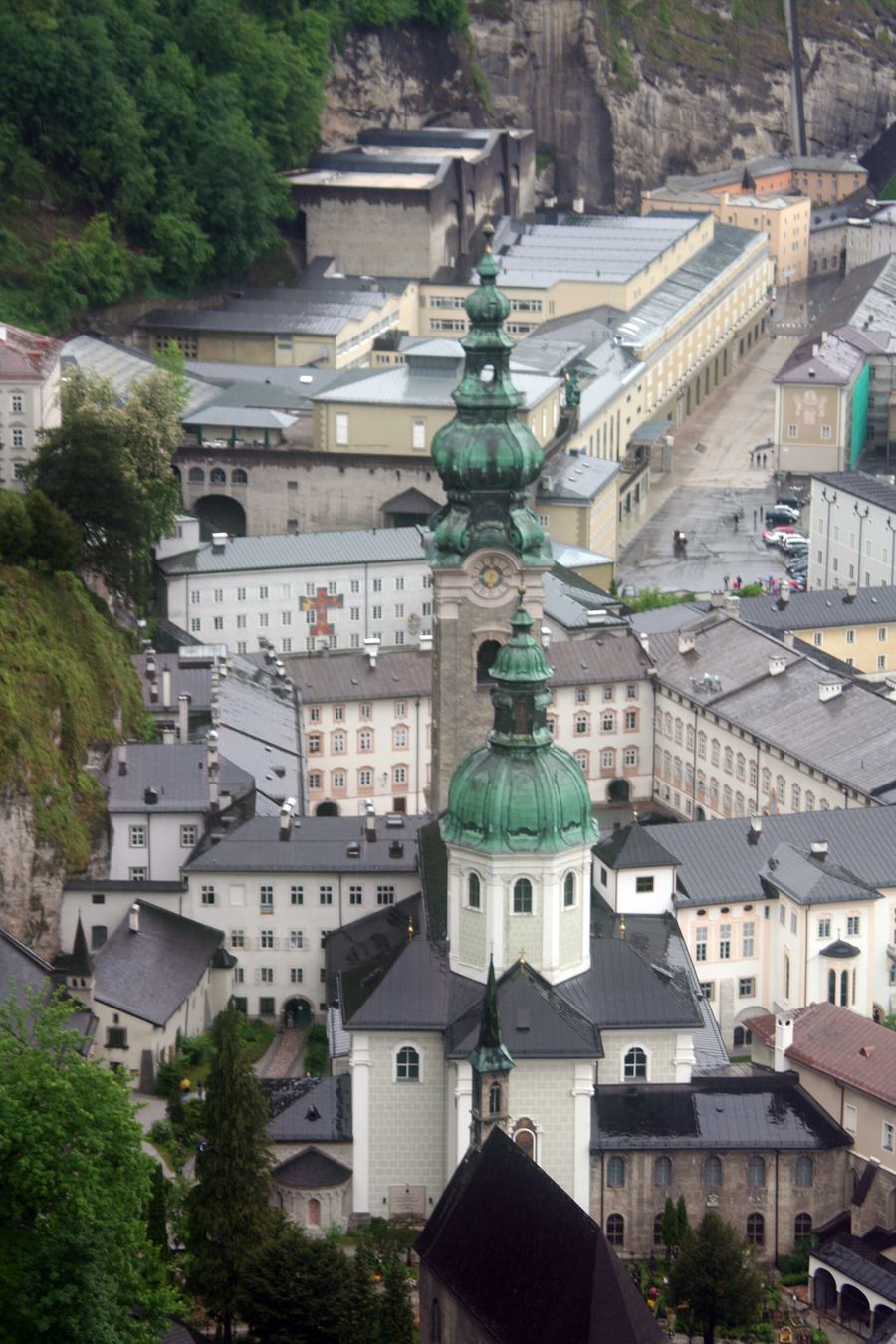
landmark
Benedictine monastery founded in 696. Catacombs are cut directly into the Mönchsberg rock wall.
Parley से पूछें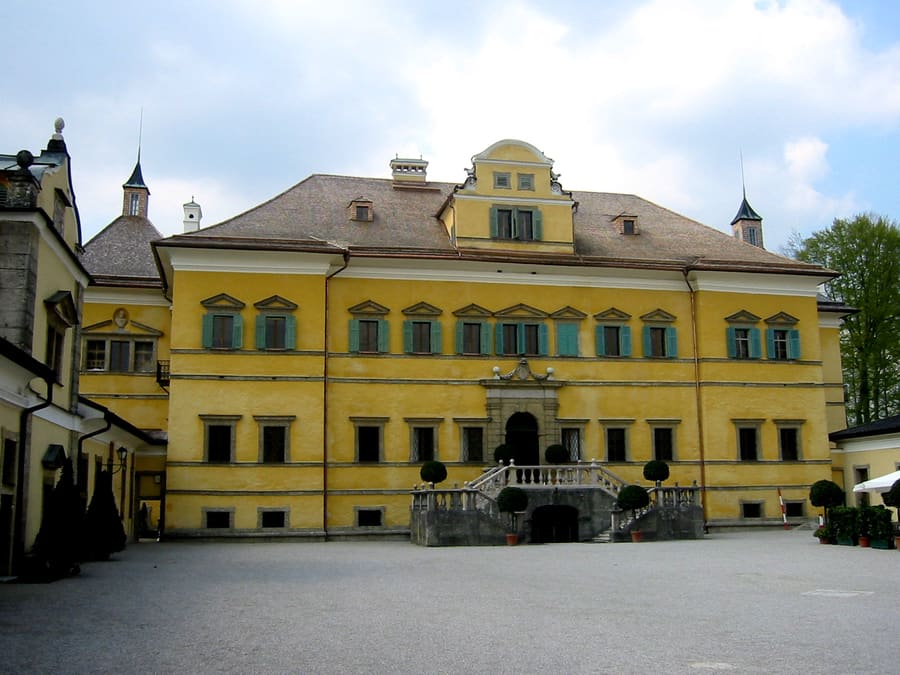
landmark
Early 17th-century villa famous for hidden trick fountains that wet unsuspecting visitors.
Parley से पूछेंattractions
areas
Dense medieval alleys beneath steep cliffs. Busy by day, quiet late at night.
पास मेंSalzburg Cathedral and Getreidegasse
Parley से पूछेंRight bank district with active local trade, independent shops, and direct access to Kapuzinerberg.
पास मेंMirabell Palace and Linzer Gasse
Parley से पूछेंResidential quarter south of the fortress with quiet streets and university buildings.
पास मेंNonnberg Abbey and Hans-Donnenberg-Park
Parley से पूछेंHistoric brewing area west of the centre, dominated by the Augustiner Bräustübl.
पास मेंMüllner Brewery and Salzburg Mülln-Altstadt station
Parley से पूछेंfood
Salzburg dining sits between hearty Alpine pub fare and Austrian coffeehouse traditions. You find Bosna, a spiced pork sausage served with curry powder and onions in a toasted roll, at the Balkan Grill kiosk in Stockhamer-Durchgang passage. For sit-down meals, local taverns serve Kasnockn (small flour dumplings baked with strong Pinzgauer cheese and topped with fried onions) in iron pans.The signature dessert is Salzburger Nockerl, a sweet soufflé representing the three local snow-capped mountains. Order it at least 20 minutes in advance, as places bake each portion fresh.
Salzburger Nockerl served hot at a traditional Altstadt gasthaus.
Tourismus Salzburg - original uploader was Salzburg at de.wikipedia · CC BY-SA 3.0Balkan Grill in Stockhamer-Durchgang sells original Bosna sausages for around €4.50. Expect a queue at lunchtime.
Café Tomaselli is Austria's oldest operating café. Arrive before 10:00 to secure a marble table without waiting.
At Augustiner Bräustübl in Mülln, rinse your own stone mug at the fountain before getting it filled at the wooden keg.
history
Salzburg grew wealthy trading white gold: salt mined in nearby Dürrnberg. For centuries, sovereign Prince-Archbishops ruled the city-state independently from the Habsburg Empire. They spent their fortunes rebuilding Salzburg in Italian Baroque style after a devastating 1598 cathedral fire, shaping the streetscape seen today. In 1816, Salzburg officially became part of Austria after the Napoleonic Wars.
Foundation
Saint Rupert establishes St. Peter's Abbey, laying the groundwork for the city on the ruins of Roman Juvavum.
Fortress Construction
Archbishop Gebhard begins building Hohensalzburg Fortress atop the Mönchsberg during the Investiture Controversy.
Birth of Mozart
Wolfgang Amadeus Mozart is born at Getreidegasse 9, beginning the city's strong musical legacy.
First Salzburg Festival
Hugo von Hofmannsthal and Max Reinhardt launch the festival, establishing the city as a global stage.
where to stay
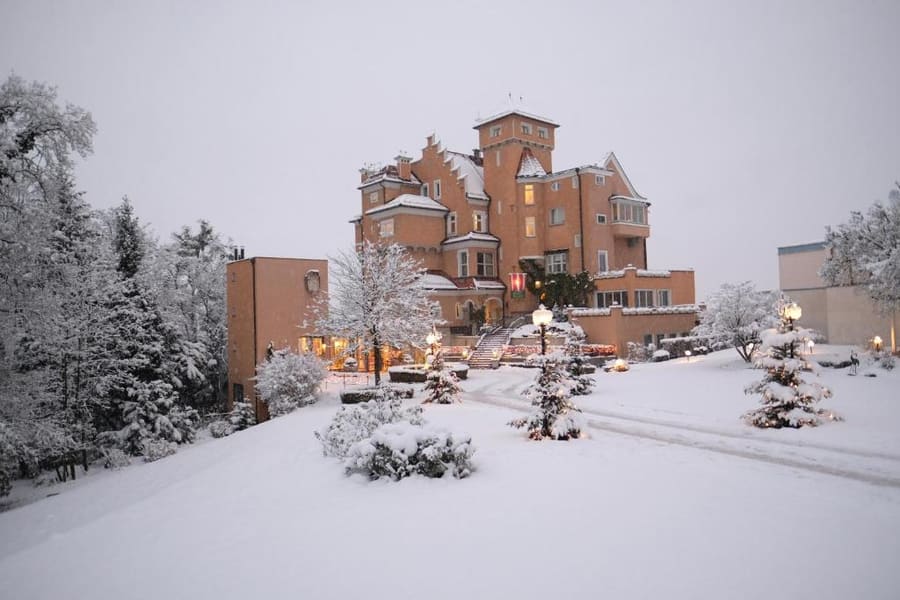
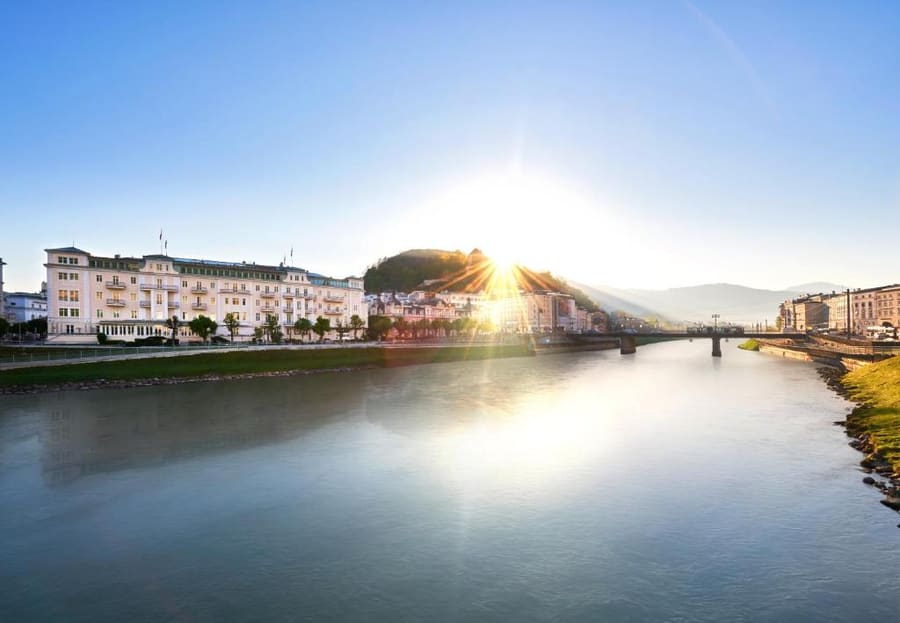
Choose your base by your mobility and evening preferences. Staying in the Altstadt puts historic landmarks at your door, but taxi access is restricted and prices are highest. Neustadt across the Salzach offers equal convenience to the main train station and lower room rates. Nonntal suits travellers who want quiet nights and easier parking access.
Live rates, matched to the areas above.
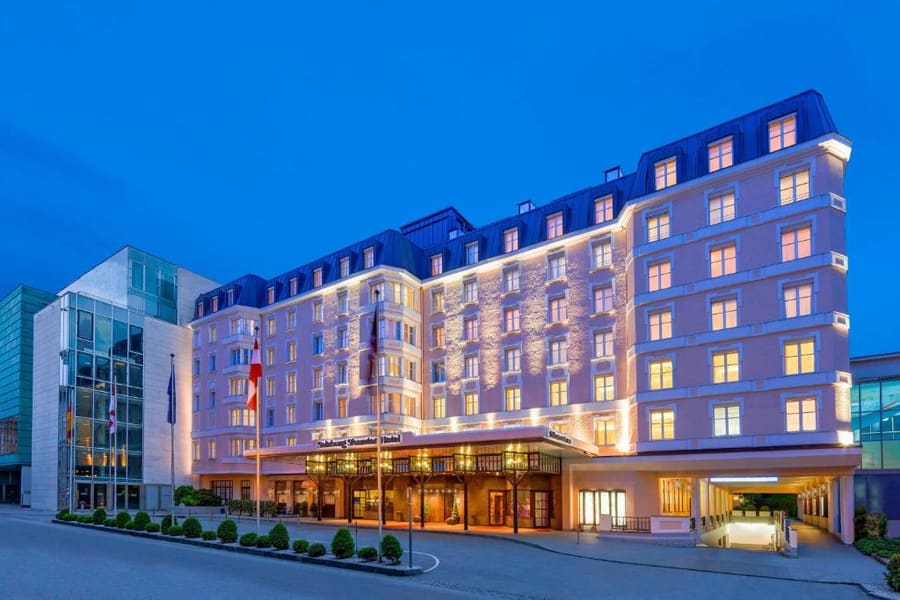
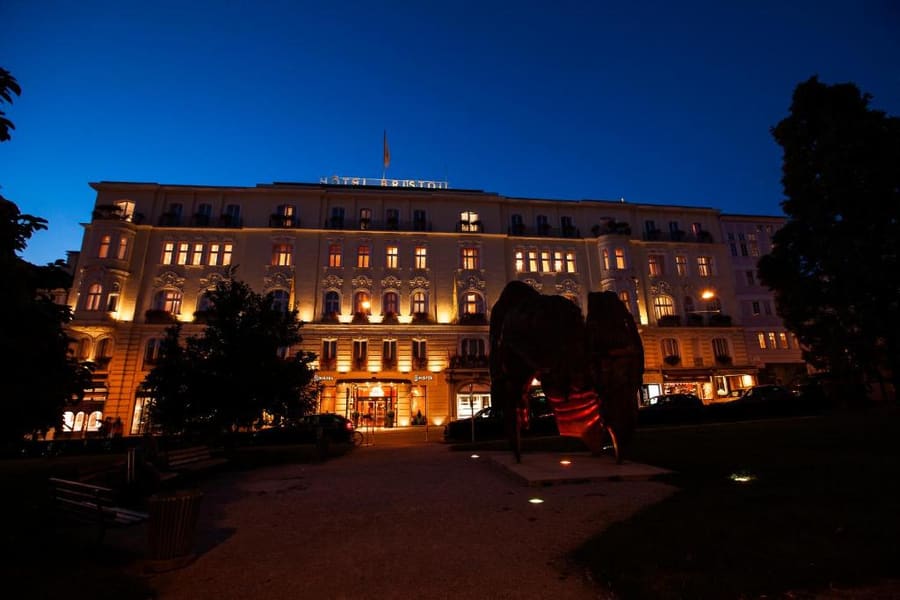
transport
Salzburg is compact enough to explore entirely on foot. The public network consists of trolleybuses operated by Salzburg AG. Driving inside the historic centre is impractical due to strict bollard zones and expensive parking garages built inside the Mönchsberg rock.
Salzburg Airport (SZG) से
Buy at Trafik kiosk or Salzburg Verkehr app before boarding to avoid driver surcharge.
Ranks located directly outside main terminal exit.
Pick-up in the terminal short-term parking area.
Lines 1, 3, 5, and 6 connect the main station (Hauptbahnhof) to the historic centre in under 10 minutes.
A 24-hour Salzburg Card (€31–€34 depending on season) covers public transit and entry to the fortress, Hellbrunn, and cable car.
The lift inside the cliff face takes 30 seconds to reach the Museum der Moderne viewpoint from Anton-Neumayr-Platz.
Buy bus tickets at a Trafik (kiosk) or via the Salzburg Verkehr app before boarding to avoid driver surcharges.
cost
Salzburg is one of Austria's most expensive cities, particularly during the July–August festival season and December Christmas markets. Day-to-day food costs remain reasonable if you mix traditional gasthäuser with street kiosks.
Standard single ticket bought onboard costs €3.00, or €2.30 when pre-purchased in advance bundles.
Quick takeaway lunch from Balkan Grill in Getreidegasse.
Price for Wiener Schnitzel or Kasnockn in a mid-range Altstadt tavern.
Sitting down at established Altstadt cafes like Tomaselli or Bazar.
seasonality
DEC – FEB
Cold and damp with occasional snow. December Christmas markets fill the squares; January brings lower hotel rates.
MAR – MAY
Mild weather and blooming palace gardens. Low tourist volume until Easter week.
JUN – AUG
Peak festival season with long warm days. Hotel rates double and city streets fill with opera patrons and tour groups.
SEP – NOV
Crisp autumn weather and turning leaves on Kapuzinerberg. Crowds drop significantly after late August.
practicalities
Salzburg experiences frequent Schnürlregen (string rain)—persistent fine rain caused by air hitting the Alps.
Retail stores close completely on Sundays and public holidays. Train station supermarkets remain open.
While cards are widely accepted, small sausage stands, markets, and old beer halls still prefer or demand cash.
Salzburg Cathedral charges a €5 conservation entry fee unless you hold a Salzburg Card.
The cable car up Untersberg closes during high winds. Check mountain weather conditions online before taking bus 28 out.