landmark
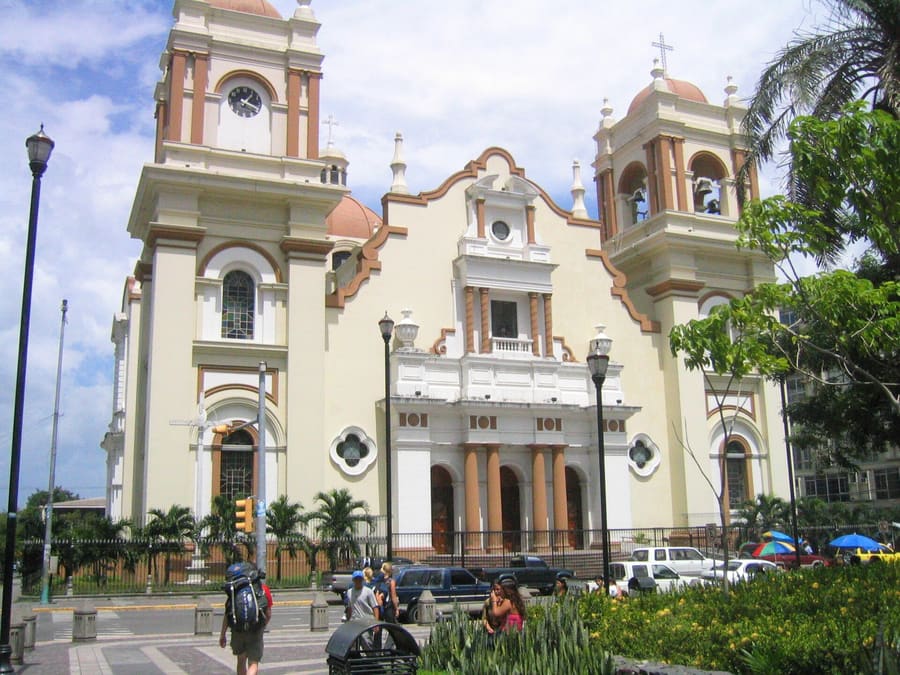
Catedral de San Pedro Apóstol
Built in the mid-20th century on Parque Central. Visit early morning before heat and crowd density peak.
Parley से पूछेंहोंडूरास
Honduras's industrial engine under the Merendón peak.
introduction
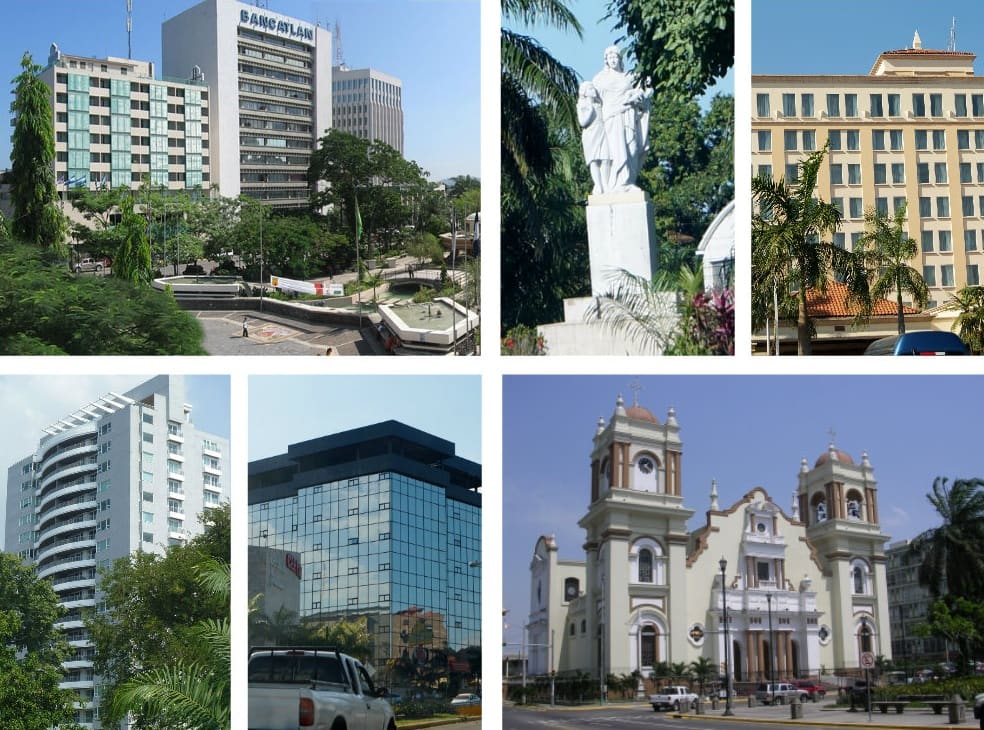
San Pedro Sula sits flat in the Sula Valley against the steep wall of the Merendón mountain range. It operates as Honduras's commercial engine rather than a postcard tourist center, where daily rhythm runs on manufacturing and regional transit. You move between secure northwest neighborhoods for dining and central markets for street food, relying on radio taxis or rideshares rather than walking at night.
Arrival trick
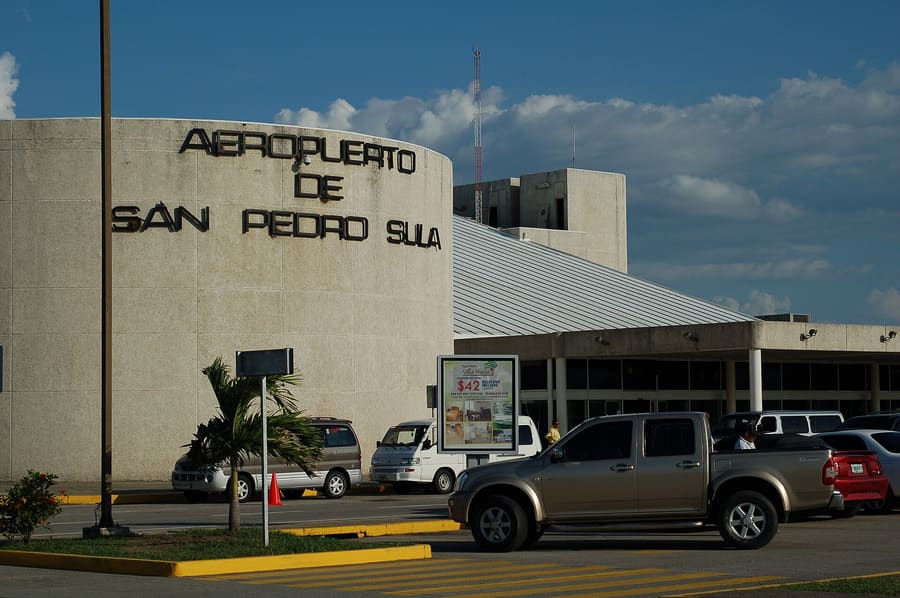
Official airport taxis charge flat rates into town from SAP airport. Agree on the price in US dollars or Lempiras at the curb before loading bags.
Urban grid system
Addresses use quadrant codes like NO for Noroeste or SO for Suroeste. The intersection of Calle Central and Avenida Central splits the four zones.
Safety protocol
Stick to radio taxis or Uber after dark instead of hailing street cabs. Keep phone use inside venues or vehicles when outside the northwest district.
San Pedro Sula
Alexander Steffler from Washington, DC, US · CC BY 2.0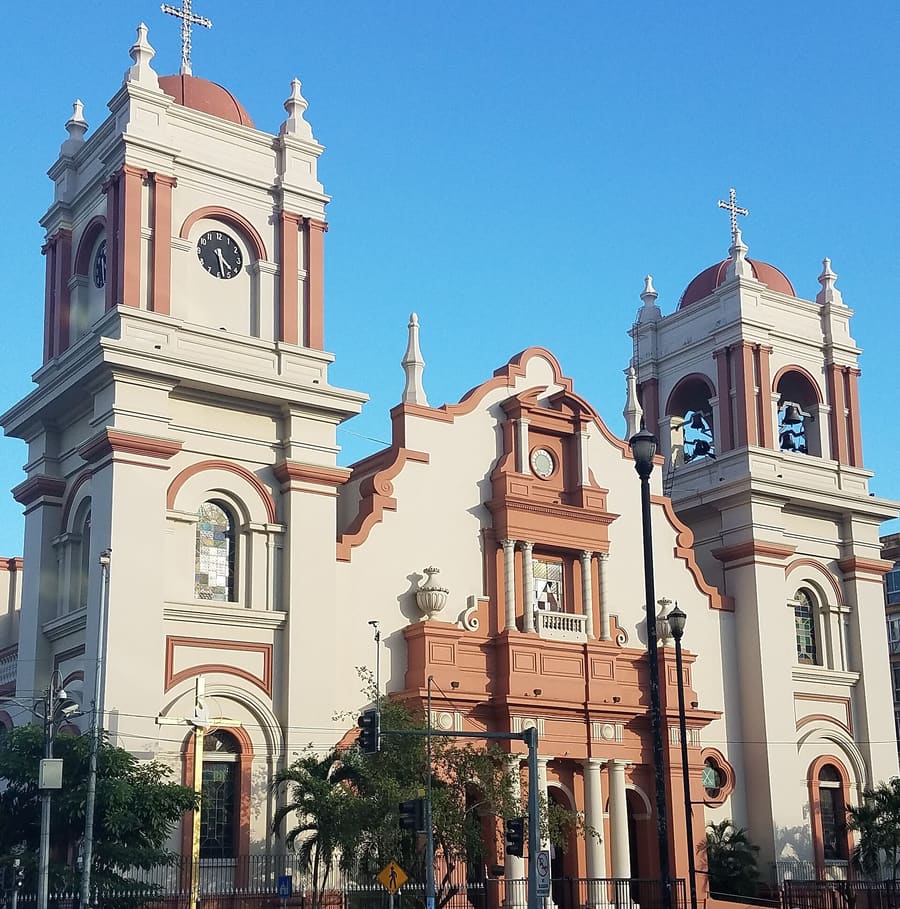
Centro Histórico — Dense daytime market grid centered on Parque Central and commercial avenues.
Josue Ochoa 2002 · CC BY-SA 4.0highlights
landmark
Built in the mid-20th century on Parque Central. Visit early morning before heat and crowd density peak.
Parley से पूछें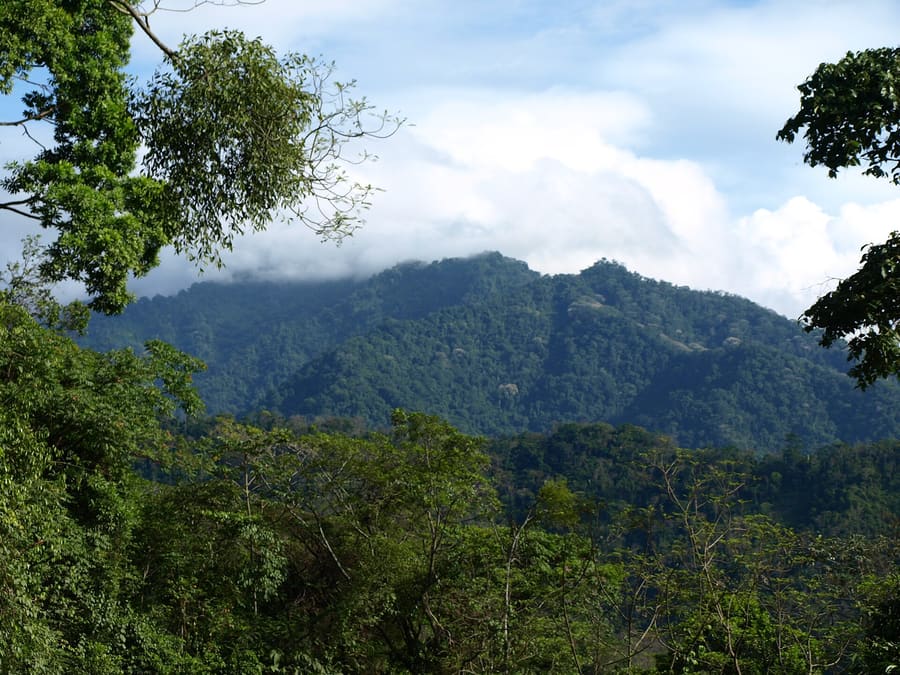
landmark
A steep 3-kilometer hike up Mount Merendón. Start before 06:00 to beat the midday heat and secure police presence along the trail.
Parley से पूछें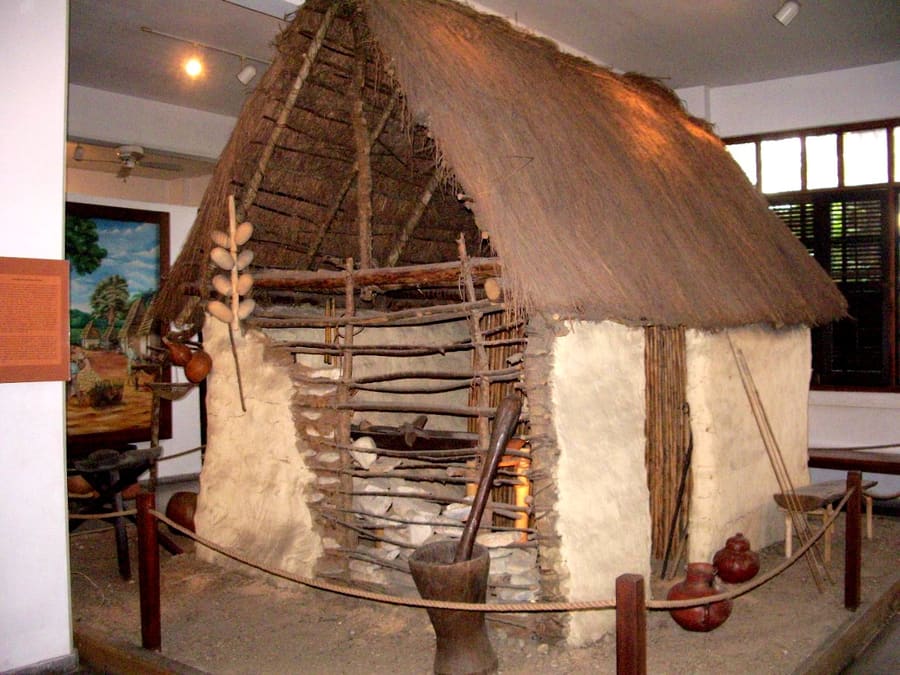
landmark
Traces pre-Columbian Sula Valley settlements through banana boom industrialization. Closed Mondays; small entry fee required.
Parley से पूछेंlandmark
A private botanical estate at the mountain base offering rainforest walking paths and a craft brewery terrace.
Parley से पूछेंattractions
areas
Dense daytime market grid centered on Parque Central and commercial avenues.
पास मेंCatedral and Anthropological Museum
Parley से पूछेंLeafy, orderly northwest district filled with specialty coffee shops and quiet residential streets.
पास मेंMercado Guamilito and Avenida Circunvalación
Parley से पूछेंCommercial hub for international dining, shopping malls, and late-night lounges.
पास मेंMultiplaza Mall and Zona Viva dining
Parley से पूछेंElevated hillside neighborhood offering cooler mountain breezes and clear valley views.
पास मेंMerendón hiking trailheads
Parley से पूछेंfood
Eat baleadas for breakfast at Mercado Guamilito where dough is rolled fresh every minute.
Locals call fried chicken with sliced green plantains *pollo chuco*. Request extra pickled onions and cabbage salad.
Small baleada stands and market vendors rarely accept plastic. Keep small HNL banknotes on hand.
history
Pedro de Alvarado founded Villa de San Pedro de Puerto Caballos in 1536 as an inland transit point. For three centuries it remained a sleepy village vulnerable to pirate raids down the Ulúa River. The late 19th-century banana boom and an unfinished railway connecting only Puerto Cortés to Potrerillos transformed it into Honduras's main industrial engine, drawing Palestinian, Lebanese, and European merchant families whose descendants still run the city's commerce.
Foundation
Pedro de Alvarado establishes the settlement in the Sula Valley.
Banana boom
Foreign fruit companies establish headquarters, drawing thousands of internal and immigrant workers.
Industrial peak
Textile factories (*maquilas*) transform San Pedro Sula into the economic powerhouse of Honduras.
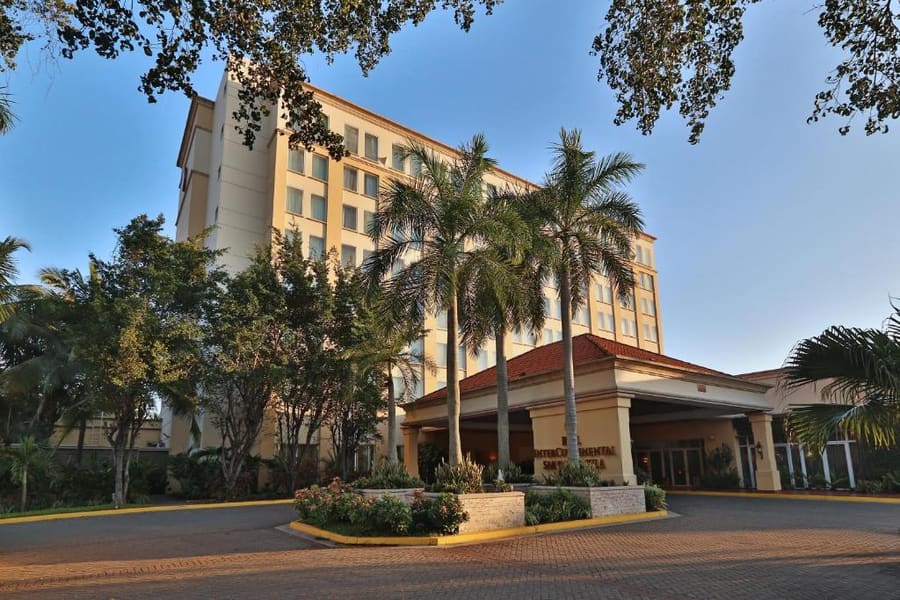
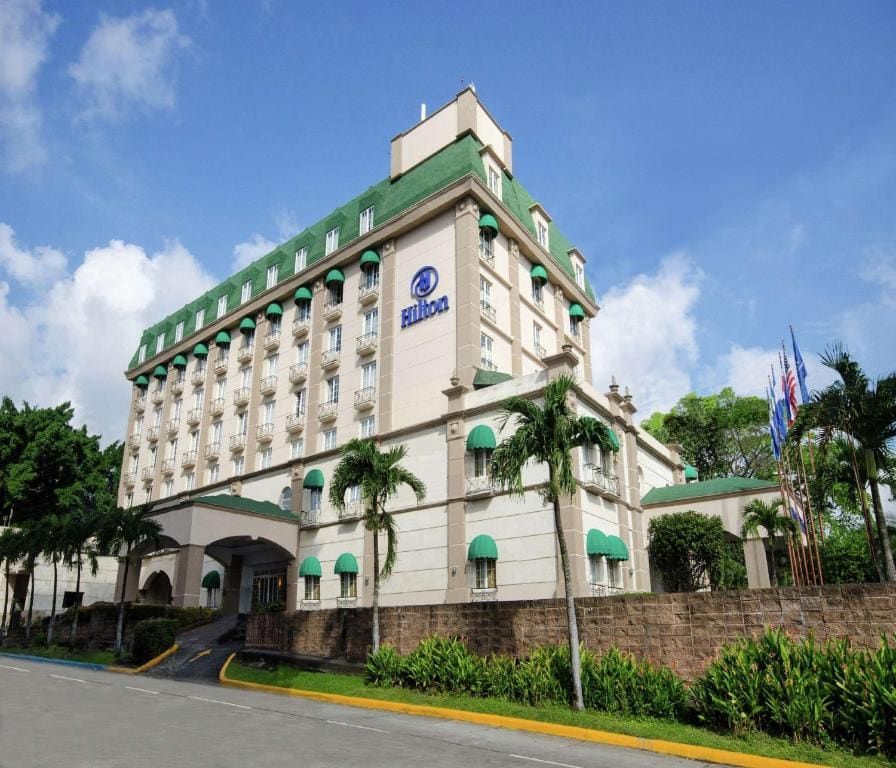
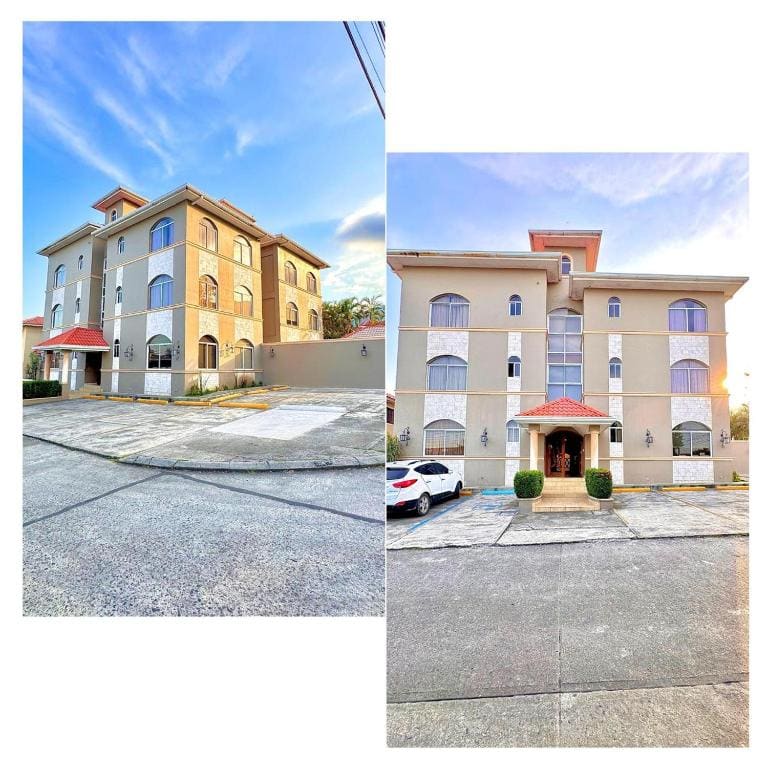
where to stay
Live rates, matched to the areas above.
transport
Public transit consists of dense *colectivo* minivans that require local knowledge to navigate safely. For tourists, private transport is essential. Uber operates reliably across the northwest quadrant and airport corridor. Official radio taxis offer fixed fares for set distances.
SAP से
Flat-rate official taxis booked inside terminal arrival hall.
Uber picks up outside the main terminal doors.
Local buses run to the Gran Central Metropolitana terminal; not recommended with heavy luggage.
Uber is the safest and most transparent way to navigate between NW neighborhoods.
Have your hotel or restaurant order a trusted radio taxi if rideshares are unavailable.
All long-distance intercity buses depart from this massive central terminal south of the city.
Avenida Circunvalación bottlenecks heavily between 17:00 and 18:30 on weekdays.
cost
San Pedro Sula is cheaper than Roatán or Copán Ruinas, but upscale dining in Río de Piedras matches international city pricing. Cash in Honduran Lempiras (HNL) is required for markets and street stalls, while credit cards are accepted in hotels, malls, and established restaurants.
A fully loaded tortilla at Mercado Guamilito or popular local chains.
Pour-over Honduran highland coffee in Barrio Los Andes.
Standard day fare within the Noroeste quadrant.
Mid-range meal with drinks in Río de Piedras.
seasonality
DEC – FEB
The comfortable window. Temperatures drop slightly, making city walking and mountain hiking far more pleasant.
MAR – MAY
Peak heat season. Sula Valley temperatures routinely exceed 35°C with heavy humidity.
JUN – AUG
Rainy season begins with intense afternoon downpours. High humidity, but lush mountain views.
SEP – NOV
Late rain season with occasional tropical storms. Check weather forecasts if traveling by road.
practicalities
The Sula Valley is notoriously hot and humid year-round. Carry bottled water at all times.
Locals dress sharply in air-conditioned venues despite heat. Shorts mark you instantly as a tourist.
Use ATMs inside bank branches or shopping malls rather than standalone street machines.
Shops close early on Saturday afternoons and remain closed on Sundays outside major malls.
Tap water is not drinkable anywhere in the city. Stick strictly to bottled or purified water.