landmark
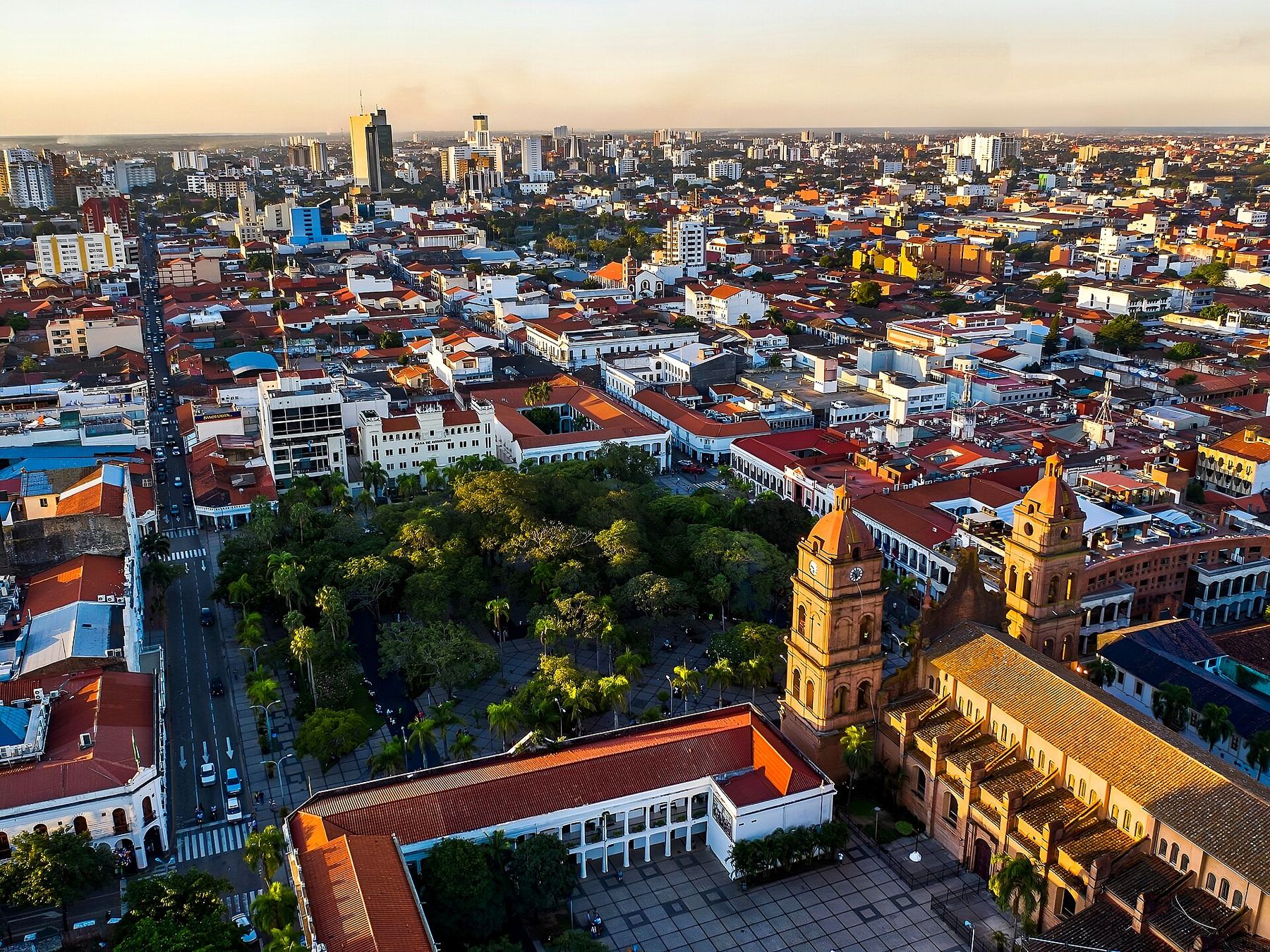
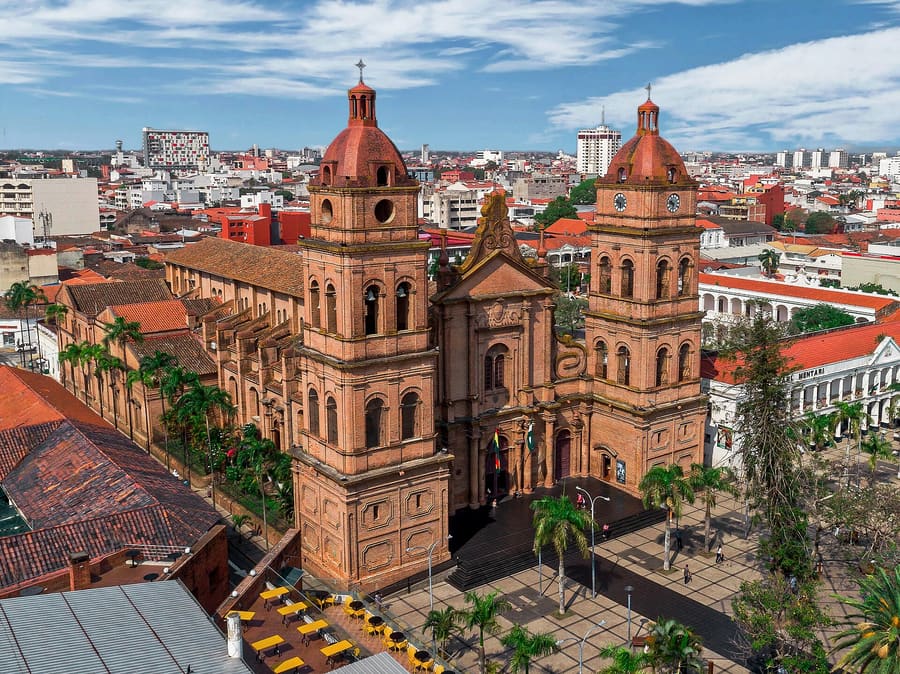
Basílica Menor de San Lorenzo
Red brick 19th-century cathedral on the main plaza. Climb the clock tower stair for 3 BOB to survey the city roofline.
Parley से पूछेंबोलीविया
Bolivia's lowland engine of heat, agriculture, and expansion.
introduction
Santa Cruz de la Sierra spreads outward in concentric ring roads from its colonial brick core. At 400 metres above sea level, the city trades Andean altitudes for humid heat and commercial ambition. You move between historic arcade shadows inside the first ring and glass dining towers along the northern avenues. Expect heavy afternoon traffic and late-night social energy across open-air terraces.
Airport arrival
Viru Viru Airport sits 17 kilometres north of the centre. Official white taxis charge a flat rate of 60 BOB into town.
Ring road navigation
Locals define locations by ring roads called anillos. The Primer Anillo holds the historic core, while the Tercer Anillo borders commercial districts.
Sudden winter chills
Southern winds called surazos blow up from Argentina between May and August. Temperatures can drop 15 degrees in two hours.
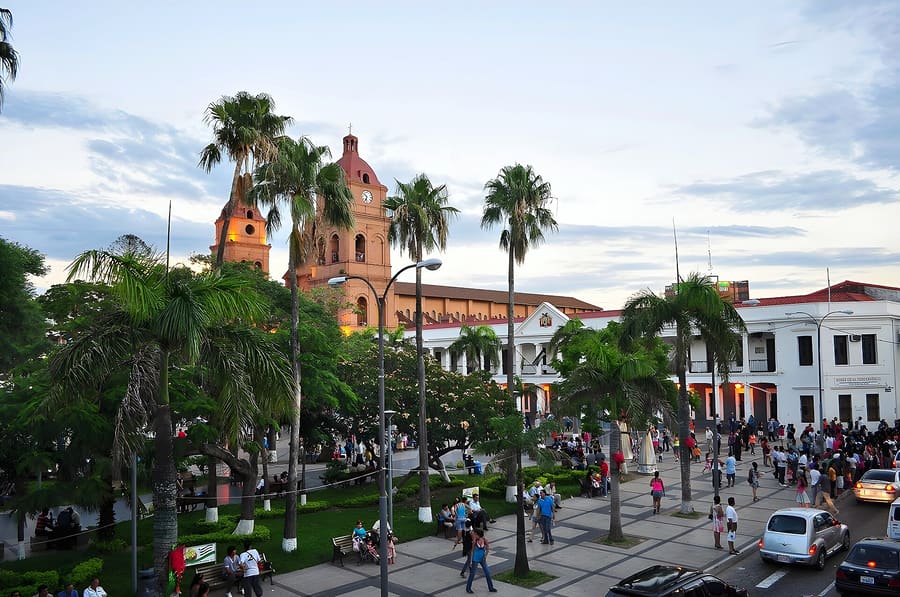
Santa Cruz de la Sierra
Parallelepiped09 · CC BY-SA 4.0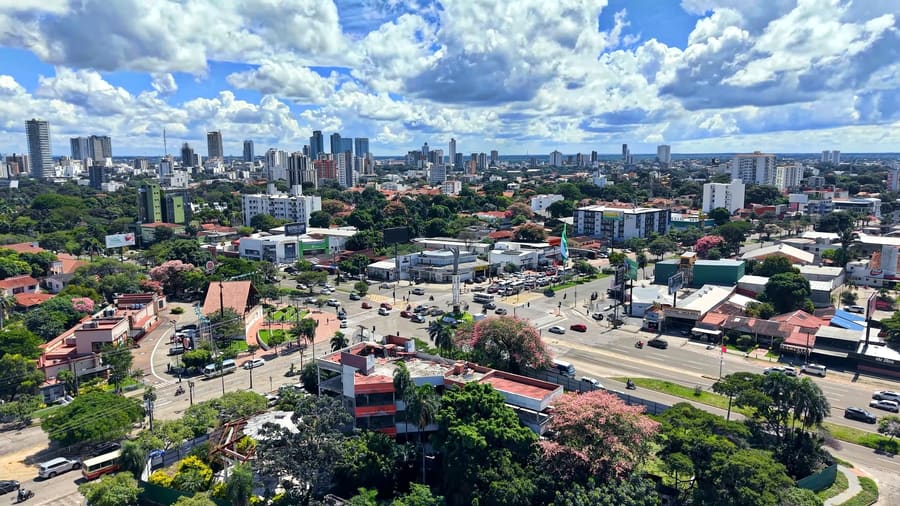
Equipetrol — High-rise apartments, cocktail lounges, and corporate glass towers along wide avenues.
Parallelepiped09 · CC BY-SA 4.0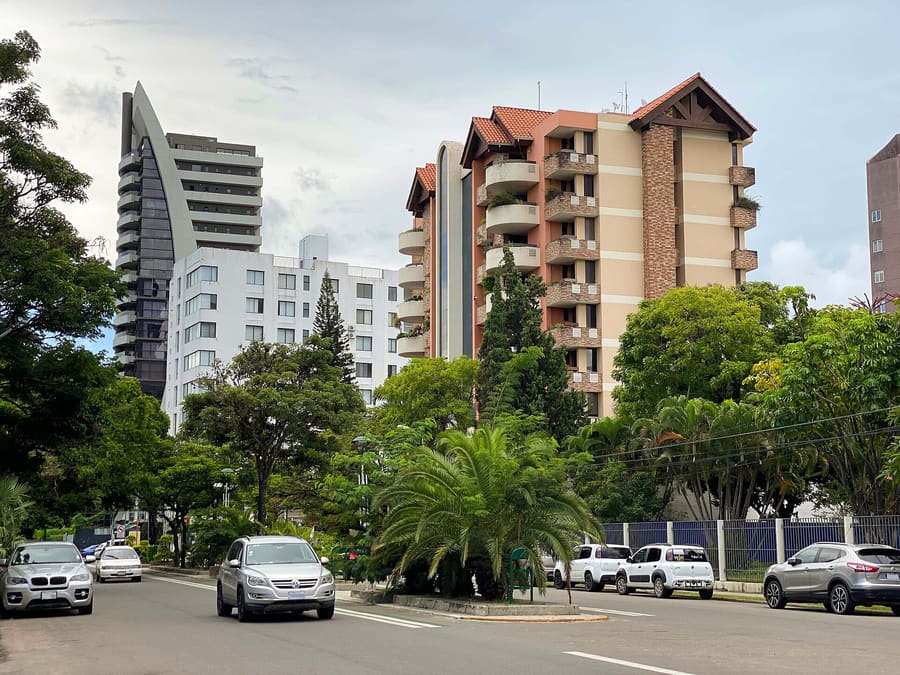
Barrio Sirari — Low-slung residential enclave filled with leafy side streets and specialty cafes.
EEJCC · CC BY-SA 4.0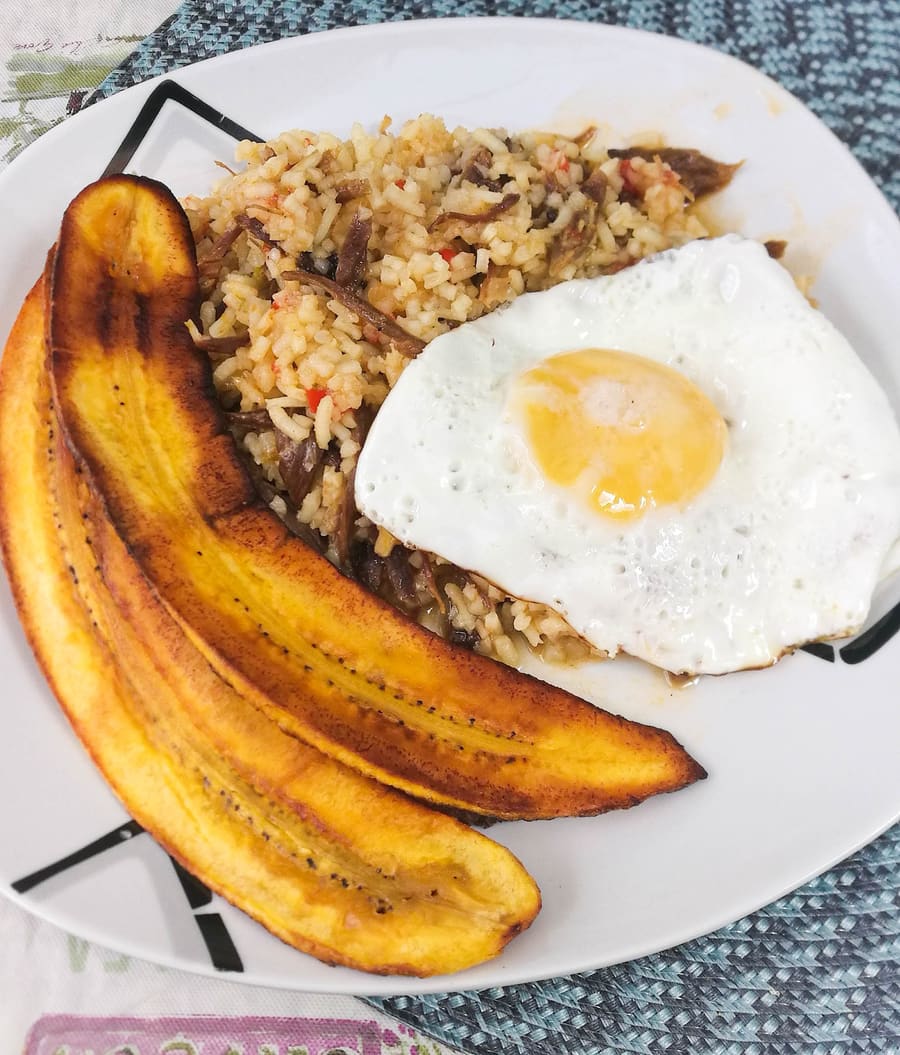
Majadito, the quintessential Santa Cruz dish made of toasted rice, shredded dried beef, fried eggs, and sweet plantains.
Akizia · CC BY-SA 4.0highlights
landmark
Red brick 19th-century cathedral on the main plaza. Climb the clock tower stair for 3 BOB to survey the city roofline.
Parley से पूछें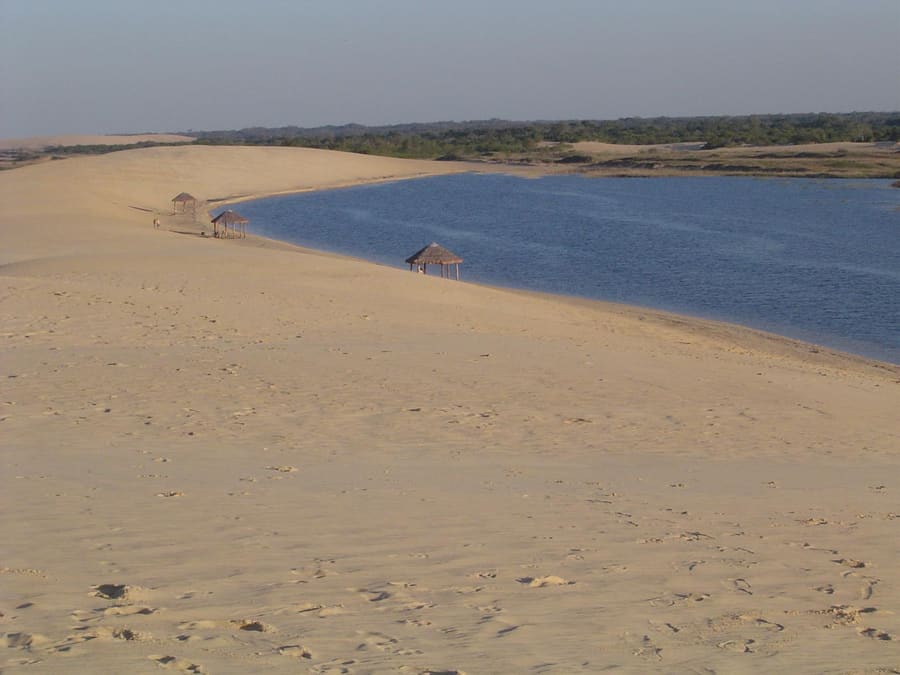
landmark
Coastal-style sand dunes rising 12 metres above tropical forest. You need a four-wheel-drive vehicle to cross the mud trail.
Parley से पूछेंlandmark
The financial and dining corridor along Avenida San Martín. High-end steakhouses open late and charge capital-city prices.
Parley से पूछेंattractions
areas
High-rise apartments, cocktail lounges, and corporate glass towers along wide avenues.
पास मेंVentura Mall and Avenida San Martín restaurants
Parley से पूछेंLow-slung residential enclave filled with leafy side streets and specialty cafes.
पास मेंEquipetrol business strip and Canal Isuto
Parley से पूछेंColonial wooden eaves overhang narrow sidewalks around the main plaza.
पास मेंBasílica Menor de San Lorenzo and Mercado Siete Calles
Parley से पूछेंEnclosed suburban developments across the river with modern mansions and nature resorts.
पास मेंBiocentro Güembé and Mariposa parkland
Parley से पूछेंfood
Camba cuisine relies heavily on cassava, plantains, and beef rather than Andean potatoes. The afternoon tea hour, known locally as taking the café de la tarde, is a sacred daily ritual around 16:00. Bakeries fill display cases with warm cheese breads and baked yucca snacks designed to be eaten with dark coffee or cold maize drinks.
Majadito, the quintessential Santa Cruz dish made of toasted rice, shredded dried beef, fried eggs, and sweet plantains.
Akizia · CC BY-SA 4.0Order this traditional rice dish toasted with achiote, topped with jerky (charque), a fried egg, and fried plantain.
Stop at traditional bakeries for cuñapé (baked cassava flour cheese balls) and sonso de yuca (mashed cassava grilled on sticks with cheese).
Head to the Cabañas del Río Piraí on weekend afternoons to eat grilled pacú fish accompanied by boiled cassava.
history
Santa Cruz de la Sierra moved twice before reaching its present site on the Piraí River in 1595 and formally unifying there in 1621. Isolated from the Andean seat of government in La Paz for centuries, the regional population developed a distinct lowland identity. The discovery of regional oil reserves and an agricultural boom in the mid-20th century transformed the isolated outpost into Bolivia's largest economic hub.
Initial founding
Spanish explorer Ñuflo de Chaves establishes the settlement 220 kilometres east of its modern site.
Economic dominance
Agribusiness and energy sectors drive rapid population growth, making it Bolivia's largest city.
where to stay
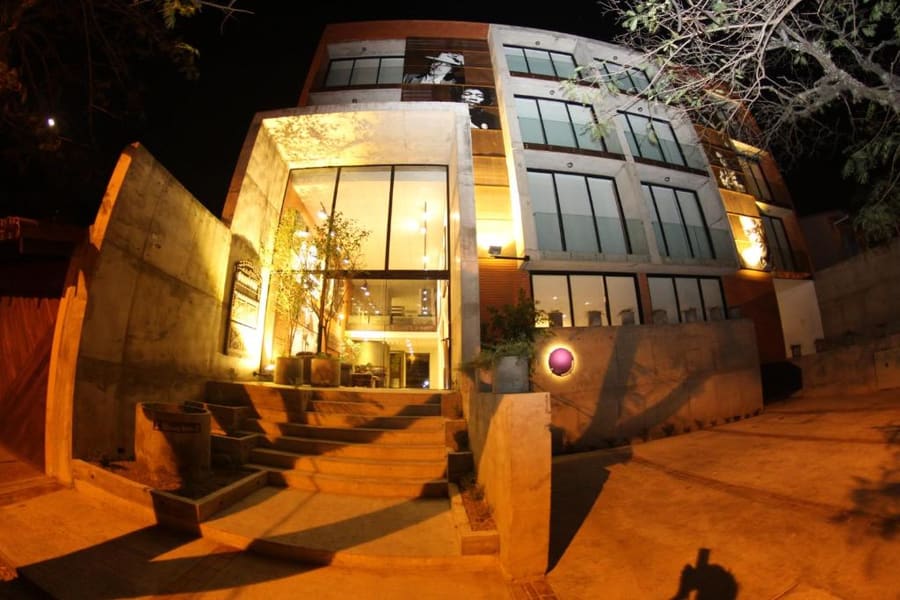
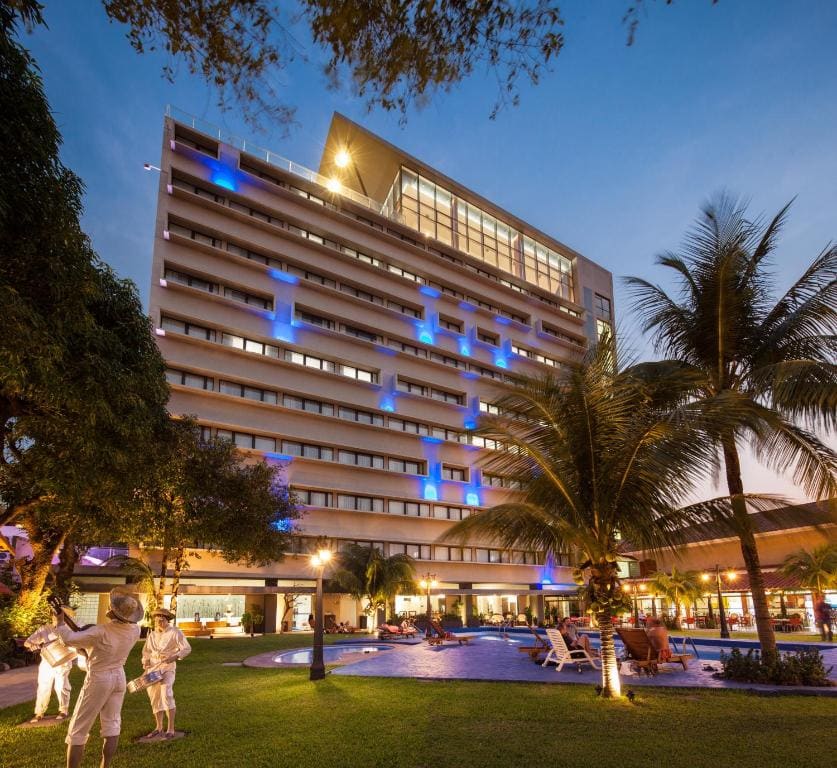
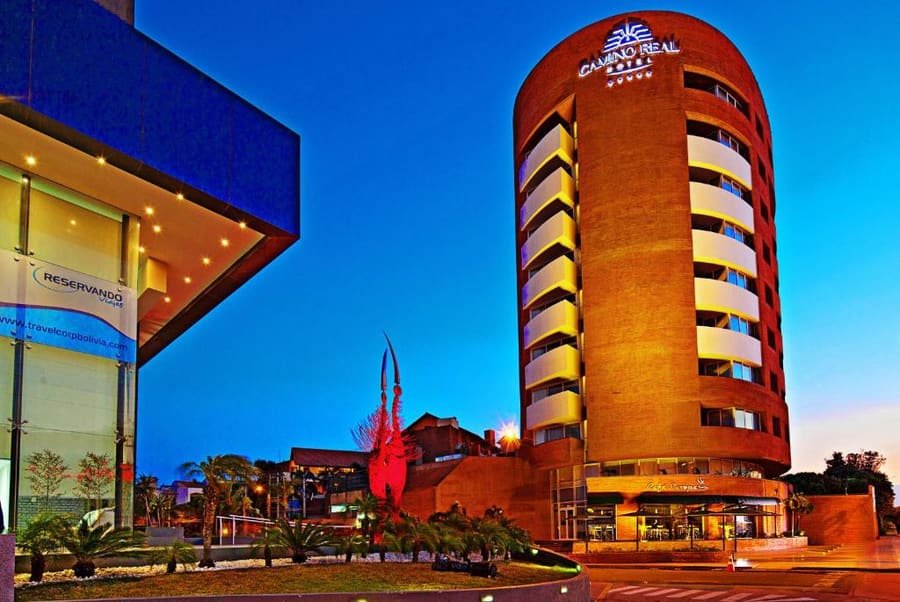
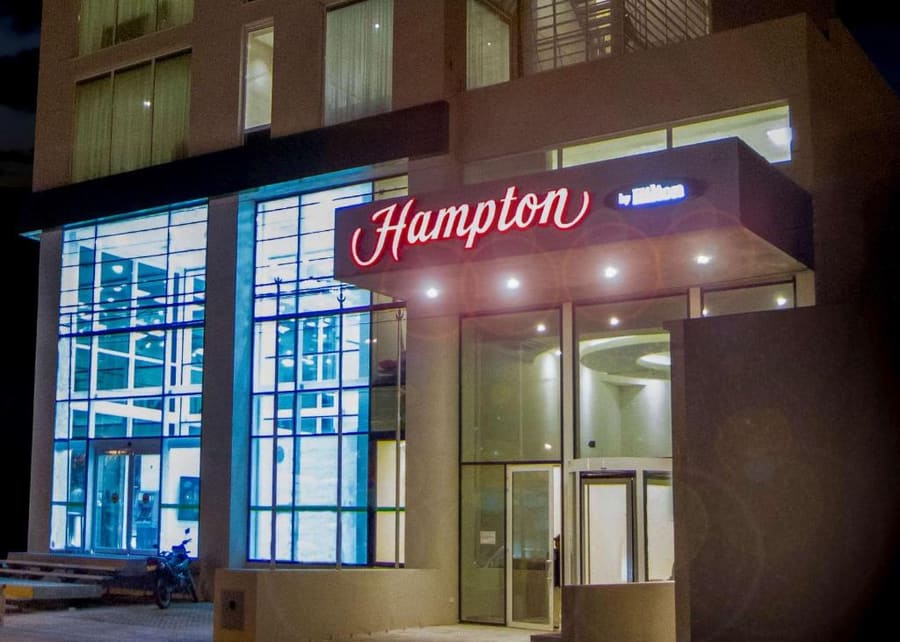
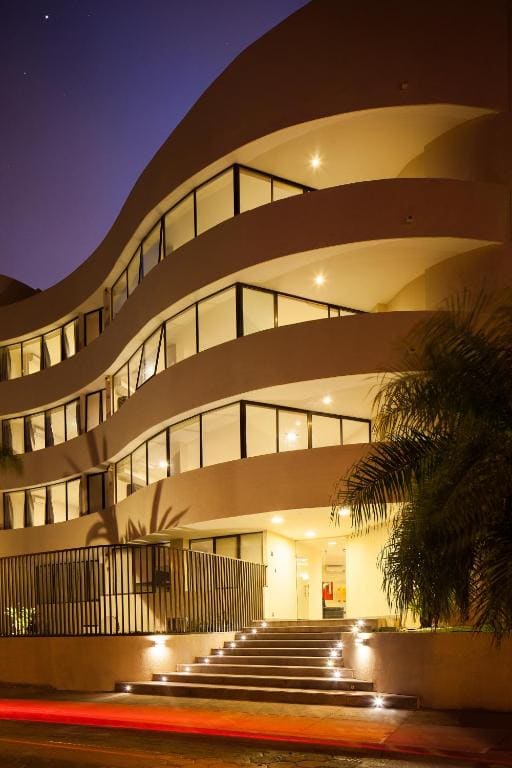
Choose your base depending on whether you value central walkable sights or modern nightlife infrastructure. Centro Histórico keeps you close to old architectural arcades, while Equipetrol offers luxury business towers and reliable air conditioning.
Live rates, matched to the areas above.
transport
Santa Cruz is built on flat terrain, but tropical humidity makes long daytime walks exhausting. Public transit consists of a dense network of small buses called micros and fixed-route shared taxis called trufis. Rideshare apps are affordable and avoid language barriers when negotiating fares.
Viru Viru International Airport (VVI) से
Official airport taxis line up right outside arrivals. Agree on the fixed rate before loading bags.
Micro Linea 135 runs continuously between Viru Viru terminal and the central bus station.
Yango and InDrive operate reliably at the terminal pickup lane.
Micro buses display destination boards in the front window. Flag them down anywhere along their route and pay 2 BOB cash to the driver.
Micros and traditional radio taxis accept cash only. Drivers rarely have change for 100 BOB banknotes.
Yango and InDrive are widely used. They prevent overcharging on fares during night hours.
Traffic jams lock up the intersections along the Primer and Segundo Anillos between 18:00 and 19:30.
cost
Santa Cruz de la Sierra is one of the more expensive cities in Bolivia due to its commercial economy, yet remains very accessible for foreign travellers using Bolivianos (BOB).
Warm cheese rolls sold at corner stalls and morning bakeries.
Includes soup, a main dish like majadito, and a glass of chicha.
Flat rate per trip across city transit routes.
High-end beef cut served with side dishes in polished surroundings.
seasonality
DEC – FEB
Peak wet season with heavy tropical downpours. High humidity makes afternoon sightseeing slow.
MAR – MAY
Rainfall decreases while temperatures remain warm. Good conditions for surrounding day trips.
JUN – AUG
Dry winter window. Cold surazo winds occasionally drop temperatures sharply for a few days.
SEP – NOV
Temperatures rise rapidly into spring. Late afternoon thunderstorm showers return in November.
practicalities
Daytime temperatures regularly pass 32°C. Carry water and expect air conditioning to vary in strength.
ATMs are plentiful inside the Primer Anillo and commercial malls, but issue large 100 BOB bills.
Smaller shops and market stalls still pause operations between 12:30 and 14:30.
Stick to bottled or filtered water. Tap water is safe for brushing teeth in major hotels.
Santa Cruz sits at 400 metres, so altitude sickness is not an issue here unlike in La Paz.