landmark
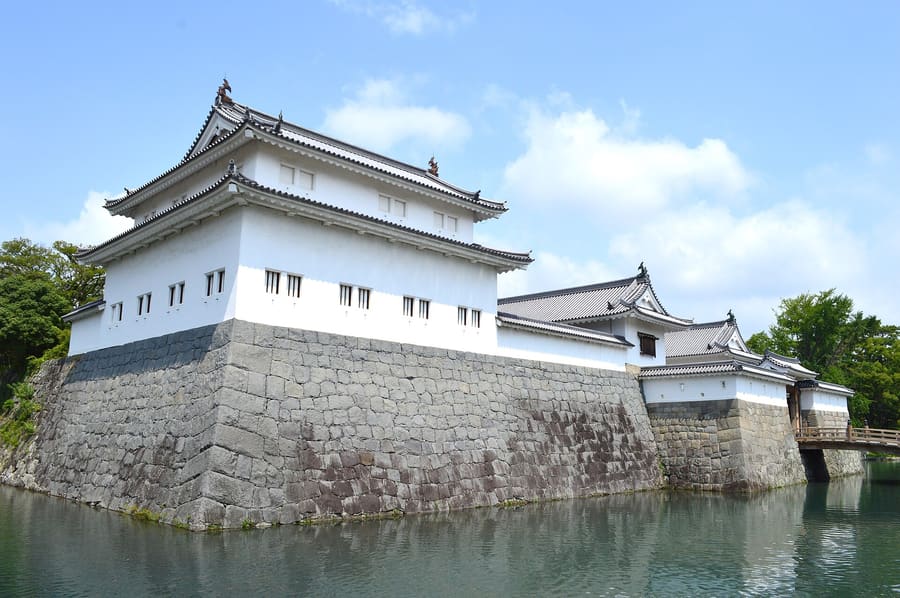
Sunpu Castle Park
Tokugawa Ieyasu spent his final years ruling Japan from this fortress. Walk the restored Tatsumi Yagura gate and East Gate moat.
Parley से पूछेंजापान
Green tea capital, Tokugawa history, and coastal Fuji views.
introduction
Shizuoka sits halfway between Tokyo and Nagoya along the Tokaido rail corridor, framed by Mount Fuji and Suruga Bay. It functions as a compact provincial city where castle moat gardens meet working fish docks. You move through it easily using local JR lines, private Shizutetsu trains, and direct buses into the tea hills. Expect quiet streets, exceptional raw seafood, and deep historical ties to shogun Tokugawa Ieyasu.
Shinkansen seating trick
Nozomi trains skip Shizuoka Station completely. Board a Hikari train from Tokyo or Shin-Osaka for direct access without transferring to local rail.
Mt. Fuji visibility window
Mount Fuji hides behind clouds on over two hundred days a year. Morning hours between October and February offer the highest clear-sky probability.
Shizuoka
江戸村のとくぞう · CC BY-SA 4.0
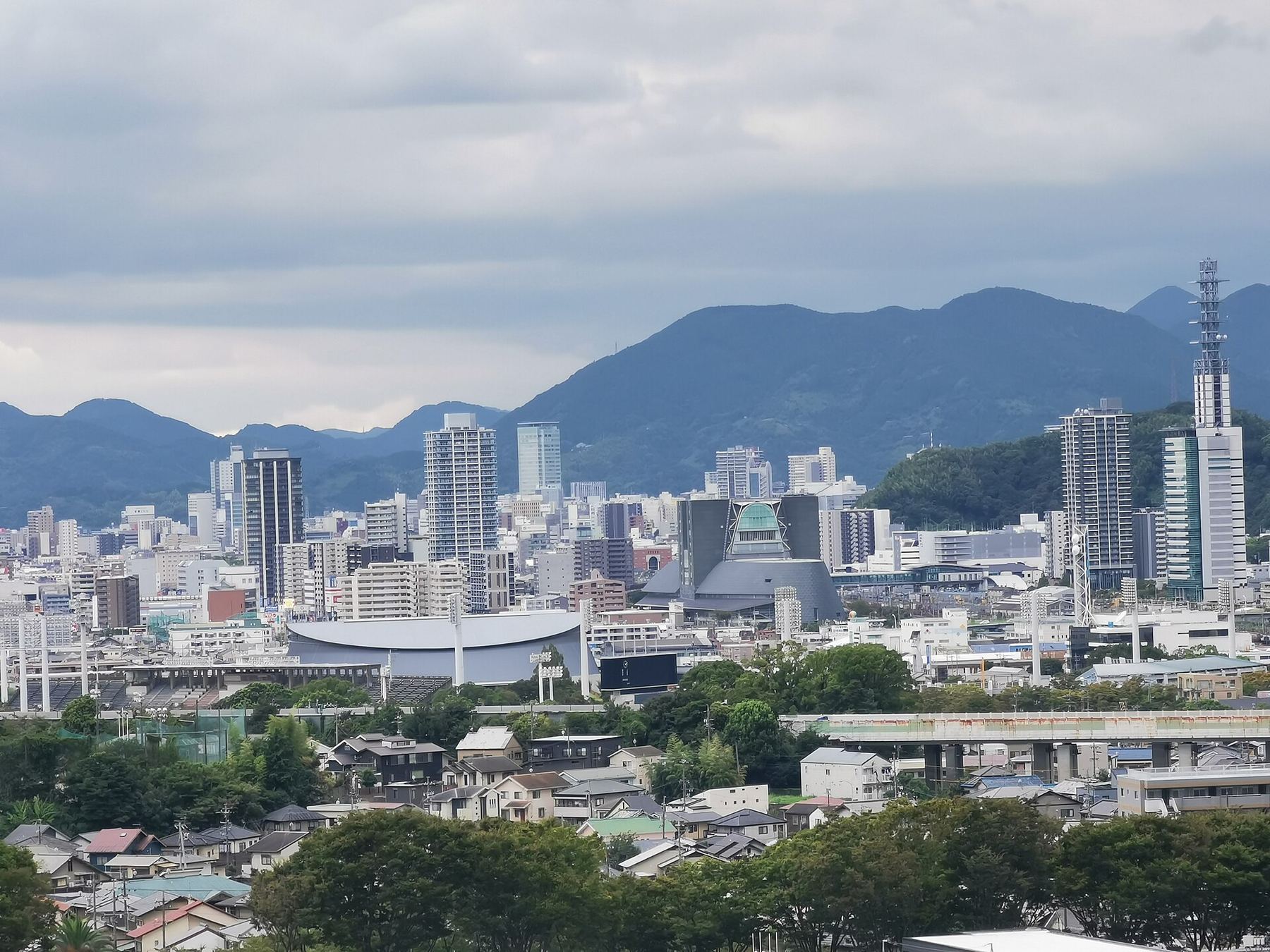
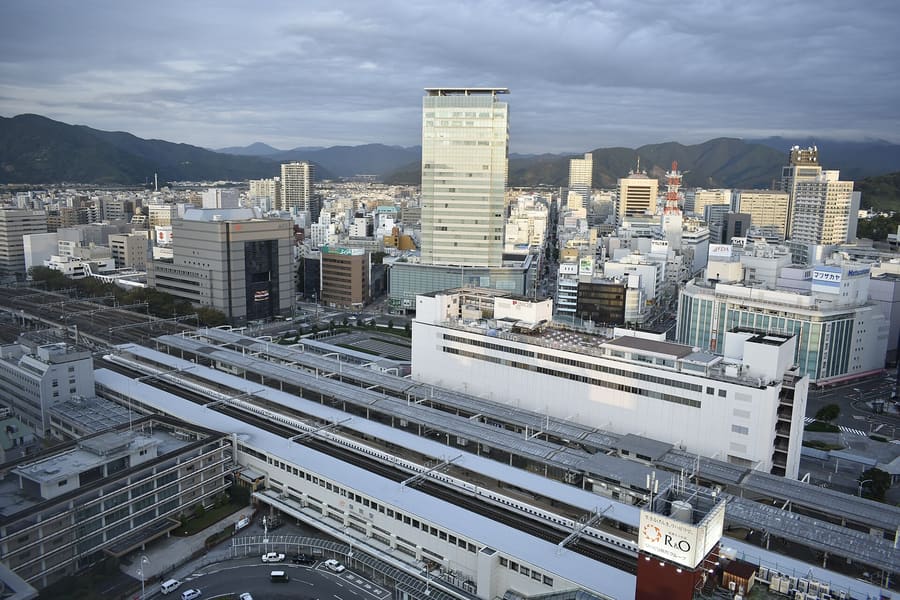
Aoi Ward — Commercial center with grid streets, castle gardens, tea shops, and nighttime alleyways.
ガルパン235号 · CC BY-SA 4.0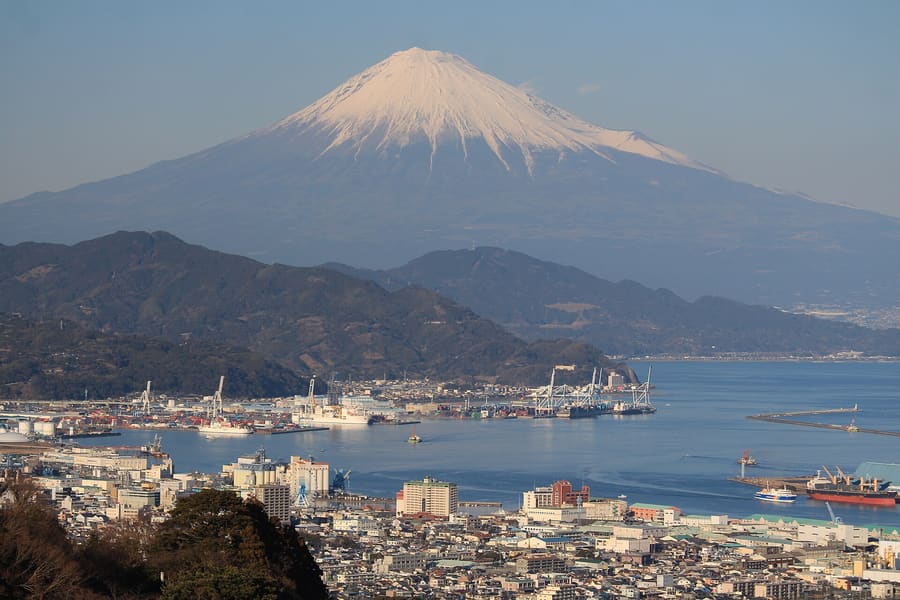
Shimizu Port — Working harbour, fish market halls, and coastal views across Suruga Bay.
Alpsdake · CC BY-SA 4.0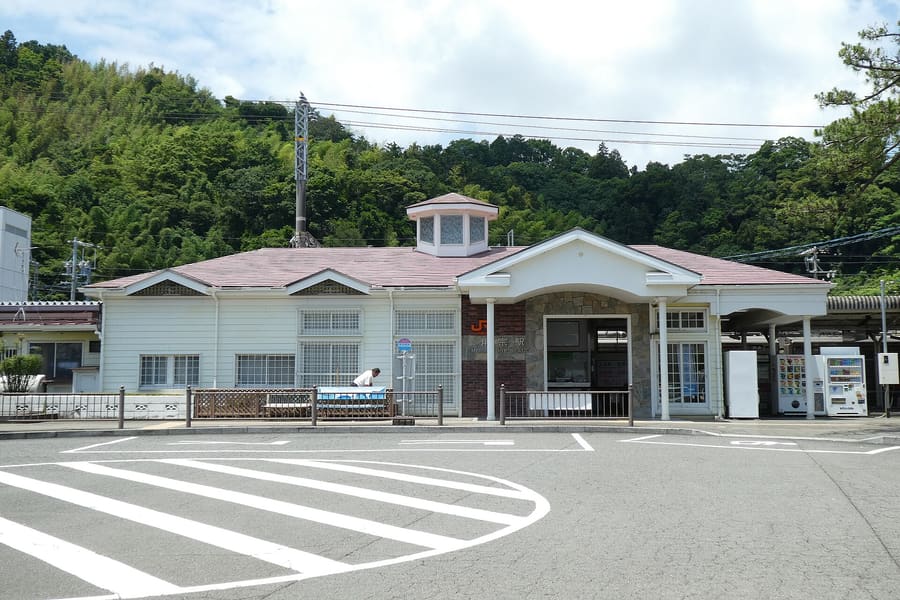
Mochimune — Sleepy coastal fishing neighborhood famous for fresh raw shirasu sardine landings.
切干大根 · CC BY-SA 4.0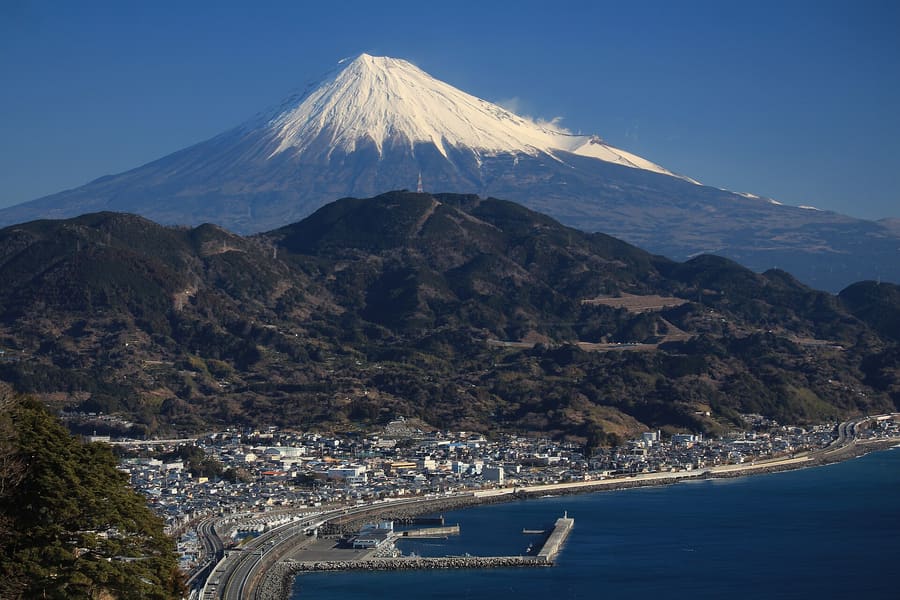
Yui — Historic Tokaido post town preserved with traditional wooden storefronts and sakura shrimp docks.
Alpsdake · CC BY-SA 4.0highlights
landmark
Tokugawa Ieyasu spent his final years ruling Japan from this fortress. Walk the restored Tatsumi Yagura gate and East Gate moat.
Parley से पूछें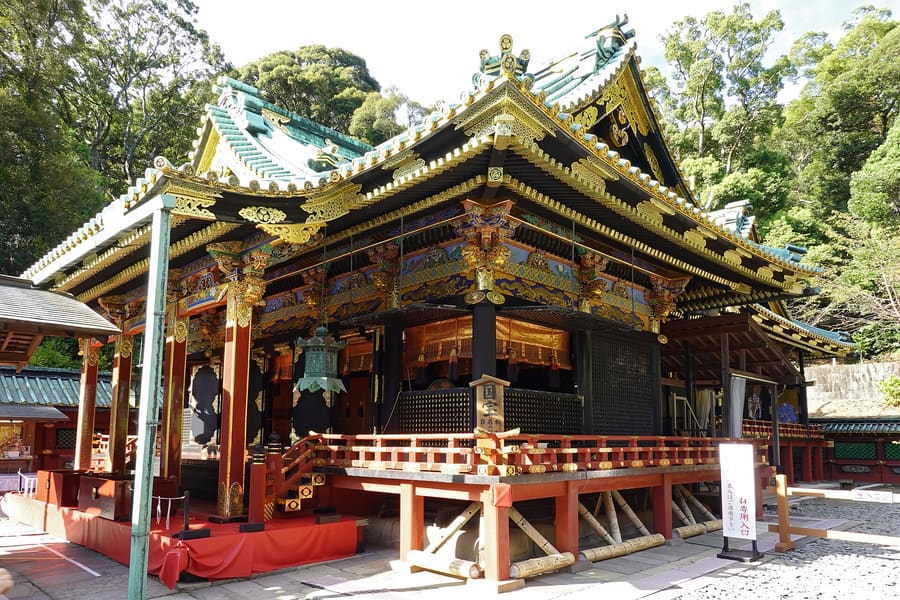
landmark
The original burial site of Tokugawa Ieyasu sits atop Mount Kuno. Climb 1,159 stone steps from the coast or take the ropeway from Nihondaira.
Parley से पूछें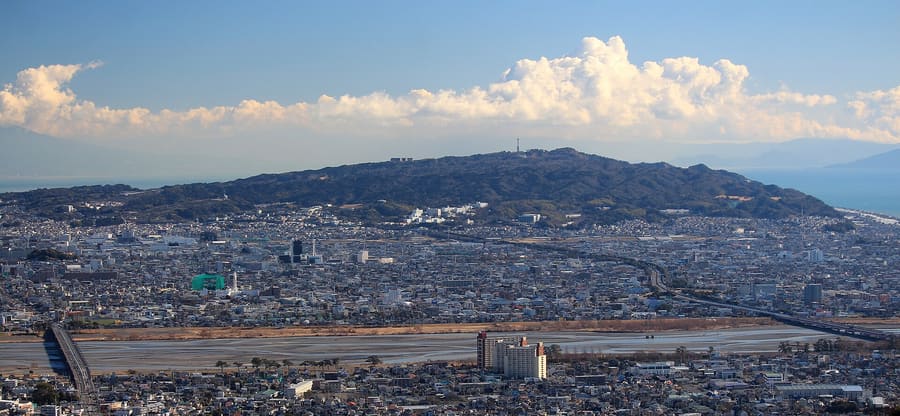
landmark
Kengo Kuma designed this octagonal timber deck overlooking Mount Fuji and Suruga Bay. Entry is free and buses run direct from Shizuoka Station.
Parley से पूछें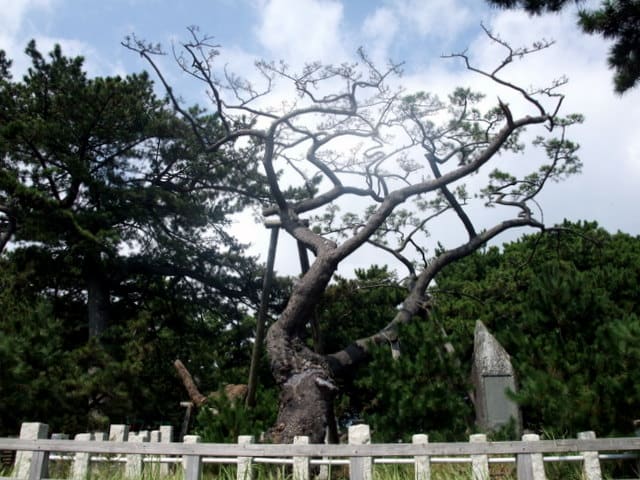
landmark
Seven kilometers of black volcanic beach lined with thirty thousand pine trees facing Mount Fuji. Take the bus from Shimizu Station.
Parley से पूछें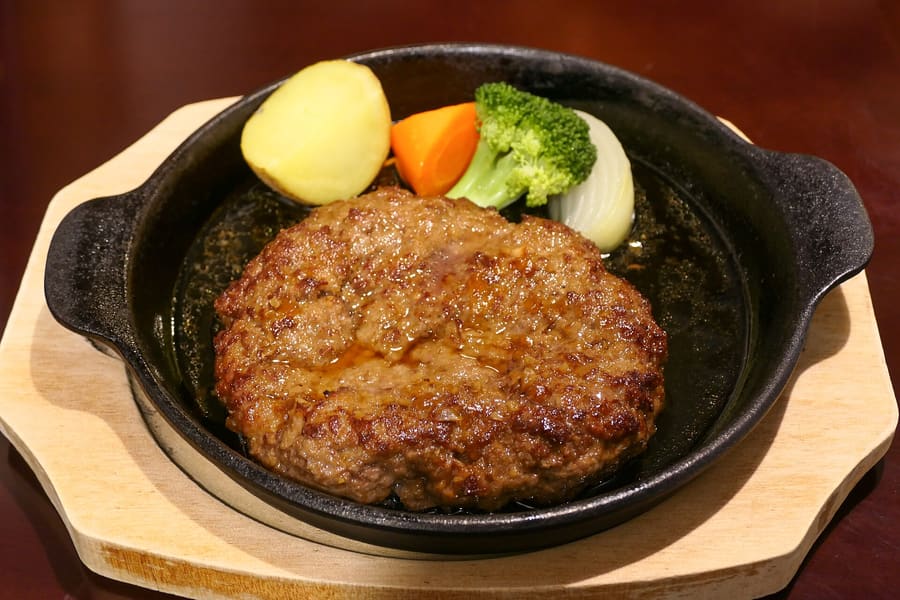
landmark
Famous local chain serving medium-rare beef hamburger steaks cooked on hot iron plates. Take a ticket at 10:00 AM to avoid a three-hour wait.
Parley से पूछेंattractions
areas
Commercial center with grid streets, castle gardens, tea shops, and nighttime alleyways.
पास मेंSunpu Castle and Aoba Oden Yokocho
Parley से पूछेंWorking harbour, fish market halls, and coastal views across Suruga Bay.
पास मेंMiho Pine Grove and Kashinoichi Market
Parley से पूछेंSleepy coastal fishing neighborhood famous for fresh raw shirasu sardine landings.
पास मेंMochimune Port and Craft Market
Parley से पूछेंHistoric Tokaido post town preserved with traditional wooden storefronts and sakura shrimp docks.
पास मेंYui Honjin Park and Tokaido Hiroshige Art Museum
Parley से पूछेंfood
Arrive at Shin-Shizuoka Cenova at 10:00 AM to grab a timed paper ticket before the doors open at 11:00 AM.
Eat tuna bowls at the Shimizu Fish Market Kashinoichi between 11:00 AM and 13:00 PM for the freshest dockside catch.
Visit Maruzen Tea Roastery in Aoi Ward to choose green tea ice cream graded by leaf roasting temperature.
history
Shizuoka developed as Sunpu, a key post station along the Tokaido highway connecting Kyoto and Edo (modern Tokyo). In 1586, warlord Tokugawa Ieyasu built Sunpu Castle. After unifying Japan and establishing the Tokugawa Shogunate in Edo, Ieyasu retired back to Sunpu in 1607. He governed Japan behind the scenes from this castle until his death in 1616.Following his instructions, his body was interred at nearby Mount Kuno before a portion was relocated to Nikko. In the Meiji era, former samurai converted surrounding castle lands into tea plantations. The opened Shimizu Port allowed Shizuoka tea exports to reach global markets, establishing the city as Japan's primary tea processing and trading hub.
Sunpu Castle Construction
Tokugawa Ieyasu constructs Sunpu Castle on former Imagawa clan lands.
Shogunal Retirement
Ieyasu moves his main base to Sunpu, running national diplomacy from the city.
Kunozan Toshogu Built
Construction finishes on Ieyasu's burial shrine atop Mount Kuno.
Shimizu Port Opens
Shimizu Port officially opens for international green tea trade.
where to stay
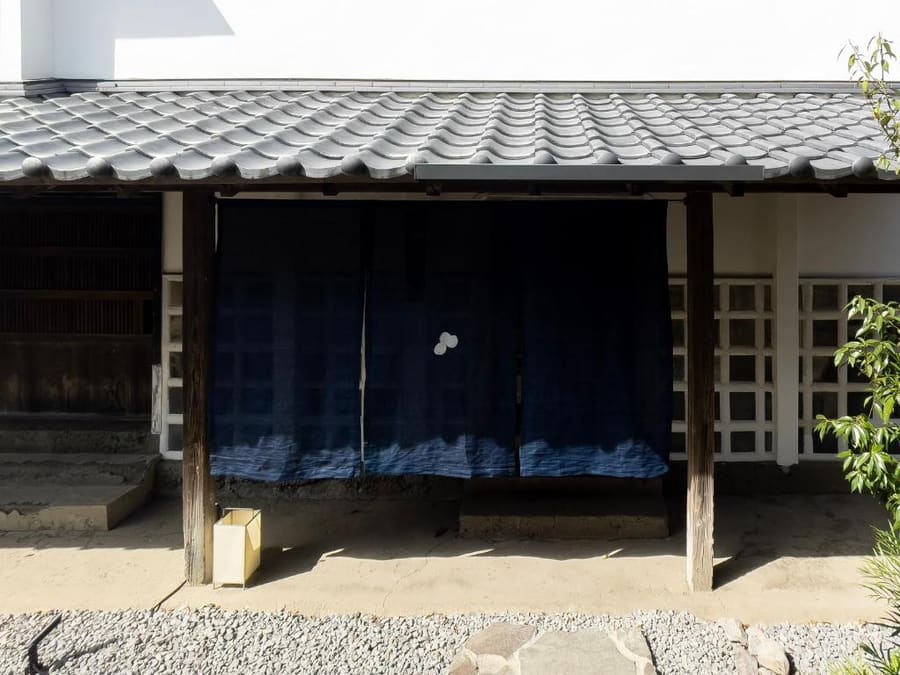
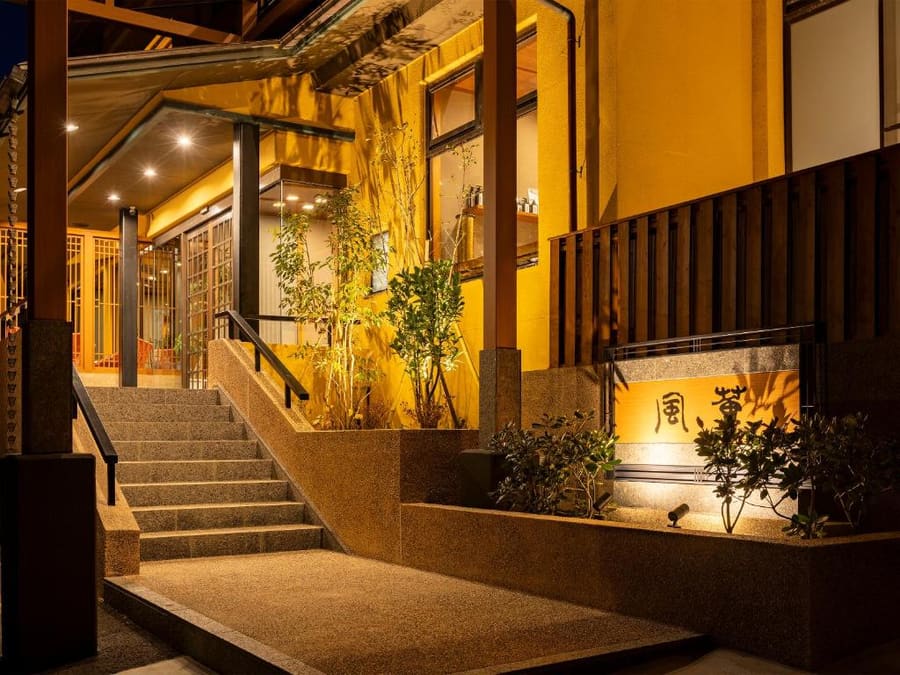
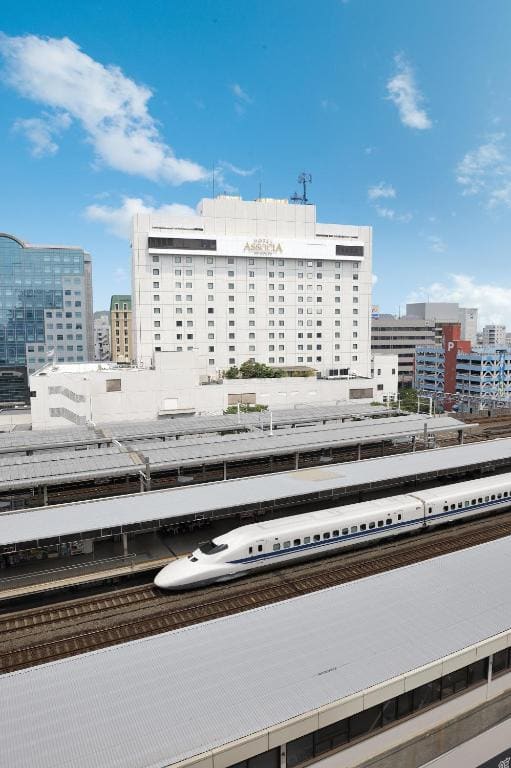
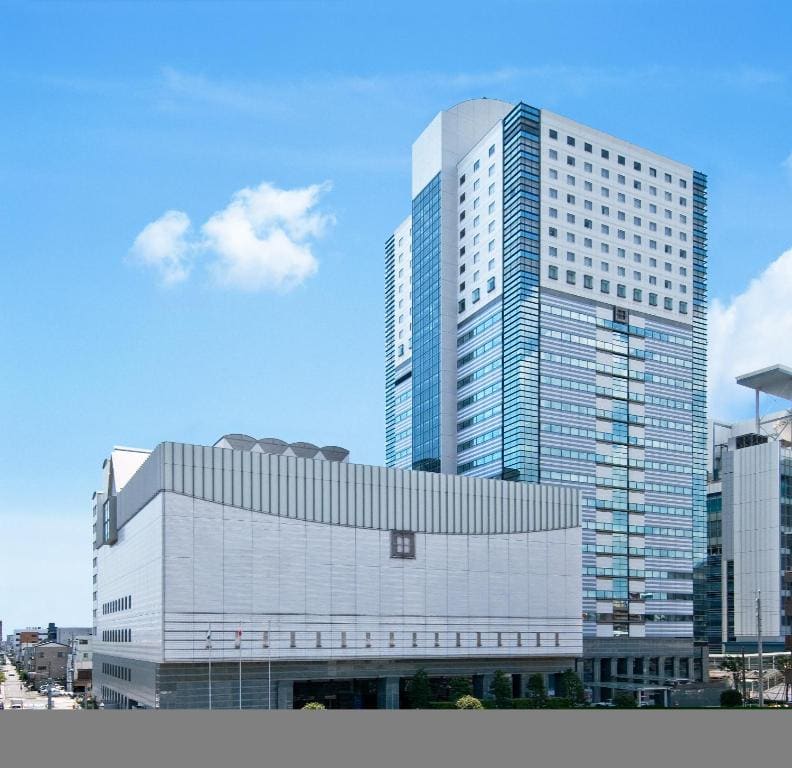
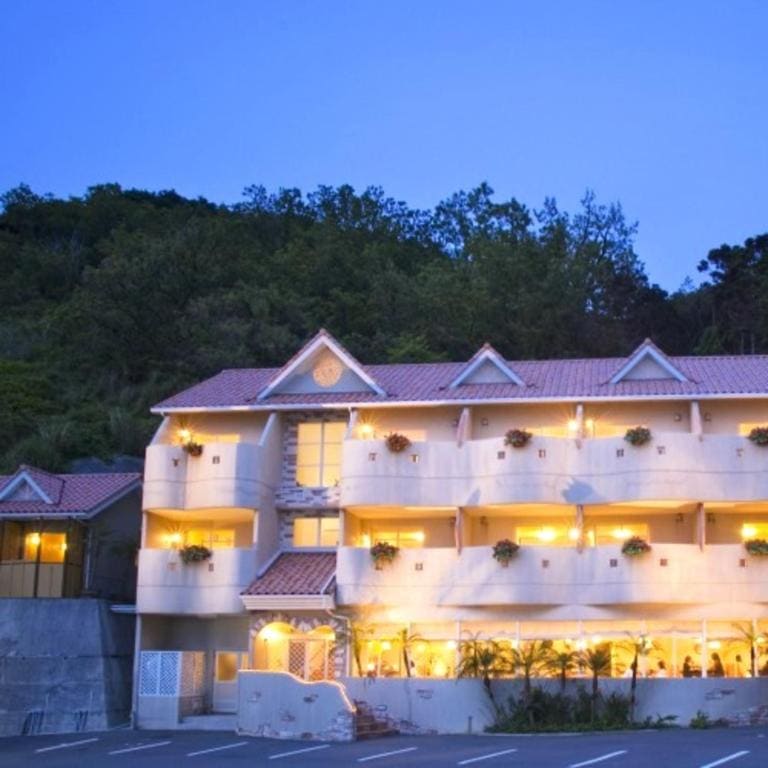
Choose your base depending on your travel pacing and transit needs. Downtown Aoi Ward surrounding JR Shizuoka Station offers high-rise business hotels with direct train hall connections, ideal if you rely on the Shinkansen. Shimizu Port provides quiet harbourfront properties close to fish markets and ferry routes across Suruga Bay.
Live rates, matched to the areas above.
transport
Shizuoka Station is the city's main transportation hub. The JR Tokaido Shinkansen line runs directly through the center. Within the city, JR Tokaido local trains run east-west along the coast. The private Shizutetsu railway operates a single line between Shin-Shizuoka Station and Shin-Shimizu Station, running parallel to the JR tracks with higher train frequencies.
Shizuoka Station / Mount Fuji Shizuoka Airport (FSZ) से
FDA express bus connects Mount Fuji Shizuoka Airport (FSZ) directly to Shizuoka Station.
Fixed-rate airport taxis require booking 24 hours in advance.
Nozomi services do not stop at Shizuoka. Board Hikari or Kodama trains when traveling on the Tokaido Shinkansen line.
Suica and Pasmo work on local JR Tokaido lines and Shizutetsu buses, but not on highway express buses to Mt. Fuji.
The private Shizuoka-Shimizu Railway connects Shin-Shizuoka to Shin-Shimizu faster than walking between JR stations.
Buses from Shizuoka Station bus bay 11 run once per hour to Nihondaira Yume Terrace.
cost
Shizuoka offers significantly lower daily costs than Tokyo or Kyoto. Meals at local fish markets and oden stalls offer high quality at reasonable regional prices. Carry cash when visiting small tea shops and mountain stalls along the Abe River.
Five skewered items cooked in dark beef broth at Aoba Oden Yokocho.
250g beef patty seared on iron plates with onion sauce.
Aerial cable car connecting Nihondaira peak to Kunozan Toshogu Shrine.
Raw or boiled whitebait served over rice at Mochimune fishing port.
seasonality
MAR – MAY
Mild temperatures and clear morning views of Mount Fuji. Spring tea harvest begins in late April across regional hills.
JUN – AUG
High humidity and frequent fog obscure Mount Fuji. Suruga Bay seafood shifts to summer species like horse mackerel.
SEP – NOV
Cooler air clears the atmosphere around Mount Fuji. Autumn foliage turns bright red around Nihondaira in late November.
DEC – FEB
Cold, crisp dry air produces the clearest Mount Fuji view of the year. Snow caps the peak reliably.
practicalities
Specialty green tea shops along Gofukucho street close early, usually around 18:00.
Ticket dispensers at Shin-Shizuoka Cenova open at 10:00 AM before the restaurant opens at 11:00 AM.
Small wasabi farms and mountain stalls along the Abe River require physical cash.
Morning sun illuminates Mount Fuji best from Miho no Matsubara before noon shadows arrive.