landmark
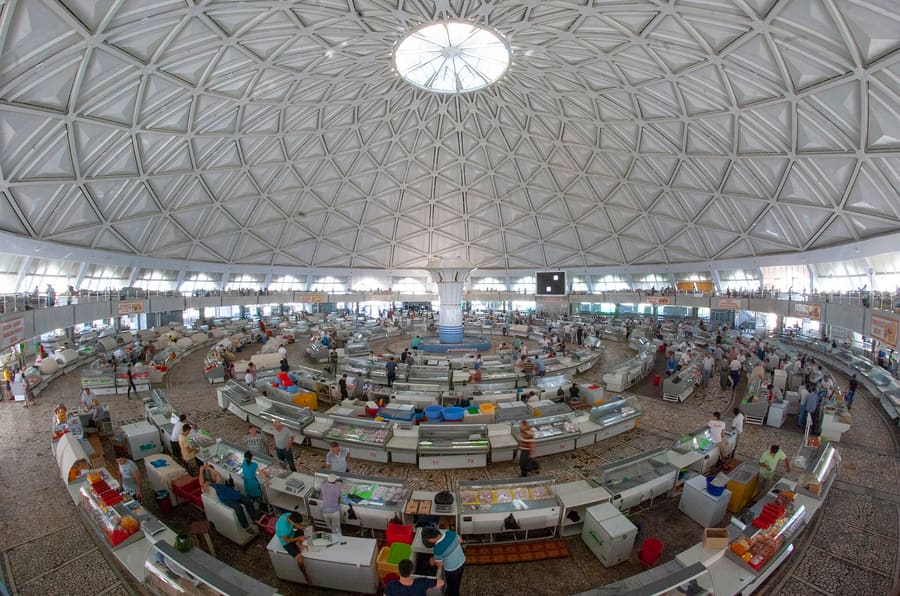
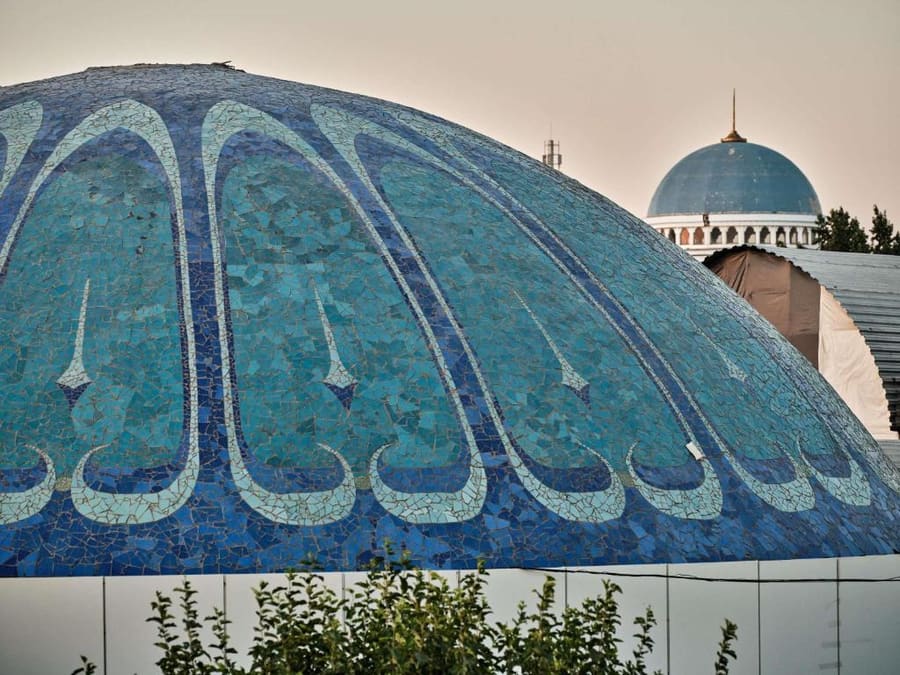
Chorsu Bazaar
A blue-tiled dome housing butchers, bakers, and spice traders. Visit at 09:00 for fresh bread and peak activity.
Parley से पूछेंउज़्बेकिस्तान
Brutalist avenues, clay domes, and Silk Road trade hubs.
introduction
Tashkent is a city rebuilt after the 1966 earthquake on a grid of wide Soviet boulevards. You move through it via a deep subway system with chandeliered halls or cheap rideshare cars. Ancient Islamic shrines stand beside concrete brutalist towers. Expect vast distances between neighborhoods, low prices, and heavy local hospitality.
Airport arrival
Yandex Go works at Tashkent Airport (TAS). Ordering via app avoids paying inflated cash rates to hall drivers.
UNESCO documentary heritage
The 7th-century Quran of Caliph Uthman at Hazrati Imam is in the UNESCO Memory of the World Register.
Tashkent
Doris Ingeborg Lohse · CC BY-SA 4.0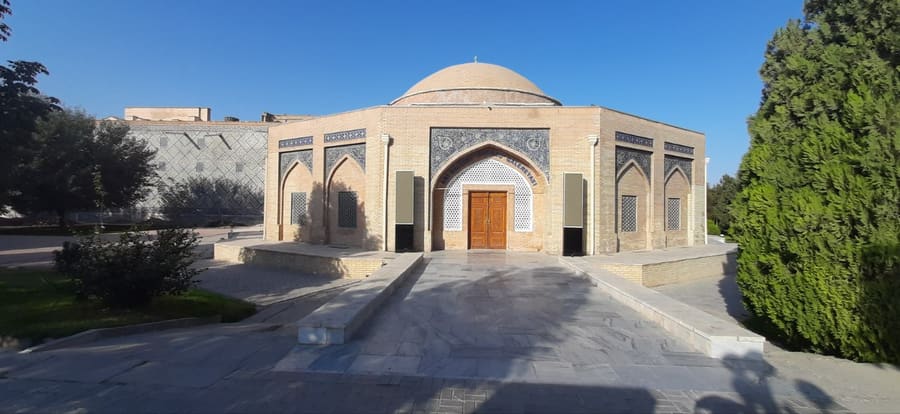
Eski Shahar — Narrow mudbrick alleys, traditional clay courtyards, and tea houses surrounding Chorsu Bazaar.
ShHamrayev · CC BY-SA 4.0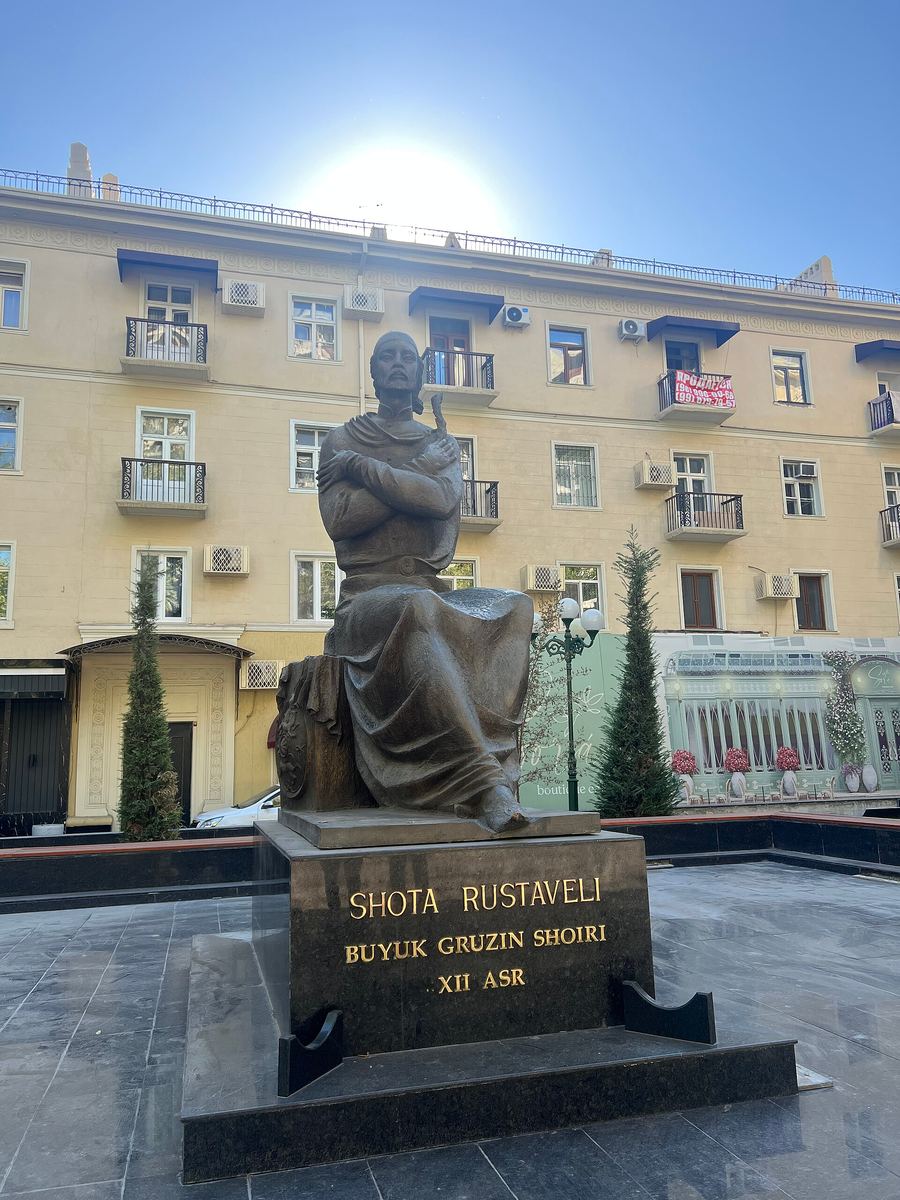
Yakkasaray — Shaded residential avenues, third-wave coffee shops, and contemporary local dining.
Said228332 · CC BY-SA 4.0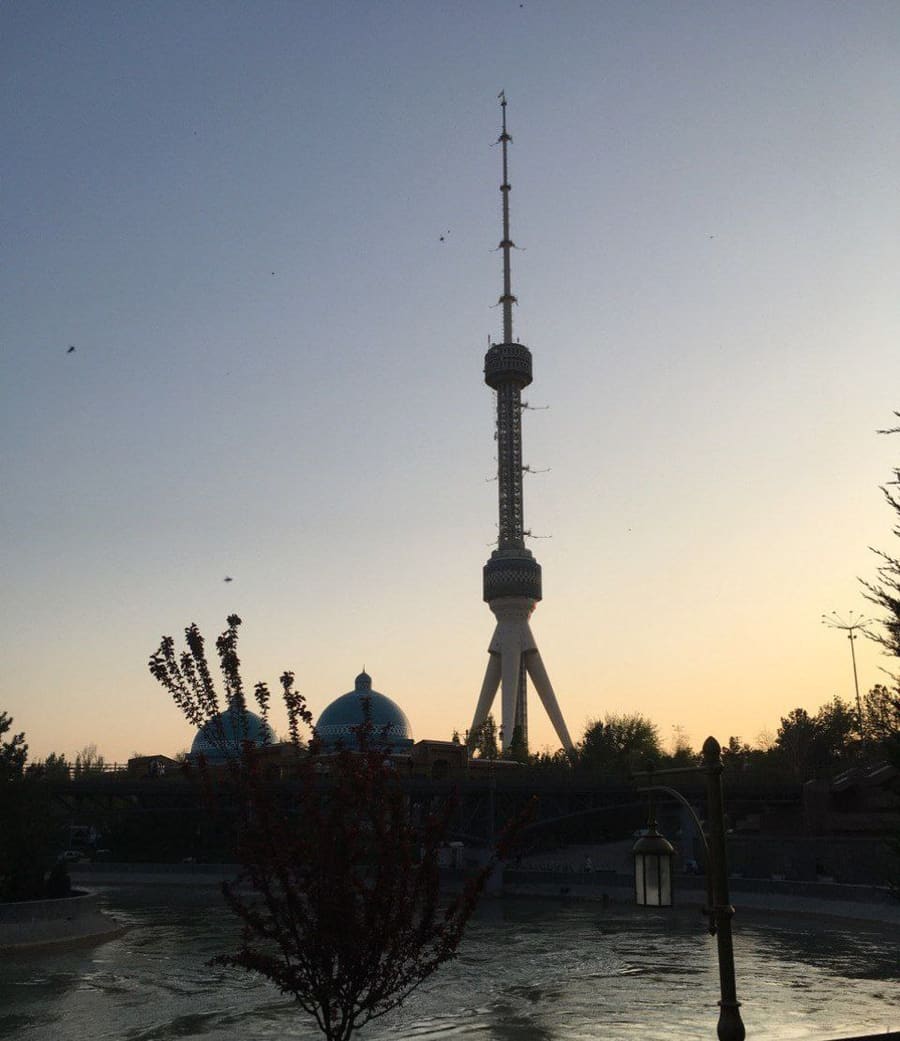
Yunusabad — Soviet-era apartment blocks, green parks, and high-volume regional food centers.
ShNajimova · CC BY 4.0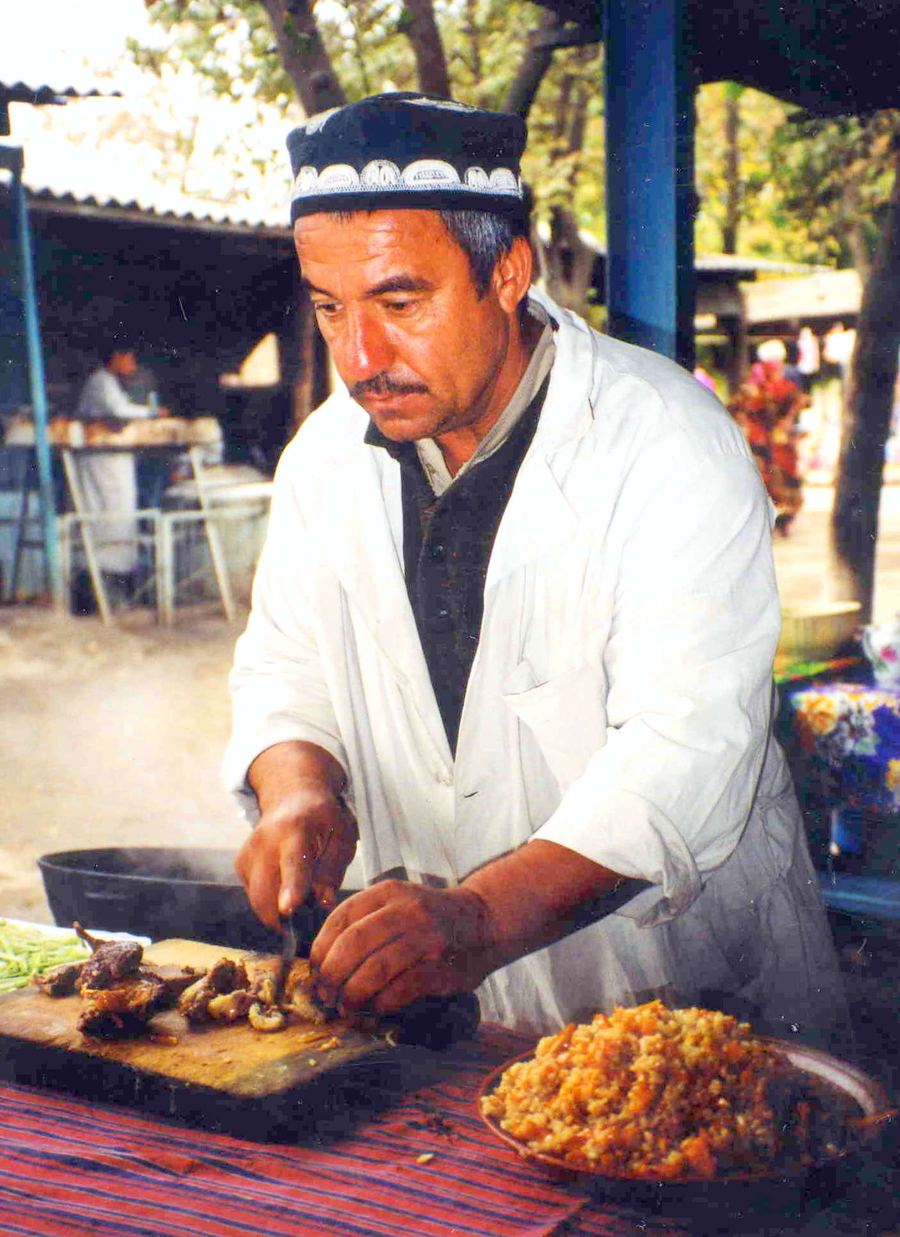
Fresh non flatbread and meat skewers grilled over coals at Chorsu Bazaar.
Brian Harrington Spier · CC BY-SA 2.0highlights
landmark
A blue-tiled dome housing butchers, bakers, and spice traders. Visit at 09:00 for fresh bread and peak activity.
Parley से पूछें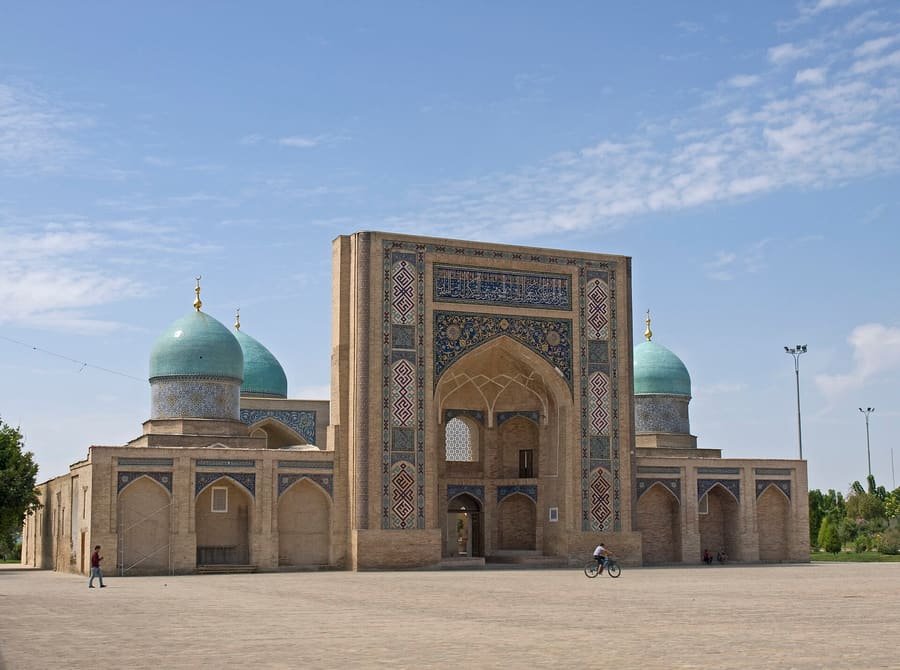
landmark
The spiritual center housing the 7th-century Uthman Quran. Mosaic tilework frames a courtyard of madrassas.
Parley से पूछें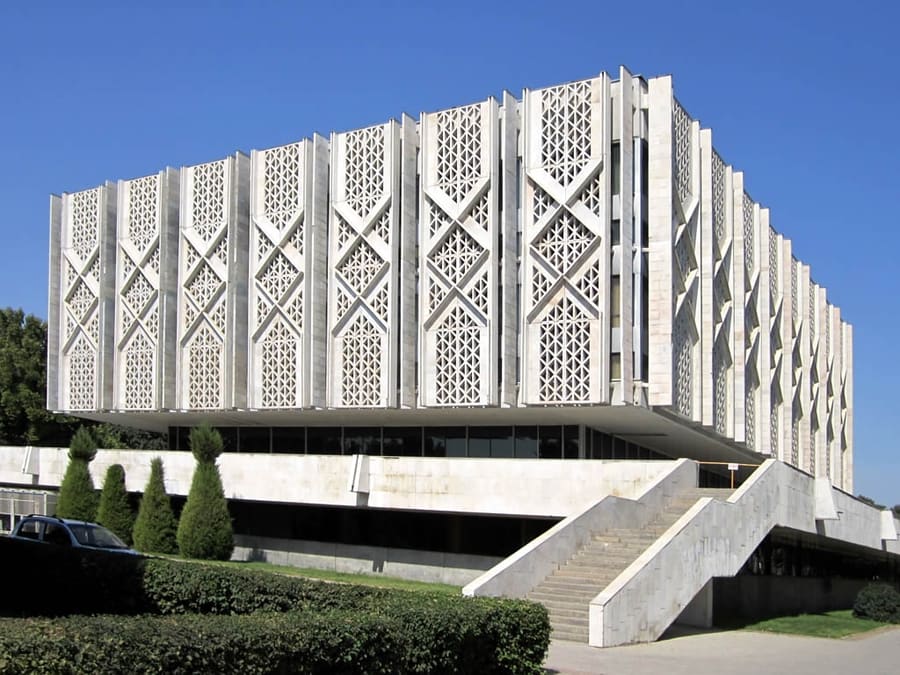
landmark
A massive carved concrete cube displaying artifacts from ancient Bactria to Soviet modernization.
Parley से पूछेंattractions
areas
Narrow mudbrick alleys, traditional clay courtyards, and tea houses surrounding Chorsu Bazaar.
पास मेंChorsu Bazaar and Hazrati Imam
Parley से पूछेंSoviet boulevards, monumental fountains, brutalist hotels, and leafy public parks.
पास मेंAmir Timur Square and Navoi Theater
Parley से पूछेंShaded residential avenues, third-wave coffee shops, and contemporary local dining.
पास मेंShota Rustaveli Street and Tashkent Station
Parley से पूछेंSoviet-era apartment blocks, green parks, and high-volume regional food centers.
पास मेंBesh Qozon and Tashkent TV Tower
Parley से पूछेंfood
Tashkent dining revolves around rice cooked in sheep fat, spiced skewers, and bread hot from clay ovens. Lunch is the main event. Plov centers cook rice with mutton, yellow carrots, and raisins in massive cast-iron kettles. If you arrive after 13:30, the best pots are already scraped clean.Teahouses serve green tea in ceramic cups alongside charcoal-grilled lamb skewers. Dinner shifts to street stalls and modern grill rooms along Rustaveli Street.
Fresh non flatbread and meat skewers grilled over coals at Chorsu Bazaar.
Brian Harrington Spier · CC BY-SA 2.0Besh Qozon starts serving plov at 11:00. Show up before 12:30 to get fresh meat and hot rice.
Tashkent flatbread is tear-and-share. Never cut non with a knife or place it face down on a table.
history
Tashkent grew as a fertile oasis town along the Silk Road trading routes between Asia and Europe. Russian conquest in 1865 transformed it into the administrative heart of Russian Turkestan. Modern Tashkent was shaped decisively on April 26, 1966, when a magnitude 5.1 earthquake destroyed much of the mudbrick city.Soviet republics sent workers and materials to rebuild the metropolis in concrete. The result is a planned capital of grand avenues, earthquake-resistant apartment blocks, and subterranean transit halls.
Russian conquest
Russian forces capture Tashkent, making it the capital of Russian Turkestan and introducing European urban planning.
Great earthquake
A severe earthquake destroys 300,000 homes. Workers from across the USSR arrive to rebuild the city in concrete.
Metro opening
The Tashkent Metro opens as Central Asia's first subway, doubling as nuclear bomb shelters with elaborate artwork.
Capital of Uzbekistan
Uzbekistan gains independence. Tashkent retains its status as the national capital and political center.
where to stay
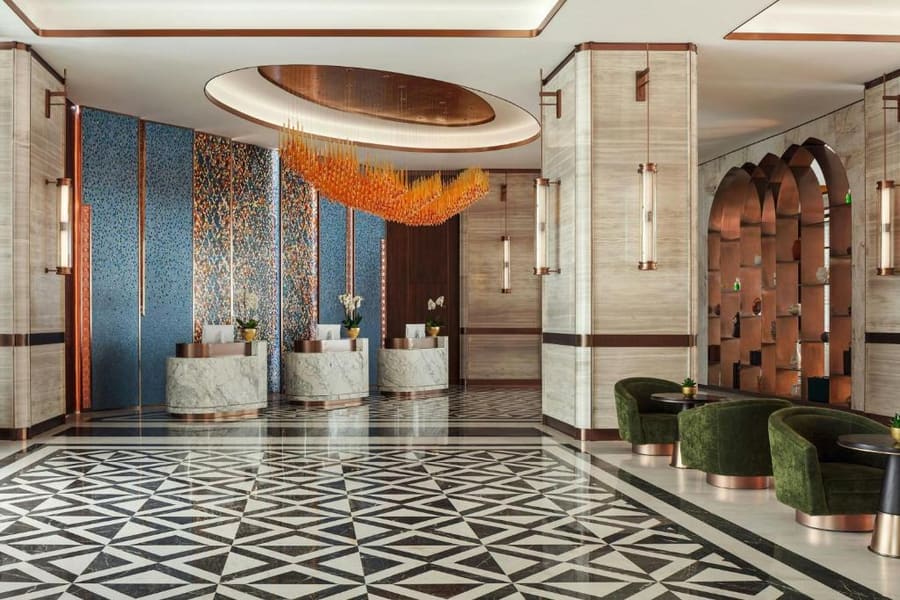
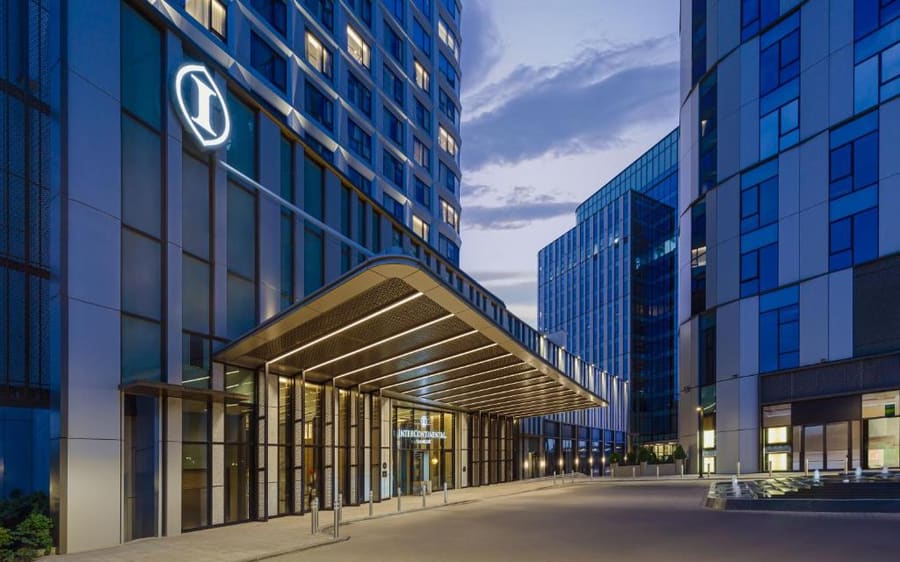
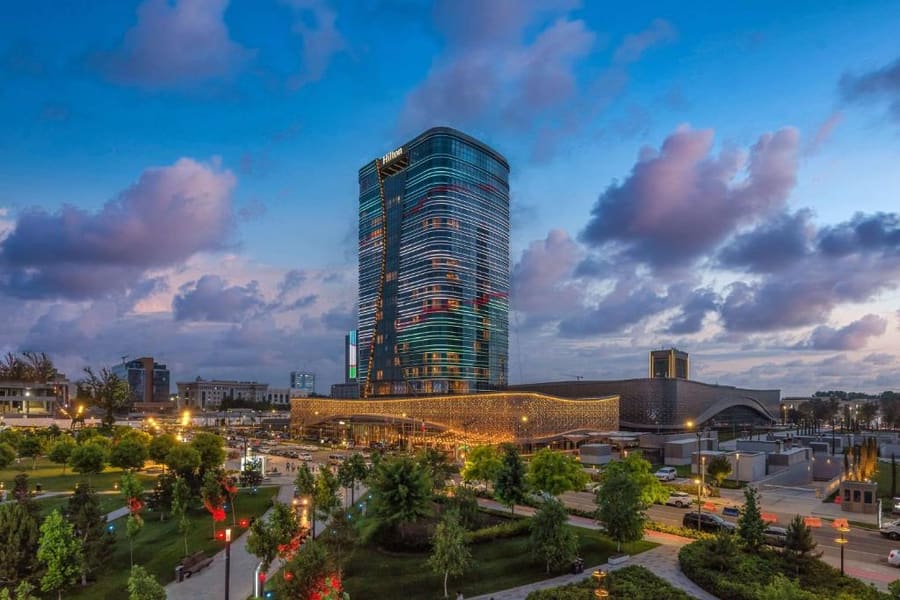
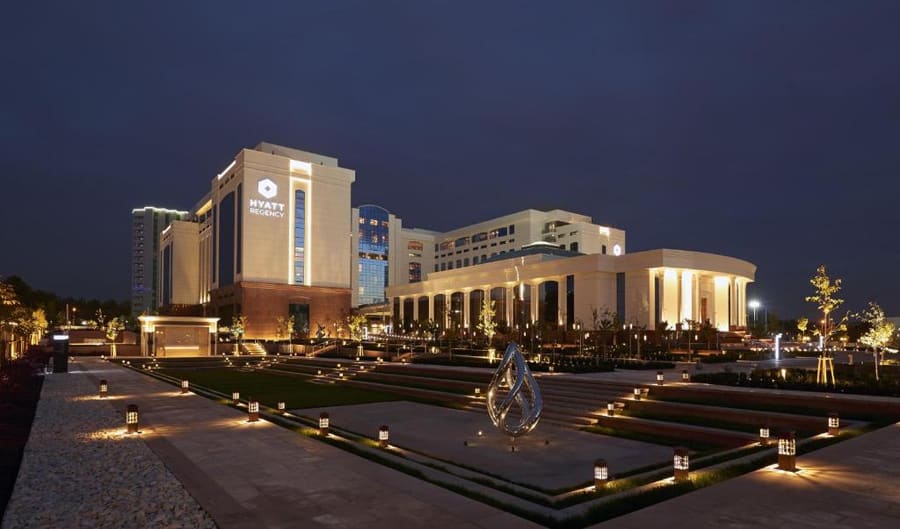
Choose your base by transit access and neighborhood scale. The City Center places you within walking distance of parks and major metro interchanges. Yakkasaray offers tree-lined residential streets, coffee shops, and quiet nights. Eski Shahar suits travellers who want traditional markets and old-world architecture right outside their door.
Live rates, matched to the areas above.
transport
Tashkent has an efficient public transit network anchored by four operational metro lines (Chilonzor, Uzbekistan, Yunusabad, and the Circle Line). Taxis are abundant and cheap when booked through mobile apps. Street-hailing unregistered cars is common but requires pre-negotiating fares in local currency.
Tashkent International Airport (TAS) से
Use Yandex Go app to avoid inflated cash quotes from hall drivers.
Bus 67 or 77 runs to city center. Pay conductor or tap bank card.
Official airport desk taxi. Higher price than rideshare apps.
Download Yandex Go before arriving. Rides within the city rarely exceed 30,000 UZS and remove language barriers.
The metro operates daily from 05:00 to 00:00. Trains run every 3–5 minutes during peak rush hours.
Photography inside metro stations is fully permitted since 2018. Security guards no longer enforce the old ban.
cost
Tashkent is one of Central Asia's most affordable capitals. Cash is still preferred at local bazaars, while modern restaurants and supermarkets accept contactless cards.
A massive portion of plov with beef, egg, and salad at Besh Qozon or neighbourhood spots.
Flat fare anywhere on the 4-line network, including transfers.
Single grilled meat skewer served with fresh onions and bread at market stalls.
Flat white or espresso at modern specialty cafes along Rustaveli Street.
seasonality
MAR – MAY
Spring brings comfortable temperatures and blooming trees. The best season for walking.
JUN – AUG
Summer temperatures exceed 40°C. Midday sight-seeing is exhausting; streets empty until evening.
SEP – NOV
Autumn offers warm days, fresh local produce at bazaars, and pleasant night walking conditions.
DEC – FEB
Cold and occasionally snowy weather. Sightseeing drops off, though winter indoor heating is strong.
practicalities
Hotels issue registration slips during your stay. Keep these paper receipts in your passport until immigration control.
ATMs dispense Uzbek UZS and sometimes USD. Major banks like NBU accept foreign Mastercard and Visa cards.
Chorsu Bazaar is busiest on Sunday mornings. Monday is clean-up day when many stalls close early.
The 40-day peak heat period from late June to early August is called Chilla. Stay hydrated and carry shade.
Tap water in Tashkent is safe to boil for tea, but bottled or filtered water is recommended for daily drinking.