landmark
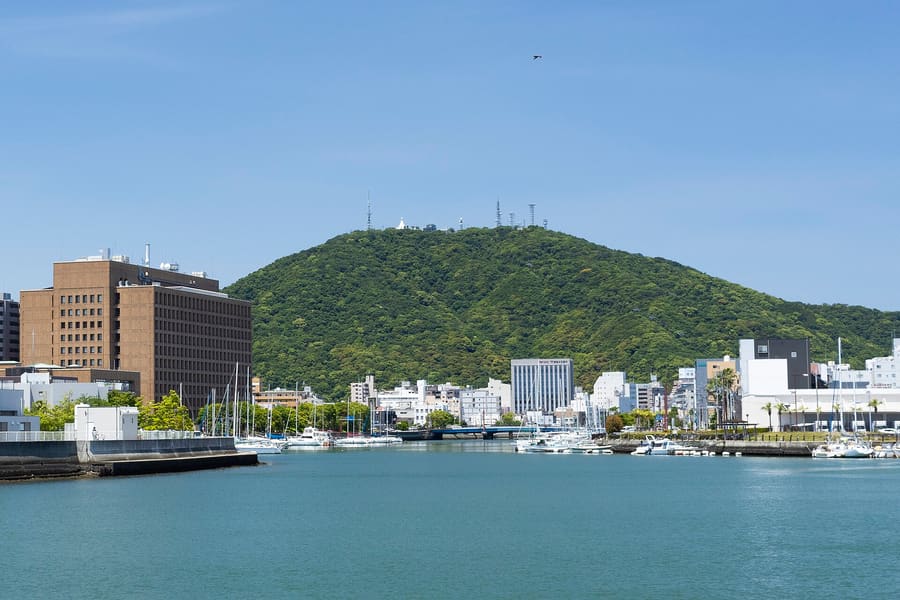
Mount Bizan Ropeway
Rides depart every 15 minutes from the fifth floor of Awa Odori Kaikan. The summit looks across Kii Channel.
Parley से पूछेंजापान
River channels, indigo history, and regional pork ramen.
introduction
Tokushima sits on the eastern shore of Shikoku, crisscrossed by delta channels fed by the Yoshino River. Mount Bizan anchors the city center, giving immediate elevation above the grid streets. You reach Tokushima by highway bus from Kansai or domestic flights into Tokushima Awaodori Airport.
Direct Kansai bus connection
Buses from Kansai Airport run directly to Tokushima Station via the Akashi Kaikyo Bridge in under three hours.
Awa Odori heritage
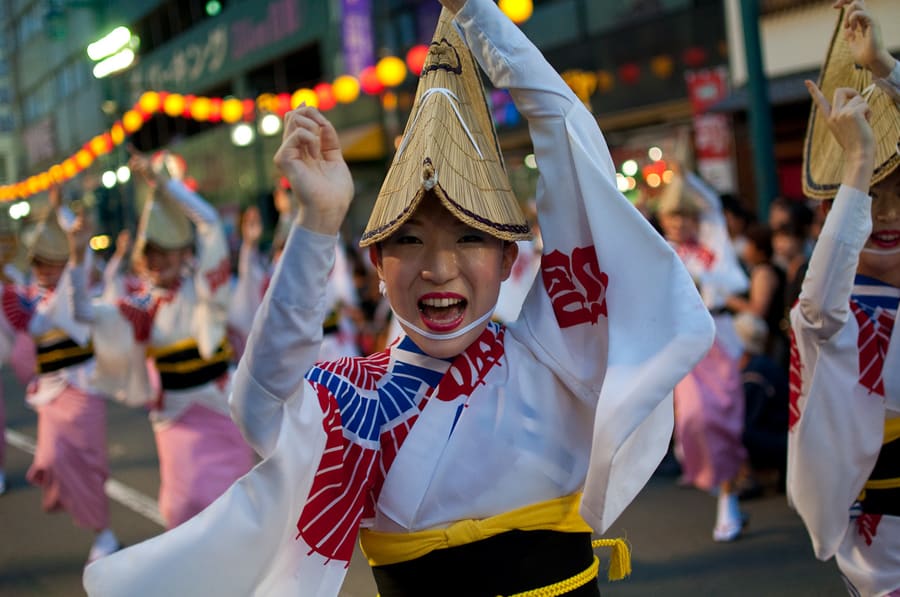
The city's August Awa Odori festival attracts over one million spectators annually for four nights of traditional dance.
Peak booking rule
Hotels sell out six months ahead for mid-August. Visit in spring or autumn for quiet river walks and easy transit.
Tokushima
Stemu2000 www.stefansblog.com · CC BY 3.0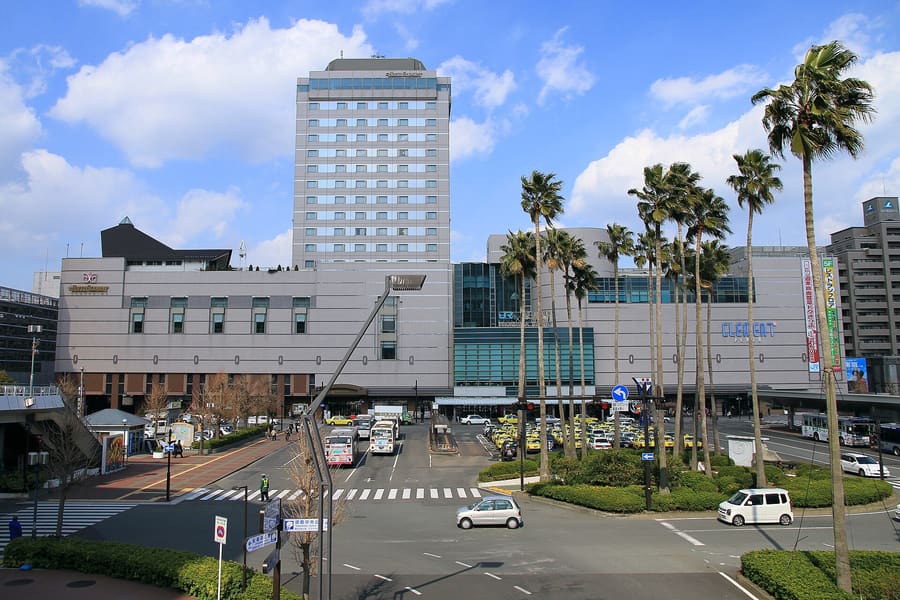
Ekimae — Transit hub centered on JR Tokushima Station with connected department stores and ramen alleys.
京浜にけ at Japanese Wikipedia · CC BY-SA 3.0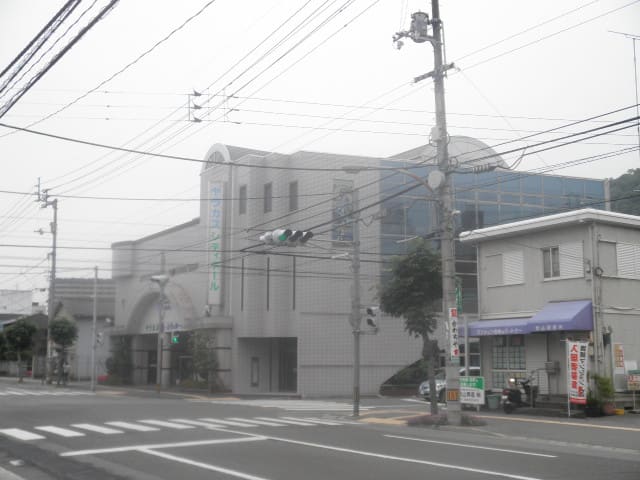
Akitamachi — Tokushima's primary nightlife grid, packed with izakayas, bars, and late-night noodle shops.
Mti · CC BY-SA 3.0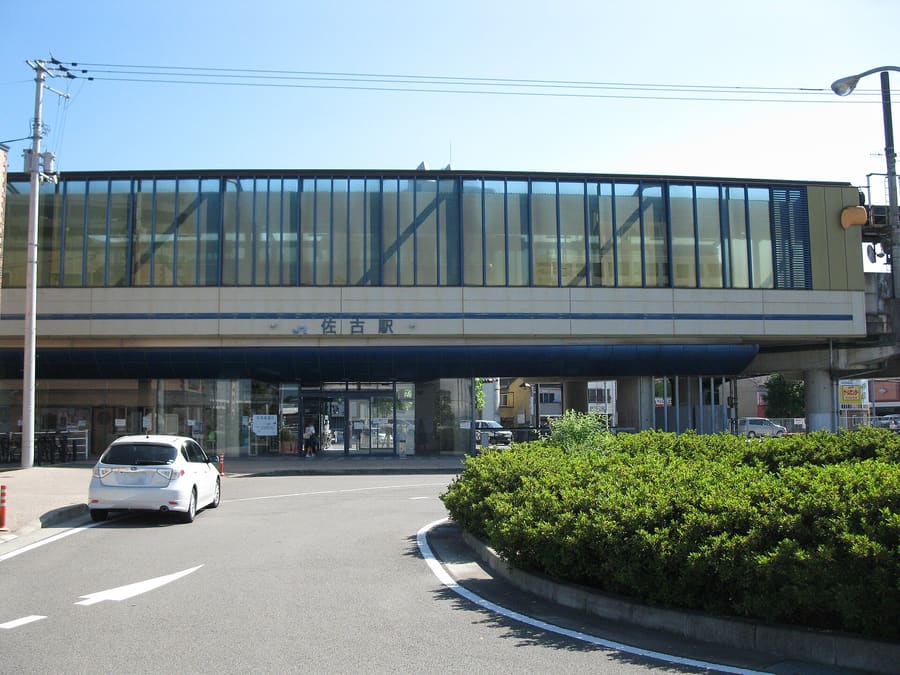
Sako — Residential district west of downtown with traditional indigo dye houses and historic Sake breweries.
LERK · CC BY 3.0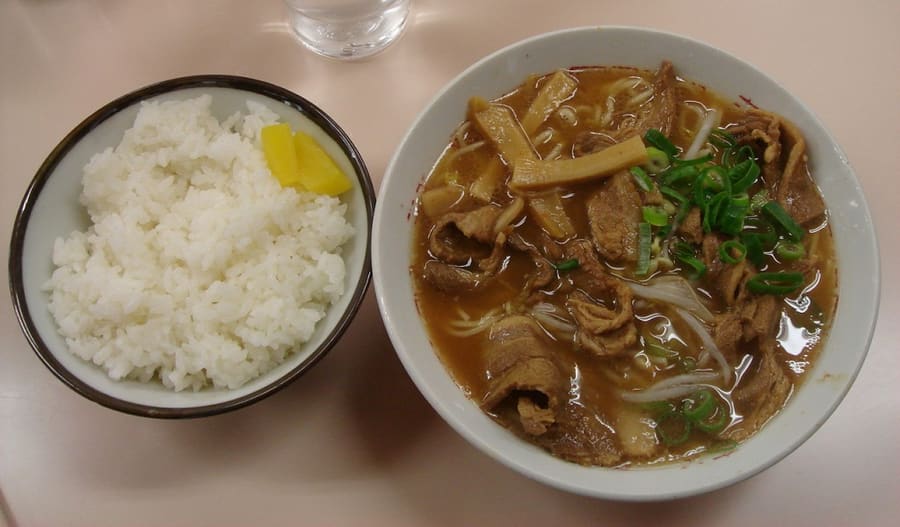
Tokushima ramen served with braised pork belly slices and a raw egg.
Snap55 at Japanese Wikipedia · CC BY 3.0highlights
landmark
Rides depart every 15 minutes from the fifth floor of Awa Odori Kaikan. The summit looks across Kii Channel.
Parley से पूछें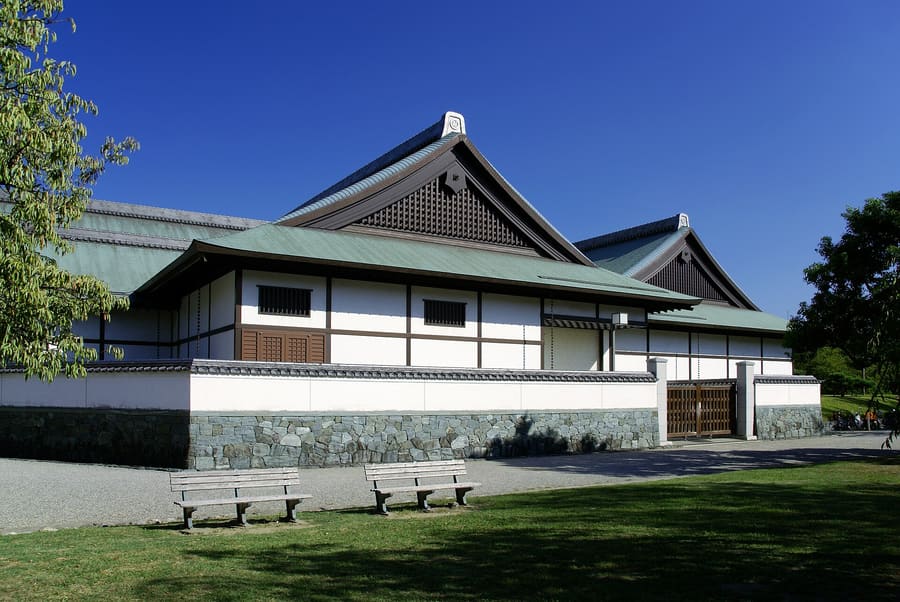
landmark
Walk through stone walls dating to 1585. The original Omote-goten garden uses local green schist rock.
Parley से पूछें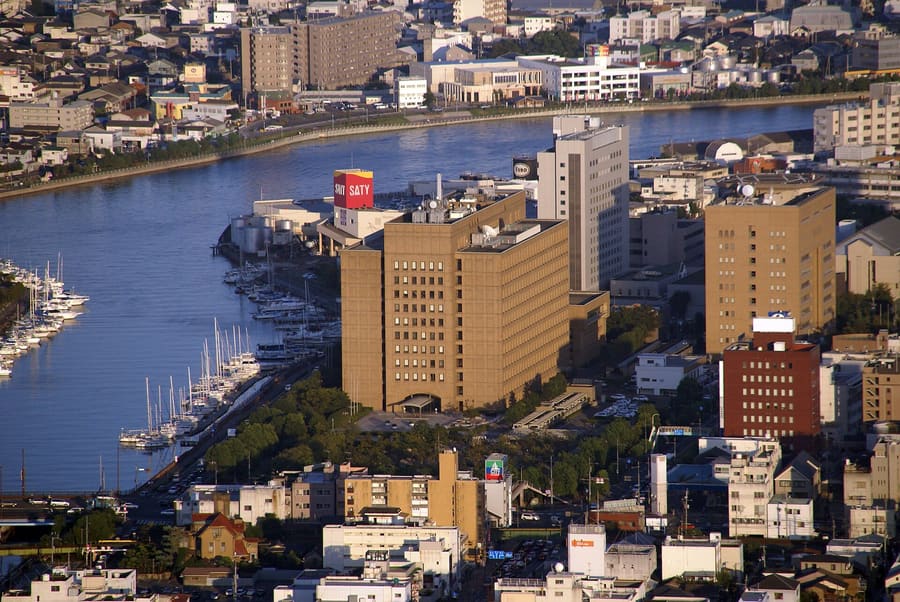
landmark
Paved paths line both sides of the downtown channel. LED light installations turn on every evening at dusk.
Parley से पूछें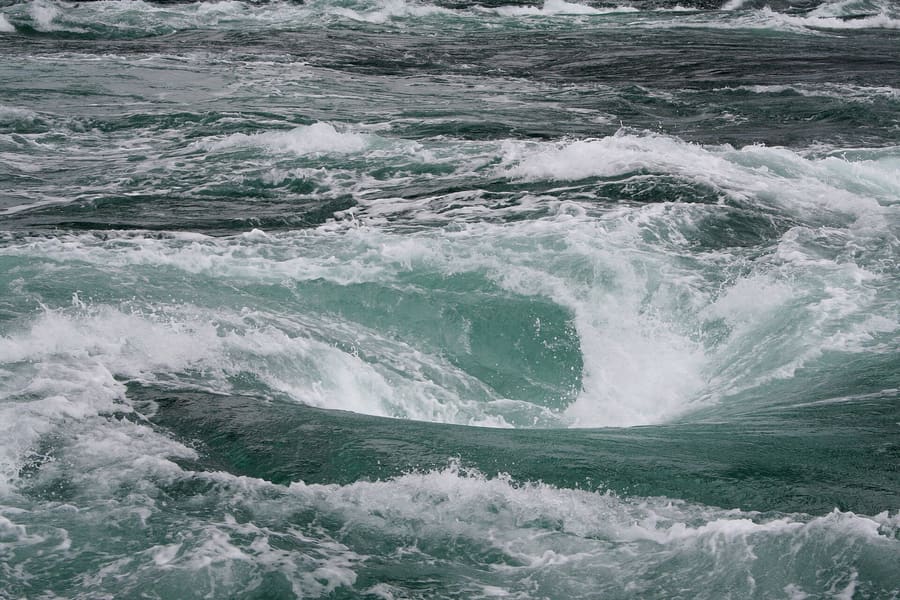
landmark
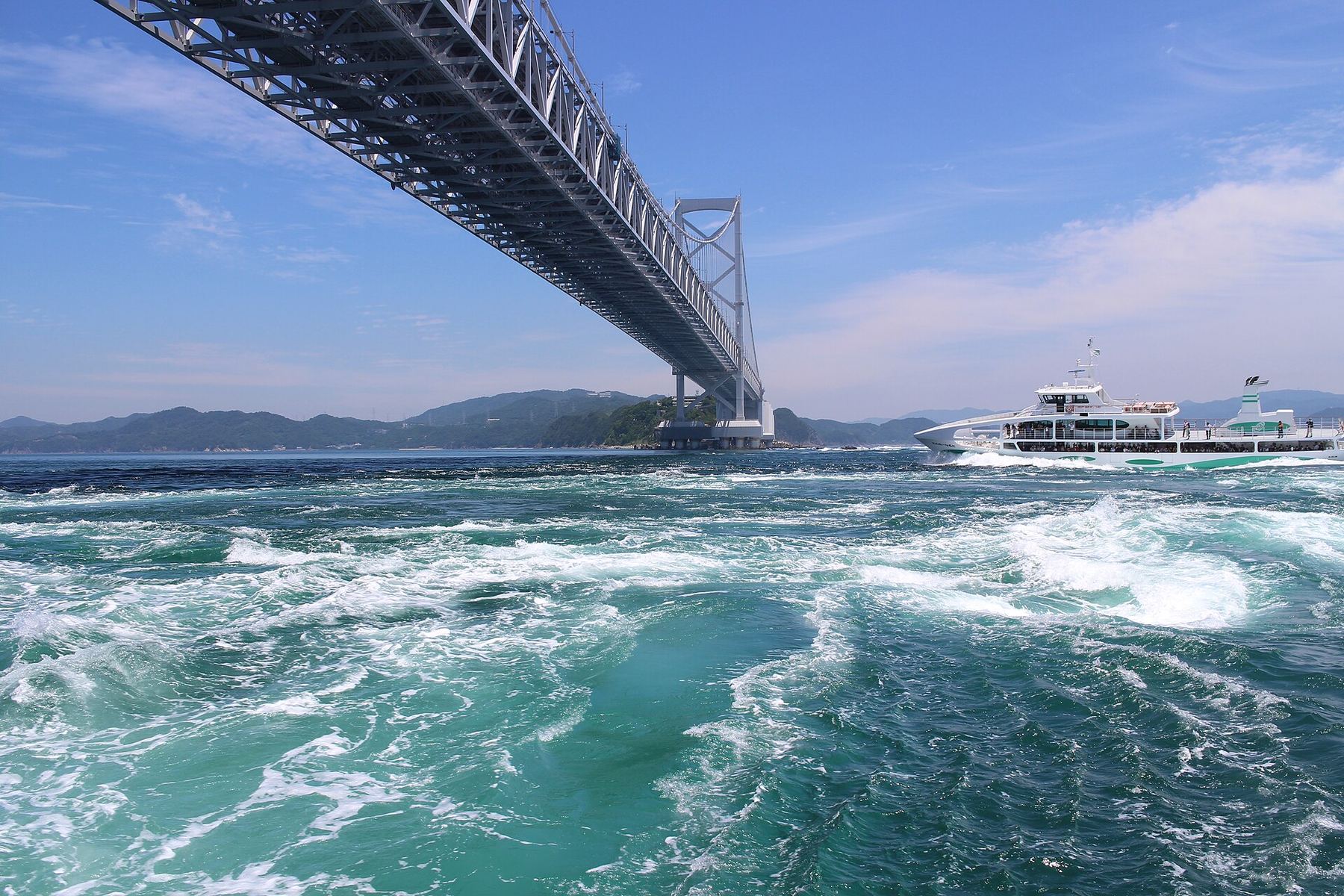
Tidal currents between Shikoku and Awaji Island form massive eddies. Direct local buses depart from Tokushima Station.
Parley से पूछेंattractions
areas
Transit hub centered on JR Tokushima Station with connected department stores and ramen alleys.
पास मेंTokushima Castle Ruins and central bus terminal.
Parley से पूछेंTokushima's primary nightlife grid, packed with izakayas, bars, and late-night noodle shops.
पास मेंShinmachi River south bank.
Parley से पूछेंResidential district west of downtown with traditional indigo dye houses and historic Sake breweries.
पास मेंMount Bizan western hiking trails.
Parley से पूछेंPedestrian-friendly riverfront district at the base of Mount Bizan with coffee shops and craft stores.
पास मेंAwa Odori Kaikan and Hyoutan boat dock.
Parley से पूछेंfood
Tokushima ramen stands apart from standard Japanese ramen. The local style features a rich pork bone and soy sauce broth topped with sweet-savory braised pork belly and a raw egg cracked directly into the bowl. Locals eat it alongside white rice as a side dish rather than a main meal.
Tokushima ramen served with braised pork belly slices and a raw egg.
Snap55 at Japanese Wikipedia · CC BY 3.0Inokutani near Tokushima Station popularized the raw egg topping. Order at the ticket machine before sitting.
Tokushima grows most of Japan's sudachi citrus. Squeeze the green fruit over grilled fish, cold soba, or highballs.
A local breed of chicken prized for firm texture. Skewered and grilled over charcoal in Akitamachi izakayas.
history
Tokushima developed as a castle town under Hachisuka Iemasa in 1585. The region's wealth grew from indigo cultivation along the Yoshino River delta. Profit from indigo trade funded the annual Awa Odori festival, turning local folk dances into a major cultural tradition.
Castle Construction
Hachisuka Iemasa builds Tokushima Castle, establishing the town layout along the river channels.
Indigo Monopoly
The Awa Domain becomes Japan's primary indigo producer, supplying high-grade blue dye nationwide.
Post-war Rebuilding
Air raids destroy much of the historic wooden center, leading to grid-based modern reconstruction.
Akashi Kaikyo Bridge
Opening of the suspension bridge connects Tokushima directly to Kobe and Osaka by highway.
where to stay
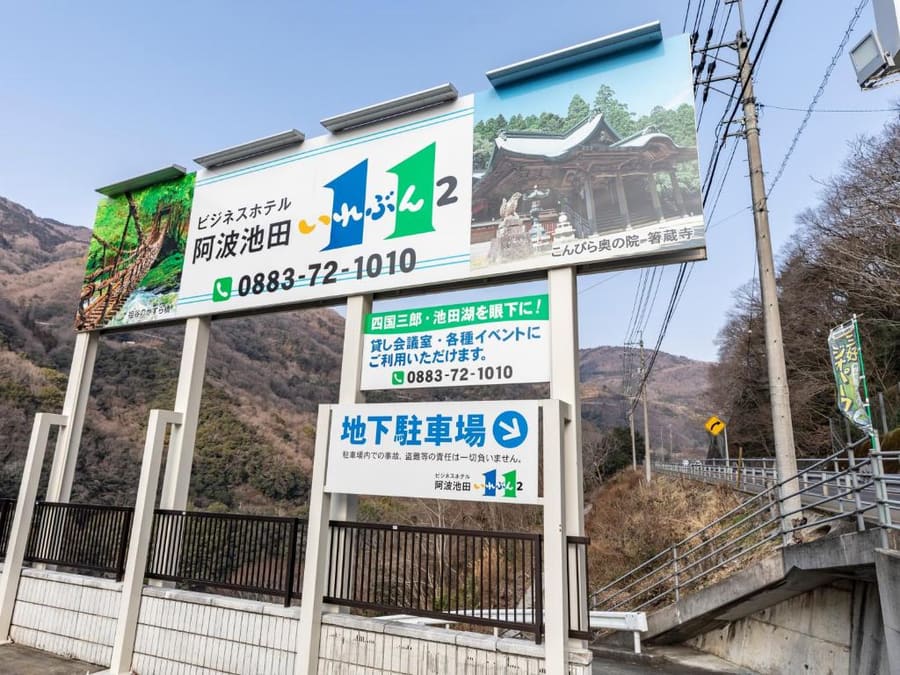
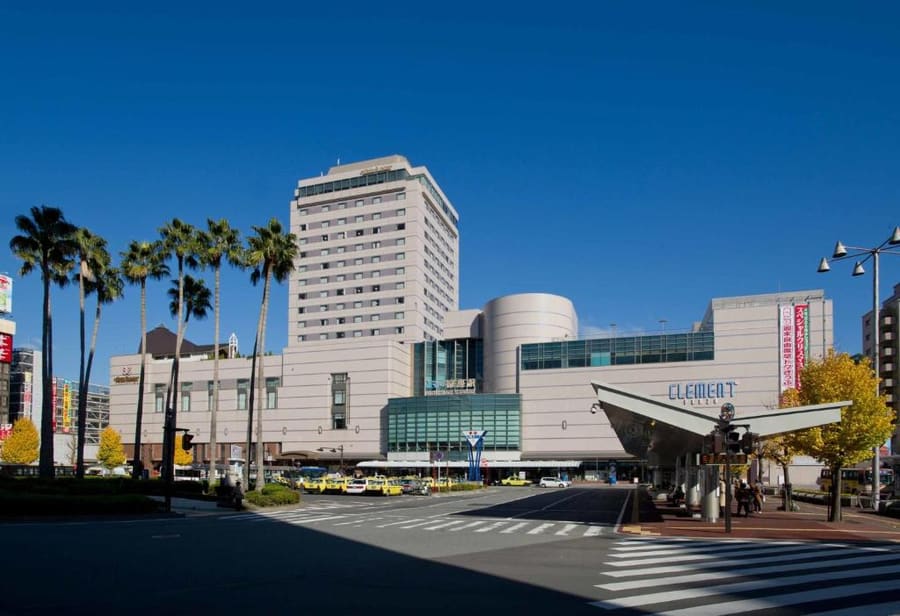
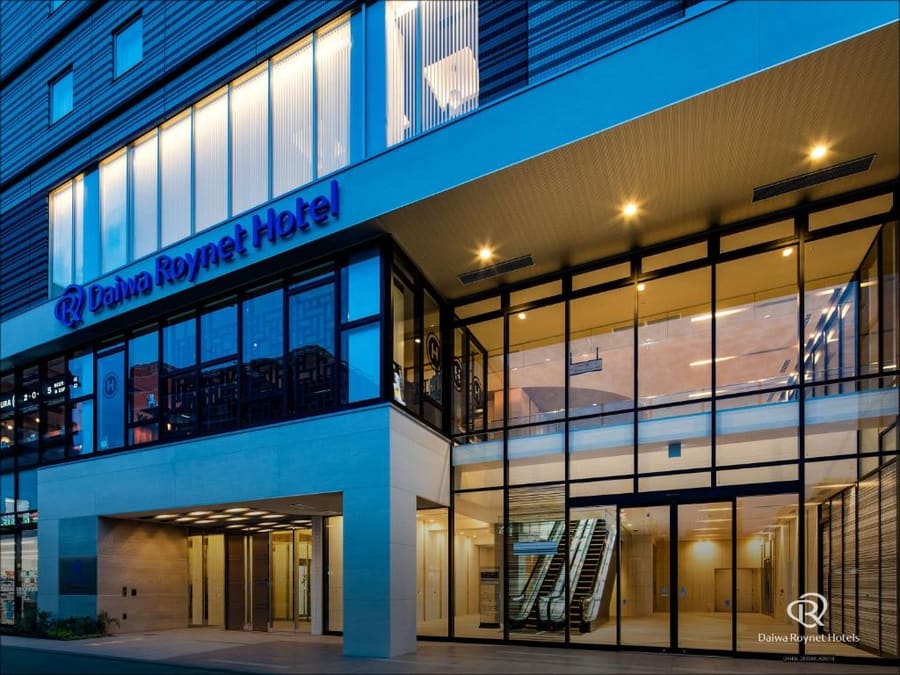
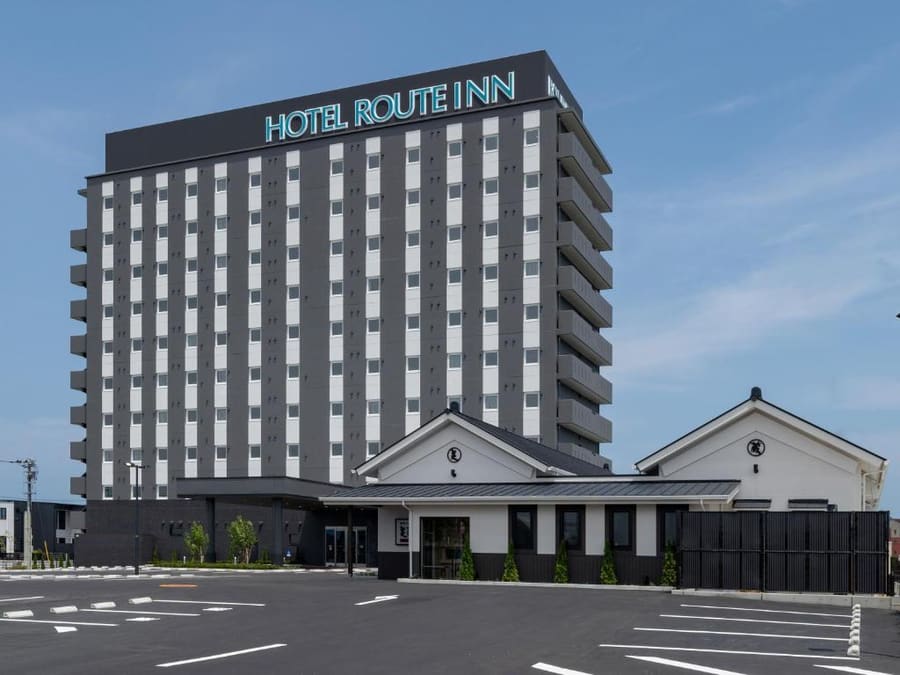
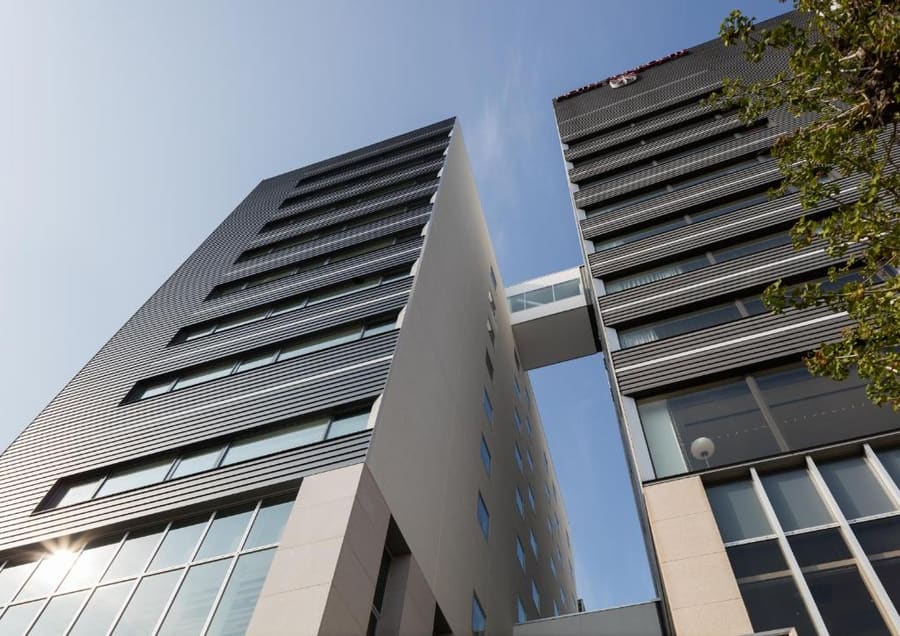
Choose your location based on your transport strategy. Staying around Tokushima Station keeps you connected to highway buses and day-trip trains. Staying near Shinmachi puts you within walking distance of Mount Bizan and river paths.
Live rates, matched to the areas above.
transport
Tokushima is flat and compact enough to explore on foot or by rental bicycle. Local city buses cover outer sightseeing spots like Naruto, while JR train lines head west into the mountains or north toward Takamatsu.
Tokushima Airport (TKS) / Tokushima Station से
Bus schedule aligns with arriving flights from Tokyo and Fukuoka.
Taxi ride from Tokushima Airport to central hotels.
Tokushima Prefecture has no electrified rail lines; all local JR trains run on diesel power.
Bus frequencies drop sharply after 20:00; confirm return schedules before suburban trips.
Low-cost municipal bicycle rentals are available right outside Tokushima Station.
cost
Tokushima offers lower daily costs than major Japanese metropolitan areas. Food and public transit prices remain modest, though rental cars add expense if traveling deep into mountain valleys.
Pork broth ramen with sweet pork belly and raw egg topping options.
20-minute circular river tour; fee covers nominal passenger insurance.
Cable car ascent up Mount Bizan from Awa Odori Kaikan.
seasonality
MAR – MAY
Mild weather and cherry blossoms along Tokushima Castle park. Ideal season for walking along river paths.
JUN – JUL
High humidity and rainy season conditions. Keep umbrella ready for outdoor sightseeing.
AUG – AUG
Extreme summer heat during Awa Odori festival. Reserve lodging half a year ahead.
SEP – NOV
Clear skies and comfortable temperatures. Fall foliage colors the surrounding hillsides.
DEC – FEB
Chilly winds off the sea. Low visitor numbers make hotel stays affordable and easy to book.
practicalities
Many small ramen shops and market stalls accept cash payments only.
Shinmachi River is tidal; waterfront boardwalk paths occasionally flood during full-moon high tides.
Peak harvest occurs in autumn when fresh citrus accentuates local restaurant dishes.
Tokushima is in a coastal zone; check marked evacuation routes if staying near riverbanks.