landmark
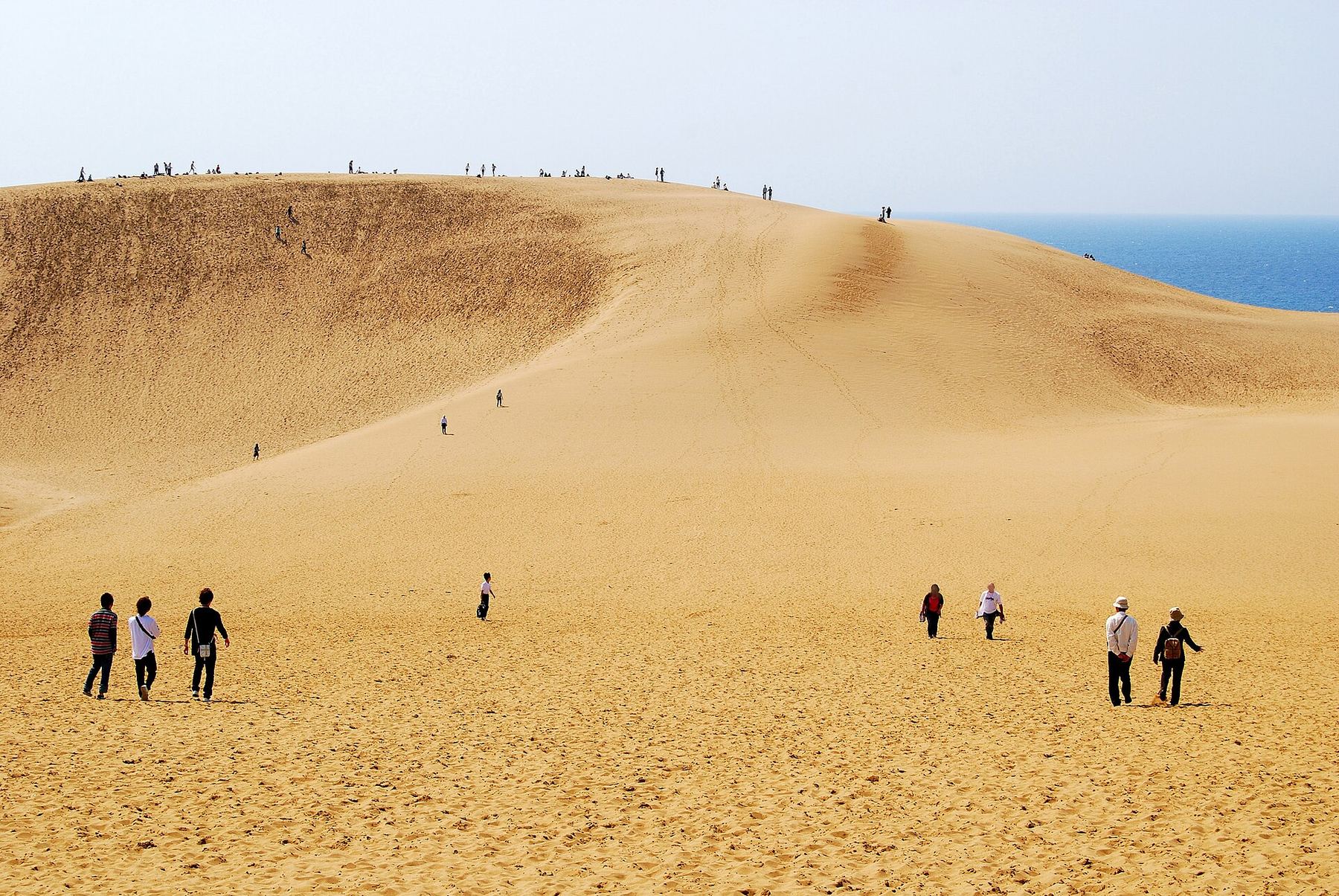
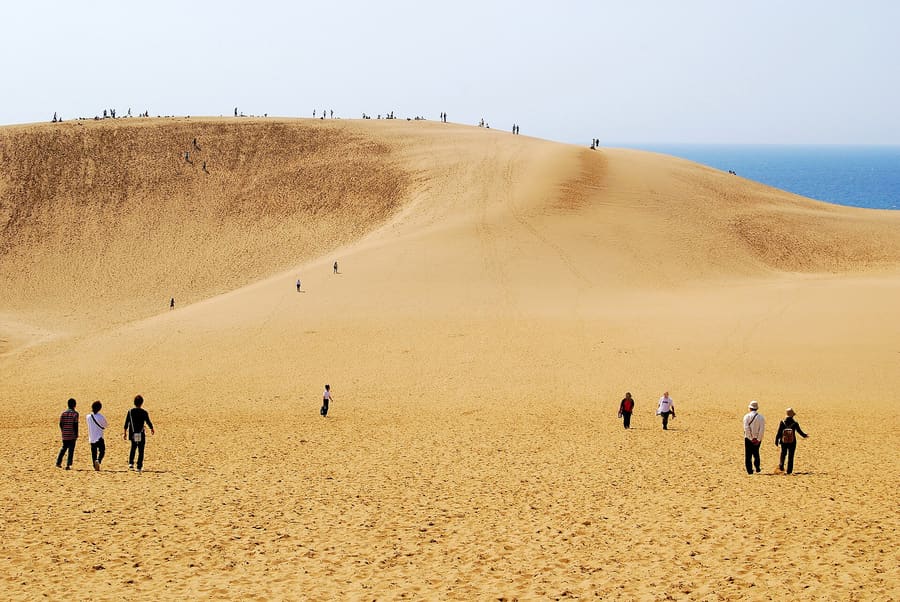
Tottori Sand Dunes
Walk massive coastal dunes sculpted by Sea of Japan winds. Arrive before 08:30 to see unblemished sand ripples.
Parley से पूछेंजापान
Coastal sand dunes, winter crab, and sparse regional rail.
introduction
Tottori is the capital of Japan's least populous prefecture, anchored by massive coastal sand dunes along the Sea of Japan. The city layout stretches inland from the coast to Tottori Station, connected by reliable local buses. You come here for stark geography, winter snow crab, and uncrowded historic sites rather than nightlife. Navigation relies on simple bus timetables and walking around the compact central grid.
Airport taxibus access
Tottori Airport connects directly to JR Tottori Station via timed buses meeting every flight for 470 yen.
UNESCO San'in Kaigan Geopark
The Tottori Sand Dunes form part of a UNESCO Global Geopark spanning 110 kilometres of Sea of Japan coastline.
Foreign tourist taxi deal
Tottori City runs a dedicated 3-hour tourist taxi service for foreign passport holders costing 3,000 yen per vehicle.
Tottori
663highland · CC BY 2.5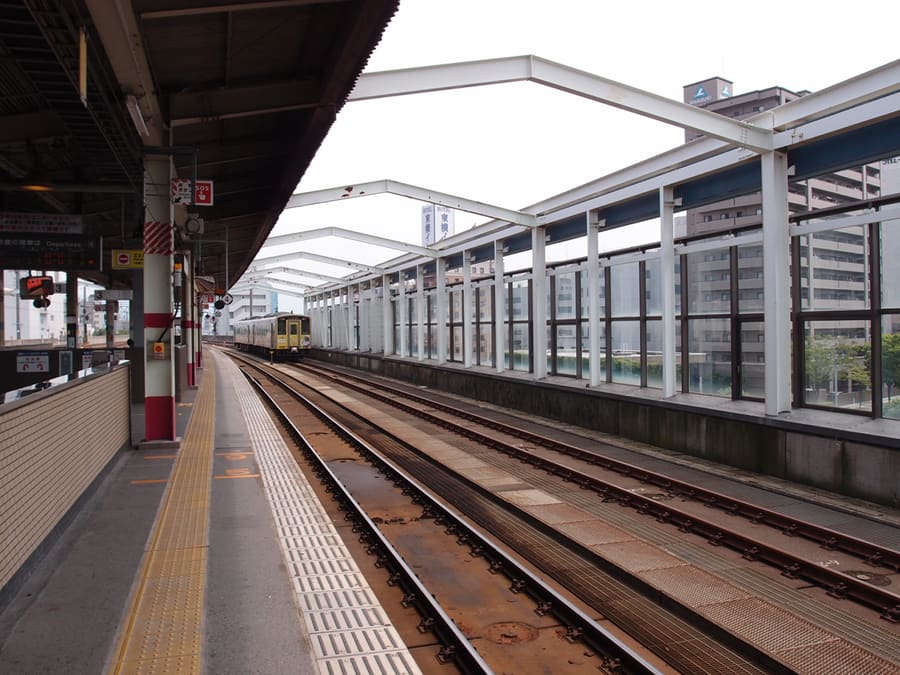
Ekimae — Practical station hub filled with izakayas, local bus terminals, and business hotels.
Bineapple · CC BY-SA 3.0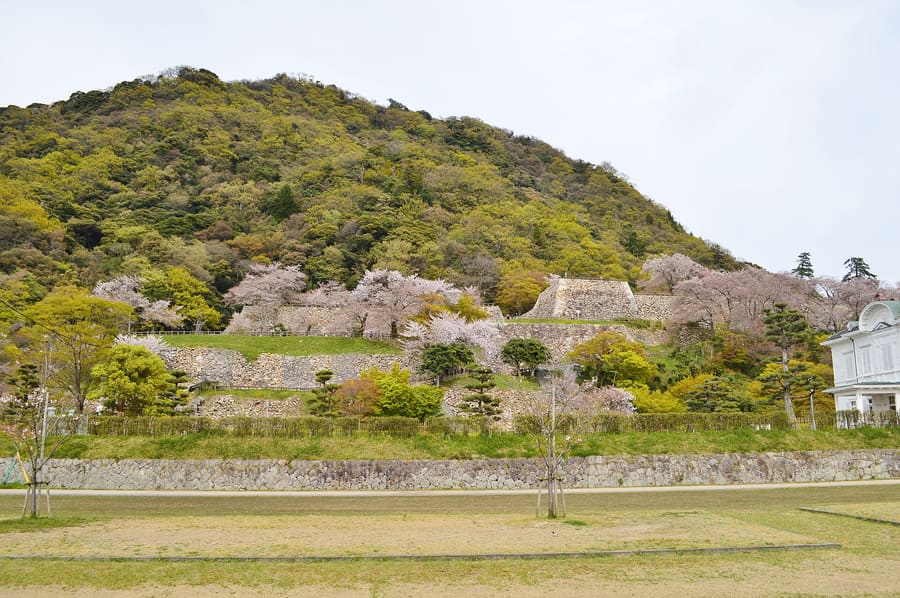
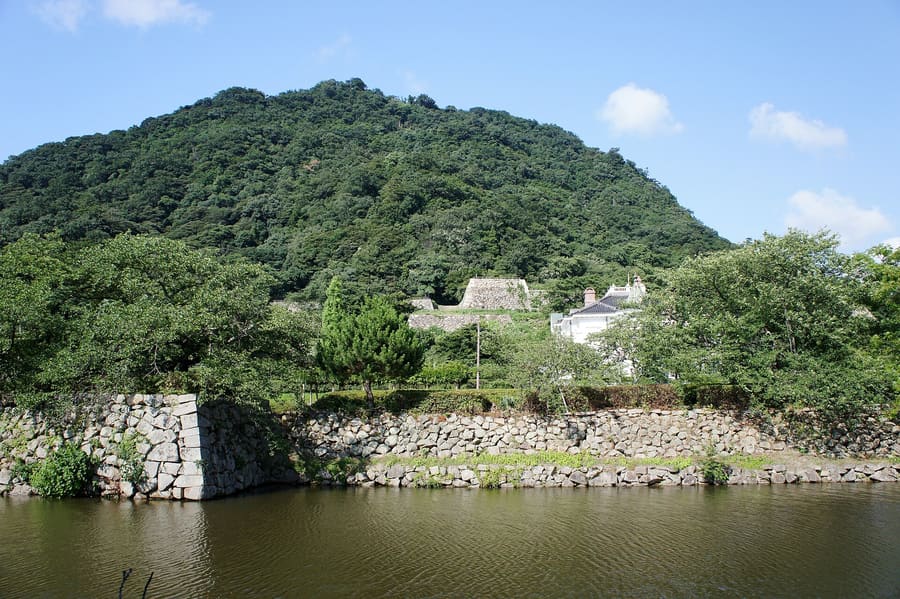
Kyosho — Quiet residential district around castle stone walls, parks, and traditional wood structures.
Saigen Jiro · CC0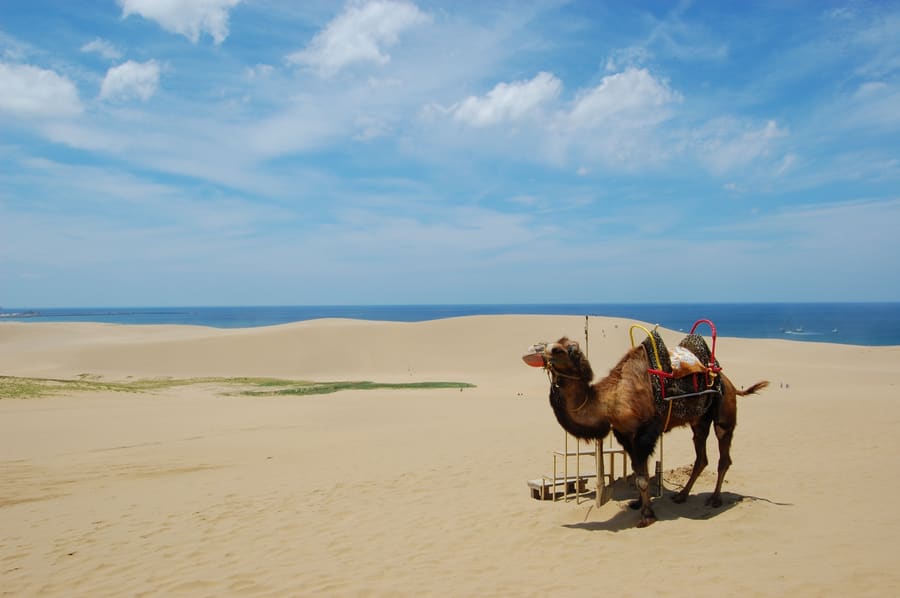
Sakyu Area — Windy coastal strip dominated by sand dunes, visitor centres, and seasonal seafood stalls.
User:Geofrog · CC BY-SA 2.5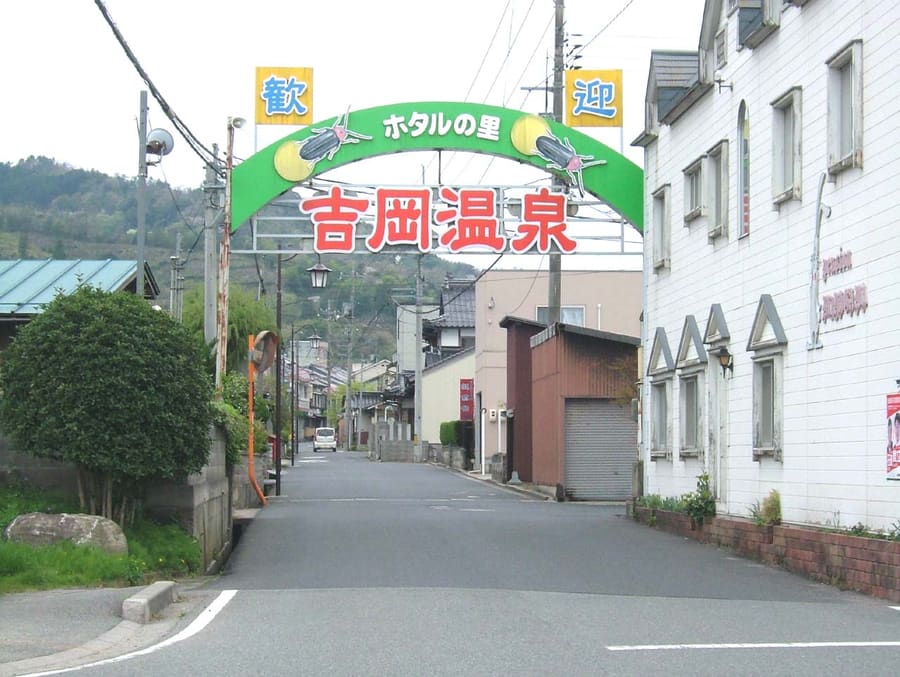
Yoshioka Onsen — Traditional hot spring village south of Koyama Pond with narrow streets and quiet inns.
KASEI · CC BY-SA 4.0
Fresh Matsuba snow crab displayed at Karo Market near Tottori Port.
Totti · CC BY-SA 4.0highlights
landmark
Walk massive coastal dunes sculpted by Sea of Japan winds. Arrive before 08:30 to see unblemished sand ripples.
Parley से पूछें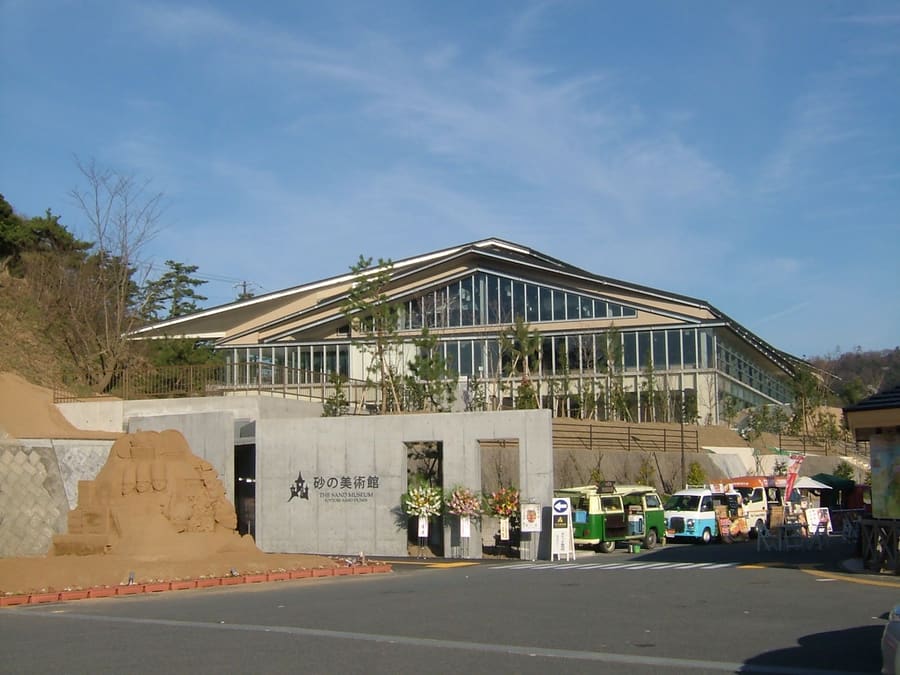
landmark
Inspect detailed sand sculptures carved by international artists. The exhibition changes annually and closes mid-winter for rebuilding.
Parley से पूछें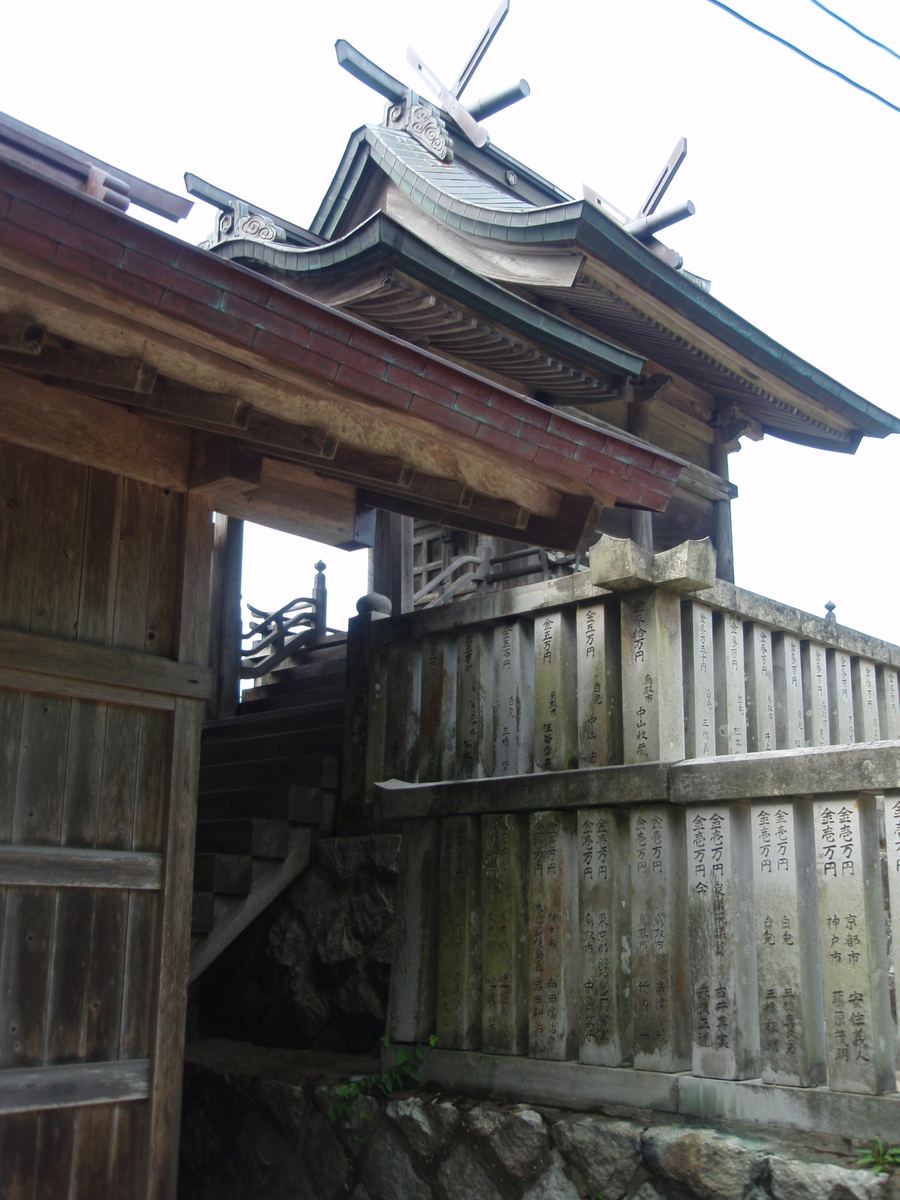
landmark
Visit a coastal shrine linked to the White Hare of Inaba myth. Small stone rabbit statues line the approach along Hakuto Beach.
Parley से पूछें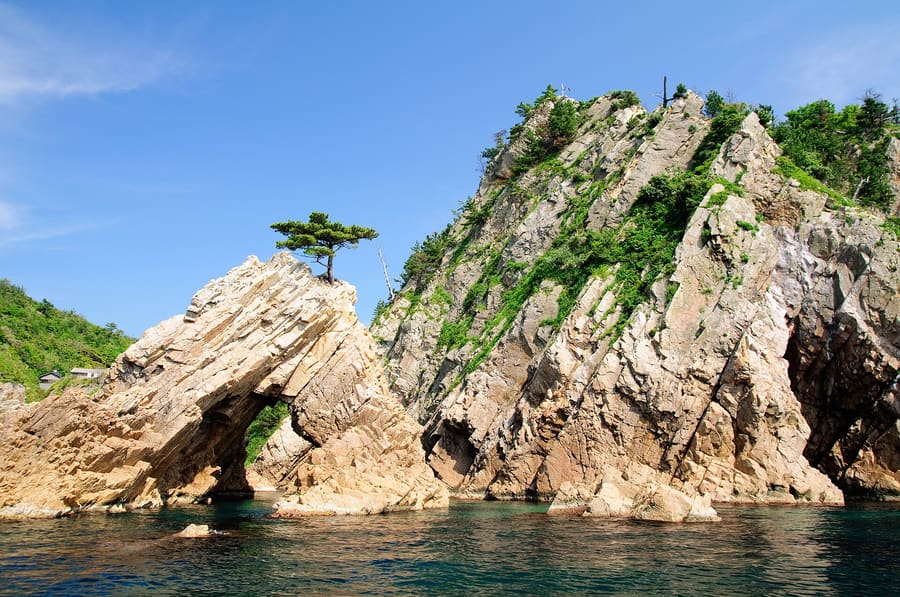
landmark
Kayak or board a sightseeing boat along granite sea caves and clear coastal waters just east of the dunes.
Parley से पूछेंattractions
areas
Practical station hub filled with izakayas, local bus terminals, and business hotels.
पास मेंTottori Station and bus connections to the dunes
Parley से पूछेंQuiet residential district around castle stone walls, parks, and traditional wood structures.
पास मेंJinpukaku and Tottori Prefectural Museum
Parley से पूछेंWindy coastal strip dominated by sand dunes, visitor centres, and seasonal seafood stalls.
पास मेंTottori Sand Dunes and Sand Museum
Parley से पूछेंTraditional hot spring village south of Koyama Pond with narrow streets and quiet inns.
पास मेंKoyama Pond and rural walking paths
Parley से पूछेंfood
Tottori consistently ranks among Japan's top consumers of curry roux per capita. Local restaurants serve rich beef-broth curry alongside specialized variations like pink curry made with local red beet juice. You find these diners clustered along the streets north of Tottori Station.From November through March, the culinary focus shifts entirely to Matsuba crab, the regional name for male snow crab caught in the Sea of Japan. Port markets like Karo Market sell live crabs direct from boats, while city izakayas serve them grilled, raw, or simmered in hot pots.Tottori wagyu beef provides a year-round alternative. Cattle raised in Tottori prefecture are known for high oleic acid content, giving the beef a lower melting point and clean finish at local yakiniku spots.
Fresh Matsuba snow crab displayed at Karo Market near Tottori Port.
Totti · CC BY-SA 4.0Matsuba crab fishing opens in early November and ends in March. Prices spike around the New Year holidays.
Take the bus to Karo Port to eat boiled crab and seafood bowls directly above the fishmongers' stalls.
Curry shops like Beniya near Ekimae accept cash only for lunch service.
history
Tottori developed as a castle town under the Ikeda clan during the Edo period. Positioned between the Sea of Japan and the Chugoku Mountains, the stronghold controlled coastal trade routes and rice production across ancient Inaba Province.A massive earthquake in 1943 destroyed much of the historic timber city, followed by a sweeping citywide fire in 1952. Rebuilding produced the wide, functional grid seen today around Tottori Station, preserving historic sites mainly at the base of Mount Kyosho.
Siege of Tottori
Toyotomi Hideyoshi starved out Tottori Castle during a famous 200-day siege during the Sengoku period.
Ikeda Clan Era
The Ikeda clan took control of Tottori Domain, governing the region for over two centuries until feudalism ended.
Jinpukaku Built
Crown Prince Yoshihito visited Tottori, prompting construction of the French Renaissance-style Jinpukaku mansion.
Great Tottori Fire
A severe fire consumed over 5,000 structures in central Tottori, forcing a complete modern redesign of the urban center.
where to stay
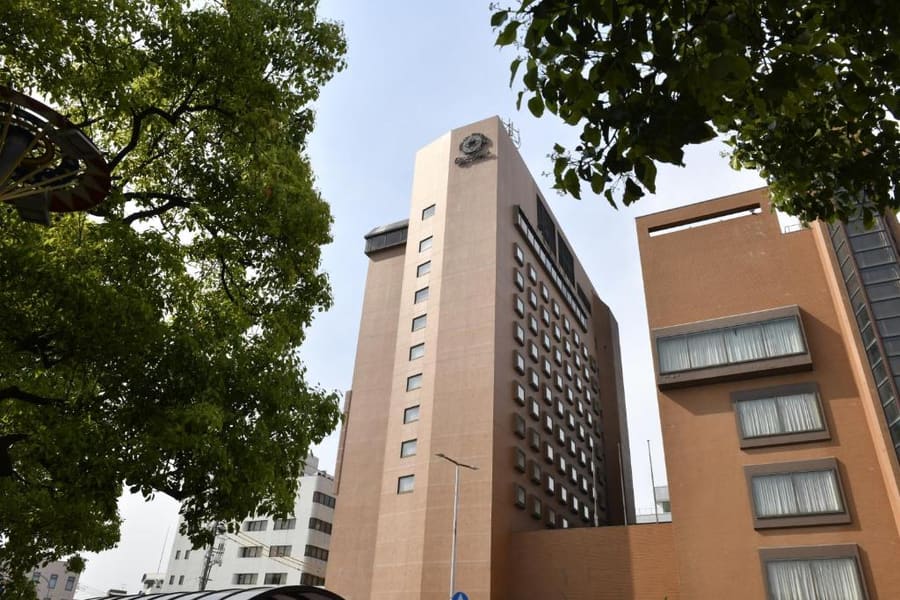
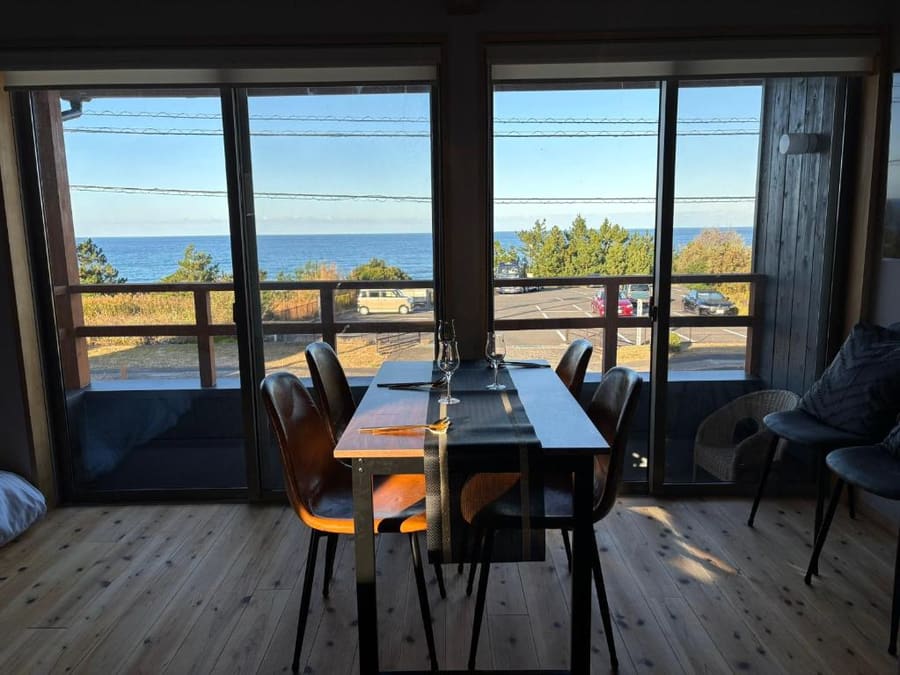
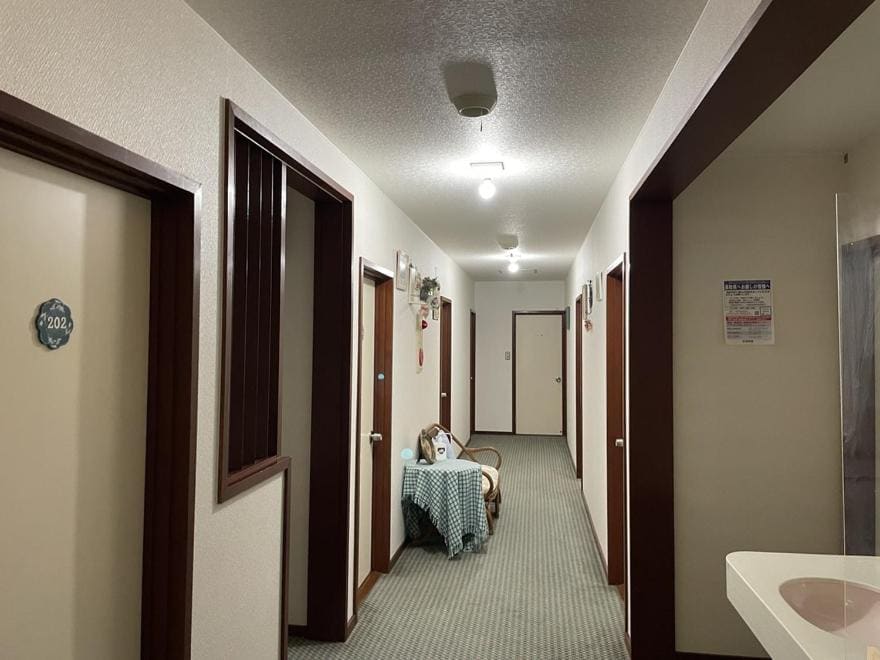
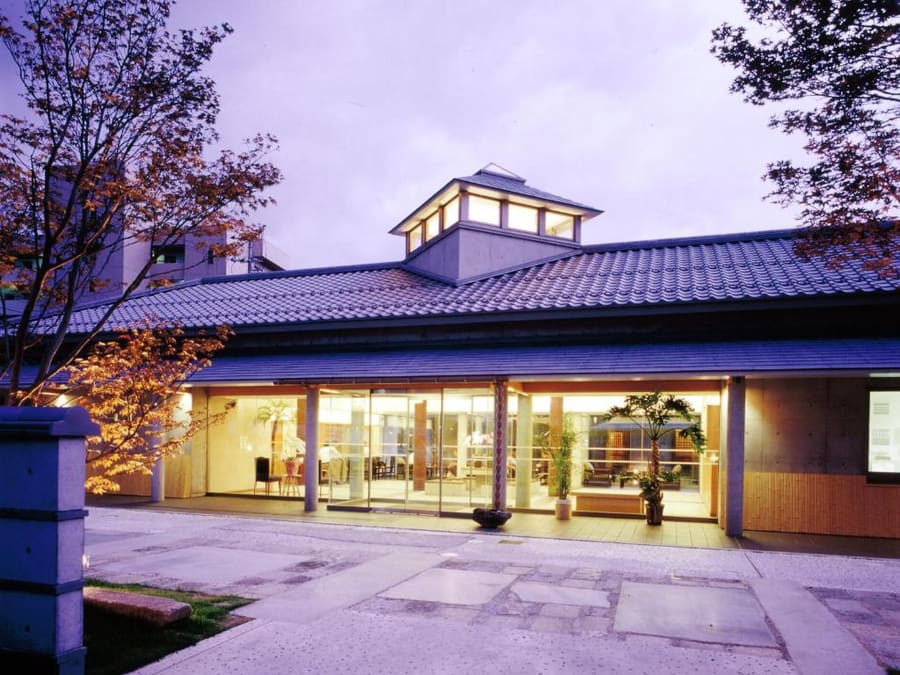
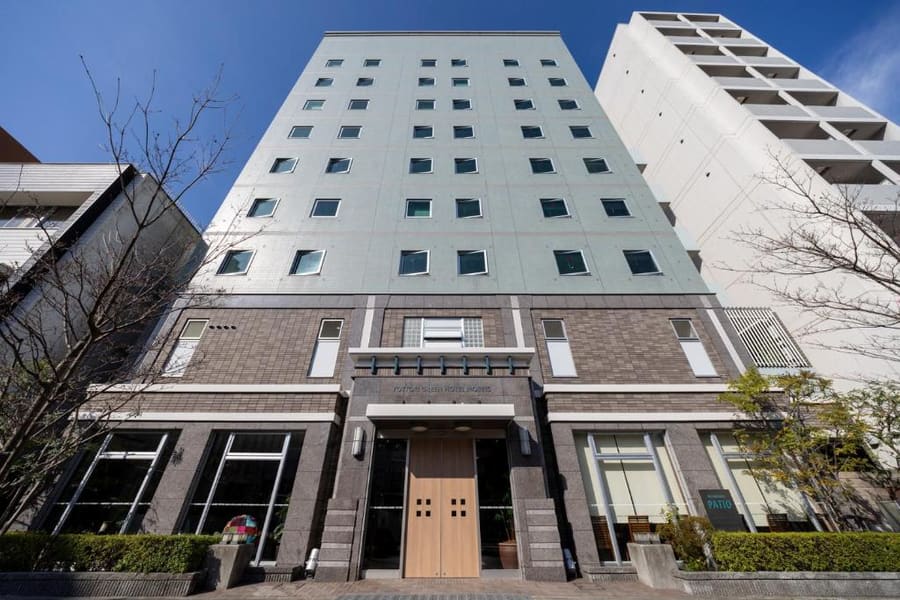
Choose your base by your transit needs and schedule. Staying near Tottori Station gives you direct access to regional trains, local buses, and late-night izakayas. Choosing Yoshioka Onsen trades convenience for thermal baths and traditional ryokan dining. Staying near the Sand Dunes offers coastal morning solitude but limits evening dining options.
Live rates, matched to the areas above.
transport
Tottori is small enough that local buses handle most visitor routes. The Kirinjishi Loop Bus runs on weekends and holidays, linking Tottori Station directly to the Sand Dunes, Sand Museum, and Karo Port. On weekdays, standard Nihon Bus lines serve the same destinations on slightly less frequent schedules.Tottori Airport sits just 20 minutes northwest of the city center. For regional trips along the coast, JR local trains connect Tottori to Iwami, Kurayoshi, and Yonago.
Tottori Airport (TTJ) or JR Tottori Station से
Airport shuttle bus timed to domestic flight arrivals at TTJ.
Standard meter rate from TTJ Airport to Tottori Station.
Special flat-rate tourist taxi for foreign visitors, covers up to 3 hours total.
Runs every 30–45 minutes on weekends and daily during peak summer holidays, costing 300 yen per ride.
Local Nihon buses in Tottori do not accept IC cards like Suica or Pasmo; carry exact cash in yen.
Book at the International Tourist Support Center inside Tottori Station for 3,000 yen total per taxi.
JR trains along the coast run hourly; check train return times carefully when visiting coastal towns.
cost
Adult admission ticket for the main exhibition hall.
Full multi-course snow crab dinner during winter season.
Unlimited weekend travel on the tourist loop bus route.
Standard lunch portion at casual diners near Tottori Station.
seasonality
MAR – MAY
Mild spring weather with blooming cherry trees along Kyosho Park. Ideal temperatures for walking the dunes.
JUN – AUG
Hot summer weather ideal for swimming at Hakuto Beach and Uradome coastal kayaking. Shan Shan Festival occurs in August.
SEP – NOV
Clear autumn days and comfortable hiking weather. Matsuba crab fishing season opens in early November.
DEC – FEB
Snow falls on the coastal sand dunes, creating stark white landscapes. Peak season for eating fresh snow crab.
practicalities
Rent rubber boots or sandals at the dune visitor centre to keep fine sand out of your shoes.
Summer sand surface temperatures on the dunes exceed 50°C; bring water and wear shoes.
Small ramen shops, local bus fares, and market stalls near Karo Port require Japanese yen cash.
The tourist office at JR Tottori Station provides English maps, bus schedules, and taxi booking.
Strong winds reset sand footprints overnight, making early morning the best time for photography.