landmark
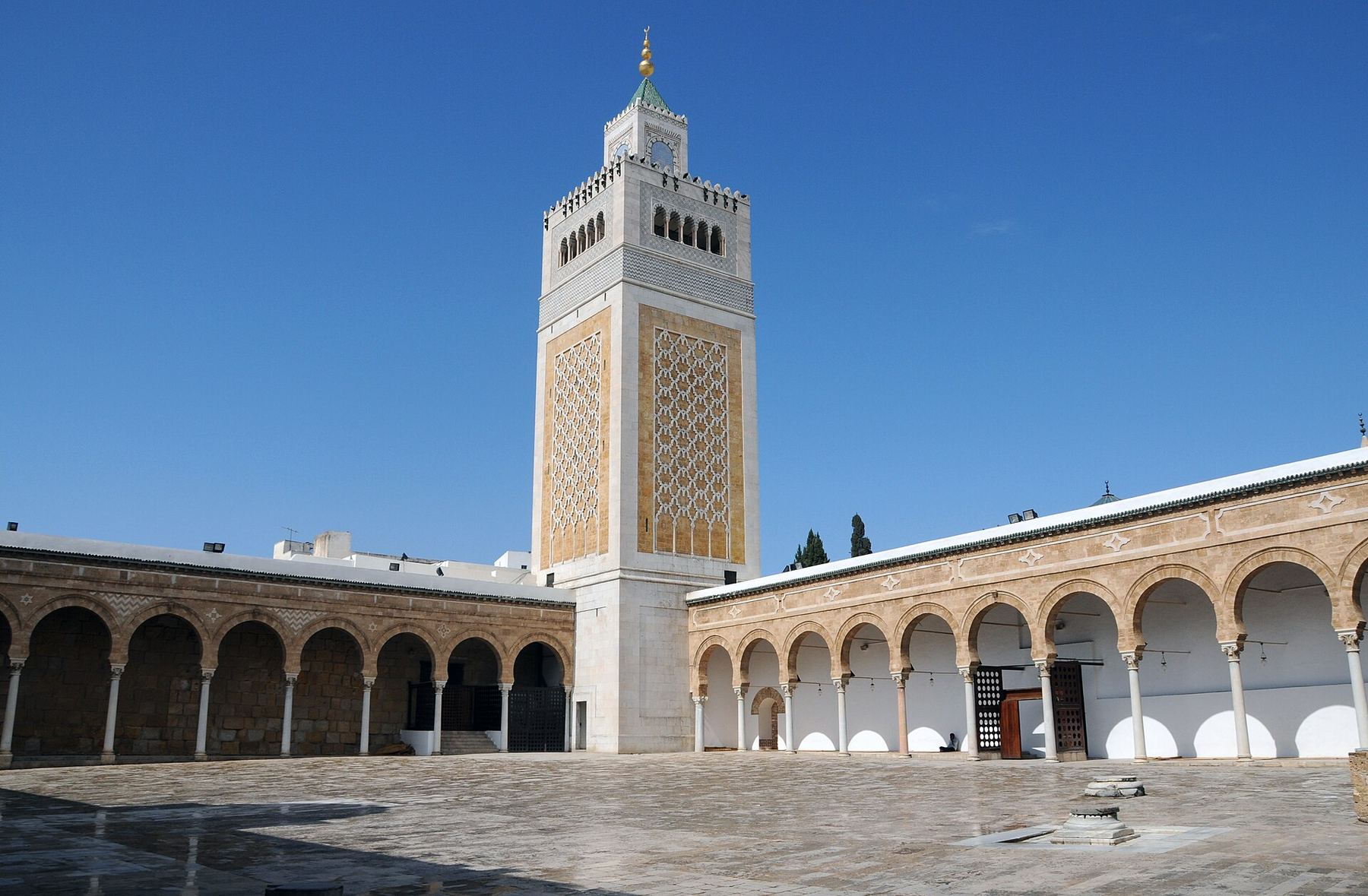
Medina of Tunis
A 7th-century web of craft souks and Ottoman doorways. Walk early in the morning before midday tour groups arrive.
Parley से पूछेंट्यूनीशिया
Ottoman alleyways, French boulevards, and Carthaginian ruins.
introduction
Tunis splits cleanly between two distinct worlds. The 7th-century Medina is a maze of covered souks and tiled courtyards, while the 19th-century Ville Nouvelle stretches out along wide grid avenues built during French rule. You navigate the wider bay area using the cheap TGM commuter rail, which links the city center to ancient Carthage and the whitewashed cliffside of Sidi Bou Said. Expect a relaxed North African capital where daily life takes precedence over tourist polish.
Airport taxi strategy
Yellow meter taxis line up outside Terminal 1. Insist on using the meter before shutting the car door.
UNESCO Medina listing
The Medina of Tunis became a UNESCO World Heritage site in 1979. It contains roughly 700 historic monuments.
The TGM coastal train
Buy paper tickets at Tunis Marine station for the TGM train. It connects central Tunis to Sidi Bou Said in 35 minutes.
Tunis
Dacoslett · CC0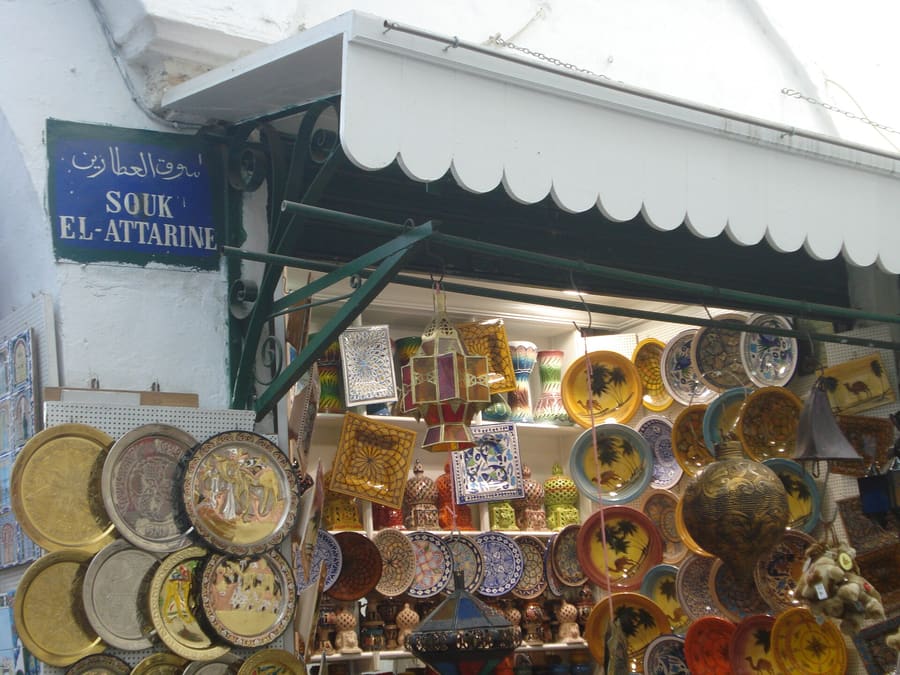
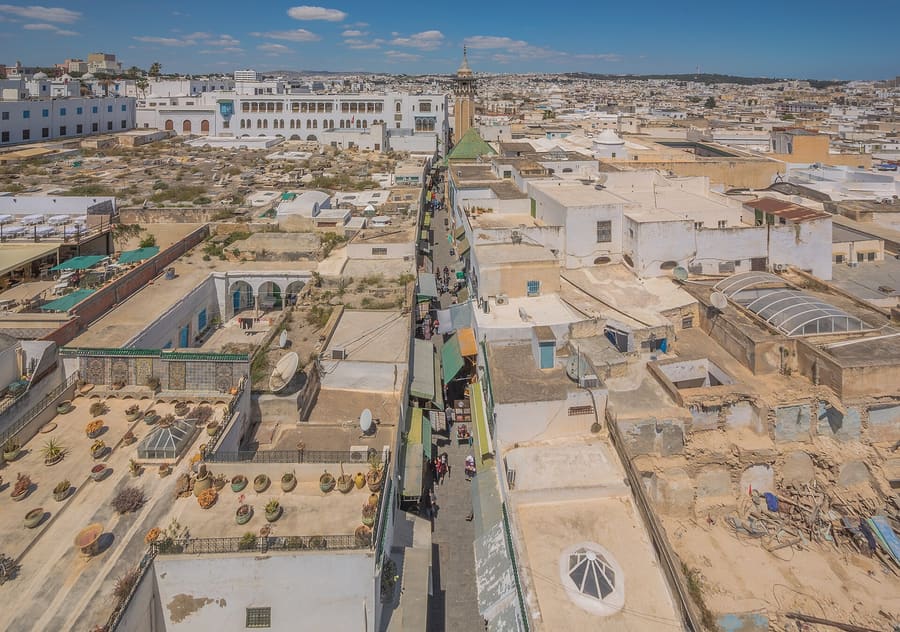
Medina — Ancient vaulted alleys, quiet residential courtyards, and scent-filled perfumers.
Cimoi · CC BY-SA 3.0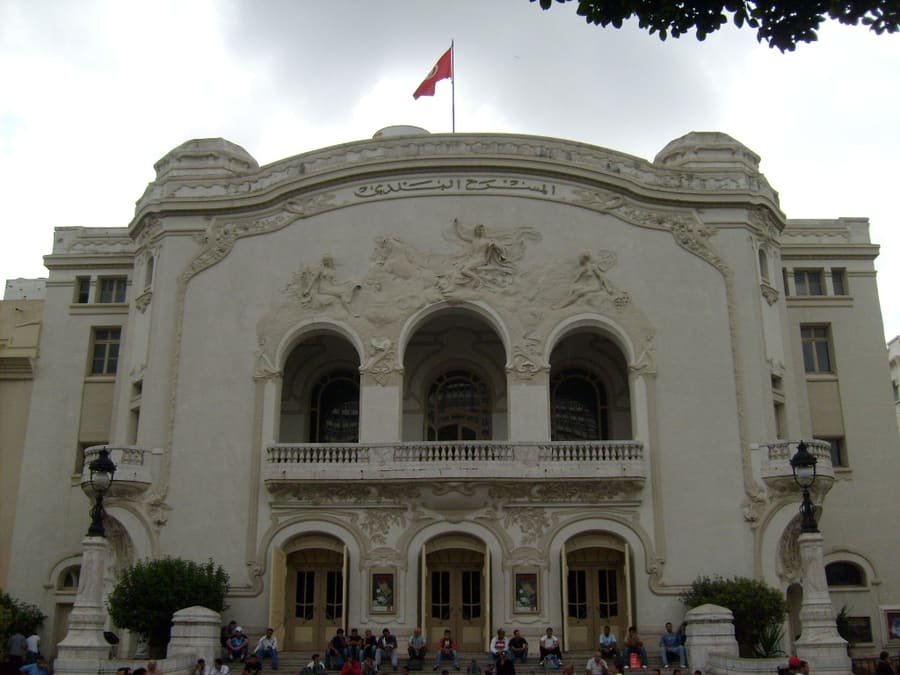
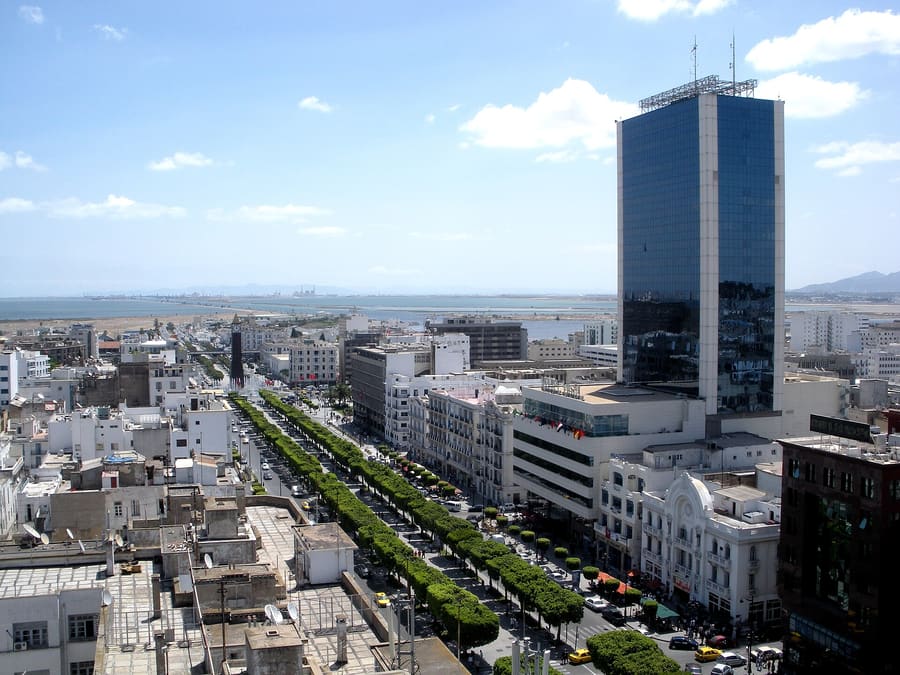
Ville Nouvelle — French colonial arcades, crowded coffee terraces, and Art Deco facade lines.
Credits to Mourad Ben Abdallah / Wikimedia Commons · Public domain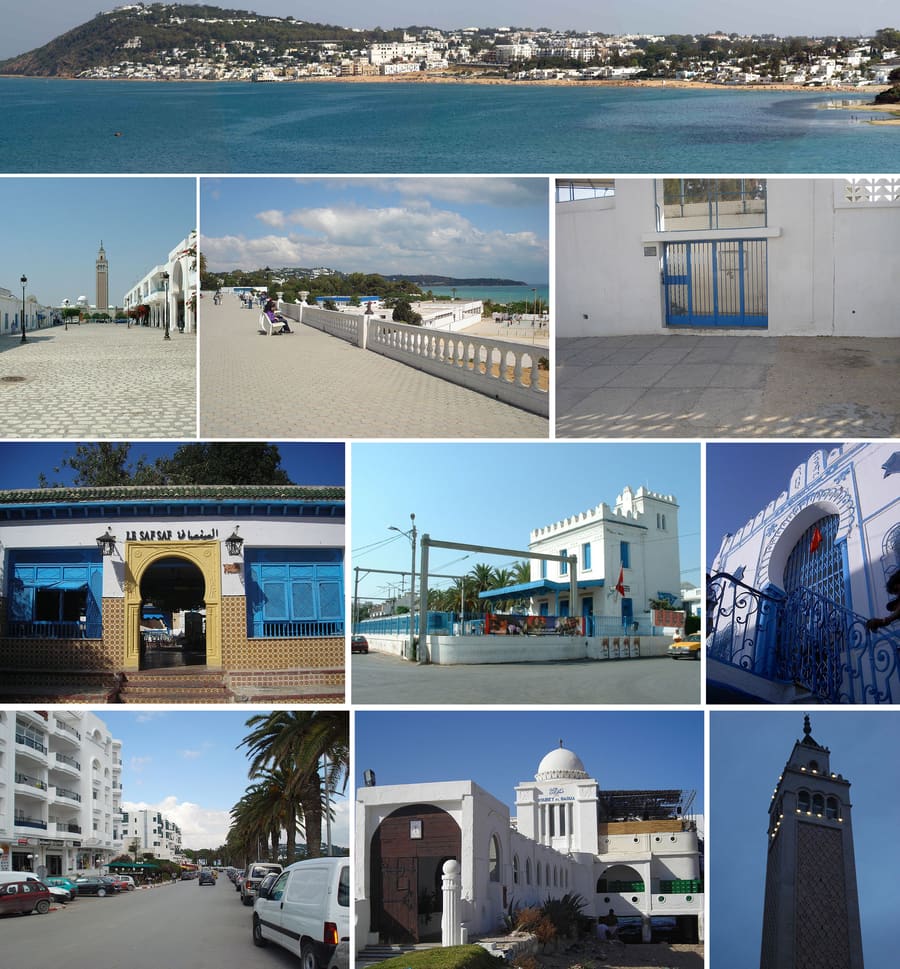
La Marsa — Coastal suburban promenade, modern seaside dining, and art galleries.
ELEL09 · CC BY-SA 3.0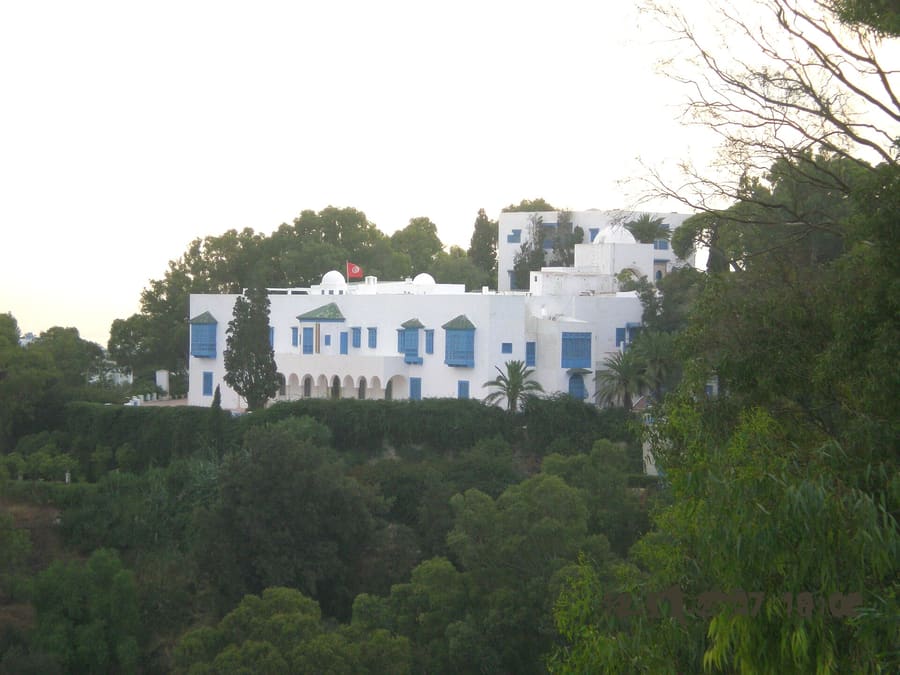
Sidi Bou Said — Cliffside cobbles, bougainvillea blooms, and panoramic Mediterranean views.
Citizen59 · CC BY-SA 3.0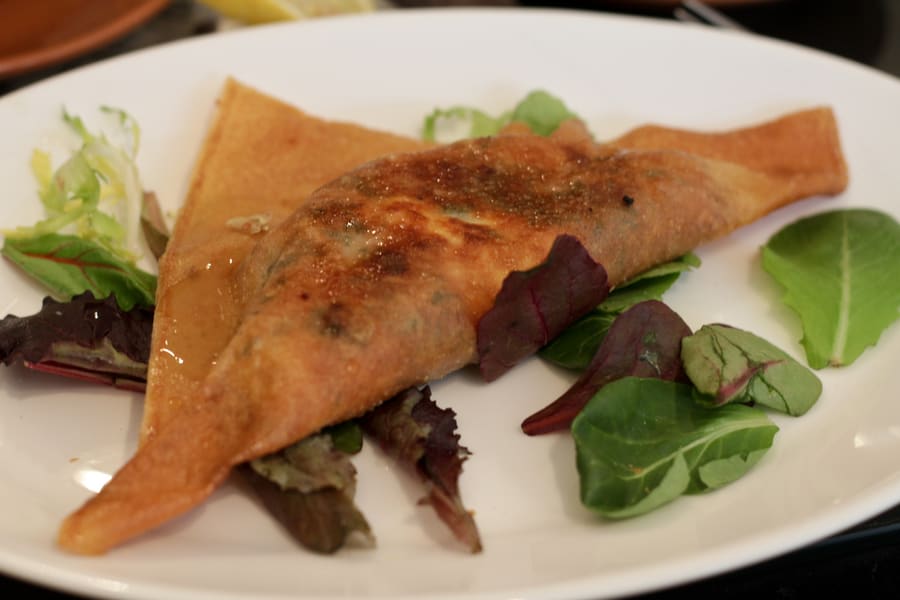
A crispy deep-fried brik pastry containing a runny egg and tuna.
Muckster · CC BY 3.0highlights
landmark
A 7th-century web of craft souks and Ottoman doorways. Walk early in the morning before midday tour groups arrive.
Parley से पूछें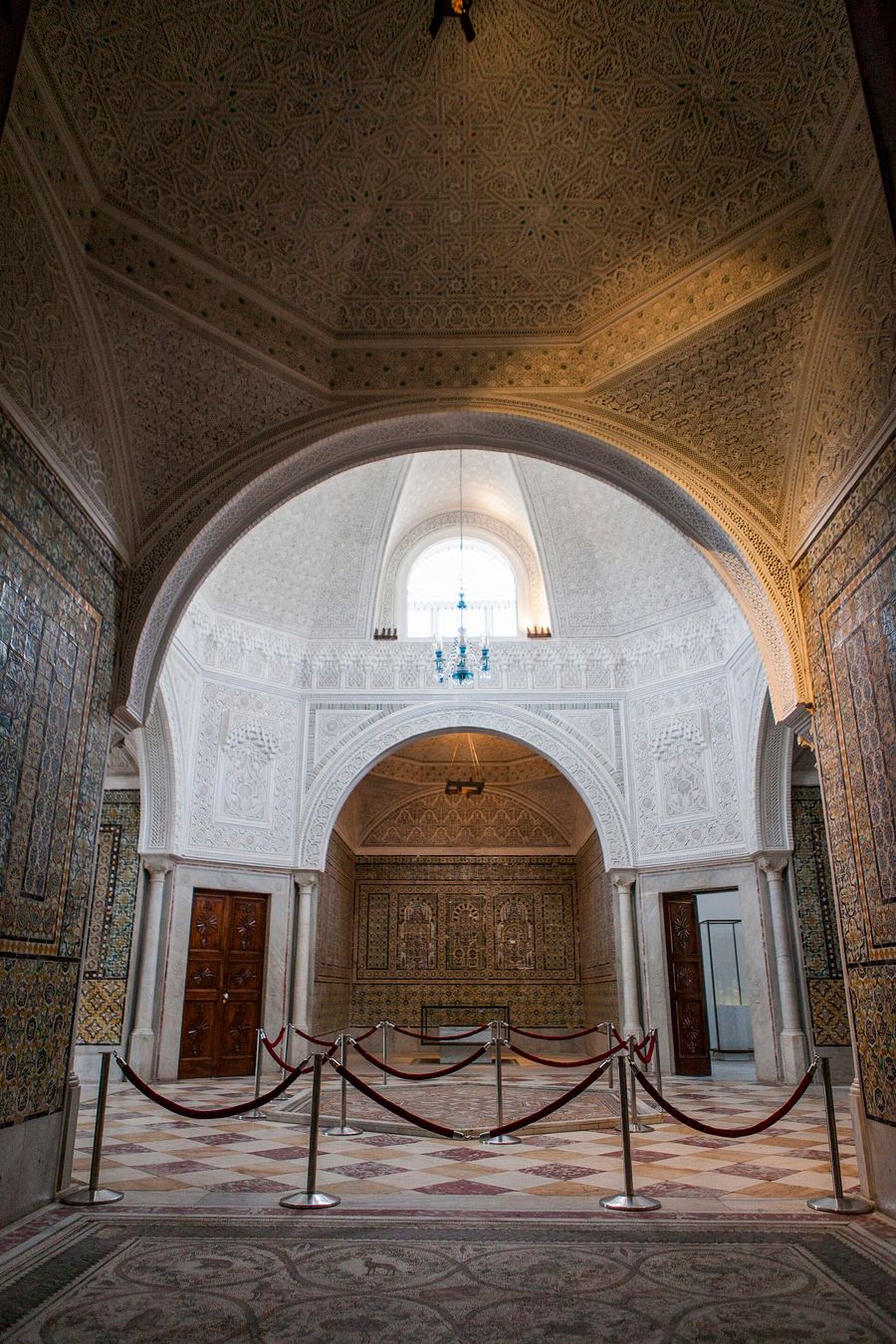
landmark
Housed in a 19th-century Beylical palace with world-renowned Roman mosaics. Book tickets at the desk and budget two hours.
Parley से पूछें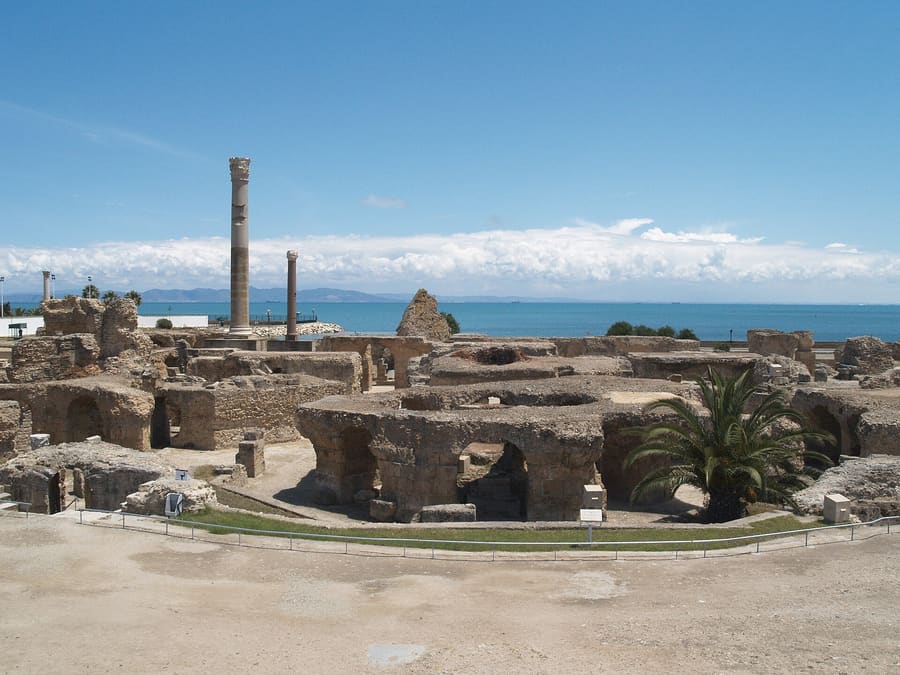
landmark
The largest Roman bath complex outside Rome, sitting directly on the Gulf of Tunis. Buy one combined ticket for all Carthage sites.
Parley से पूछें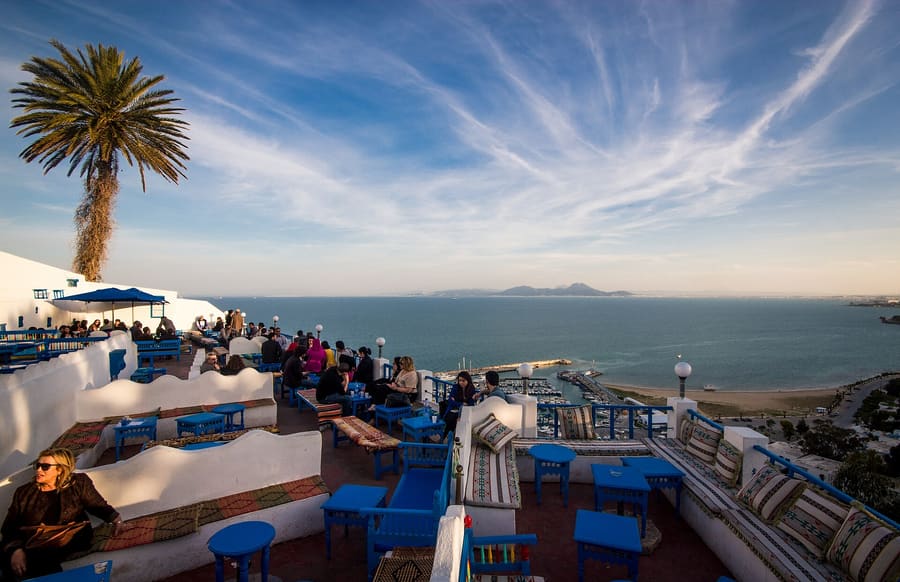
landmark
A hilltop village of blue shutters and white plaster walls. Visit late afternoon to avoid peak crowds and sip mint tea at Café des Délices.
Parley से पूछें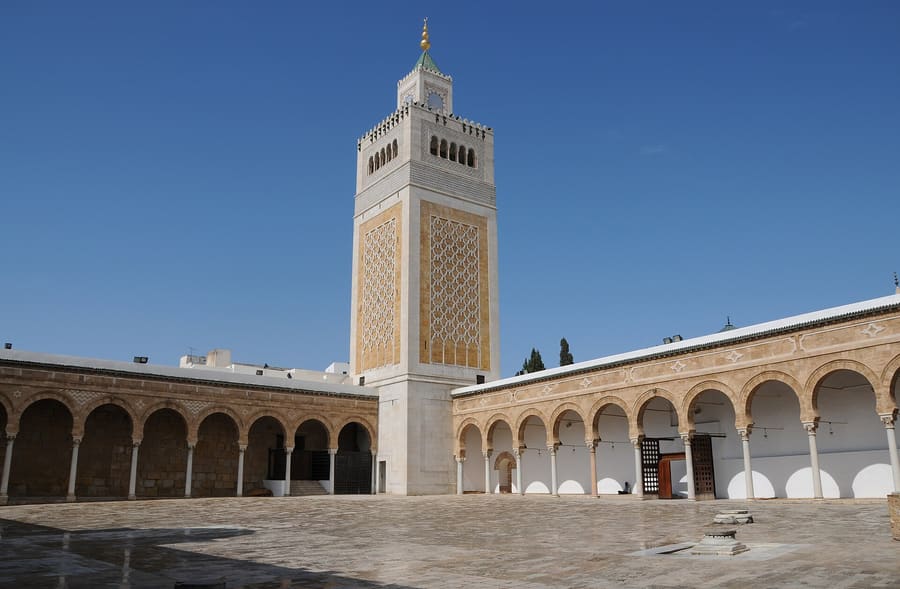
landmark
The historic spiritual heart of the Medina. Non-Muslims can access the outer courtyard until noon for a small entrance fee.
Parley से पूछें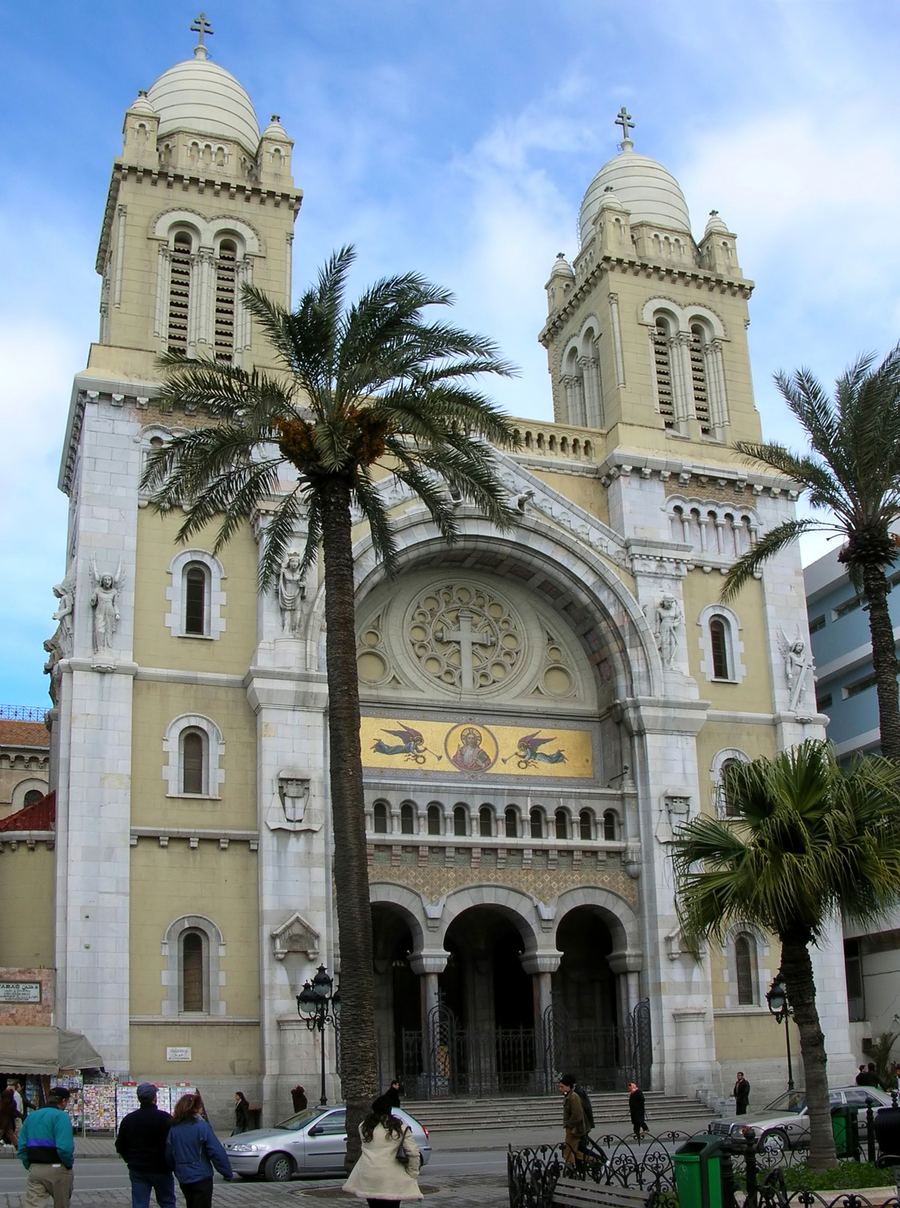
landmark
A 1897 Romano-Byzantine structure standing at the intersection of Ville Nouvelle and the Medina edge. Dress respectfully for entry.
Parley से पूछेंattractions
areas
Ancient vaulted alleys, quiet residential courtyards, and scent-filled perfumers.
पास मेंBab El Bhar, Zitouna Mosque, Souk El Attarine
Parley से पूछेंFrench colonial arcades, crowded coffee terraces, and Art Deco facade lines.
पास मेंAvenue Habib Bourguiba, Tunis Marine Station, Central Market
Parley से पूछेंCoastal suburban promenade, modern seaside dining, and art galleries.
पास मेंGammarth beach, Sidi Bou Said, Park Saada
Parley से पूछेंCliffside cobbles, bougainvillea blooms, and panoramic Mediterranean views.
पास मेंCarthage ruins, Ennejma Ezzahra palace, Amilcar beach
Parley से पूछेंfood
Tunisian food relies on sun-dried chili harissa, olive oil, and fresh Mediterranean seafood. In Tunis, street stalls serve lablabi, a thick chickpea soup poured over stale crusty bread and topped with soft poached eggs, cumin, and tuna. Coastal districts like La Marsa focus on grilled bream and cuttlefish served straight from the morning nets.
A crispy deep-fried brik pastry containing a runny egg and tuna.
Muckster · CC BY 3.0Tear your own stale bread into a clay bowl at the counter before the cook ladles hot chickpea broth over it.
Traditional dining spots around Souk El Attarine serve cooked dishes like kafteji until 15:00, then close down.
Fish restaurants along the Goulette waterfront sell catch by weight. Always inspect the scale before ordering.
history
Tunis began as a small settlement in the shadow of imperial Carthage. After Rome destroyed Carthage in 146 BCE, Tunis remained secondary until Islamic forces captured the region in the 7th century. The city grew rapidly under the Hafsid dynasty in the 13th century, becoming a major Mediterranean trade hub. Ottoman rule followed, leaving a network of palaces and mosques inside the Medina walls. France established a protectorate in 1881, designing the grid-pattern Ville Nouvelle outside the old gates. Tunisia gained independence in 1956, making Tunis the political and cultural center of the modern republic.
Founding of Carthage
Phoenicians establish nearby Carthage, dominating Western Mediterranean trade routes.
Hafsid Dynasty Rule
Tunis becomes capital of the Hafsid empire, building the Medina walls and key Islamic schools.
French Protectorate
French forces occupy Tunis, initiating the construction of the European Ville Nouvelle district.
National Independence
Tunisia wins independence from France, establishing Tunis as its sovereign capital city.
where to stay
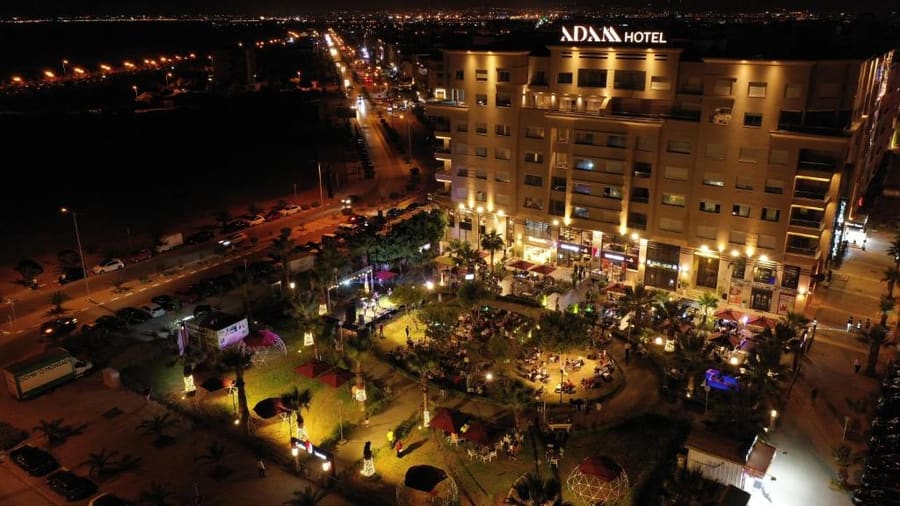
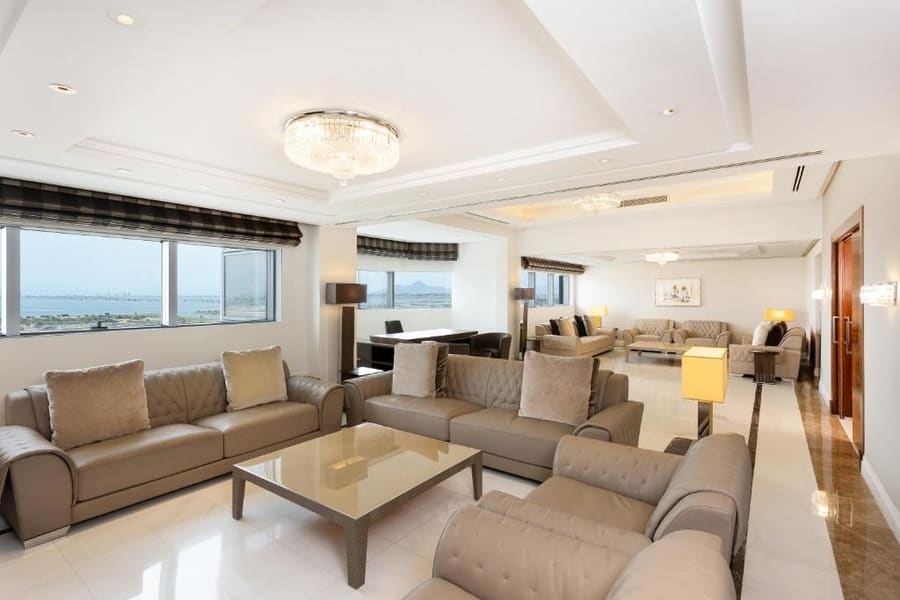
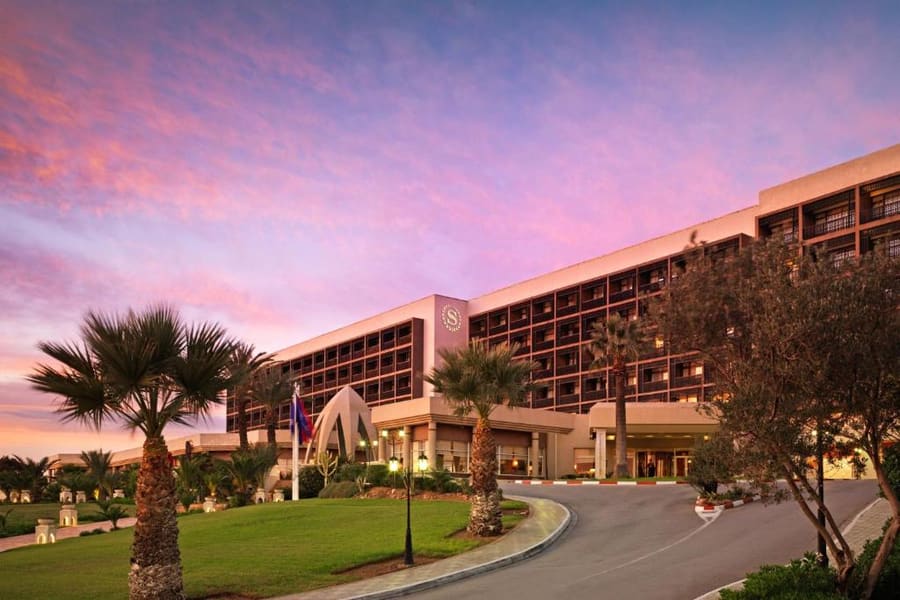
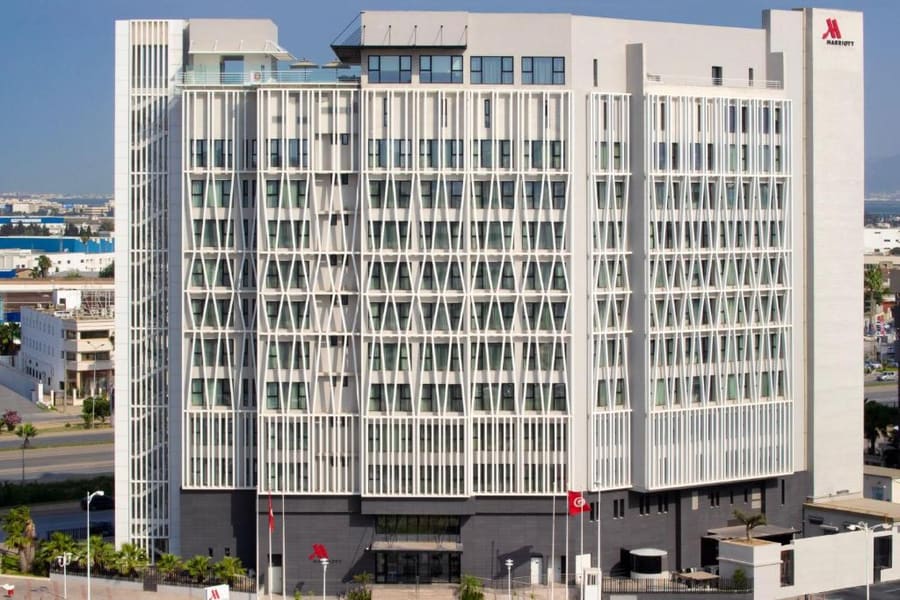
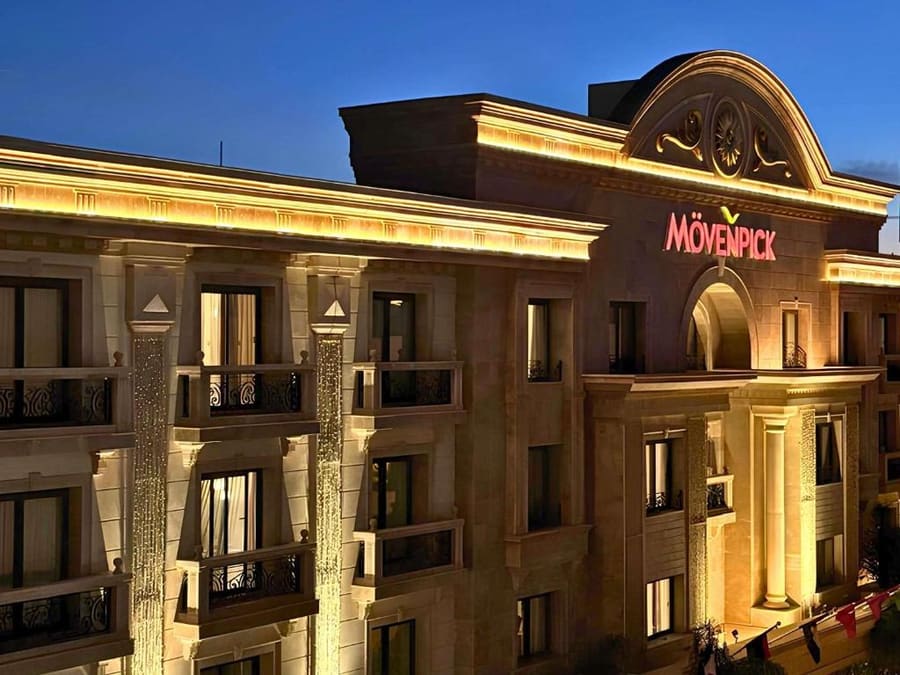
Choose your base by your preferred daily pace. Staying in a restored dar inside the Medina gives quiet nights and immediate access to historic architecture. Ville Nouvelle offers mid-century hotels and convenient train links to the coast. Coastal areas like La Marsa and Sidi Bou Said suit travellers who want sea air and evening dining over central sightseeing.
Live rates, matched to the areas above.
transport
Central Tunis is walkable, but distances across the bay require wheels or rails. Yellow taxis are cheap and plentiful for city trips. The TGM commuter train connects the central Tunis Marine station to Carthage, Sidi Bou Said, and La Marsa along a single scenic line.
Tunis–Carthage International Airport (TUN) से
Yellow taxis use meters. Confirm the meter is active before driving off.
SNT bus 35 runs every 30 minutes to Avenue Habib Bourguiba.
Pre-booked driver holding a sign inside arrivals. Useful for late night arrivals.
Buy paper tickets at the station counter before boarding. First-class carriages cost only a few millimes extra for guaranteed seats.
Drivers carry limited change for 20 TND notes. Keep 1 TND and 2 TND coins handy for exact fares.
Meters switch to the official night rate at 21:00, adding a 50 percent surcharge to the base fare.
The green tram light rail network gets crowded during morning rush hours between 07:30 and 09:00.
cost
Tunis is an affordable capital by North African standards. Taxis and public transit cost very little, while dining ranges from cheap street sandwiches to upscale French-Mediterranean meals.
Casual lunch counters serve hot meals for under 6 TND.
A single one-way trip along the coast costs less than half a euro.
Covers a three-course meal with grilled seafood in Ville Nouvelle or La Marsa.
Traditional cafes charge slightly more on panoramic rooftop terraces.
seasonality
MAR – MAY
Mild temperatures and wild spring flowers at Carthage. Ideal conditions for walking the Medina.
JUN – AUG
Daily heat regularly exceeds 35°C. Coastal areas swell with summer crowds while central city streets slow down.
SEP – NOV
Warm Mediterranean water and thinning tourist crowds. Excellent light for coastal photography.
DEC – FEB
Cool, rainier days around 12–15°C. Lower accommodation prices and empty museum halls.
practicalities
Shops inside the Medina close for several hours around Friday midday prayers.
Small market vendors and riads prefer cash in Tunisian Dinars over credit cards.
Medina alleys offer shaded cover during summer heat while open Carthage ruins radiate intense sun.
French and Tunisian Arabic are spoken everywhere. English is spoken in major hotels.
You cannot legally export Tunisian Dinars. Change unused dinars back at the airport before departure with exchange receipts.