landmark
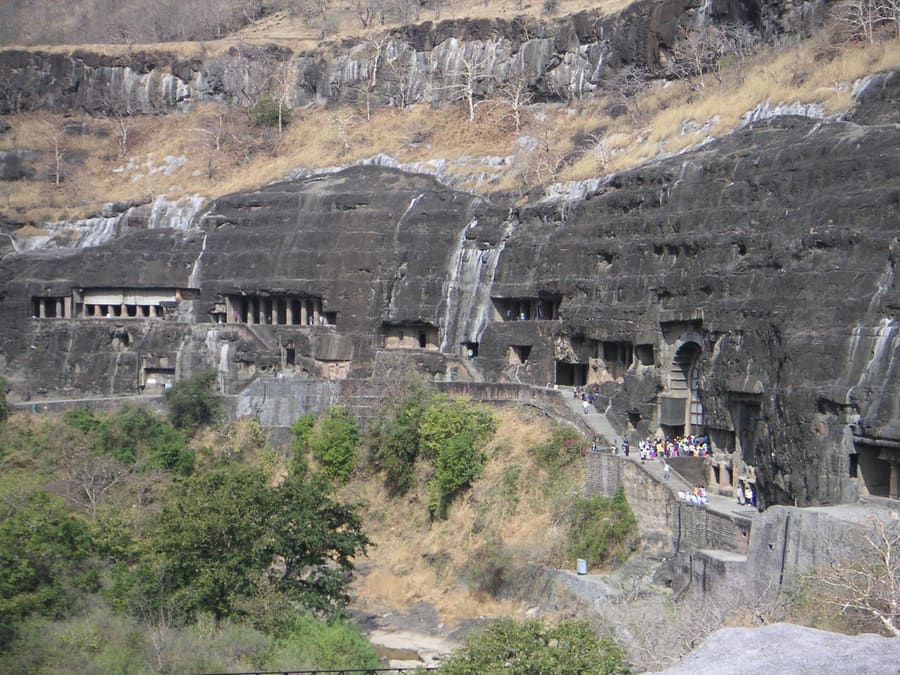
Ajanta Caves
Thirty Buddhist cave monuments featuring ancient tempera wall paintings. Carry a small torch to view dark interior frescoes.
Tanya ParleyIndia
Monolithic basalt architecture and Mughal heritage in Maharashtra.
introduction
Aurangabad serves as the gateway to Maharashtra’s rock-cut cave monuments. The city centres on Mughal-era fortifications, local cloth markets, and basalt architecture. Hiring a dedicated vehicle for the day is the standard strategy for reaching scattered heritage sites. Expect stark temperature swings between shade and open sun when exploring stone complexes.
Airport taxicab transfers
Prepaid taxi counters at Chikalthana Airport (IXU) charge fixed rates to the city centre. Ignore unmetered drivers waiting outside the arrival gate.
Dual UNESCO World Heritage sites
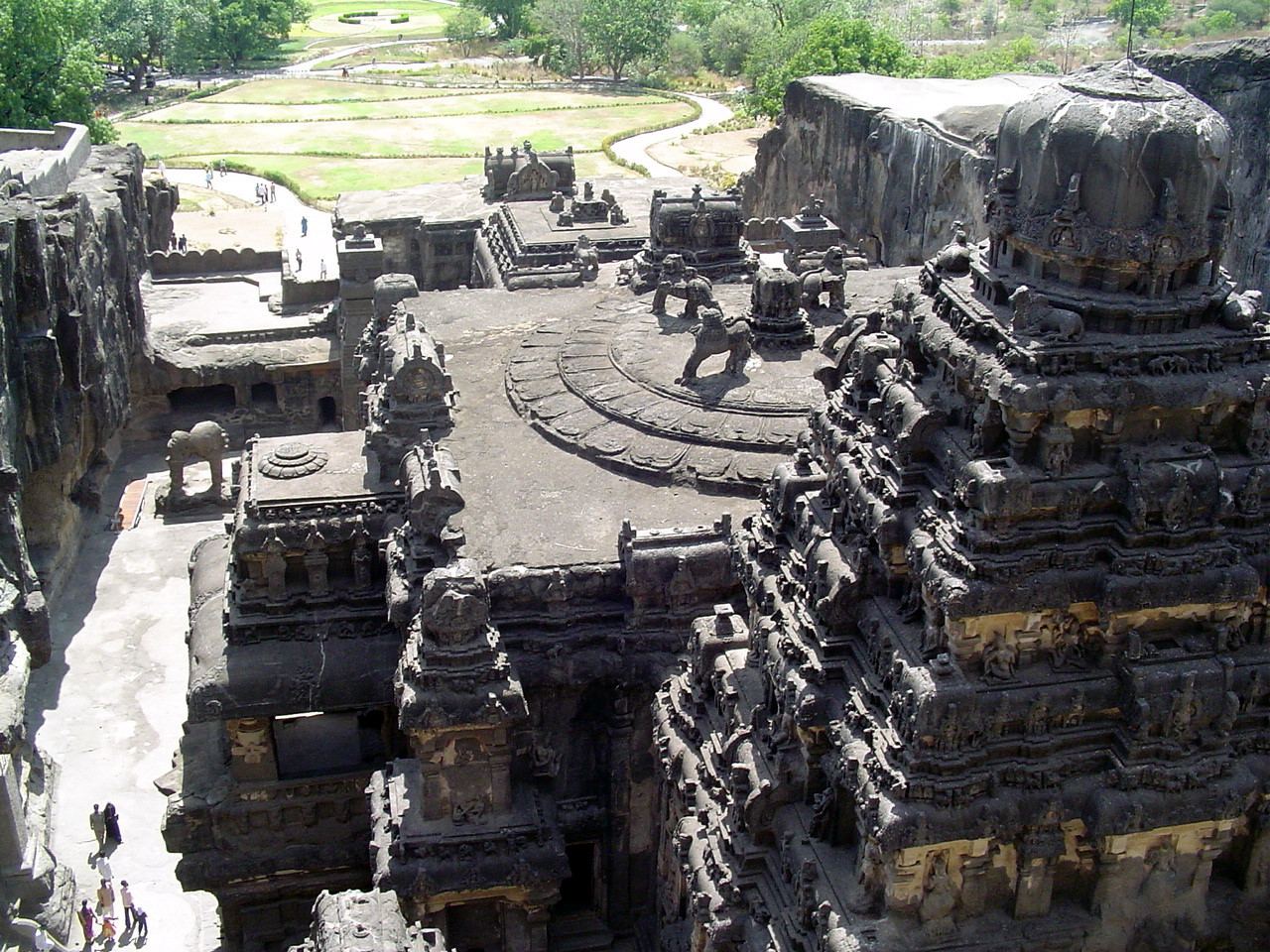
The city sits between Ellora and Ajanta, two distinct UNESCO rock-cut complexes. Ellora features basalt carving while Ajanta houses ancient Buddhist murals.
Staggered Monday and Tuesday closures
Ellora Caves close on Tuesdays. Ajanta Caves close on Mondays. Plan your itinerary around these non-overlapping rest days to avoid wasted road trips.
Aurangabad
Ameya Kulkarni · CC BY-SA 4.0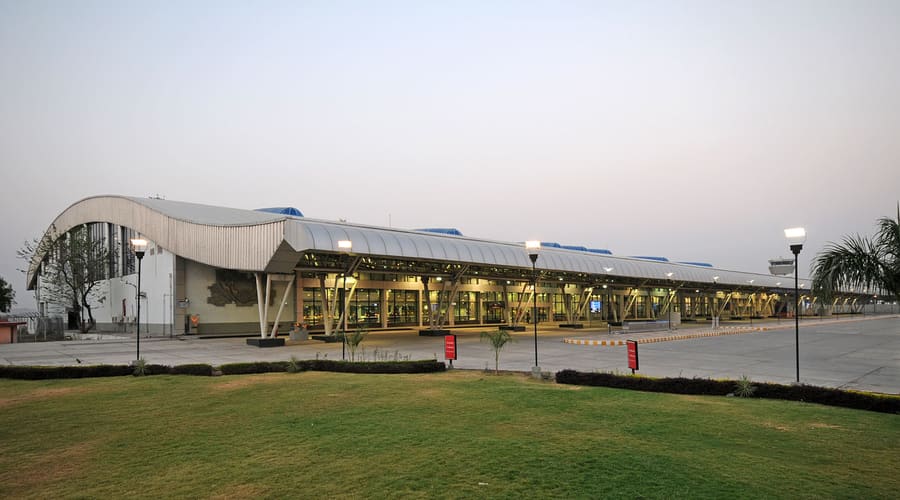
Chikalthana — Airport-adjacent corridor dominated by business hotels, mid-tier stops, and highway access.
Vmahendra · CC BY-SA 4.0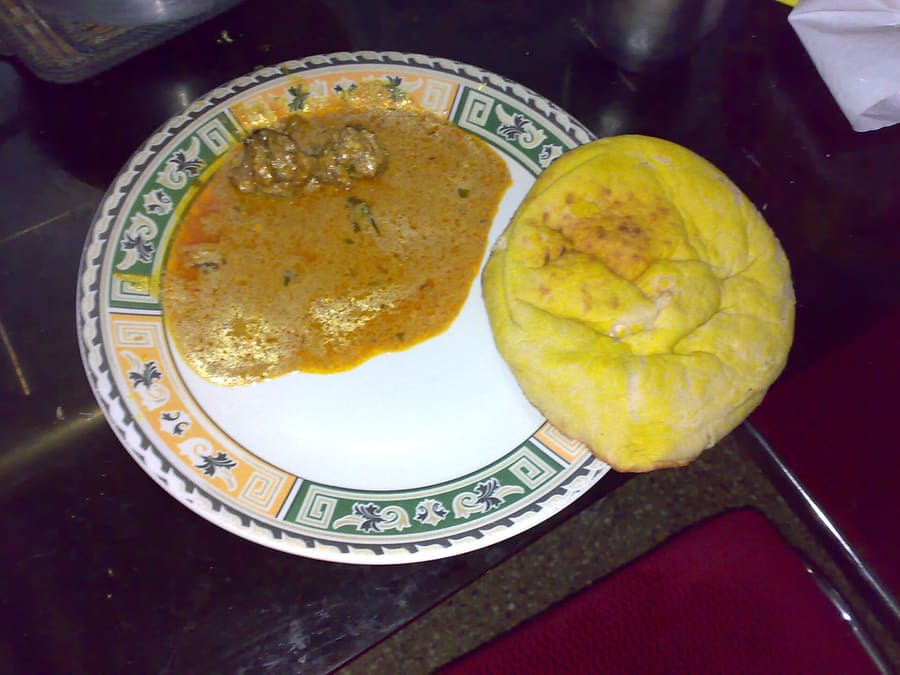
Slow-simmered Naan Qalia served with fresh tandoor naan at an old city restaurant.
Nefirious (talk) 07:52, 26 July 2009 (UTC) · CC BY-SA 3.0highlights
landmark
Thirty Buddhist cave monuments featuring ancient tempera wall paintings. Carry a small torch to view dark interior frescoes.
Tanya Parley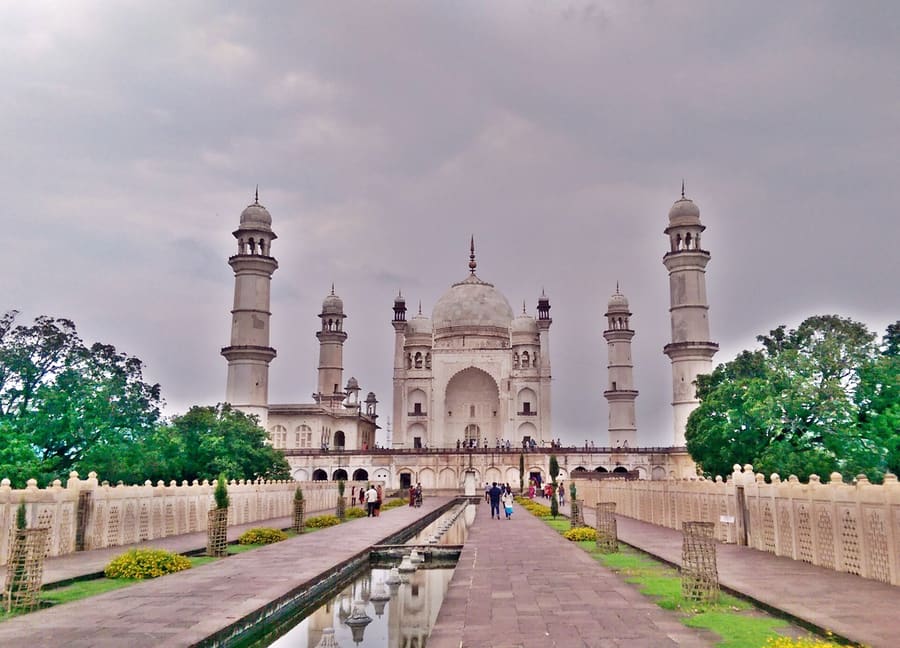
landmark
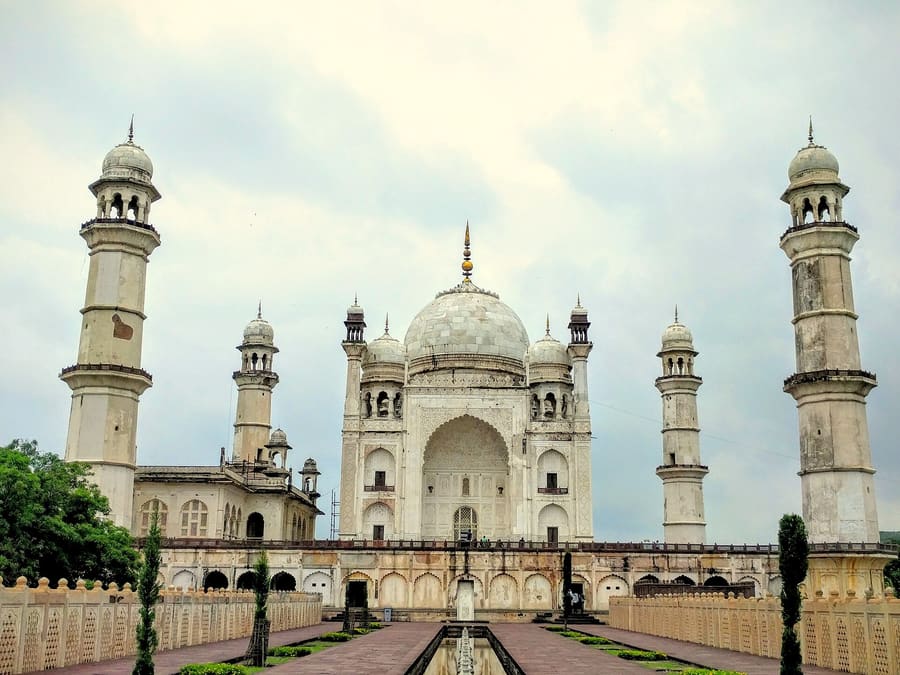
A 17th-century Mughal mausoleum commissioned by Azam Shah. Visit during late afternoon light for clean architectural photographs.
Tanya Parley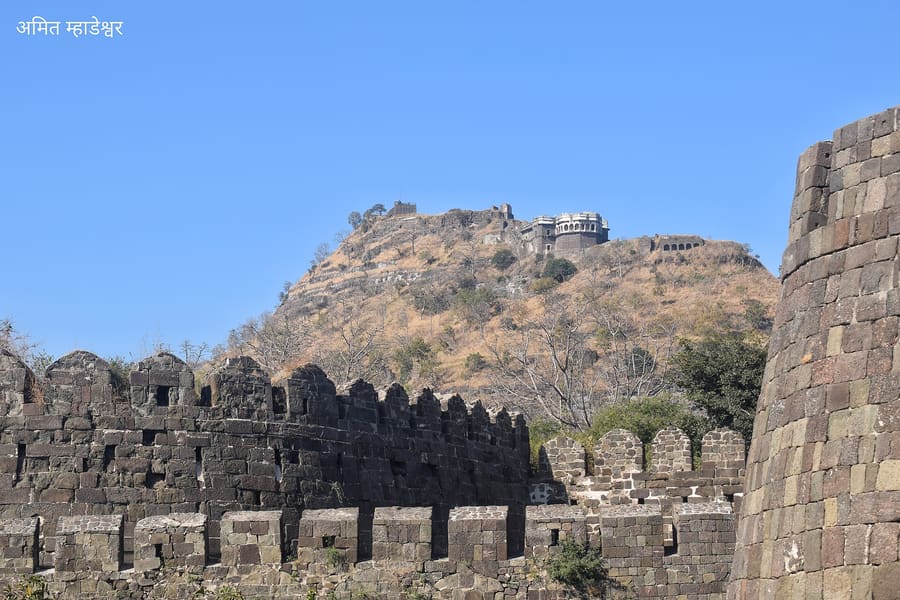
landmark
A hill fortress featuring pitch-dark defense mazes and steep climbs. Rent a flashlight at the gate or use your phone light.
Tanya Parley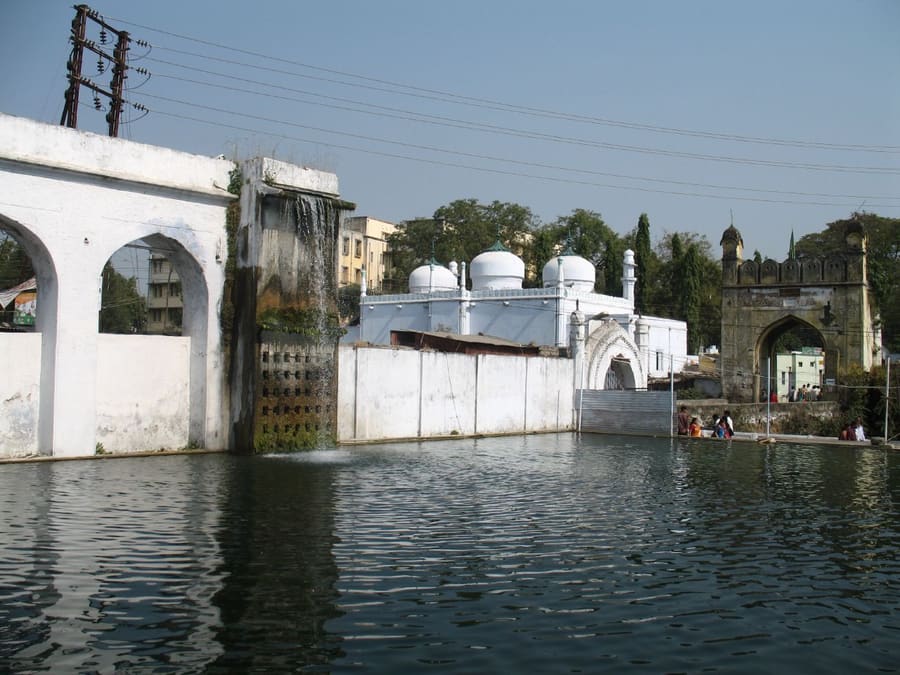
landmark
An 18th-century hydro-powered mill complex fed by underground clay pipes. Visit early morning before tour buses block the reservoir view.
Tanya Parleyattractions
areas
Airport-adjacent corridor dominated by business hotels, mid-tier stops, and highway access.
DekatChikalthana Airport and MIDC industrial zone.
Tanya ParleyOld city street market density with traditional cloth merchants and street snack vendors.
DekatPanchakki and Bhadra Maruti Market.
Tanya ParleyModern planned sector with wide arterial roads, shopping centres, and transit links.
DekatCentral Bus Stand and city malls.
Tanya ParleyCentral commercial neighbourhood packed with retail fashion stores, cafes, and bakeries.
DekatSamarth Nagar and Kranti Chowk.
Tanya Parleyfood
Aurangabad's culinary identity is anchored by Naan Qalia, a slow-cooked mutton stew spiced with star anise and ground poppy seeds, served alongside flatbread baked in clay ovens. The dish originated as a military ration for Muhammad bin Tughluq's army during the capital shift to Daulatabad in 1327 and remains a local staple served in dedicated old-city mess halls. Beyond meat dishes, Marathwada cuisine relies heavily on crushed peanuts, sesame seeds, and dried red chillies, yielding intense, dry gravies like shepherd's curry.
Slow-simmered Naan Qalia served with fresh tandoor naan at an old city restaurant.
Nefirious (talk) 07:52, 26 July 2009 (UTC) · CC BY-SA 3.0Order Naan Qalia before 13:30 at old city specialists near Shahgunj; pots run out early daily.
For local Marathwada vegetarian food, visit local Bhojanalayas around Samarth Nagar for unlimited pithla bhakri.
Sample local saffron-infused chai served at traditional weaving cooperatives near Zampa Gate.
history
The region entered regional prominence under the Yadava dynasty in the 12th century, who fortified the basalt rock outcrop of Devagiri. In 1327, Sultan Muhammad bin Tughluq forcibly relocated his entire capital from Delhi to Devagiri, renaming it Daulatabad. The enterprise failed within a decade, leaving massive fortifications behind. Aurangzeb later made the city his Deccan headquarters in 1653, renaming it Aurangabad and establishing defensive gates that defined its medieval boundaries.
Tughluq's Delhi exodus
Sultan Muhammad bin Tughluq moves his imperial capital from Delhi to Devagiri fort.
Mughal administrative seat
Aurangzeb renames the settlement Aurangabad and builds city gates to fortify his Deccan military base.
Bibi Ka Maqbara construction
Azam Shah builds a tomb for his mother Dilras Banu Begum, mimicking Agra's Taj Mahal.
Official name change
The Maharashtra government renames the city Chhatrapati Sambhaji Nagar.
where to stay
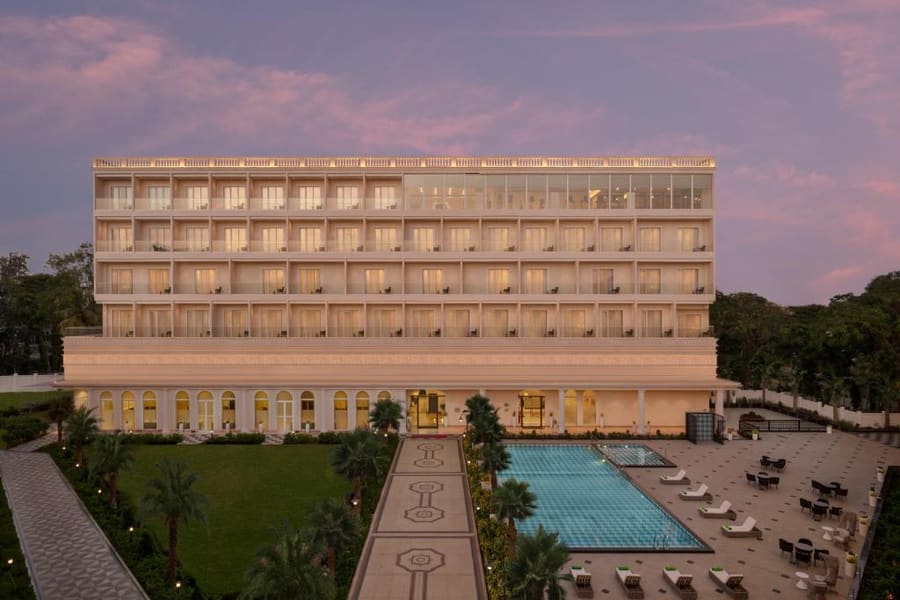
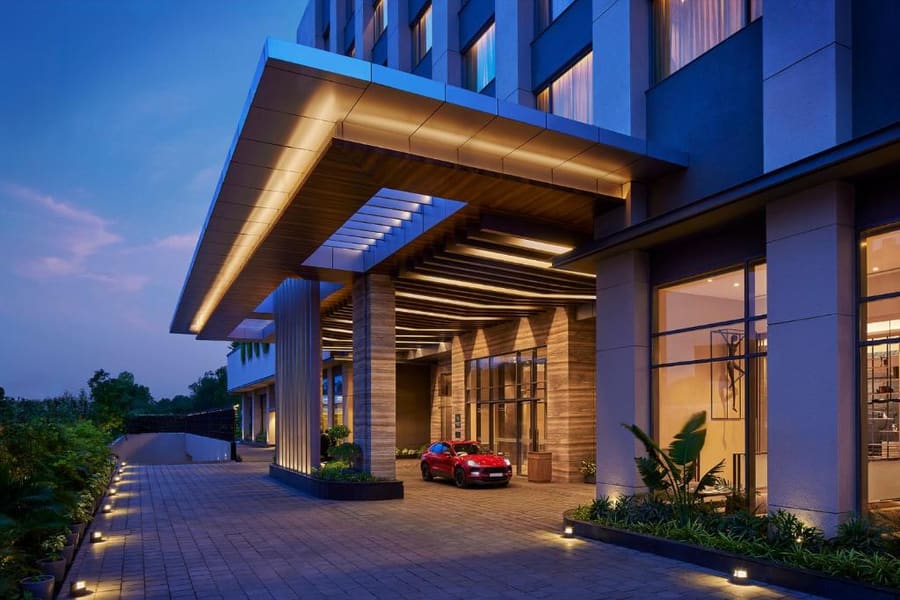
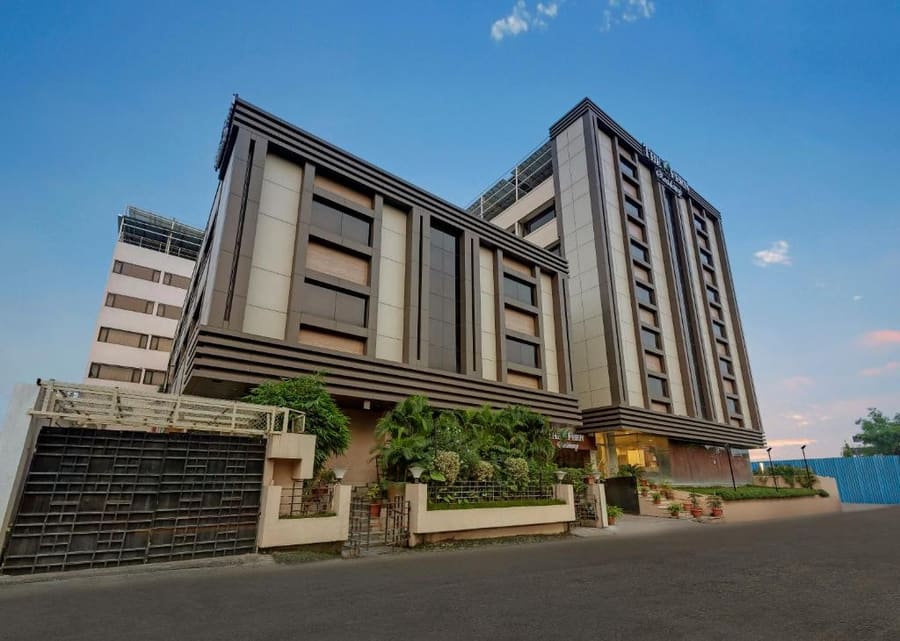
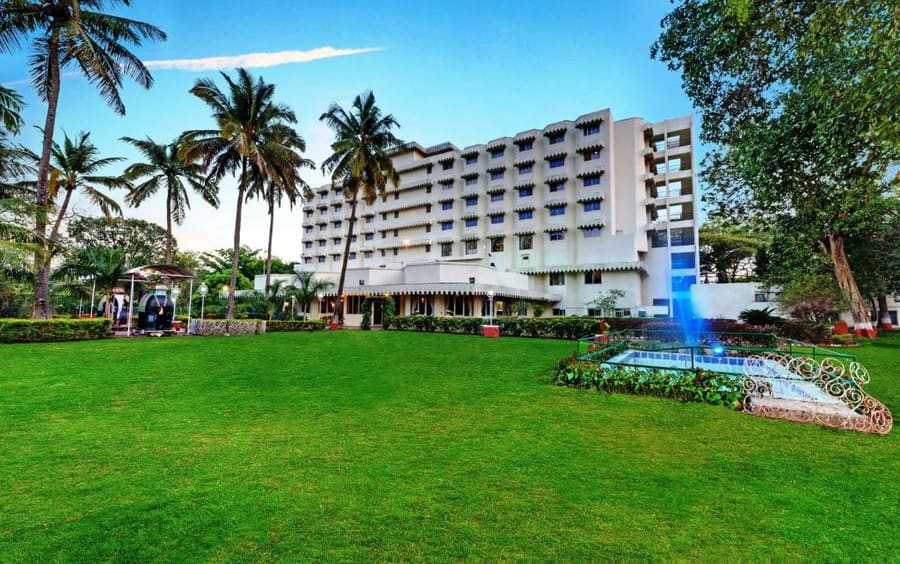
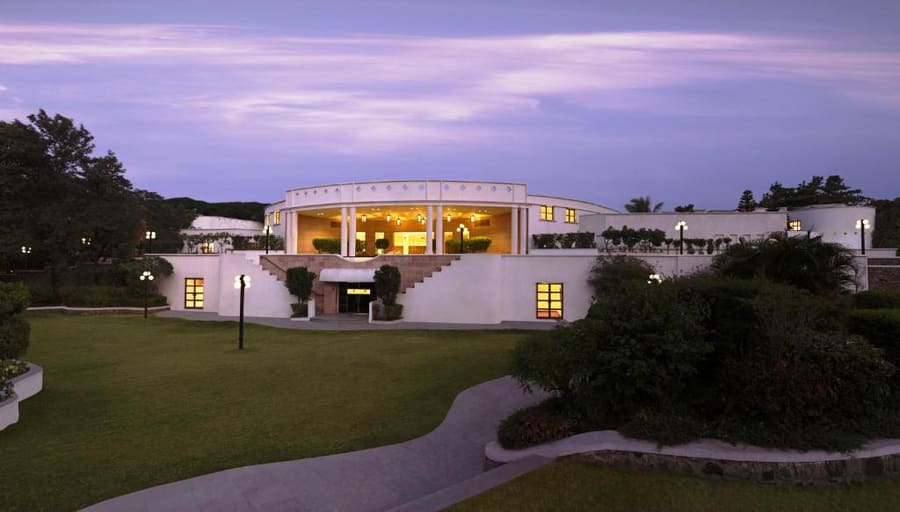
Choose your base based on your primary travel goal: proximity to transit corridors or access to old city culture. Station Road and Cidco offer mid-range and business hotels with reliable taxi links for day trips to Ajanta or Ellora. Nirala Bazar puts you within walking distance of central dining options, while airport-adjacent stays cater to short layovers.
Live rates, matched to the areas above.
transport
Aurangabad is spread out, with major cave monuments located 30 to 100 kilometres outside town. Auto-rickshaws handle short inner-city runs between markets and central hotels. For day excursions to Ellora or Ajanta, hiring a private car with a driver for a full day is the most effective approach.
Dari Chikalthana Airport (IXU)
Prepaid counter inside arrivals terminal prevents fare negotiations.
App pickup area requires walking to the main airport gate.
MSRTC public buses run along Jalna Road outside the airport complex.
Negotiate a fixed full-day rate for driver hires to Ajanta or Ellora rather than paying per kilometre.
Auto-rickshaws inside the city do not use meters; settle on the fare before stepping into the vehicle.
MSRTC buses depart frequently from Central Bus Stand for Ellora and Daulatabad at minimal cost.
Ajanta Caves lie 100 km north; factor in a two-and-a-half-hour drive each way on single-lane roads.
cost
Daily expenses in Aurangabad remain moderate compared to India's major metros. Transport for outlying cave excursions accounts for the largest fraction of a visitor's budget. Food and local entry tickets are economically priced.
Covers driver allowance and fuel for day trips to Ajanta or Ellora.
Standard entry fee for foreign travellers at primary UNESCO sites.
Applies to short rides between Nirala Bazar, Shahgunj, and main hotels.
Includes a portion of mutton qalia stew and two fresh tandoor naan.
seasonality
NOV – FEB
Daytime temperatures stay manageable around 28°C. This is peak season for exploring unshaded stone caves.
MAR – MAY
Temperatures exceed 40°C on exposed basalt rocks. Carry sun protection and complete cave hikes by 11:00.
JUN – SEP
Monsoon rains bring lush greenery to Daulatabad Fort and surrounding hills. Cave stone paths become slippery.
OCT
Post-monsoon transition period with moderate warmth and clear blue skies before peak winter traffic arrives.
practicalities
You must remove shoes before entering active cave shrines and painted chambers at Ajanta.
Flash photography is strictly prohibited inside Ajanta Caves to preserve ancient painted wall pigment.
Carry a reliable flashlight when walking through the Bhool Bhulaiya dark passage at Daulatabad Fort.
Digital payments frequently fail at rural highway stalls near Ajanta due to poor mobile signal.
Electric shuttle buses run between the main gate and far cave groups at Ellora for a minor fee.