landmark
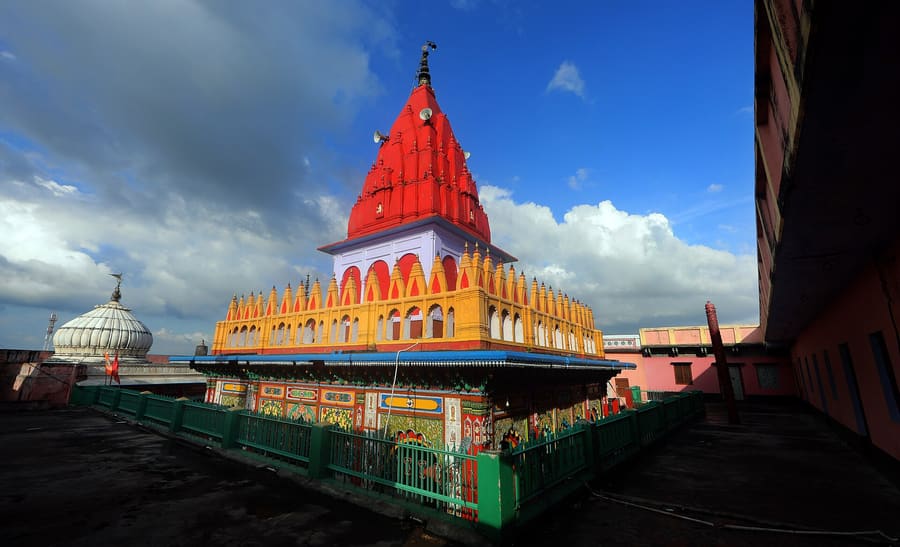
Hanuman Garhi
A 10th-century hilltop temple. Climb the 76 steps early in the morning to beat the heavy midday rush.
Tanya ParleyIndia
A rapidly evolving pilgrimage city along the Saryu River.
introduction
Ayodhya is a dense sacred center undergoing massive infrastructure redevelopment. You move through the city primarily on foot and by electric rickshaw along recently widened corridors. Expect heavy security checkpoints around the major shrine complex and quiet stretches along the riverbank.
Arrival trick
Arrive early at Ayodhya Dham Railway Junction to catch shared e-rickshaws before morning temple crowds peak.
Security access
Smartphones and bags are banned inside the main Ram Mandir complex. Use the free official lockers outside.
Planning trick
Visit Hanuman Garhi before 07:00 to avoid long queues on the steep 76-step staircase.
highlights
landmark
A 10th-century hilltop temple. Climb the 76 steps early in the morning to beat the heavy midday rush.
Tanya Parley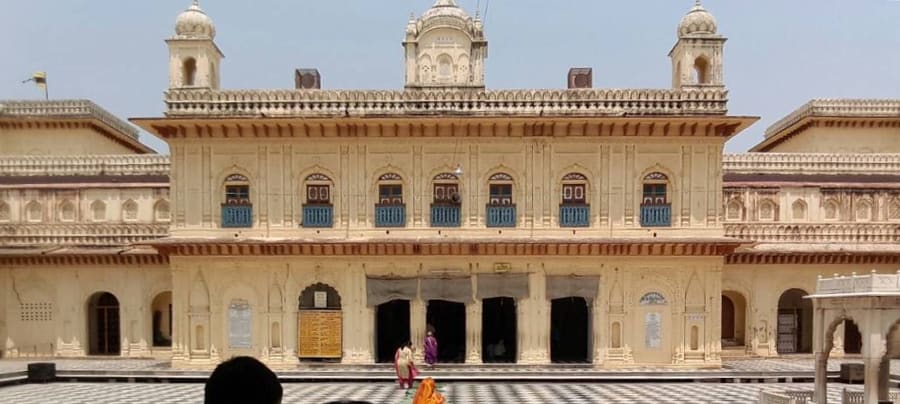
landmark
A ornate palace-style temple dedicated to Rama and Sita. Look for detailed gold-colored shrines inside.
Tanya Parley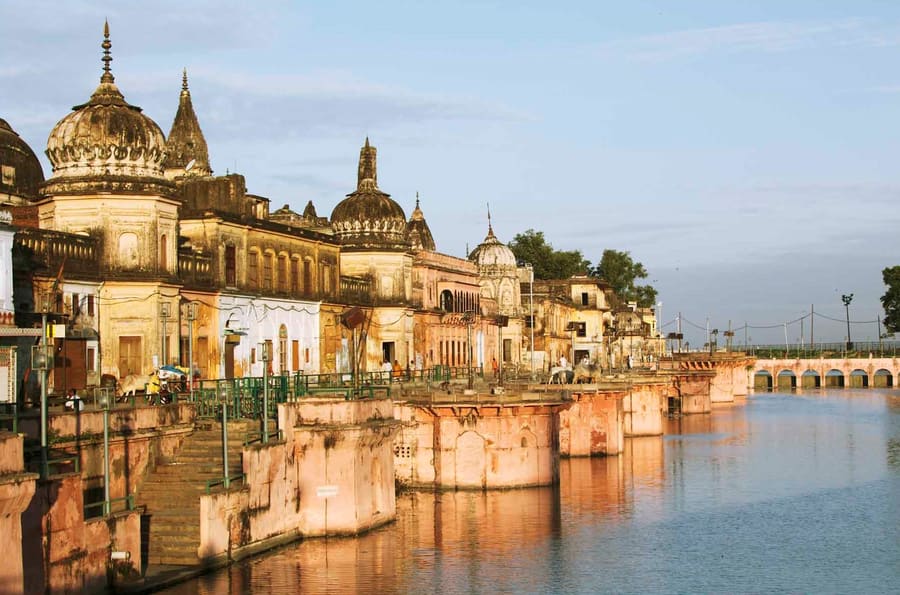
landmark
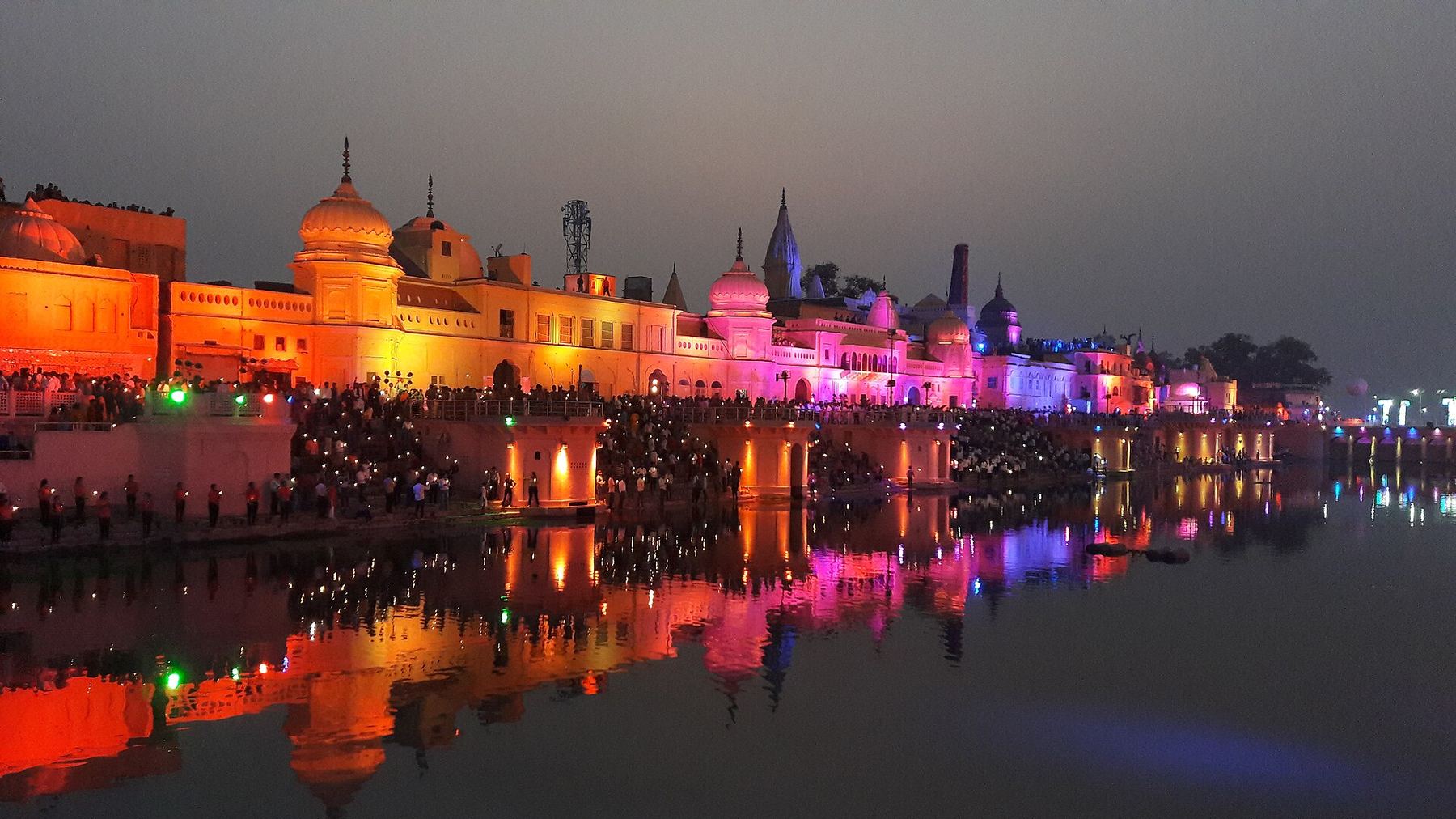
A series of wide bathing ghats along a Saryu canal. Visit at dusk to catch the evening light shows.
Tanya Parleyattractions
areas

Wide stone steps overlooking the river with active evening prayers and boat operators.
DekatRam ki Paidi and Nageshwarnath Temple
Tanya Parley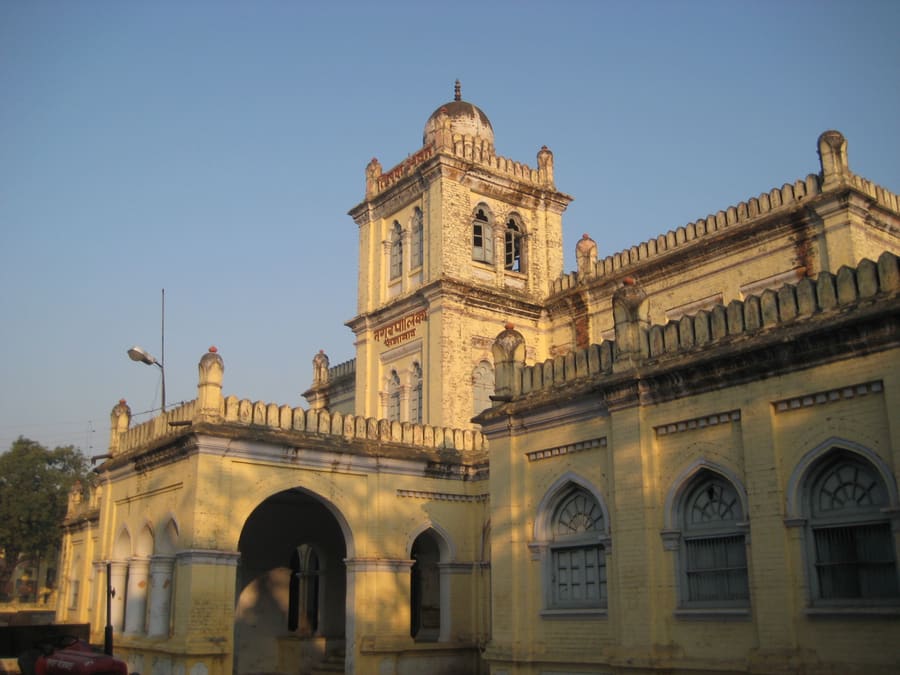
Commercial district with modern mid-range hotels, broad avenues, and regular road traffic.
DekatFaizabad Junction Railway Station
Tanya ParleyThe rebuilt central spine of the city, lined with matching yellow facades and heavy foot traffic.
DekatRam Mandir and Hanuman Garhi
Tanya ParleyA quiet green perimeter on the western bank with landscaped gardens and old stone steps.
DekatCantonment grounds and military park
Tanya Parleyfood
Ayodhya runs on vegetarian food with no onion or garlic served near the primary temple zones. Breakfast centers on hot bedmi poori served with spiced potato curry at stalls along Hanuman Garhi road. The city's sweet trade focuses on milk-based peda and thick rabri served in clay cups.
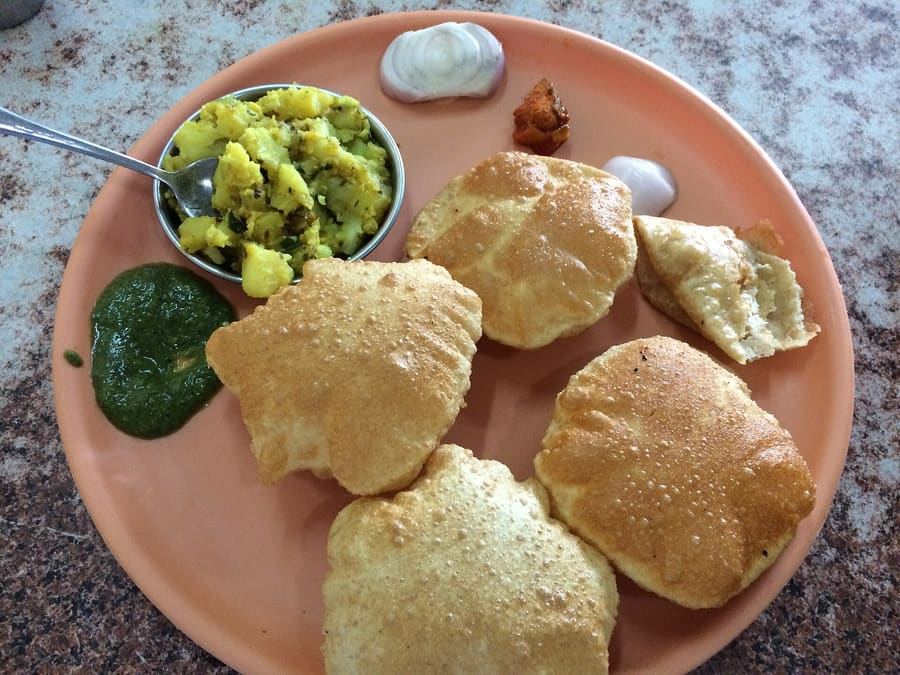
Hot bedmi poori served with spicy potato curry at a roadside stall.
Ask27 · CC BY-SA 4.0Buy fresh peda from vendors around Hanuman Garhi who boil down milk daily on wide iron skillets.
Eat bedmi poori between 07:00 and 10:00 when frying cauldrons are freshest.
Food stalls around Ram Path accept UPI QR payments, but keep cash notes for small sweet shops.
history
Ayodhya grew as an ancient religious center on the banks of the Saryu River in eastern Uttar Pradesh. For centuries, its urban layout developed around monastic communities, ghats, and royal shrines. The late 20th and early 21st centuries saw deep political and legal disputes over the city's central religious site. In 2019, India's Supreme Court ruled on the land, triggering a massive public redevelopment drive that rebuilt roads and opened major new transit infrastructure.
River settlement
Ayodhya emerges as a vital pilgrimage center along the trade routes of ancient Kosala.
Ghat development
Local rulers and religious orders construct prominent stone ghats along the Saryu Riverbank.
Supreme Court verdict
The Supreme Court clears the site for the construction of a new Ram Temple complex.
New temple opening
The Ram Mandir opens to pilgrims, triggering major infrastructure expansion across Ayodhya.
where to stay
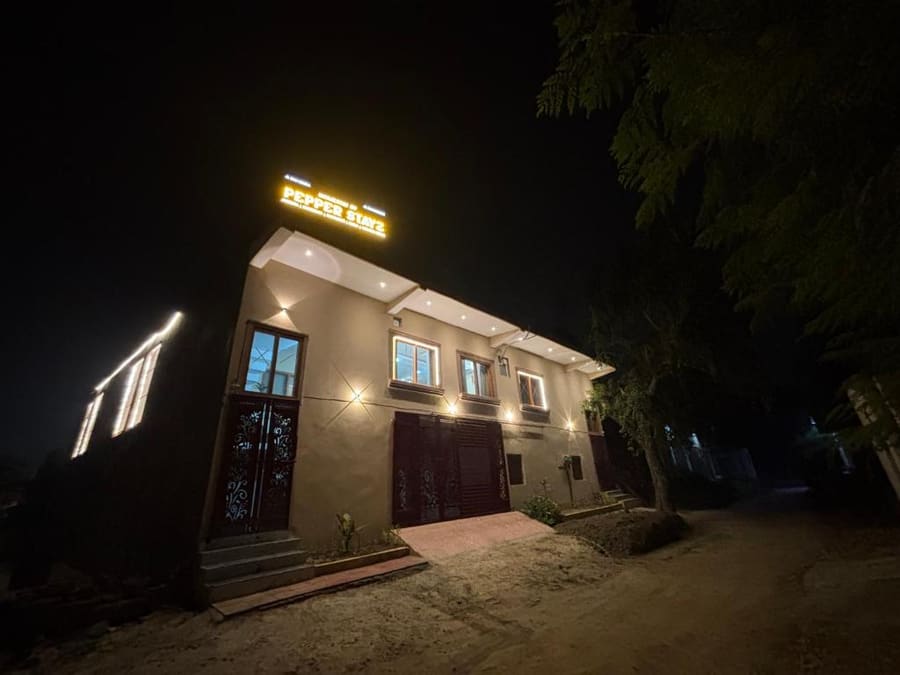
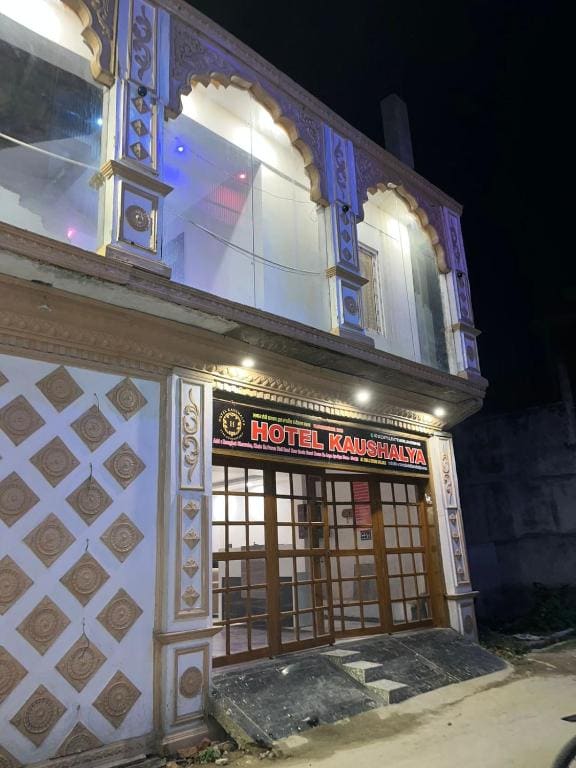
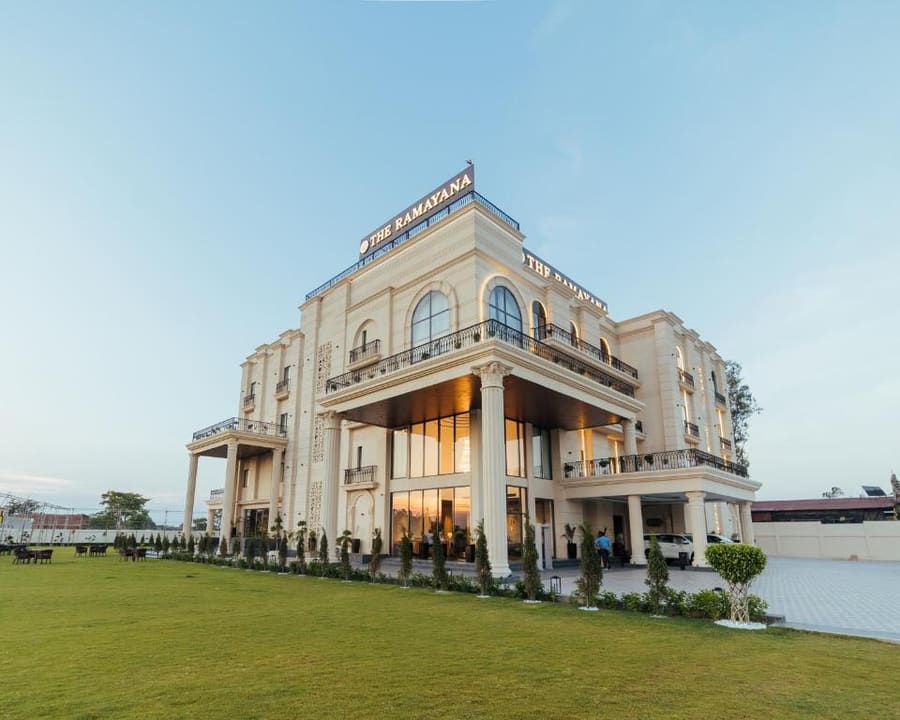
Choose your base by your daily starting hour and tolerance for pedestrian crowds. Staying near Ram Path puts you within walking distance of shrines but exposes you to strict vehicle restrictions. Civil Lines offers conventional hotel rooms and easier vehicle access further from the core.
Live rates, matched to the areas above.
/2648d30a957e.jpg)

transport
The core temple area bans large private vehicles during peak hours. Electric rickshaws handle short intra-city trips on the paved corridors.
Dari AYJ
Official prepaid taxi counter at airport terminal exit.
App rides pick up outside the main terminal gate.
State buses connect airport to the central Ayodhya Dham bus stand.
Share e-rickshaws along Ram Path for a flat rate per passenger across short distances.
Security barriers close Ram Path to four-wheelers during heavy morning rush hours.
Agree on a fixed price before boarding private e-rickshaws off the main routes.
Road closures start around 18:00 near Ram ki Paidi for the evening river ceremony.
cost
Ayodhya remains an affordable destination with low entry costs for shrines and public transport. Expense spikes occur mainly in hotel room rates during festival dates.
Flat rate per seat on fixed routes between station and ghats.
Covers a plate of poori-sabzi or a simple thali near temple streets.
Per seat price for shared motorboat rides on the Saryu River.
Standard rate for traditional milk sweets near Hanuman Garhi.
seasonality
OCT – FEB
Cool days around 15–25°C make walking easy, but peak winter brings heavy pilgrim crowds.
MAR – APR
Moderate warmth precedes high summer, with massive festival surges around Ram Navami.
MAY – JUN
Temperatures exceed 40°C, making outdoor midday temple queues physically demanding.
JUL – SEP
Monsoon rains swell the Saryu River and humid days lower overall visitor numbers.
practicalities
Deposit electronics at free cloakrooms early to avoid long queues before temple entry.
Shoulders and knees must remain covered inside all active Hindu shrines.
Keep eyeglasses and loose food inside bags near the Hanuman Garhi steps.
Bathe only in marked shallow zones along Ram ki Paidi and main ghats.
Carry small cash notes for offerings, shoe storage fees, and flower vendors.