landmark
The Ruins
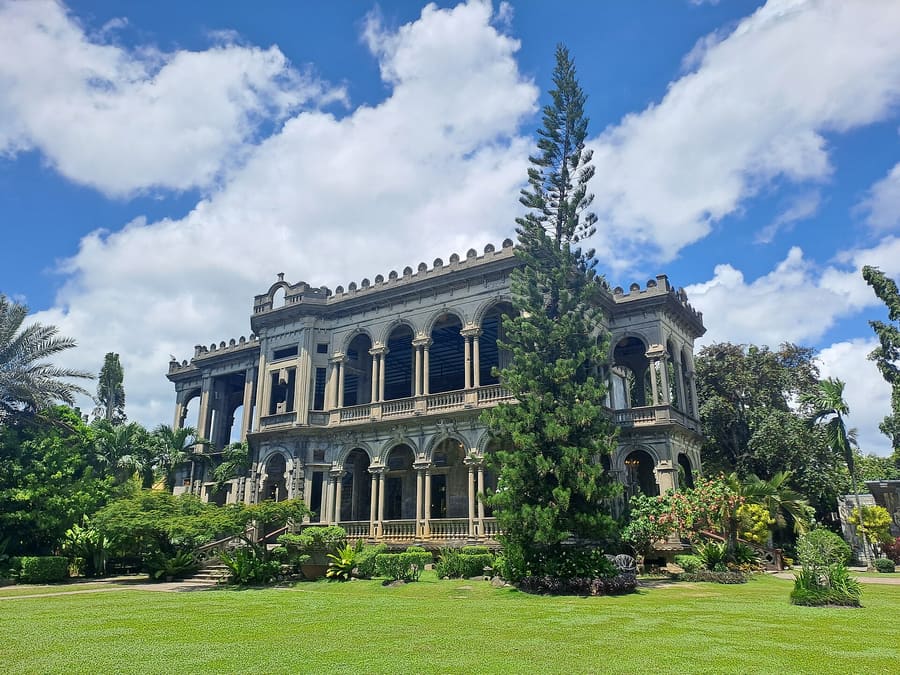
The 1900s sugar mansion shell built for love and burned in WWII. Visit at dusk when floodlights turn the concrete golden.
Tanya ParleyFilipina
Sugar heritage, grilled chicken, and coastal ferry links.
introduction
Bacolod is the sugar capital of Negros, built around wide avenues, historic planter homes, and open-air food stalls. The city center is easily navigated along Lacson Street, its main dining and commercial spine running north-south. Expect low-slung concrete architecture, mild coastal breezes, and a distinct culinary culture centered on charcoal-grilled chicken inasal.
Arrival from Silay Airport
Bacolod-Silay Airport sits 15 km north. Shared vans cost ₱150–200 directly to city hotels.
City of Smiles title
Bacolod earned its nickname during the 1980 sugar crisis when locals created the smiling MassKara Festival.
MassKara planning
Book hotel rooms six months early for October's MassKara Festival. Lacson Street closes to vehicle traffic.
highlights
landmark
The 1900s sugar mansion shell built for love and burned in WWII. Visit at dusk when floodlights turn the concrete golden.
Tanya Parley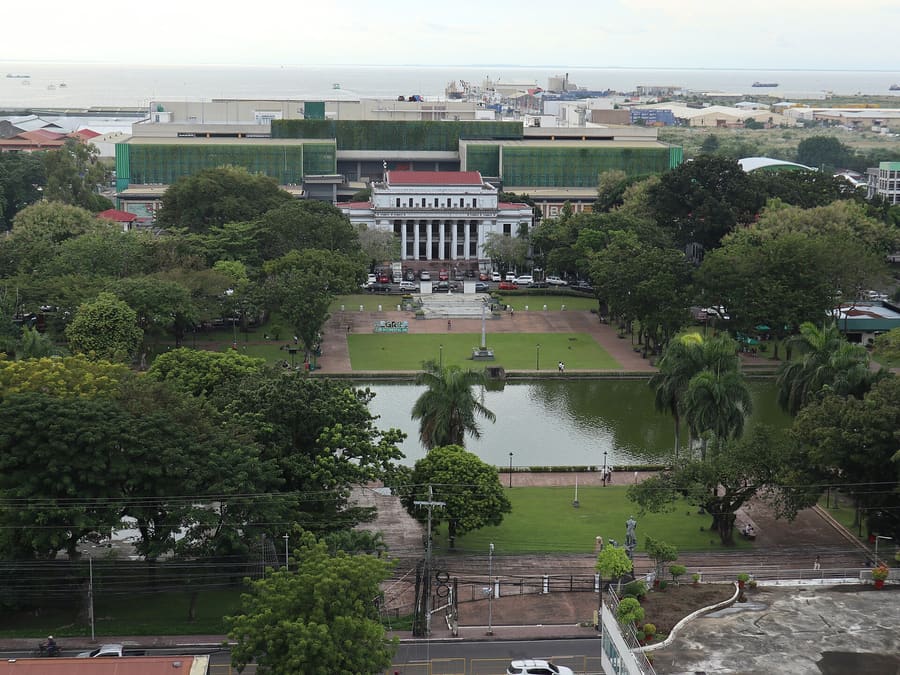
landmark
Shaded park around a central lake with classic water buffalo statues. Local runner hub in early mornings.
Tanya Parley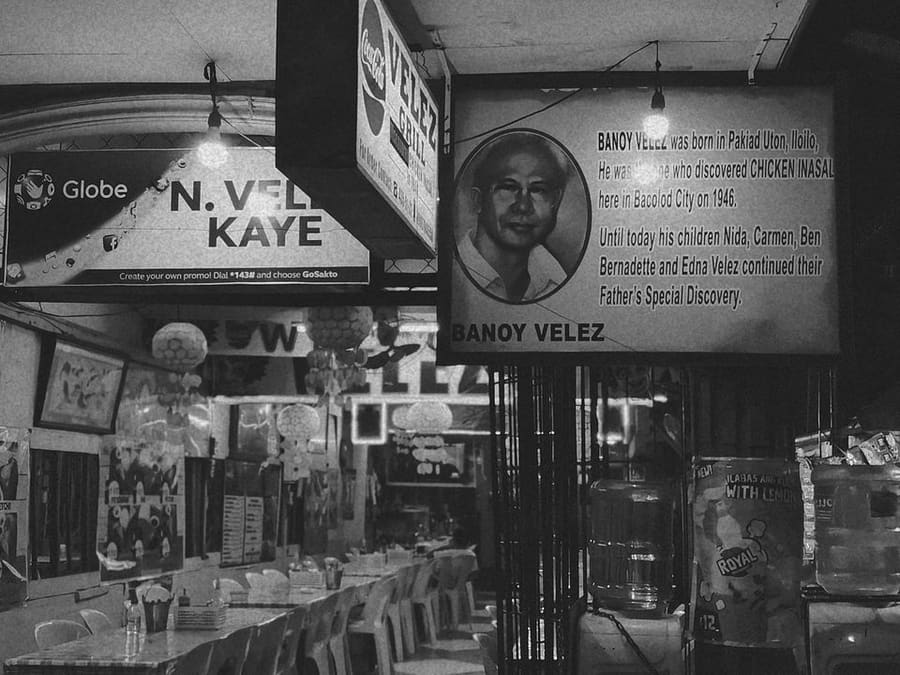
landmark
Row of open-air stalls grill-smoking chicken inasal over charcoal. Nena's Rose and Aida's are local standards.
Tanya Parley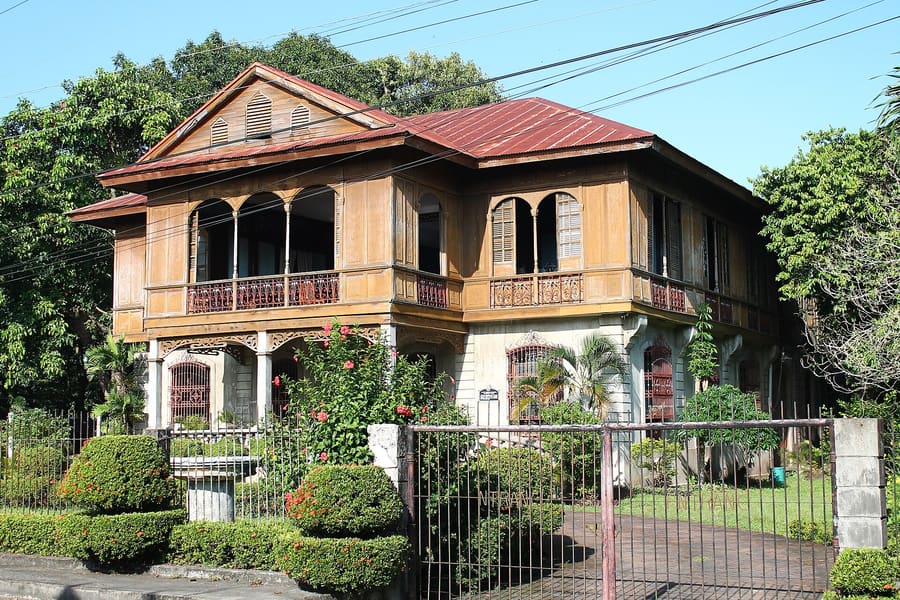
landmark
A 12-bedroom 1898 planter home showing 19th-century sugar wealth. Located in Silay, 20 minutes north of downtown.
Tanya Parley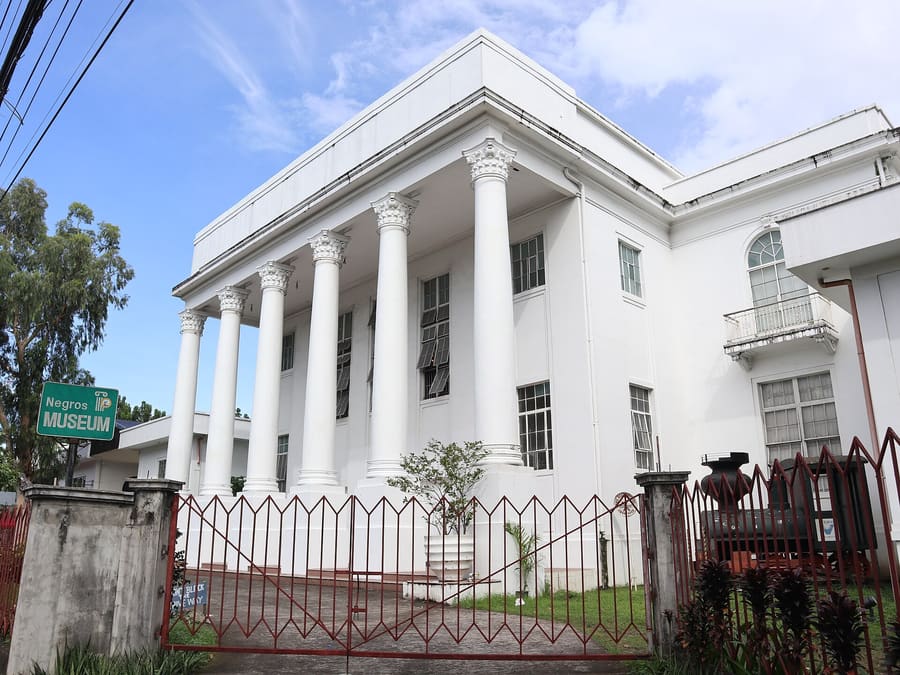
landmark
Focuses on the social history of sugar plantations rather than just elite relics. Features folk art and toy collections.
Tanya Parleyattractions
areas
Upscale North Lacson corridor filled with cafes, dessert spots, and modern hotels.
DekatCapitol Park and Lacson Strip restaurants.
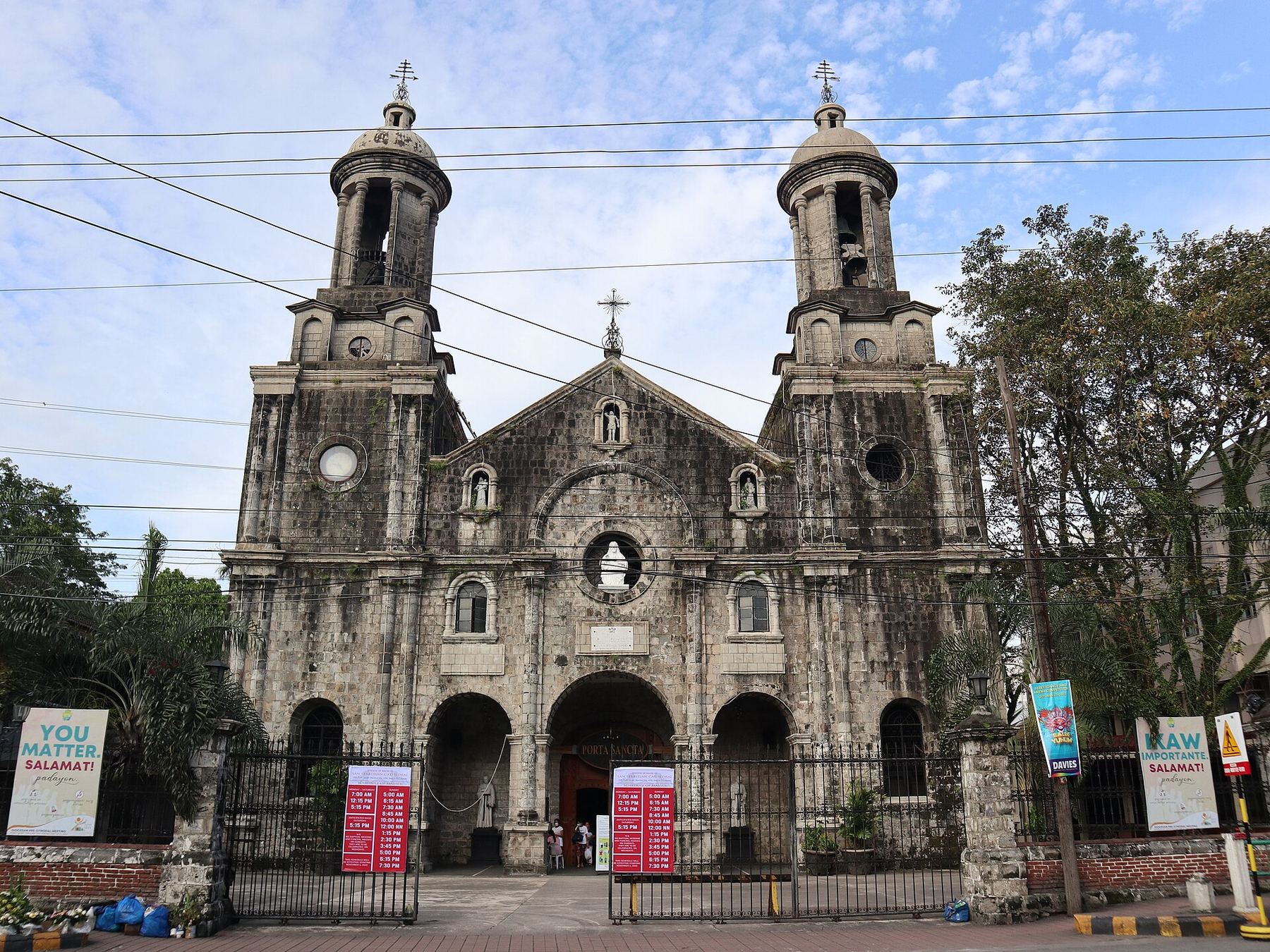
Tanya ParleyCommercial core anchored by San Sebastian Cathedral, street vendors, and heritage bakeries.
DekatCity Plaza and public jeepney routes.
Tanya ParleyPortside complex housing SM City mall, ferry terminals, and Manokan Country chicken stalls.
DekatBredco Port for Iloilo ferries and SM City Bacolod.
Tanya ParleyResidential East Bacolod around the expansive Bacolod City Government Center plaza.
DekatNew Government Center grounds and east side cafes.
Tanya Parleyfood
Bacolod's culinary profile rests on two pillars: charcoal-grilled chicken inasal and rich sugar-plantation baking traditions.Chicken inasal is basted with calamansi juice, coconut vinegar, garlic, and annatto seed oil. You eat it accompanied by garlic rice and sinamak, a local spiced vinegar infused with ginger and chili.Dessert culture thrives across the city due to decades of sugar refining wealth. Bakeries serve napoleones, a local layered puff pastry glaze cake, alongside thick mud pies and cassava cakes.
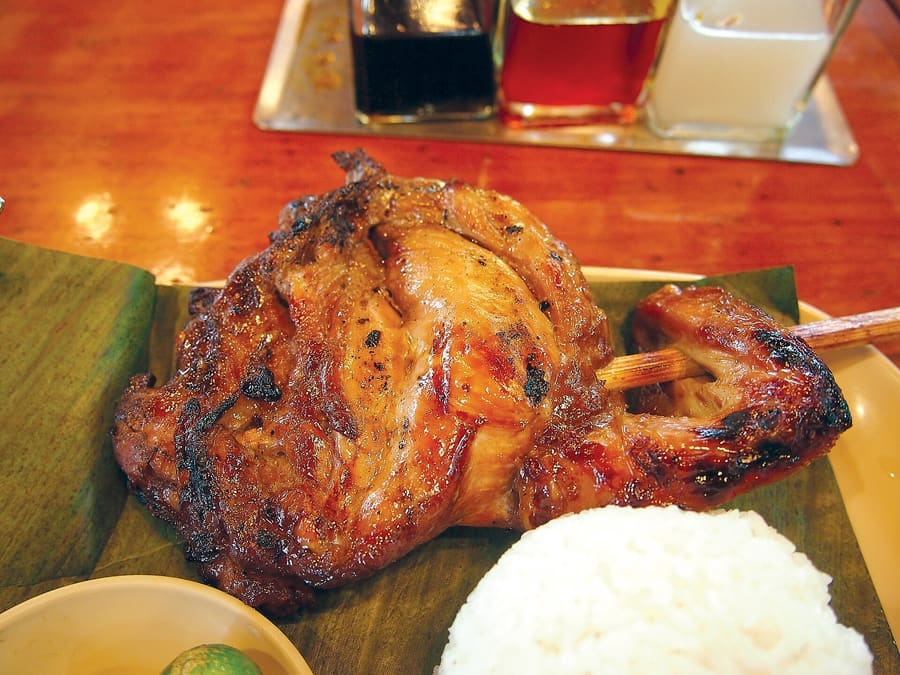
Chicken inasal skewered and basted with annatto oil over open coals at Manokan Country.
michael reyes from Philippines · CC BY-SA 2.0Locals skip cutlery for chicken inasal. Pour calamansi juice, soy sauce, and orange chicken oil over sinamak-spiced garlic rice.
Puff pastry filled with custard and topped with sugar glaze. Buy boxes at Pendy's or Roli's early before afternoon batches sell out.
KBL stands for kadyos, baboy, at langka: pigeon peas, pork leg, and green jackfruit simmered with batwan souring fruit.
history
Bacolod grew from a coastal settlement into a regional economic center driven by nineteenth-century sugar plantations across Negros Island.During WWII, occupying forces threatened local estates, prompting landowners to destroy their own grand mansions to prevent military quartering. The remaining concrete frames, such as The Ruins in nearby Talisay, reflect that era of deliberate destruction.When global sugar prices collapsed in the 1980s, civic leaders inaugurated the MassKara Festival. The event transformed street performance into a major municipal tradition.
Sugar Boom Capital
Negros Occidental becomes the Philippine sugar capital. Bacolod thrives as the administrative and trade core.
Negros Revolution
Local forces under Generals Araneta and Lacson fake artillery with painted bamboo logs, prompting Spanish surrender.
Chartered City Status
Bacolod officially becomes a chartered city as sugar exports reach peak volume.
The MassKara Birth
Facing a sugar crisis and the Don Juan ferry tragedy, Bacolod creates the festival of smiling masks to boost morale.
where to stay
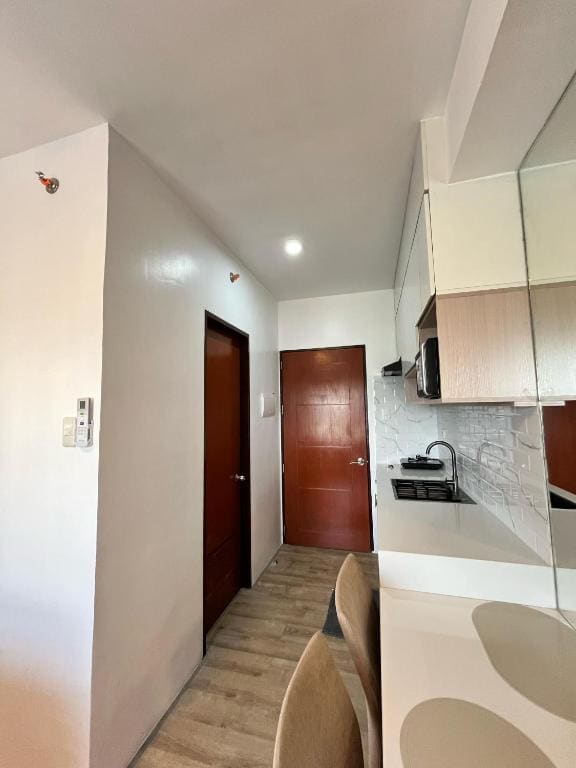
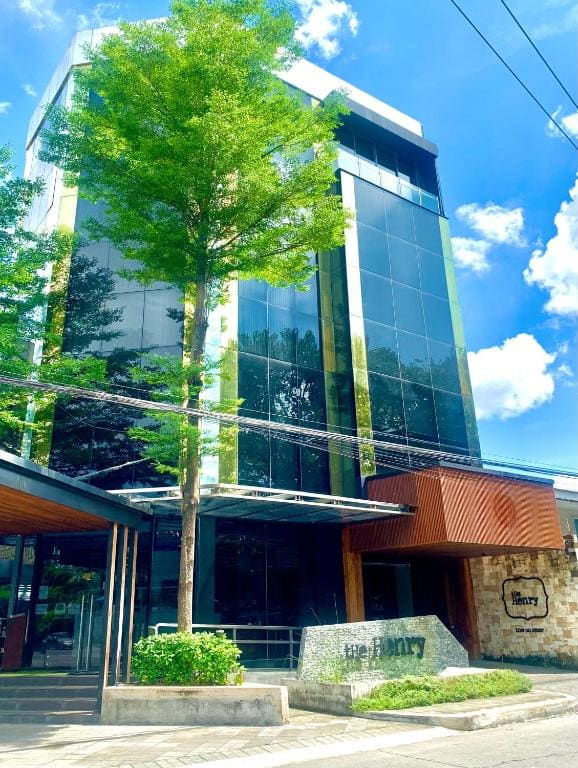
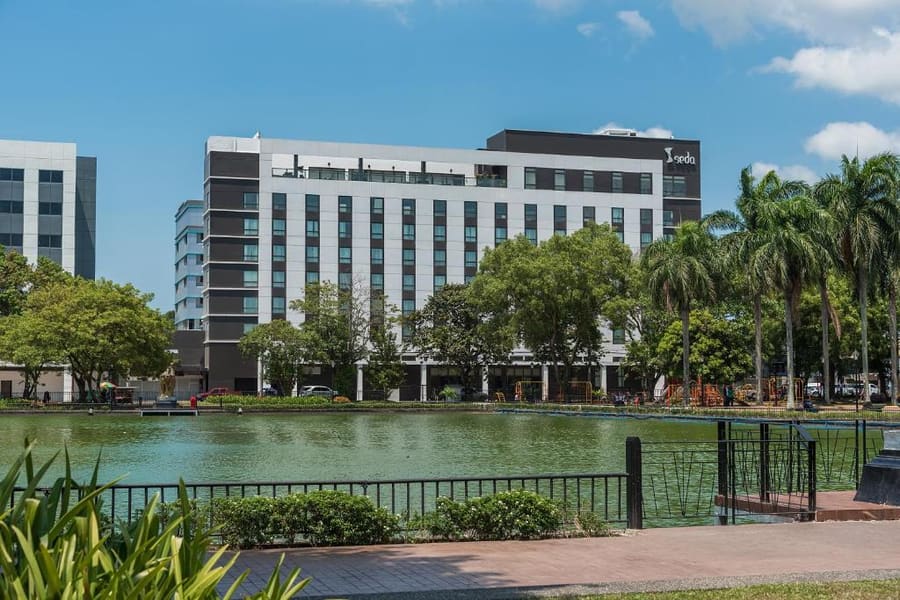
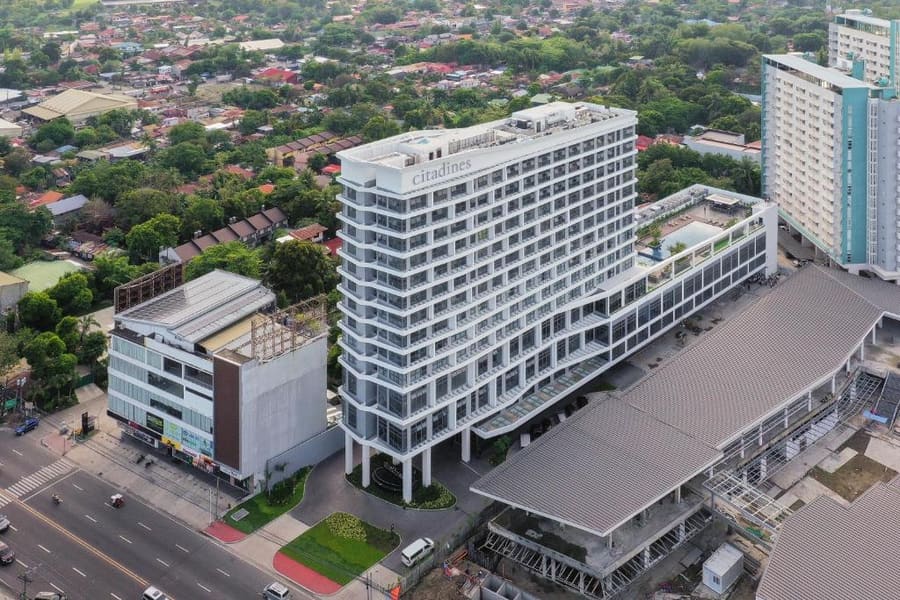
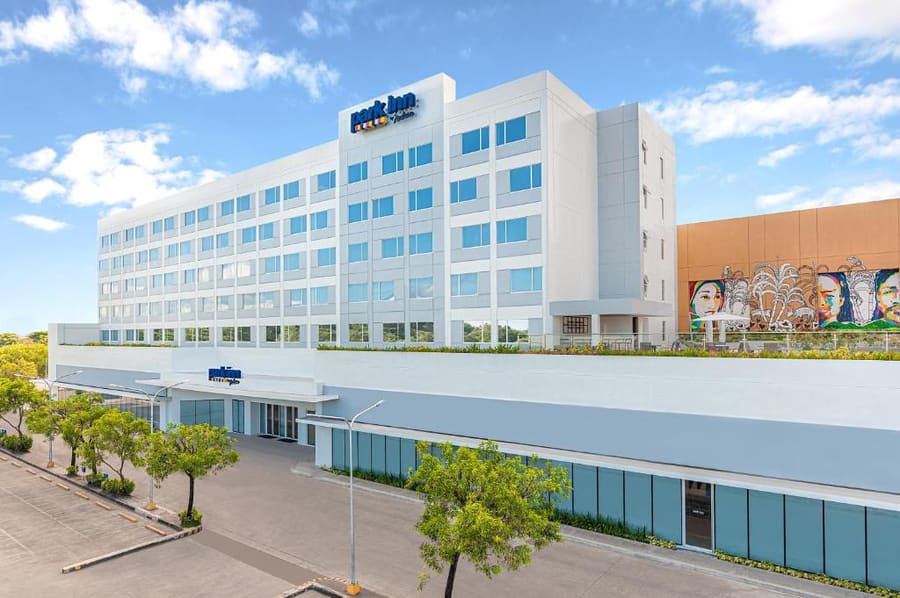
Choose Mandalagan along northern Lacson Street if you want walkability to modern cafes and clean mid-range hotels. Stay Downtown near the Plaza if you need cheap transit links and fast access to heritage sites. Pick the Reclamation Area if you are taking early morning ferries to Iloilo.
Live rates, matched to the areas above.
transport
Bacolod's transport network relies on public jeepneys running fixed routes down main arteries like Lacson, Gonzaga, and Luzuriaga streets.Taxis and Grab rideshare vehicles are widely available across the central districts, offering air-conditioned transit at affordable metered rates.
Dari Bacolod-Silay Airport (BCD)
Shared vans drop passengers directly at Bacolod hotels. Tickets sold inside arrival hall.
Fixed rate or metered taxis wait outside arrivals. Negotiate total fare before loading luggage.
Grab operates from BCD airport to Bacolod. Pickups occur at designated transport lanes.
Bacolod jeepneys show endpoints on windshields like 'Bata-Libertad' or 'Mandalagan-Central Market'. Fares start at ₱13.
Jeepneys, tricycles, and street stalls accept cash only. Carry ₱20 coins and small ₱50 bills.
Fastcraft ferries run hourly from Bredco Port to Iloilo City. Standard seats cost roughly ₱400 to ₱550 one way.
Motorized tricycles cover short routes off main jeepney avenues. Agree on fare (₱20-50) before climbing in.
cost
Bacolod offers lower daily costs compared to Manila or Cebu. Dining out and public transit remain remarkably affordable for international travelers.
Includes a basted chicken quarter, garlic rice, and soup at Manokan Country stalls.
Generous slices of chocolate mud pie or cheesecake at Bacolod's famous dessert spot.
Base fare for short rides along Lacson, Gonzaga, or Luzuriaga streets.
Clean double room with air conditioning and breakfast near Lacson Street.
seasonality
NOV – FEB
Cooler, drier weather averaging 28°C. Best period for walking heritage tours and dining outdoors.
MAR – MAY
Peak dry season with temperatures reaching 34°C. Expect intense afternoon heat; plan indoor museum trips.
JUN – SEP
Southwest monsoon season brings frequent rains. Afternoon downpours can flood low-lying downtown streets.
OCT
MassKara Festival month. Lacson Street closes for street dancing; hotel rates double and require months of advance booking.
practicalities
Tap water is not recommended for drinking. Bottled or filtered water is served at all reputable restaurants.
Local shops open by 9:00 AM and close around 7:00 PM. Malls stay open until 9:00 PM.
Hiligaynon (Ilonggo) is the local language. Tagalog and English are universally understood.
ATMs line Lacson Street and shopping malls. Stock up on cash before venturing to peripheral coastal towns.
Arrive 45 minutes before fastcraft departures to Iloilo for security screening and terminal fee payment.