landmark
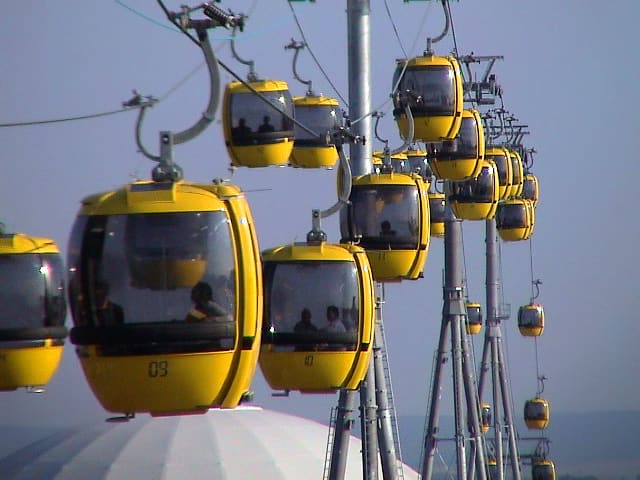
Bansko Ski Lift
Connects the town to Banderishka Polyana. Board before 08:15 in high season to avoid 90-minute morning queues.
Tanya ParleyBulgaria
Pirin ski hub by winter, remote worker haven by summer.
introduction
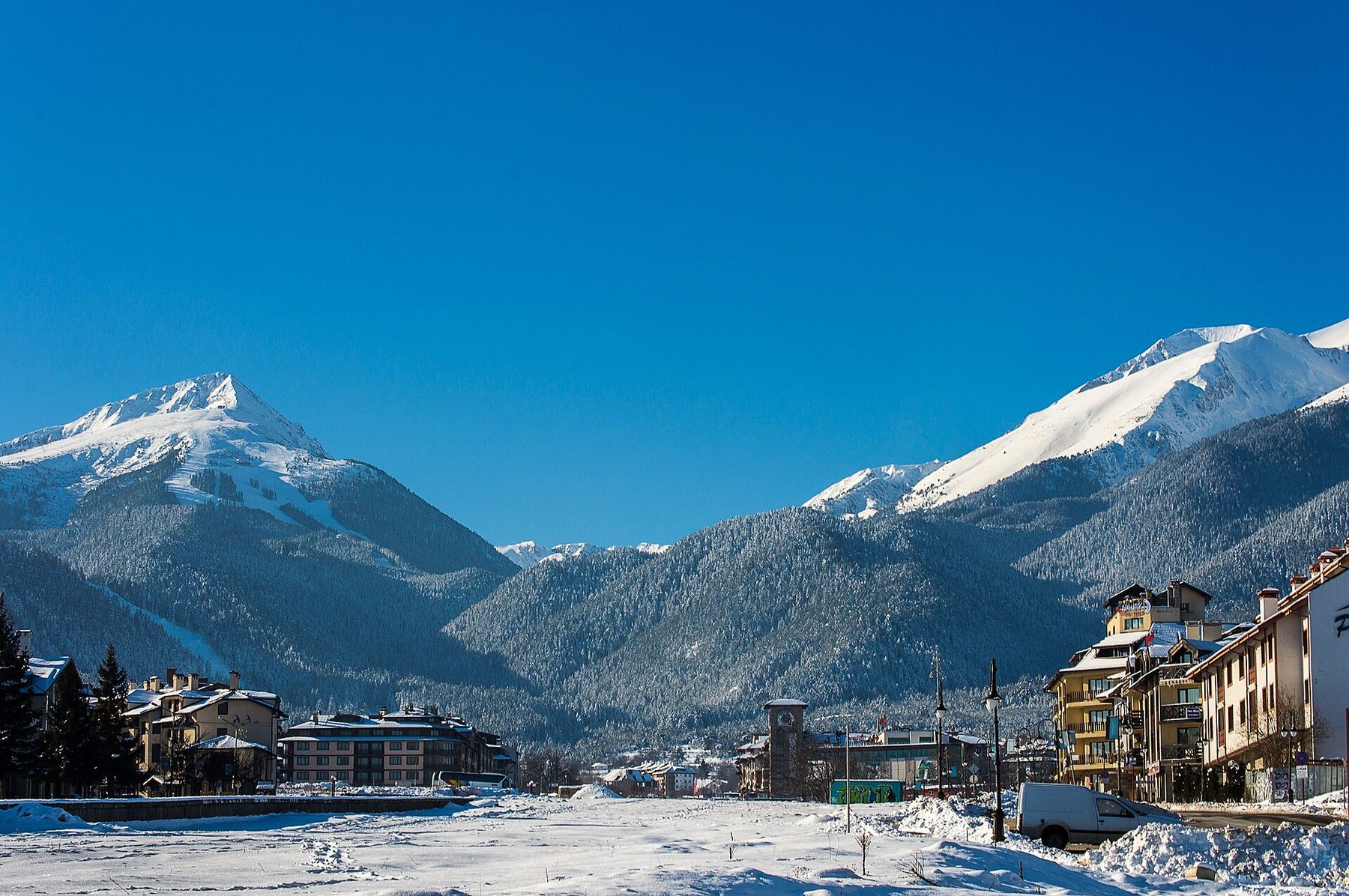
Bansko sits at the foot of the Pirin Mountains, divided into a historic cobblestone Old Town and a modern resort district. You move between sections on foot or via the main arterial road, Pirin Street. Winter brings dense ski crowds and long morning gondola queues, while summer fills local cafes with remote workers using regional co-working hubs.
Protected wilderness
Pirin National Park sits adjacent to the town. It holds UNESCO World Heritage status for its glacial lakes and ancient pine forests.
Ski pass shortcut
Buy ski passes online or at hotel desks. This skips the main Gondola station queue, which often exceeds one hour in January.
highlights
landmark
Connects the town to Banderishka Polyana. Board before 08:15 in high season to avoid 90-minute morning queues.
Tanya Parley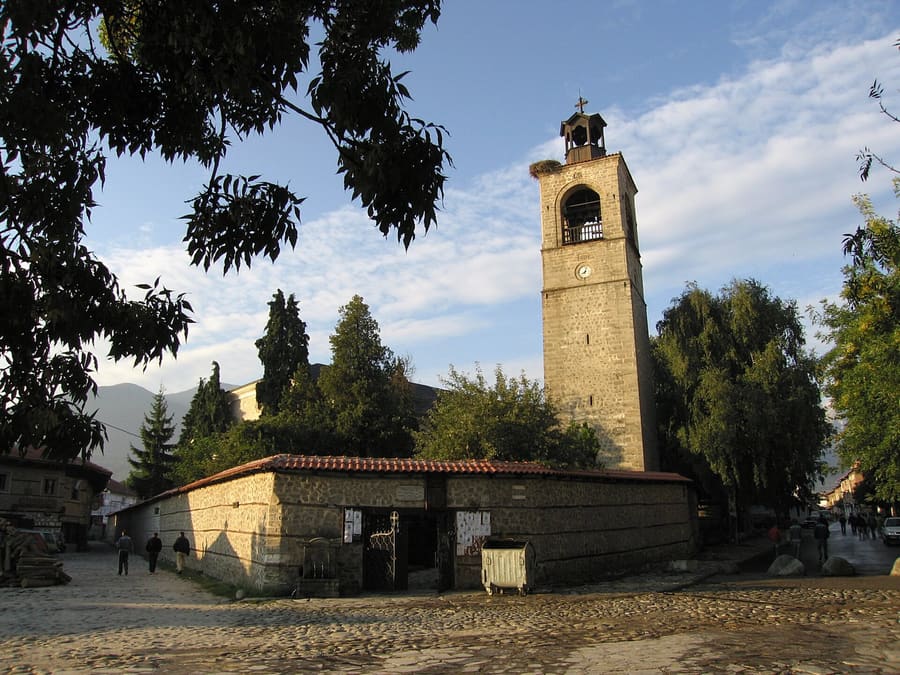
landmark
A 19th-century church with a 30-metre bell tower. Entry is free, but modest clothing is required inside.
Tanya Parley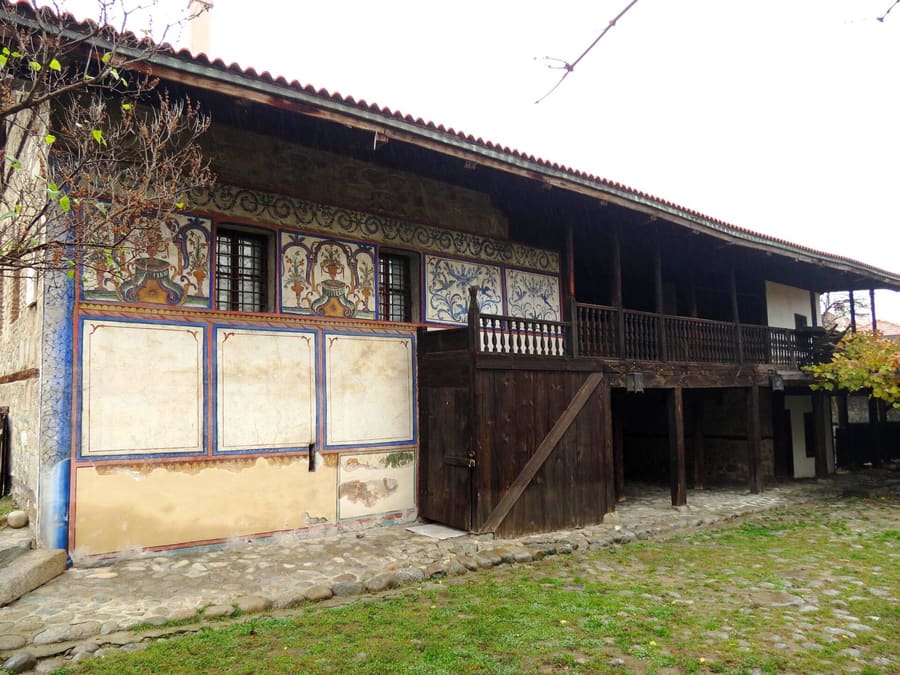
landmark
Fortified Bulgarian Revival home featuring 19th-century frescoes and woodcarvings. Cash entry at the door.
Tanya Parleyattractions
areas
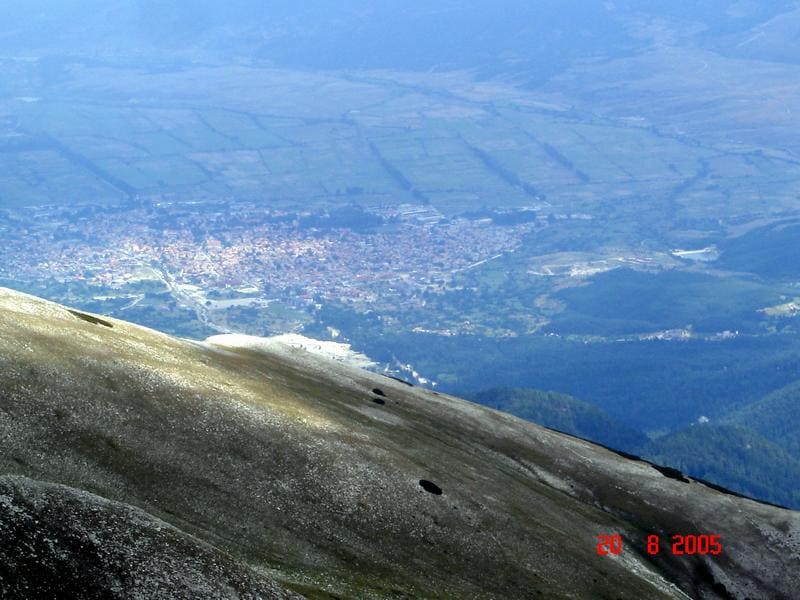
Apartment complexes and co-working hubs south of the main resort strip.
DekatPirin National Park border trails.
Tanya ParleyTraditional stone taverns, cobblestone alleys, and quiet residential streets.
DekatHoly Trinity Church and local crafts museum.
Tanya ParleyHigh-density ski chalets, equipment rental shops, and loud winter bars.
DekatGondola ski lift terminal.
Tanya ParleyFlat residential area around the regional bus and narrow-gauge train terminal.
DekatCentral bus station and railway terminal.
Tanya Parleyfood
Bansko dining revolves around traditional taverns known as mehanas. Heavy meat dishes, dry-cured pork, and slow-cooked vegetables dominate local menus. Key specialties require multi-hour baking inside sealed earthenware clay pots, so taverns prepare them in daily limited batches.
Order pot dishes like Kapama or Chomlek early in the evening, as taverns sell out of daily earthenware batches by late service.
Order this dry-cured pork sausage seasoned with cumin and paprika at lunch for a lighter sample.
Family-run taverns in Old Town frequently accept cash only; confirm payment options before sitting down.
history
Bansko developed as a wealthy trade center during the Bulgarian National Revival in the 18th and 19th centuries. Local merchants established routes across Europe, funding unique fortified homes and an influential woodcarving school. Massive resort investment in the early 2000s converted the quiet mountain settlement into an international ski hub.
Holy Trinity Consecrated
Locals navigate Ottoman restrictions to construct one of the largest Bulgarian Revival churches, completing the bell tower in 1850.
Balkan War Integration
Bansko joins the Kingdom of Bulgaria following the First Balkan War, ending centuries of Ottoman territorial administration.
Pirin Protection
The adjacent mountain range receives national park status, later earning UNESCO World Heritage listing for biodiversity.
Gondola Lift Opens
Construction of the main cable car connects the town floor directly to Banderishka Polyana, expanding winter tourism.
where to stay
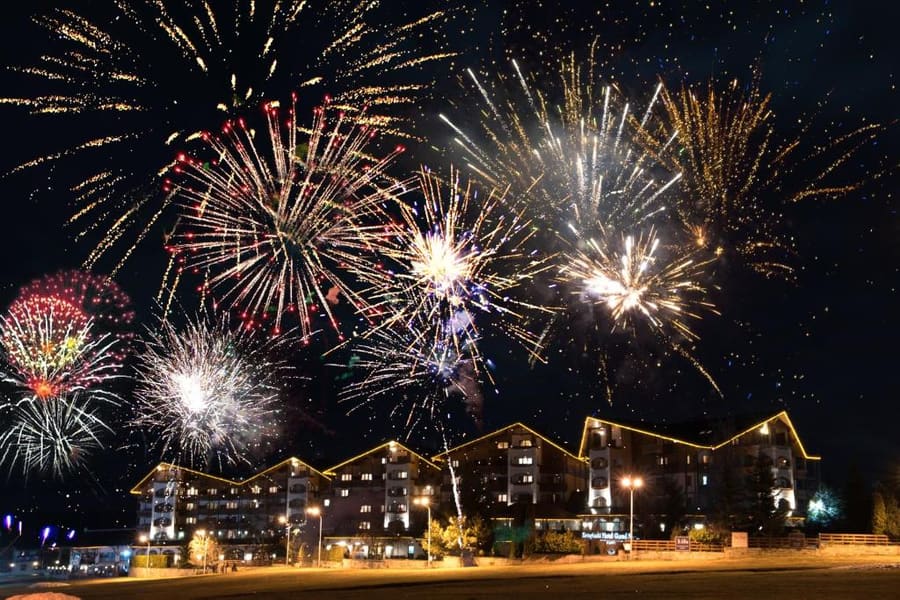
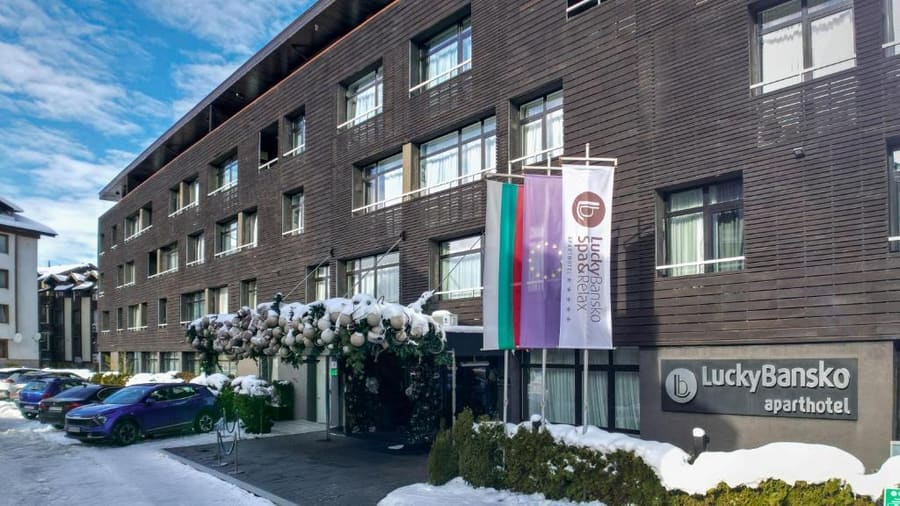
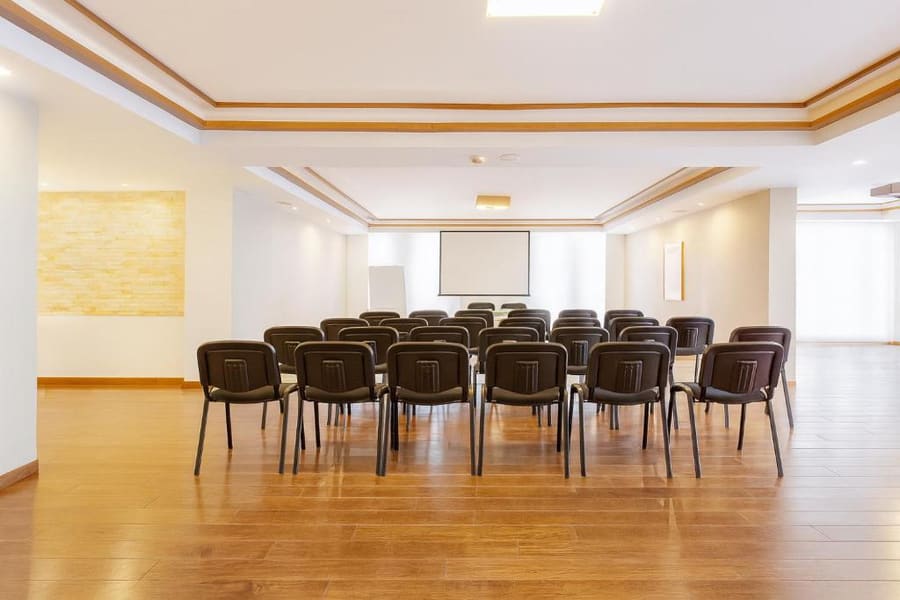
Choose your location based on your primary season and activity. Skiers prioritize immediate lift proximity, while summer visitors and digital nomads find lower rates and quieter nights in the Old Town or Gramadeto.
Live rates, matched to the areas above.
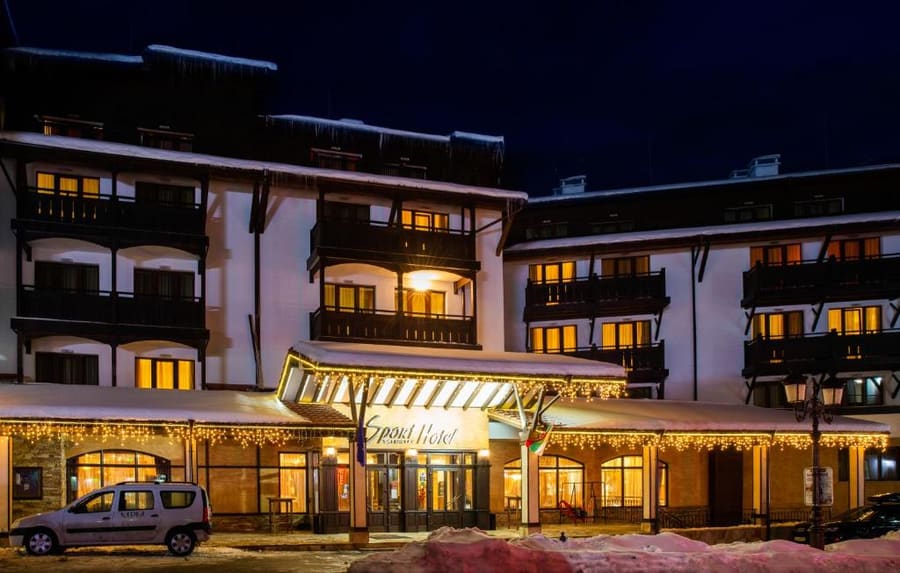
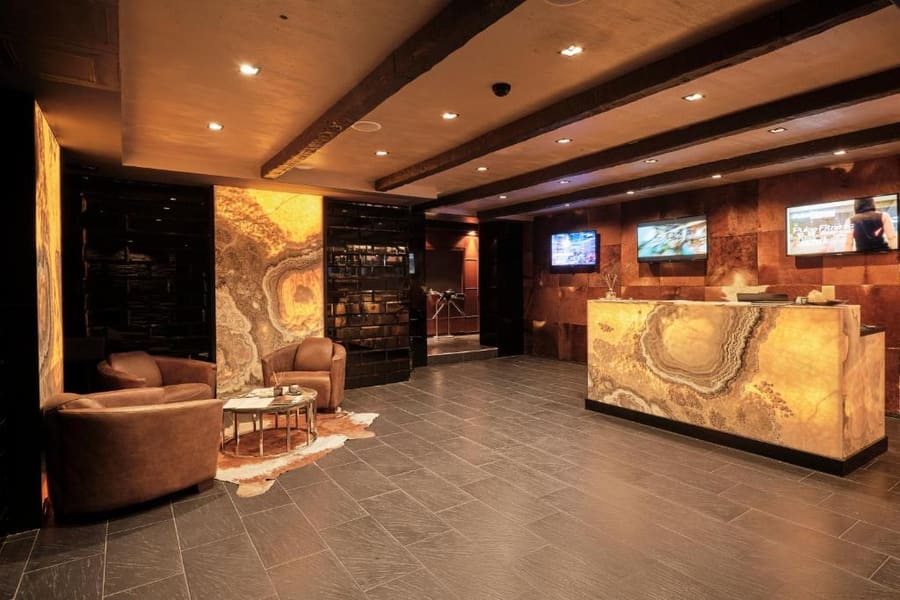
transport
Bansko lacks an airport, so travellers arrive by bus, drive, or train from Sofia. Once in town, the compact footprint allows you to reach most points on foot, supplemented by local taxis and winter hotel shuttles.
Dari SOF
Departs daily from Sofia Central Bus Station or Ovcha Kupel station.
Pre-booked door-to-door vehicle directly from Sofia Airport.
Arranged via regional driver matching groups; cash paid directly to driver.
Most accommodation providers operate regular minibuses to the Gondola terminal between 08:00 and 10:00.
Bansko spans under three kilometres end-to-end; walking takes 25 minutes between northern and southern edges.
The Septemvri-Dobrinishte train operates at slow speeds; treat it as a scenic excursion rather than fast transit.
Local taxis generally do not run meters; negotiate and confirm the fixed rate before closing the door.
cost
Bansko remains one of Europe's lowest-cost mountain destinations. Prices inflate noticeably during the January and February peak ski months, but drop sharply for summer outdoor sports.
Purchased at lift ticket offices or via the official resort booking portal.
Covers a traditional clay pot main, salad, and house wine.
Provides full-day access to shared desks and fiber internet.
Standard cost across central cafes in both Old Town and Gondola zones.
seasonality
DEC – FEB
Peak winter ski season. Lift queues peak at 09:00, and hotel rates hit annual highs.
MAR – APR
Late ski season with slushier spring snow. Lift prices drop and crowds thin substantially.
MAY – JUN
Shoulder season ideal for quiet walks. High mountain trails remain muddy or snowbound.
JUL – SEP
Prime season for mountain hiking and remote workers. Mild heat and clear Pirin trail visibility.
OCT – NOV
Off-peak lull before winter. Many mehanas and hotels close entirely for maintenance.
practicalities
Independent ATMs in the Gondola zone levy high fee markups; use official bank ATMs situated around Old Town.
Solar intensity on open Pirin slopes is high; wear SPF protection year-round.
Wild camping in Pirin National Park is illegal outside of designated alpine hut grounds.
Old Town grocery shops close by 20:00, whereas resort mini-marts run late during winter.
Street names in residential sectors use Cyrillic alphabet text exclusively; save offline maps before walking.