landmark
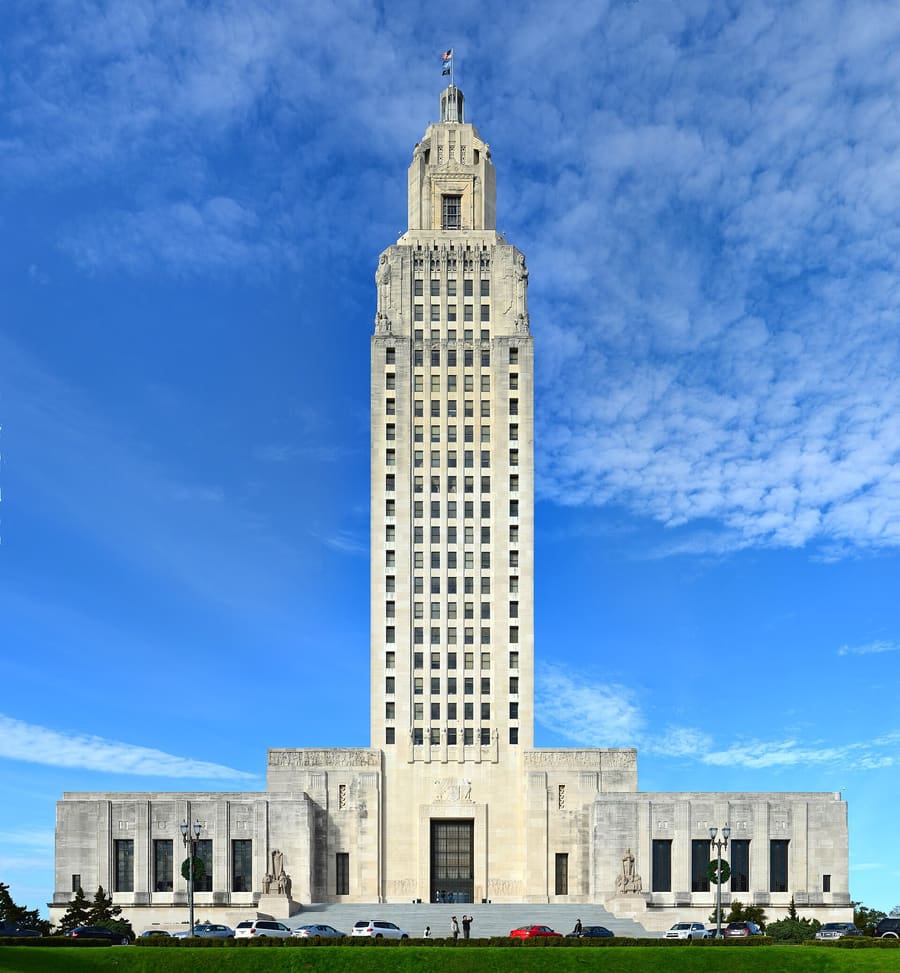
Louisiana State Capitol
Walk the 27th-floor observation deck for views of the river. Admission to the building and deck is free.
Tanya ParleyAmerika Serikat
Louisiana's political heart and a center for Creole and River Parish culinary traditions.
introduction
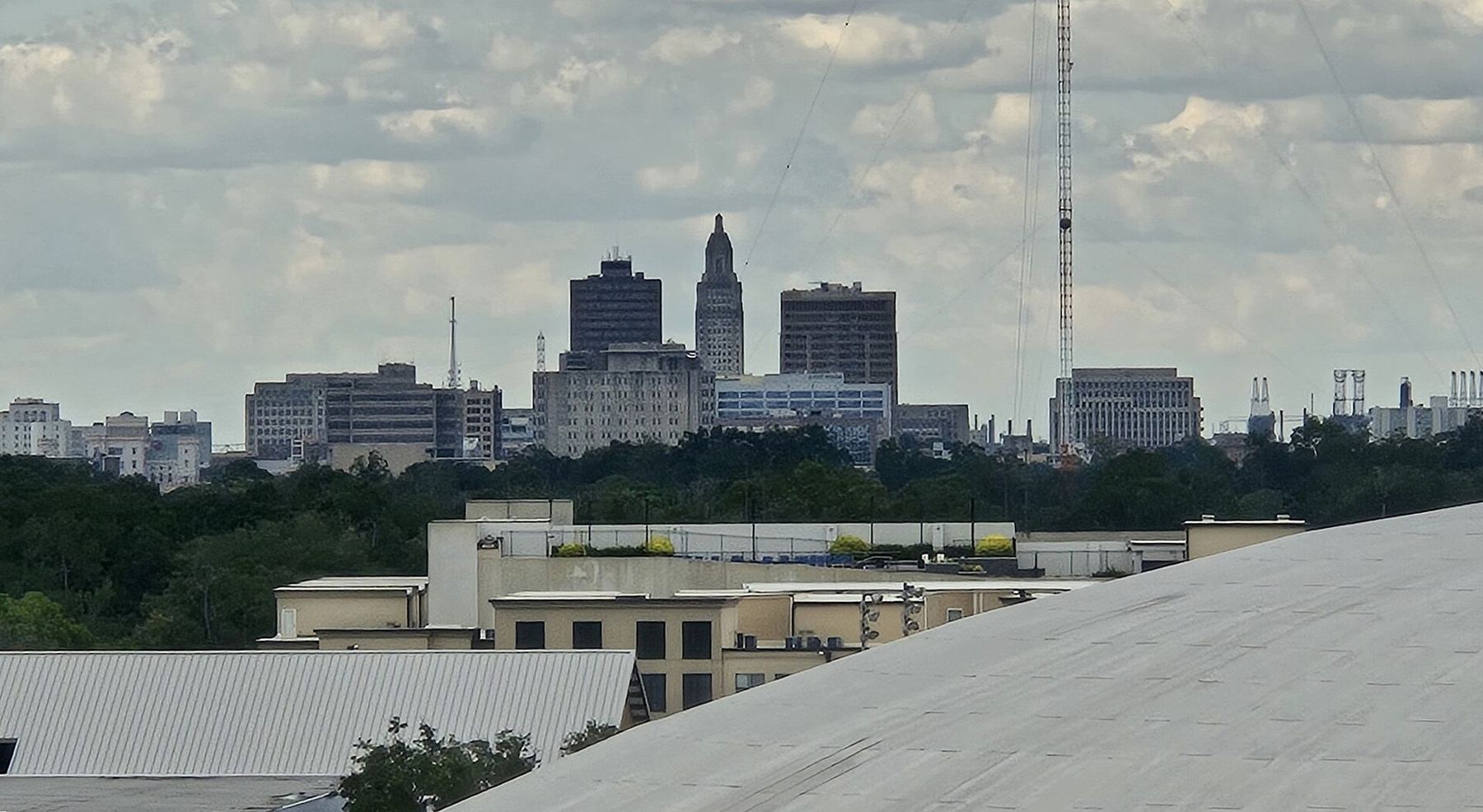
Baton Rouge sits on a high bluff along the Mississippi River, 80 miles northwest of New Orleans. The city operates around state government, petrochemical industrial ports, and Louisiana State University. A car is mandatory for almost all trips beyond the downtown core. Expect heavy humidity and sudden thunderstorm downpours year-round.
Airport transit trick
Baton Rouge Metropolitan Airport sits eight miles north of downtown. Rideshare services cost roughly $20 to $25, while bus route 72 runs hourly for $1.75.
Tallest state capitol
The Louisiana State Capitol stands at 450 feet high. It remains the tallest state capitol building in the United States.
Game day traffic gridlock
LSU home football Saturdays bring 100,000 visitors to campus. Avoid driving anywhere near Interstate 10 or South Stadium Drive on those days.
Baton Rouge
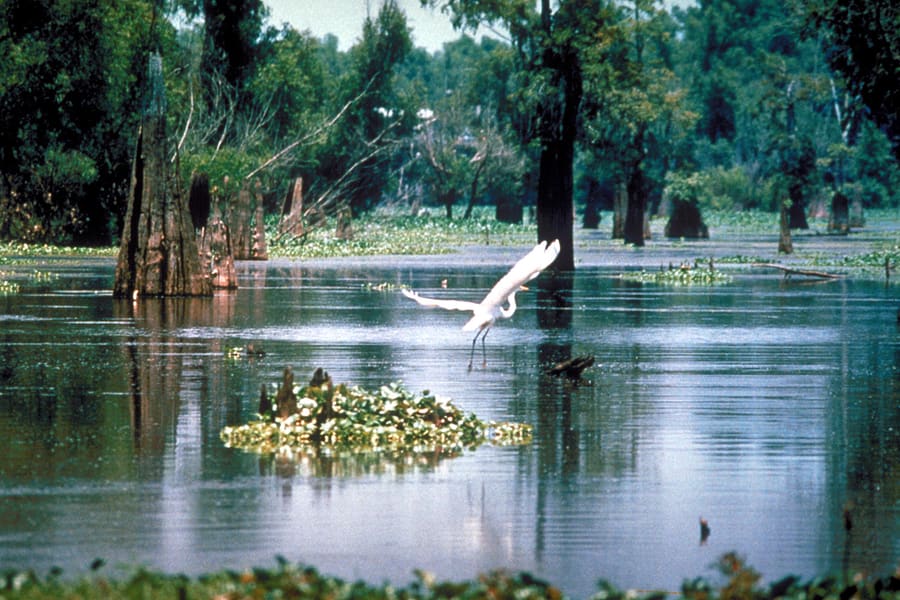
U.S. Army Corps of Engineers, photographer not specified or unknown · Public domain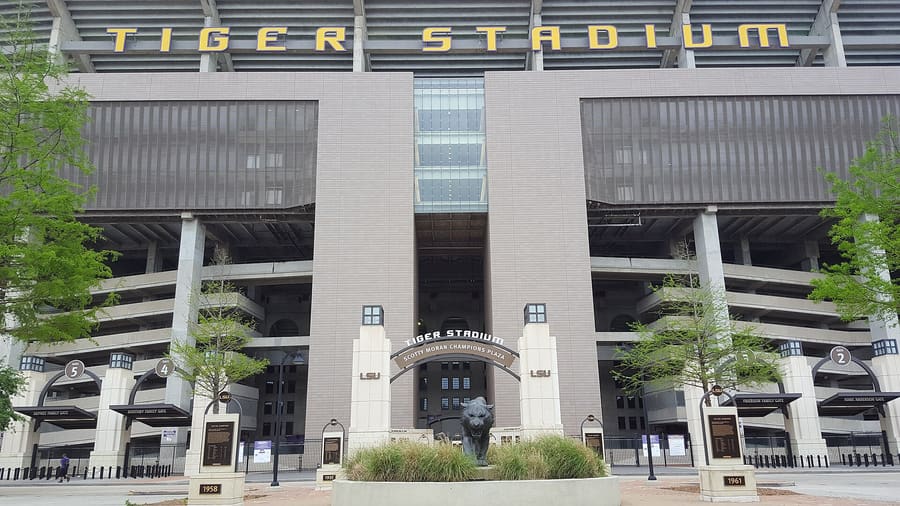
LSU / University District — Campus district dominated by oak trees, tailgate lots, student housing, and late-night eateries.
Spatms · CC BY-SA 4.0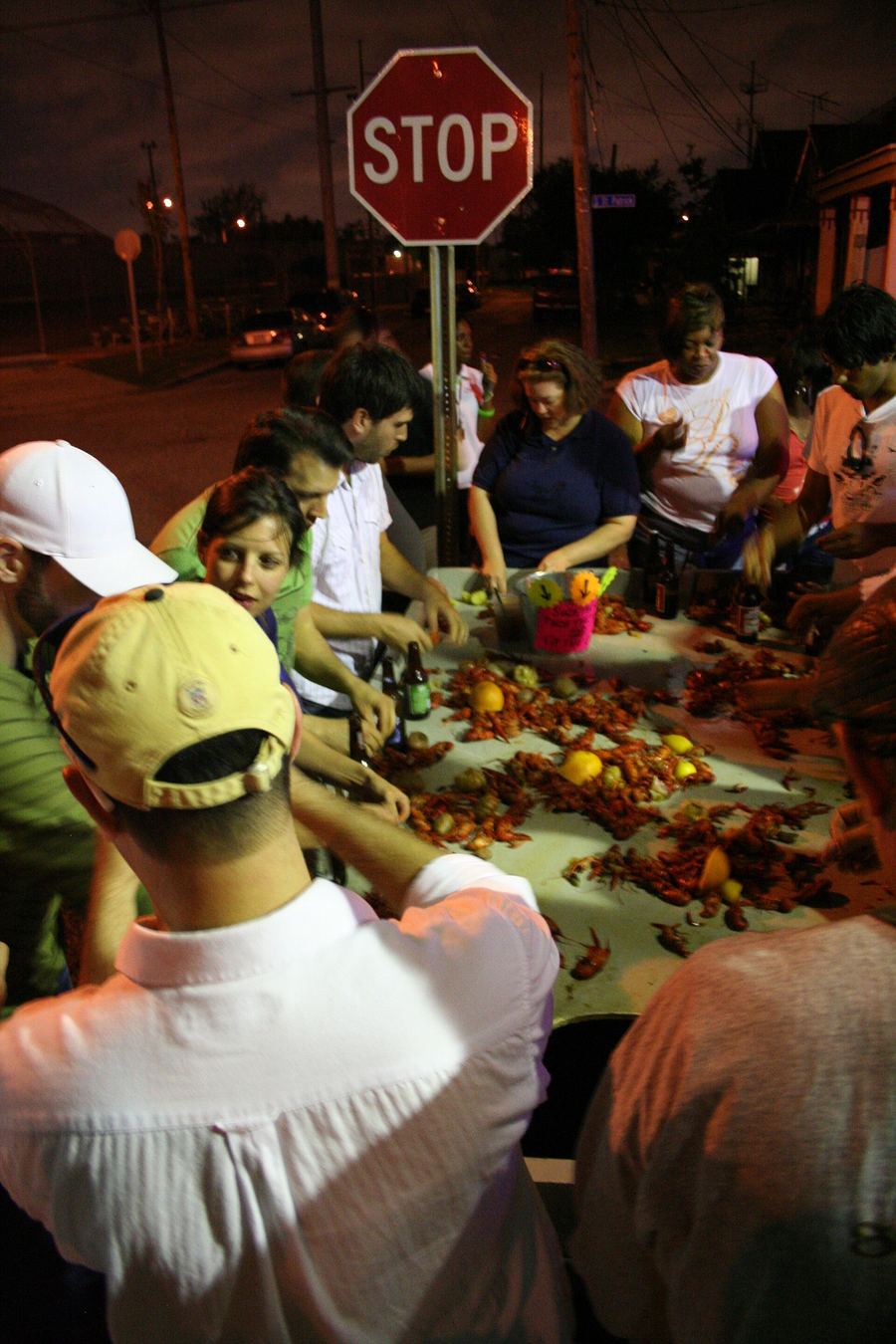
A traditional Louisiana crawfish boil served with corn, potatoes, and sausage.
Matthew Ginger · CC BY 2.0highlights
landmark
Walk the 27th-floor observation deck for views of the river. Admission to the building and deck is free.
Tanya Parley
landmark
WWII Fletcher-class destroyer moored in the Mississippi. River levels dictate whether you climb up or down to board.
Tanya Parley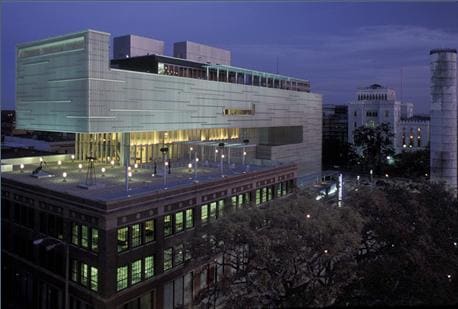
landmark
Multi-use arts complex with the LSU Museum of Art on the fifth floor. The rooftop terrace offers views of the river bridge.
Tanya Parleyattractions
areas
Campus district dominated by oak trees, tailgate lots, student housing, and late-night eateries.
DekatTiger Stadium, LSU Rural Life Museum, Chimes Street
Tanya ParleyWalkable administrative district with government offices, riverfront parks, and historic landmarks.
DekatLouisiana State Capitol, USS Kidd, Mississippi River Levee path
Tanya ParleyCorridor along Government Street packed with independent coffee shops, retro diners, and craft breweries.
DekatBaton Rouge Community College, City Park, Garden District
Tanya ParleyNeighborhood hub around the elevated railroad track featuring wine bars, pizza spots, and clothing boutiques.
DekatGarden District, City Park Golf Course, LSU Lakes
Tanya Parleyfood
Baton Rouge sits at the boundary where Cajun prairie cuisine meets Creole city cooking. Local spots serve live-boiled crawfish by the pound from January through June. Gumbo here features a dark roux and smoked sausage alongside blue crab or chicken.
A traditional Louisiana crawfish boil served with corn, potatoes, and sausage.
Matthew Ginger · CC BY 2.0Buy crawfish from specialized seafood shacks like Tony's Seafood on Plank Road. Expect to pay $5 to $8 per pound cooked.
Order a half po'boy and gumbo combo at local counter-service spots like Poor Boy Lloyd's or The Chimes.
Pick up pork-and-rice boudin links at gas station delis along Highway 190 or Interstate 10 for quick regional breakfasts.
history
French explorer Pierre Le Moyne d'Iberville named the site Baton Rouge in 1699 after seeing a red pole marking tribal hunting boundaries. The settlement changed hands seven times before becoming Louisiana's state capital in 1849.
French encounter
Pierre Le Moyne d'Iberville spots a red cypress pole adorned with fish heads separating Bayougoula and Houma territories, naming the spot 'Red Stick'.
Capital relocation
Louisiana transfers its state government from New Orleans to Baton Rouge to reduce the political influence of New Orleans.
New Capitol built
Governor Huey P. Long completes construction on the 34-story state capitol building, where he is assassinated three years later.
Baton Rouge bus boycott
African American residents organize an eight-day boycott of segregated city buses, creating a blueprint for the 1955 Montgomery boycott.
where to stay
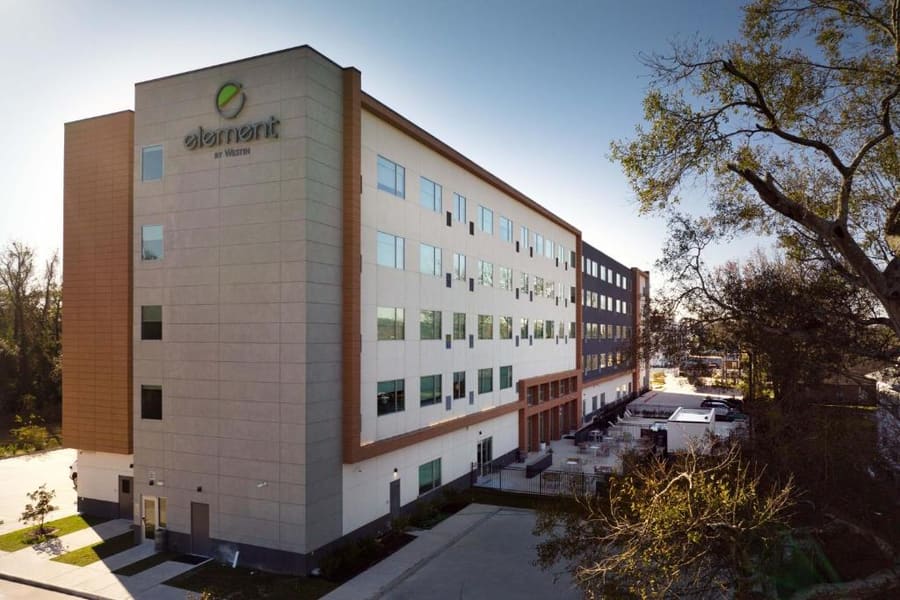
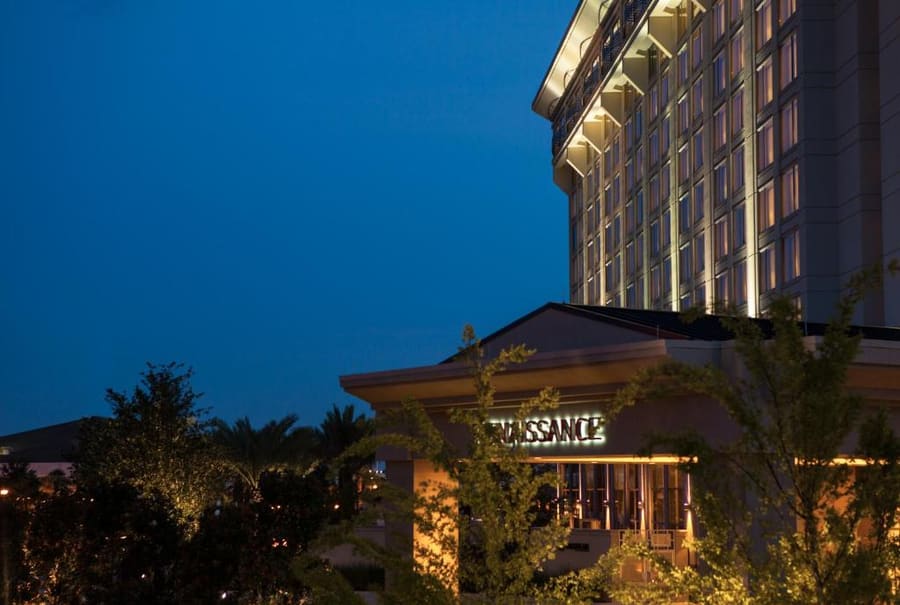
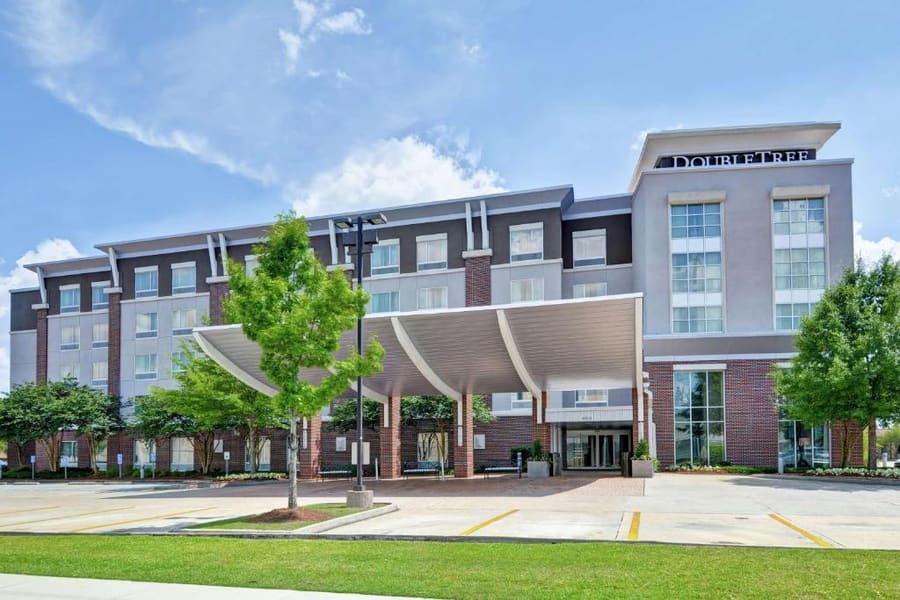
Choose by your primary reason for visiting. Stay Downtown if you want to walk to museums and the riverfront. Stay near LSU if you are attending a game or university event. Mid City suits long stays if you prefer local restaurants and quiet streets over high-rise hotels.
Live rates, matched to the areas above.
transport
Baton Rouge is designed for automobile travel. While Downtown and the LSU campus are walkable internally, traveling between districts requires a car or rideshare service.
Dari Baton Rouge Metropolitan Airport (BTR)
Picks up right outside the main terminal baggage claim doors.
Flat-rate taxis operate from the curb outside baggage claim.
CATS Bus Route 72 connects the airport directly to the downtown terminal.
Capital Area Transit System (CATS) operates local buses. Routes run infrequently, making cars necessary for efficient travel.
The Interstate 10 bridge compresses to two lanes westbound, causing heavy traffic delays every weekday between 4:00 PM and 6:30 PM.
The Mississippi River Levee path provides a paved, car-free route for walking or cycling between Downtown and LSU.
Street meters cost $1.00 per hour on weekdays from 8:00 AM to 5:00 PM and are free on evenings and weekends.
cost
Baton Rouge is more affordable than New Orleans. Expect lower hotel rates outside LSU football weekends, but factor in car rental fees as public transit is sparse.
Prices peak early in January and drop as local supply increases through April.
The Capitol buildings offer free entry, while specialized museums charge modest fees.
Covers a po'boy sandwich, side dish, and soft drink at local lunch counters.
Hotels require two-night minimum stays during LSU home football weekends.
seasonality
MAR – MAY
Mild temperatures and peak crawfish season. Spring outdoor festivals run throughout April.
JUN – AUG
High heat and intense humidity. Afternoon thunderstorms occur almost daily.
SEP – NOV
Cooler weather coincides with LSU football season. Hotel prices double on home game weekends.
DEC – FEB
Crisp, mild days with low humidity. Crawfish season starts in late January.
practicalities
LSU campus opens to tailgaters on home football game days. Campus transforms into a city-sized outdoor cookout.
Atlantic hurricane season runs from June 1 through November 30. Storms can bring severe wind and local flooding.
Combined state and parish sales tax in Baton Rouge totals 9.95% on non-food retail purchases.
The Mississippi River flows at rapid speeds past downtown. Swimming or entering the water is extremely dangerous.