landmark
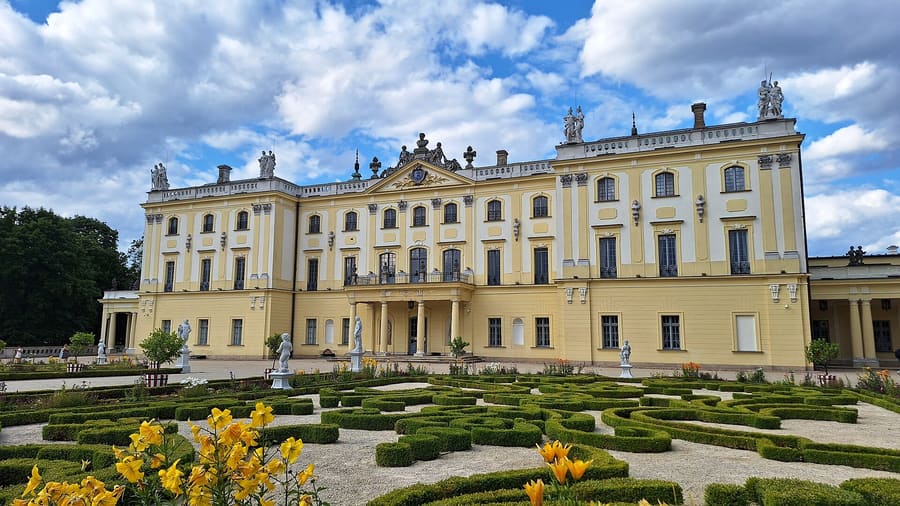
Branicki Palace
An 18th-century noble residence with restored French gardens. Access to the upper garden terraces is free daily.
Tanya ParleyPolandia
Baroque garden estates meet wooden borderland architecture.
introduction
Białystok is the cultural and economic center of northeastern Poland. You navigate its compact center on foot, moving between a triangular market square and expansive eighteenth-century garden grounds. The city delivers regional borderland dining, stark post-war modernism, and quiet wooden neighborhoods within a short walk of the center.
Arrival trick
Białystok has no commercial airport. Direct PKP InterCity trains from Warsaw Centralna arrive at Białystok Główny station in roughly two hours.
Saxon baroque heritage
The Branicki Palace gardens retain their French geometric layout, making them one of Poland's most complete surviving Saxon-era park designs.
Weekend dining window
Regional restaurants fill quickly on Saturday evenings. Reserve seats for dinner by Friday afternoon to secure local Podlaskie dishes.
Białystok
Rakoon · CC0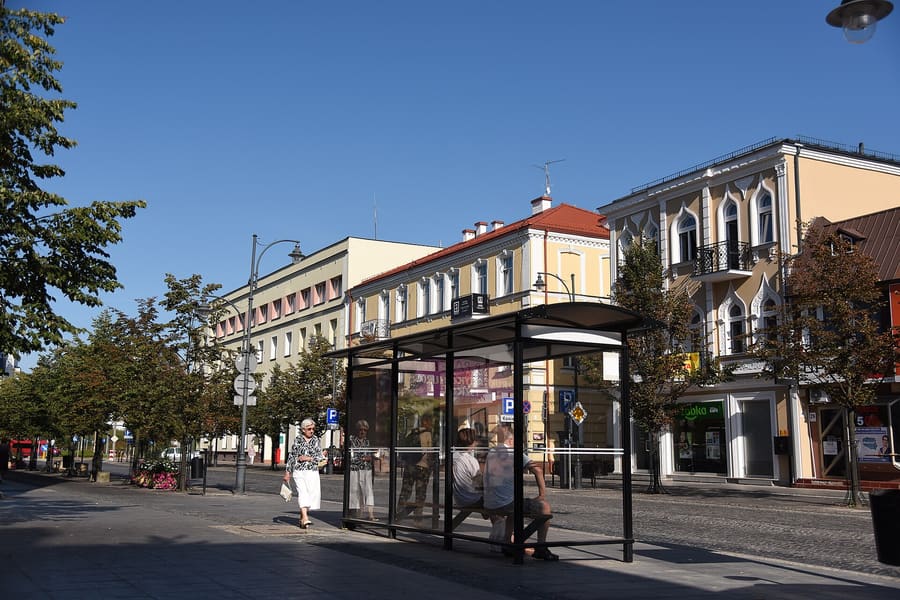
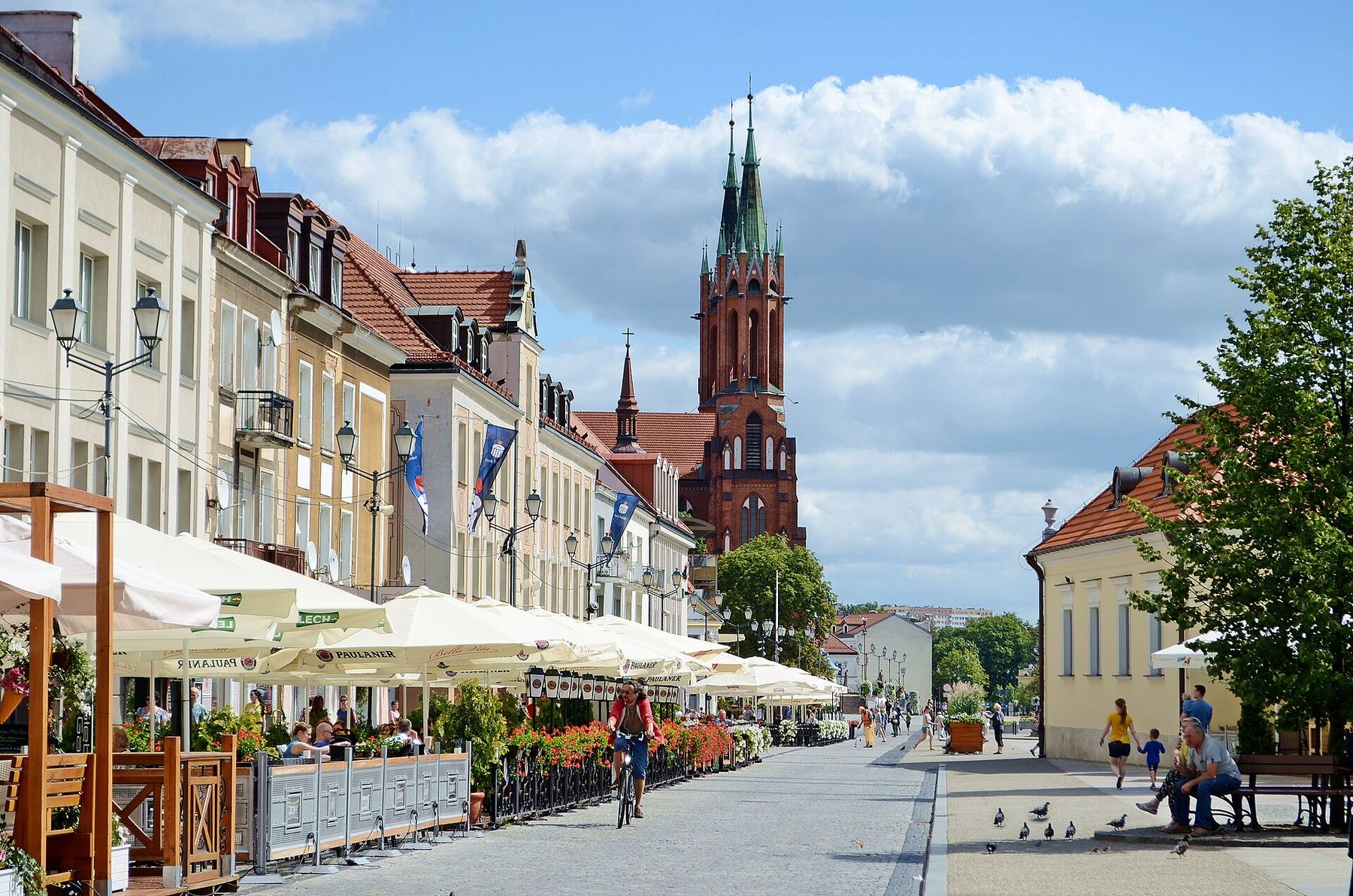
Centrum — Pedestrian avenues, café terraces, and dense post-war reconstructed masonry.
Rakoon · CC0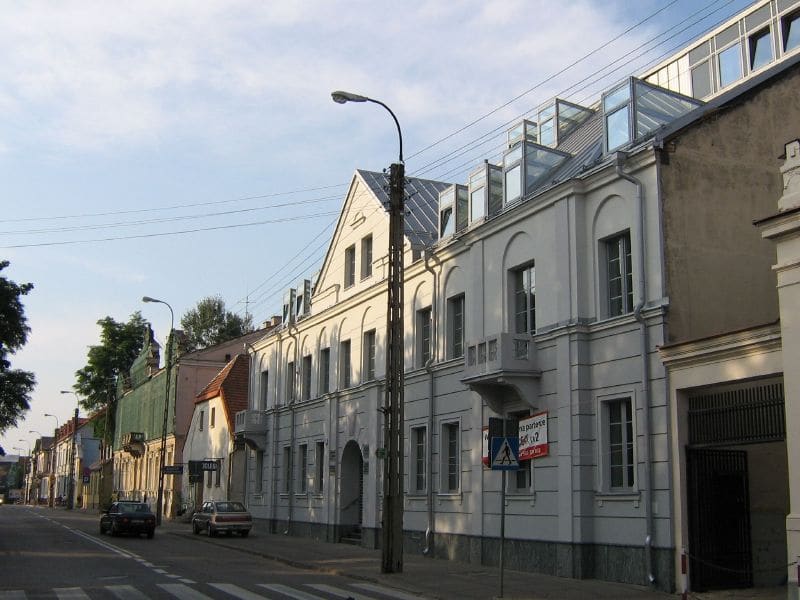
Bojary — Quiet residential side streets with original wooden architecture and private gardens.
Vlad · CC BY-SA 3.0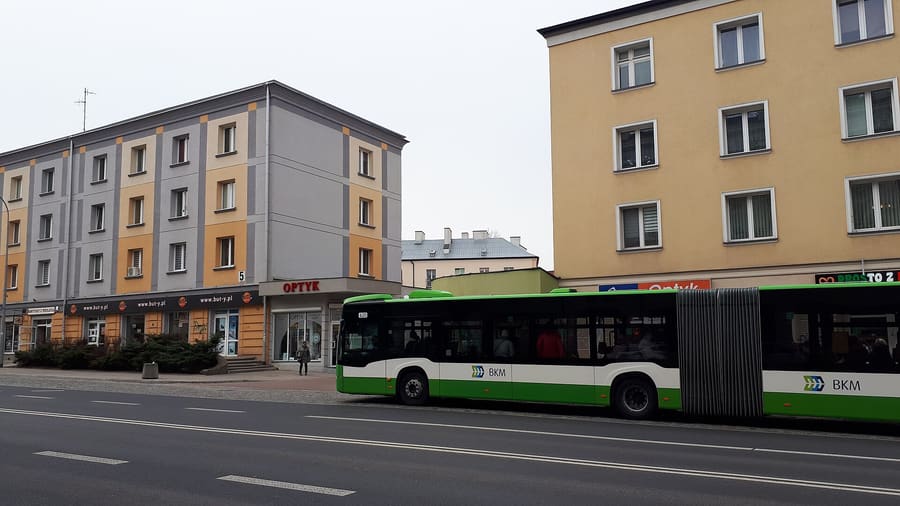
Sienkiewicza — Commercial transit spine with mix-use shopping blocks and local milk bars.
Rakoon · CC0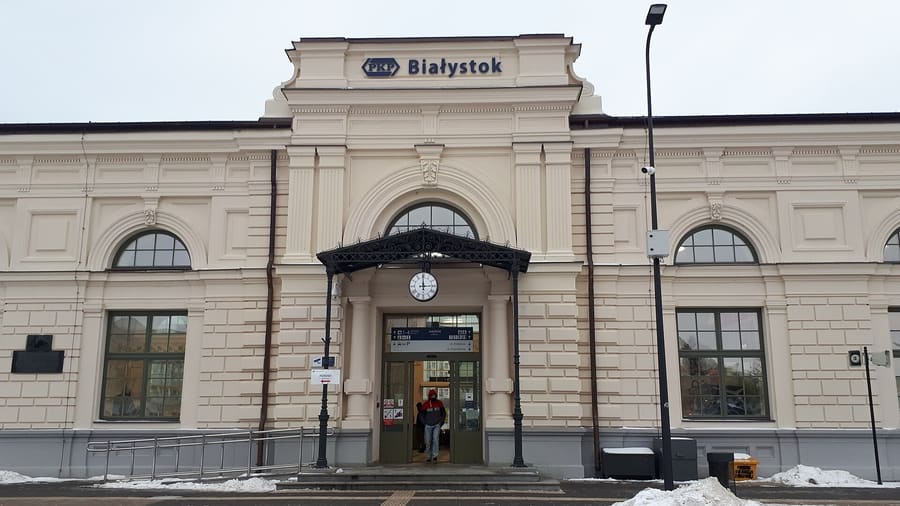
Przydworcowe — Transit hub district anchored by the main rail station and modern bus terminal.
Rakoon · CC0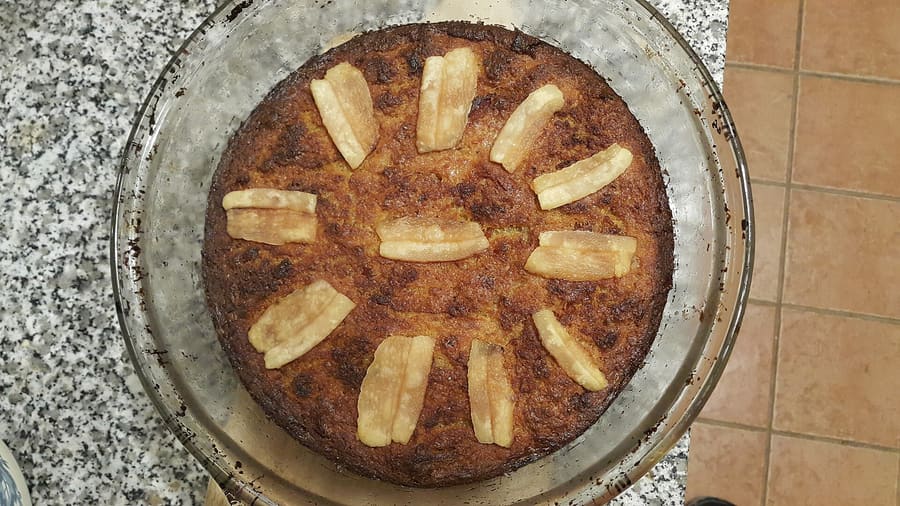
Babka ziemniaczana served with cream and lard toppings.
Zuzanna K. Filutowska · CC BY-SA 3.0highlights
landmark
An 18th-century noble residence with restored French gardens. Access to the upper garden terraces is free daily.
Tanya Parley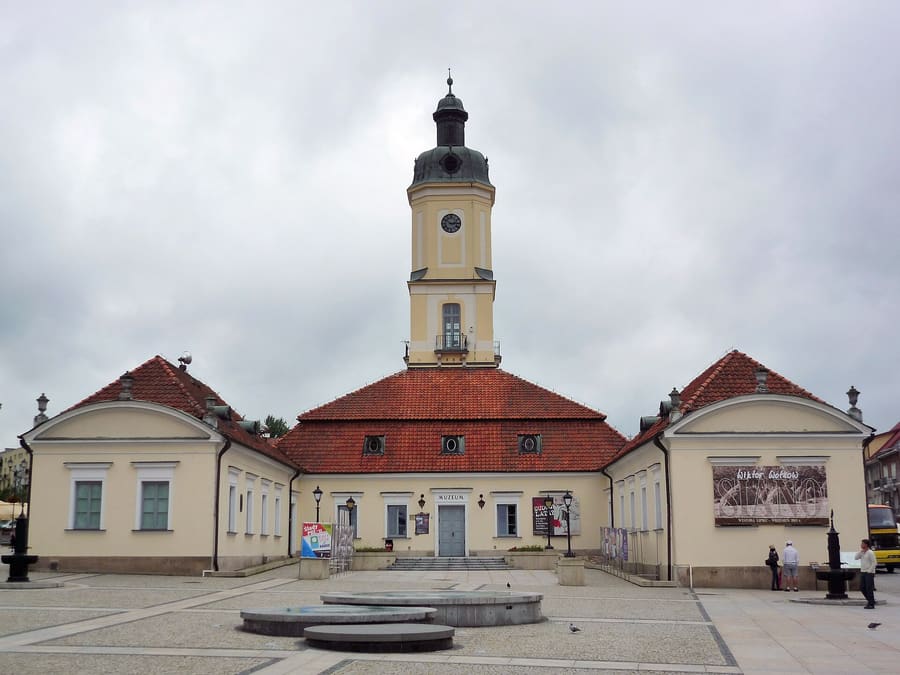
landmark
The central pedestrian axis framed by late-baroque municipal buildings. Walk the perimeter for regional bakeries.
Tanya Parley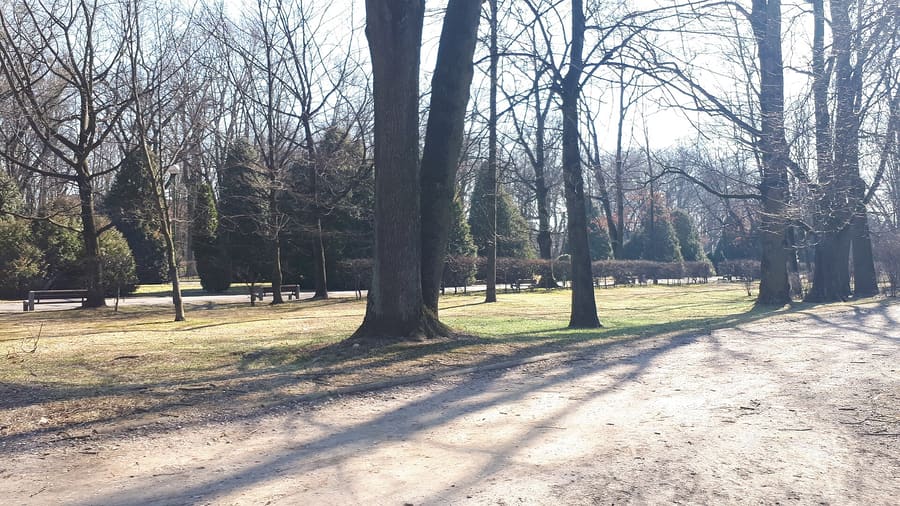
landmark
A structured green belt connecting the palace grounds to modern avenues. Fountains run illuminated during warm evenings.
Tanya Parley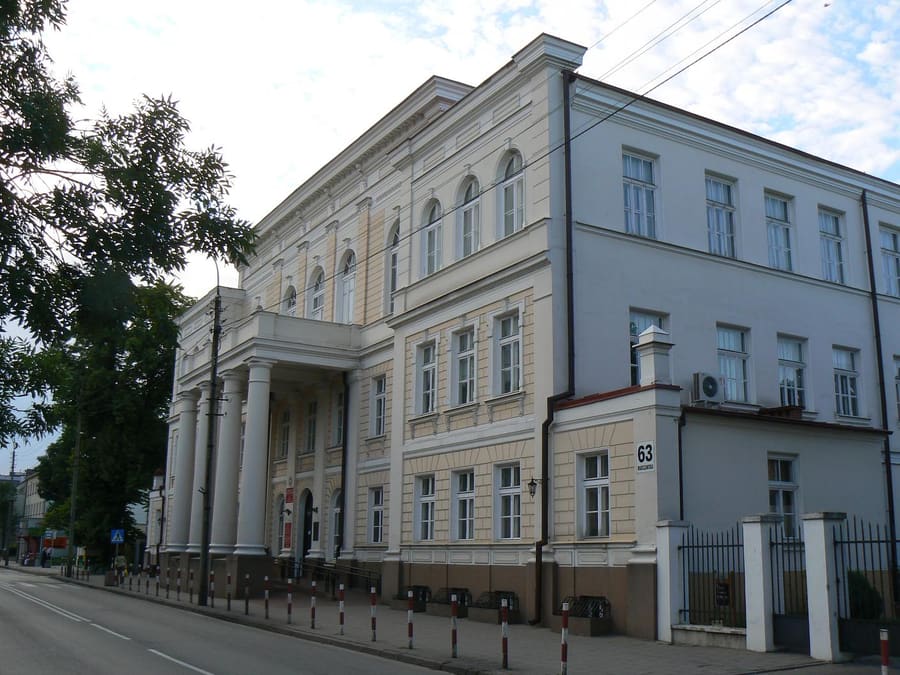
landmark
A rare surviving quarter of single-story 19th-century wooden homes. Visit before ongoing infill changes the streetscapes.
Tanya Parley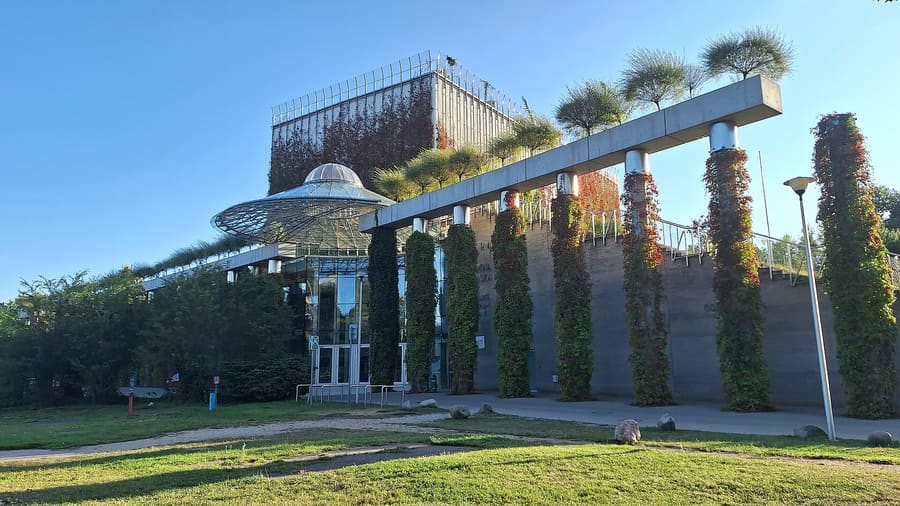
landmark
A modern glass structure with a rooftop garden. Rooftop terrace access provides views across the Western parklands.
Tanya Parleyattractions
areas
Pedestrian avenues, café terraces, and dense post-war reconstructed masonry.
DekatBranicki Palace, Rynek Kościuszki
Tanya ParleyQuiet residential side streets with original wooden architecture and private gardens.
DekatHistorical Museum
Tanya ParleyCommercial transit spine with mix-use shopping blocks and local milk bars.
DekatCentrum Market
Tanya ParleyTransit hub district anchored by the main rail station and modern bus terminal.
DekatBiałystok Główny Rail Station
Tanya Parleyfood
Podlaskie cuisine relies heavily on grated potatoes, pork lard, and slow baking methods. Local menus feature dishes shaped by centuries of Polish, Lithuanian, and Tatar cultural overlap.Babka ziemniaczana is a baked potato cake laced with smoked bacon. Kiszka ziemniaczana uses the same potato seasoned mix stuffed into sausage casings and roasted until crisp. You eat these at traditional restaurants along the central pedestrian streets.
Babka ziemniaczana served with cream and lard toppings.
Zuzanna K. Filutowska · CC BY-SA 3.0Local Bar Mleczny locations serve cheap potato pancakes (placki ziemniaczane) between 10:00 and 16:00.
Outdoor restaurant seating on Rynek Kościuszki fills by 18:00 from May through September.
history
Białystok expanded rapidly in the eighteenth century under Hetman Jan Klemens Branicki, who transformed a modest settlement into a lavish palace residence. Industrial expansion followed in the nineteenth century, establishing the city as a major textile manufacturing center.The city developed a diverse population of Poles, Jews, Belarusians, and Tatars. Scholar Ludwik Zamenhof grew up in Białystok but moved to Warsaw in 1873, where he published Esperanto in 1887, motivated by the city's complex multiethnic society.
City Rights
King Augustus III grants Białystok city rights, spurring palace construction.
Esperanto Created
Ludwik Zamenhof publishes the first Esperanto textbook after growing up in Białystok.
Ghetto Uprising
Jewish residents launch an armed revolt against Nazi deportations within the Białystok Ghetto.
Post-war Rebuilding
Heavy wartime destruction leads to the redesign and reconstruction of the central square.
where to stay
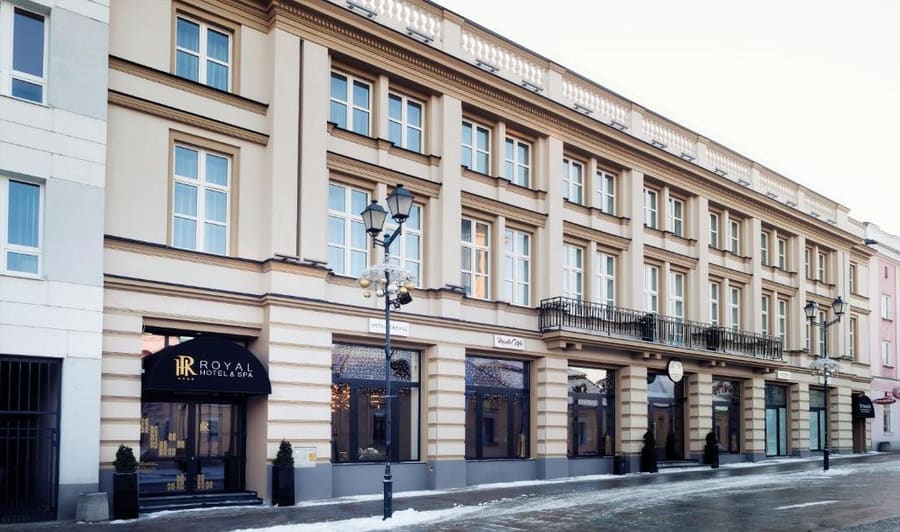
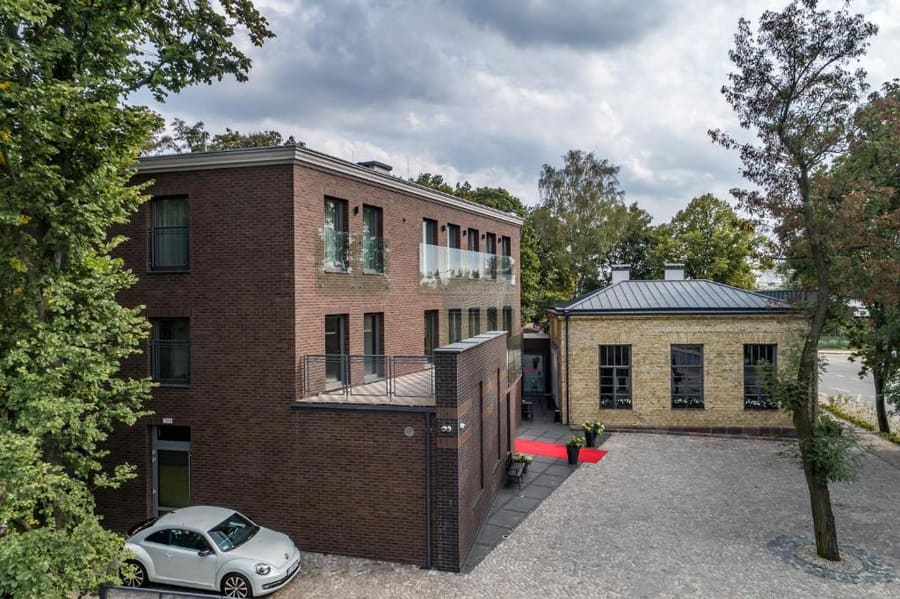
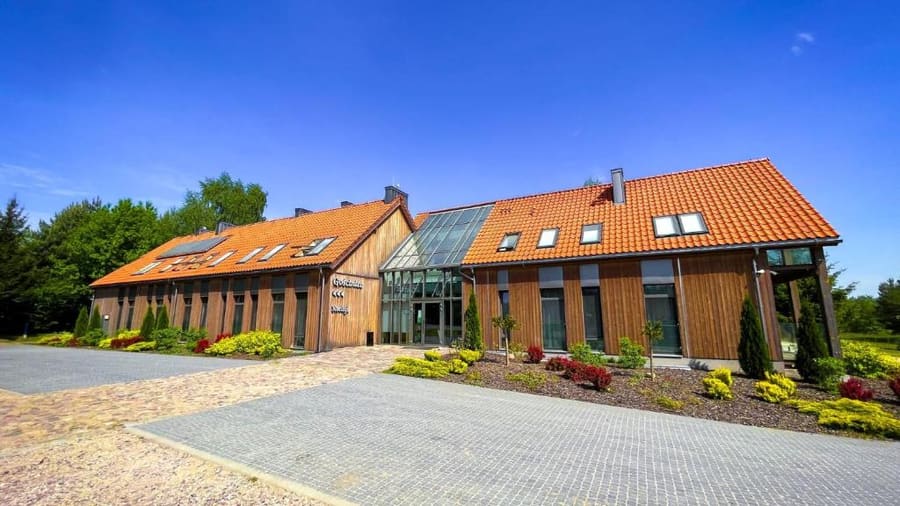
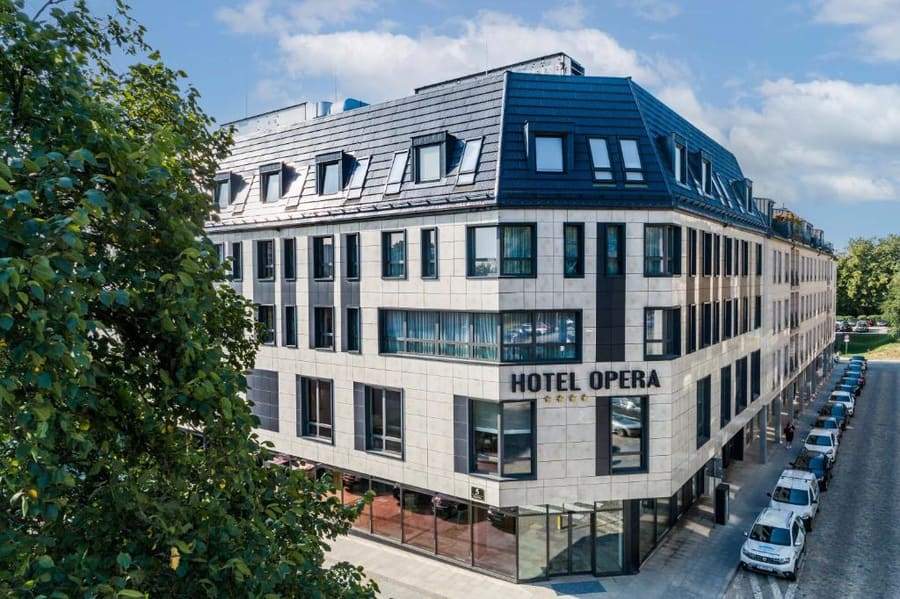
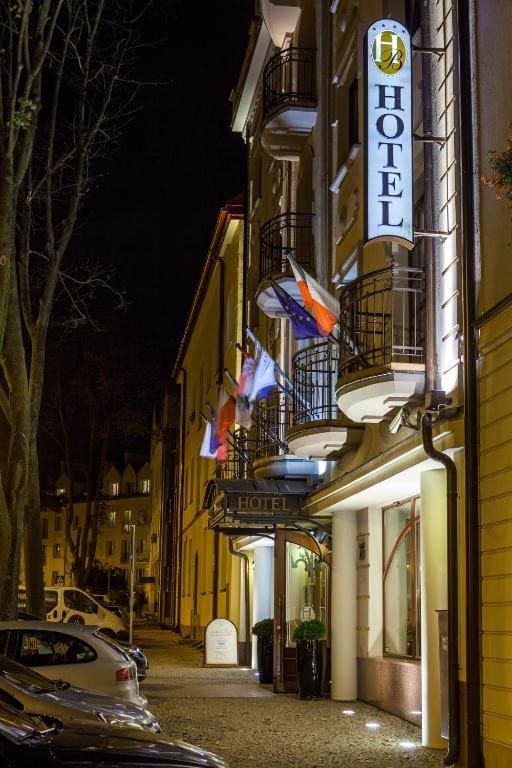
Choose your base according to your arrival method and walk preferences. Staying within Centrum keeps top restaurants and palace gardens within ten minutes on foot.
Live rates, matched to the areas above.
transport
Białystok operates a clean and efficient municipal bus network run by BKM. There are no trams or underground lines. The city center is easily navigable on foot.
Dari Białystok Główny Rail Station
Official taxi ranks operate outside the main station hall.
Pickups occur at the designated drop-off zone on Kolejowa street.
You tap your contactless payment card at the onboard validator upon entering BKM buses.
Night buses run limited routes hourly on Friday and Saturday nights.
Most central landmarks sit within a 1.5-kilometer radius of Rynek Kościuszki.
cost
Białystok remains noticeably more affordable than Warsaw or Kraków. Dining and local transport deliver high value for international visitors.
Specialty coffee shops around Lipowa street charge standard regional prices.
Includes a soup and a main potato course at central milk bars and regional restaurants.
Covers two main courses, regional drinks, and tip at local restaurants.
seasonality
MAR – MAY
Spring temperatures rise slowly. Park trees bloom by late April, bringing comfortable conditions for walking tours.
JUN – AUG
Warm summer days with outdoor dining and lively park fountains. Book hotels two weeks early for July weekends.
SEP – NOV
Crisp autumn air ideal for day trips into neighboring forests. Autumn foliage in Branicki Park peaks in October.
DEC – FEB
Cold winters with frequent snow cover. Outdoor sightseeing slows down, but regional restaurants stay cozy.
practicalities
Most large grocery stores and retail shops close on Sundays under national Polish trading restrictions.
Contactless card payments are standard everywhere, from luxury hotels to small bakery counters.
English is widely spoken by younger service staff in the city center.
City park gates stay open round-the-clock without entry fees.