landmark
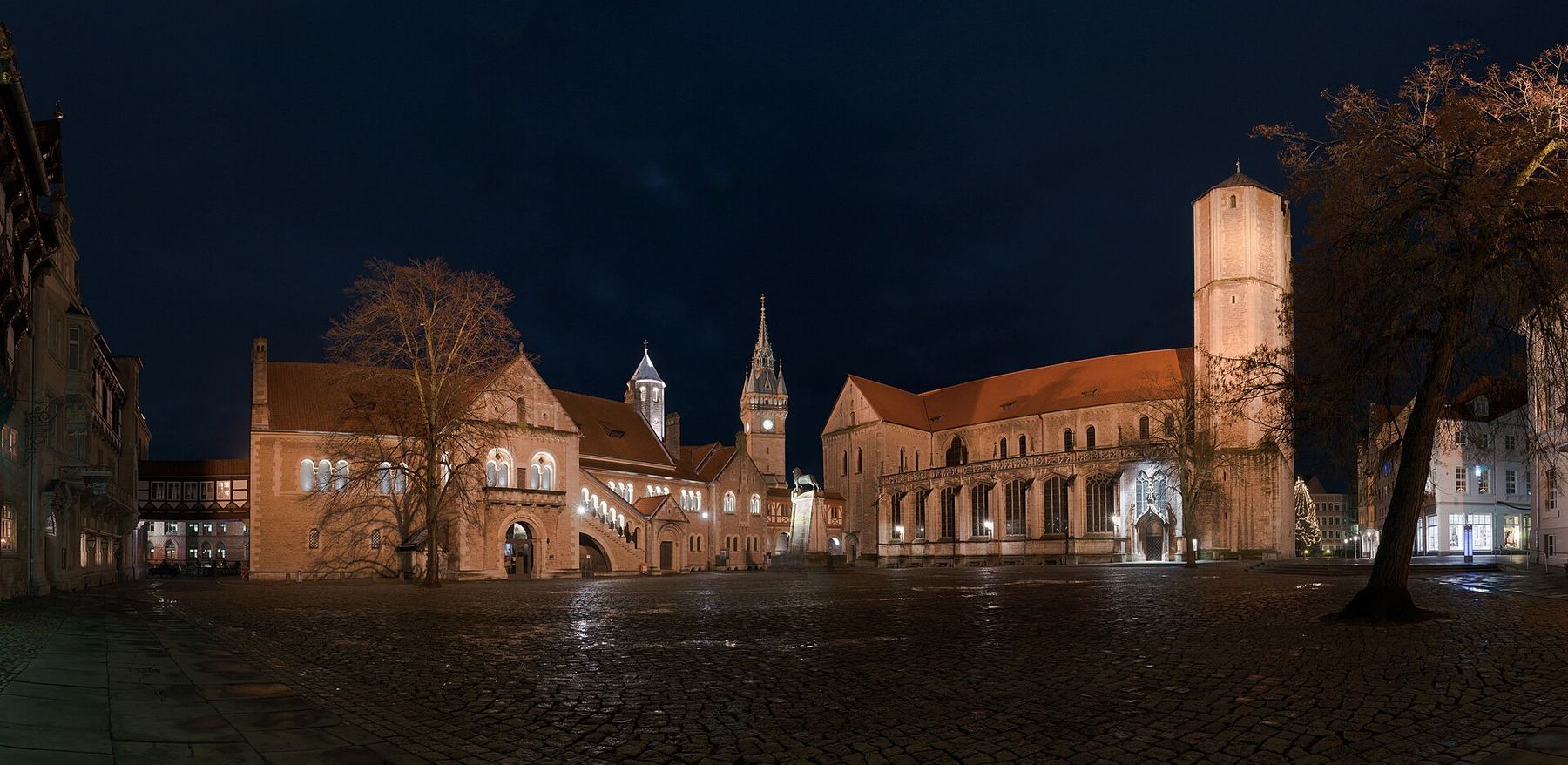
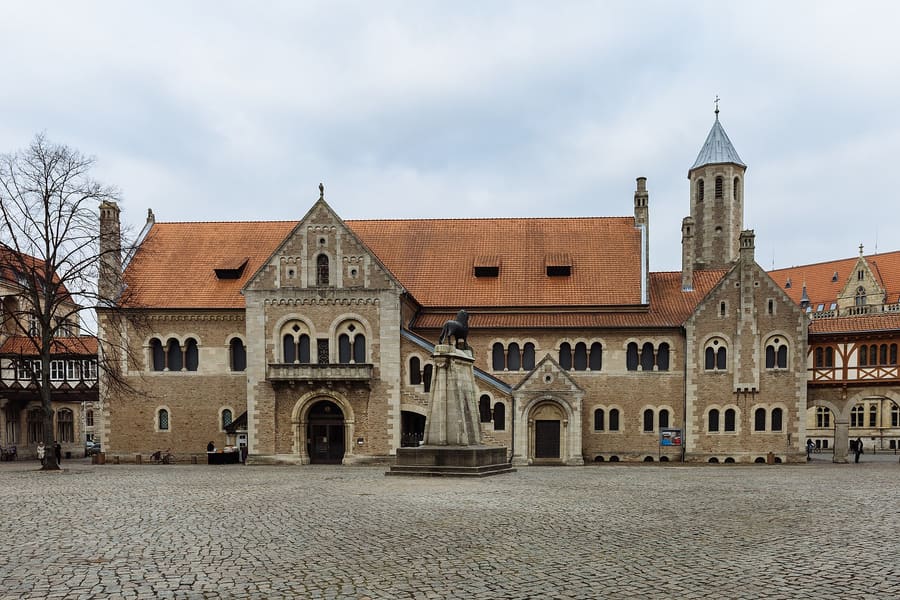
Burgplatz
Henry the Lion established this square in the 12th century. The bronze lion replica stands in the center.
Tanya ParleyJerman
Hanseatic history, malt traditions, and ducal art.
introduction
Braunschweig surrounds its medieval squares with a green river loop formed by the Oker. Trams efficiently connect the central pedestrian ring to residential quarters and the main train station. You can walk across the entire historic core within twenty minutes without touching motorized traffic. Expect a balanced mix of reconstructed ducal heritage, pop-art landmarks, and quiet canal parks.
Rail arrival connection
Braunschweig Hauptbahnhof sits 1.5 km southeast of the center. Tram lines 1 and 2 connect the station directly to Rathaus in seven minutes.
Europe's earliest museum public access
The Herzog Anton Ulrich Museum opened in 1754. It stands among the oldest public art museums in continental Europe.
Braunschweig
Stefan Schäfer, Lich · CC BY-SA 4.0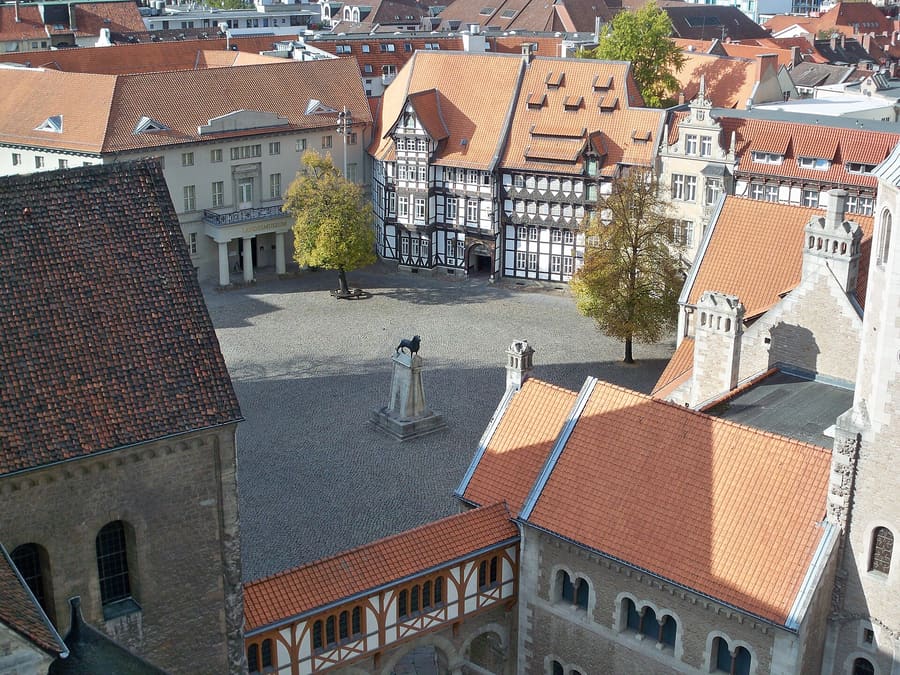
Innenstadt — Pedestrianized shopping streets centered on medieval plazas and historic monuments.
Vanellus Foto · CC BY-SA 3.0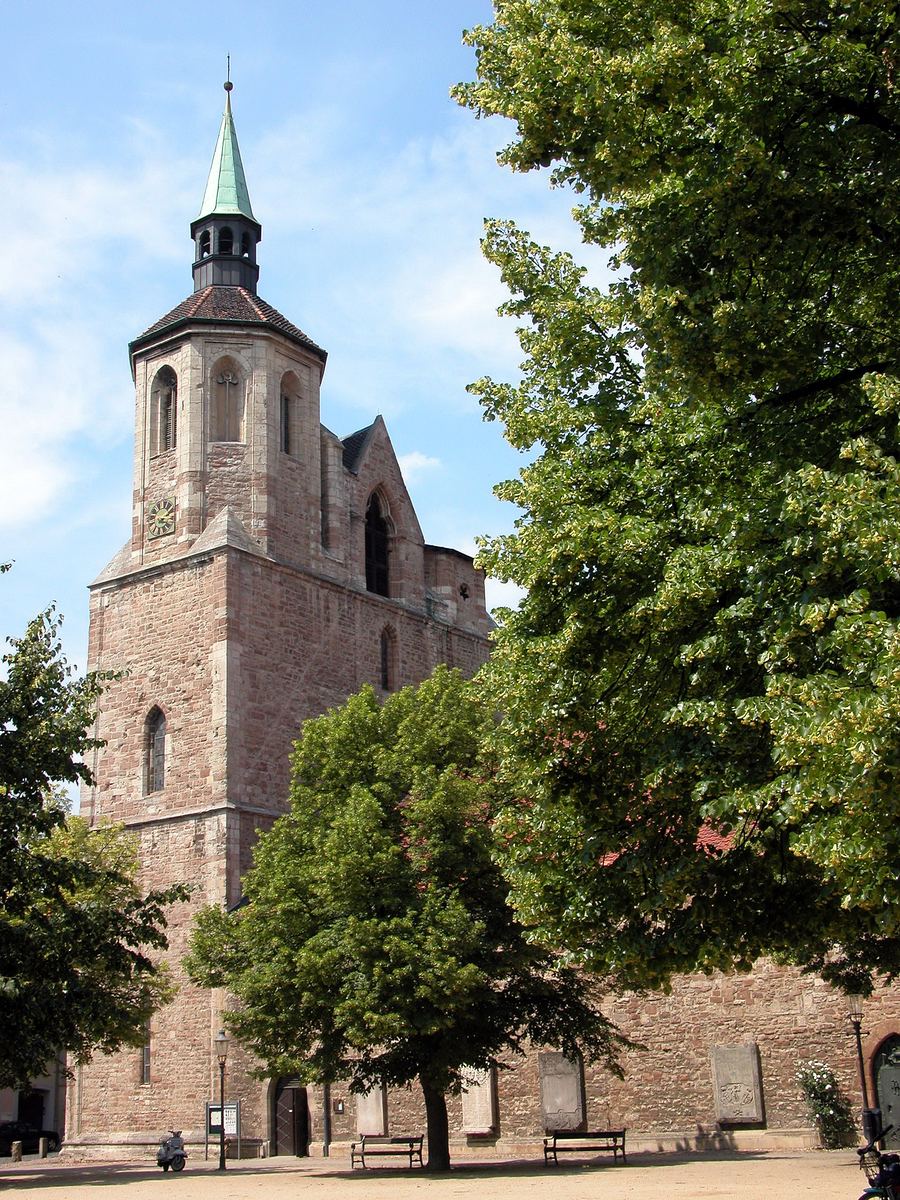
Magniviertel — Restored timber-framed alleyways with independent cafes, pubs, and craft boutiques.
User:Brunswyk · CC BY-SA 3.0highlights
landmark
Henry the Lion established this square in the 12th century. The bronze lion replica stands in the center.
Tanya Parley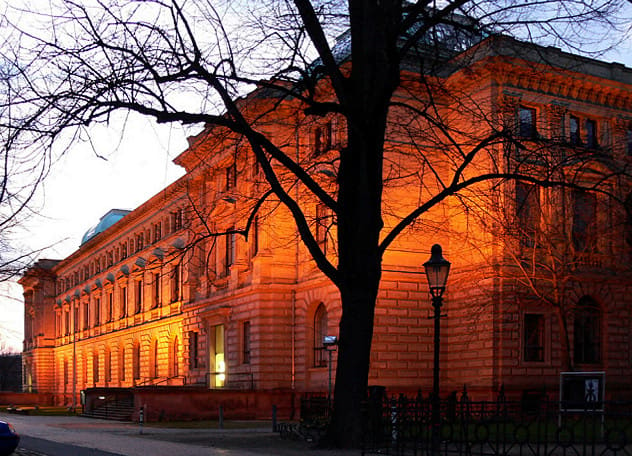
landmark
Displays masterworks by Vermeer, Rembrandt, and Rubens. Closed on Mondays.
Tanya Parley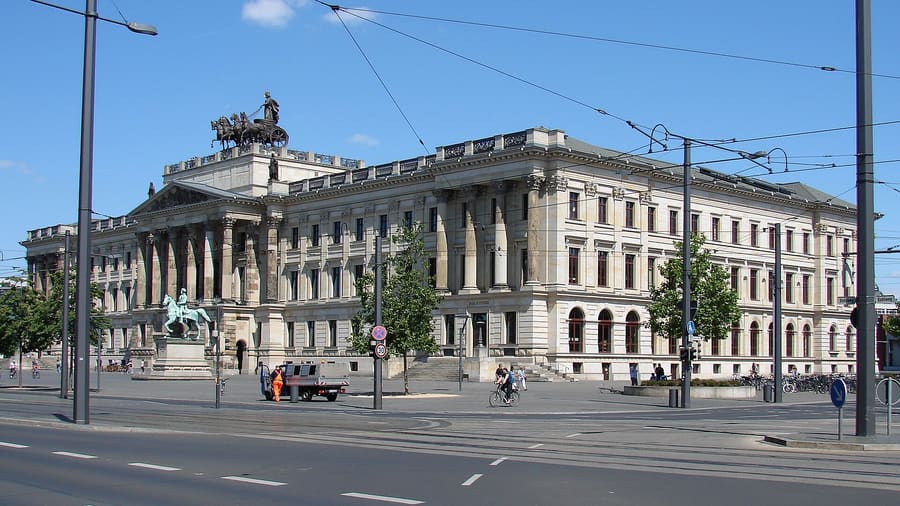
landmark
Reconstructed palace housing a shopping mall and museum. Take the stairs to the rooftop platform for views of the chariot statue.
Tanya Parley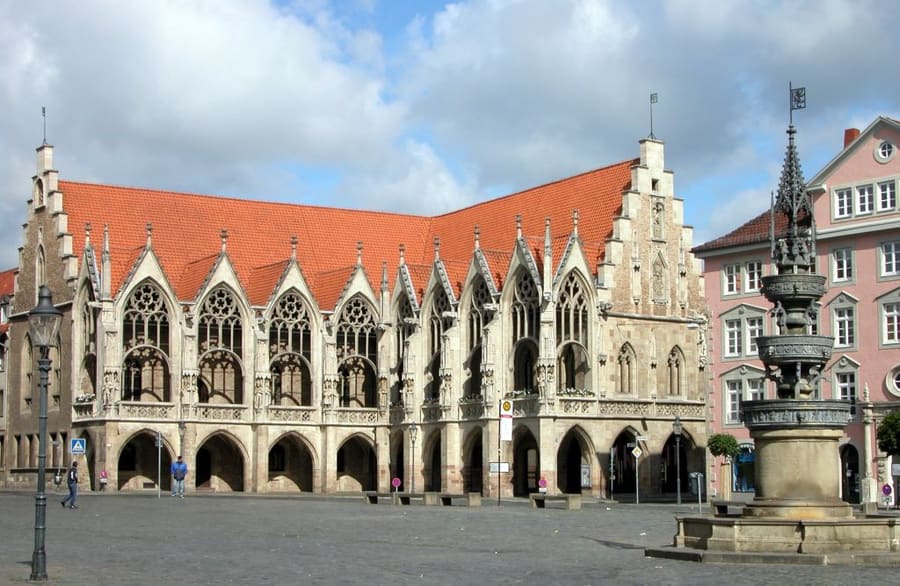
landmark
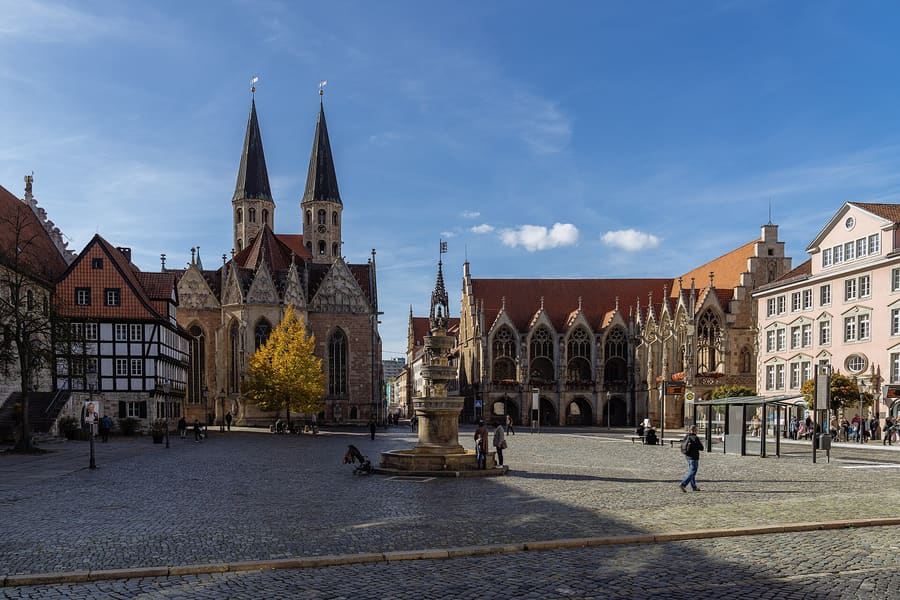
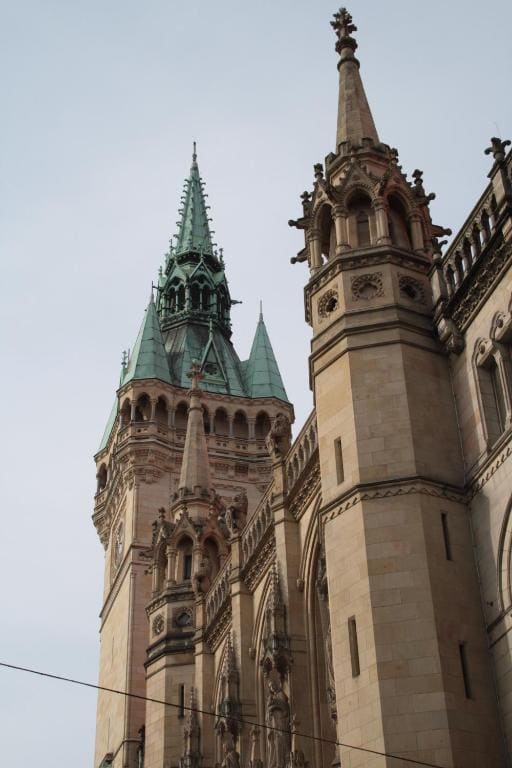
Gothic town hall and Marienbrunnen fountain frame this plaza. Wednesdays and Saturdays host the regional produce market.
Tanya Parleyattractions
areas
Pedestrianized shopping streets centered on medieval plazas and historic monuments.
DekatBurgplatz, Braunschweiger Dom, Altstadtmarkt
Tanya ParleyRestored timber-framed alleyways with independent cafes, pubs, and craft boutiques.
DekatHappy Rizzi House, St. Magni Church, Schloss-Arkaden
Tanya ParleyQuiet 19th-century residential avenues running parallel to broad green parkland.
DekatPrinzenpark, Theater Park, Oker River paths
Tanya ParleyFormer industrial quarter turned creative hub with student venues and neighborhood bars.
DekatWestpark, Ringgleis walking trail, Cyriaksring
Tanya Parleyfood
Braunschweig cuisine relies heavily on Mumme, a thick malt extract produced here since 1390. Local chefs glaze meats, bake bread, and brew beers using this sweet syrup. Regional pork dishes like Braunschweiger Mettwurst appear across traditional butcher shops and menus throughout the city core.
Order Mumme-Gulasch or dark Mumme beer at traditional dining rooms around the Altstadtmarkt.
May and June bring Braunschweiger Spargel directly from nearby farms to daily menus.
history
Founded in the 9th century, Braunschweig grew into a dominant trading hub under Duke Henry the Lion in the 12th century. The city joined the Hanseatic League and built fortified guild halls around its market squares. Industrialization brought railroad development and machinery plants, followed by severe wartime damage that required extensive post-war reconstruction of key historic monuments.
Henry the Lion erects the Lion Statue
Duke Henry the Lion casts the bronze Braunschweig Lion as a symbol of his authority in Burgplatz.
Hanseatic League membership
Braunschweig joins the Hanseatic League, controlling grain and metal trade routes across northern Europe.
Ducal Museum opens
Duke Charles I opens the Herzog Anton Ulrich Museum to the public, setting an early precedent for public art display.
Wartime devastation
Air raids destroy over ninety percent of the timber-framed central city during the night of October 15.
Reconstruction of the Residenzschloss
The palace facade is rebuilt using original stones alongside modern shopping infrastructure.
where to stay
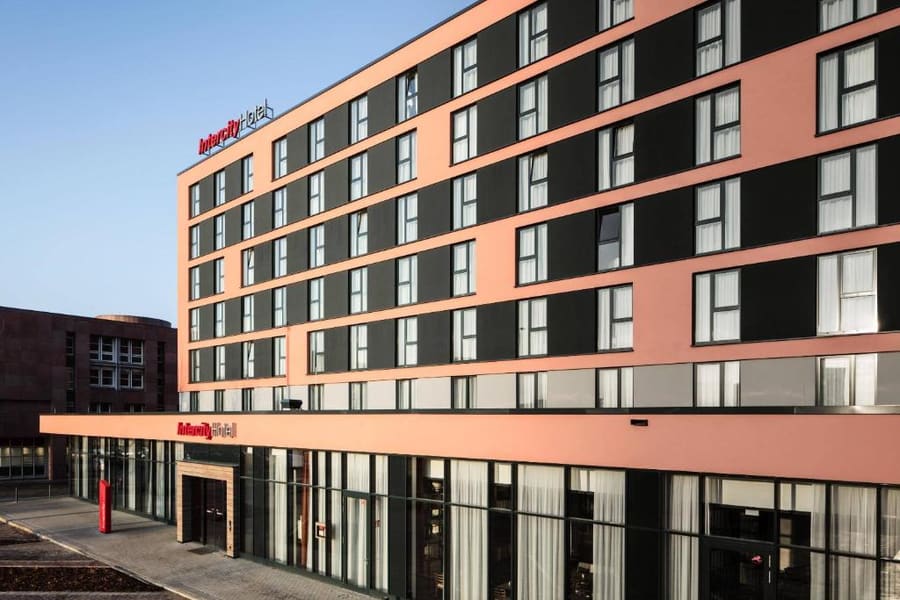
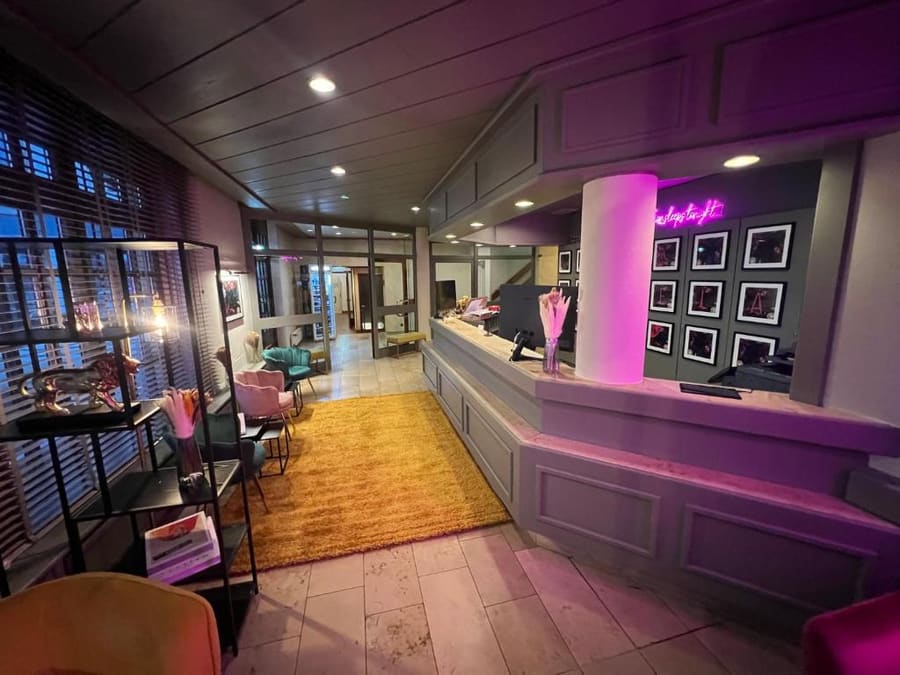
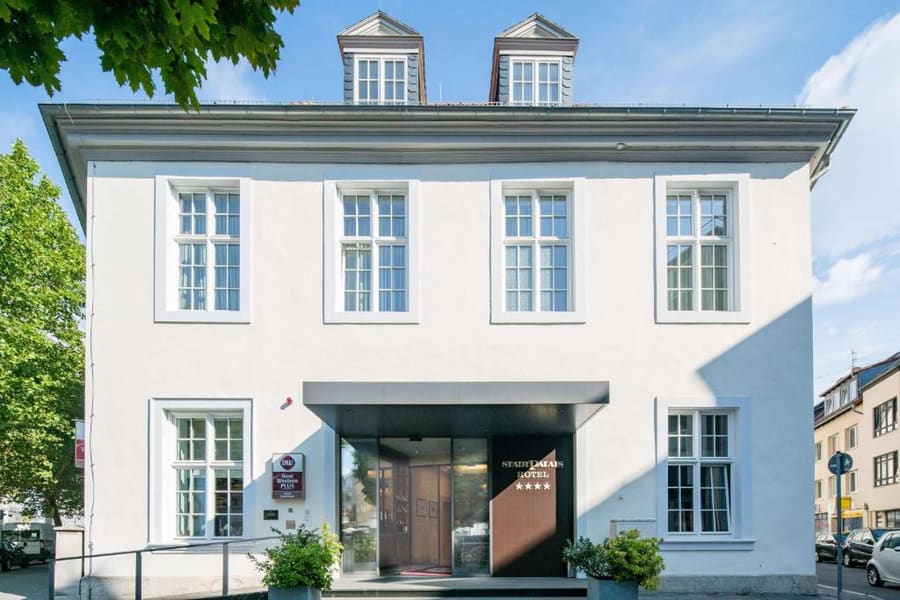
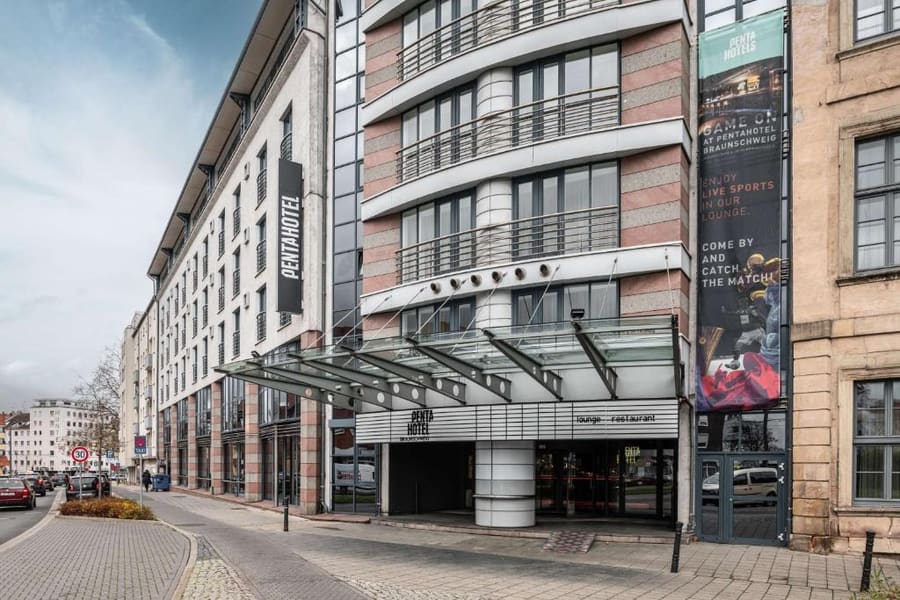
Choose your base according to transport needs and walking distance to the historic core. Staying in the Innenstadt puts sightseers inside the medieval ring road. The area near the Hauptbahnhof offers fast rail links but fewer late-night dining options. For residential surroundings with park access, book in the Östliches Ringgebiet.
Live rates, matched to the areas above.
transport
Braunschweig uses a clear grid of tram lines operated by BSVG. The main transit interchange is Rathaus, located at the northern edge of the central pedestrian zone. Most central attractions require no vehicle transport, but trams simplify trips to outer districts and the main train station.
Dari Braunschweig Hauptbahnhof (Train Hub)
Lines 1 and 2 run every 10 minutes directly from Hauptbahnhof to Rathaus.
Line 420 connects the main station to Schloss plaza.
Taxis queue directly outside the main exit of Hauptbahnhof.
Uber operates across the central urban zone.
A Tageskarte costs €7.20 and covers unlimited tram and bus rides within zone 40 for one person.
You can purchase tickets via the Meine BSVG app or ticket machines at major tram platforms.
Nightliner buses (lines N1 to N8) run hourly from Rathaus hub after midnight on weekends.
A continuous 22-kilometer bicycle path circles the former railway ring around the city.
cost
Braunschweig prices sit slightly below larger North German transit hubs like Hanover or Hamburg. Museum admissions remain modest, and public transit within city limits operates under a single fare band.
Covers access to permanent collections, with free admission for visitors under 18.
Valid for 90 minutes of travel in one direction across city zone 40.
Cash or card payment at the stair tower entrance to reach the rooftop chariot lookout.
Expect main courses like hearty meat dishes or local stews to cost between €14 and €20.
seasonality
MAR – MAY
Spring brings manageable temperatures and fresh regional asparagus menus to local markets.
JUN – AUG
Warm weather activates outdoor cafes in Magniviertel and open-air classical concerts at Burgplatz.
SEP – NOV
Crisp autumn afternoons favor museum visits and walks along the Ringgleis belt.
DEC – FEB
December draws regional crowds to the Christmas market surrounding Burgplatz and the Cathedral.
practicalities
All department stores and supermarkets close on Sundays except for shops inside Hauptbahnhof.
Locals call the city Brunswiek in Low German, a term often seen on local product labels.
Electric boat tours and canoe rentals operate around the Oker river ring from April through October.
Municipal and state museums in Braunschweig remain closed every Monday throughout the year.
The modern shopping mall inside the reconstructed palace stays open until 20:00 Monday to Saturday.