landmark
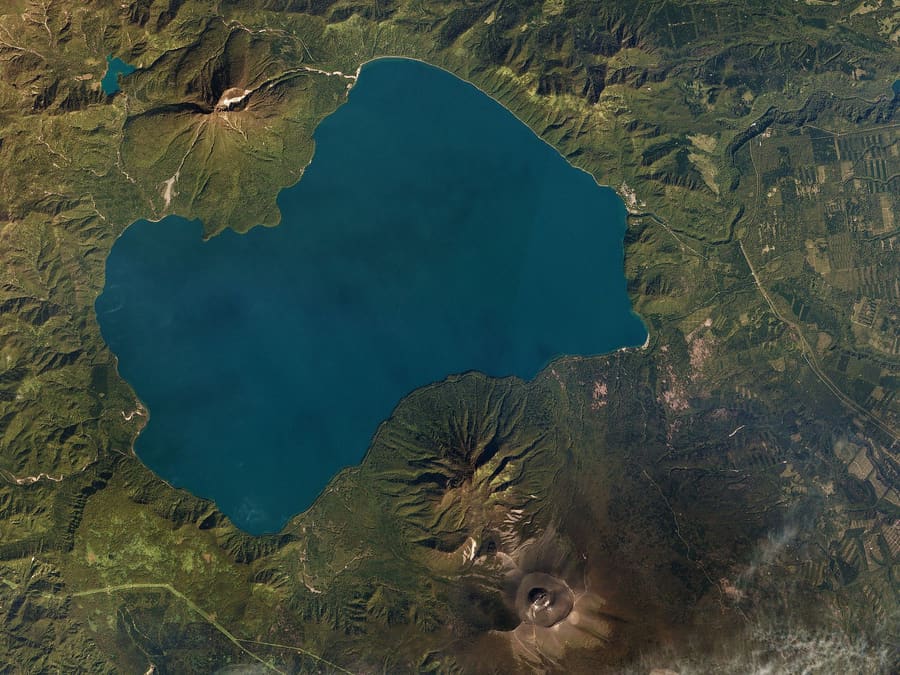
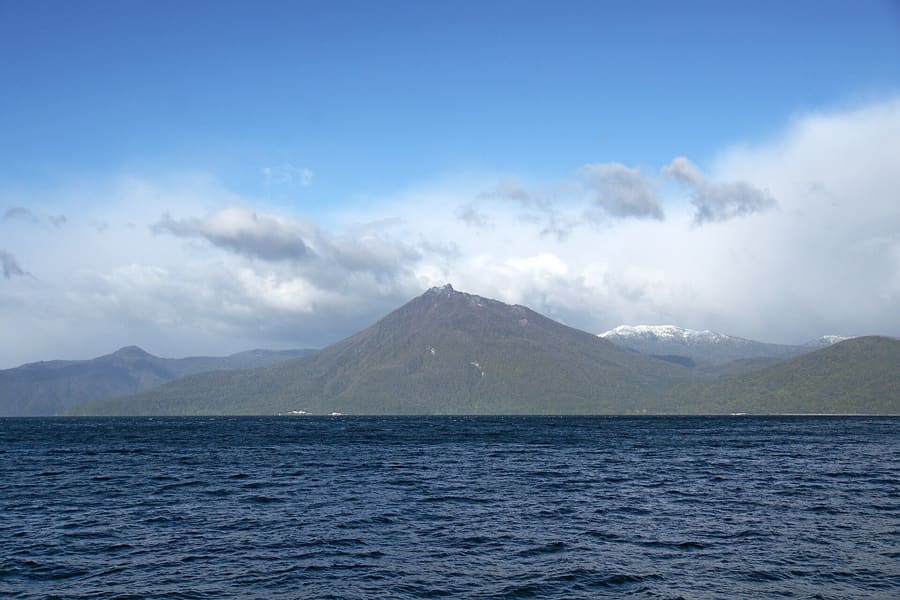
Lake Shikotsu
Japan's second deepest lake sits in a volcanic caldera. Rent kayaks at the pier or take the Chuo bus from Chitose Station.
Tanya ParleyJepang
Hokkaido's transit gateway anchored by volcanic lakes.
introduction
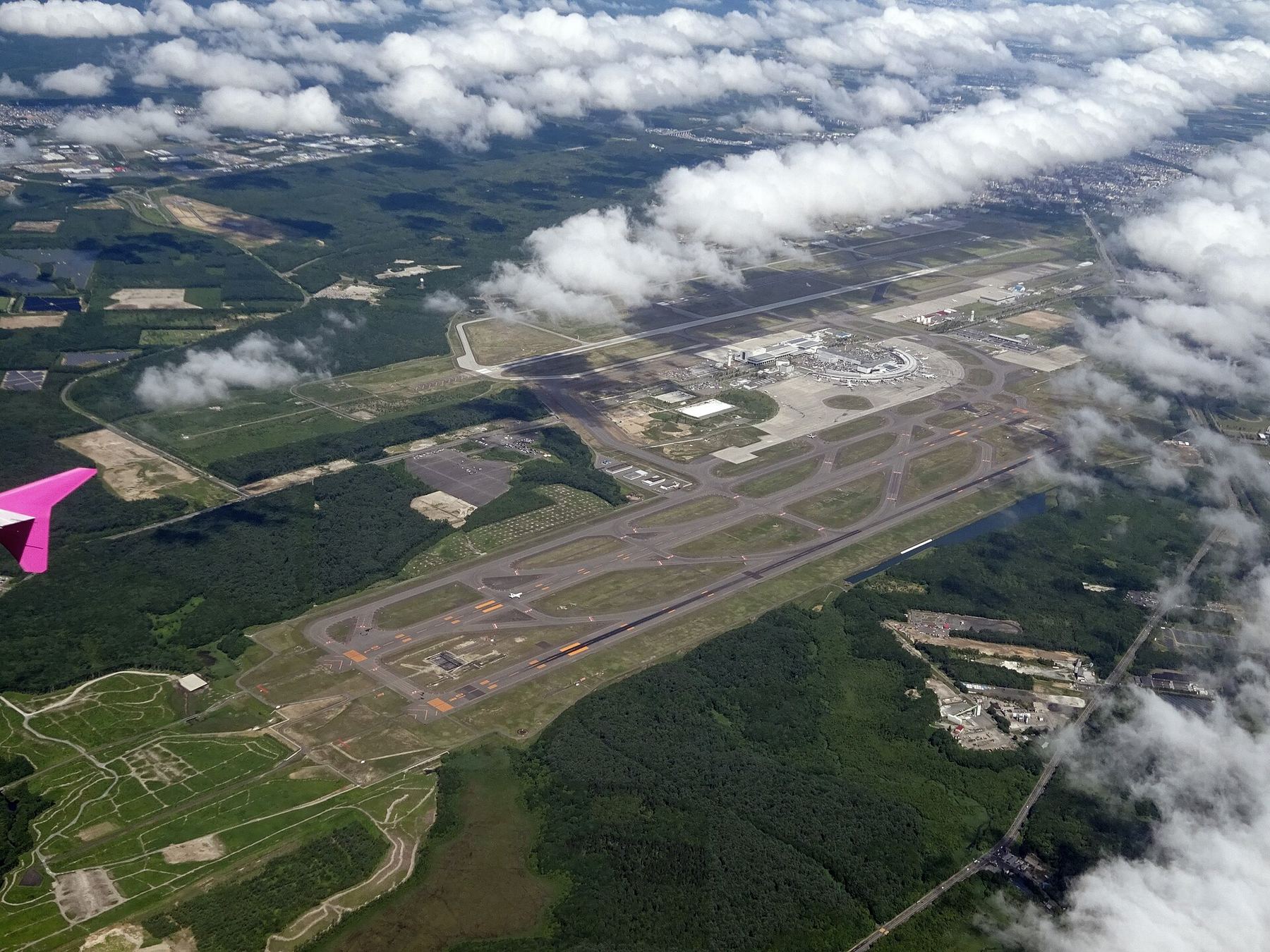
Chitose sits between Sapporo and Hokkaido's south-central wilderness. Most travellers see only its airport, but the city stretches west into volcanic caldera lakes and dense forests. Moving around relies on the JR Chitose Line for city connections and sparse rural buses for the lake districts. Expect clean infrastructure, quiet residential streets, and swift access to outdoor trails.
National park status
Lake Shikotsu forms the eastern anchor of Shikotsu-Toya National Park. The caldera water rarely freezes due to deep geothermal heat.
Lake Shikotsu bus timing
Hokkaido Chuo Bus runs only 4 to 6 daily trips between Chitose Station and Lake Shikotsu. Miss the last return and taxis run around 8,000 yen.
Chitose
663highland · CC BY 2.5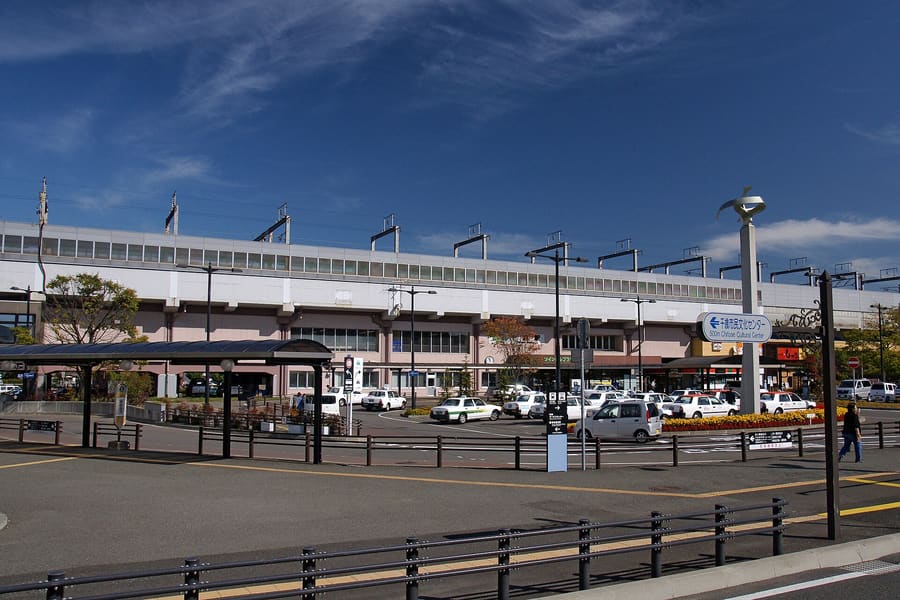
Station Downtown — Compact, walkable urban grid with izakayas and direct rail access.
663highland · CC BY 2.5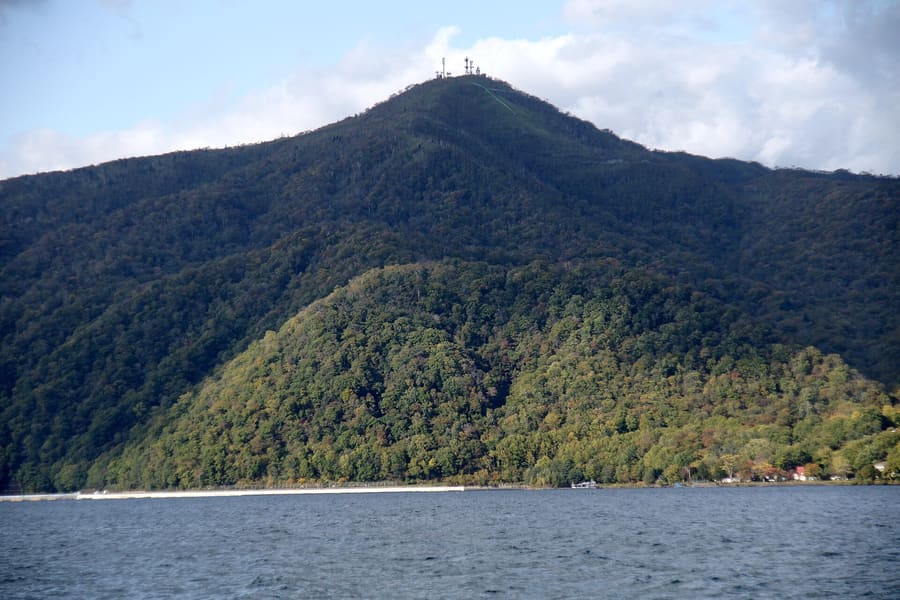
Lake Shikotsu Shore — Quiet lakeside village surrounded by ancient forest and volcanic peaks.
663highland · CC BY 2.5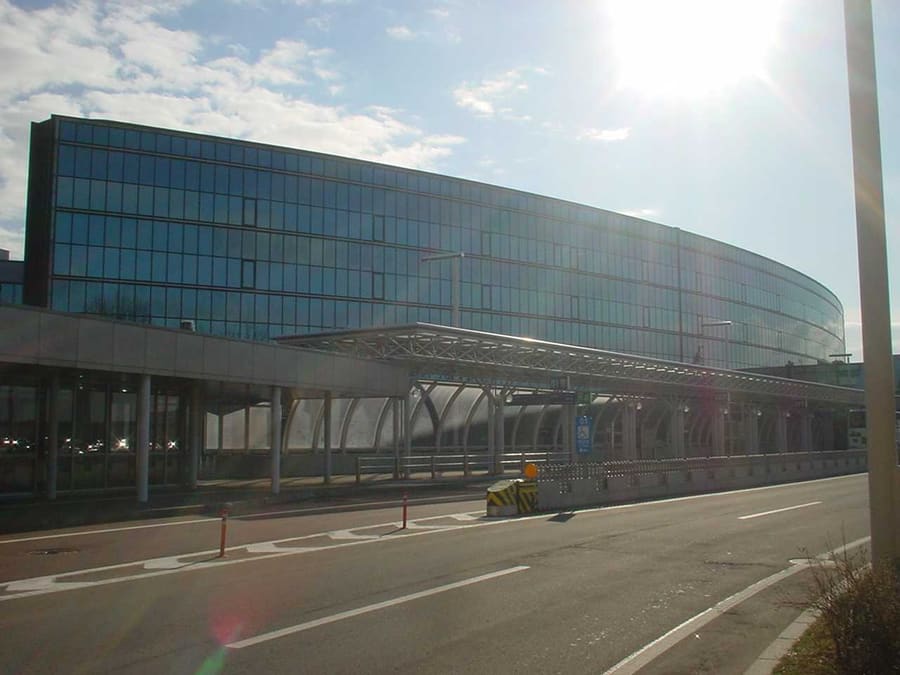
Airport Hub District — Hyper-functional transit hub attached directly to New Chitose Airport.
ja:user:Hykw-a4 · CC BY-SA 3.0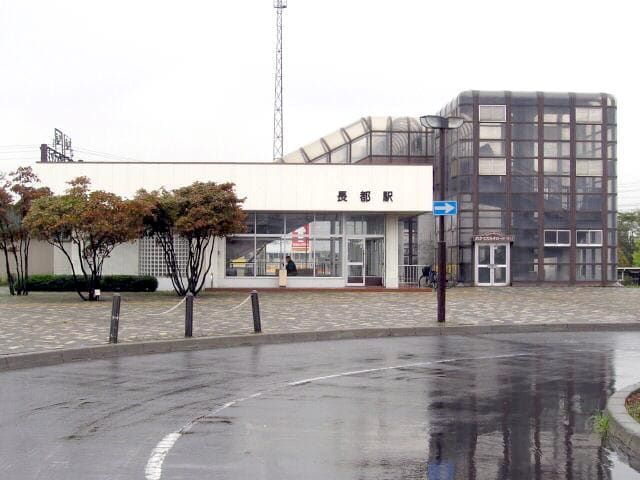
Osatsu & Riverbanks — Low-rise agricultural and residential area along the Chitose River.
ja:user:Mr-haruka · CC BY-SA 3.0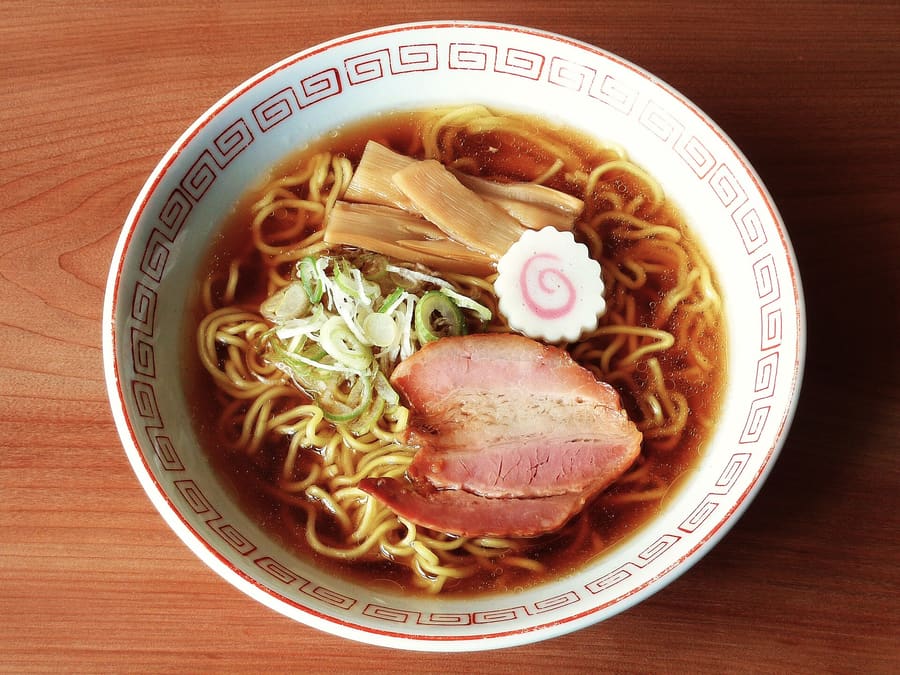
Ramen shops in Chitose feature rich miso broth topped with local butter and sweet corn.
Quercus acuta · CC BY-SA 4.0highlights
landmark
Japan's second deepest lake sits in a volcanic caldera. Rent kayaks at the pier or take the Chuo bus from Chitose Station.
Tanya Parley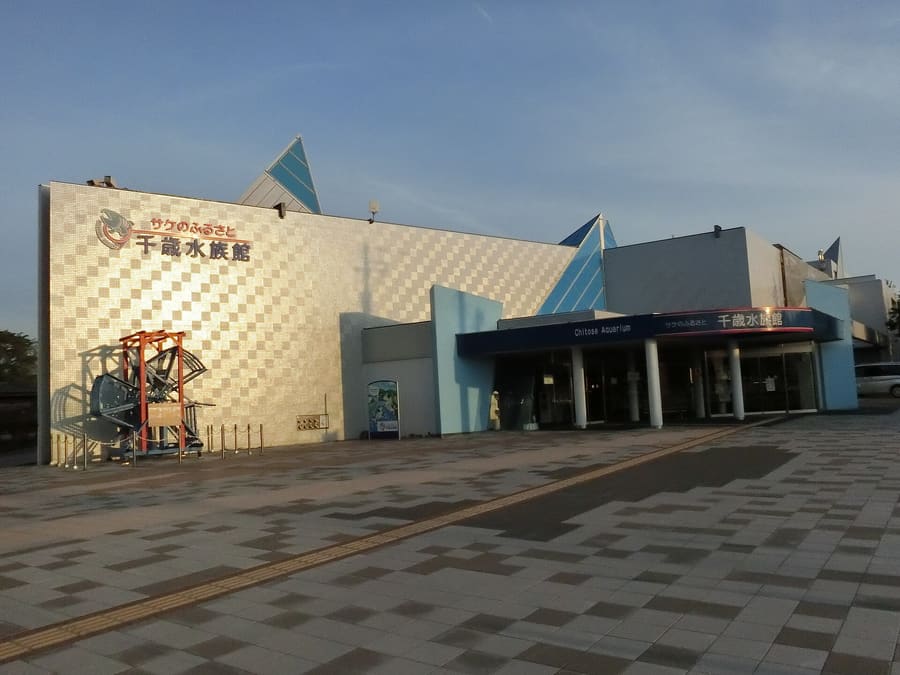
landmark
Observe wild salmon migrating up the Chitose River from underwater viewing chambers. Peak migration happens between September and October.
Tanya Parley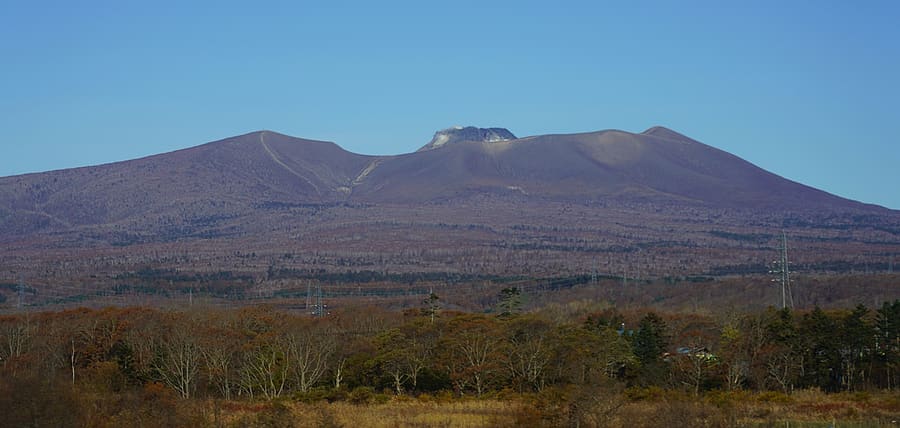
landmark
An active volcano with a rare lava dome near Lake Shikotsu. The 45-minute trail from the 7th station offers vast caldera views.
Tanya Parley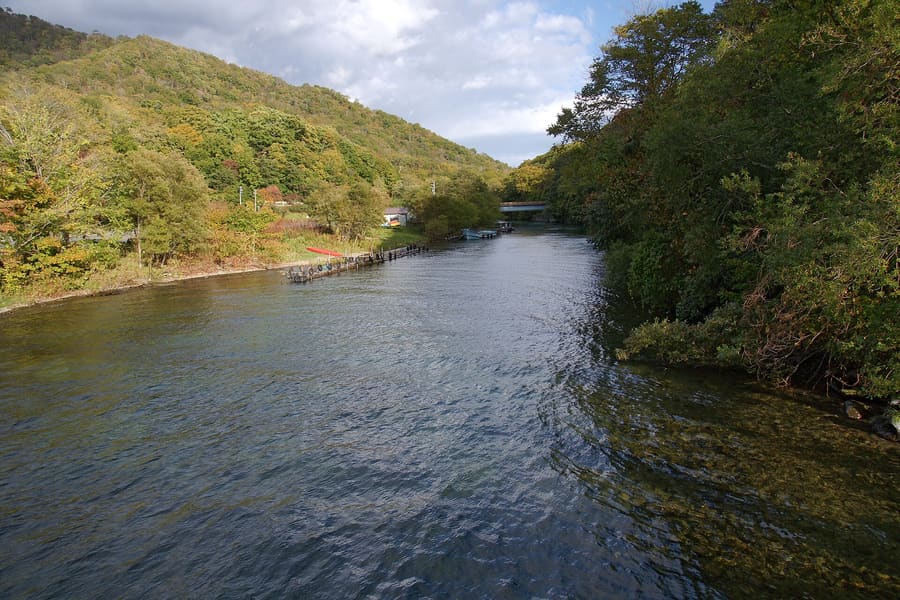
landmark
Clear spring water feeds this river running straight through central Chitose. Paved walking trails run parallel to the current.
Tanya Parley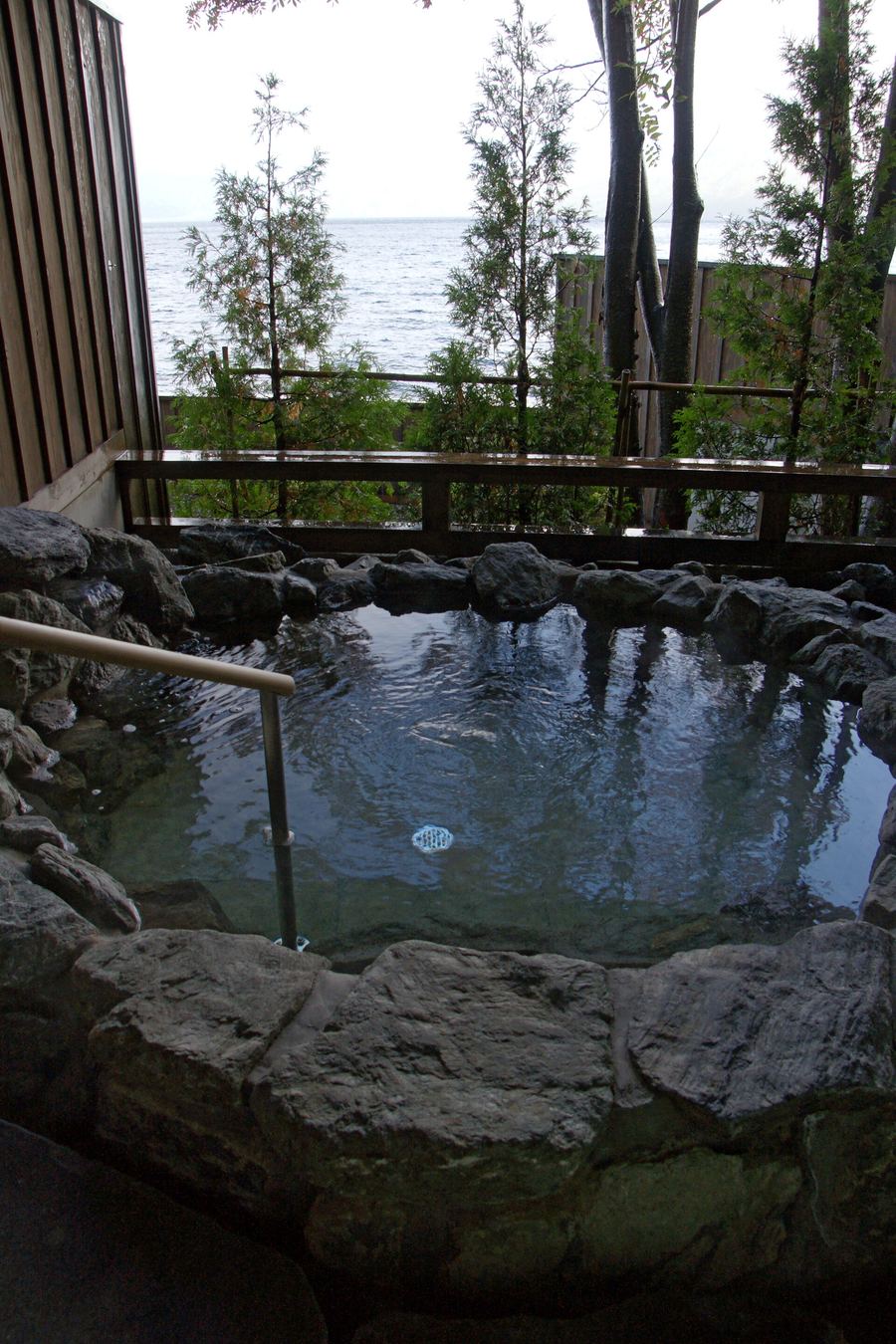
landmark
A historic hot spring inn established in 1915 on the lake's edge. Outdoor baths match the natural water level of Lake Shikotsu.
Tanya Parleyattractions
areas
Compact, walkable urban grid with izakayas and direct rail access.
DekatJR Chitose Station and Salmon Park
Tanya ParleyQuiet lakeside village surrounded by ancient forest and volcanic peaks.
DekatLake Shikotsu and Mount Tarumae
Tanya ParleyHyper-functional transit hub attached directly to New Chitose Airport.
DekatNew Chitose Airport Terminals
Tanya ParleyLow-rise agricultural and residential area along the Chitose River.
DekatChitose River and Osatsu Station
Tanya Parleyfood
Chitose's food scene splits between high-volume airport dining and local river specialties. The mountain streams and Lake Shikotsu produce clear freshwater fish, notably landlocked sockeye salmon. Downtown eateries cater to local residents with Hokkaido agricultural staples like butter-corn ramen and grilled lamb.
Ramen shops in Chitose feature rich miso broth topped with local butter and sweet corn.
Quercus acuta · CC BY-SA 4.0Lake Shikotsu is famous for himemasu (landlocked sockeye salmon). Eat it as fresh sashimi or salt-grilled at lakeside restaurants like Shikotsu-ko Kotan.
Located inside New Chitose Airport on floor 3, this concourse gathers ten Hokkaido ramen shops. Hokkaido Ramen Teshikaga serves local seafood ramen.
history
Chitose developed along the Chitose River, originally an Indigenous Ainu settlement valued for migrating salmon. Modern growth began when residents cleared land for an airfield in 1926. That single grass strip expanded over decades into Japan's primary northern aviation complex.
First Airstrip
Local residents hand-cleared ground to create Chitose's first landing strip, establishing its aviation history.
New Airport Opens
New Chitose Airport opened adjacent to the old airfield, becoming Hokkaido's primary air gateway.
where to stay
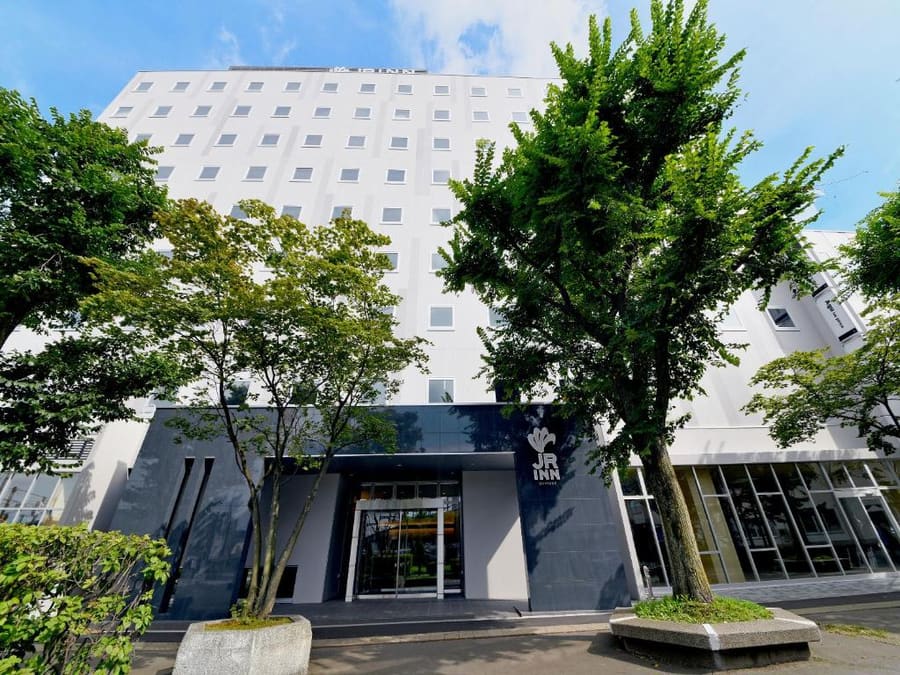
Choose your base by your travel schedule. Stay inside the airport terminal if arriving late or taking an early flight. Stay near JR Chitose Station for cheap business hotels and regional train access. Choose Lake Shikotsu for ryokans and thermal hot springs.
Live rates, matched to the areas above.
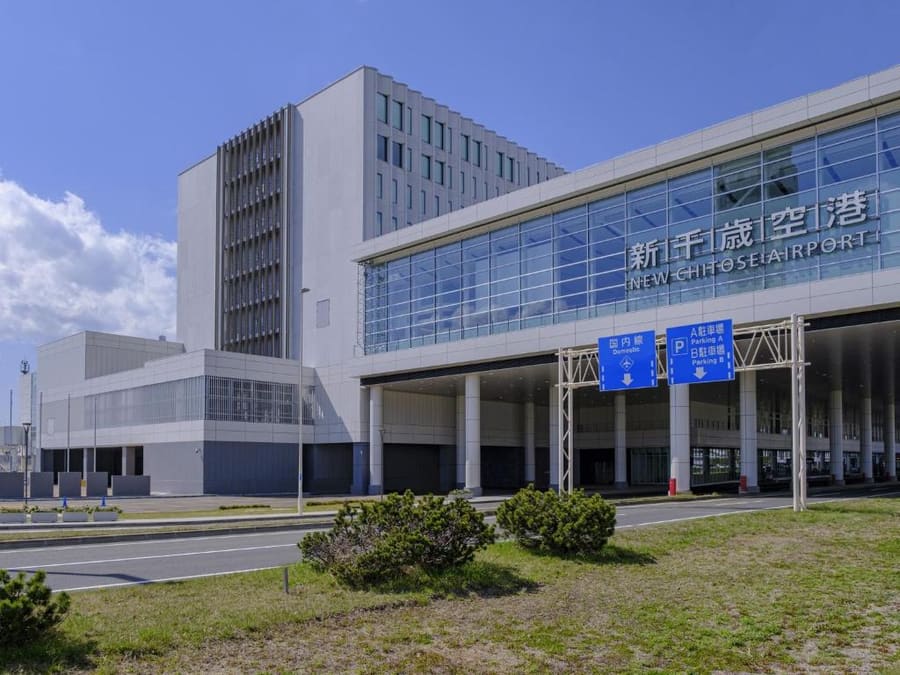
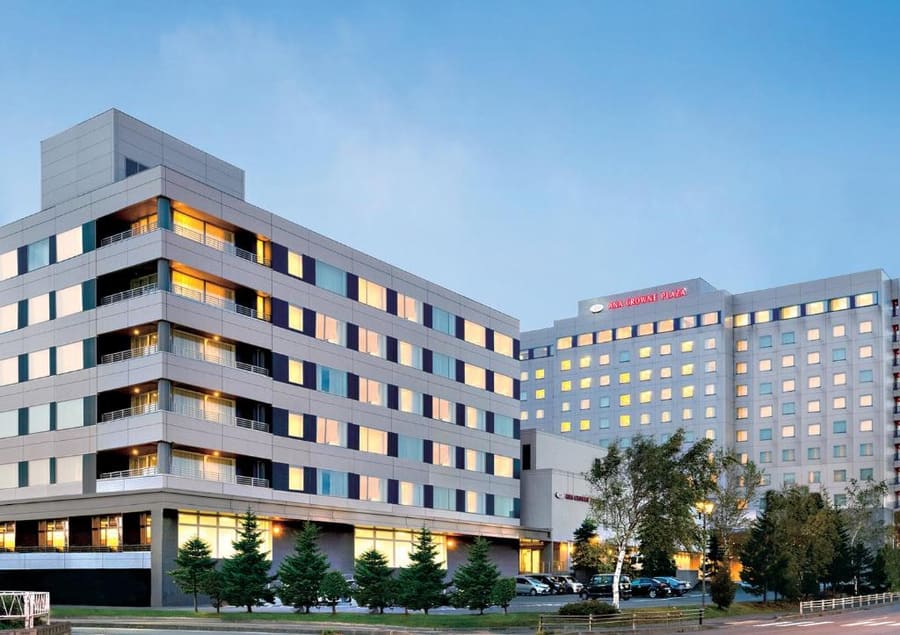
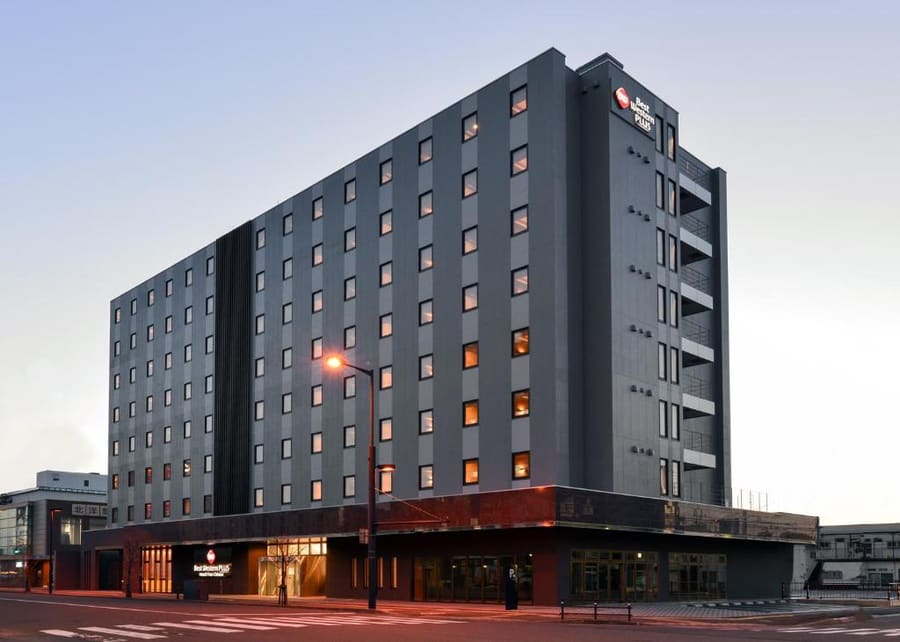
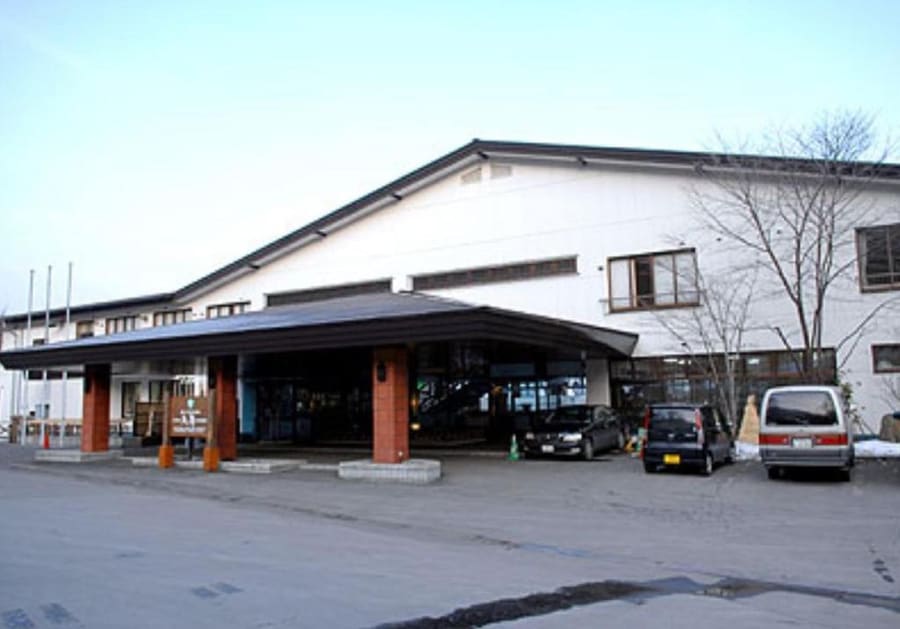
transport
Public transit in Chitose is efficient along the rail corridor but sparse in the mountains. JR Rapid Airport trains link the airport, Chitose Station, and Sapporo reliably. To reach Lake Shikotsu, you must rely on timed Chuo buses or private vehicles.
Dari New Chitose Airport (CTS)
Hokkaido Chuo Bus links airport terminals to central Chitose stops.
Direct taxi from domestic or international arrivals to downtown hotels.
Kitaca, Suica, and Pasmo work on all JR Chitose Line trains and Chuo city buses.
Rapid Airport trains run frequently between New Chitose Airport, Chitose, and Sapporo.
Buses from Chitose Station to Lake Shikotsu leave from stop 3 outside the west exit.
Car rental desks are in the airport domestic terminal floor 1. Shuttle vans take you to nearby lots.
cost
Chitose is generally less expensive than central Sapporo for accommodation and dining, though hot spring resort stays at Lake Shikotsu command premium rates during summer and winter festivals.
Grilled sockeye salmon set with rice and miso soup at Lake Shikotsu restaurants.
Standard bowl of miso or shoyu ramen at New Chitose Airport or downtown shops.
Day-use entry to hot spring baths at Marukoma Onsen or Kyukamura.
seasonality
DEC – FEB
Heavy snow and frozen landscapes. Lake Shikotsu Hyoto Ice Festival features illuminated ice sculptures built from lake water.
MAR – MAY
Snow melts and hiking trails open late May. Crisp days with fewer crowds before summer high season.
JUN – AUG
Mild, comfortable weather averaging 22°C. Peak season for kayaking on Lake Shikotsu and hiking Mount Tarumae.
SEP – NOV
Fall foliage along the Chitose River and autumn salmon migration at Salmon Park. Cool day temperatures.
practicalities
The last Chuo bus from Lake Shikotsu back to Chitose Station departs before 18:00.
Lakeside food stalls and small rustic onsen accept cash only.
Mount Tarumae is an active volcano. Check Japan Meteorological Agency alerts before climbing the peak.
Shin-Chitose Onsen on terminal floor 4 offers overnight stay options if you miss late transport.
Chitose River remains clear year-round because it originates from Lake Shikotsu's surface layer.