landmark
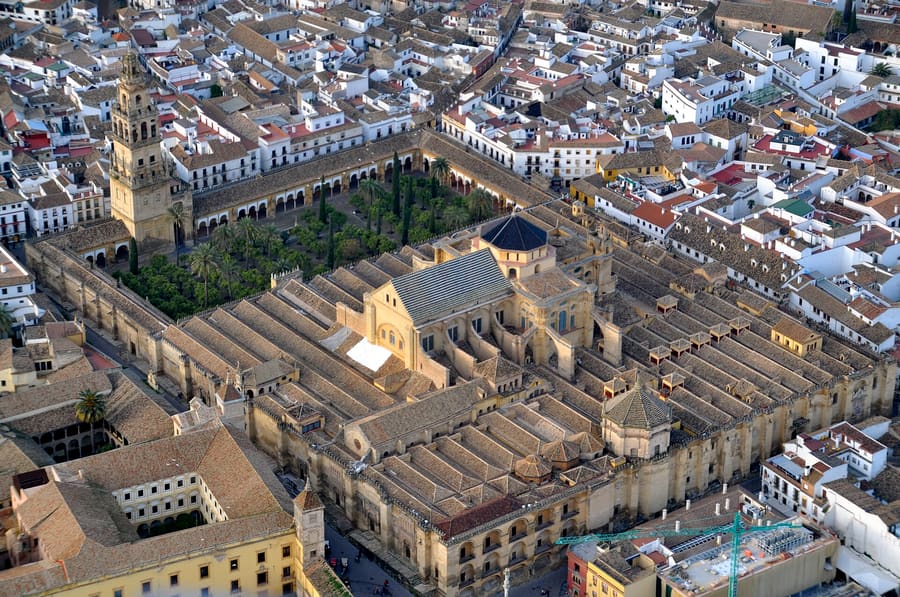
Mezquita-Catedral
An 8th-century mosque turned cathedral featuring hundreds of red-and-white stone arches. Book online to bypass line delays.
Tanya ParleySpanyol
Caliphate architecture, summer heat, and cold tomato soup.
introduction
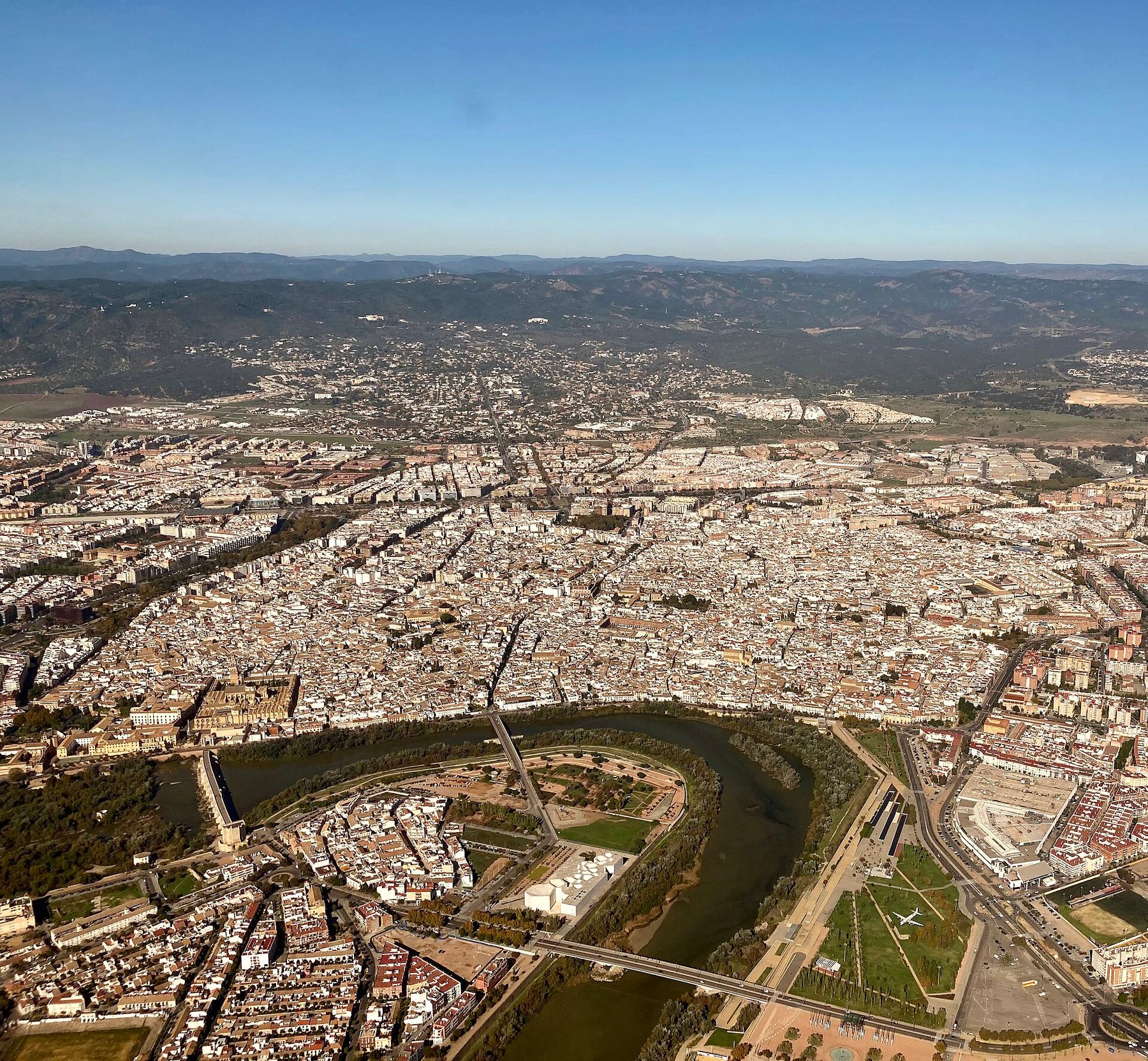
Córdoba sits on a bend of the Guadalquivir river in inland Andalusia. Its historic core is compact and easily covered on foot, though old cobblestones require flat shoes. Extreme summer heat makes afternoon closures mandatory rather than optional. Plan around early morning sightseeing and late evening dining.
Arrival by High-Speed Rail
Córdoba Central station sits 15 minutes walk north of the historic centre. High-speed AVE trains connect directly to Madrid in 1 hour 45 minutes.
UNESCO Heritage Status
The Mezquita-Catedral and the historic core hold UNESCO World Heritage status. Medina Azahara lies 8 km west.
Mezquita Entry Strategy
Buy Mezquita tickets online in advance to skip queue lines. Free entry runs Monday to Saturday from 8:30 AM to 9:30 AM.
Córdoba
xavier.estruch from Badalona, Catalunya · CC BY-SA 2.0
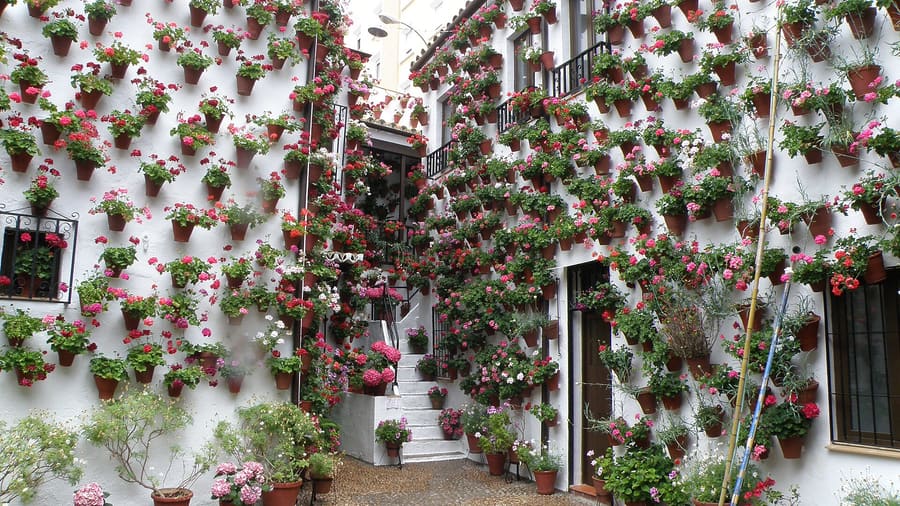
Judería — Winding medieval alleys, whitewashed houses, and heavy foot traffic right around the Mezquita.
Wolfgang Manousek from Dormagen, Germany · CC BY 2.0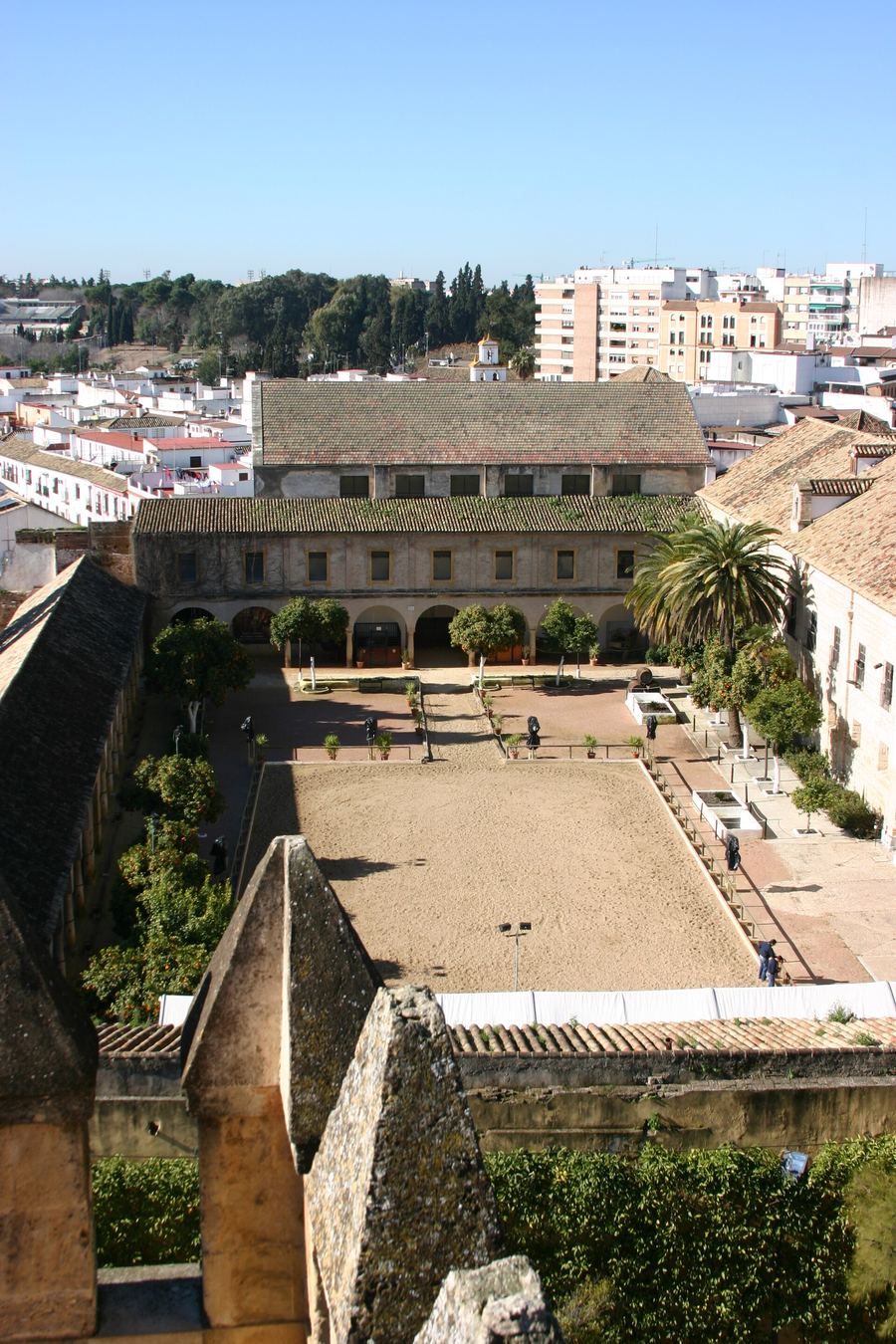
San Basilio — Quiet residential neighborhood famous for traditional patio courtyards and traditional local taverns.
José Luiz · CC BY-SA 3.0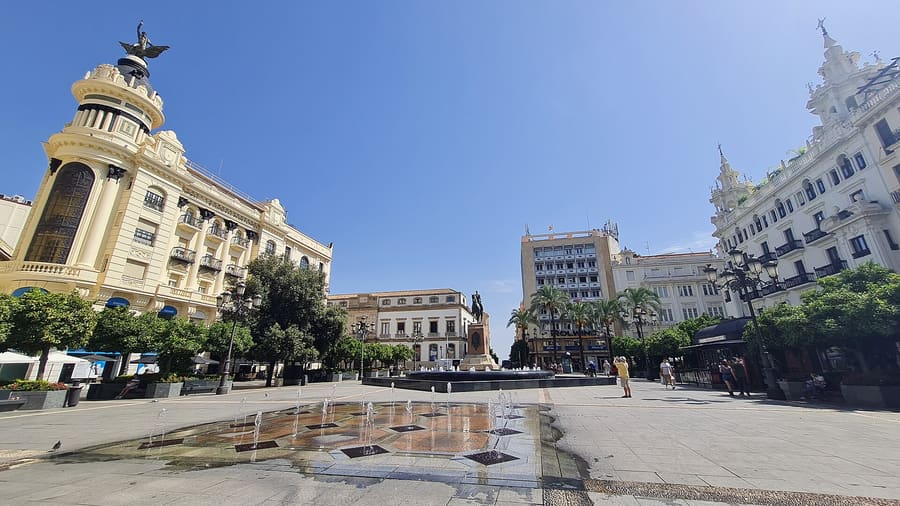
Centro Comercial — Commercial hub with modern clothing shops, broad plazas, and fast train station access.
JamesNarmer · CC BY-SA 4.0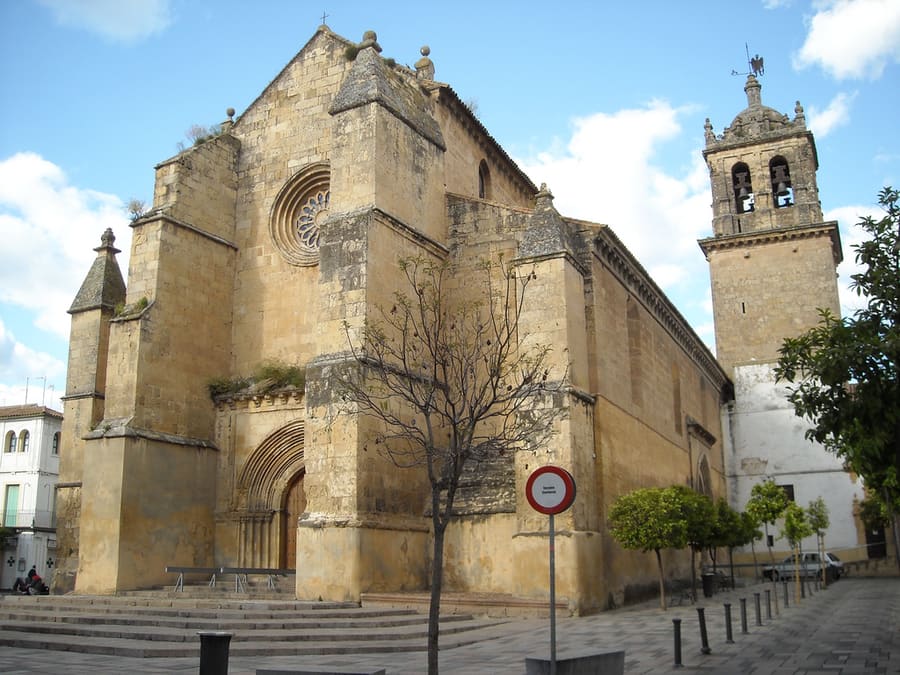
Santa Marina — Authentic local quarter filled with historic churches, quiet squares, and unpretentious tapas bars.
cruccone · CC BY 2.0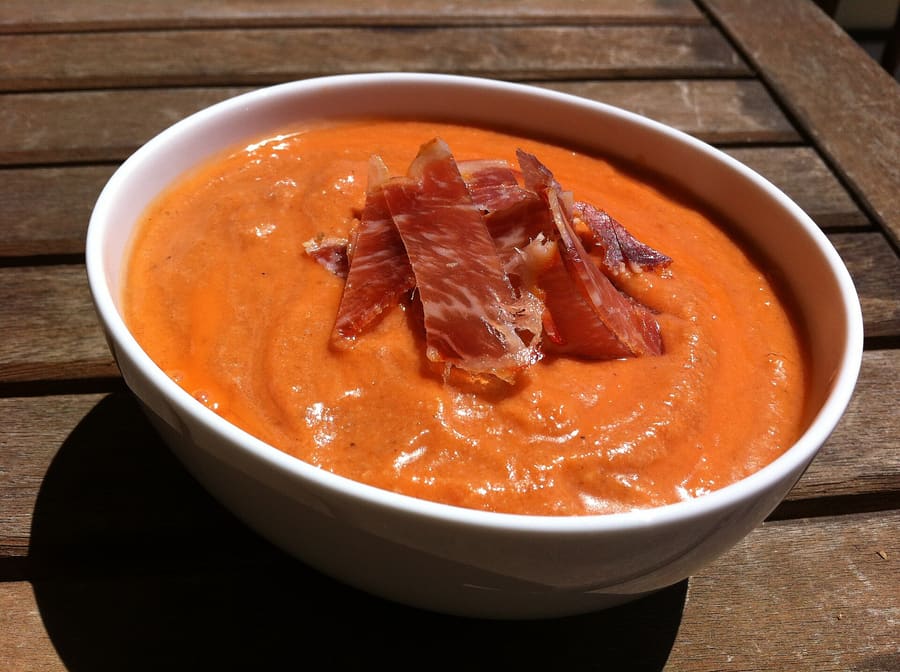
Freshly dressed salmorejo topped with cured ham and diced egg.
P.Lechien · CC0highlights
landmark
An 8th-century mosque turned cathedral featuring hundreds of red-and-white stone arches. Book online to bypass line delays.
Tanya Parley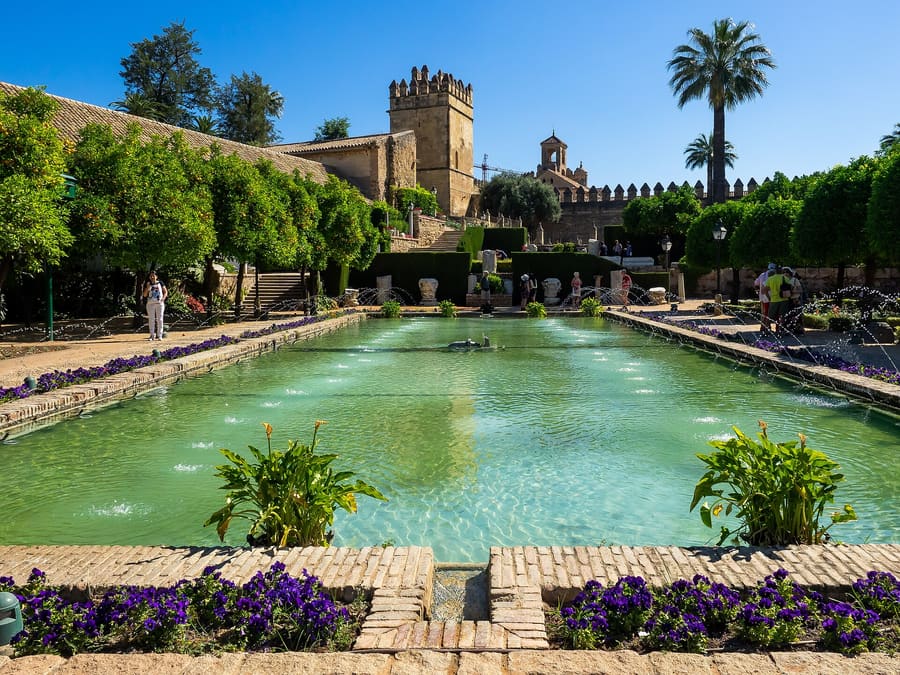
landmark
A Christian fortress with terraced gardens and Roman mosaics. Closed on Mondays.
Tanya Parley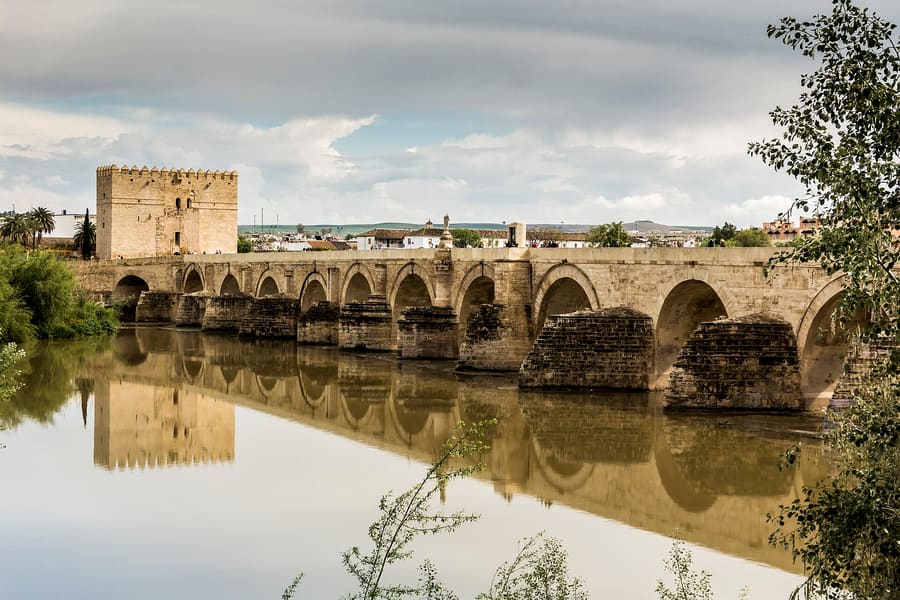
landmark
A 1st-century BC Roman bridge spanning the Guadalquivir river. Walk across at sunset for the best old city views.
Tanya Parley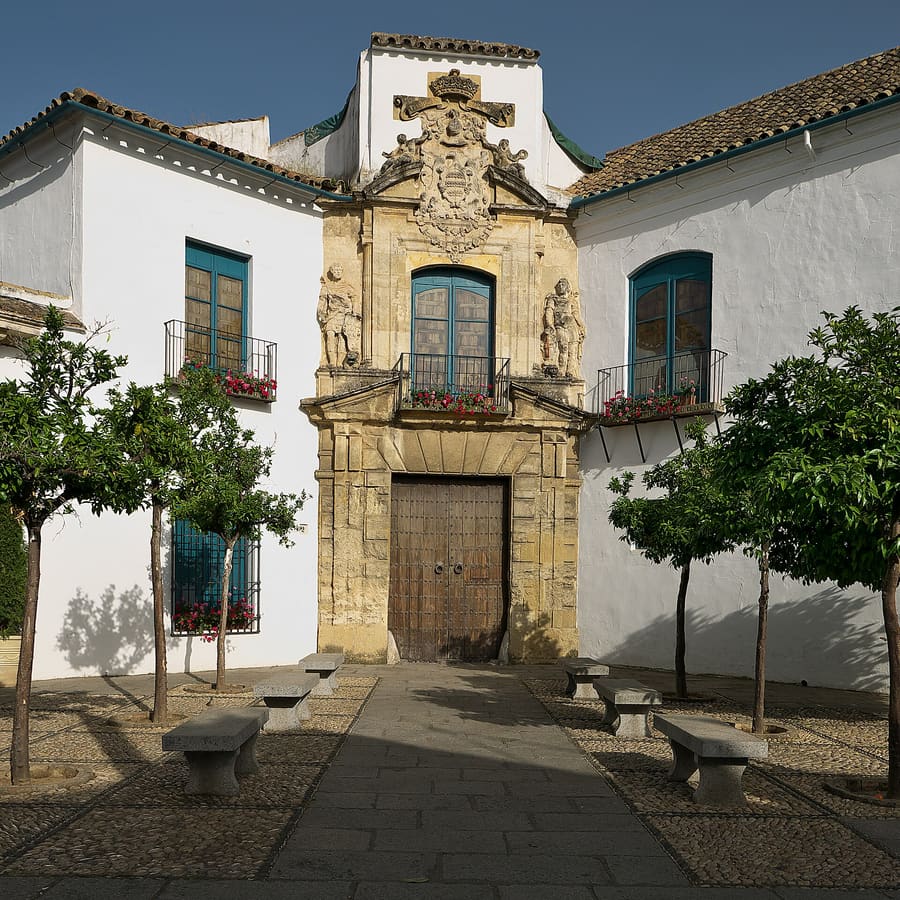
landmark
A 15th-century aristocratic mansion featuring 12 traditional patio courtyards. Ticket options cover house and gardens.
Tanya Parley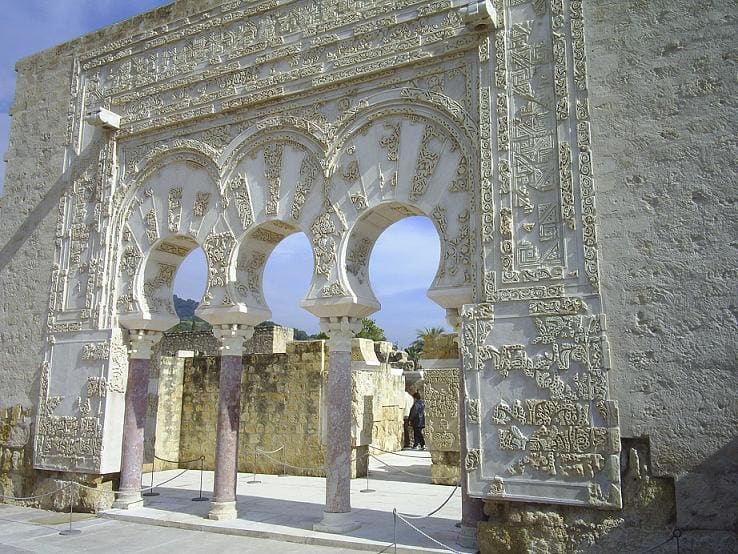
landmark
The archaeological site of a 10th-century Umayyad palace city 8 km west of town. Reachable via official daily shuttle bus.
Tanya Parley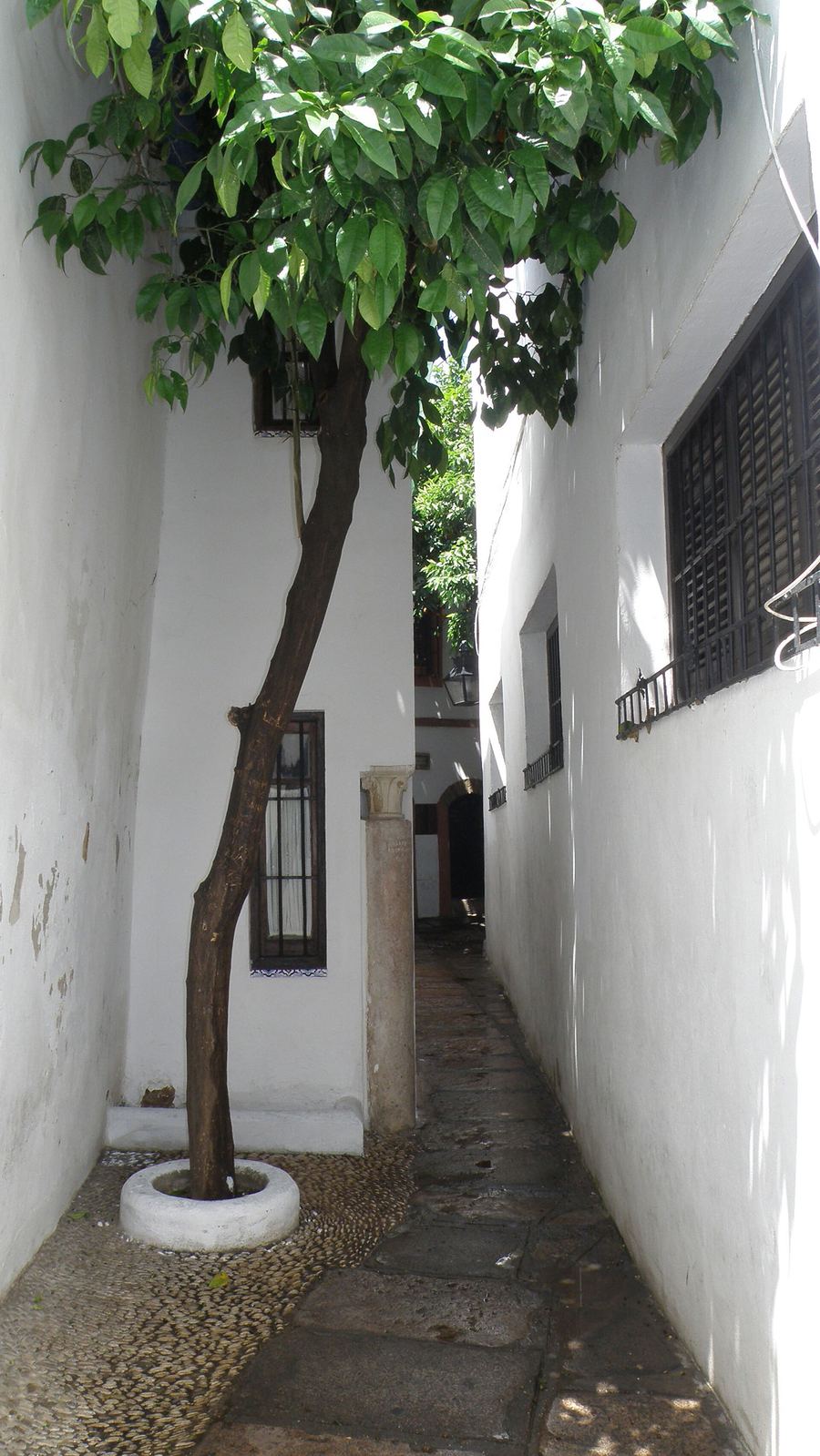
landmark
A tiny medieval alley measureable by the width of a handkerchief. Visit early to beat crowded tour groups.
Tanya Parleyattractions
areas
Winding medieval alleys, whitewashed houses, and heavy foot traffic right around the Mezquita.
DekatMezquita, Synagogue, Roman Bridge
Tanya ParleyQuiet residential neighborhood famous for traditional patio courtyards and traditional local taverns.
DekatAlcázar, Royal Stables, City Walls
Tanya ParleyCommercial hub with modern clothing shops, broad plazas, and fast train station access.
DekatPlaza de las Tendillas, Train Station, Victoria Market
Tanya ParleyAuthentic local quarter filled with historic churches, quiet squares, and unpretentious tapas bars.
DekatPalacio de Viana, Plaza de los Capuchinos, Church of Santa Marina
Tanya Parleyfood
Córdoba’s cuisine reflects inland Andalusian heat and agricultural roots. Salmorejo—a thick cold soup of tomato, bread, garlic, and olive oil topped with hard-boiled egg and jamón—is eaten at almost every meal. Flamenquín, a rolled pork loin filled with ham and deep-fried, is another staple served in traditional taverns.
Freshly dressed salmorejo topped with cured ham and diced egg.
P.Lechien · CC0Ox tail stew cooked in local Montilla-Moriles wine is a local specialty, best ordered at Taberna San Miguel Casa El Pisto.
Kitchens reopen for dinner around 8:30 PM, but locals rarely arrive before 9:30 PM.
Locals drink fortified Montilla-Moriles white wine served chilled, not sherry.
history
Córdoba reached its peak in the 10th century as the capital of the Umayyad Caliphate. It was then one of the largest and most advanced cities in Europe, renowned for science, philosophy, and architecture. Christian conquest in 1236 reshaped its urban landscape, creating a hybrid architectural heritage that defines the city today.
Roman Foundation
Claudio Marcelo founds Corduba on the Guadalquivir River, turning it into a Roman provincial capital.
Umayyad Capital
Abd al-Rahman I establishes the Emirate of Córdoba and begins construction on the Great Mosque.
Caliphate Golden Age
Abd al-Rahman III proclaims the Caliphate of Córdoba, starting work on the palace city Medina Azahara.
Christian Reconquest
King Ferdinand III of Castile conquers the city, converting the Great Mosque into a cathedral.
where to stay
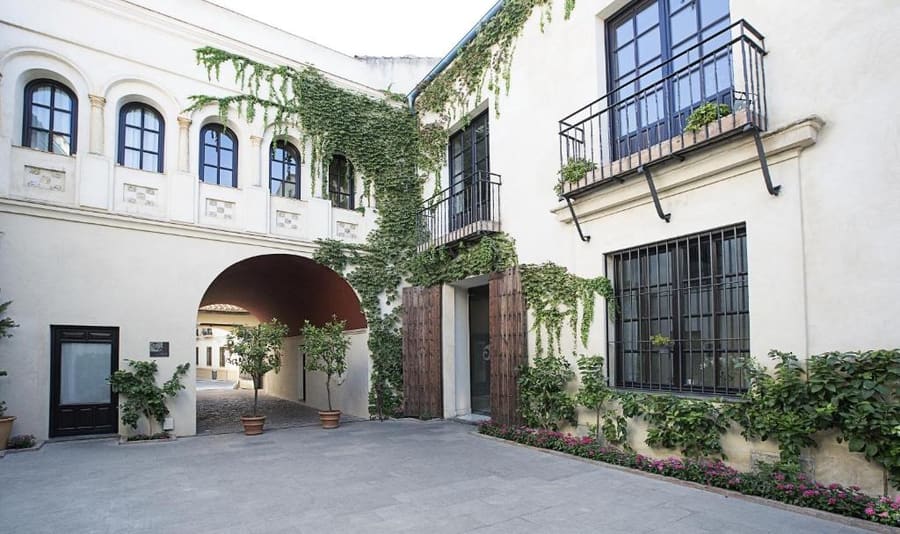
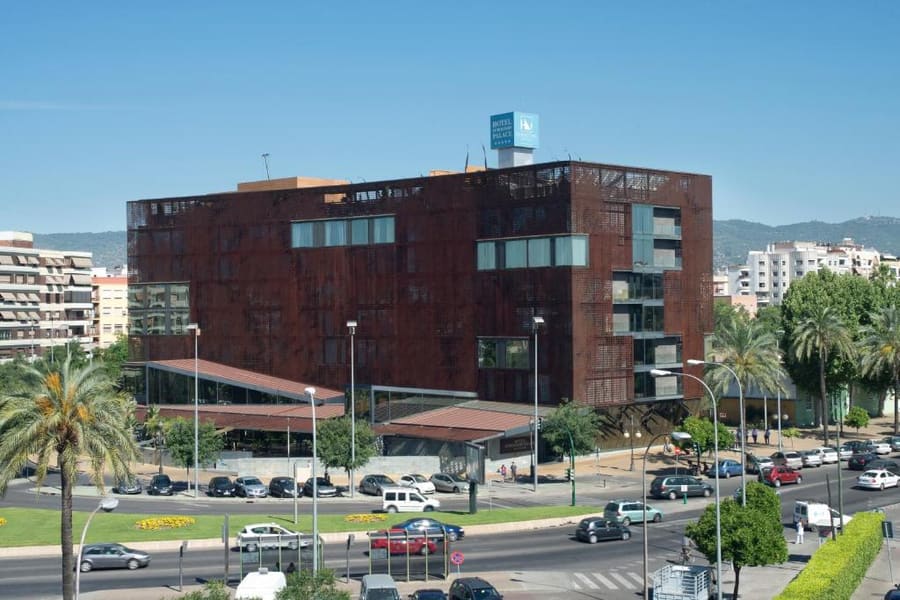
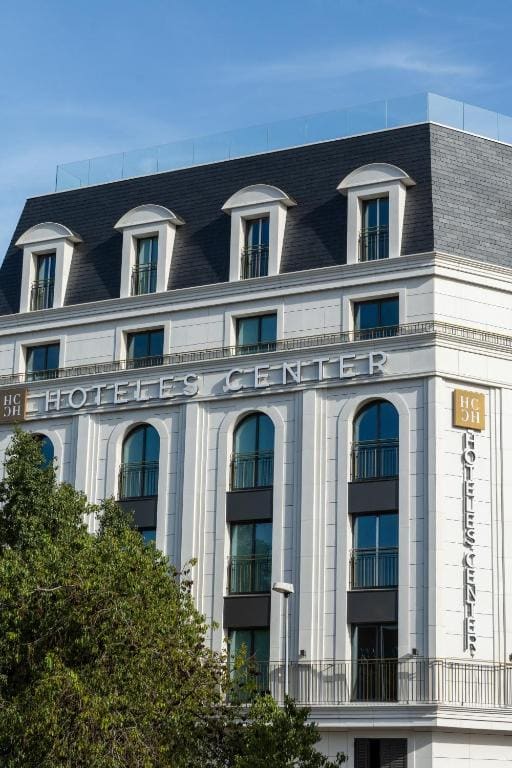
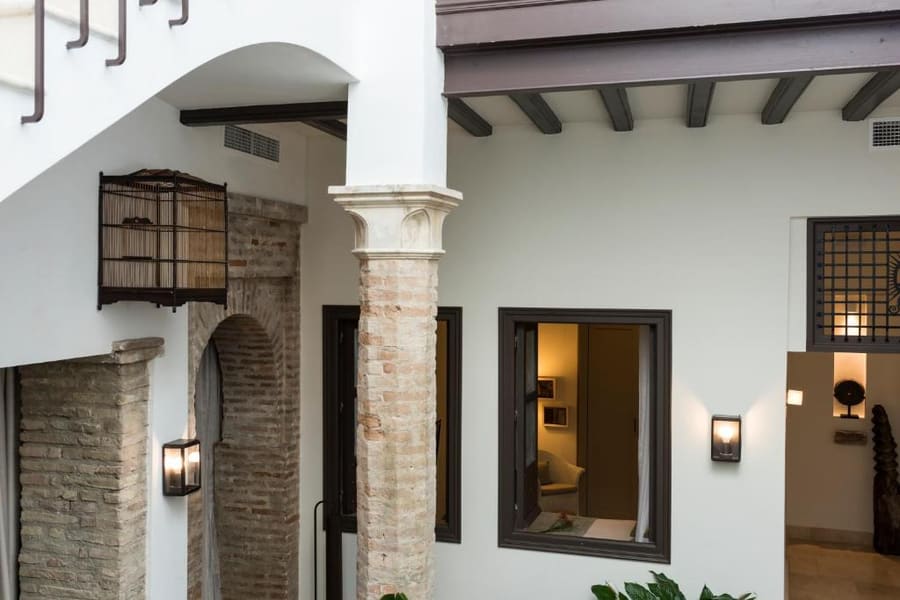
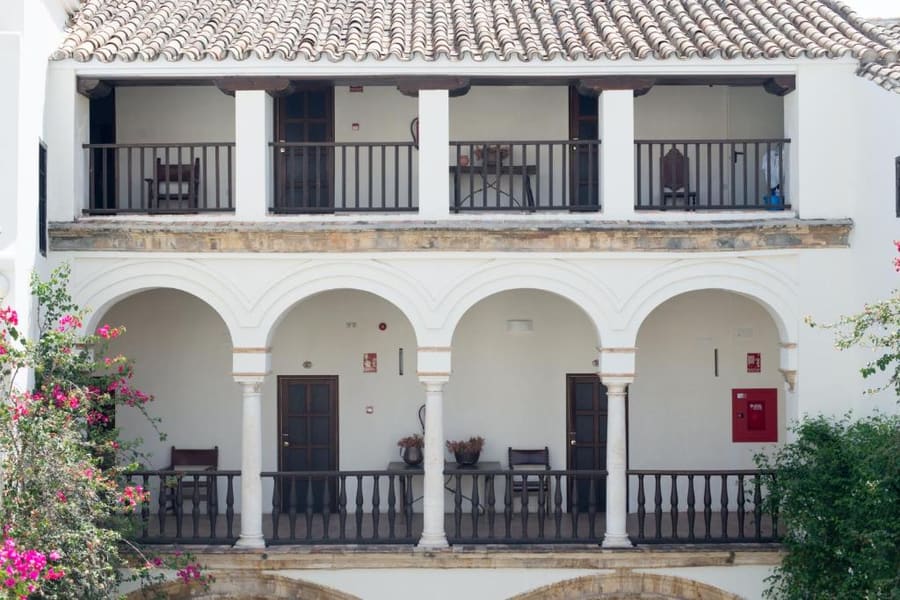
Choose your neighborhood based on proximity to the monuments versus quiet night sleep. Judería puts you steps from the sights but stays busy until dark. San Basilio and Santa Marina offer residential quiet and authentic neighborhood dining.
Live rates, matched to the areas above.
transport
The historic core of Córdoba is pedestrianised and best explored on foot. For destinations outside the centre like Medina Azahara, local buses or taxis are reliable.
Dari Córdoba Central Rail Station
Official white taxis wait directly at the main terminal exit.
AUCORSA bus lines 3 and 5 connect directly to the historic perimeter.
AVE trains connect Córdoba to Seville in 45 minutes and Madrid in 105 minutes.
Single bus tickets cost €1.30 paid in cash or contactless directly to the driver.
Taxis use meters; hail on streets or pick up at designated ranks like Plaza de las Tendillas.
The dedicated daily tourist shuttle to Medina Azahara departs from Avenida del Alcázar and requires booking.
cost
Córdoba is significantly less expensive than Madrid or Barcelona. Dining and attraction admissions are affordable, making it accessible for budget and mid-range travellers.
Standard adult entry to the Mezquita-Catedral is €13; bell tower access is €3 extra.
Individual tapas dishes in local taverns typically cost between €3 and €5.
Urban bus journeys on AUCORSA routes carry a flat fare per trip.
Full admission ticket covers the 12 patio courtyards and the palace interior.
seasonality
MAR – MAY
Mild temperatures and the May Patio Festival. Book hotel rooms months ahead.
JUN – AUG
Extreme heat over 40°C empty the streets by afternoon. Room prices drop.
SEP – NOV
Warm autumn days and manageable tourist numbers across all major sights.
DEC – FEB
Cool weather with clear days. Low crowd numbers and easiest landmark entry.
practicalities
Small shops and non-tourist businesses close between 2:00 PM and 5:00 PM.
Free quiet visit entry runs Monday to Saturday from 8:30 AM to 9:30 AM.
Some small neighborhood taverns still prefer cash payments for small orders.
Shoulders and knees should be covered when entering the cathedral area.
Uneven stone cobblestones make high heels or thin sandals impractical.