landmark
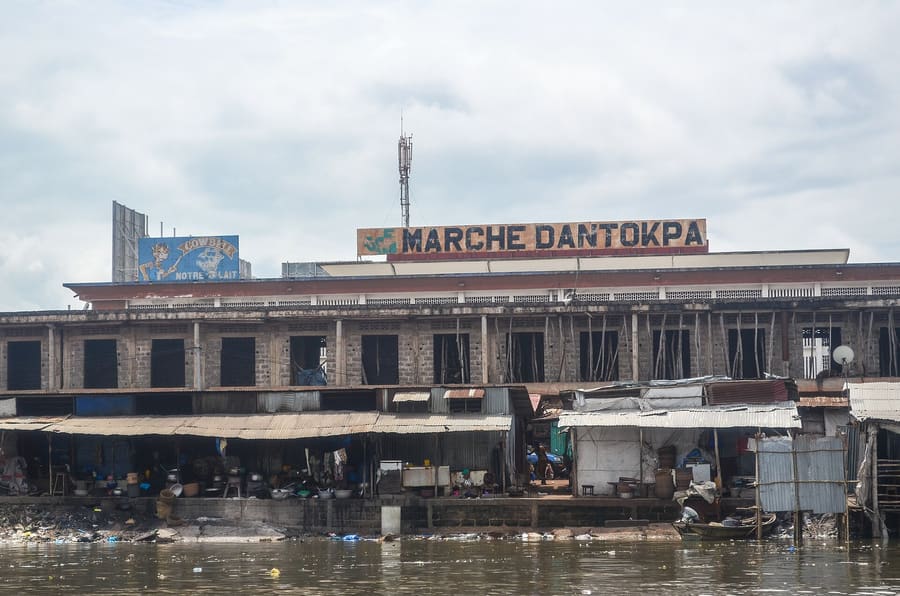
Marché Dantokpa
Sprawling lagoon-side market for textiles and daily goods. Agree on prices beforehand and keep wallet items secured.
Tanya ParleyBenin
Benin's economic motor built on motorbikes and salt.
introduction
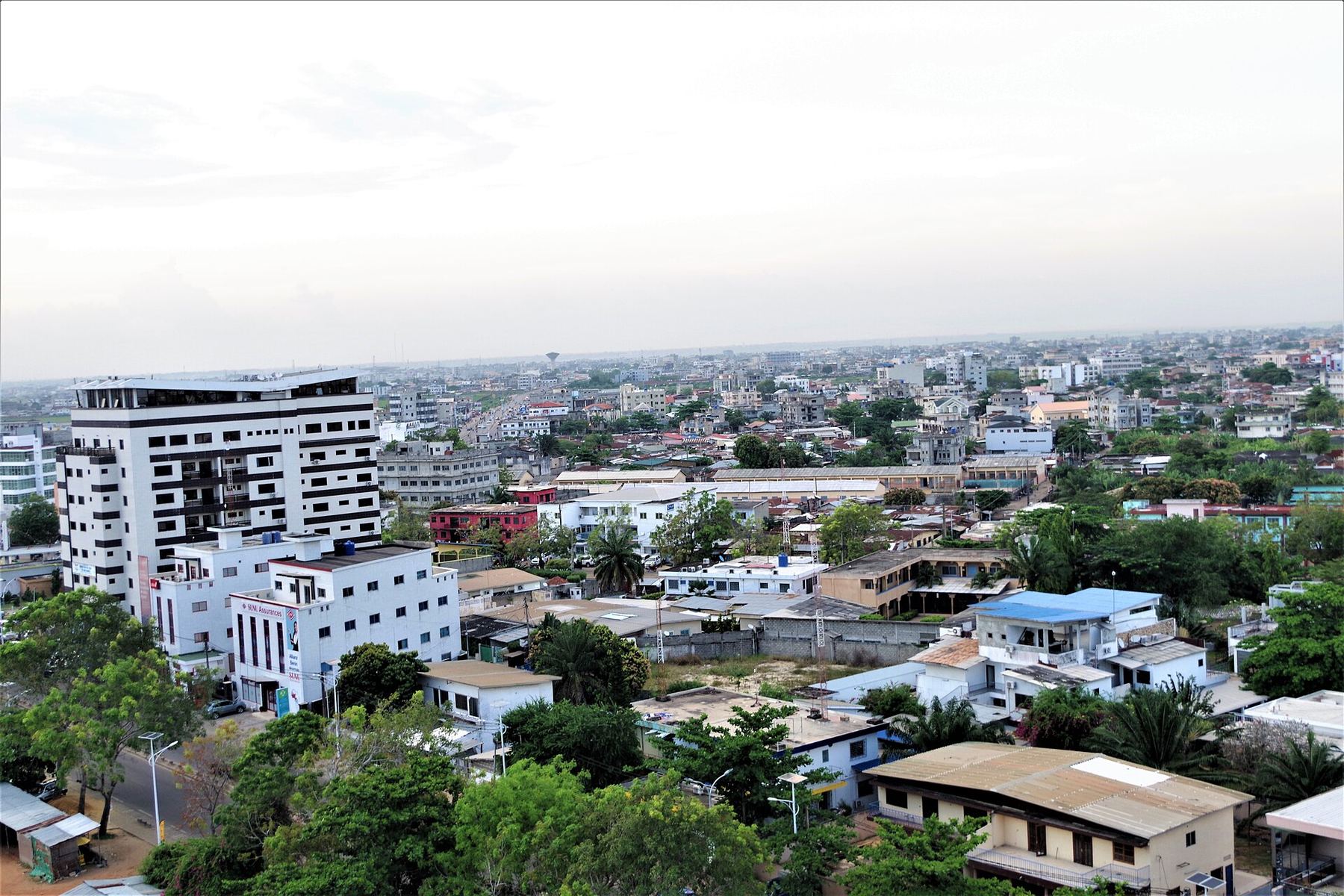
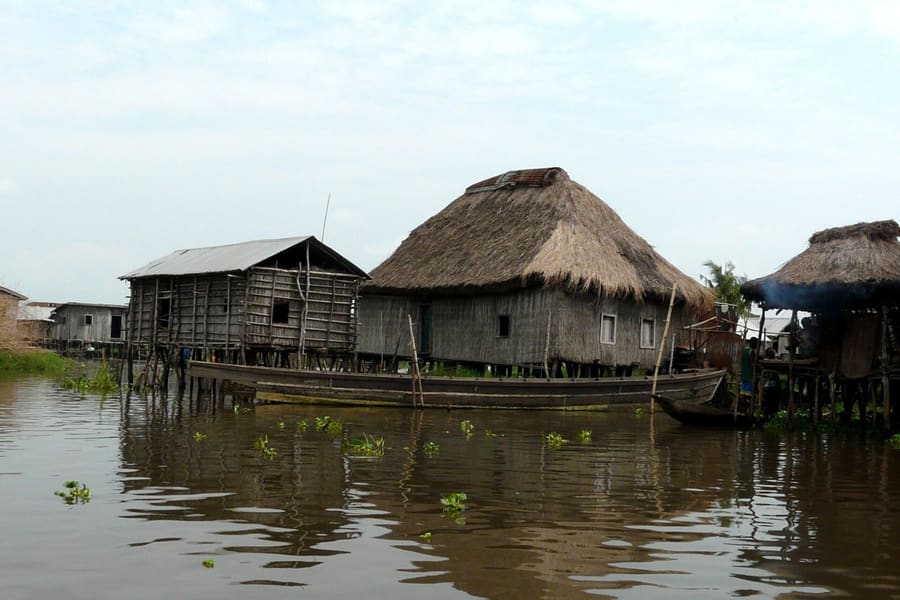
Cotonou is Benin's commercial hub, framed by Lake Nokoué and the Atlantic coast. Life moves on zemidjans, the yellow-vested motorcycle taxis that dominate every thoroughfare. The city lacks traditional European-style pedestrian centres, demanding structured transport decisions for every outing. You come here for sharp modern African art galleries, vast open-air trading markets, and direct access to lagoon settlements.
Dantokpa trading scale
Marché Dantokpa spans over twenty hectares alongside the lagoon. It ranks among the largest open-air market complexes in West Africa.
Cash economy reality
Most daily transactions require West African CFA francs in small denominations. Card readers remain rare outside international hotel chains.
Cotonou
Manu25 at French Wikipedia · CC BY-SA 3.0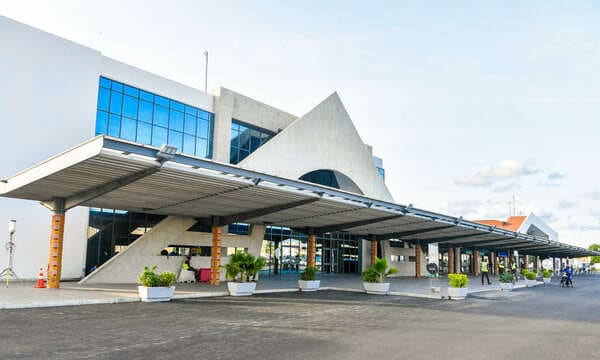
Cadjehoun — Residential government neighborhood centered around the airport perimeter.
Steve L'informateur · CC BY-SA 4.0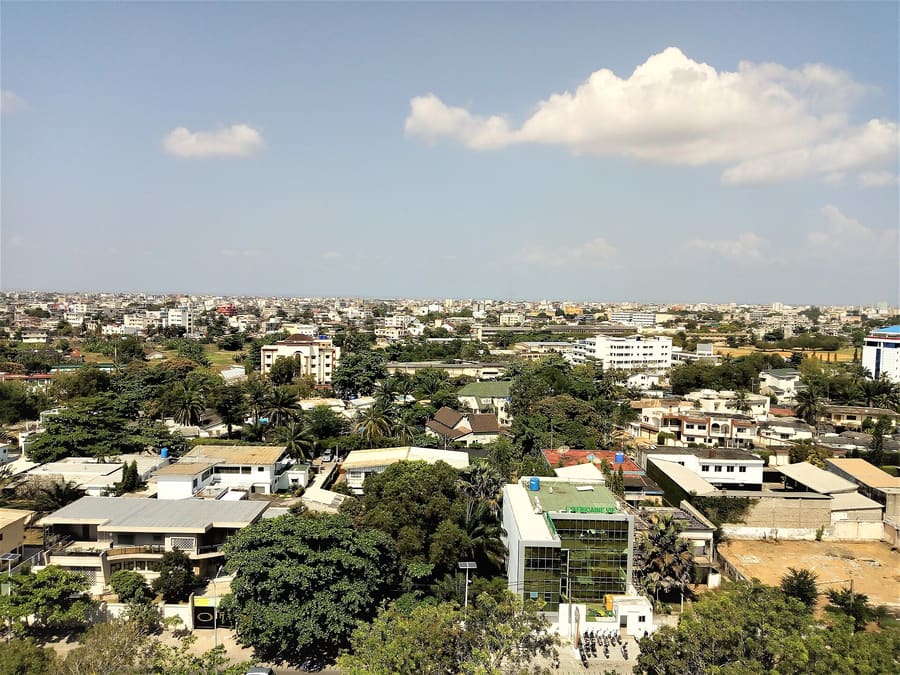
Ganhi — Dense commercial central district containing banks, corporate offices, and old port infrastructure.
Adoscam · CC BY-SA 4.0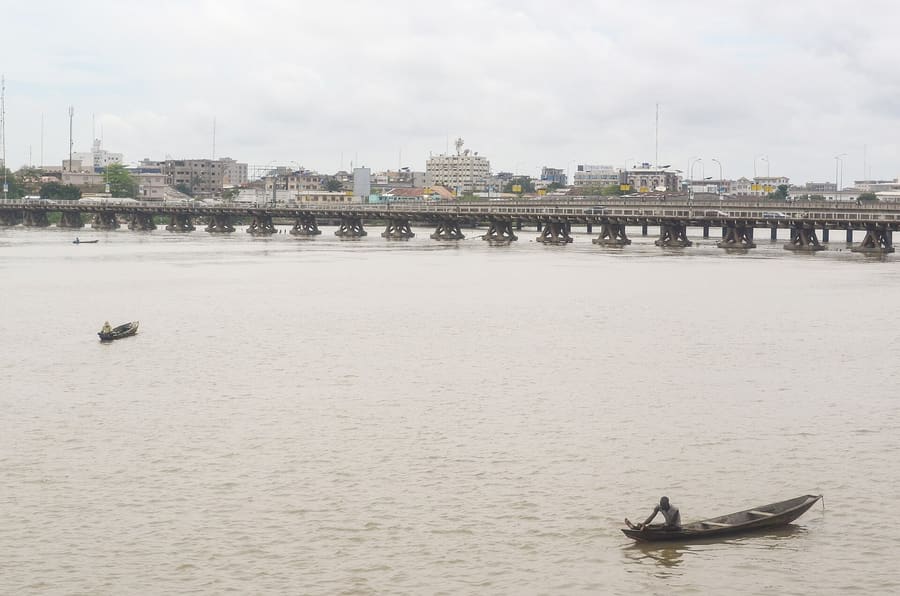
Akpakpa — Sprawling eastern residential district across the lagoon channel.
jbdodane · CC BY 2.0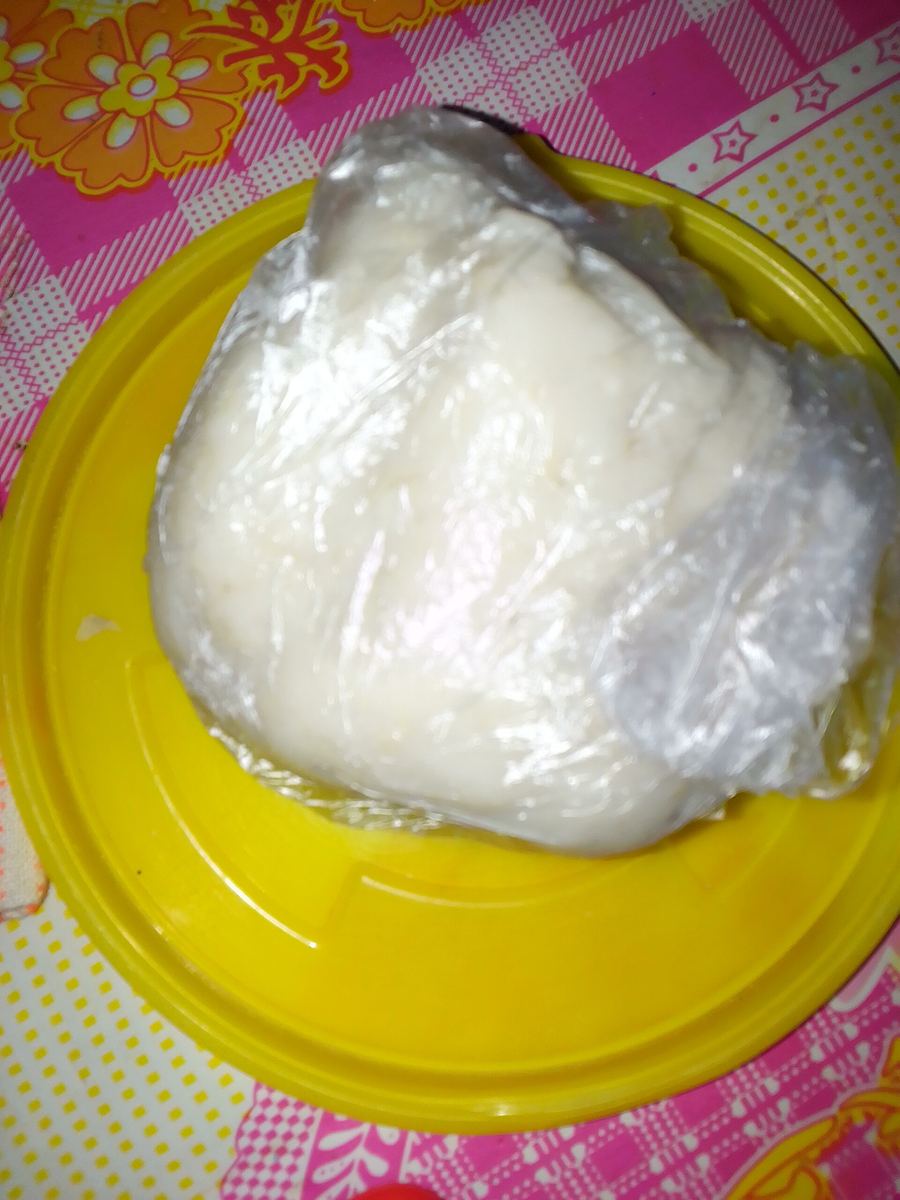
A typical plate of grilled fish and fried plantains served at a Cotonou maquis.
Taoheedah · CC BY-SA 4.0highlights
landmark
Sprawling lagoon-side market for textiles and daily goods. Agree on prices beforehand and keep wallet items secured.
Tanya Parley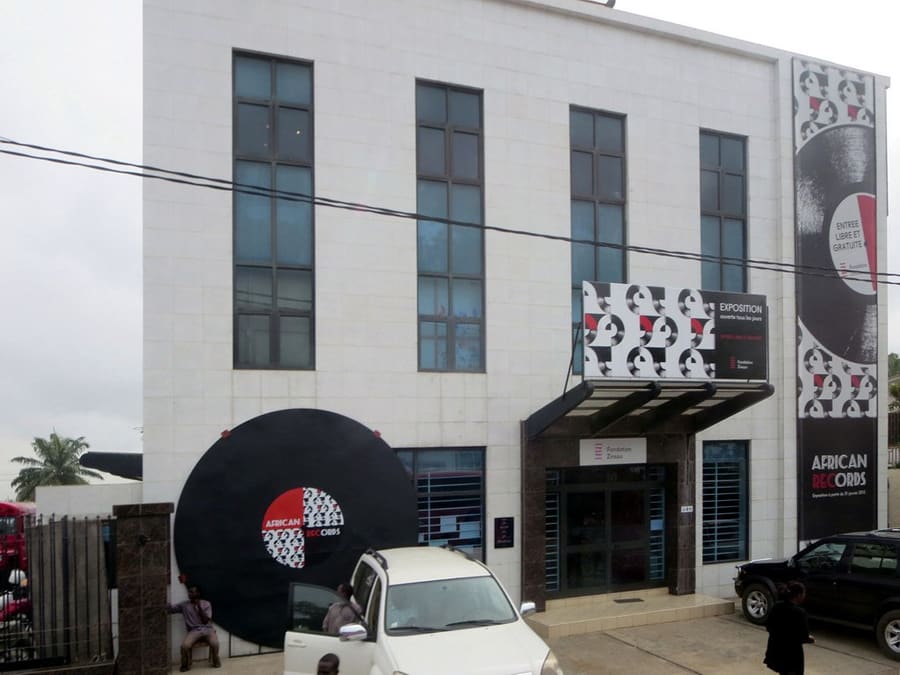
landmark
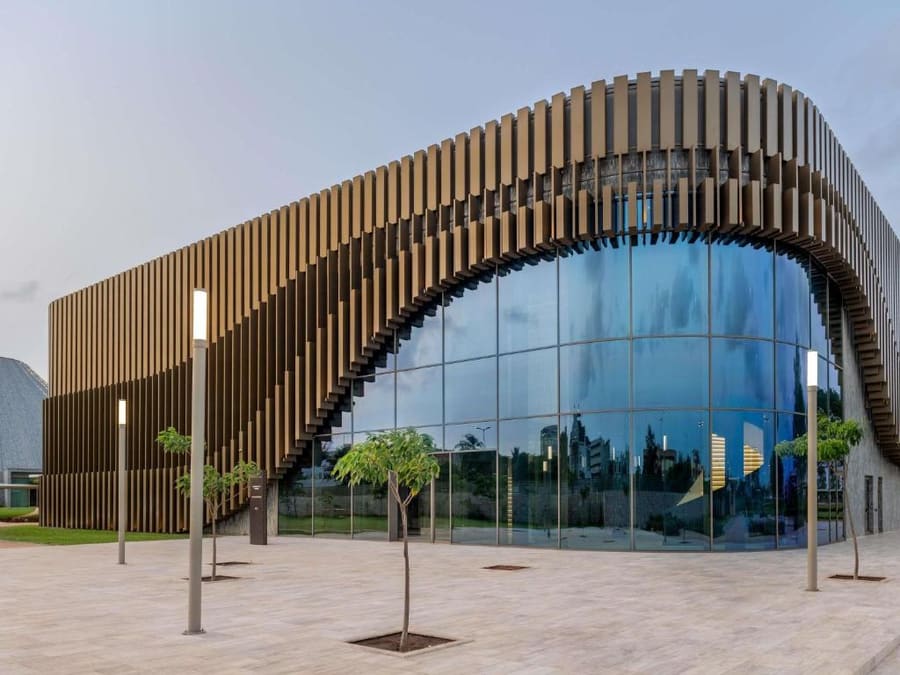
Premier contemporary African art space with rotating exhibitions. Admission is free and the courtyard cafe serves cold drinks.
Tanya Parley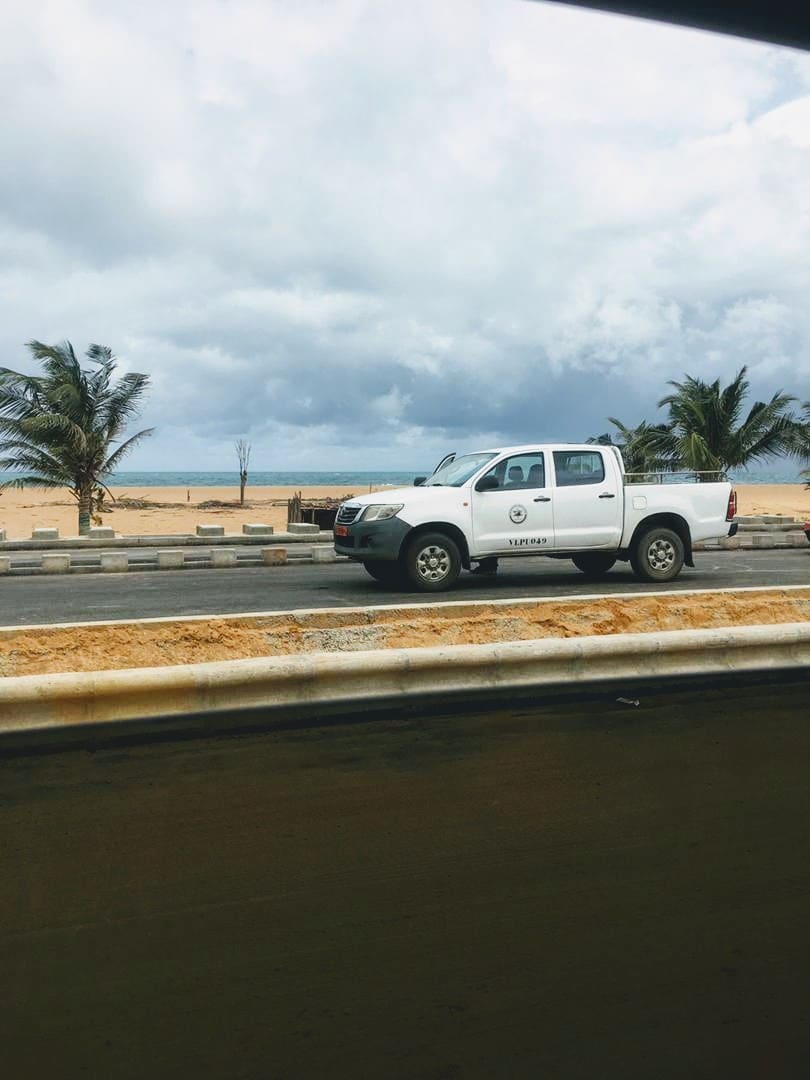
landmark
Sandy Atlantic waterfront lined with evening food stalls. Strong ocean currents make swimming dangerous, so stay on shore.
Tanya Parley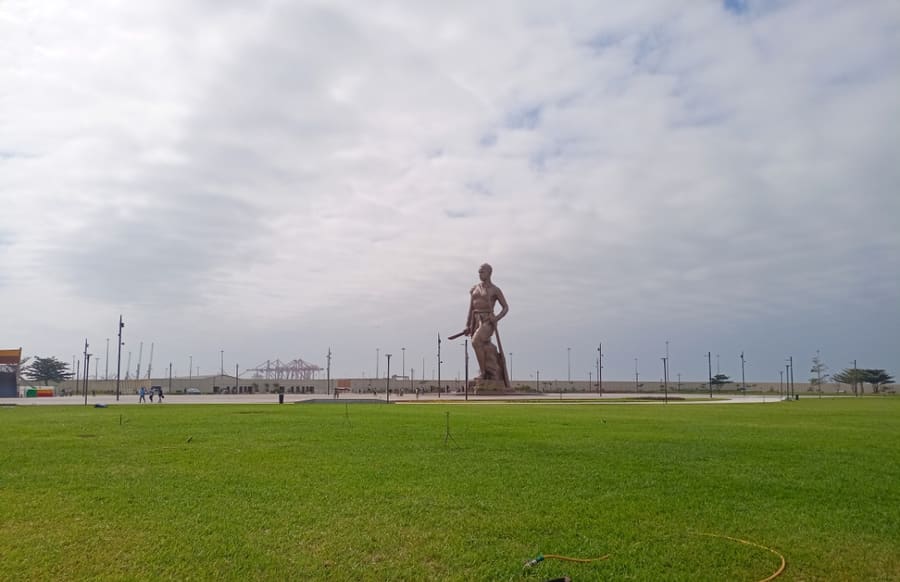
landmark
Massive bronze monument honoring Dahomey women warriors near the coast. Visited easily via taxi along the coastal highway.
Tanya Parleyattractions
areas
Residential government neighborhood centered around the airport perimeter.
DekatHaie Vive restaurants and coastal road.
Tanya ParleyDense commercial central district containing banks, corporate offices, and old port infrastructure.
DekatMarché Dantokpa and Cotonou Cathedral.
Tanya ParleySprawling eastern residential district across the lagoon channel.
DekatOuando transport routes and Porto-Novo road.
Tanya ParleyExpat-heavy zone with paved streets, bakery chains, and international dining options.
DekatCadjehoun Airport and western beach access.
Tanya Parleyfood
Cotonou cuisine relies heavily on fresh coastal catches and cassava staples. You eat at maquis, open-air neighborhood establishments where meals are cooked to order over charcoal fire. Igname pilée (pounded yam) served with peanut or egusi soup forms the backbone of heavy midday dining. Street stalls along main avenues cook grilled tilapia and chicken coated in spicy pepper pastes.
A typical plate of grilled fish and fried plantains served at a Cotonou maquis.
Taoheedah · CC BY-SA 4.0Select your fresh fish by weight at the grill counter before sitting down.
Igname pilée is prepared fresh around noon; order before 14:00 before portions sell out.
Buy freshly fried alloco (plantains) from roadside vendors using paper wrappings.
history
Cotonou originated as a small fishing village controlled by the Kingdom of Dahomey in the eighteenth century. French colonial authorities developed the port in the late nineteenth century, transforming the settlement into Dahomey's primary trade gateway. After independence in 1960, Cotonou rapidly outgrew the official capital of Porto-Novo to become Benin's economic and political center.
Dahomey treaty
King Glele grants French trading rights at the Cotonou coastal lagoon site.
Independence
Benin gains independence, with Cotonou serving as the de facto administrative seat.
Amazone monument
Benin unveils the 30-meter bronze Esplanade des Amazones honoring Dahomey women soldiers.
where to stay
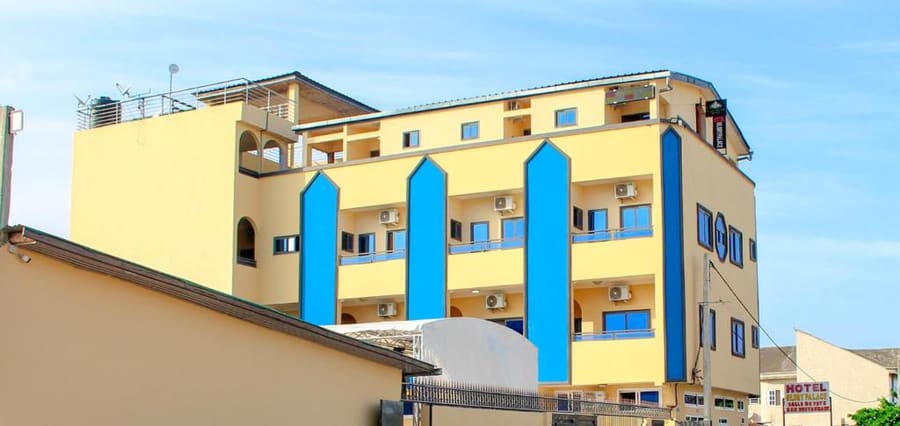
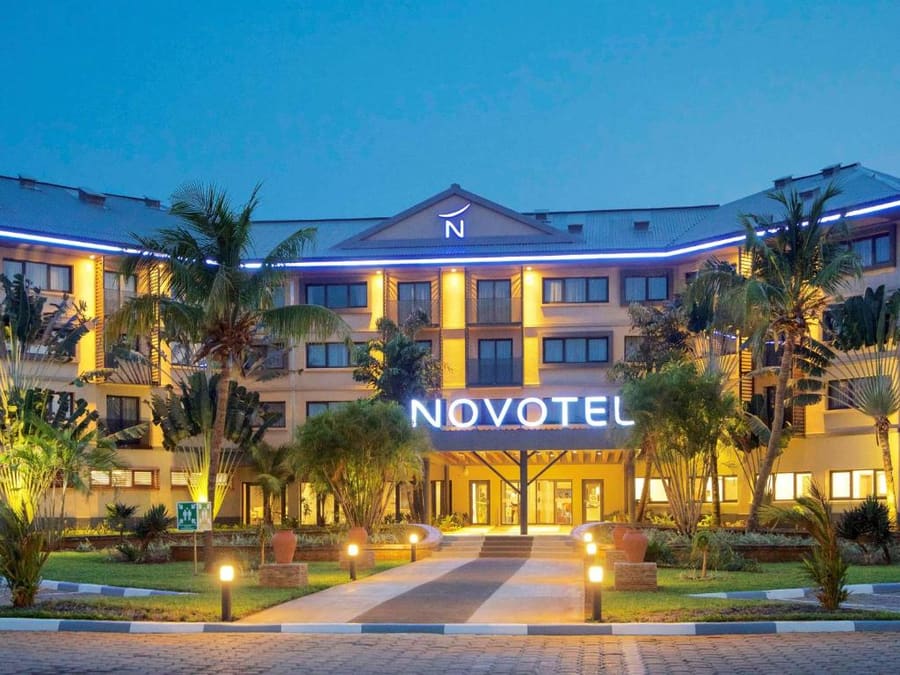
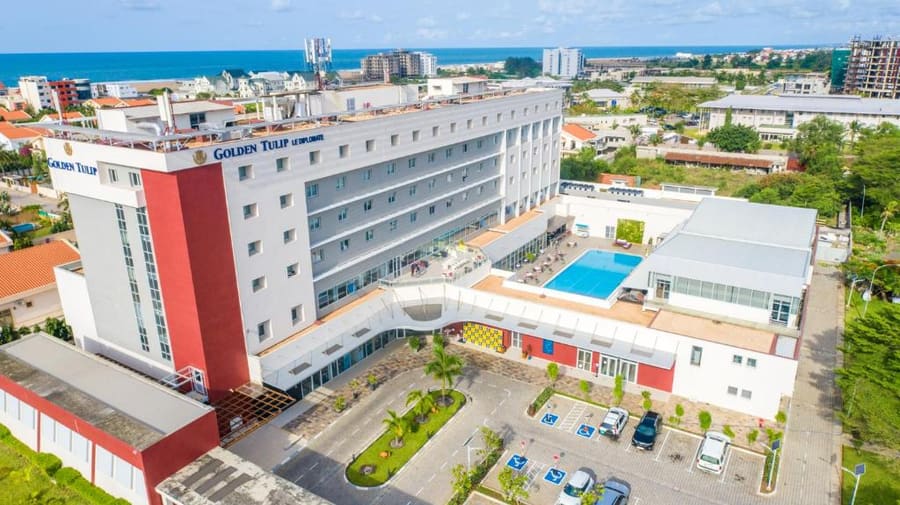
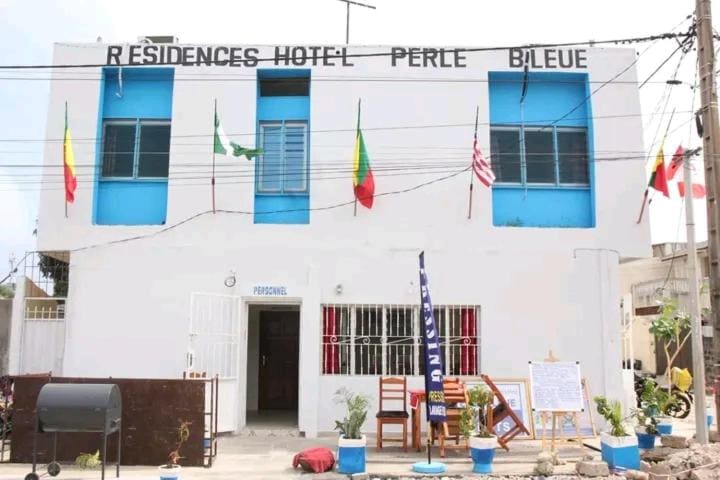
Choose your neighborhood based on your tolerance for traffic and night noise. Haie Vive offers Western amenities within walkable blocks. Ganhi suits business travelers needing proximity to banks and port offices.
Live rates, matched to the areas above.
transport
Cotonou has no municipal metro or rail network. Yellow motorcycle taxis called zemidjans handle the majority of point-to-point urban trips. Standard four-wheel taxis operate without meters, requiring clear rate agreement before entering.
Dari Cadjehoun Airport (COO)
Negotiate fixed price at the terminal exit before loading luggage.
Arranged directly through major hotels in Haie Vive or Ganhi.
Local app services like GoZem offer motorcycle and car bookings.
Hail yellow-vested drivers only; state your destination neighborhood landmark rather than exact street numbers.
Drivers rarely carry change for 5,000 CFA notes; carry 200 and 500 CFA coins.
Avoid crossing Ancien Pont between 17:30 and 19:30 during evening commute hours.
Download GoZem to lock in fixed rates for motorcycle taxis without bartering.
cost
Cotonou uses the West African CFA franc (XOF), pegged directly to the euro. Cash drives daily commerce, though upscale hotels accept major international cards.
Short trips cost 200–300 XOF; crossing the lagoon bridge costs up to 700 XOF.
Includes fresh whole tilapia, side of aloko, and a local beer.
Includes air conditioning and generator backup against power outages.
Standard 65cl bottle served cold at open-air neighborhood bars.
seasonality
NOV – FEB
Dry season with harmattan winds. Warm temperatures with lower humidity make exploring market districts easier.
MAR – MAY
Peak heat before the rains. Daily high temperatures regularly exceed 32°C with high coastal humidity.
JUN – JUL
Heavy rainy season. Flooding affects low-lying dirt roads around Dantokpa and unpaved suburbs.
AUG – OCT
Short dry spell followed by light autumn rains. Moderate temperatures and manageable street conditions.
practicalities
French is the official language and business standard; Fon is widely spoken in markets.
Carry a portable power bank as electrical load shedding occurs intermittently.
Withdraw cash at Bank of Africa or Ecobank branches in Ganhi or Haie Vive.
Ask explicit permission before photographing people, market stalls, or government buildings.
Avoid swimming in the ocean off Fidjrossè due to dangerous undertows and strong currents.