landmark
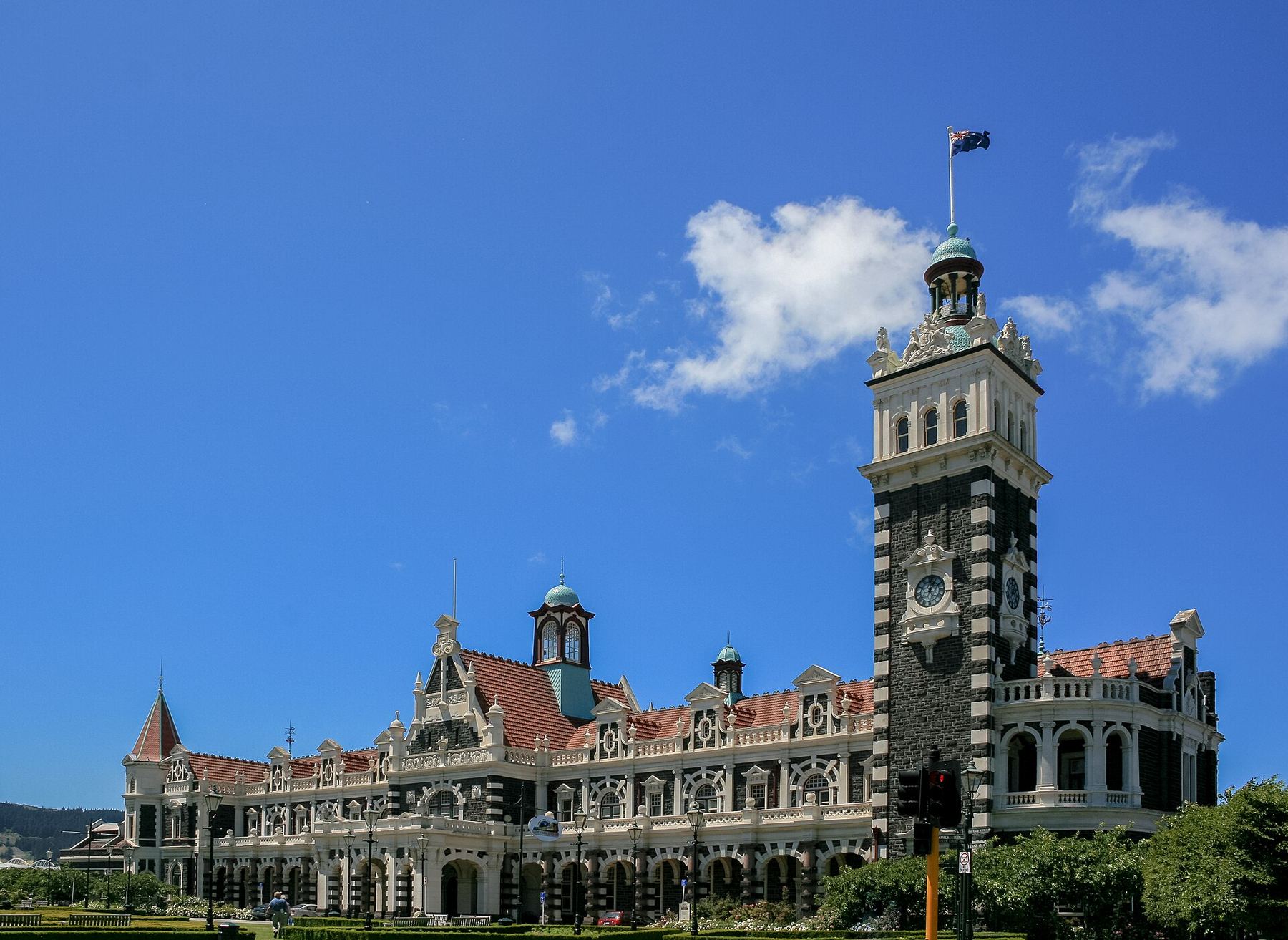
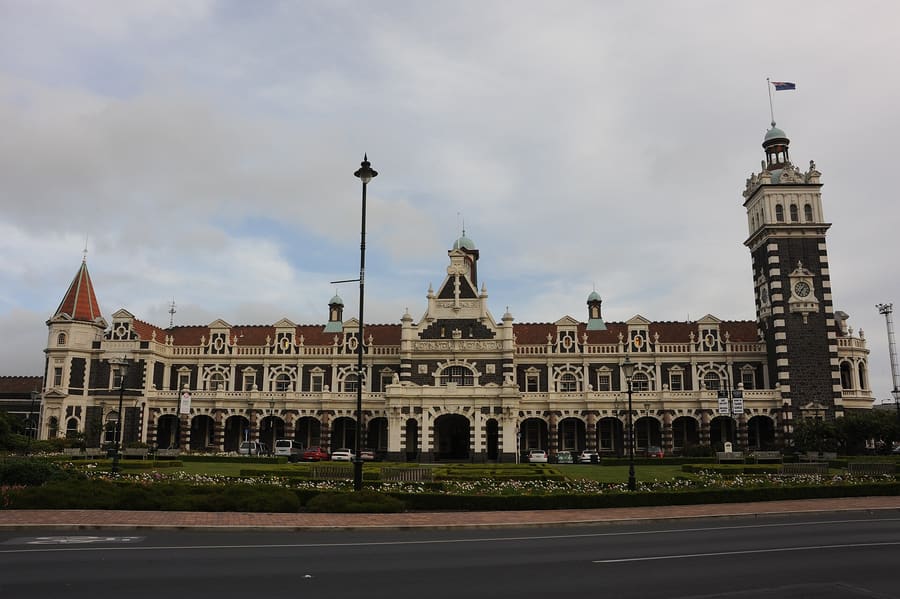
Dunedin Railway Station
Dark basalt and white limestone form this 1906 station. Walk inside to view the floor made of 750,000 Minton tiles.
Tanya ParleySelandia Baru
Scottish heritage, steep hills, and wild coastal colonies.
introduction
Dunedin builds grand Victorian stone onto dramatic volcanic hillsides. You move through a city shaped by an 1860s gold rush and a long Scottish legacy. Expect steep street climbs, strong wind off the Southern Ocean, and wild coasts minutes from downtown. A massive student population keeps coffee sharp and nightlife active.
Arrival from DUD
Dunedin Airport sits 30 km south in Momona. A commercial shuttle costs around NZD 30 and takes 30 minutes to reach downtown.
UNESCO City of Literature
Dunedin became a UNESCO City of Literature in 2014. The designation recognizes its deep publishing and poetic history.
Steep street navigation
Baldwin Street reaches a 35 percent grade. Park at the bottom unless you trust your handbrake completely.
Dunedin
Krzysztof Golik · CC BY-SA 4.0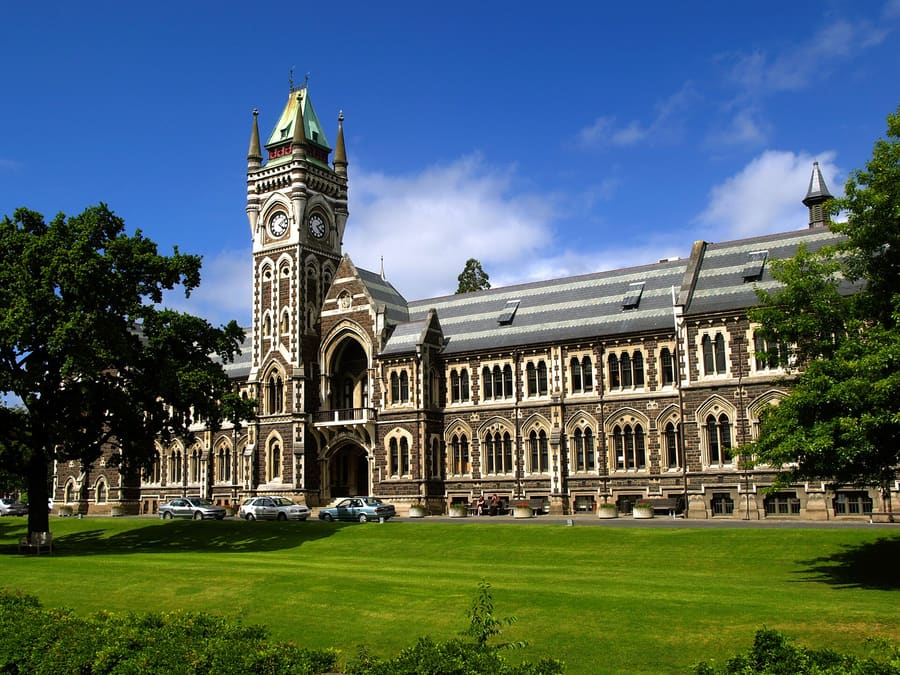
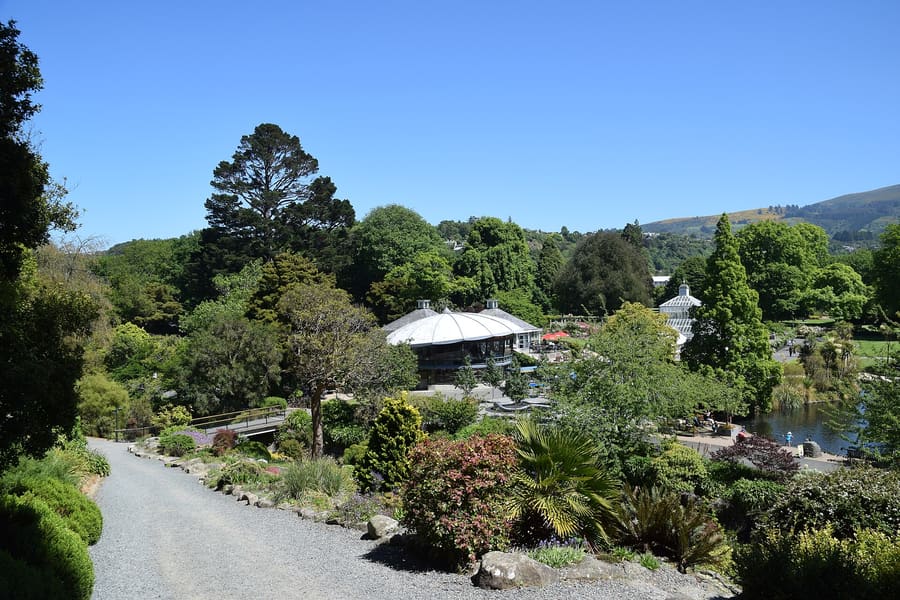
North Dunedin — University district with Victorian student flats, busy cafes, and leafy botanic gardens.
Ulrich Lange, Dunedin, New Zealand · CC BY-SA 3.0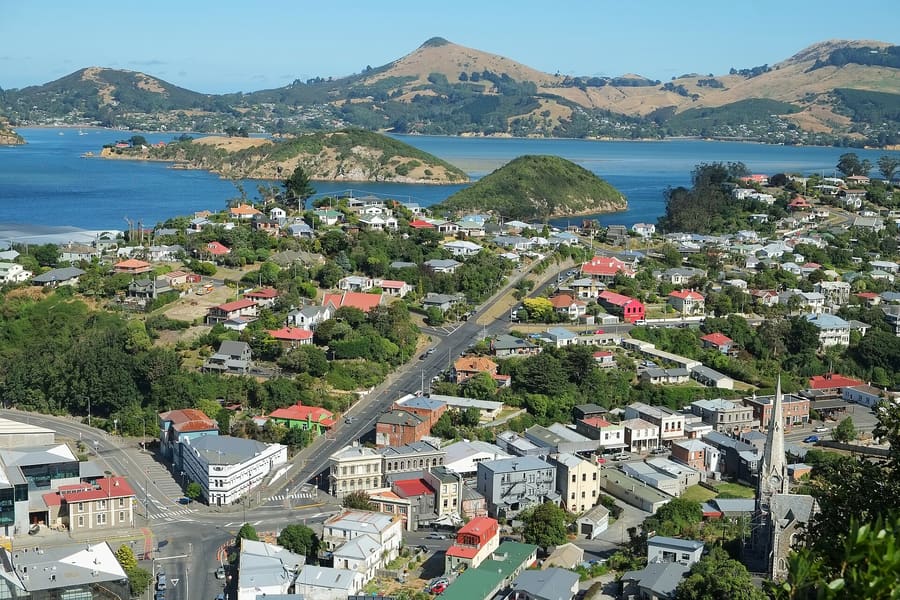
Port Chalmers — Historic harbour suburb with working docks, artist studios, and old maritime pubs.
Pseudopanax at English Wikipedia · Public domain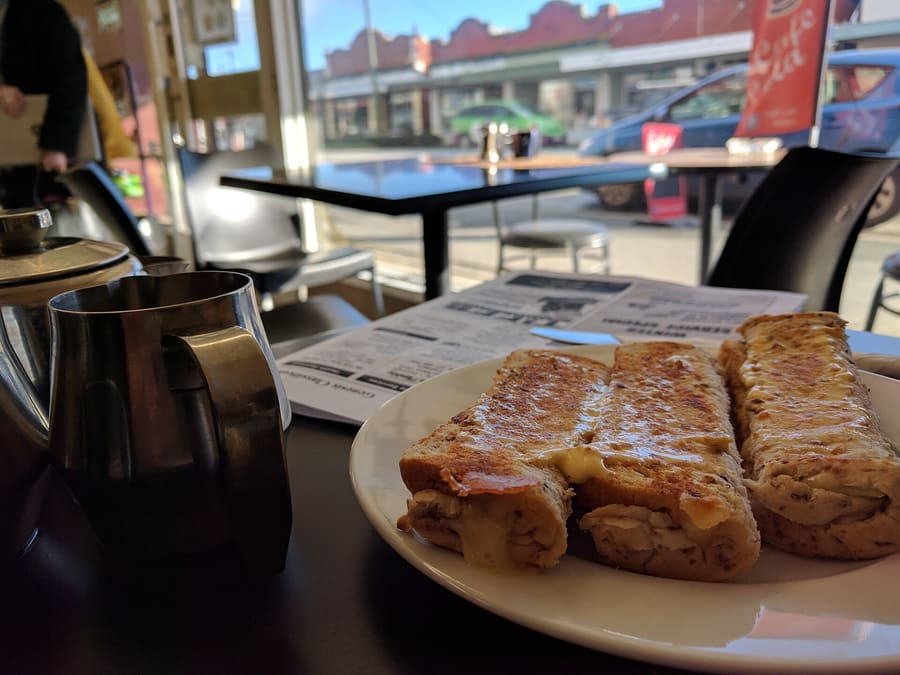
A classic toasted cheese roll, the signature snack of the lower South Island.
Ready.eddy · CC BY-SA 4.0highlights
landmark
Dark basalt and white limestone form this 1906 station. Walk inside to view the floor made of 750,000 Minton tiles.
Tanya Parley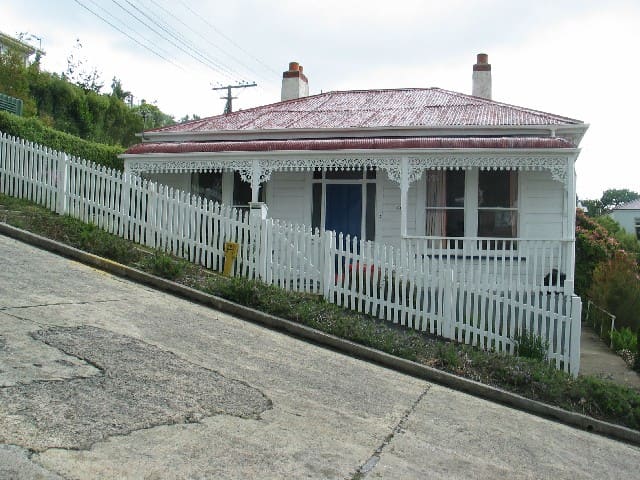
landmark
Recognized as the world's steepest residential street. Take the stairs on the side instead of walking on the slick concrete road.
Tanya Parley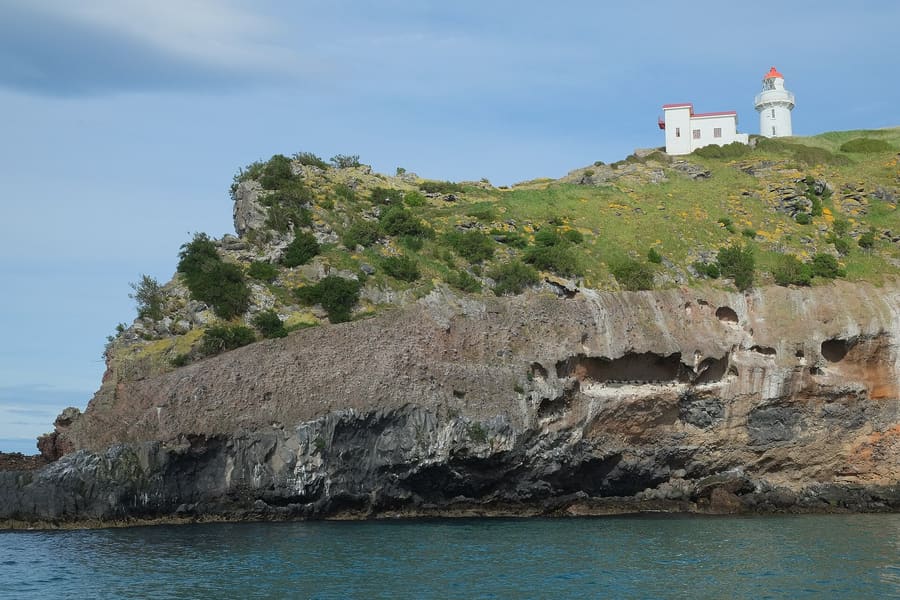
landmark
The only mainland breeding colony of northern royal albatross. Book afternoon tours when ocean winds encourage full flight.
Tanya Parley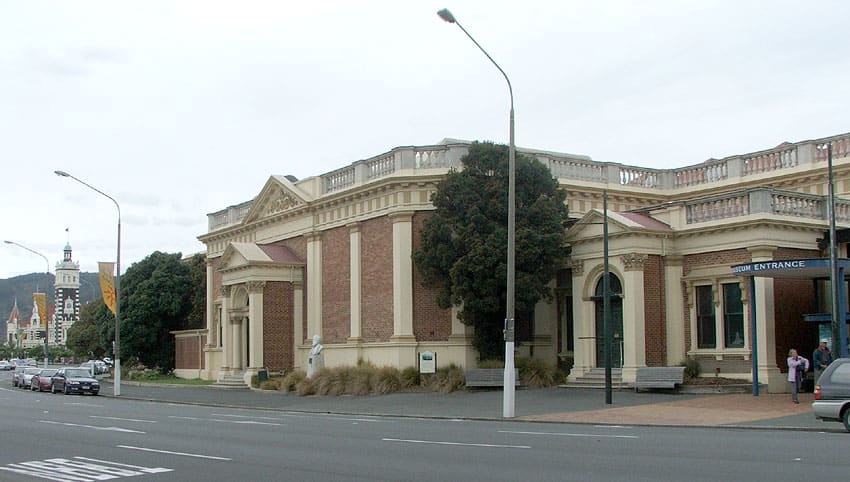
landmark
Traces human arrival from early Maori sea voyages to Victorian pioneers. Entry is free every day.
Tanya Parley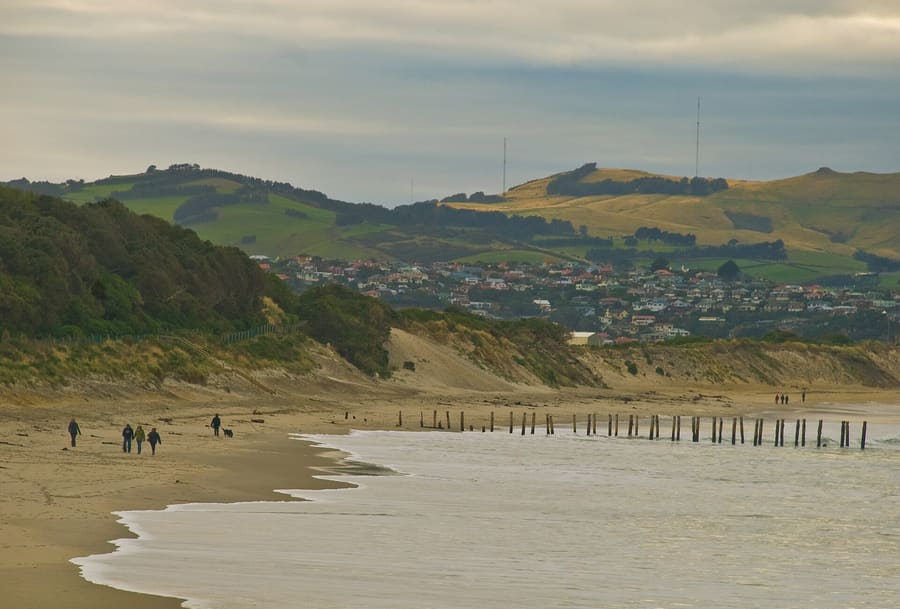
landmark
A ocean beach popular with local surfers. Watch out for cold water currents and strong swells year-round.
Tanya Parleyattractions
areas
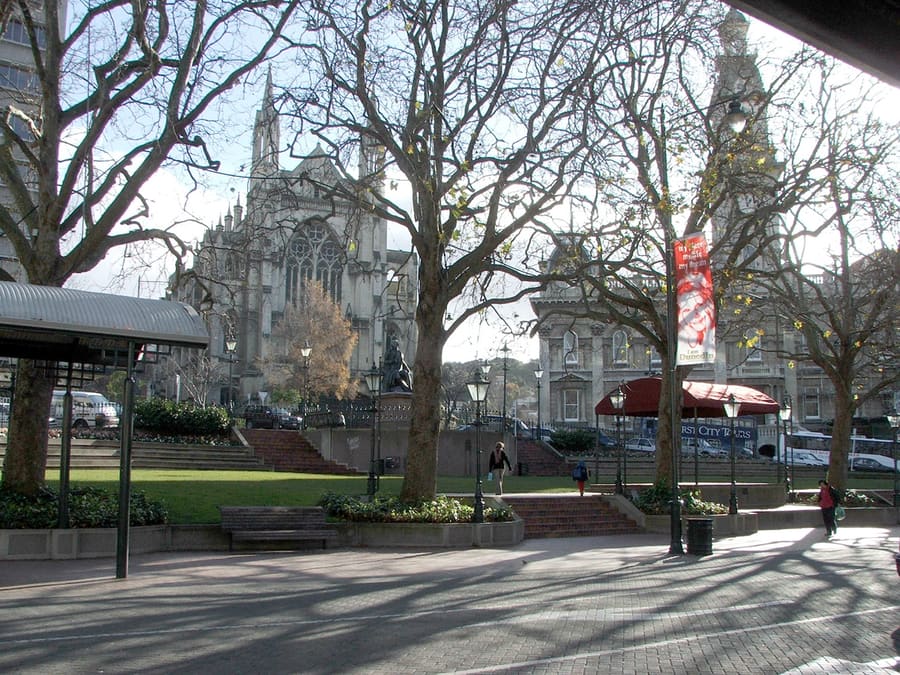
Eight-sided central plaza surrounded by historic stone pubs, art galleries, and dining.
DekatDunedin Railway Station and Toitu Museum
Tanya ParleyUniversity district with Victorian student flats, busy cafes, and leafy botanic gardens.
DekatUniversity of Otago and Dunedin Botanic Garden
Tanya ParleyHistoric harbour suburb with working docks, artist studios, and old maritime pubs.
DekatOtago Harbour and Careys Bay
Tanya ParleyCoastal strip along the ocean featuring a salt pool, surf breaks, and oceanfront dining.
DekatSt Clair Beach and Esplanade
Tanya Parleyfood
Dunedin food reflects its cold coastal climate and deep Scottish heritage. The city’s distinct regional staple is the cheese roll, often called southern sushi. Locals grate cheddar cheese, mix it with evaporated milk or onion soup mix, roll it in white bread, and grill it with butter. You find these rolls at bakeries and neighbourhood cafes across town.Craft brewing has deep roots here, anchored by Emerson's Brewery near the university campus. Fresh seafood comes directly from the surrounding Pacific waters and Otago Harbour. Blue cod, crayfish, and local oysters dominate winter menus across downtown establishments.
A classic toasted cheese roll, the signature snack of the lower South Island.
Ready.eddy · CC BY-SA 4.0Eat cheese rolls fresh off the press while the center remains molten. Asking for a cold one marks you instantly as an outsider.
The brewery taproom on Anzac Avenue lets you order tasting flights directly alongside views of the working brewkit.
Kitchens outside the central Octagon area routinely stop serving food by 20:30 on weeknights.
history
Maori settled the Otago harbour area in the 14th century, establishing fishing villages along the peninsula. In 1848, lay members of the Free Church of Scotland arrived to build a modern settlement. They named the colony Dunedin, using the Gaelic name for Edinburgh.The discovery of gold in Central Otago in 1861 transformed Dunedin into the commercial center of New Zealand. Wealthy merchants built grand bluestone banks, university halls, and grand churches. That Victorian boom generated the architectural landscape that defines the inner city today.
Scottish Arrival
Free Church of Scotland settlers land at Port Chalmers aboard the ships John Wickliffe and Philip Laing.
Otago Gold Rush
Gold strikes inland flood Dunedin with capital and double the city's population in three months.
First University
Founding of the University of Otago, making it the oldest university institution in New Zealand.
Railway Station Opens
Architect George Troup completes the grand railway terminal, cementing Dunedin as a transport hub.
where to stay
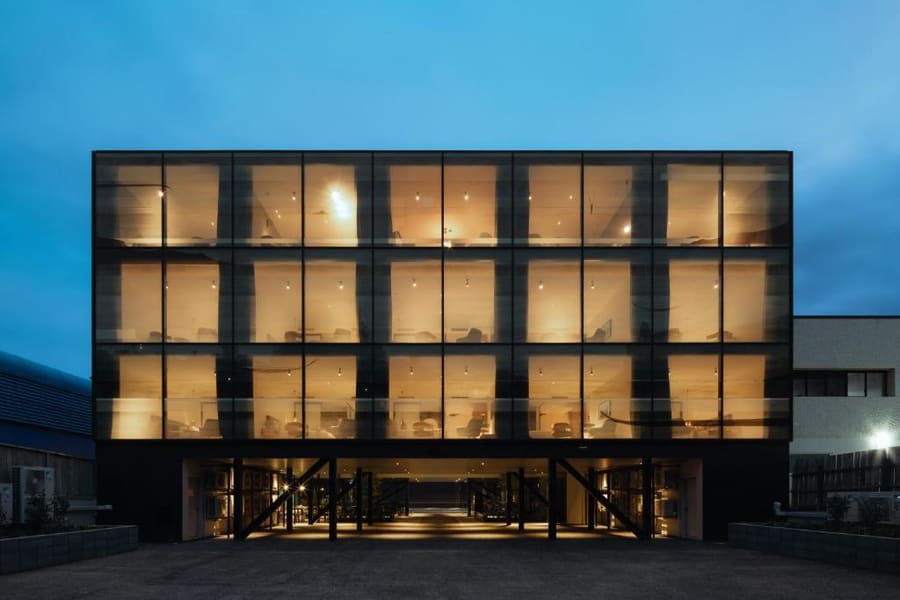
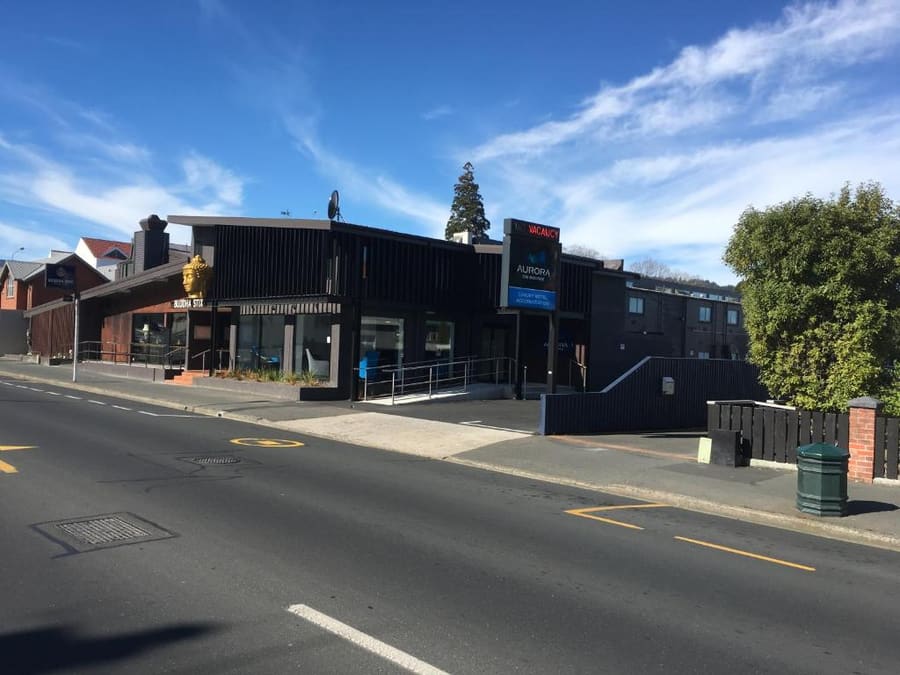
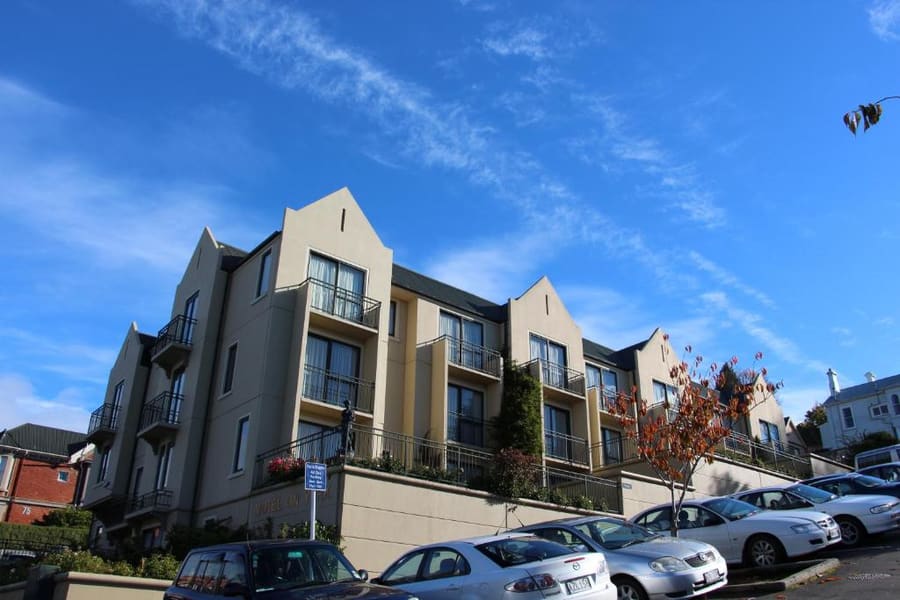
Choose your base based on your access needs and appetite for steep terrain. The Octagon offers total walkable convenience, but city traffic and night bars bring noise. North Dunedin places you near quiet gardens and academic quarters. St Clair gives you direct ocean views at the cost of a daily drive into town.
Live rates, matched to the areas above.


transport
Central Dunedin is compact, but surrounding residential zones sit on steep hills. You can easily walk between the Octagon, the station, and university grounds. Reaching the Otago Peninsula or suburban beaches requires a city bus or a private vehicle.
Dari Dunedin Airport (DUD)
Shared vans wait outside arrivals. Book ahead if traveling in a group.
Ranks sit directly outside the baggage drop area.
Pickups occur at the designated rideshare lane in the main carpark.
Buy a Bee Card at bus hubs to cut your public transit fares significantly compared to paying cash.
Local buses run from the central Octagon hub to St Clair, Port Chalmers, and northern suburbs.
Public buses do not serve the outer wildlife sights on Portobello Road past Harington Point.
Suburban bus routes drop to hourly frequencies on Sundays and public holidays.
cost
Dunedin offers reasonable value compared to Queenstown or Auckland. Free entry to top museums balances out expenses for coastal wildlife tours. Food pricing spans cheap student bakeries to high-end seafood dining.
A standard regional snack served hot with butter at local cafes.
Standard price for locally brewed IPA at downtown taprooms.
Flat rate for inner city zones when using a tagged Bee Card.
Guided access to the nature reserve observatory at Taiaroa Head.
seasonality
DEC – FEB
Warmest days and longest daylight hours. Book wildlife tours early to guarantee spots.
MAR – MAY
Cooler temperatures and golden autumn trees. University semester brings lively energy.
JUN – AUG
Cold ocean winds and short daylight. Albatross chicks hatch and stay in coastal nests.
SEP – NOV
Spring blooms across the Botanic Garden. High winds blow along the outer coasts.
practicalities
Southern Ocean winds lower temperatures quickly, even during middle summer afternoons.
Over 20,000 students move out in November, making the city noticeably quieter in December.
Portobello Road hugs the water without guardrails on narrow curves.
EFTPOS and credit cards work at almost all shops, markets, and transit counters.
Maintain at least 10 meters distance from sea lions resting on public beaches.