landmark
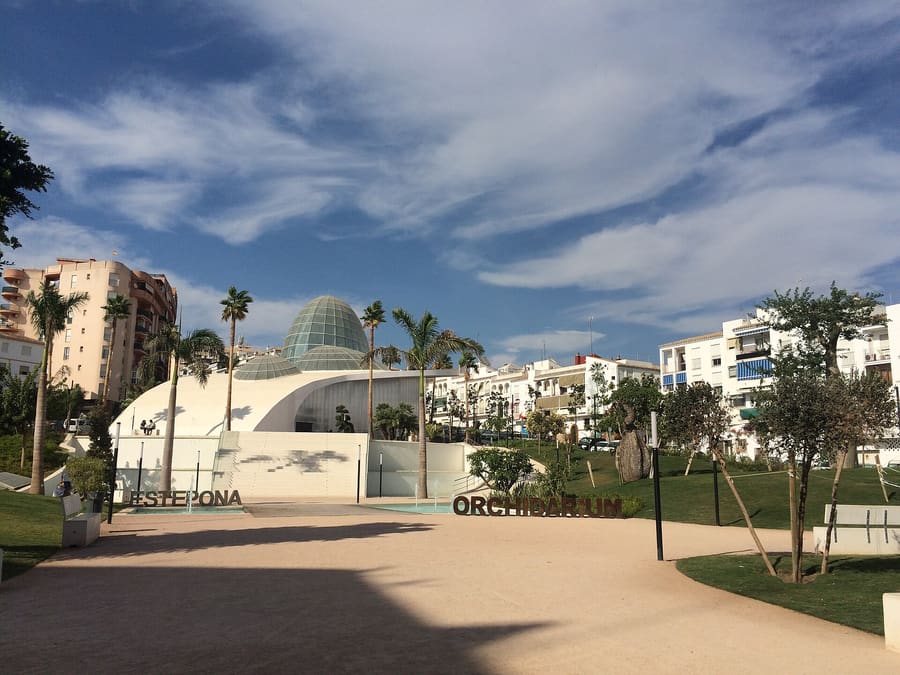
Orquidario de Estepona
Three glass domes shelter 1,300 orchid species and a 17-metre waterfall. Visit at 10:00 before humidity and tour groups peak.
Tanya ParleySpanyol
A pedestrianized coastal town defined by murals and seafood.
introduction
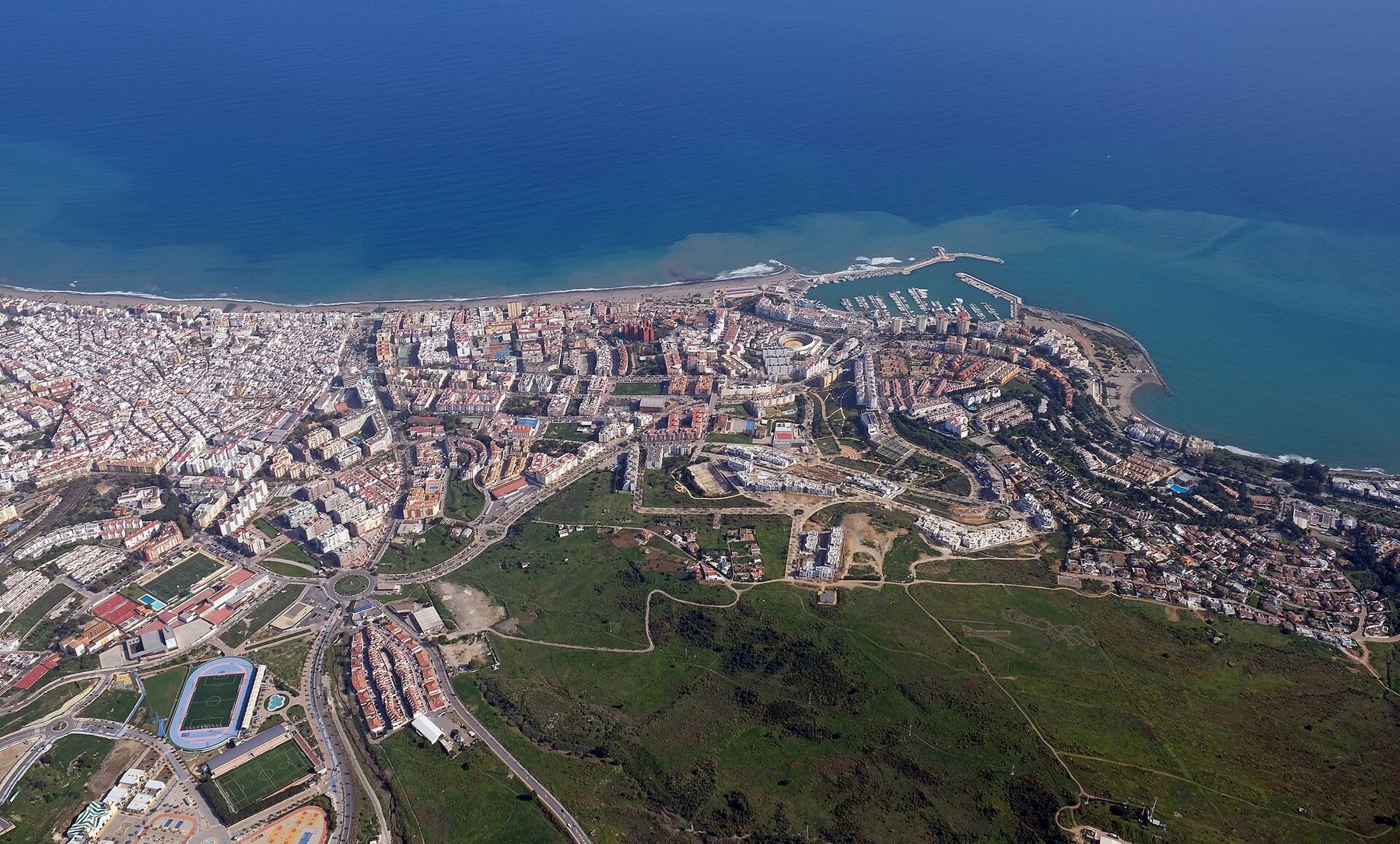
Estepona stands apart from neighbouring Marbella by keeping its working-town scale and pedestrian core. Over 100 streets restrict cars, leaving brick pavements lined with colour-coded flowerpots and local tapas bars. The coastline stretches 21 kilometres, backed by the Sierra Bermeja mountains that block northern winds. You navigate easily on foot between the old town, the fishing port, and the wide boardwalk.
Airport express bus trick
Avanza direct buses connect Málaga Airport to Estepona bus station in 75 minutes. Booking online avoids sold-out summer coaches.
Botanical orchidarium
The Orquidario houses over 1,300 orchid species under three glass domes, making it one of Europe's largest collections.
Pedestrian inner core
The municipality pedestrianized more than 18 kilometres of streets, creating a peaceful walking network.
Estepona
ANAGSPC · CC BY-SA 4.0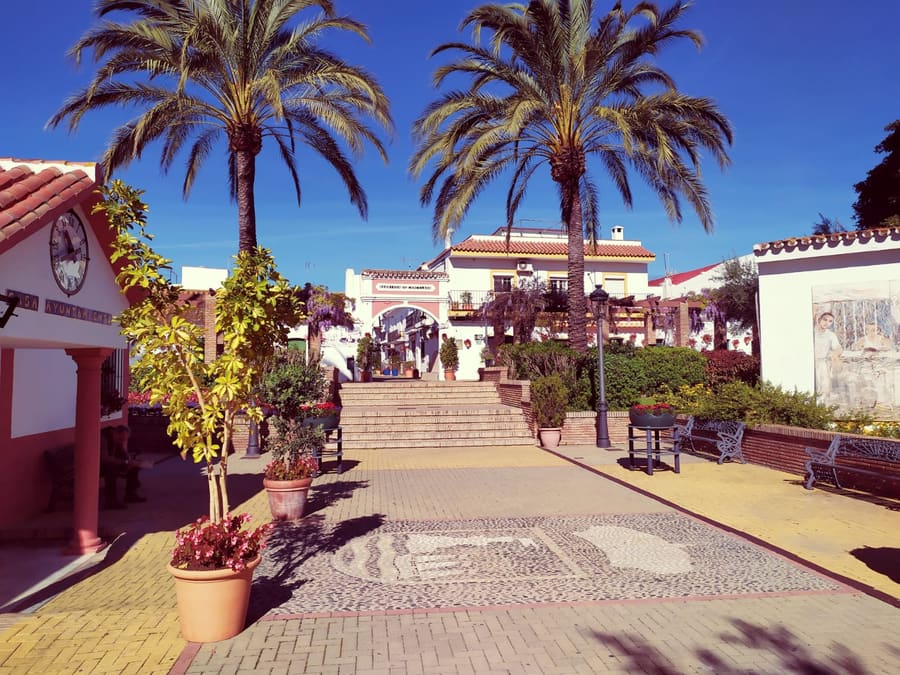
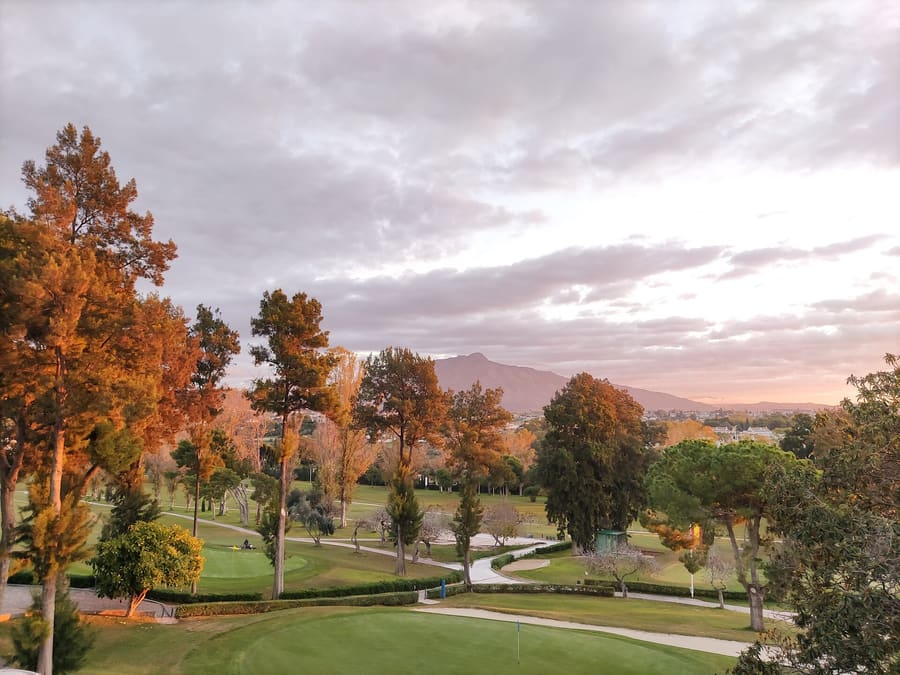
New Golden Mile — Sprawling luxury resort enclave stretching east towards San Pedro de Alcántara.
ANAGSPC · CC BY-SA 4.0highlights
landmark
Three glass domes shelter 1,300 orchid species and a 17-metre waterfall. Visit at 10:00 before humidity and tour groups peak.
Tanya Parley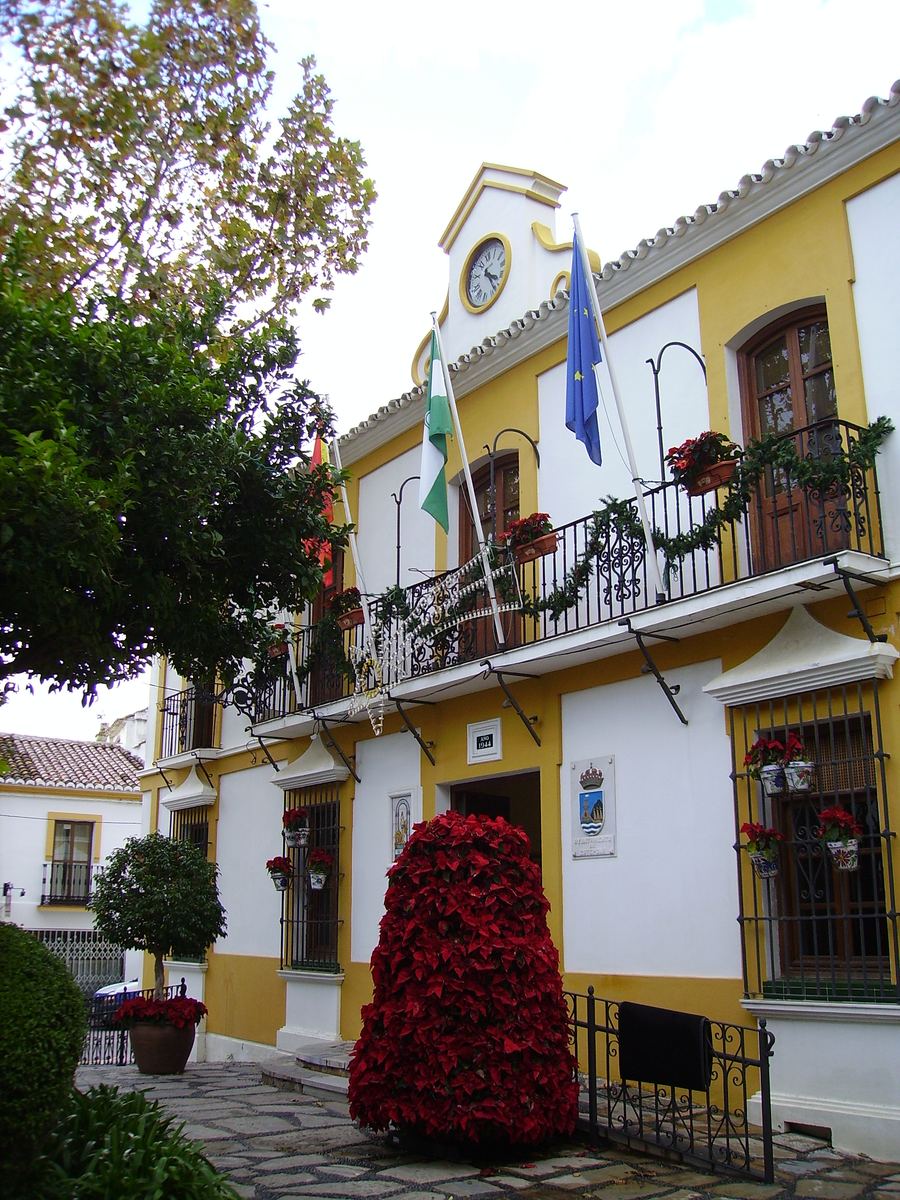
landmark
The historic centre's focal point features orange trees and 19th-century houses. Sit at Casa Doña Jerónima for morning coffee.
Tanya Parley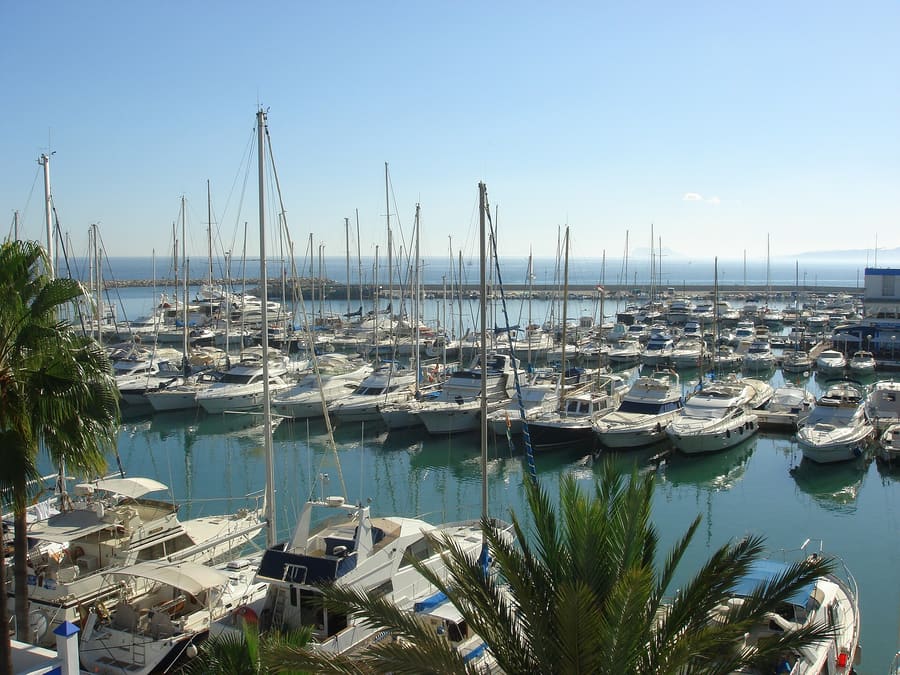
landmark
A working fishing harbour and yacht marina at the west end of town. Sunday morning street markets sell crafts and leather goods.
Tanya Parley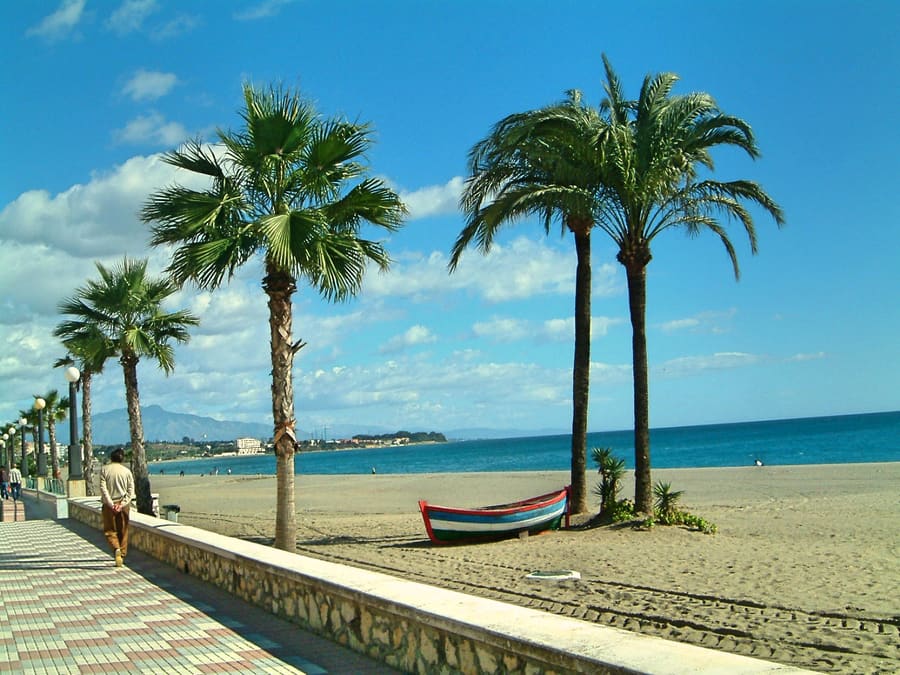
landmark
A 2.6-kilometre sandy beach running parallel to the town centre. Sun loungers cost around €6 per day near Chiringuito El Maderita.
Tanya Parleyattractions
areas
Sprawling luxury resort enclave stretching east towards San Pedro de Alcántara.
DekatSelwo Aventura and golf courses
Tanya ParleyTraffic-free brick lanes lined with ceramic flowerpots, local tapas bars, and quiet residential squares.
DekatPlaya de la Rada and Orquidario
Tanya ParleyMaritime energy with seafood chiringuitos, Sunday markets, and sheltered swimming coves.
DekatPlaya del Cristo and Marina
Tanya ParleyWide promenade with open sea views, palm trees, play areas, and direct beach access.
DekatOld Town and La Rada Beach
Tanya Parleyfood
Estepona culinary identity centers on its fishing port. Sardines skewered on cane sticks (espetos) roast over open olive wood fires in wooden boat barbecue pits along the beach. Local restaurants serve sopas camperas and fresh fried fish caught by the local fleet. Seafood prices remain reasonable compared to neighbouring Marbella, but beachside chiringuitos add service charges on busy summer weekends.
Beach restaurants open for lunch around 13:30, but fire up the espeto pits around 14:00.
At La Escollera inside the port, order freshly landed boquerones and red mullet directly at the counter.
Bars around Plaza del Reloj and Calle Real include a small tapa with your drink order.
history
Estepona evolved from a Roman settlement into a fortified Moorish outpost known as Astabbuna. Castilian forces captured the town in 1457, establishing coastal fortresses to defend against Barbary pirates.
Roman Salduba
Settlement prospers under Roman rule through garum fish sauce production and maritime trade.
Castilian Capture
Enrique IV of Castile takes the town from Moorish rulers and orders San Luis fortress construction.
Garden Transformation
The town launches an urban renewal campaign, pedestrianizing streets and planting over 10,000 flowerpots.
where to stay
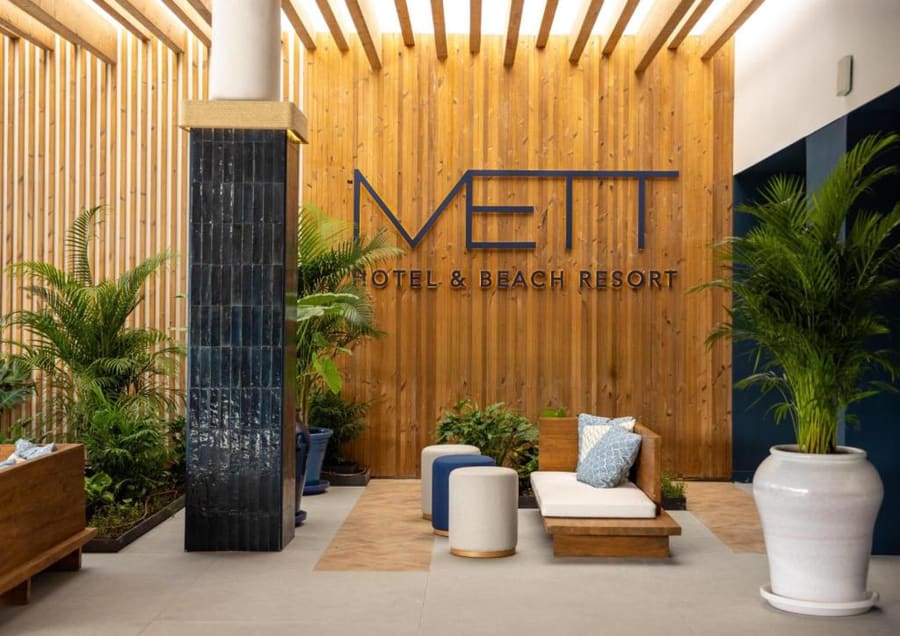
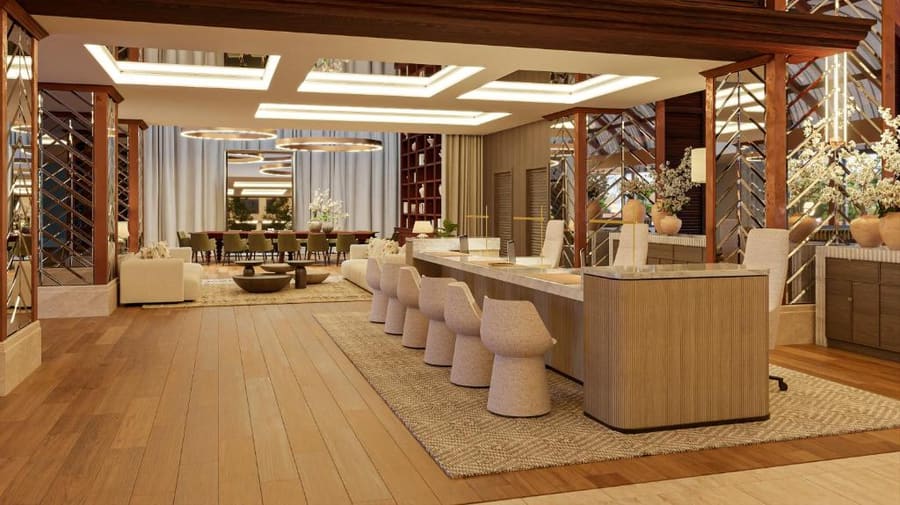
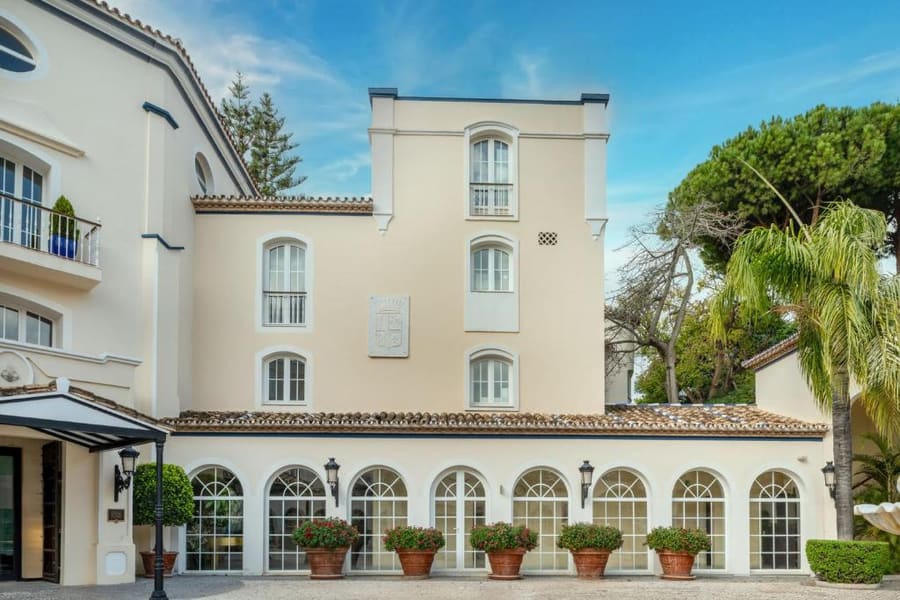
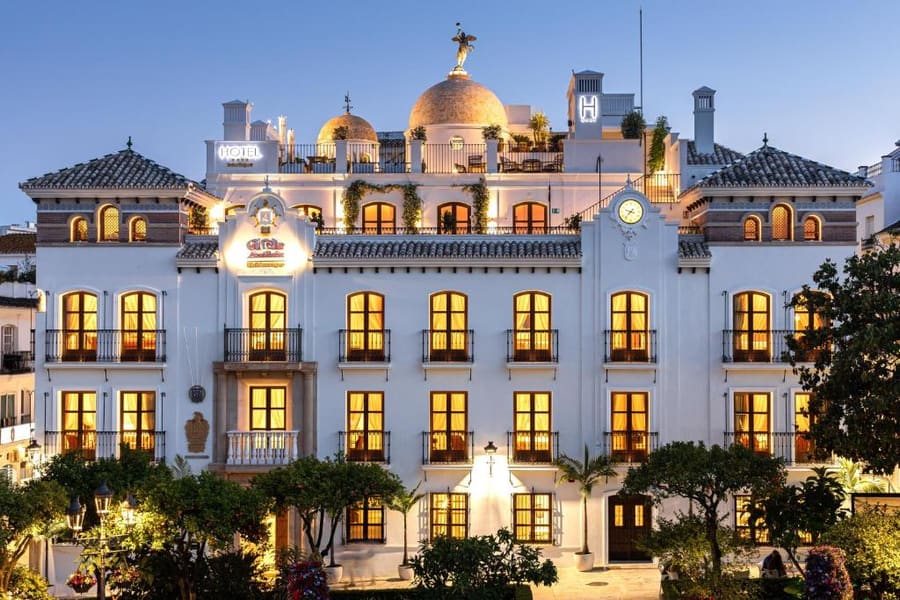
Choose your location based on transport reliance. If you prefer walking to dinners and beaches, book inside the old town or along Paseo Marítimo. Choose the New Golden Mile only if you intend to stay on-resort or rent a car.
Live rates, matched to the areas above.

transport
Estepona centre is entirely walkable. Cars are a liability inside the historic perimeter due to pedestrian zones and narrow streets.
Dari Málaga-Costa del Sol Airport (AGP)
Avanza operates direct express buses daily from AGP Terminal 3 to Estepona bus station.
Official airport taxis operate on official meters. Night and weekend surcharges apply.
Pre-booked vehicles meet you in arrivals and avoid peak summer taxi queues.
Uber and Cabify pickup is designated in the T2 parking garage area.
L1 bus runs along the coast connecting the main bus station, port, and outer urbanisations for €1.40.
The central bus station sits at Avenida Litoral on the eastern edge of town, a 15-minute walk to the centre.
Crossing the old town from Orquidario to Puerto Deportivo takes 25 minutes along the boardwalk.
cost
Estepona offers lower daily costs than Marbella, though beachside dining carries a premium during July and August.
Freshly roasted sardine skewer at a beach chiringuito.
Small cold beer served with olives or nuts in local bars.
Standard adult entry fee for the botanical glasshouse.
Daily rate for one beach lounger with umbrella on La Rada.
seasonality
MAR – MAY
Mild temperatures around 20°C. Spring blooms peak at Orquidario and outdoor cafes open without summer crowds.
JUN – AUG
Hot daytime temperatures exceeding 30°C. Sea temperatures warm up, but beaches and parking fill up quickly.
SEP – NOV
Warm sea temperatures persist through October. Clear skies make this optimal for walking and mural tours.
DEC – FEB
Quiet winter season with daytime highs around 16°C. Some beach chiringuitos close, but old town bars stay open.
practicalities
Poniente winds bring cooler ocean water and clear skies; Levante winds bring warmer water but higher humidity.
Small boutiques and traditional shops in the old town close between 14:00 and 17:00.
The main tourist information office sits in Plaza de las Flores, offering physical mural maps.
Contactless card payments are widely accepted, but keep small coins for public toilets and tip jars.
Playa del Cristo cove faces west, shielding swimmers from eastern Levante wind waves.