landmark
Arenal Volcano National Park
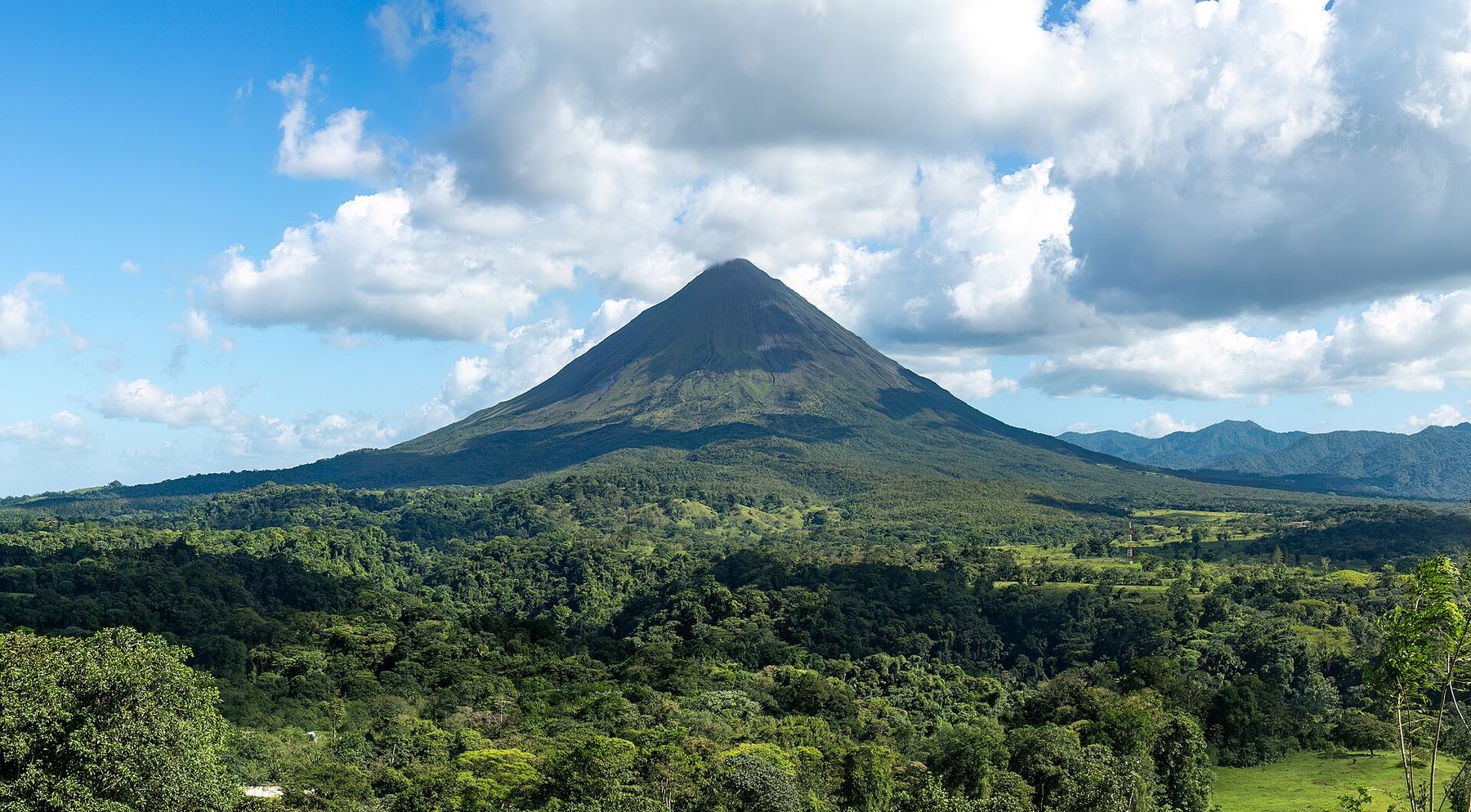
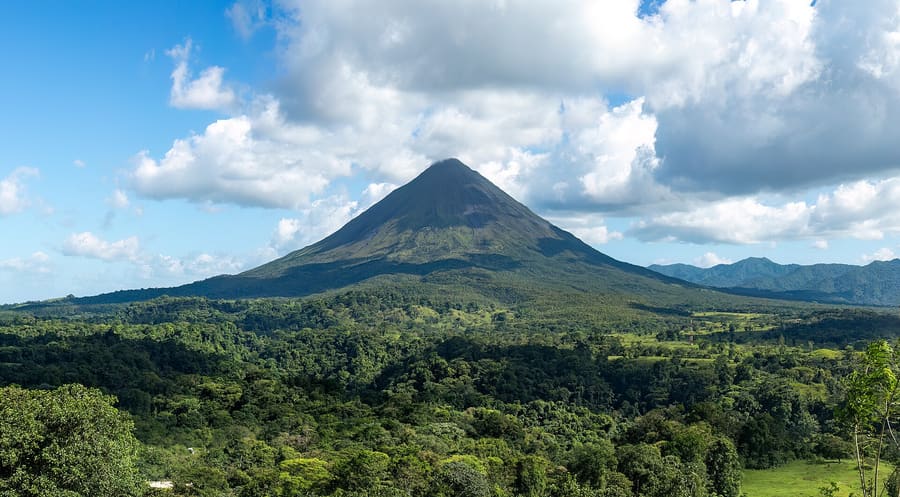
A stratovolcano rising 1,670 metres above the plains. Walk the 1968 lava flow trail early before clouds obscure the peak.
Tanya ParleyKosta Rika
Volcanic heat, rainforest canopy, and thermal rivers.
introduction
Fortuna sits at the base of Arenal Volcano in northern Costa Rica. The town operates as a basecamp for geothermal springs, jungle suspension bridges, and waterfall basins. Moving around requires a rental car or tourist shuttles, as sights spread over a 20-kilometre corridor. Expect early mornings, high humidity, and afternoon rains that reset the daily schedule.
Skip airport taxis at SJO
Shared shuttles run twice daily from SJO airport directly to Fortuna hotels for ₡32,000. Public buses require a connection in Ciudad Quesada.
Agua y Paz Biosphere Reserve
Arenal sits inside a UNESCO-designated biosphere reserve. The volcano was active from 1968 until 2010 and remains monitored today.
Book hot springs for night
Day passes at resort pools sell out early in dry season. Night passes cost less and offer cooler ambient temperatures for soaking.
Fortuna
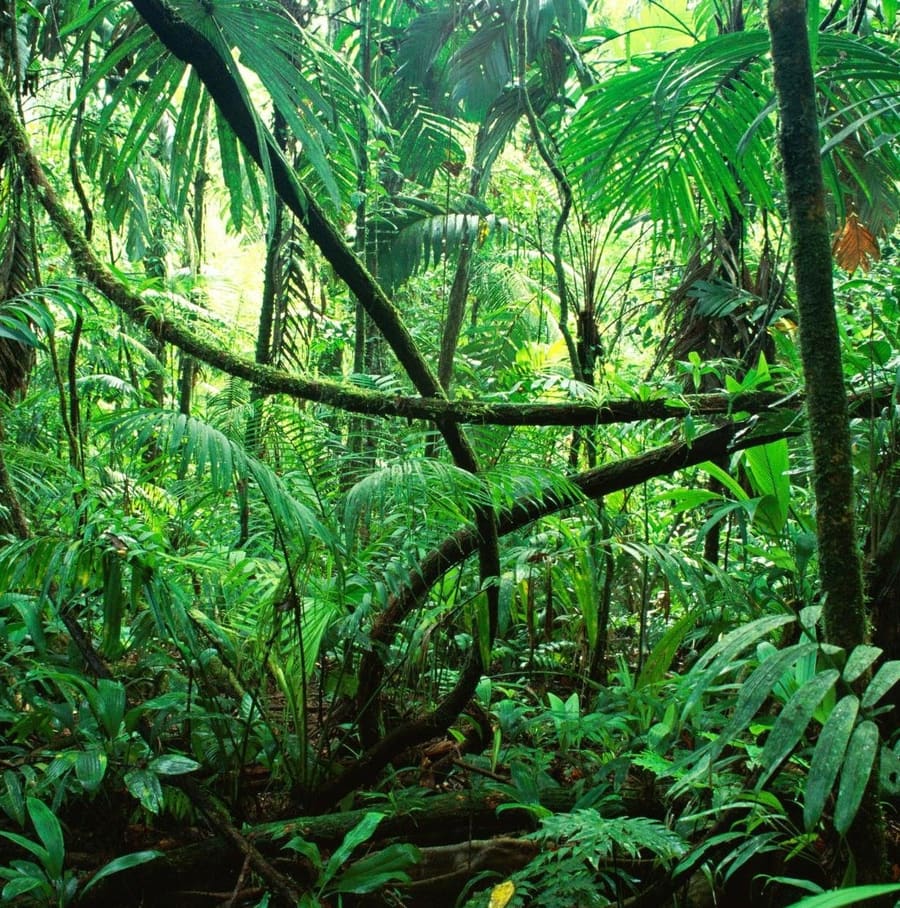
Bild von bere von awstburg auf Pixabay https://pixabay.com/de/photos/die-dschungel-von-chiapas-1865639/ · CC0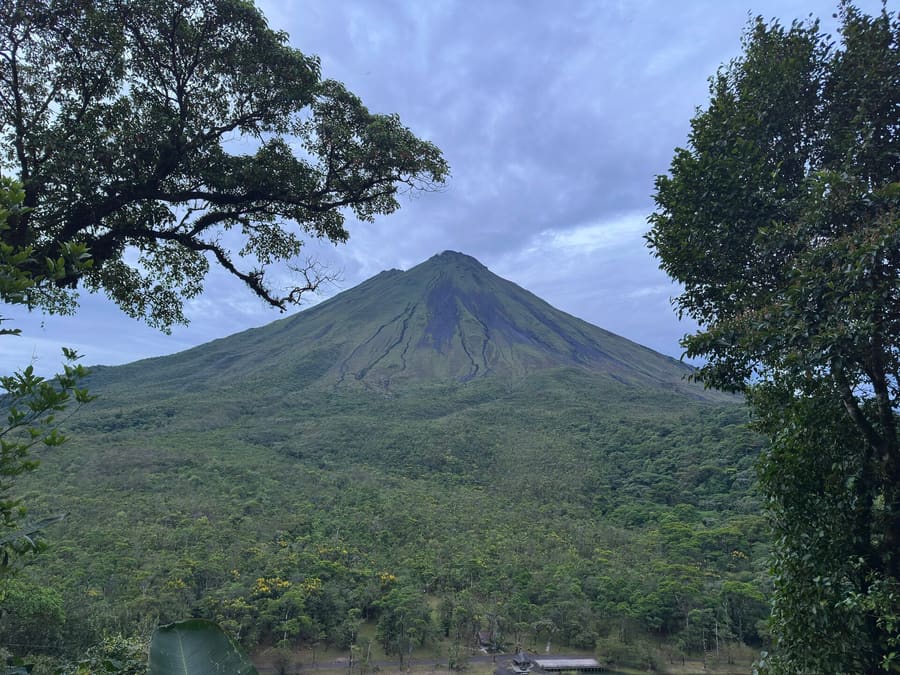
Tabacón Corridor — Luxury hot spring resorts stretched along Highway 142 toward the lake.
Adlira512 · CC BY-SA 4.0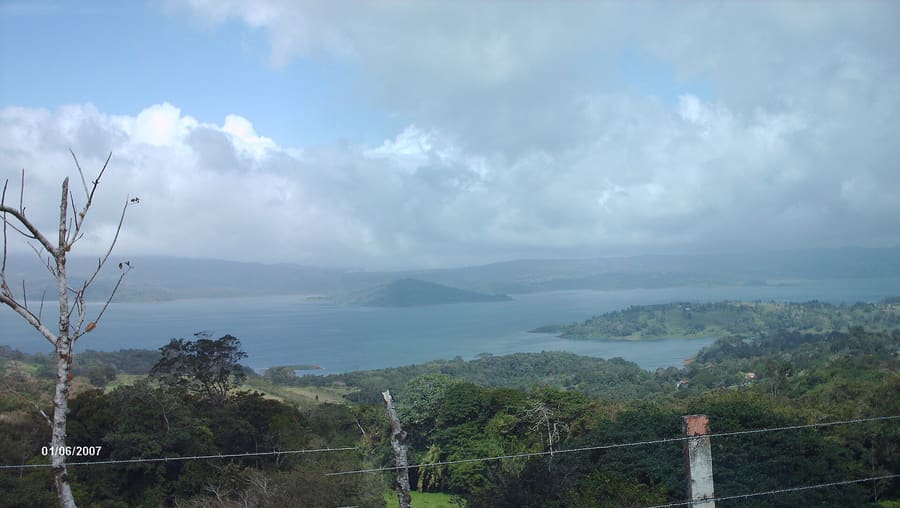
El Castillo — Quiet hillside village offering uncrowded views of the volcano's southern face.
Ejimenezs · Public domain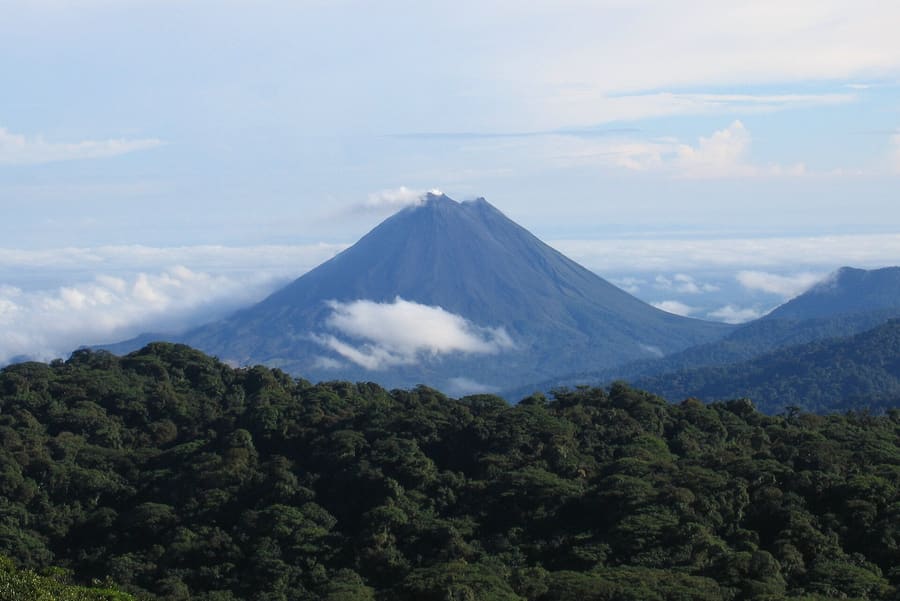
La Palma — Agricultural zone of cattle ranches, quiet cabinas, and local butcher shops.
Peter Andersen · CC BY-SA 3.0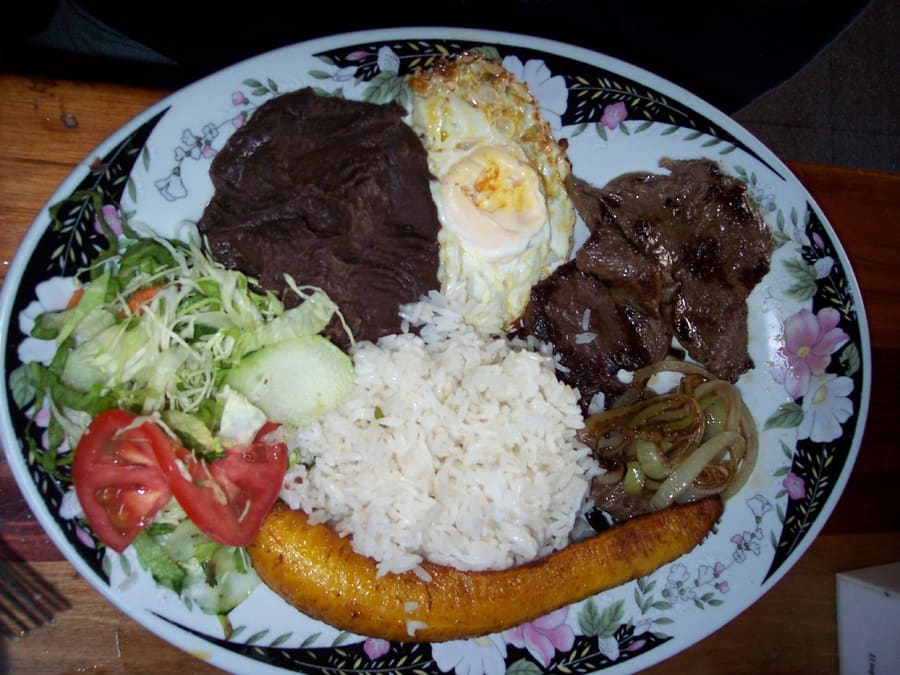
A classic casado plate served with black beans, rice, plantains, and grilled pork.
Richie Diesterheft from Chicago, IL, USA · CC BY 2.0highlights
landmark
A stratovolcano rising 1,670 metres above the plains. Walk the 1968 lava flow trail early before clouds obscure the peak.
Tanya Parley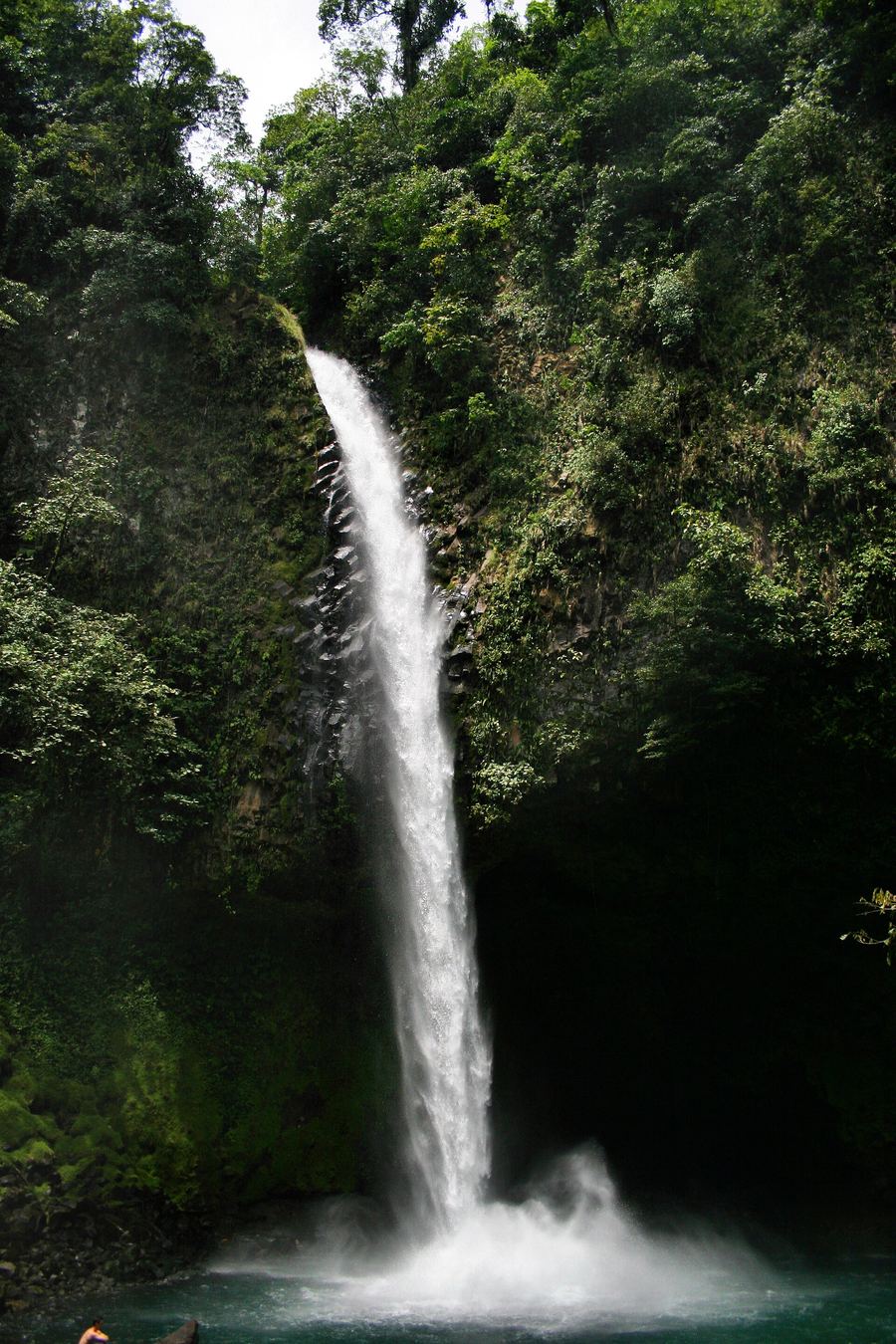
landmark
A 70-metre drop into a jade basin surrounded by rainforest. Descent requires 500 steep steps, so save energy for the return climb.
Tanya Parley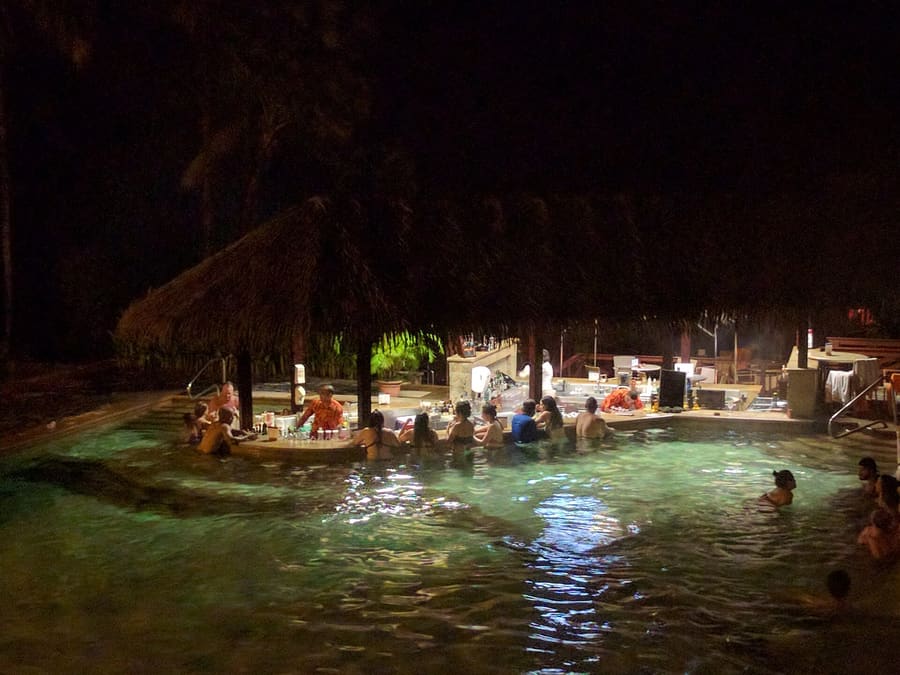
landmark
Naturally heated river pools flowing through landscaped gardens. Reserve day passes a month early during the dry season.
Tanya Parley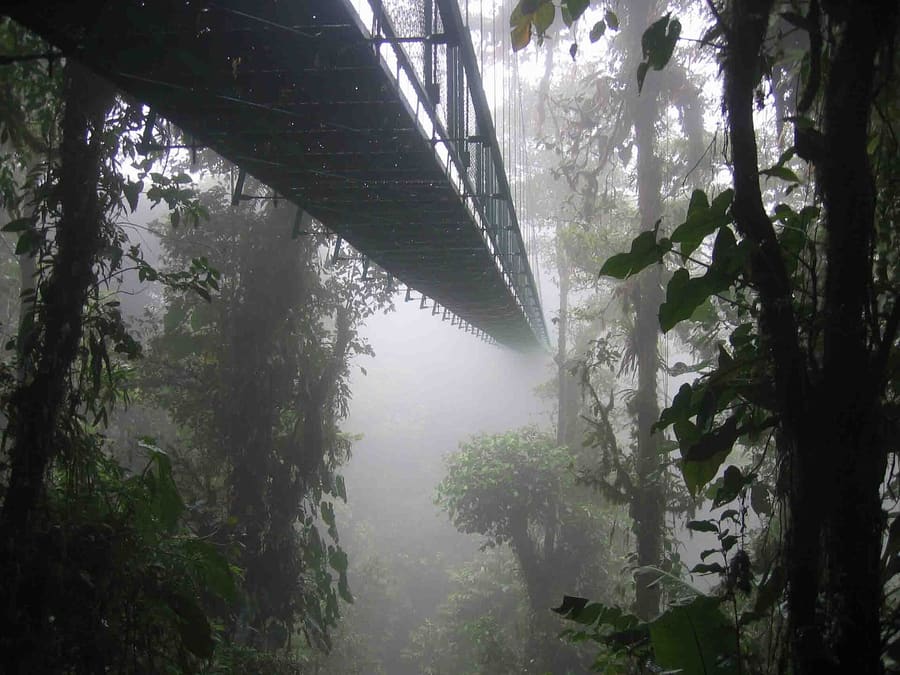
landmark
Six suspension bridges suspended high above the jungle canopy. Hire a guide at the gate or you will miss roosting owls and vipers.
Tanya Parley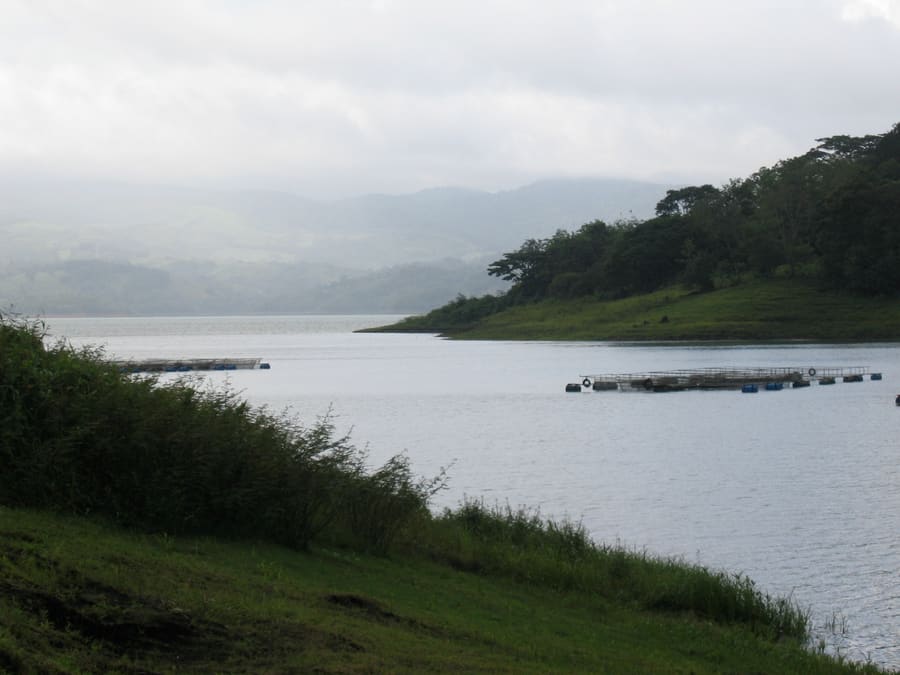
landmark
Costa Rica's largest lake generates wind conditions built for windsurfing. Boat taxis link the dam to Monteverde across the water.
Tanya Parleyattractions
areas
Luxury hot spring resorts stretched along Highway 142 toward the lake.
DekatArenal National Park, thermal spa resorts, Mistico Bridges.
Tanya ParleyQuiet hillside village offering uncrowded views of the volcano's southern face.
DekatArenal Observatory Lodge, Lake Arenal, butterfly conservatory.
Tanya ParleyAgricultural zone of cattle ranches, quiet cabinas, and local butcher shops.
DekatVenado Caves route, local rivers, Northern plains.
Tanya ParleyGrid-pattern hub packed with adventure operators, sodas, and shuttle stops.
DekatLa Fortuna Waterfall, main bus terminal, tour offices.
Tanya Parleyfood
Fortuna eats at local family-run restaurants known as sodas. Here, the national staple is the casado: a plate built around rice, black beans, fried plantains, cabbage salad, and grilled meat or tilapia. Fresh heart of palm harvested from nearby lowland plantations appears in salads across town. For dinner, head away from the central park to sample pork chicharrones crisp-fried in iron cauldrons.
A classic casado plate served with black beans, rice, plantains, and grilled pork.
Richie Diesterheft from Chicago, IL, USA · CC BY 2.0Sodas open at 06:00 for breakfast gallo pinto and close by 20:00. High-end resort dining rooms serve until 22:00.
A 10% service tax is legally included in menu prices across Costa Rica. Leaving extra cash on the table is optional and uncommon at local counters.
Order a 'refresco natural en agua' for fresh fruit blended with water, or 'en leche' for a milk-based smoothie. Guanábana and cas are local staples.
history
Until July 1968, the mountain towering over town was known as Cerro Arenal and considered dormant. On July 29, 1968, a massive eruption destroyed three villages on its western side, leaving the eastern side untouched. However, the town was already called La Fortuna decades before the eruption, having been renamed from El Burío in 1935 in reference to its rich, fertile lands. Over the next four decades, continuous lava flows turned a quiet farming settlement into an international eco-tourism center.
First Thermal Baths
Local landowner opens simple concrete pools fed by the hot Tabacón River, laying the groundwork for Fortuna's luxury hot spring industry.
National Park Created
The government establishes Arenal Volcano National Park, protecting 12,000 hectares of primary rainforest and volcanic slag fields.
Volcano Enters Resting Phase
Arenal stops emitting active lava flows after 42 years of continuous activity. Tourism shifts from night lava watching to canopy sports and hot springs.
where to stay
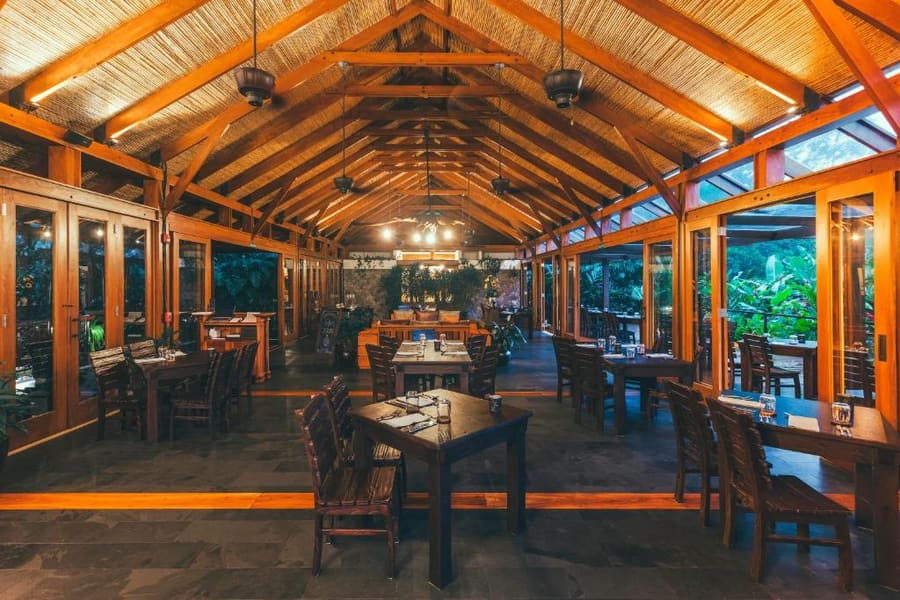
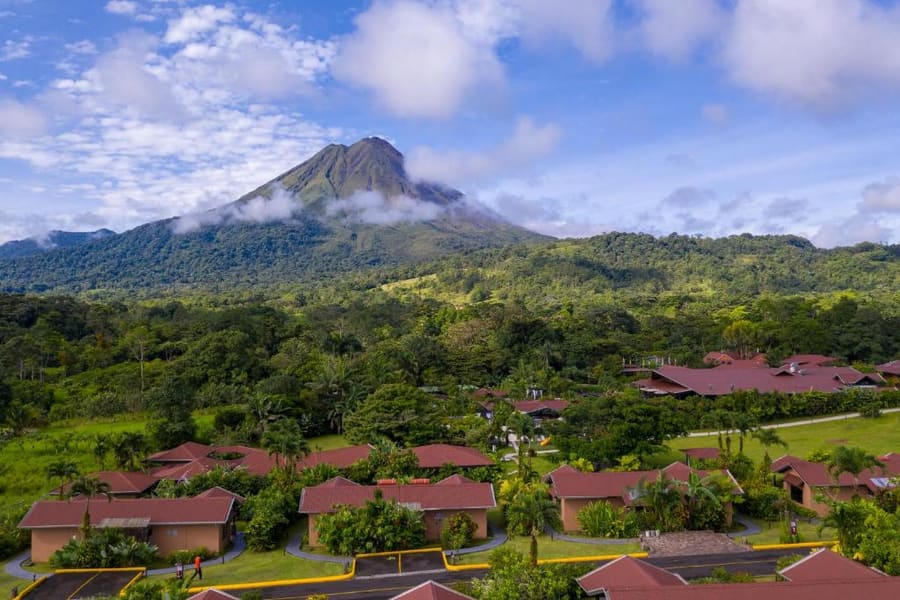
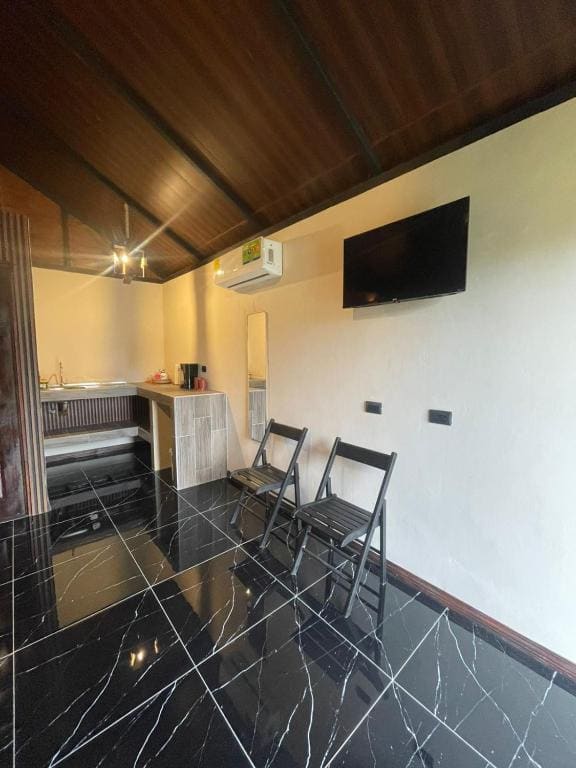
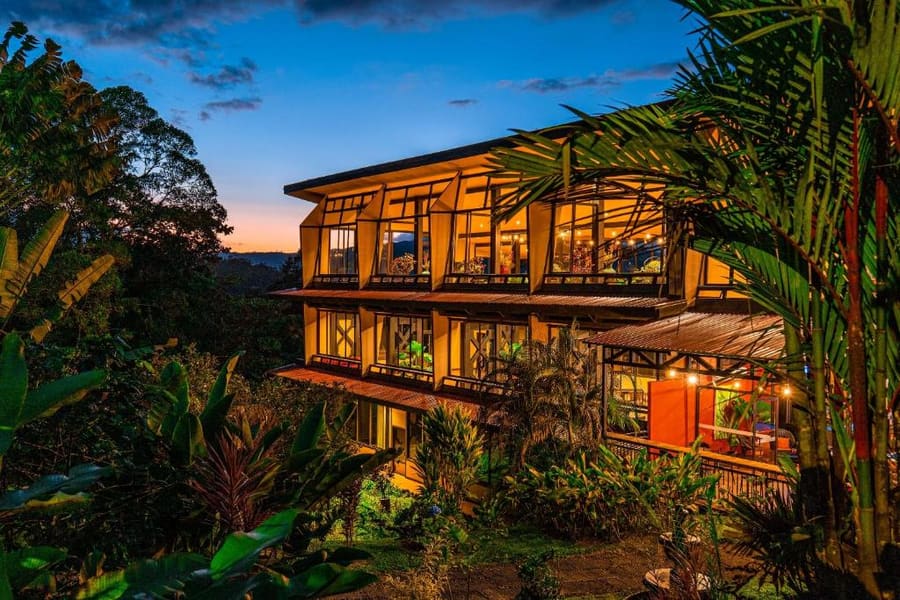
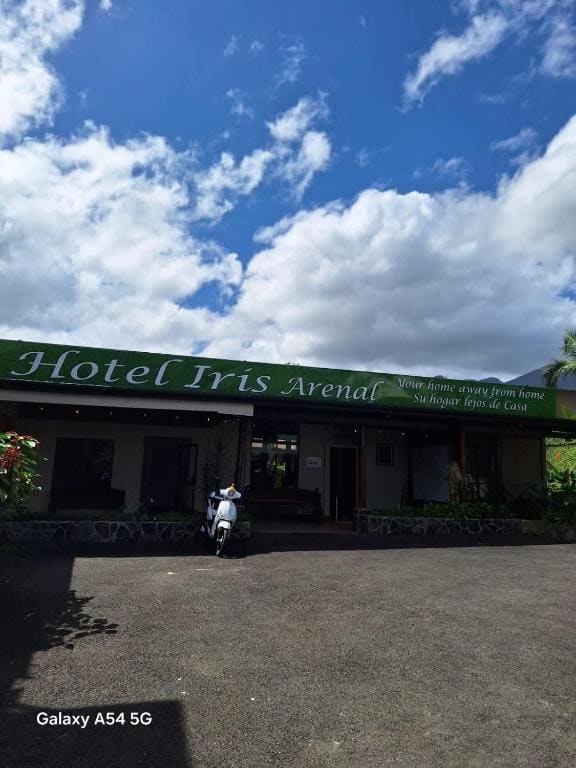
Choose by your transit method. Stay in Downtown Fortuna if you rely on public buses and walk to sodas. Choose the Tabacón Corridor if you want thermal pools on-site and have a rental car. Pick El Castillo for quiet eco-lodges with lake views, provided you drive a high-clearance vehicle.
Live rates, matched to the areas above.
transport
Fortuna stretches out along Highway 142. While downtown is compact and walkable, reaching major trailheads, hanging bridges, and thermal rivers requires driving, booking tourist mini-vans, or hailing local taxis.
Dari Juan Santamaría International Airport (SJO)
Shared mini-vans pick up from SJO terminals and drop at Fortuna hotel doors.
Direct bus departs San José Terminal 7-10 daily at 08:40. Secondary routes require changing at Ciudad Quesada.
Official airport taxis (red with yellow triangles) charge fixed rates negotiated at the terminal counter.
Pre-booked door-to-door van service with driver waiting outside arrivals with a name card.
Fortuna has no train network. Transportation relies on shared tourist vans, public buses, or rental cars.
Licensed taxis are red with gold triangles on the doors. Insist on the meter (el maría) or set a price before getting in.
Buses depart from the station behind the Megasuper supermarket. Pay drivers cash in exact colónes when boarding.
Rideshare apps operate erratically in Fortuna. Drivers are scarce outside the central square and absent near national park gates.
cost
Fortuna runs on a dual-currency economy. Prices are listed in Costa Rican colónes (₡) or US dollars ($). Paying in colónes avoids poor conversion rates applied by smaller vendors.
A filling casado meal with protein, rice, beans, and salad at a local soda.
Standard adult day pass for Arenal Volcano National Park trails.
Access to resort thermal pools; prices increase on weekends and holidays.
Short journey within central Fortuna or to nearby hotel strips.
seasonality
DEC – APR
Dry season brings clear volcano views and dry trails. Expect peak accommodation rates and crowded hot springs.
MAY – JUN
Early green season brings afternoon showers that refresh the forest. River levels rise, improving whitewater rafting conditions.
JUL – AUG
The 'little summer' (veranillo) brings a temporary drop in rainfall. European and American summer holidays bump up crowd levels.
SEP – NOV
Heavy afternoon downpours flood dirt roads and muddy trails. Lowest prices of the year, but some tour operators close for maintenance.
practicalities
Even under cloud cover, tropical ultraviolet index levels remain high. Apply water-resistant sunblock before rainforest hikes.
Thermal rivers can flash flood during sudden downpours in the mountains. Exit natural pools if river waters turn muddy or rise rapidly.
Wildlife is active between 06:00 and 08:00 before afternoon heat and rains arrive. Plan park entry for opening time at 08:00.
Most hotels, tour companies, and sodas accept major credit cards. Keep small colón bills for rural road tolls and fruit stands.
Climbing to the crater rim of Arenal Volcano is illegal and dangerous due to toxic gas emissions and loose rock slides.