landmark
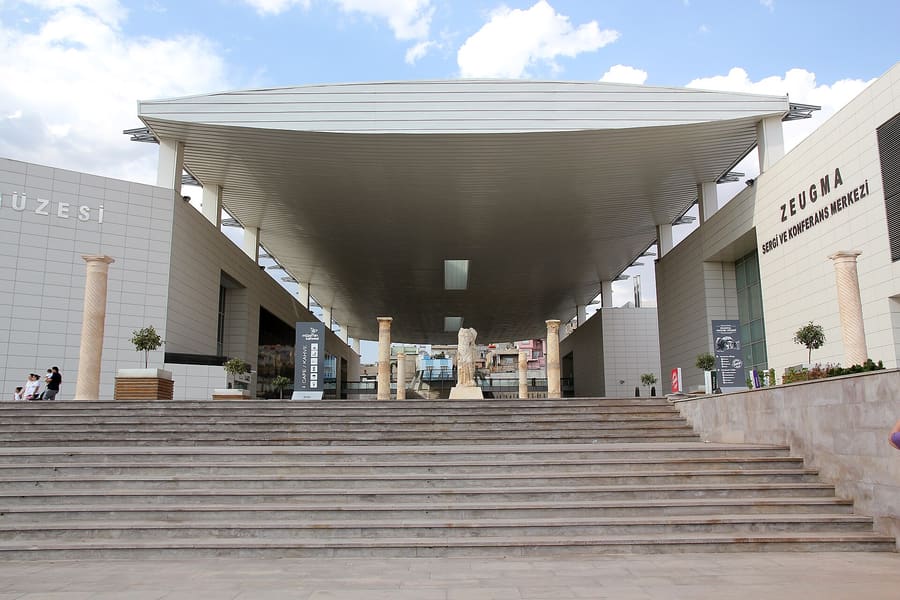
Zeugma Mosaic Museum
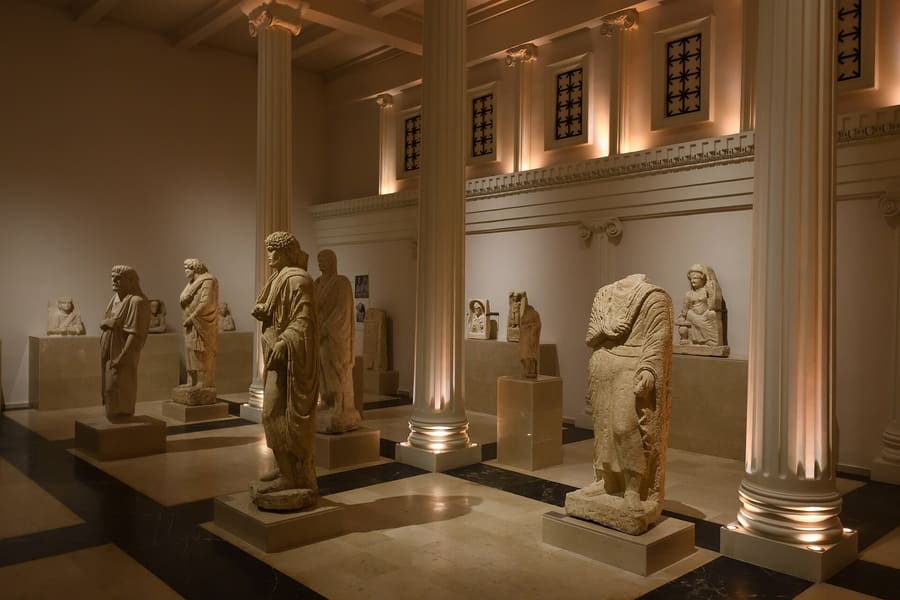
Houses Roman floor mosaics saved from Euphrates floodwaters. Visit early morning before tour groups fill the central galleries.
Tanya ParleyTurki
Turkey's culinary capital driven by pistachios, copper, and mosaics.
introduction
Gaziantep is a working industrial hub where daily life revolves around kitchen traditions. You navigate the city through its central bazaar corridors, historic stone mansions, and specialized morning soup shops. Expect intense garlic aromas before breakfast and quiet streets by mid-evening. The tempo here favors early risers who build their days around market hours.
Airport transport trick
Havaş airport buses meet all incoming domestic flights at Oğuzeli Airport. They drop passengers directly near the historic center for a fraction of taxi fares.
UNESCO Gastronomy status
UNESCO designated Gaziantep a Creative City of Gastronomy in 2015. The city's food culture features over four hundred distinct local recipes.
Baklava buying protocol
Established bakeries sell baklava by weight rather than piece. Top shops pack metal tins designed to keep pastry crisp during long journeys.
Gaziantep
Dosseman · CC BY-SA 4.0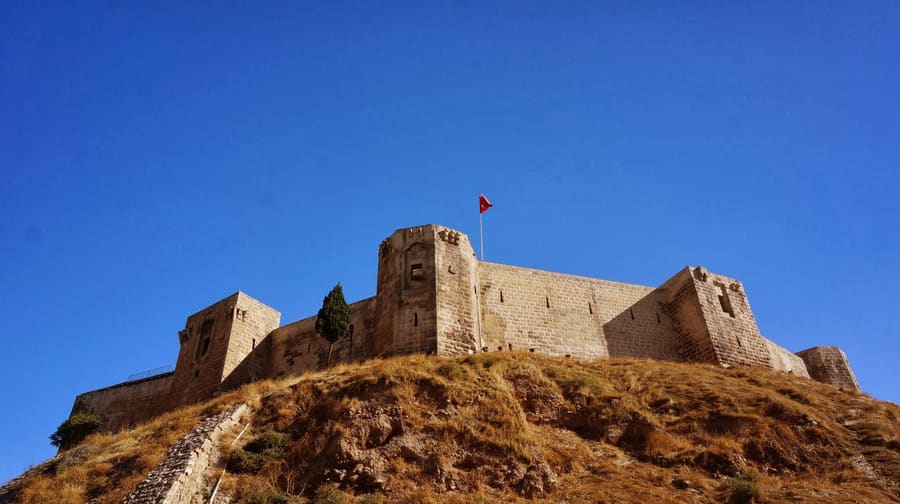
Kalealtı — High foot traffic zone surrounding the fortress and major markets.
Ben Bender · CC BY-SA 3.0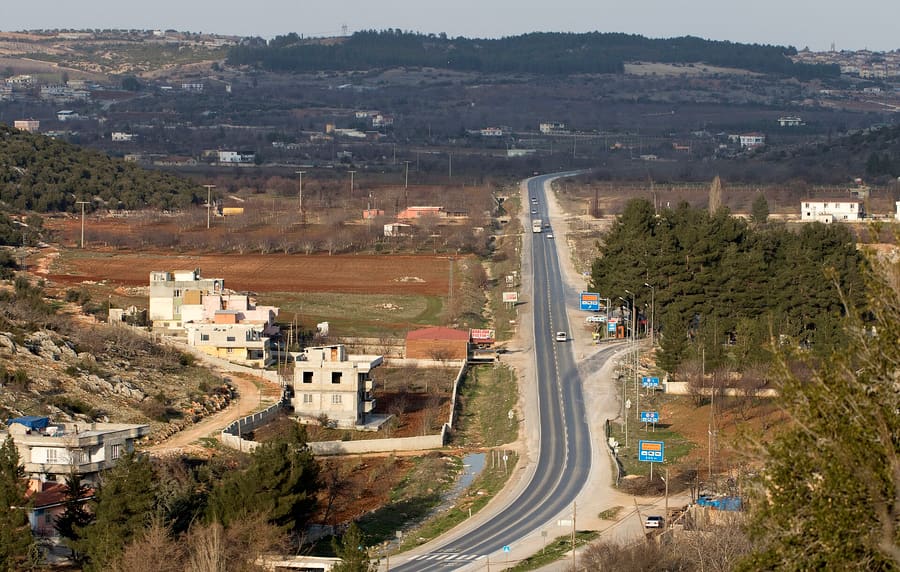
Şehitkamil — Residential northern sector housing major museum sites and large parks.
Zeynel Cebeci · CC BY-SA 4.0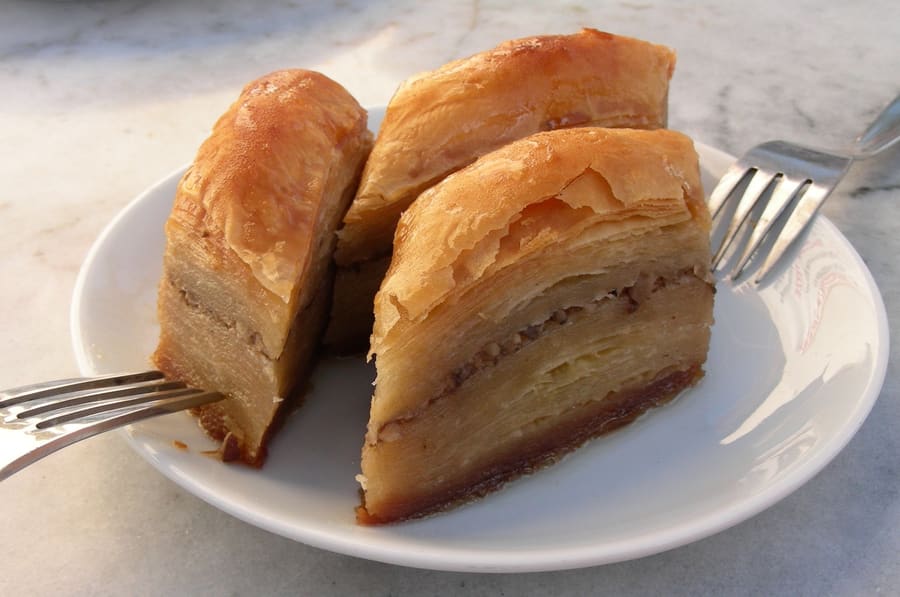
Pistachio baklava and local kebabs form the bedrock of daily dining.
Kultigin · Public domainhighlights
landmark
Houses Roman floor mosaics saved from Euphrates floodwaters. Visit early morning before tour groups fill the central galleries.
Tanya Parley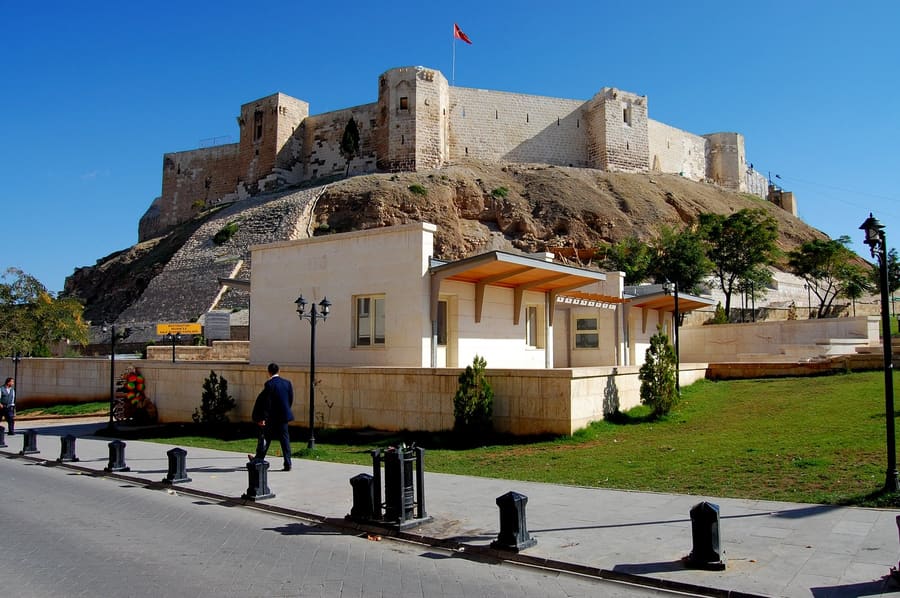
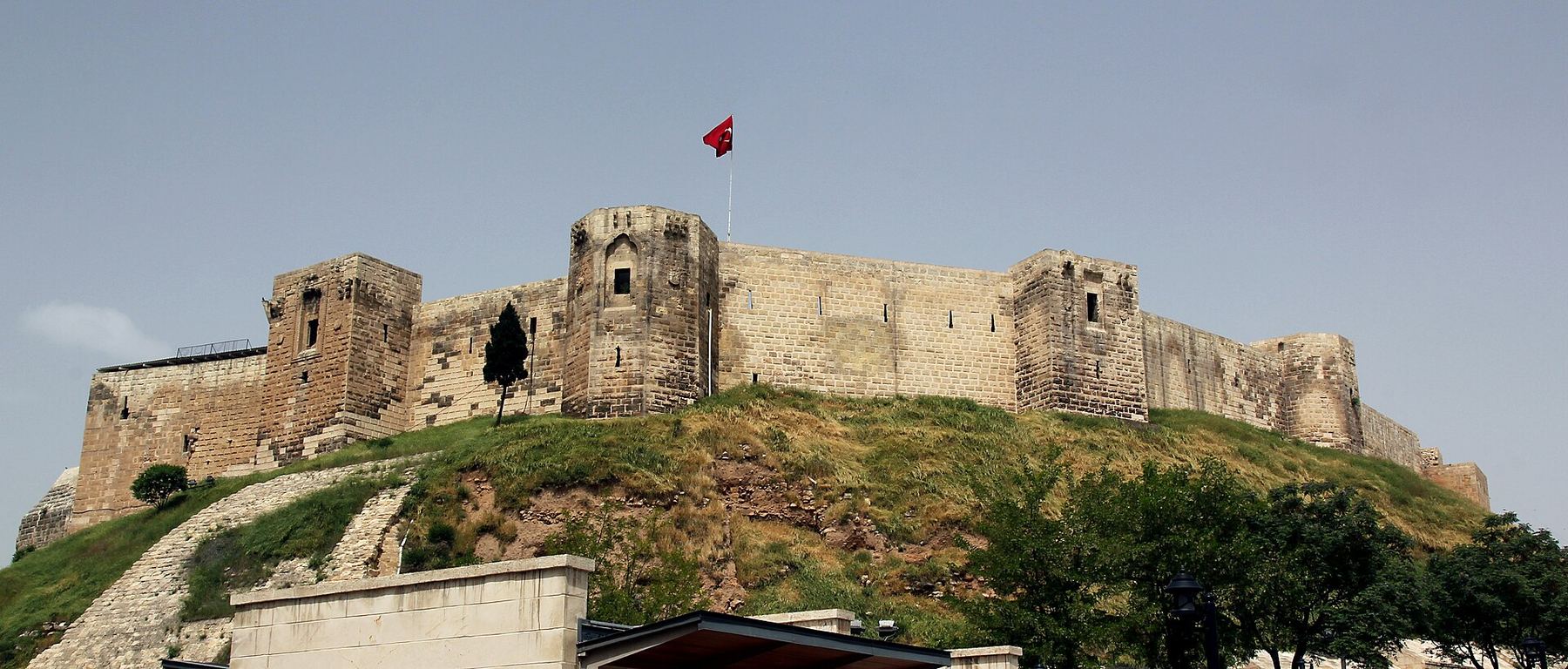
landmark
Dominates the skyline from a central hill. Check opening status at the entrance as restoration work continues.
Tanya Parley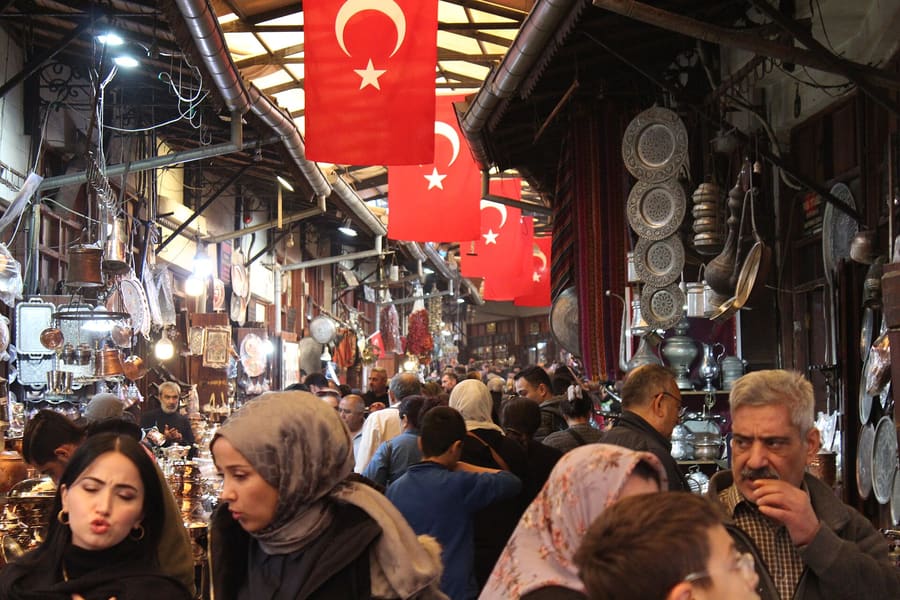
landmark
Artisans hammer copper pots by hand in stone arched lanes. Walk through mid-morning when workshops operate at full speed.
Tanya Parley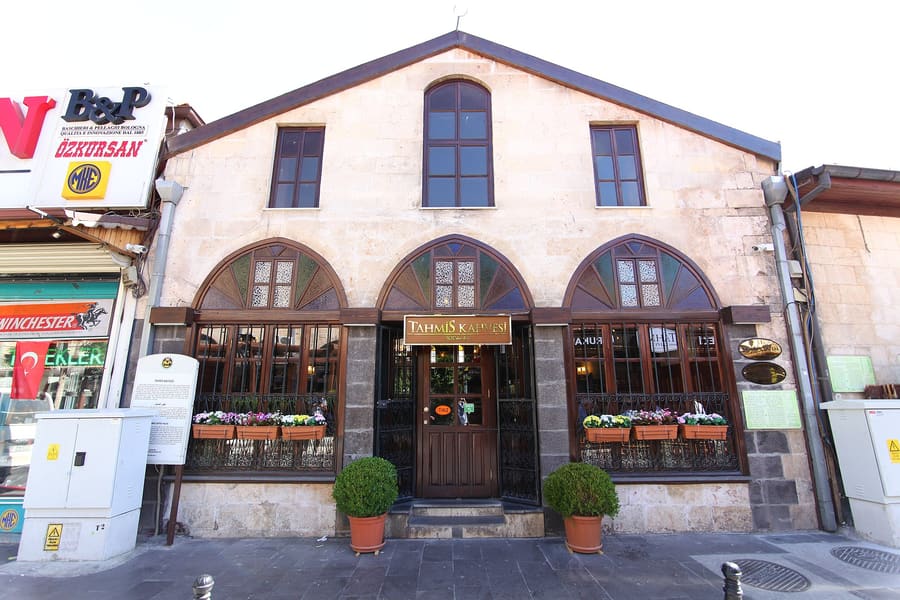
landmark
A coffeehouse operating since 1635. Order wild pistachio coffee made with boiled milk instead of espresso.
Tanya Parleyattractions
areas
High foot traffic zone surrounding the fortress and major markets.
DekatGaziantep Castle and Elmacı Pazarı
Tanya ParleyResidential northern sector housing major museum sites and large parks.
DekatZeugma Mosaic Museum
Tanya ParleyHistoric stone district with courtyards, narrow alleyways, and quiet residential corners.
DekatCoppersmiths Bazaar and Bey Mahallesi
Tanya ParleyModern commercial district with wide avenues and contemporary coffee shops.
DekatSanko Park and modern restaurants
Tanya Parleyfood
Gaziantep treats cooking as an exact science. Breakfast begins before dawn with beyran, a intense soup of shredded lamb neck, rice, garlic, and rendered sheep fat served piping hot. By mid-morning, bakeries fire wood ovens for katmer, a thin pastry envelope stuffed with clotted cream and crushed emerald pistachios.Lunch belongs to kebab houses. Chefs grind lamb meat with hand blades called zırh, seasoning skewers with fresh garlic or sour pomegranate seeds depending on the month. Diners pair skewers with grilled eggplant or wild mint salads.Baklava shops operate as specialized institutions here. Master bakers roll dough into paper-thin sheets, layering local spring butter and early-harvest Antep pistachios before pouring hot sugar syrup.
Pistachio baklava and local kebabs form the bedrock of daily dining.
Kultigin · Public domainBeyran shops like Metanet open around 05:00 and often sell out before noon.
Sample coffee brewed from roasted terebinth berries at Tahmis Kahvesi.
history
Positioned along ancient trade routes between Mesopotamia and the Mediterranean, Antep grew as a fortress city. Roman control brought wealth to nearby Zeugma along the Euphrates River, funding elaborate mosaic floors inside merchant villas. Ottoman rule turned the city into a major copper manufacturing and spice hub.The city earned its prefix "Gazi" (veteran) in 1921 after months of defense during the Turkish War of Independence. Today, industrial manufacturing coexists with preserved culinary and craft heritage.
Fortress built
Byzantine Emperor Justinian expands the hilltop fortifications.
Ottoman integration
Sultan Selim I incorporates the city, launching a golden age for bazaars.
Gazi title bestowed
Parliament grants the title Gazi to honour resistance during the War of Independence.
where to stay
Choose your location based on walkability versus modern amenities. Staying in Bey Mahallesi or near Kalealtı puts you within walking distance of bazaars and breakfast spots, though narrow streets complicate taxi drop-offs. Modern commercial districts like Gazi Muhtar Paşa offer international chain hotels with underground parking and reliable air conditioning.
transport
Old Gaziantep requires foot travel. The historic core around the coppersmith market is largely pedestrianized. For longer journeys to modern districts, municipal trams and yellow taxis offer fast transport. However, the municipal tram line does not extend to the Zeugma Mosaic Museum; travelers must take a bus or taxi to reach it.
Dari Gaziantep Oğuzeli Airport (GZT)
Havaş buses align with flight arrivals and drop near the city center.
Metered cabs wait outside arrivals. Confirm the meter is active before departure.
Buy a transit card at tram kiosks for discounted fares across municipal trams and buses.
Wear sturdy shoes. The stone alleys around the bazaar feature uneven cobblestones.
Most yellow taxis accept Turkish lira cash only. Keep small banknotes ready.
Tram lines run daily from 06:00 until 23:00 connecting northern and southern sectors.
cost
Gaziantep offers strong value compared to Istanbul. Food prices vary between simple bazaar soup counters and sit-down kebab halls. Carry cash for small market vendors and street cafes.
Price includes fresh flatbread, garlic, and mint side plates.
Price depends on the concentration of early-harvest pistachios.
Requires a reloadable transit card or contactless payment card.
Audio guides cost extra at the main ticketing hall.
seasonality
MAR – MAY
Mild daytime weather ideal for market walking. Reserve hotel rooms early for spring weekends.
JUN – AUG
Temperatures frequently top 38°C. Schedule outdoor walking for early morning and late night.
SEP – NOV
Pistachio harvest season brings fresh nuts to markets. Excellent balance of light and warm days.
DEC – FEB
Cold conditions with occasional snow. Hot beyran soup stalls see peak demand.
practicalities
Top bakeries close early once daily production runs sell out.
Small copper craft shops expect payment in cash.
Bazaar shops pause operations during Friday mid-day prayers.
Modest clothing is expected when visiting historic neighborhoods and religious sites.
The national pass covers the Zeugma Mosaic Museum entrance.