landmark
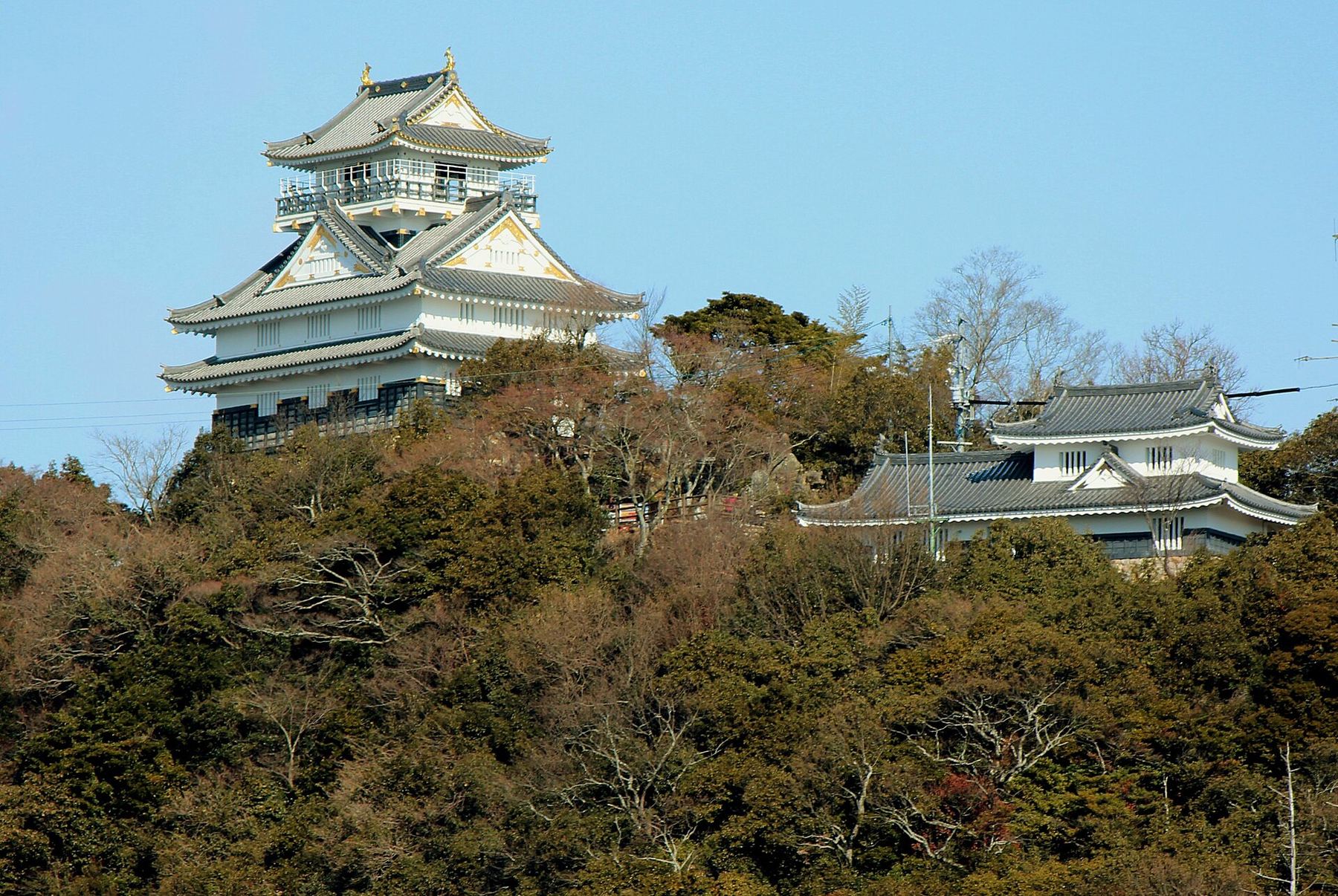
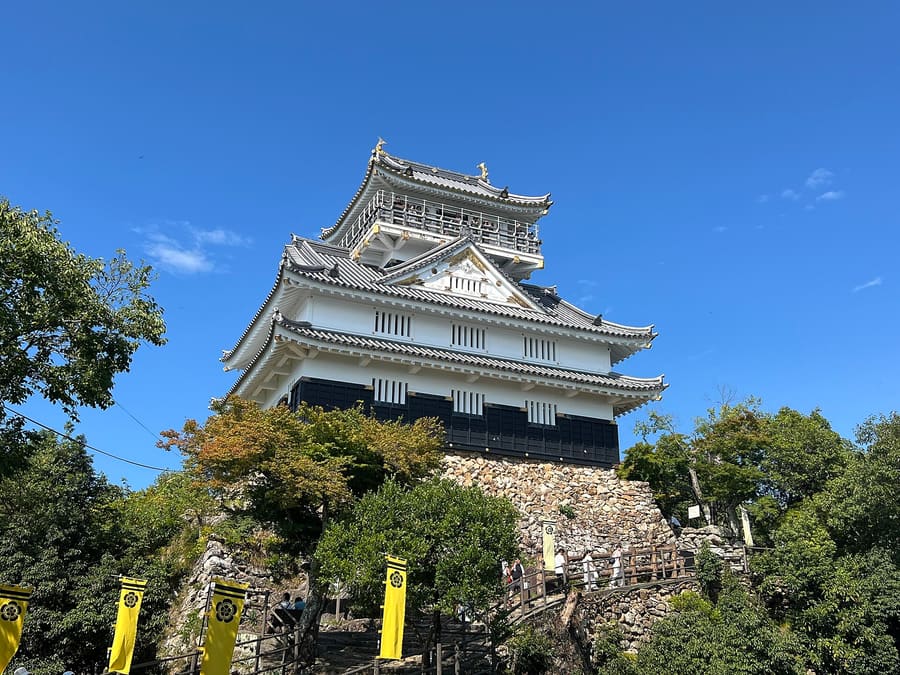
Gifu Castle
Oda Nobunaga's hilltop fort offers panoramic views over the Nobi Plain. Take the ropeway or hike up the steep trail.
Tanya ParleyJepang
Oda Nobunaga's river city under Mount Kinka.
introduction
Gifu stretches along the clear Nagara River beneath Mount Kinka. Oda Nobunaga renamed this castle town in 1567 to signal his campaign to unseat rival warlords. Today, local transit relies on two adjacent central stations linked to Nagoya in twenty minutes. You come here for 1,300-year-old cormorant fishing traditions, wooden latticed old town quarters, and quiet hot spring inns.
Station arrival trick
JR Gifu Station and Meitetsu Gifu Station sit 300 metres apart. Check both schedules when arriving from Nagoya to save up to 15 minutes.
Imperial cormorant fishing
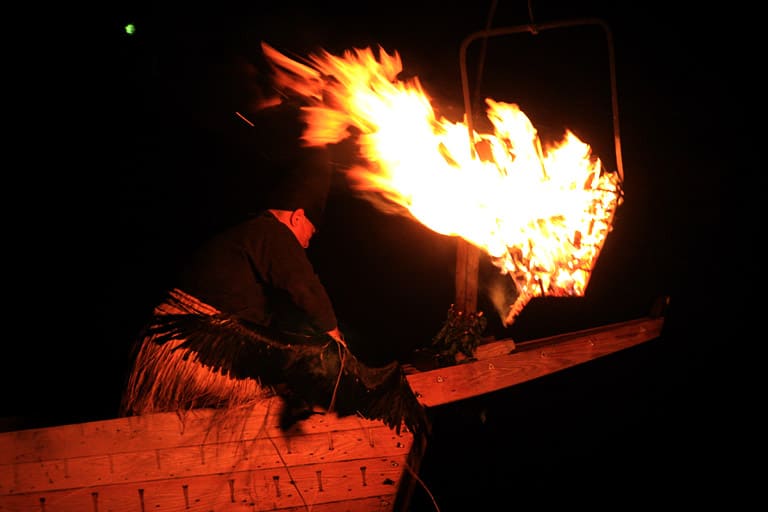
Ukai cormorant fishing on the Nagara River holds official Imperial Household Agency patronage. Master fishermen carry hereditary titles.
Seasonal planning window
Evening cormorant fishing runs strictly from May 11 to October 15. Reserve river viewing boat tickets weeks ahead for summer dates.
Gifu
Masabb at Japanese Wikipedia · CC BY 3.0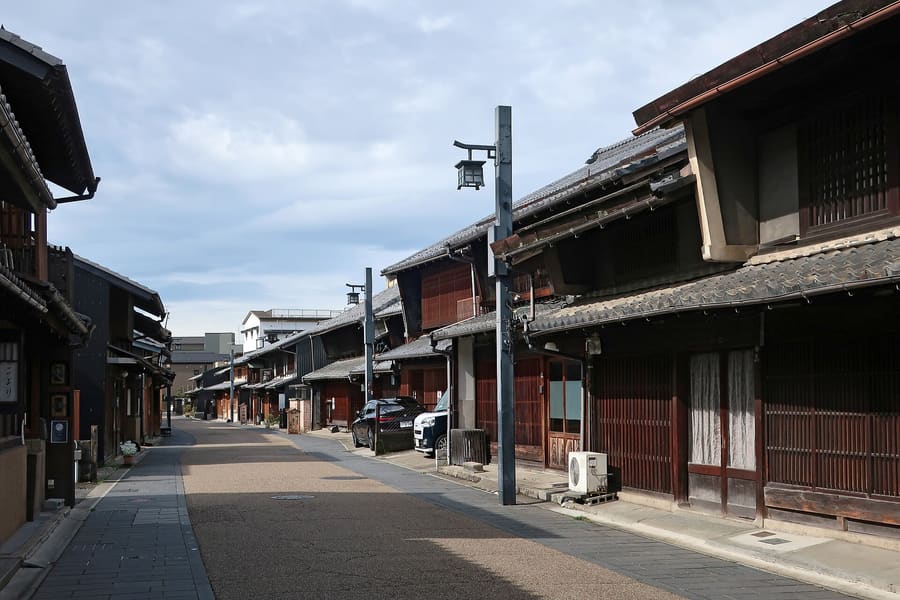
Kawara-machi / Nagara River — Preserved timber storefronts, riverbank hot spring inns, and evening cormorant fishing docks.
Oilstreet · CC BY-SA 4.0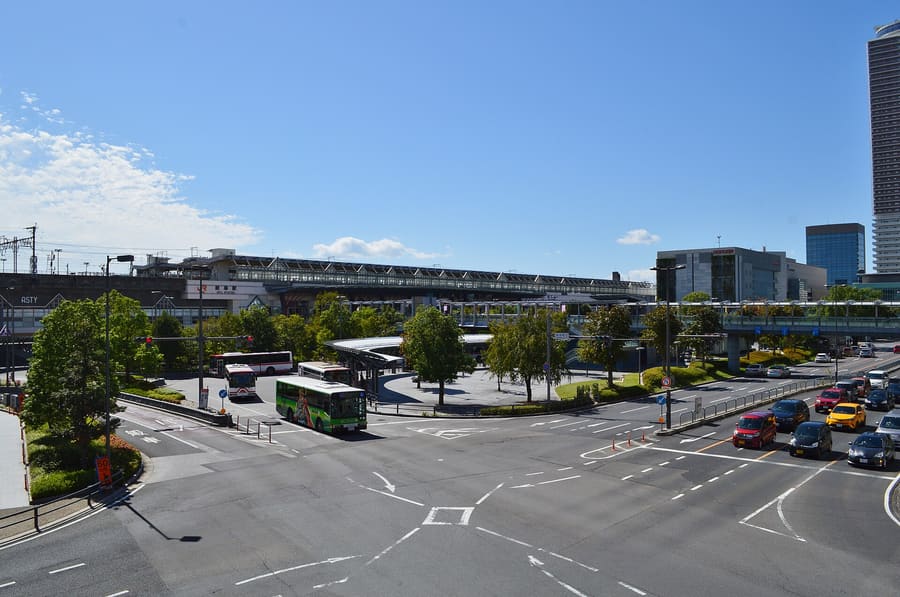
Gifu Station Area — Transit-focused hub with modern hotels, chain restaurants, and direct rail connections.
Saigen Jiro · CC0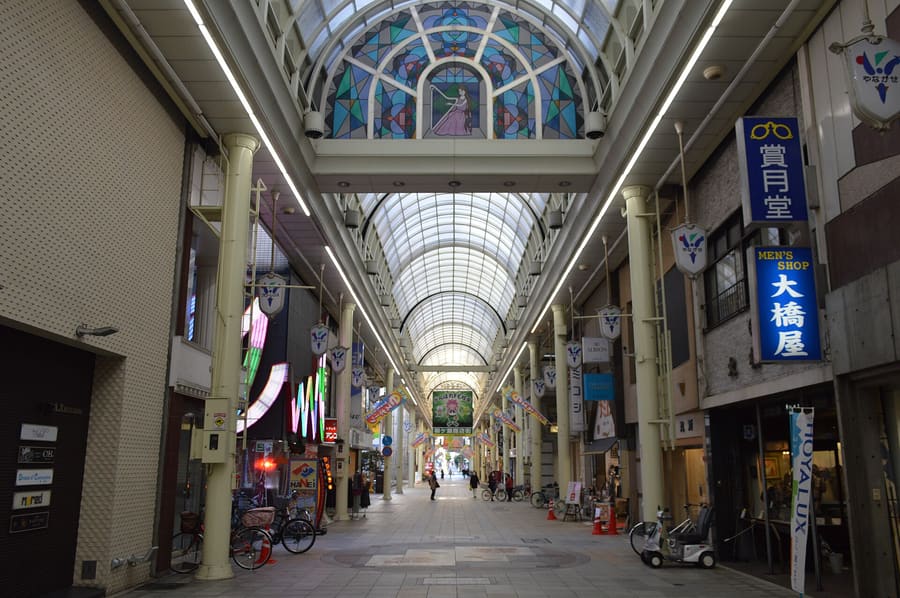
Yanagase Arcade — Showa-era covered shopping arcades with retro izakayas, craft bars, and local markets.
Asturio Cantabrio · CC BY-SA 4.0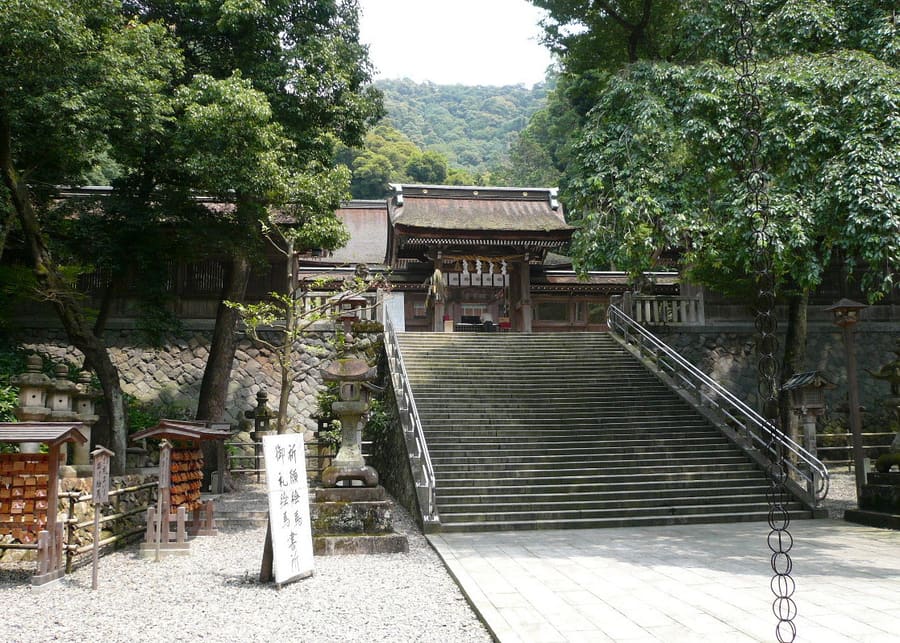
Inaba & Foothills — Quiet residential streets anchored by Inaba Shrine and traditional confectionery makers.
Douggers at English Wikipedia · CC BY 2.5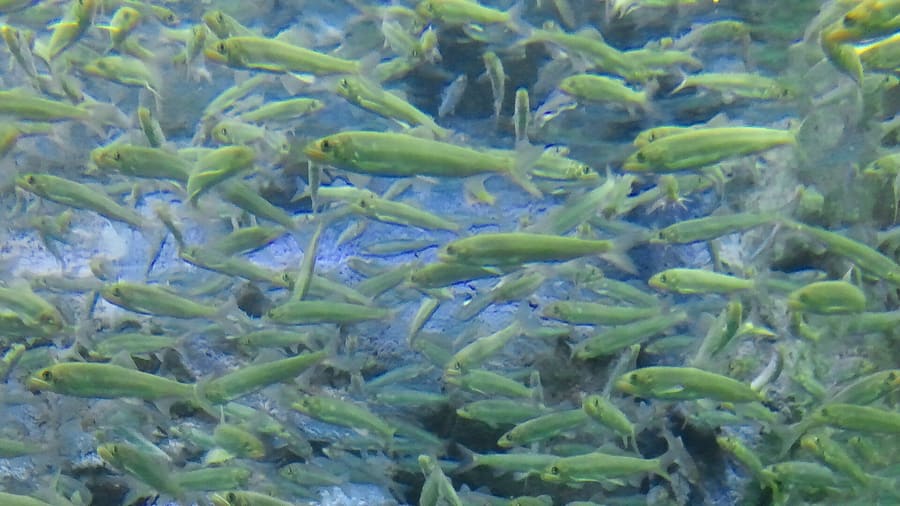
Fresh Nagara River sweetfish salted and charcoal-grilled on bamboo skewers.
Handan99 · CC BY-SA 4.0highlights
landmark
Oda Nobunaga's hilltop fort offers panoramic views over the Nobi Plain. Take the ropeway or hike up the steep trail.
Tanya Parley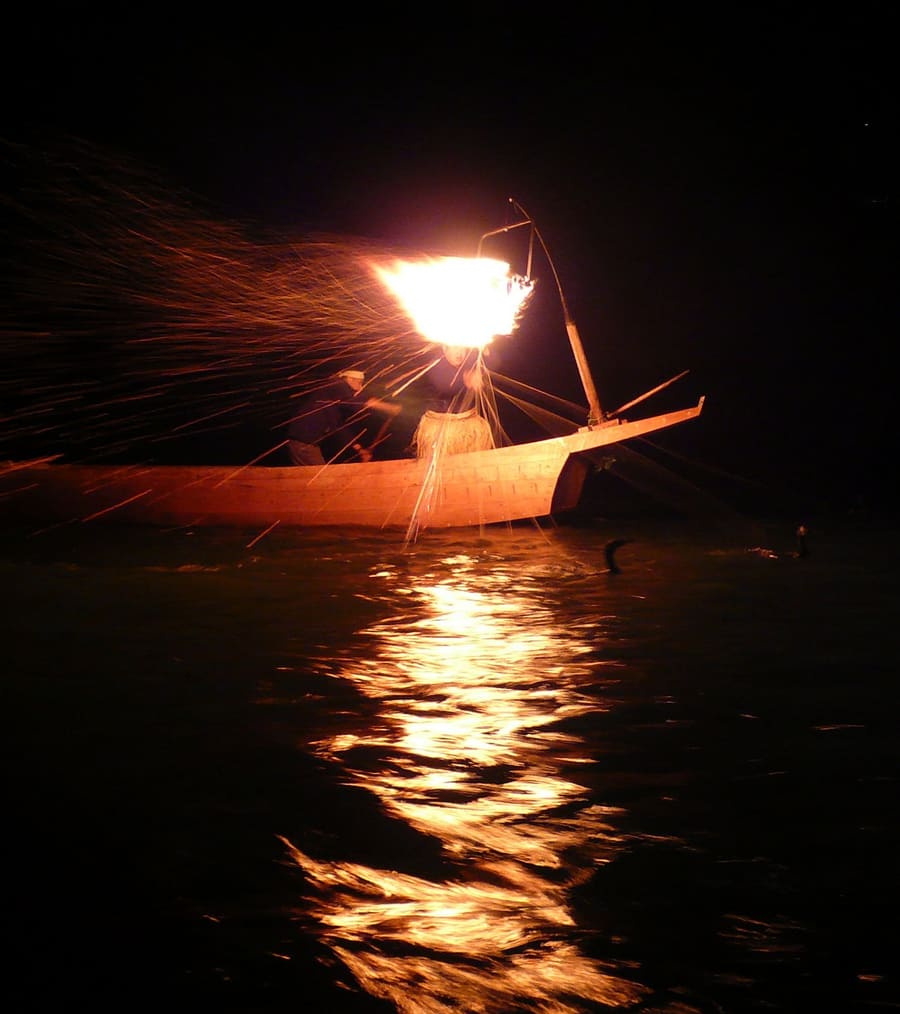
landmark
Master fishermen use trained birds under torchlight. Viewing boats launch nightly between mid-May and mid-October.
Tanya Parleylandmark
Black-latticed merchant houses line this riverside street. Try sweetfish delicacies and handmade paper lanterns here.
Tanya Parley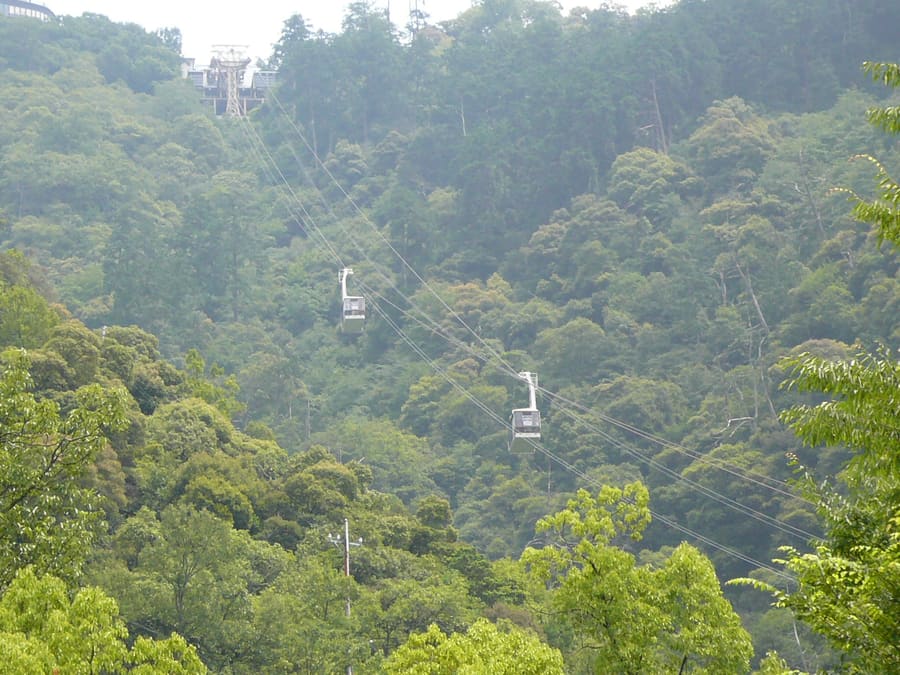
landmark
Connects Gifu Park to the summit in three minutes. Buy a round trip unless you plan to descend the steep Medai trail.
Tanya Parley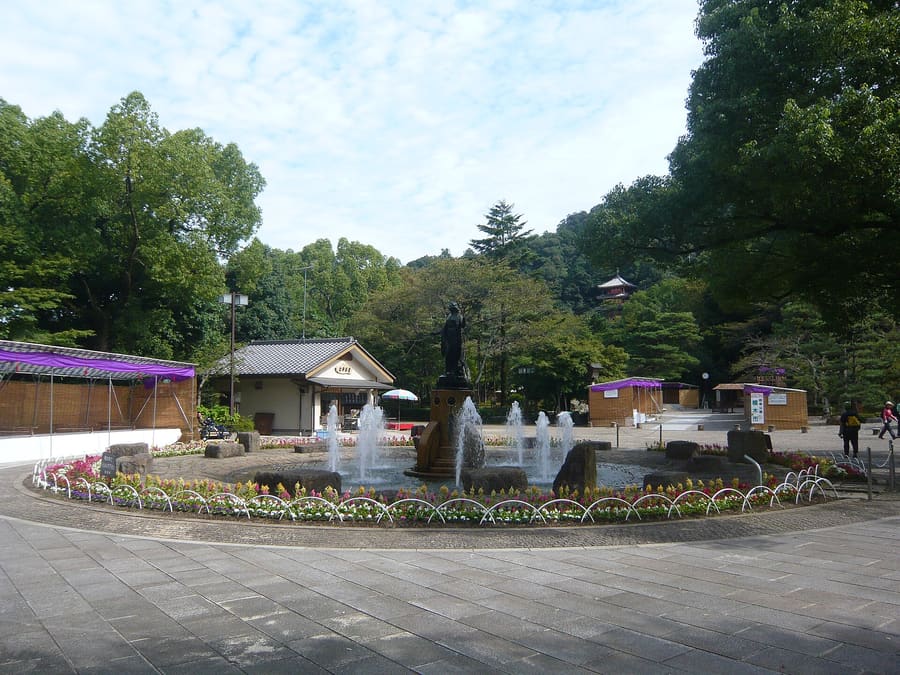
landmark
Sits at the base of Mount Kinka containing Nobunaga's former residence excavation site and landscaped water features.
Tanya Parleyattractions
areas
Preserved timber storefronts, riverbank hot spring inns, and evening cormorant fishing docks.
DekatGifu Park and Mount Kinka Ropeway
Tanya ParleyTransit-focused hub with modern hotels, chain restaurants, and direct rail connections.
DekatJR and Meitetsu train platforms
Tanya ParleyShowa-era covered shopping arcades with retro izakayas, craft bars, and local markets.
DekatKoganeyama Shrine and central bus lines
Tanya ParleyQuiet residential streets anchored by Inaba Shrine and traditional confectionery makers.
DekatInaba Shrine and Gifu Park
Tanya Parleyfood
Gifu food centers on the cold waters of the Nagara River and the mountain pastures of the prefecture. Sweetfish (Ayu) appears on summer menus salt-grilled whole over charcoal, cooked into rice, or preserved in sweet soy. Local chefs grill high-grade Hida beef over magnolia leaves smeared with sweet hoba miso paste. Morning culture in Gifu centers on standard coffee orders that come with free toast, boiled eggs, and salad without additional charge.
Fresh Nagara River sweetfish salted and charcoal-grilled on bamboo skewers.
Handan99 · CC BY-SA 4.0Order Hida beef cooked on a dried magnolia leaf at restaurants near Kawara-machi. The miso caramelises as the charcoal heater underneath warms the beef.
Visit a local kissaten coffee shop before 11:00. Ordering a single coffee automatically includes toast, egg, and small side dishes.
Fresh river sweetfish is served strictly between June and October. Off-season sweetfish is typically dried or thawed from ice storage.
history
Gifu developed as a strategic river port and garrison town on the Nobi Plain. In 1567, warlord Oda Nobunaga seized Inabayama Castle, renamed the area Gifu, and used it as his base to unify Japan. The city suffered severe destruction during the 1891 Nobi earthquake and 1945 air raids, but preserved its ancient river fishing culture and traditional paper lantern crafts.
First Ukai records
Official documents record Nagara River cormorant fishing practices supplying fish to local administration.
Nobunaga names Gifu
Oda Nobunaga captures Inabayama Castle and renames the surrounding settlement Gifu City.
Great Nobi Earthquake
A magnitude 8.0 earthquake damages much of the city's historic timber infrastructure.
Castle reconstructed
Gifu Castle modern concrete keep opens atop Mount Kinka, recreating Nobunaga's fortress profile.
where to stay
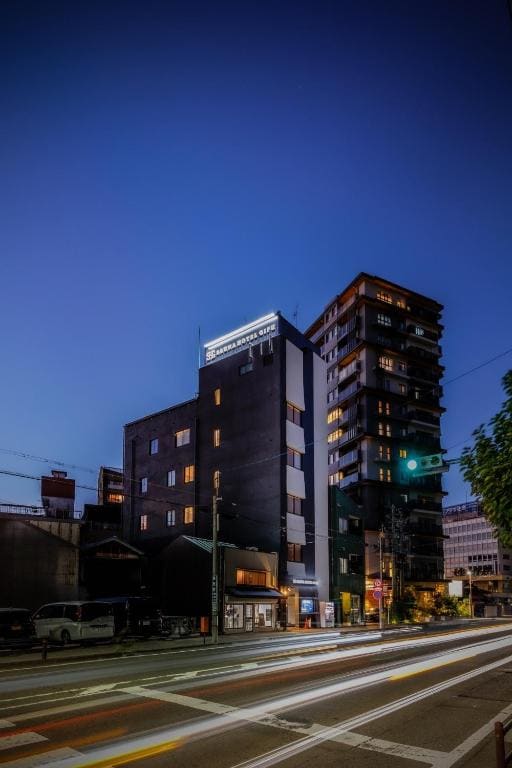
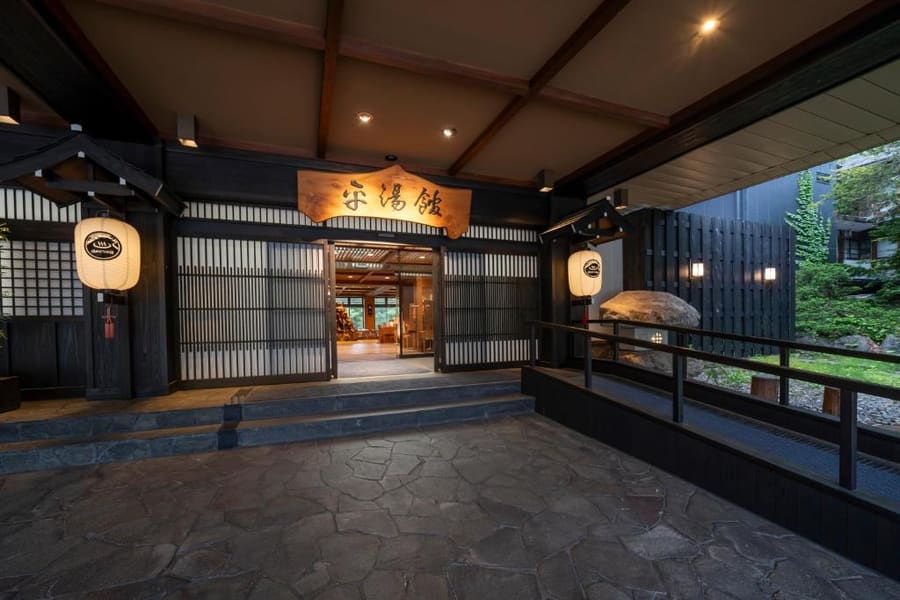
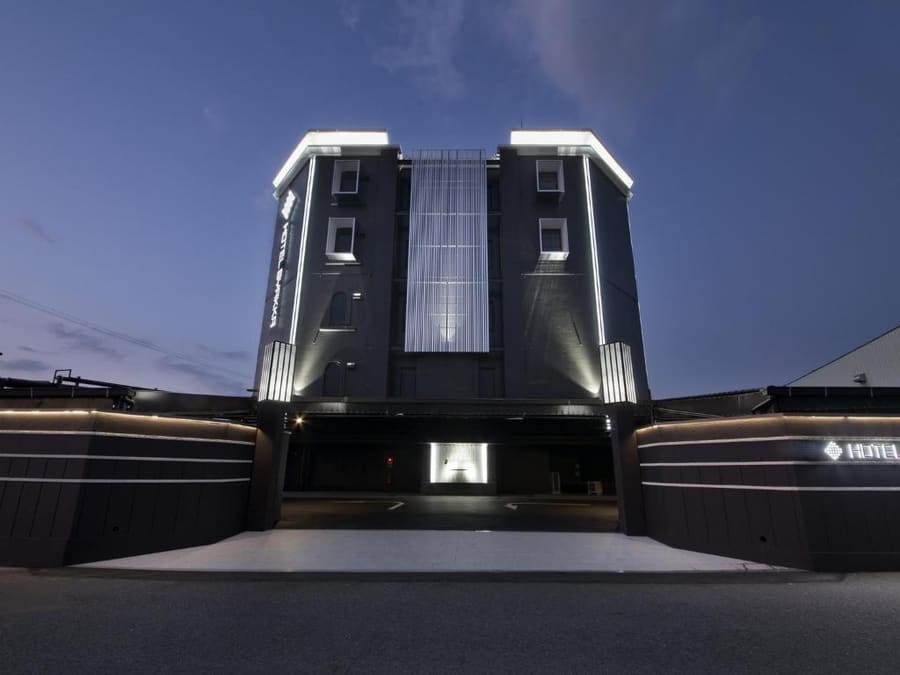
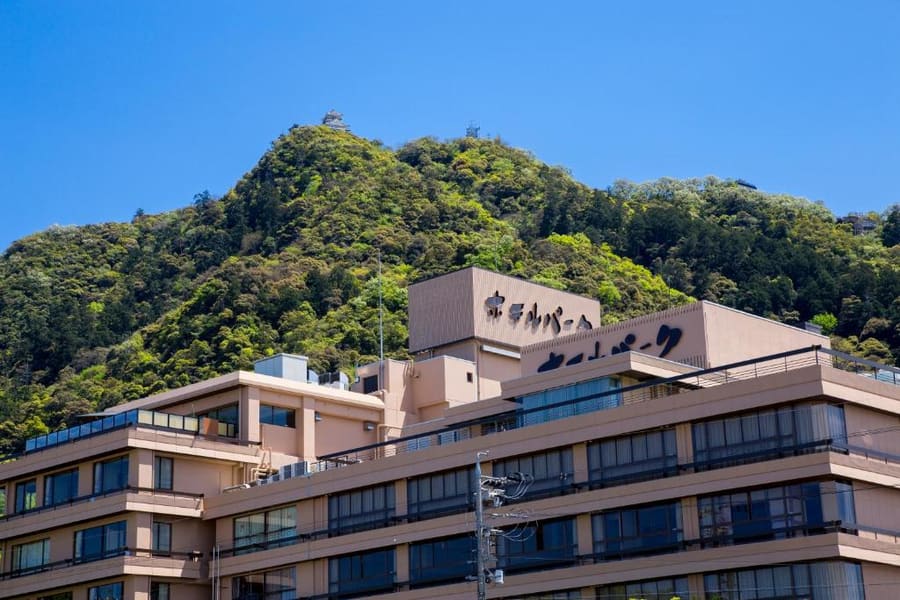
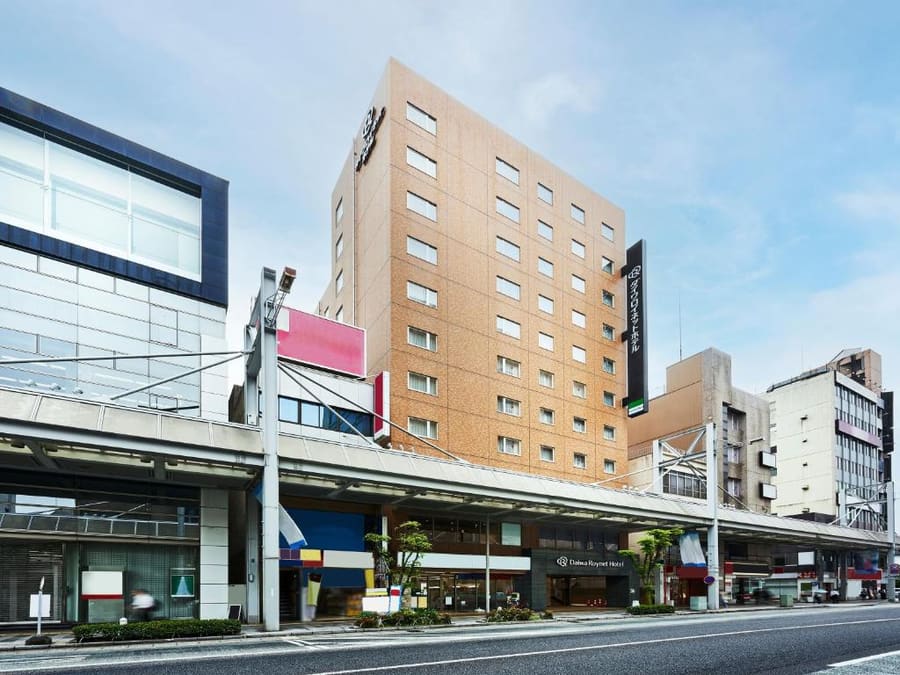
Choose your base based on your transit plans and evening itinerary. If you take early morning trains across Gifu Prefecture or arrive late, stay near JR Gifu Station. If you come for hot springs and evening cormorant fishing, book a Nagara Onsen ryokan along the riverbank.
Live rates, matched to the areas above.
transport
Gifu does not operate a subway network. Gifu Bus runs all urban bus routes from the JR Gifu Station loop terminal. Most tourist sites cluster north near Mount Kinka, accessible within 15 minutes by bus from central stations.
Dari Chubu Centrair International Airport (NGO) / Nagoya Station
JR Tokaido Line rapid train from Nagoya Station to JR Gifu Station.
Meitetsu Limited Express direct from Chubu Centrair Airport to Meitetsu Gifu Station.
Gifu Bus accepts major IC cards like Suica, ICOCA, and Pasmo on all city lines.
Board buses heading toward Naka-ityo or Nagara Bridge from JR Gifu Station stop 12 or 13.
Busses from the riverfront back to Gifu Station slow significantly after 21:00.
An elevated pedestrian deck connects JR Gifu Station directly to Meitetsu Gifu Station in under five minutes.
cost
Gifu prices sit well below Tokyo and Kyoto rates. Bus travel across the city center uses flat or short distance zone fares. Local dining focuses on accessible casual izakayas and traditional sweetfish sets.
Covers entry to the main keep and historical display floors.
Standard seat on a shared evening observation boat.
Includes multiple courses featuring Nagara River fish.
seasonality
MAR – MAY
Mild weather and cherry blossoms along the Nagara River. Cormorant fishing season opens May 11.
JUN – AUG
Hot and humid days. Prime season for night cormorant fishing trips and sweetfish dining.
SEP – NOV
Clear skies and fall foliage on Mount Kinka. Cormorant fishing ends October 15.
DEC – FEB
Cold weather with occasional light snow. Ideal time for quiet Nagara Onsen baths without river crowds.
practicalities
Buses from Gifu Park to the central stations finish near 22:00. Use taxis for late night transit.
Four hiking trails lead to Gifu Castle. The Medai path is steep and requires sturdy footwear.
Historic shops in Kawara-machi frequently require cash for traditional paper items and sweets.
Boats cancel operation during high water levels after heavy rain or during official typhoons.
Local hot spring water is rich in iron and reddish-brown. It will stain light swimwear or towels.