landmark
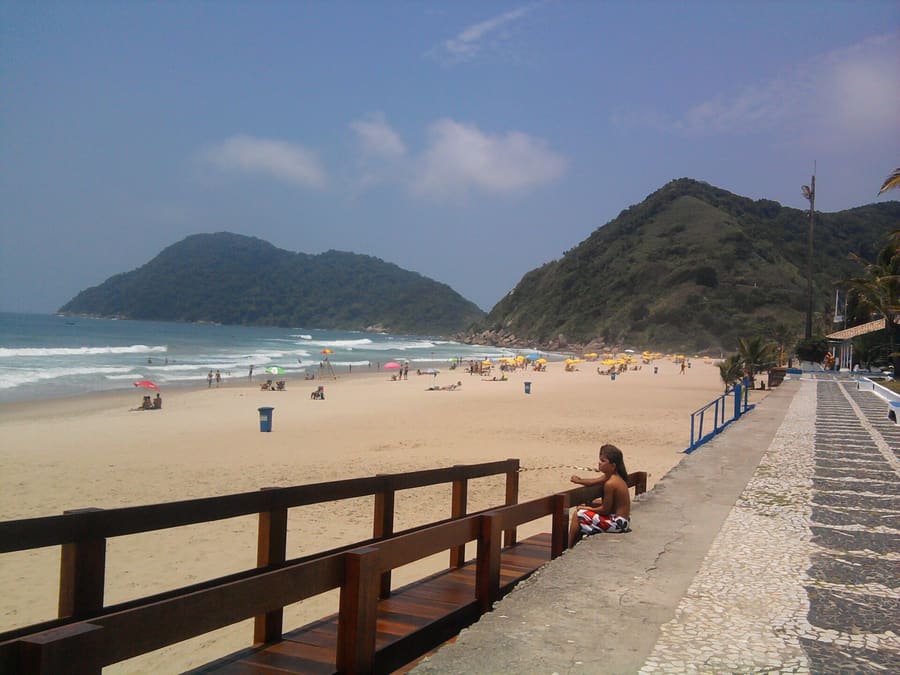
Praia do Tombo
Strong surf breaks and clean waters make this beach the local surfing hub. Strong currents require caution when swimming.
Tanya ParleyBrasil
São Paulo's coastal escape of surf beaches and fortresses.
introduction
Guarujá sits on Santo Amaro Island, connected to mainland Santos by a brief ferry crossing. High-rise apartment blocks line the central coast, while quiet coves and surf breaks spread across the outer bays. You move between neighbourhoods using local buses or rideshares, though weekend traffic slows down the main avenues. Expect lively beaches on sunny weekends and tranquil stretches on weekday mornings.
Santos ferry shortcut
Take the vehicle ferry from Santos to western Guarujá to bypass highway bottlenecks. Pedestrians cross free of charge.
Blue Flag ocean status
Praia do Tombo holds continuous Blue Flag certification for strict water safety and environmental standards.
Weekend traffic buffer
Drive into Guarujá before 08:00 on Saturdays. Returning to São Paulo on Sunday afternoons can take over three hours.
Guarujá
MTur Destinos · Public domain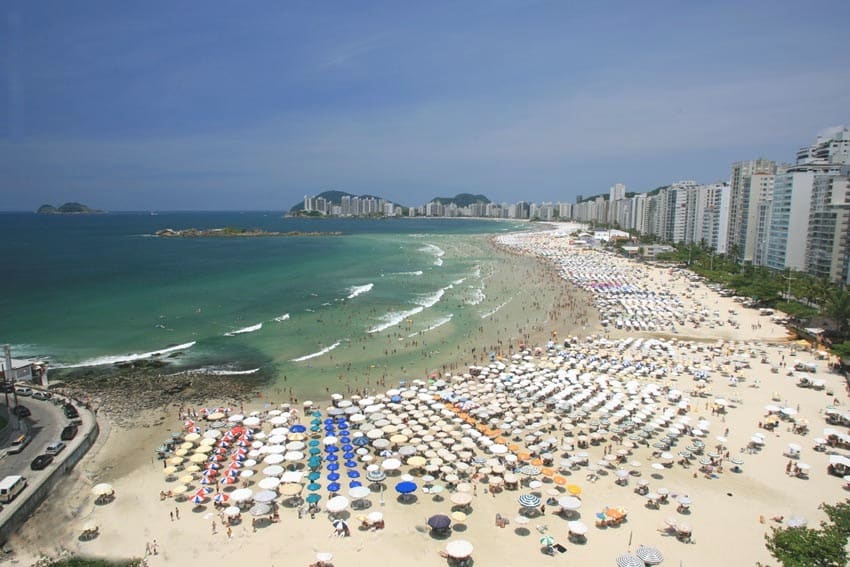
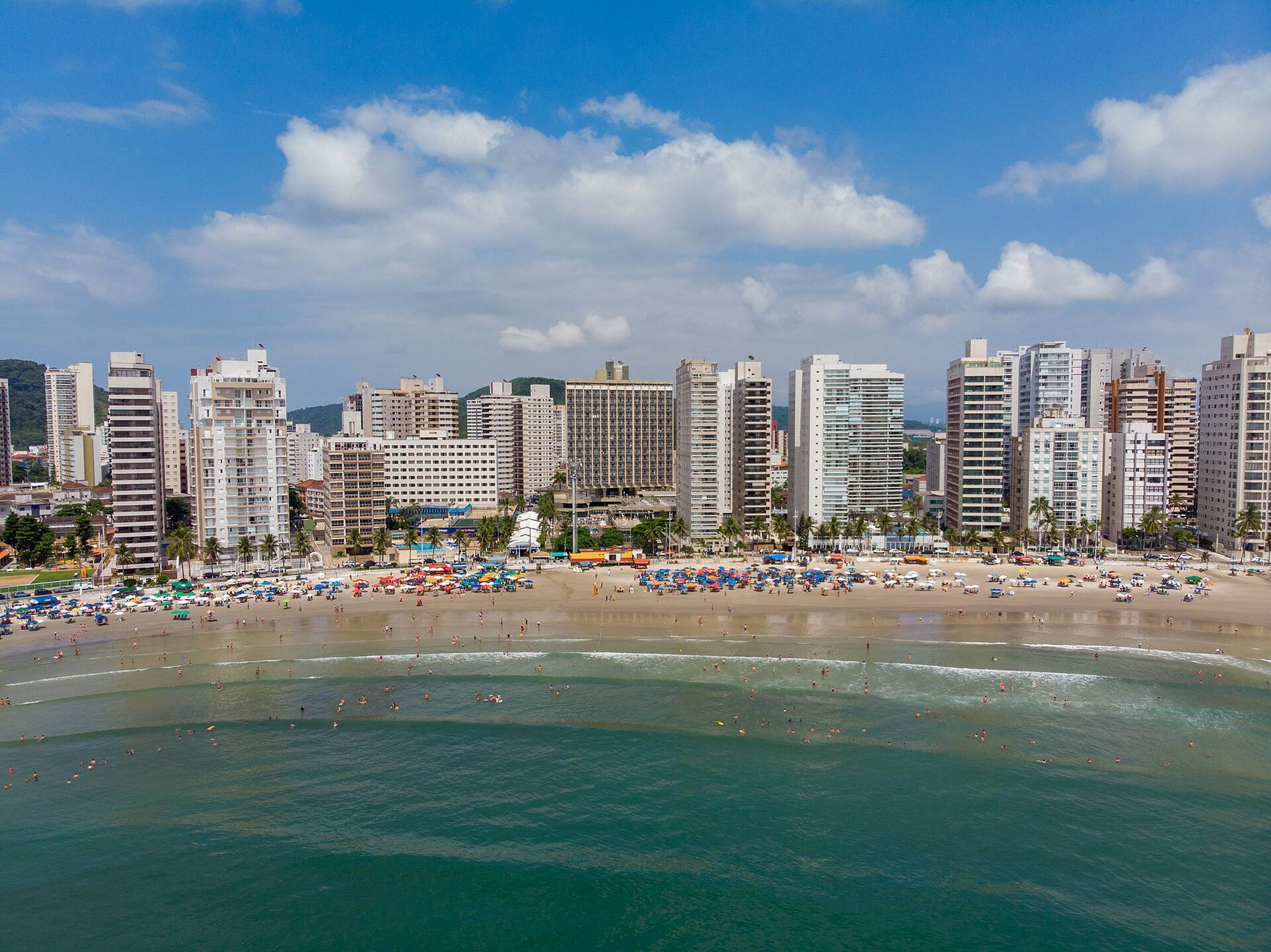
Pitangueiras — Dense high-rise corridor with urban shopping, surf waves, and constant foot traffic.
eduinvest · CC BY-SA 3.0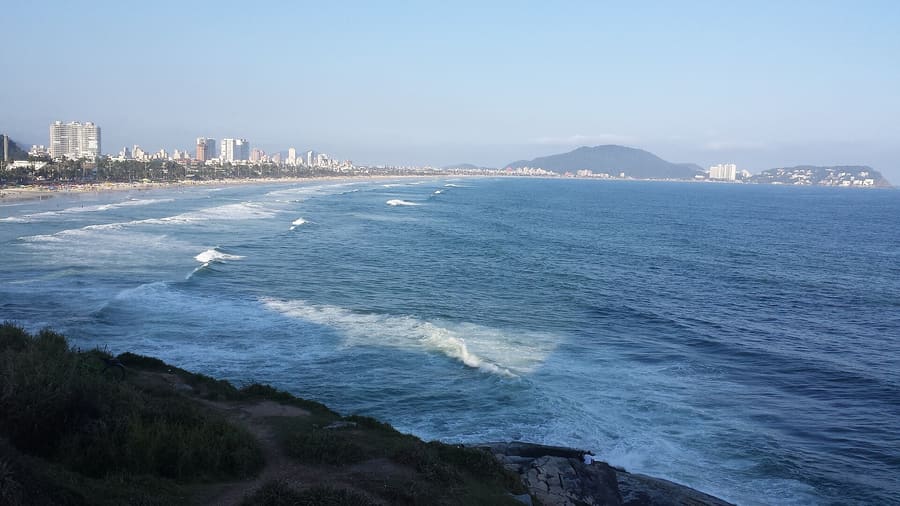
Enseada — Wide five-kilometer bay with beach kiosks, seafood restaurants, and resort hotels.
JMGM · CC BY-SA 3.0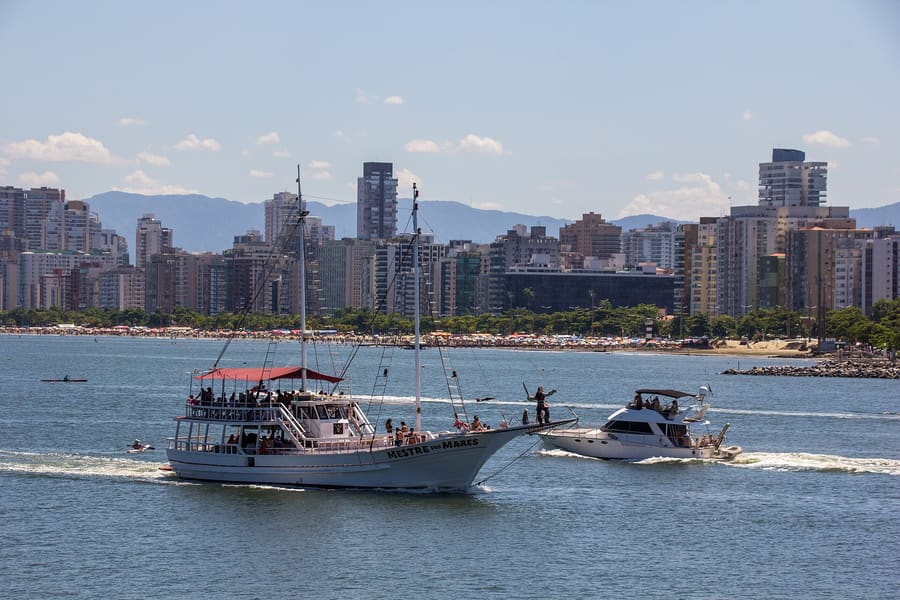
Astúrias — Family-oriented cove with calm waters, artisan fishing boats, and fresh catch stalls.
Photograph by Mike Peel (www.mikepeel.net). · CC BY-SA 4.0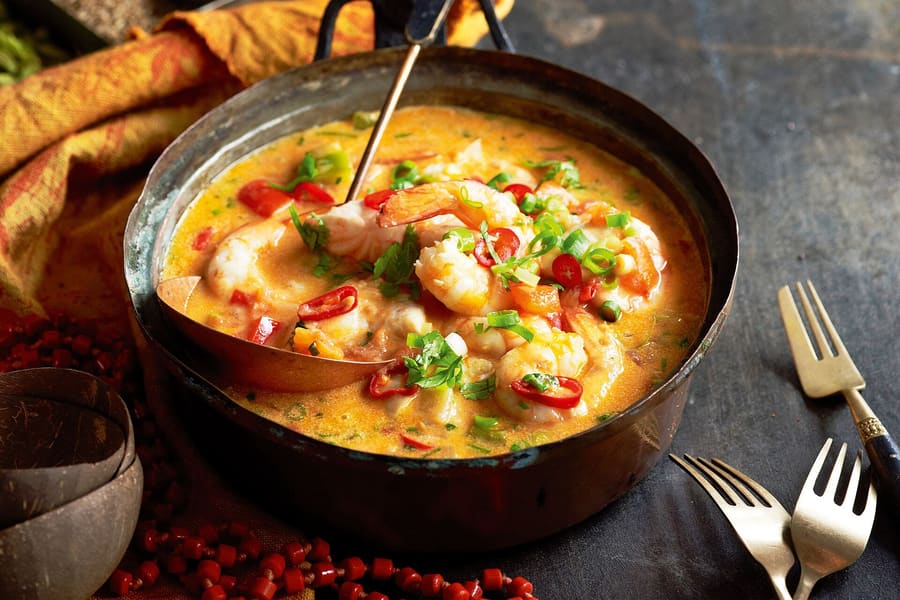
Traditional seafood stew cooked in clay pots at seaside restaurants.
BR · CC BY-SA 4.0highlights
landmark
Strong surf breaks and clean waters make this beach the local surfing hub. Strong currents require caution when swimming.
Tanya Parley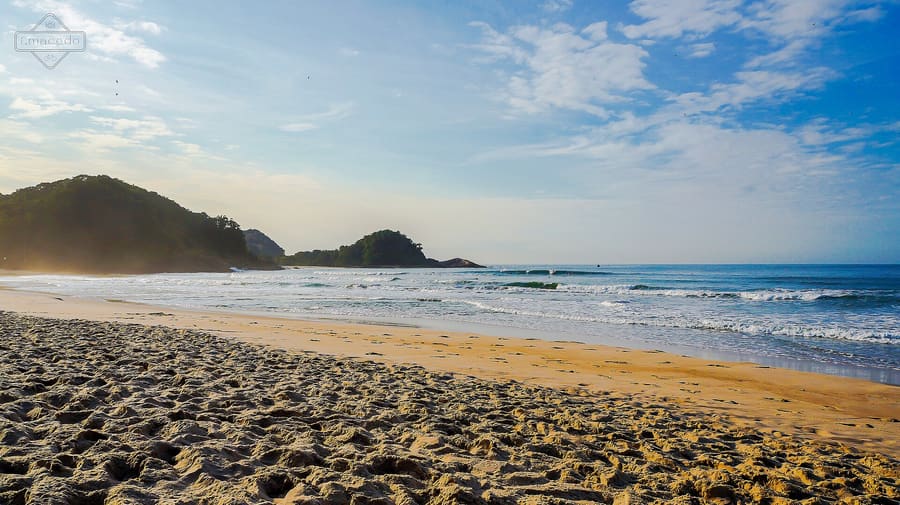
landmark
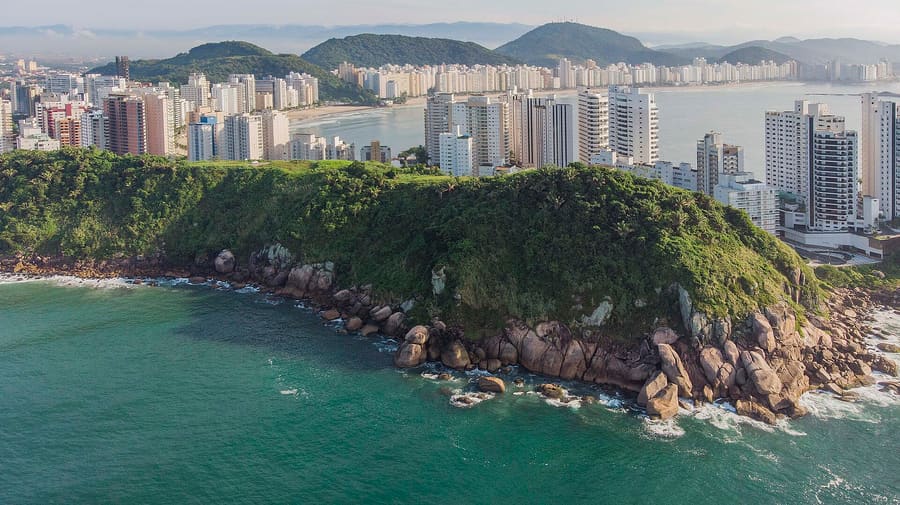
Low tide reveals a sandbar connecting the beach to this rocky islet. Watch water levels closely so you do not get stranded.
Tanya Parleyattractions
areas
Dense high-rise corridor with urban shopping, surf waves, and constant foot traffic.
DekatMorro da Campina and Astúrias beach.
Tanya ParleyWide five-kilometer bay with beach kiosks, seafood restaurants, and resort hotels.
DekatAcqua Mundo and Morro da Campina.
Tanya ParleyFamily-oriented cove with calm waters, artisan fishing boats, and fresh catch stalls.
DekatPraia do Tombo and Mirante das Galhetas.
Tanya ParleySecluded residential neighborhood framed by rainforest hills and tidal islands.
DekatIlha do Mar Casado and Guaiúba.
Tanya Parleyfood
Guarujá dining revolves around the local fishing harvest. Caiçara cooking relies on banana, cassava, and wild herbs combined with freshly caught fish. Look for seasonal mullet and grouper prepared in heavy clay pots at beachside kiosks.
Traditional seafood stew cooked in clay pots at seaside restaurants.
BR · CC BY-SA 4.0Buy fresh catch directly from local fishermen at Mercado de Peixe das Astúrias, then pay nearby kiosks a fee to grill it.
Beachfront food stalls fill completely between 13:00 and 15:00 on Saturdays. Order early to avoid long waits.
history
Indigenous Tupinambá communities originally inhabited Santo Amaro Island, using its sheltered coves for fishing. Portuguese explorer André Gonçalves charted the shoreline in 1502. Portuguese settlers built fortresses along the channel to protect the port of Santos from pirate raids. In the late 19th century, the opening of a railway line transformed Guarujá into a seaside retreat for São Paulo's coffee elites.
Grand Hotel opens
The Prado family opens the island's first luxury hotel and a narrow-gauge railway connecting to Santos.
Hydrothermal spa status
Guarujá officially gains status as a spa city, triggering rapid tourism development.
High-rise construction boom
Paved highways connect the island directly to São Paulo, leading to dense tower construction along Pitangueiras.
where to stay
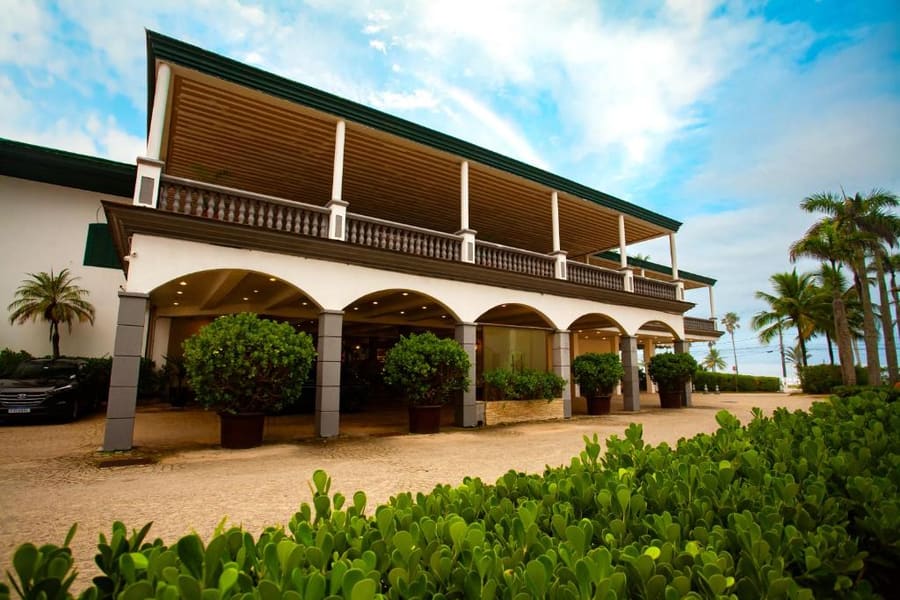
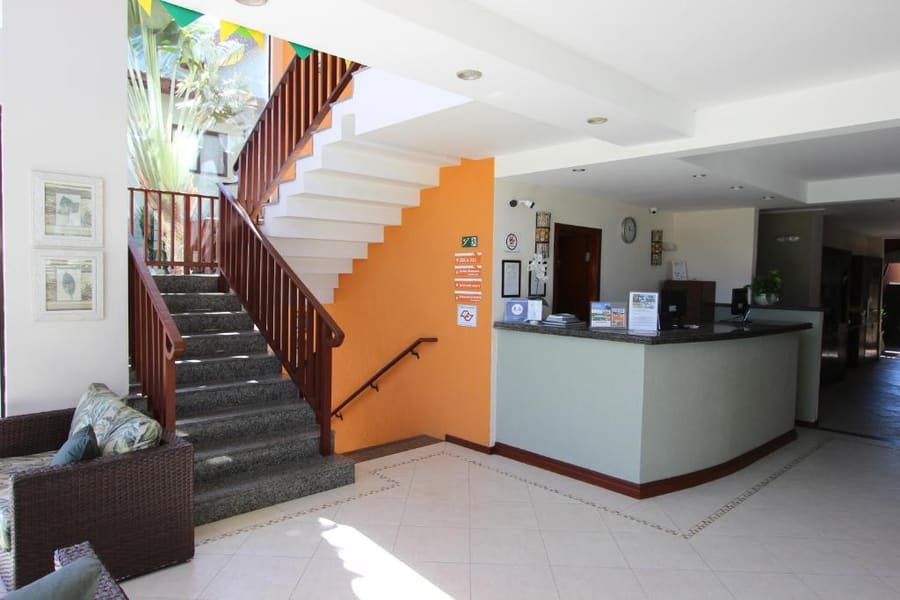
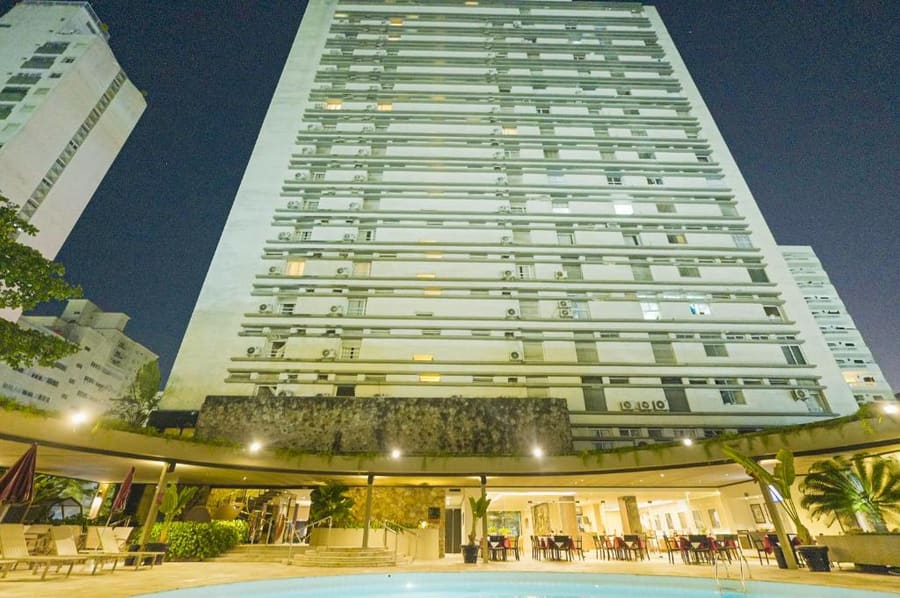
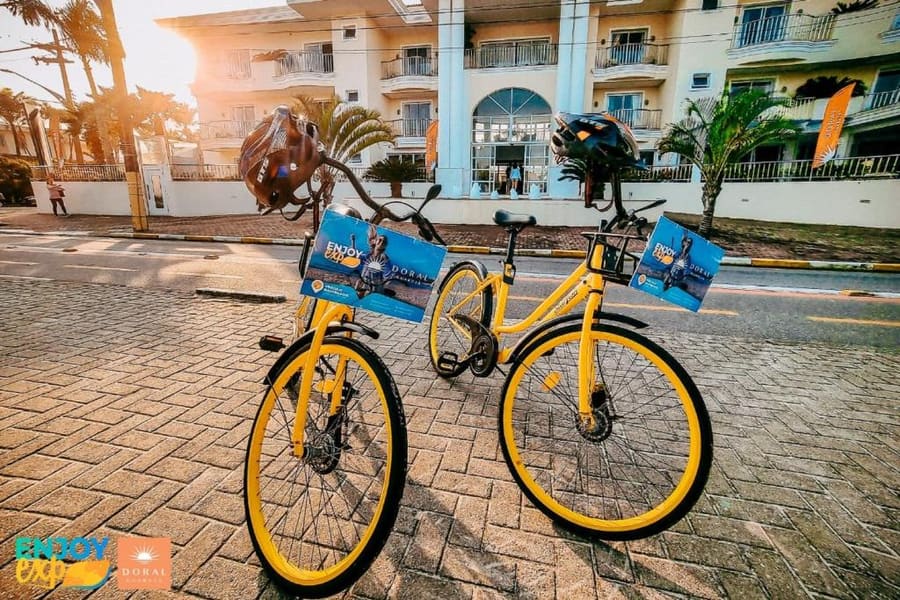
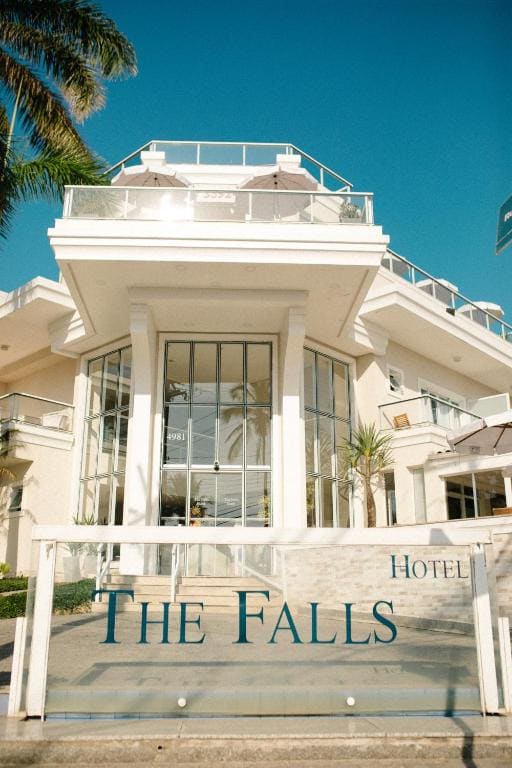
Choose your area based on mobility and noise tolerance. High-rise Pitangueiras places you within walking distance of shops and eateries without needing a car. Enseada offers resort stays with direct beach access but requires transport for night dining. Pernambuco fits travellers seeking gated quiet and private coves.
Live rates, matched to the areas above.
transport
Guarujá connects to São Paulo via highway SP-160 or through Santos via a short ferry crossing. Inside the island, municipal buses serve main coastal corridors, but rideshare apps offer faster point-to-point transit. Peak summer traffic slows vehicles down to walking pace on central avenues.
Dari São Paulo–Congonhas (CGH) or Santos Ferry
Direct highway transfer from CGH airport to central Guarujá.
Buses run regularly from Jabaquara station in São Paulo to Guarujá bus terminal.
City buses connect Pitangueiras to Enseada and Pernambuco for a flat fare paid with cash or transit card.
Car lines at the ferry back to Santos can take up to two hours on Sunday evenings. Cross early or use the highway.
Electronic toll lanes accept automatic tags, while cash lanes require exact change during rush hours.
Pitangueiras, Astúrias, and Tombo are connected by short coastal roads walkable in under twenty minutes.
cost
Prices surge significantly on summer weekends and national holidays. Midweek travel lowers accommodation rates by up to forty percent. Kiosks and restaurants add a standard ten percent service fee to food bills.
Kiosks often waive the rental fee if you spend a minimum amount on drinks or food.
Portions at beachside kiosks are generous and easily shared between two adults.
Made with fresh lime, sugar, and local cachaça or vodka.
Available at Praia do Tombo surf huts with optional instructor add-ons.
seasonality
DEC – FEB
Peak summer heat and warm sea temperatures. Massive weekend crowds and premium lodging rates.
MAR – MAY
Warm waters with lower humidity and fewer crowds. Clear skies make this ideal for beach walking.
JUN – AUG
Cooler days and lower water temperatures. Excellent surf conditions at Praia do Tombo.
SEP – NOV
Variable spring weather with occasional rain showers. Quiet weekdays before summer rush.
practicalities
Tropical sun intensity requires high SPF, especially during water activities at exposed beaches.
Red flags on Praia do Tombo signal dangerous undertows. Swim only where lifeguards post green markers.
Beach vendors accept contactless cards, though keeping small cash notes helps for quick tips.
Do not leave phones or bags unattended on crowded beaches while swimming.
Chilled coconuts are chopped fresh at every beach kiosk across the island.