landmark
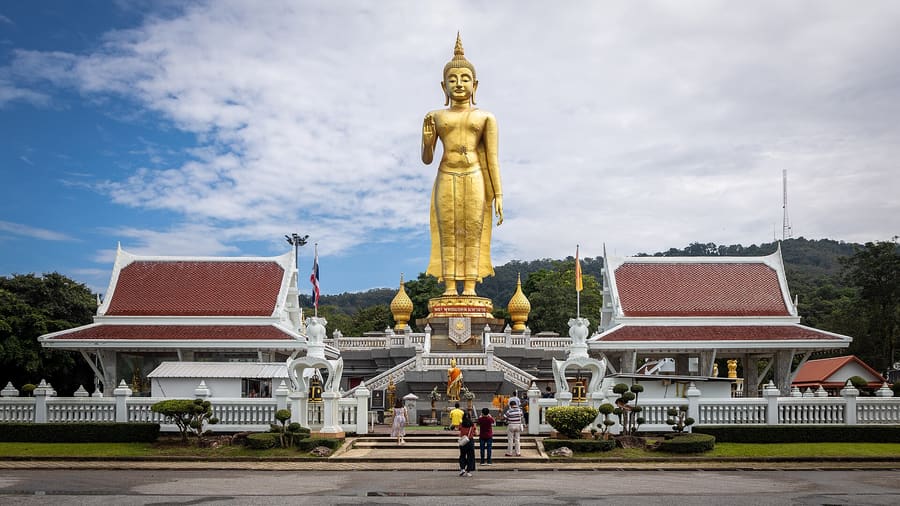
Standing Buddha Hill
Phra Buddha Mongkol Maharaj sits atop Kho Hong Hill. Take the cable car between peaks for 100 THB.
Tanya ParleyThailand
Southern Thailand's pragmatic cross-border transit hub.
introduction
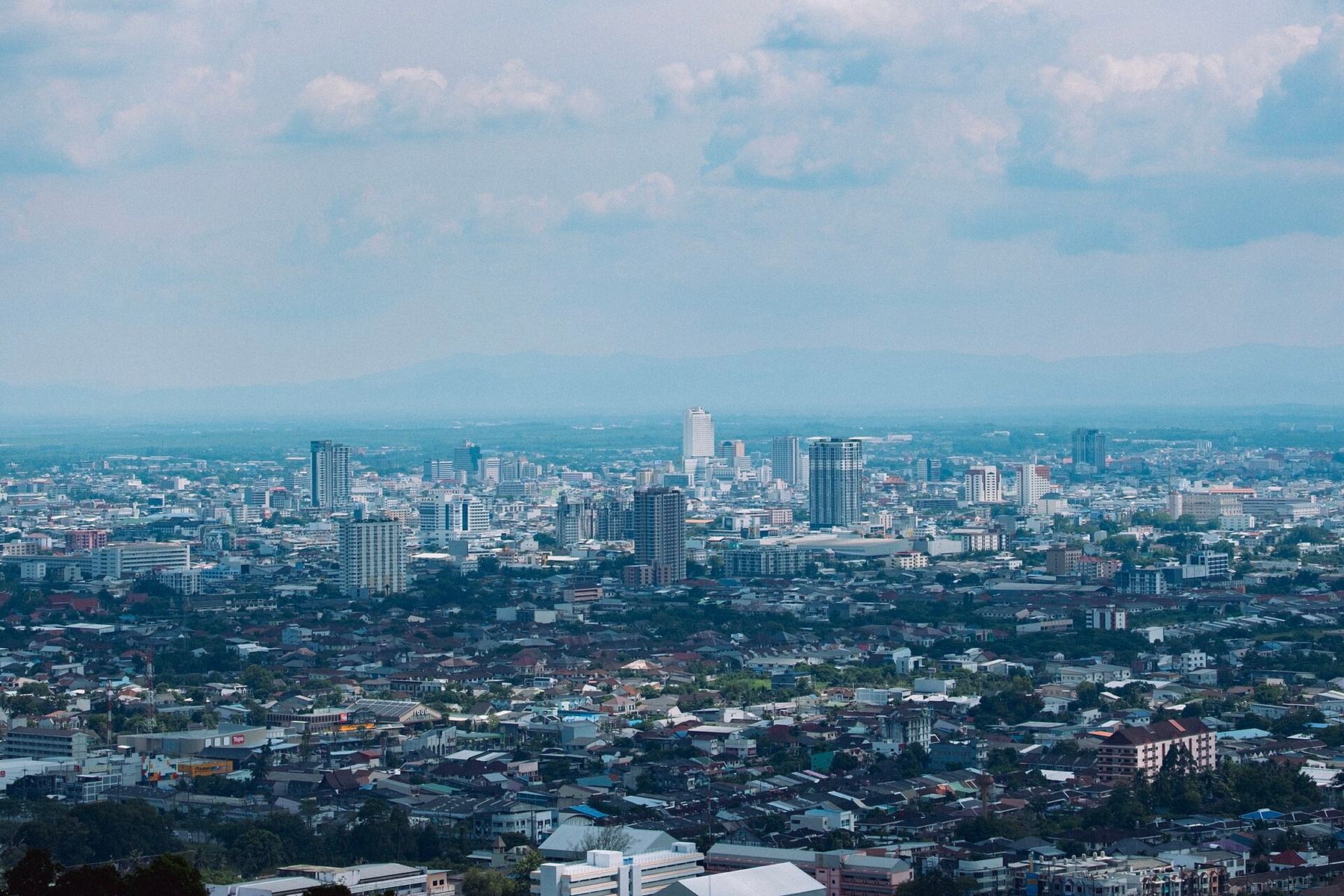
Hat Yai operates on trade rather than tourism charm. Built as a railway junction near the Malaysian border, the city attracts shoppers and travelers moving between Bangkok and Kuala Lumpur. You come here for distinct fried chicken, expansive night markets, and efficient transit links rather than ancient architecture. The layout is compact, navigating via songthaew is cheap, and life centers on trade.
Airport transport trick
Songthaews run from Hat Yai Airport to downtown for 30 THB. Board outside the domestic terminal exit instead of buying fixed-rate taxi vouchers.
Malaysian weekend surge
Cross-border Malaysian weekend crowds peak on Friday and Saturday nights. Book central hotels two weeks early to secure standard weekday rates.
highlights
landmark
Phra Buddha Mongkol Maharaj sits atop Kho Hong Hill. Take the cable car between peaks for 100 THB.
Tanya Parley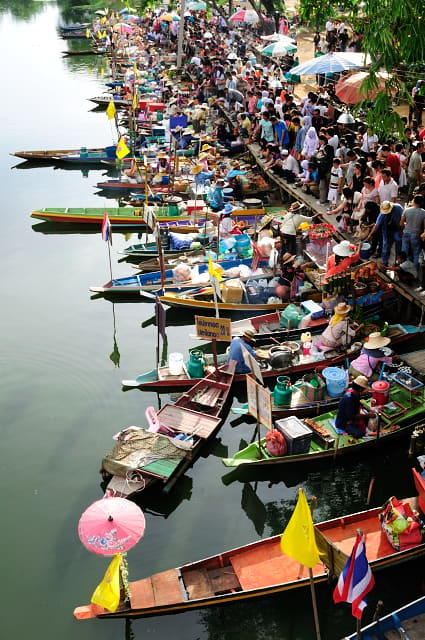
landmark
Vendors sell southern snacks from wooden boats Friday through Sunday. Arrive before 16:00 to beat long queues.
Tanya Parley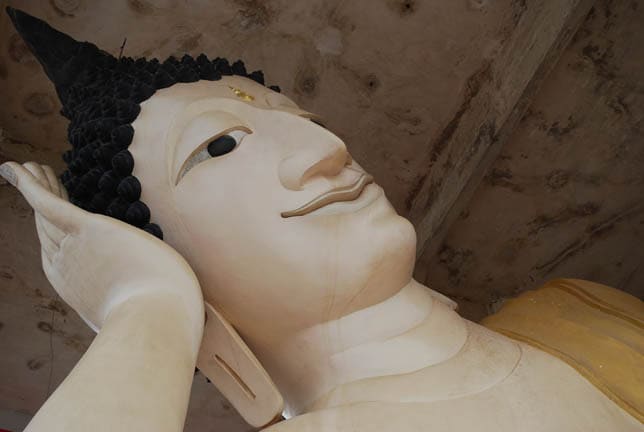
landmark
Houses a 35-metre reclining Buddha statue. Entrance is free, but you must remove shoes before stepping onto the platform.
Tanya Parleyattractions
areas
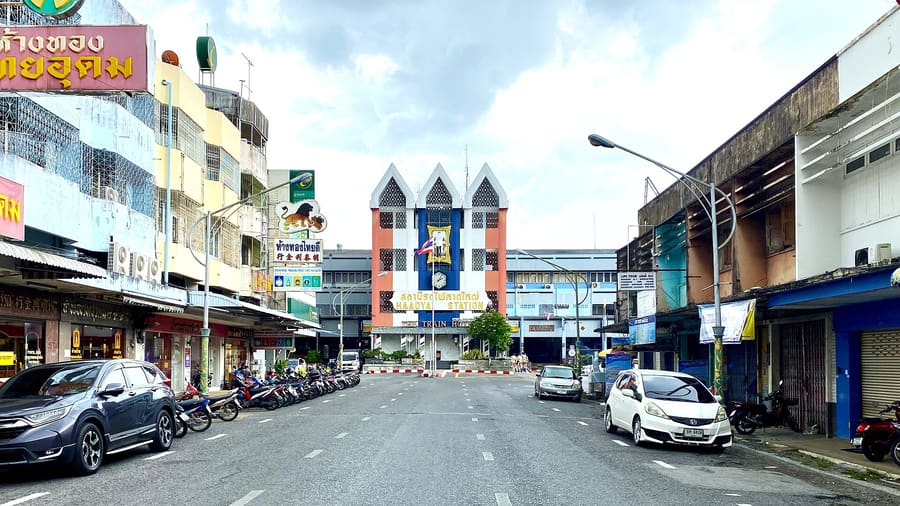
Grid of commercial streets built around rail lines and dry markets.
DekatHat Yai Railway Station and Kim Yong Market.
Tanya Parley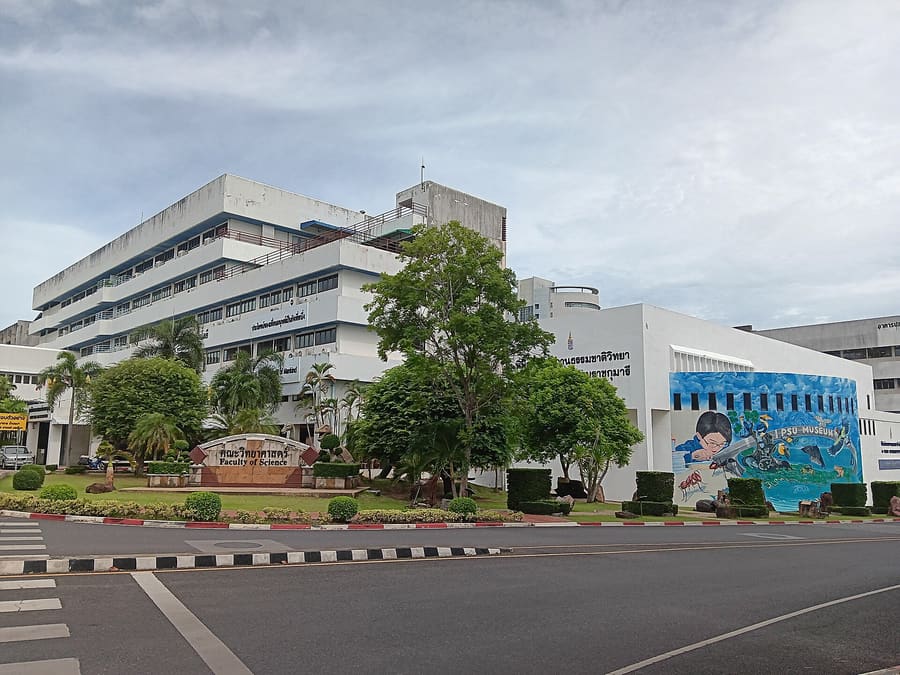
Modern student area with night markets and coffee shops.
DekatGreenway Market and Central Festival Hat Yai.
Tanya Parley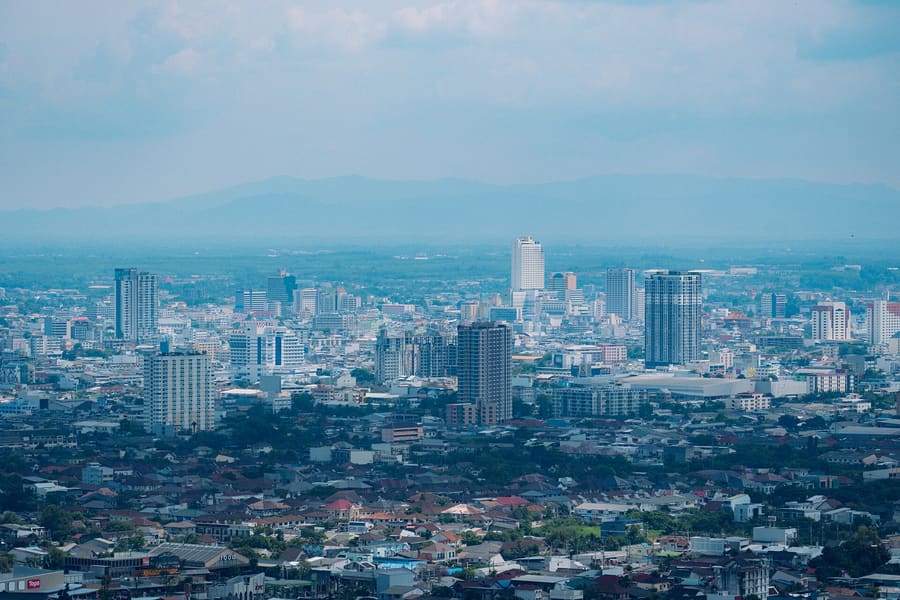
Elevated green ridge offering relief from downtown humidity.
DekatMunicipal Park and the cable car station.
Tanya ParleyLow-rise suburban stretch along Highway 4135.
DekatHat Yai International Airport.
Tanya Parleyfood
Hat Yai culinary culture is defined by two regional forces: Southern Thai spice and cross-border trade with Malaysia. The defining local export is Gai Tod Hat Yai, fried chicken heavily seasoned with garlic and coriander seed, topped with crunchy deep-fried shallots. You pair it with sticky rice and sweet chili paste for breakfast or early lunch.Because of the large Thai-Chinese and Muslim populations, food options vary widely within a single block. Halal roti stalls serve savory beef mataba alongside Teochew-style Bak Kut Teh pork bone soup served in clay pots. Evening eating shifts to large night market food courts where ordering uses prepaid card systems.
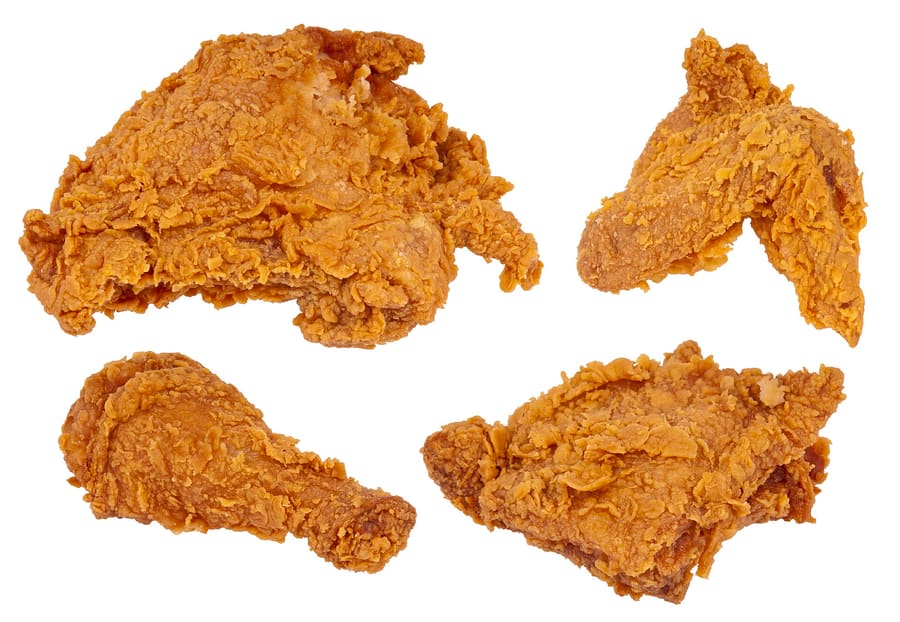
Gai Tod Hat Yai served with crisp fried shallots and sticky rice.
Evan-Amos · CC0The premier Gai Tod stalls around Kim Yong Market fry fresh batches from 06:00 to 11:00. Quality drops as oil ages in the afternoon.
The upstairs food court at Greenway Market requires a cash-loaded card from the entrance kiosk. Unused funds are refunded upon departure.
Southern Thai Bak Kut Teh restaurants let you choose specific pork cuts and mushroom add-ins. Point at the ingredient display counter.
history
Hat Yai grew out of a small village named Khok Samet Choon. Its momentum began in 1922 when the Royal State Railways of Siam relocated the southern junction from Khlong Hae to this location, connecting Bangkok to British Malaya. Commerce quickly shifted toward the tracks.Sino-Thai merchants established wholesale markets around the station to trade rubber, timber, and dry goods. Over the late 20th century, the town expanded into a major trade stop for Malaysian visitors, evolving from a transit node into Southern Thailand's largest commercial urban center.
Rail hub established
The southern rail junction opens, establishing direct train routes between Bangkok and Malaya.
Kim Yong Market opens
Chinese traders build permanent market stalls, establishing the city's wholesale trade hub.
City municipality status
Hat Yai officially achieves city municipality status due to rapid population growth and trade.
Airport expansion
Hat Yai International Airport opens updated facilities to handle increasing regional cross-border flights.
where to stay
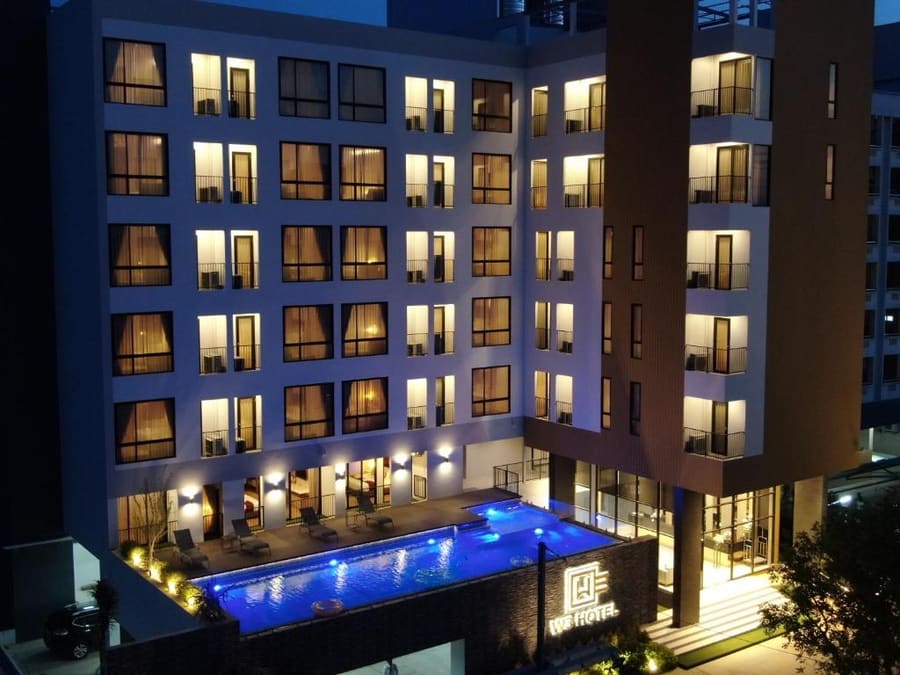
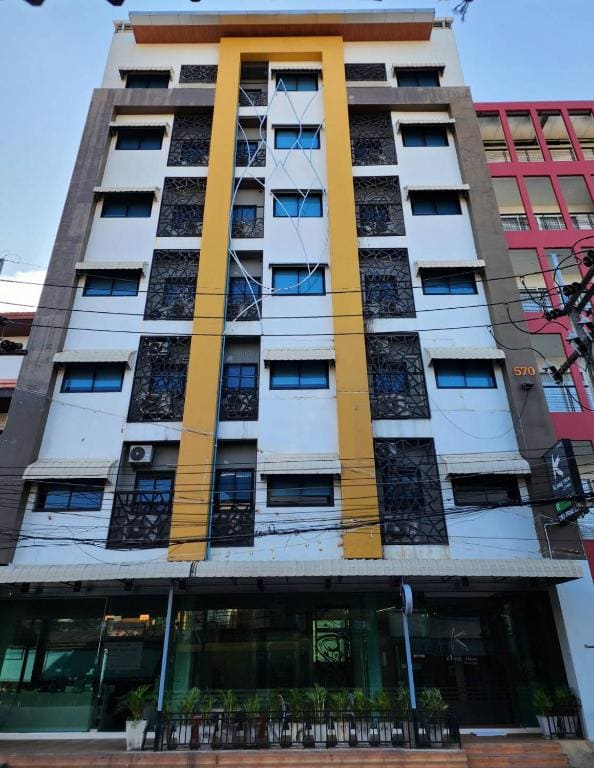
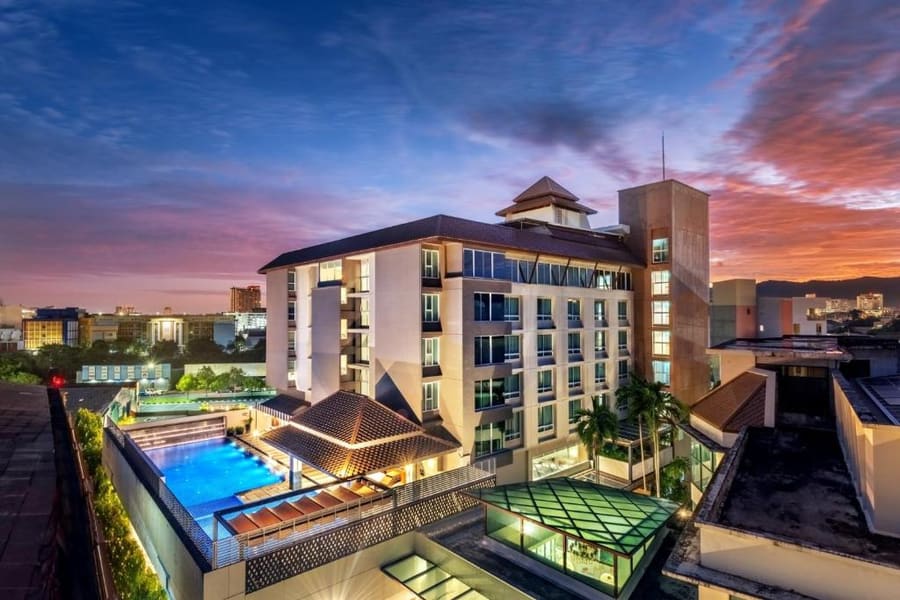
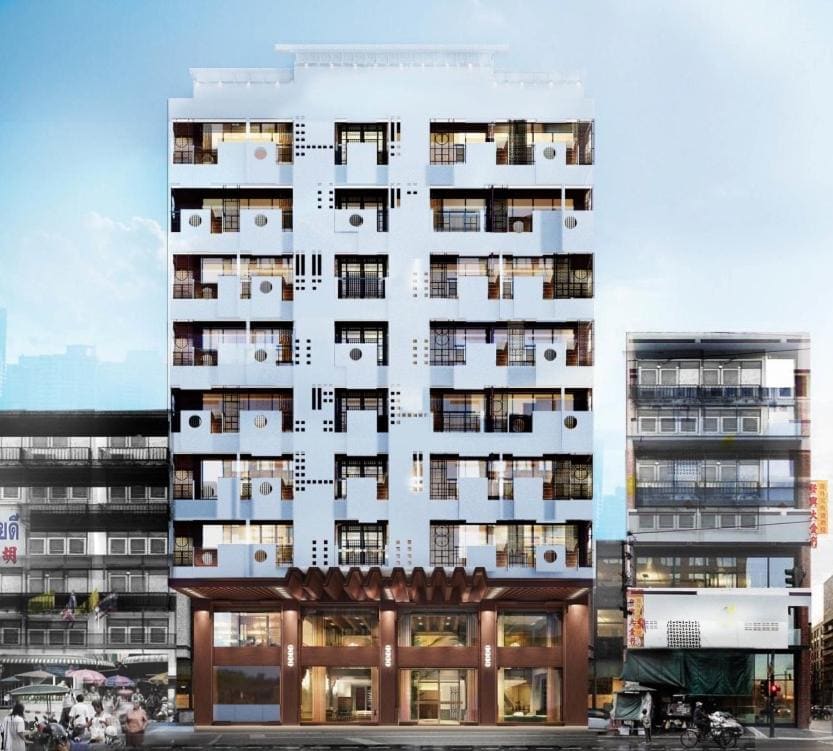
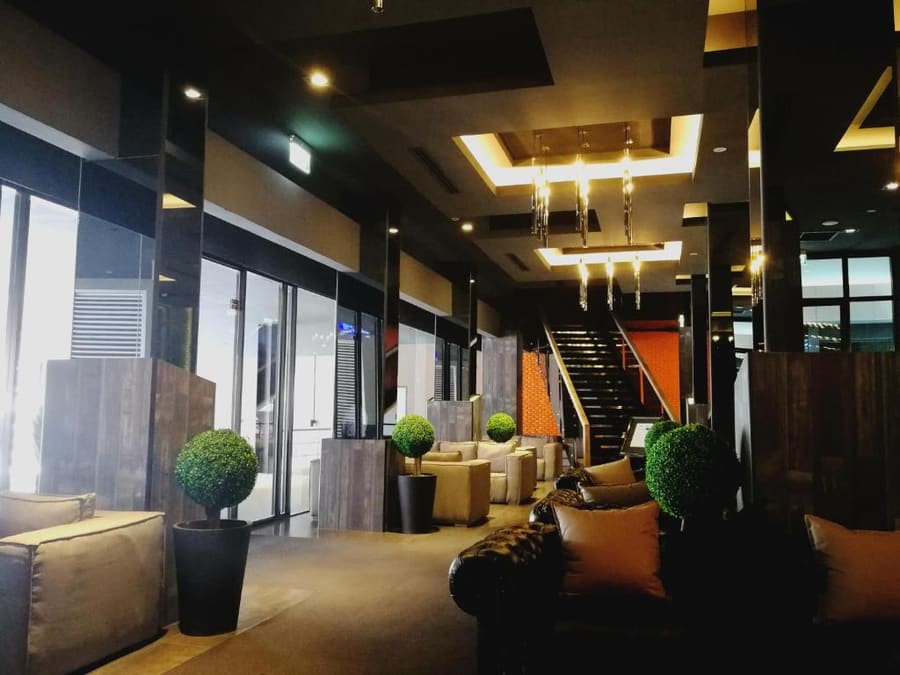
Choose your location based on transport needs and noise tolerance. Downtown puts you within walking distance of the rail station and morning markets, but rooms skew older and street noise continues until midnight. The Greenway area offers newer boutique hotels close to night markets, though you will need Grab or songthaews to reach the train terminal.
Live rates, matched to the areas above.
transport
Hat Yai lacks a metro or formal bus network. Movement relies on shared blue songthaews (converted pickup trucks), tuk-tuks, and rideshare apps. Songthaews run fixed routes along main avenues for low flat fares, while tuk-tuks require cash negotiations before sitting down.
Dari HDY
Shared blue songthaew departing outside domestic exit.
Fixed rate voucher desk located inside arrivals hall.
Grab pickup designated at main parking area exit.
Wave your hand at approaching blue songthaews along Phetkasem Road. Pay 20–30 THB to the driver upon exiting.
Tuk-tuk drivers around Kim Yong Market charge inflated flat rates to tourists. Use Grab to establish fair prices.
Shuttle trains run twice daily from Hat Yai Junction to Padang Besar at the Malaysian border for 50 THB.
Phetkasem and Niphat Uthit roads gridlock from 17:00 to 18:30. Walk short downtown distances instead.
cost
Hat Yai is considerably cheaper than Phuket or Bangkok. Food prices reflect local wages, though Malaysian weekend surges can increase central hotel rates. Cash is necessary for markets, songthaews, and small street stalls.
Includes one fried chicken leg or thigh, fried shallots, and sticky rice.
Flat rate per person within central city zones.
Varies by pork cuts selected and pot size.
Standard negotiated rate for 2 km downtown trips.
seasonality
JAN – APR
Driest months. Ideal for visiting waterfalls and walking night markets comfortably.
MAY – AUG
Moderate rain showers in late afternoons. High temperatures offset by lower hotel rates.
SEP – DEC
Northeast monsoon season brings heavy downpours and occasional urban street flooding.
practicalities
Malaysia is one hour ahead of Thailand. Keep this in mind when booking cross-border train or bus transfers.
Thai ATMs charge a standard 220 THB withdrawal fee for foreign cards. Withdraw maximum amounts per transaction.
Most downtown street signs feature Thai and English, with Chinese widely spoken by shopkeepers.
Kim Yong Market corridor alleys lack airflow. Carry water during peak afternoon hours.
Wat Hat Yai Nai requires shoulders and knees covered. Remove shoes before entering indoor shrine spaces.