landmark
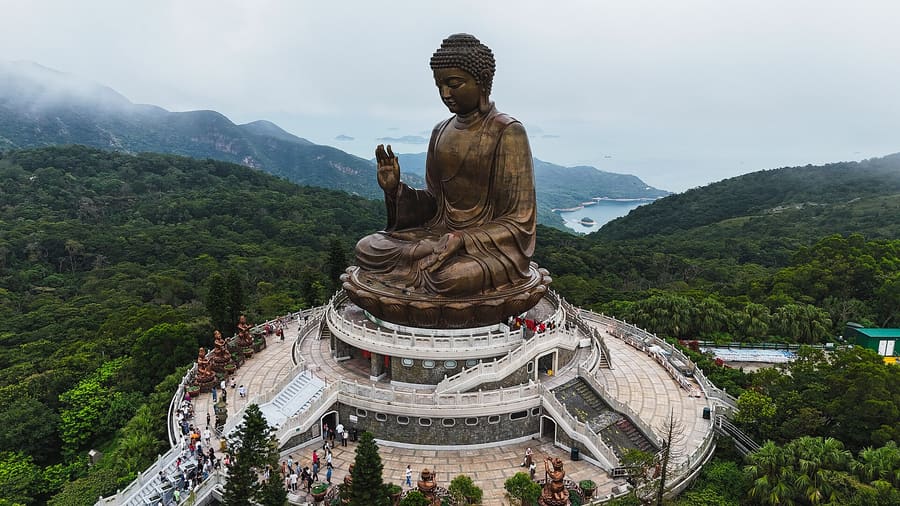
Tian Tan Buddha
A 34-metre bronze Buddha sitting above Lantau Island. Take the Ngong Ping 360 cable car from Tung Chung MTR.
Tanya ParleyHong Kong DAK Tiongkok
Vertical density, fast waters, and precision transport.
introduction
Hong Kong packs seven million people between steep granite peaks and deep saltwater channels. The city runs on hyper-efficient rail and cheap harbour ferries. Dense high-rises stack directly against country parks, putting mountain trails twenty minutes from financial towers. Expect rapid pacing, cash-only noodle shops alongside polished hotels, and relentless verticality.
Airport Express Octopus hack
Buy a contactless Octopus card at HKG airport arrival halls. It covers the Airport Express, MTR trains, ferries, and most convenience stores.
Geopark UNESCO recognition
Hong Kong UNESCO Global Geopark protects hexagonal basalt columns in Sai Kung. Public ferries and guided boats run directly from Sai Kung Pier.
Peak Tram queue avoidance
Take the Peak Tram uphill before 10:00 to skip ninety-minute queues. Ride the public bus 15 back down for scenic curves at half the price.
Hong Kong
Exploringlife · CC BY-SA 4.0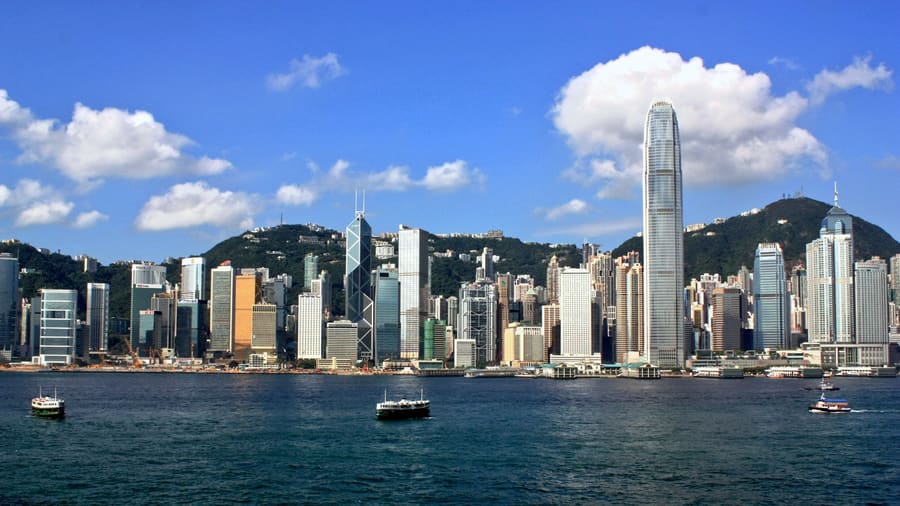
Central — Financial skyscrapers, elevated glass walkways, and high-end Cantonese dining.
WiNG · CC BY-SA 3.0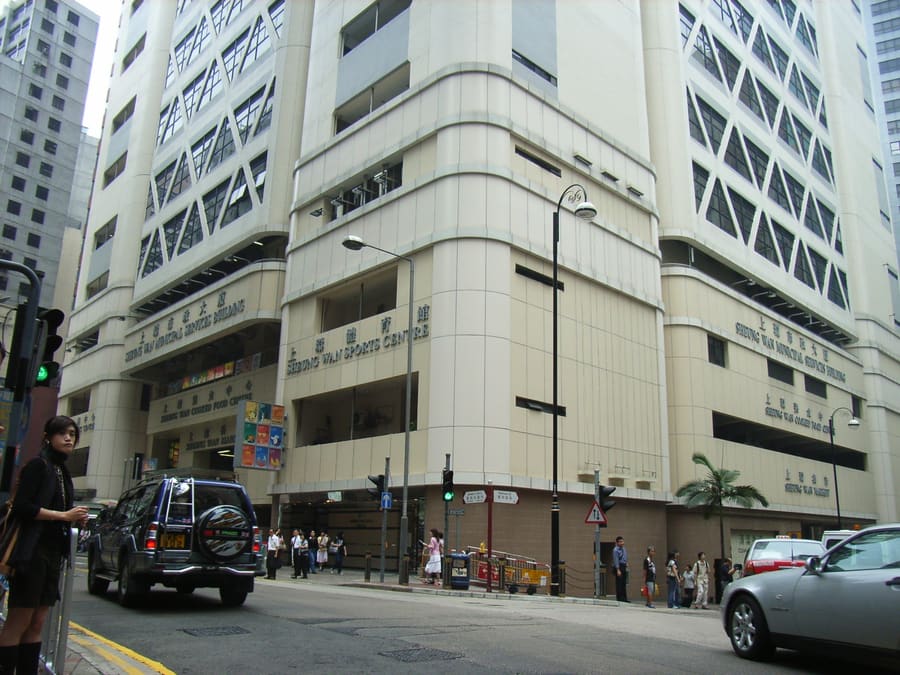
Sheung Wan — Traditional dried seafood vendors, specialty coffee roasters, and steep stone steps.
No machine-readable author provided. WIBEAN~commonswiki assumed (based on copyright claims). · CC BY-SA 2.5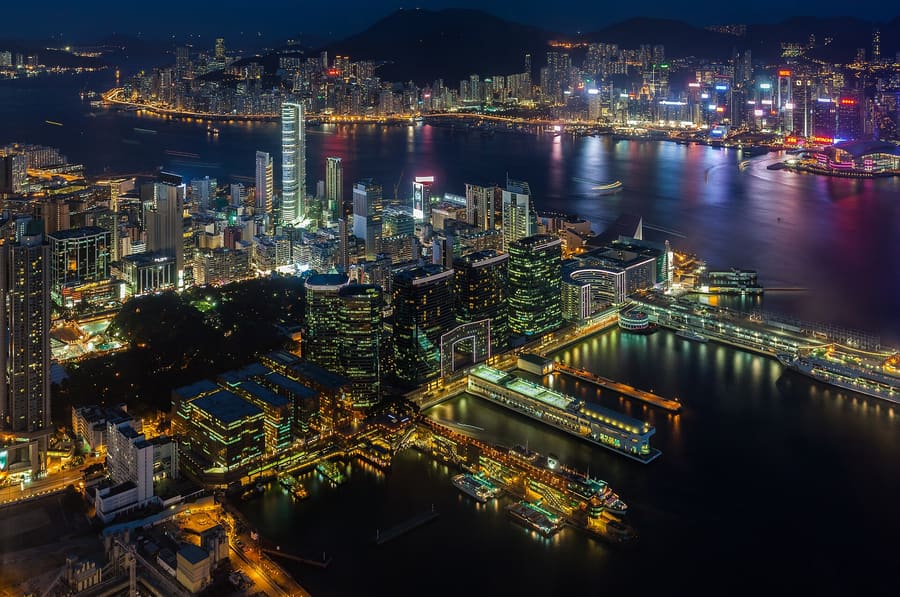
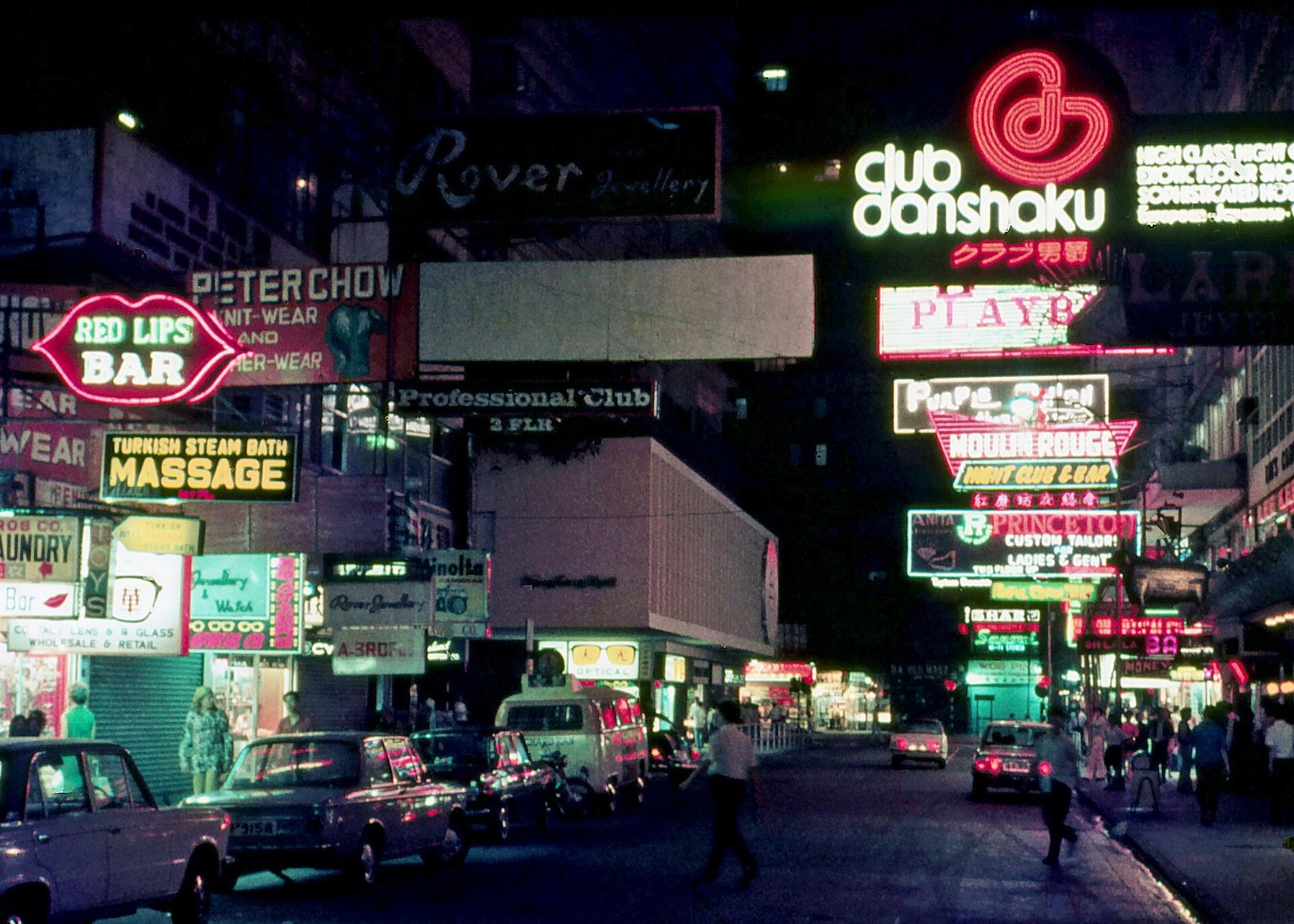
Tsim Sha Tsui — Promenade harbor views, dense shopping malls, and neon streetscapes.
Diego Delso · CC BY-SA 3.0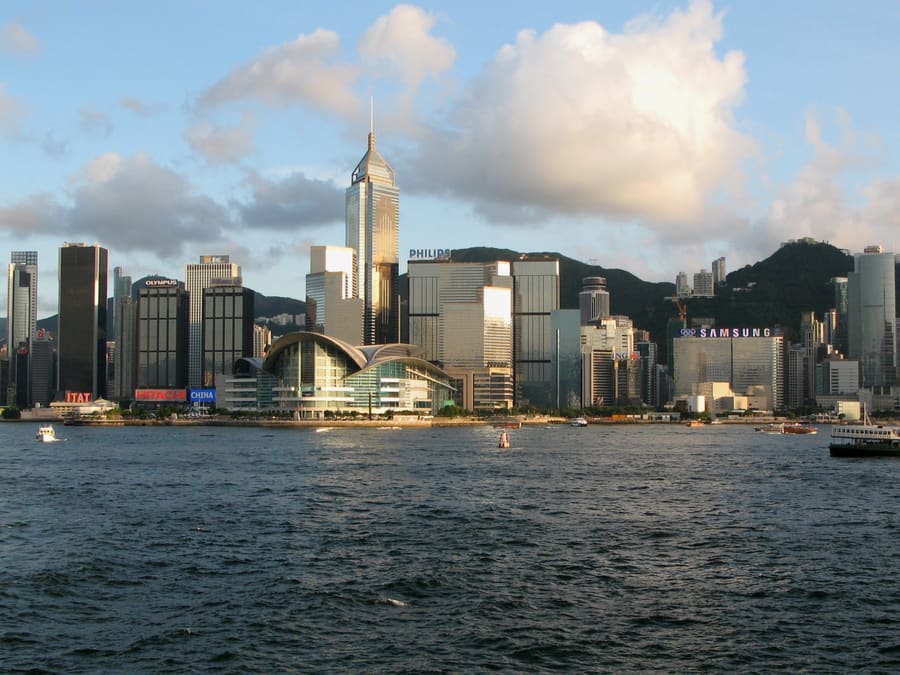
Wan Chai — Working-class noodle bars alongside modern towers and convention spaces.
WiNG · CC BY 3.0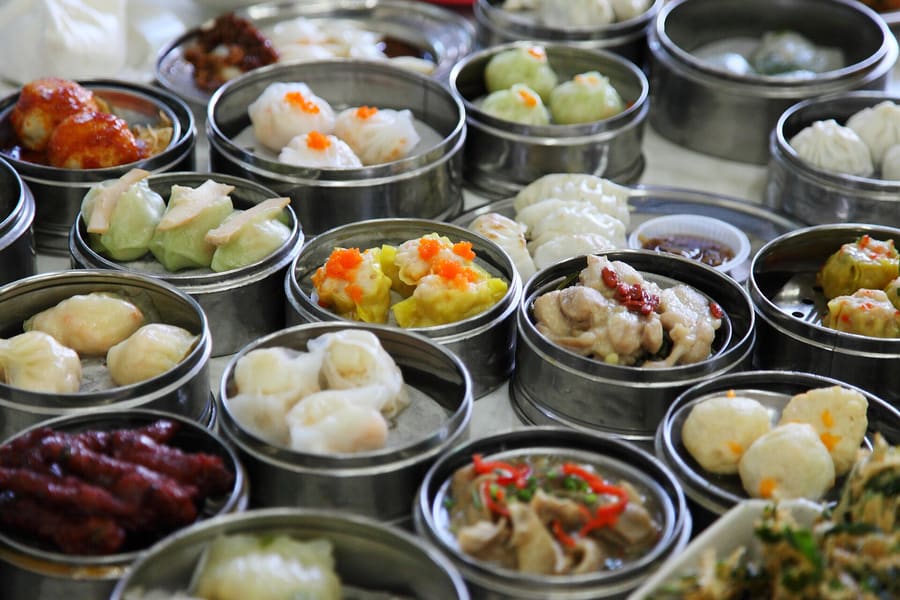
Traditional dim sum service with steamed baskets.
LeonardKong · CC BY 2.0highlights
landmark
A 34-metre bronze Buddha sitting above Lantau Island. Take the Ngong Ping 360 cable car from Tung Chung MTR.
Tanya Parley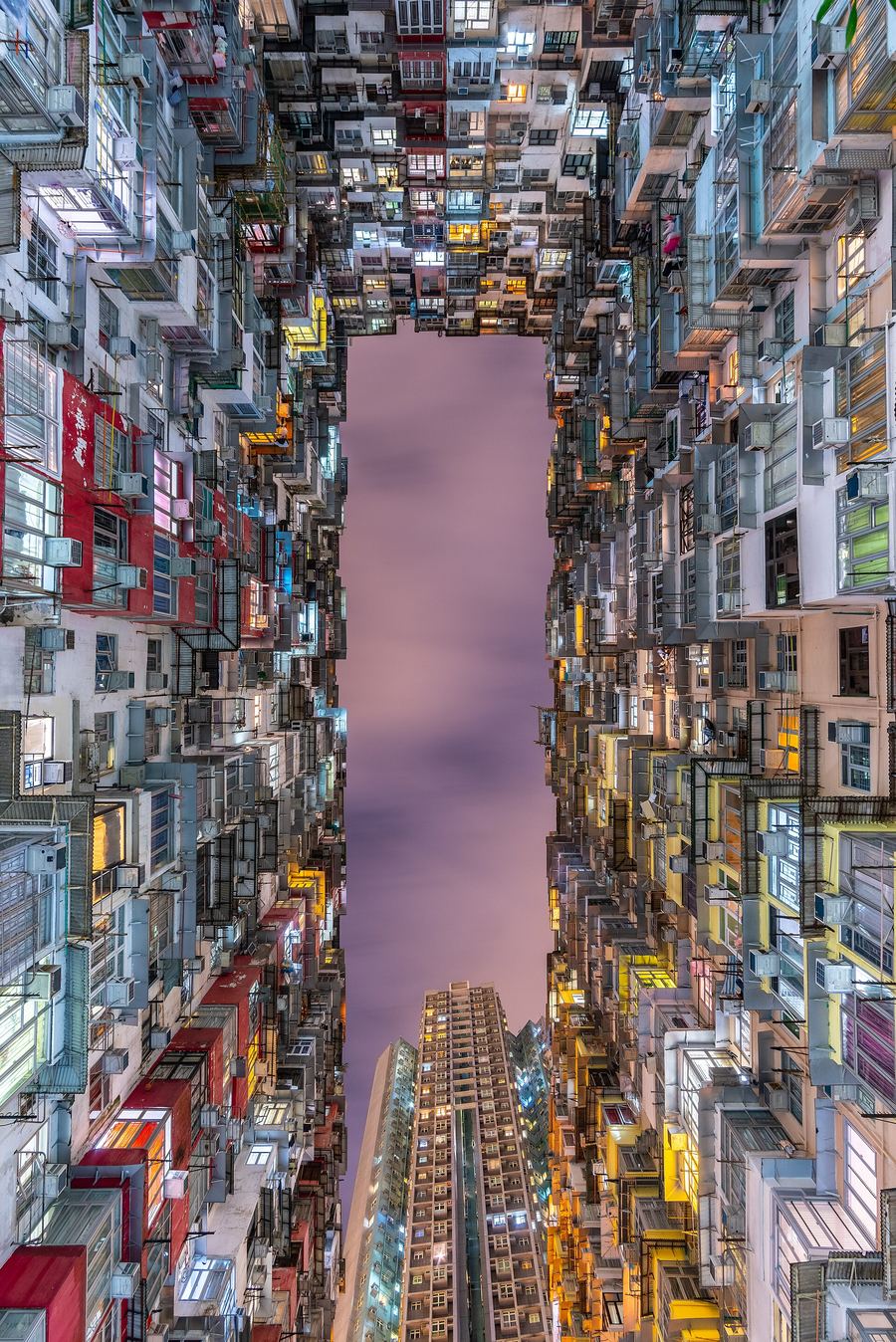
landmark
A dense 1960s residential complex in Quarry Bay. Respect quiet hours and residents when photographing the courtyard.
Tanya Parley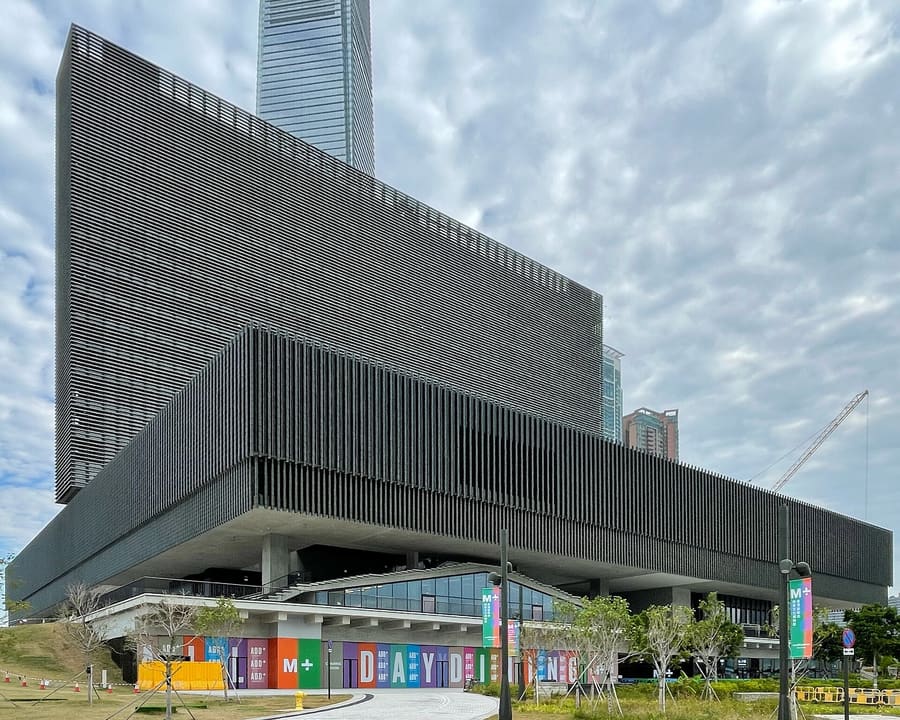
landmark
A modern visual culture museum in West Kowloon. Book timed entry online to avoid front-desk delays.
Tanya Parley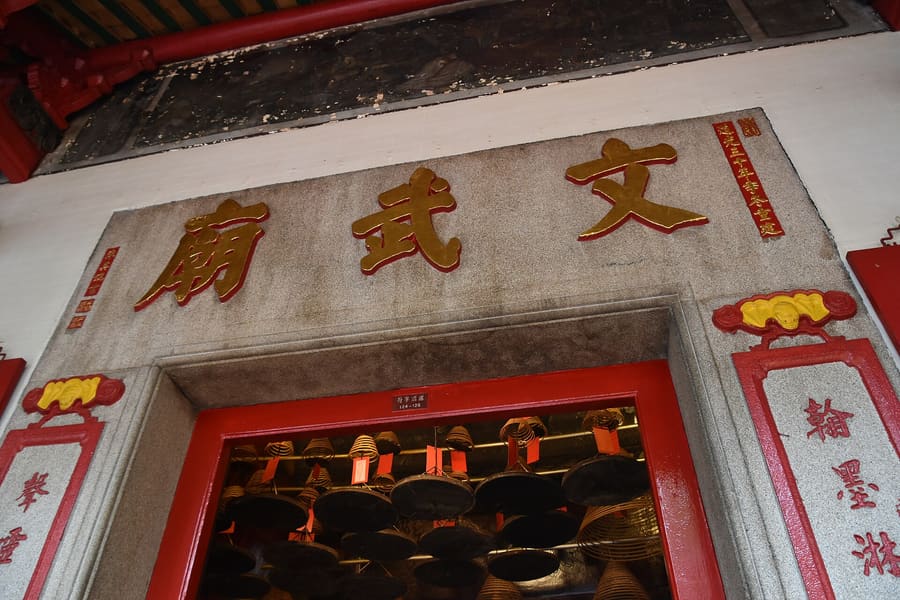
landmark
Atmospheric mid-19th-century temple filled with incense coils. Visit during early morning hours for clear photos.
Tanya Parleyattractions
areas
Financial skyscrapers, elevated glass walkways, and high-end Cantonese dining.
DekatVictoria Harbour ferries and the Peak Tram terminus.
Tanya ParleyTraditional dried seafood vendors, specialty coffee roasters, and steep stone steps.
DekatCentral and the Macau Ferry Terminal.
Tanya ParleyPromenade harbor views, dense shopping malls, and neon streetscapes.
DekatStar Ferry Pier and West Kowloon Cultural District.
Tanya ParleyWorking-class noodle bars alongside modern towers and convention spaces.
DekatCauseway Bay shopping and Central district.
Tanya Parleyfood
Dining in Hong Kong operates on speed and high volume. Table sharing is standard practice in traditional dim sum halls like Lin Heung Tea House and neighborhood dai pai dongs. Expect tea served immediately upon sitting down, used both for drinking and scalding your chopsticks. High-end Cantonese kitchens hold multi-star rankings, yet basic claypot rice stalls offer equal technical precision.
Traditional dim sum service with steamed baskets.
LeonardKong · CC BY 2.0Morning dim sum starts as early as 06:00. Traditional carts operate until mid-afternoon, while modern shops serve dumplings all day.
Michelin-starred dining rooms accept major credit cards, but neighborhood noodle shops often demand cash or physical Octopus cards.
Tap two fingers on the wooden table to thank whoever pours your tea. Open the teapot lid slightly when you need a hot water refill.
history
Hong Kong evolved from a sparse collection of fishing villages into a global trading port under British colonial rule after 1842. Deep harbour waters attracted international shipping lines, while waves of migration throughout the 20th century supplied industrial labour and culinary tradition. The 1997 handover created a Special Administrative Region under the 'One Country, Two Systems' framework, shaping its unique currency, border control, and legal structures.
Treaty of Nanking
Brought Hong Kong Island under British control following the First Opium War, establishing a free port.
New Territories Lease
Britain secured a 99-year lease for the New Territories and 235 outlying islands, expanding land boundaries.
MTR Opens
The Mass Transit Railway launched its first line, revolutionising travel across the harbour.
The Handover
Sovereignty transferred from the United Kingdom to China as a Special Administrative Region.
where to stay
Choose your base by terrain and transit options. Hong Kong Island keeps you close to steep mountain trails, historic trams, and nightlife. Kowloon puts you directly on major street markets, harbour promenades, and quick airport transit connections.
transport
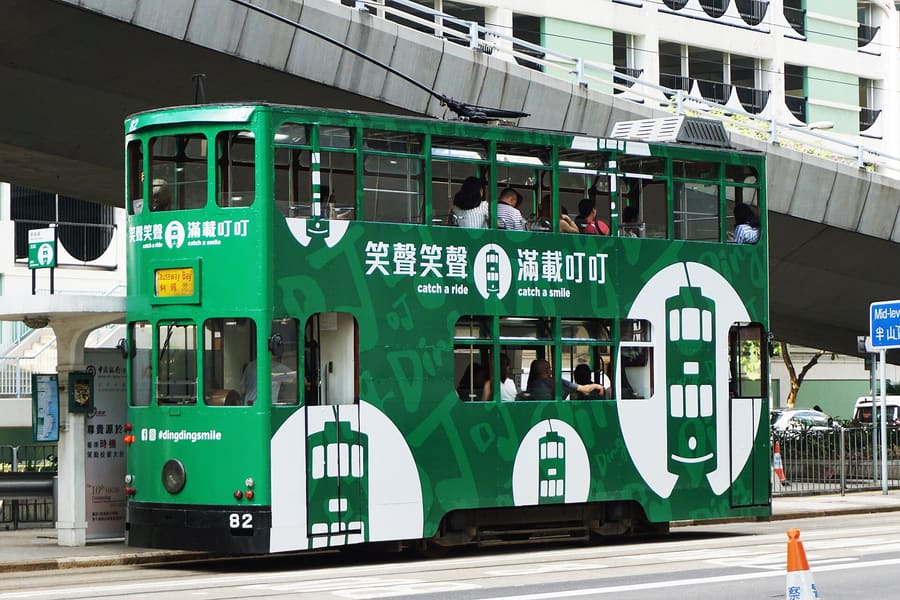
Hong Kong possesses one of the world's most efficient public transit systems. The MTR rail network connects major urban centers, while double-decker buses and heritage trams handle surface travel. An Octopus card is essential; it taps onto every transit mode and works across convenience stores.
Dari Hong Kong International Airport (HKG)
Airport Express runs directly to Hong Kong Station in Central with free onboard Wi-Fi.
Cityflyer routes A11 and A21 offer direct upper-deck luggage racks to Central and Tsim Sha Tsui.
Red taxis serve Hong Kong Island and Kowloon. Bridge tolls and luggage incur extra charges.
Buy a contactless Octopus card at the airport rail counter. Tap in and out at MTR gates and tram exits.
Star Ferry connections between Central and Tsim Sha Tsui offer the cheapest skyline view in the city.
Trains run continuously from roughly 05:45 until 01:00 nightly. Fares scale by distance traveled.
cost
Hong Kong runs on two speed tiers: cheap local transport and street food offset by high accommodation and fine dining costs. Hong Kong Dollars (HKD) are pegged to the US Dollar.
A standard bowl of wonton noodles or roast duck rice at a local neighborhood joint.
Flat fare across the entire Hong Kong Tramways network regardless of distance.
Per person for dim sum or seated dinner in a full-service Cantonese restaurant.
Round-trip ticket fare depending on peak hour time slots.
seasonality
OCT – DEC
Clear skies, comfortable temperatures around 20–25°C, and low humidity. Ideal hiking weather.
JAN – FEB
Cooler weather dropping to 12°C. Expect hotel surges and shop closures around Lunar New Year.
MAR – MAY
Rising humidity and frequent fog layer overhead. High season for spring art fairs.
JUN – SEP
Extreme heat, heavy rain, and typhoon risk. Indoor spaces stay heavily air-conditioned.
practicalities
Taxi drivers and small wet market vendors frequently refuse electronic payments. Carry HK$100 notes.
Malls, MTR cars, and restaurants maintain intense cooling year-round. Pack a light layer.
When Typhoon Signal No. 8 is raised, public transit shuts down and businesses close.