landmark
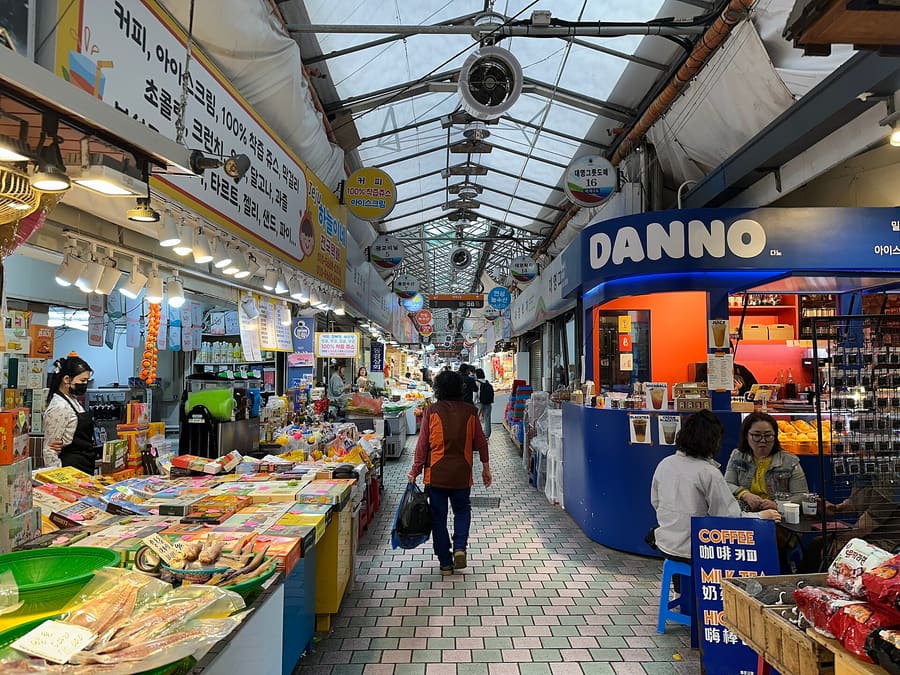
Dongmun Traditional Market
The northern half sells fresh cutlassfish and tangerines. The southern night market stalls serve grilled black pork from 18:00.
Tanya ParleyKorea Selatan
Volcanic geology, pork street eats, and northern sea winds.
introduction
Jeju City occupies the northern shore of South Korea's primary island. It functions as the transport hub and commercial heart of Jeju Special Self-Governing Province. Most visitors arrive through Jeju International Airport and use the urban grid as a base for exploring the coast or ascending Hallasan. Expect dense street traffic, late-night grill houses, and immediate access to basalt shorelines.
Airport proximity
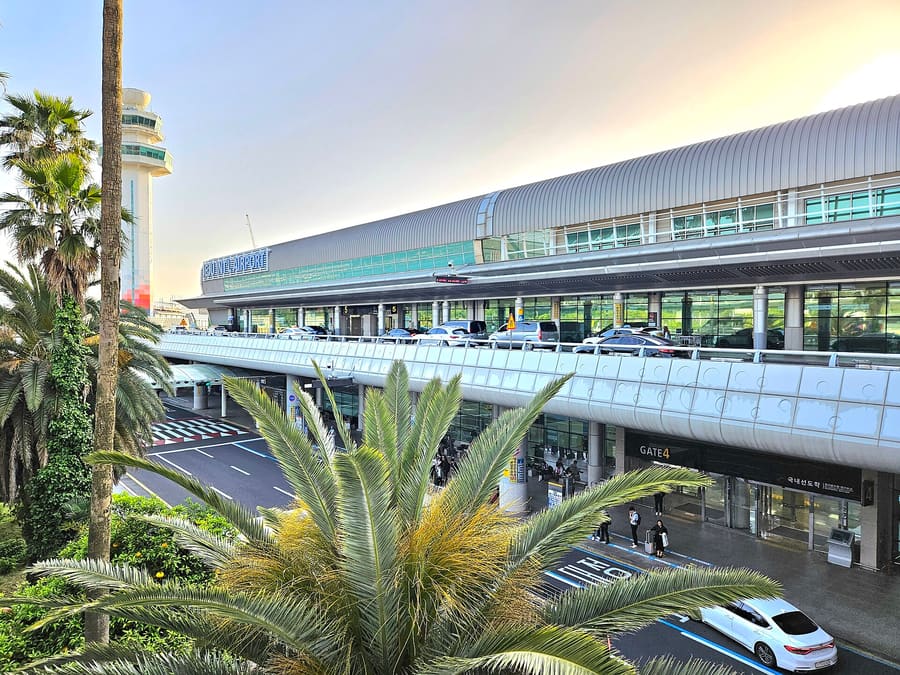
Jeju Airport sits just three kilometres from the city centre. A local bus reaches Downtown Yeon-dong in under fifteen minutes for ₩1,200.
UNESCO designation
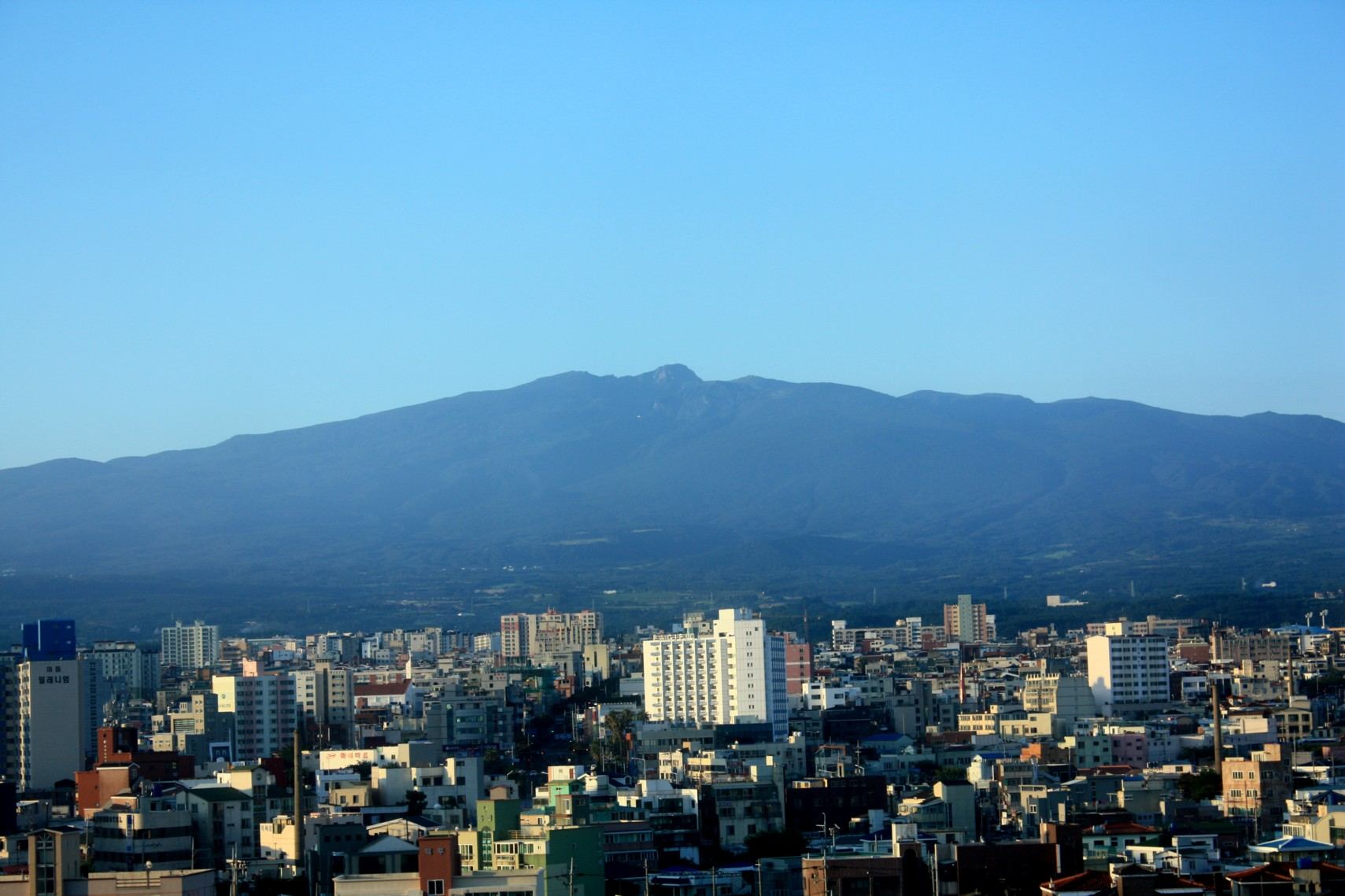
Jeju Island holds UNESCO Biosphere Reserve, World Heritage, and Geopark status. Hallasan peak dominates the horizon directly south of the city.
Rental car pick-ups
Rental cars cannot be picked up directly at the terminal doors. Free shuttles run every ten minutes to off-site rental lots.
Jeju City
Kimhs5400 · CC BY 4.0
Nohyeong-dong — High-rise commercial hub near the airport with wide boulevards, department stores, and tower hotels.
song songroov · CC BY 3.0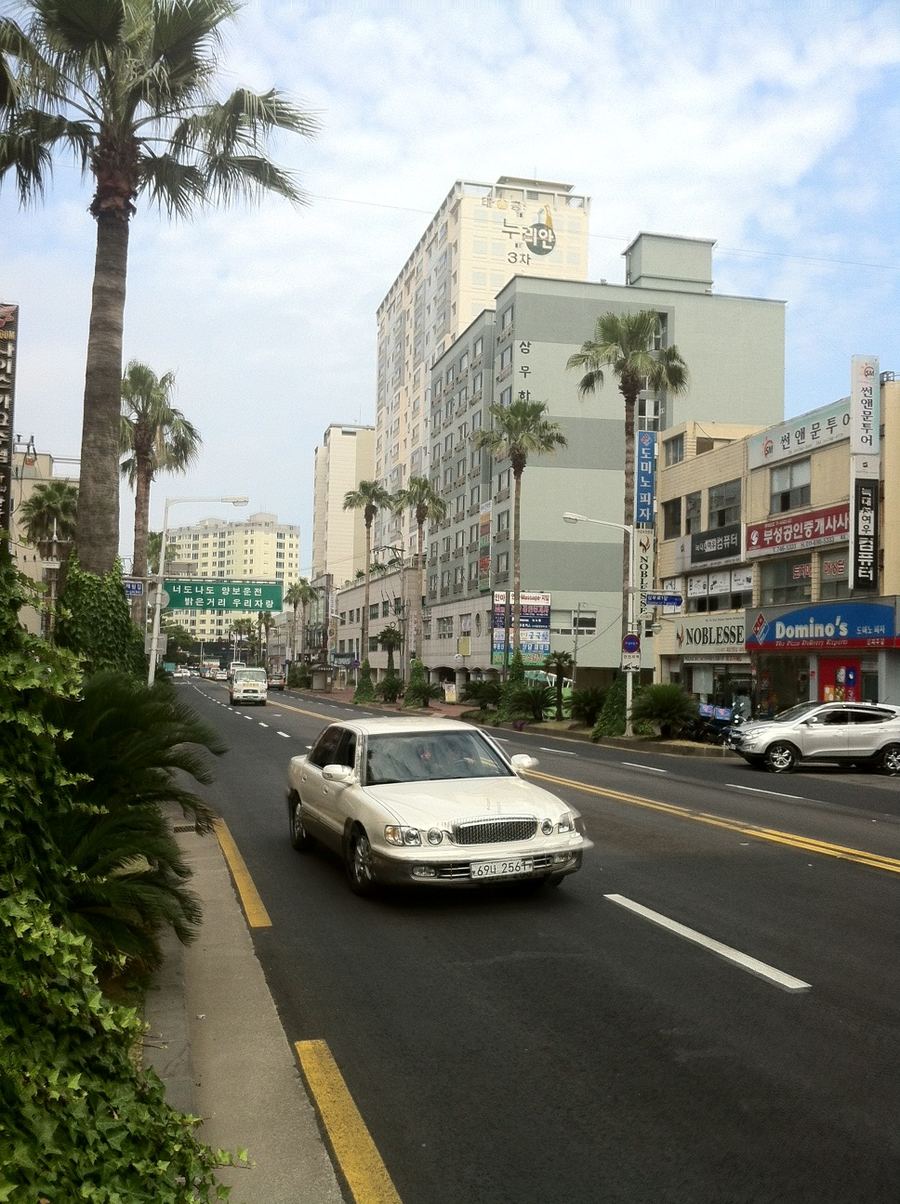
Yeon-dong — Dense grid of pedestrian streets lined with late-night eateries, duty-free stores, and bars.
JiroS. · CC BY-SA 3.0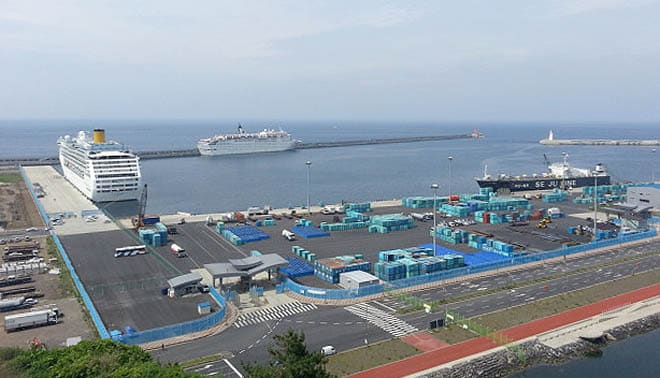
Tapdong — Coastal promenade district built around the port with raw fish markets and sea-facing plaza space.
Wtbnt · CC BY-SA 4.0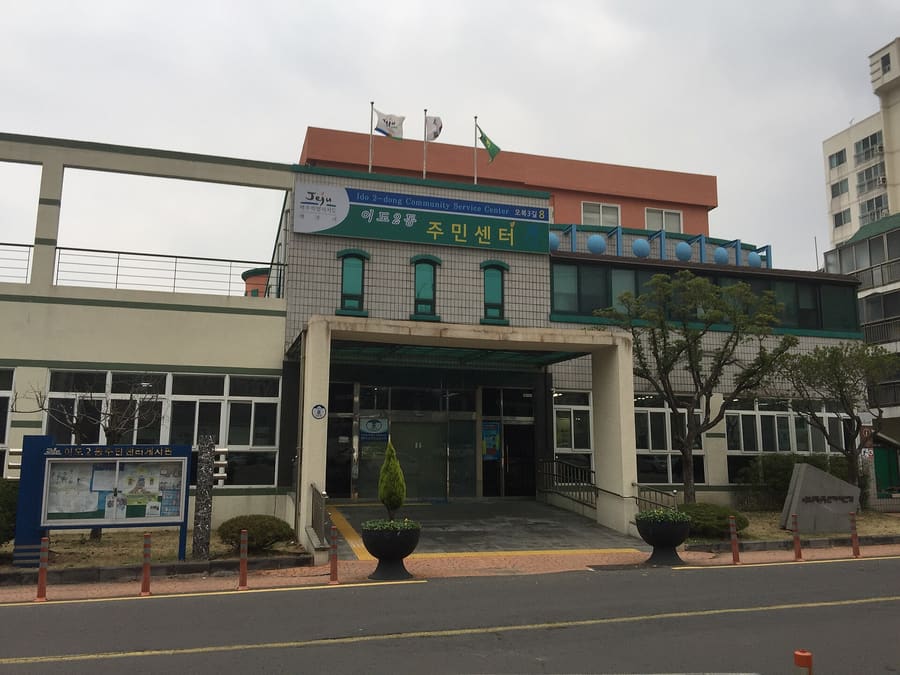
Ido-dong — Old-town residential and civic quarter anchored by ancient shrine grounds and traditional noodle shops.
Nt · CC BY-SA 4.0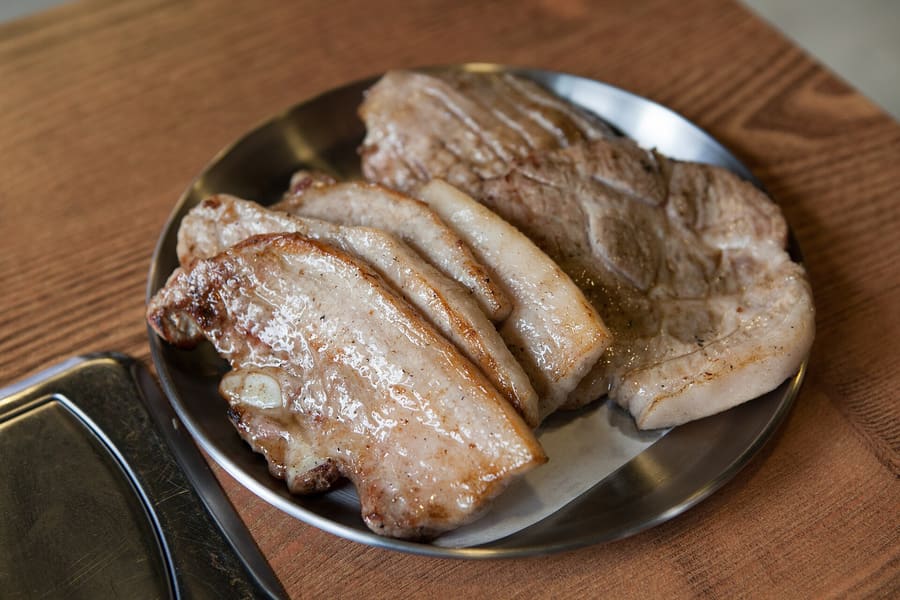
Thick cuts of Jeju black pork cooked over charcoal with salted anchovy dip.
jinsoo jang · CC0highlights
landmark
The northern half sells fresh cutlassfish and tangerines. The southern night market stalls serve grilled black pork from 18:00.
Tanya Parley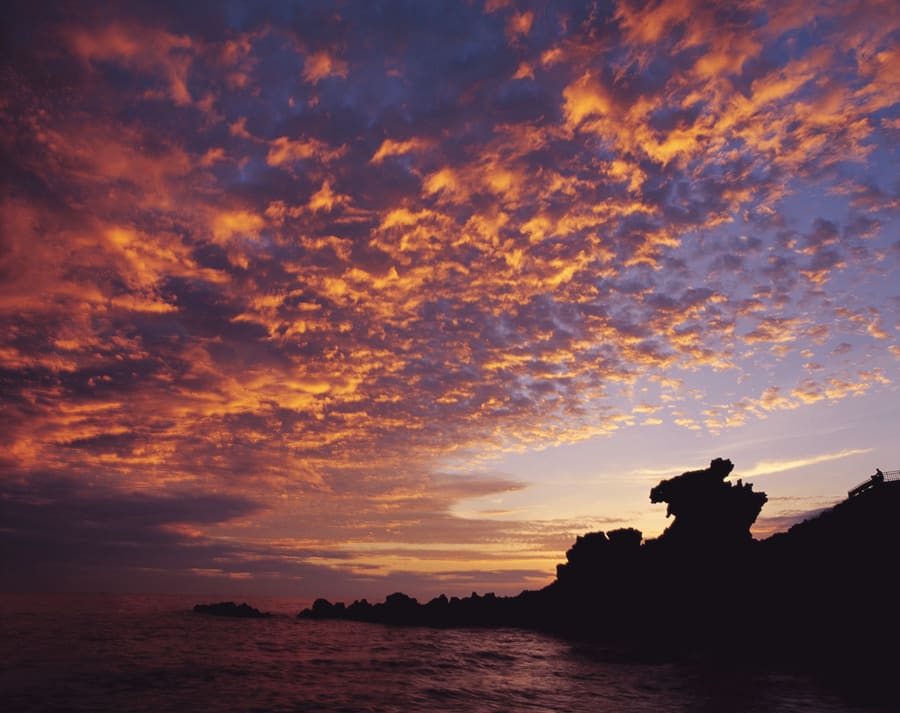
landmark
A basalt lava formation shaped like a dragon head on the northern coast. Flight paths cross directly overhead every few minutes.
Tanya Parley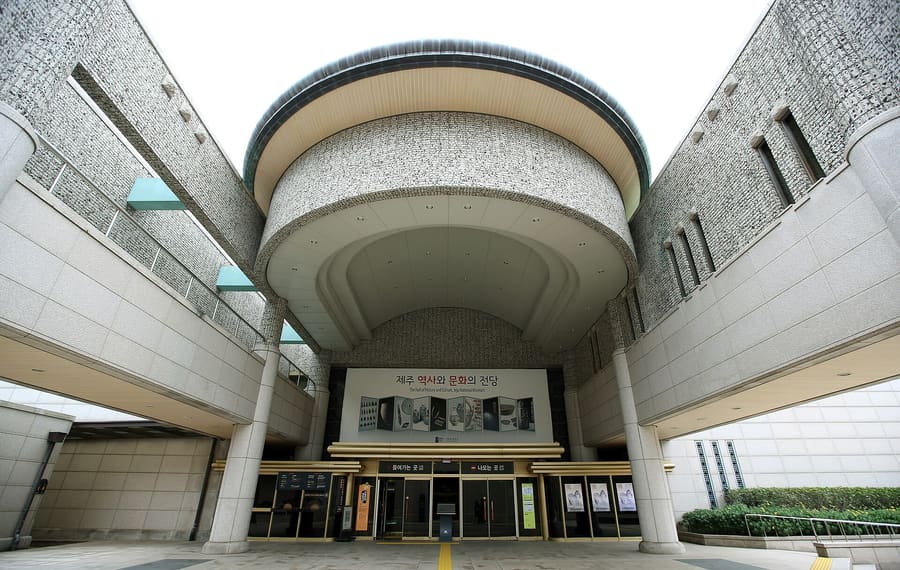
landmark
Exhibits detail the island's unique Tamna kingdom history and maritime trade. Admission is free and audio guides are available.
Tanya Parleyattractions
areas
High-rise commercial hub near the airport with wide boulevards, department stores, and tower hotels.
DekatJeju Airport, E-Mart, Dream Tower
Tanya ParleyDense grid of pedestrian streets lined with late-night eateries, duty-free stores, and bars.
DekatBaozen Street, Shilla Duty Free
Tanya ParleyCoastal promenade district built around the port with raw fish markets and sea-facing plaza space.
DekatDongmun Market, Port of Jeju, Black Pork Street
Tanya ParleyOld-town residential and civic quarter anchored by ancient shrine grounds and traditional noodle shops.
DekatSamseonghyeol, Noodle Culture Street, City Hall
Tanya Parleyfood
Jeju City's food culture reflects its volcanic isolation. While mainland Korean barbecue favours beef or thin pork strips, Jeju City focuses on native black pork cooked in thick slabs over charcoal. Salt and salted anchovy sauce (meljeot) accompany every pork meal.Inland near City Hall, Noodle Culture Street serves gogi-guksu. This dish consists of thick wheat noodles in a milky pork broth topped with simmered pork belly slices. It remains the city's standard fast lunch.Coastal vendors at Dongmun Market and Tapdong specialize in raw cutlassfish (eunhalchi-hoe) and tilefish (okdom). These fish come directly from boats docking at Jeju Port.
Thick cuts of Jeju black pork cooked over charcoal with salted anchovy dip.
jinsoo jang · CC0Most charcoal grill spots require ordering minimum 400g or 600g portions for a table, making solo dining difficult.
Place the small metal bowl of meljeot anchovy sauce directly on the charcoal grill grate to boil before dipping pork cuts.
Shops along Noodle Culture Street in Ido-dong open early at 08:30 and cater heavily to late-night post-drinking crowds.
history
Jeju City developed around the ancient Tamna kingdom, which operated as an independent island maritime trader until full incorporation into the Goryeo dynasty in 1105. Its position made it a crucial transit point between Korea, China, and Japan.During the Joseon era, Jeju City served as the administrative administrative centre and place of political exile. Fortified stone walls protected the northern port against recurring coastal raids.The twentieth century brought profound upheaval during the 1948 Jeju April 3 Uprising and the Korean War. Today, Jeju City functions as an autonomous province capital driven by tourism, international trade, and marine industries.
Annexation by Goryeo
The independent Tamna kingdom is formally annexed into the Goryeo state, ending centuries of island sovereignty.
April 3 Uprising
Violent conflict breaks out across Jeju Island, causing massive casualties and reshaping local memory.
Special Self-Governing Province
Jeju gains self-governing provincial status, granting local municipal authorities unique administrative powers.
where to stay
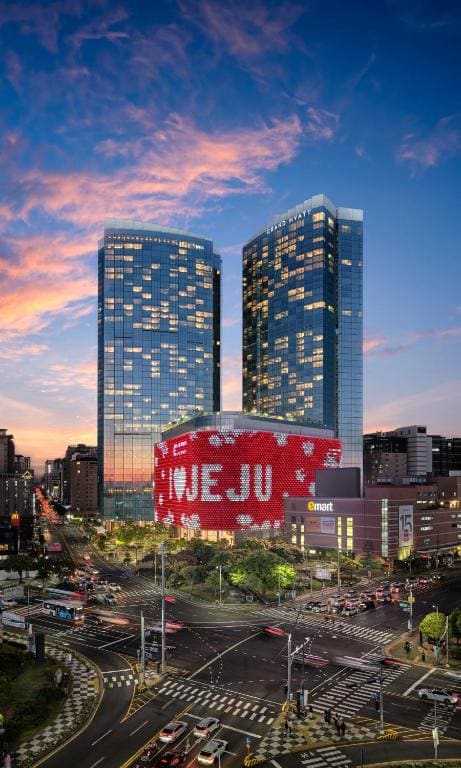
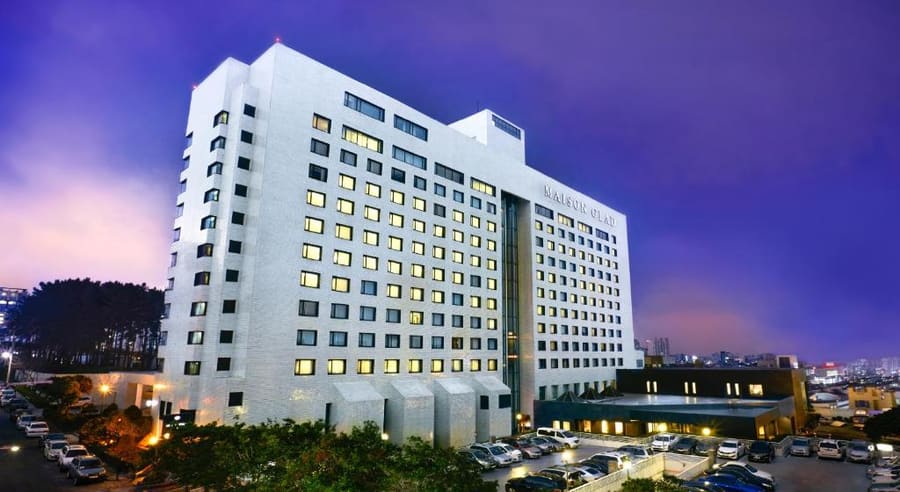
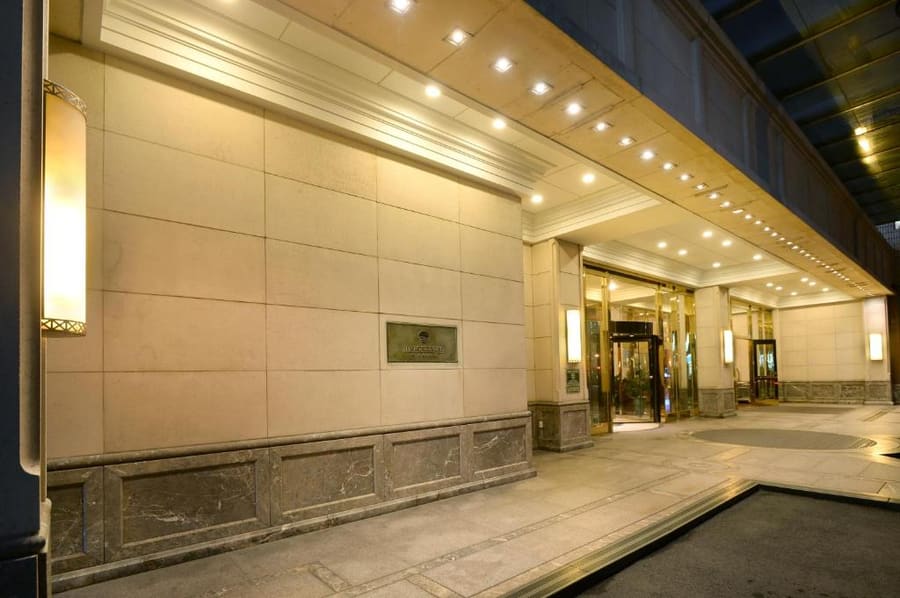
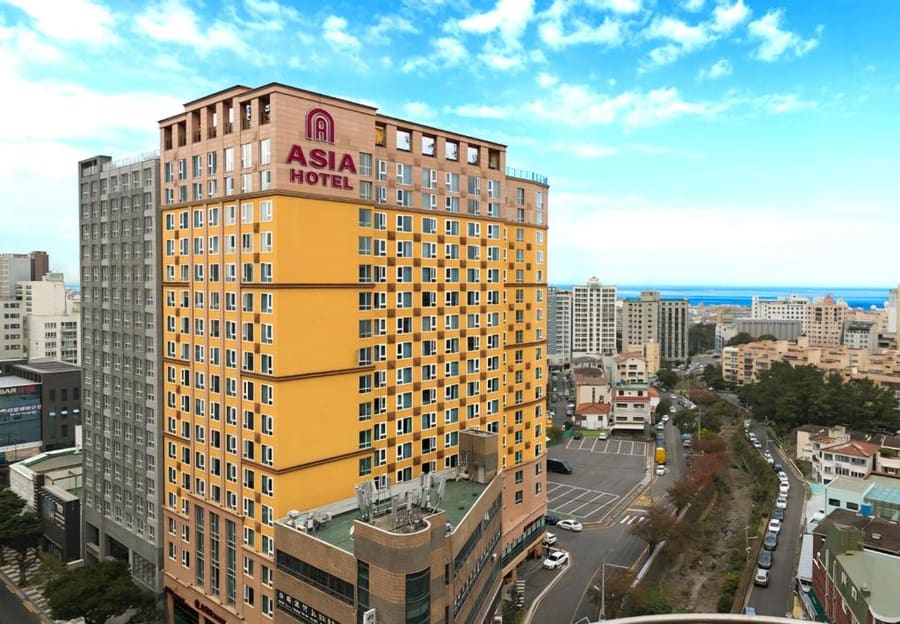
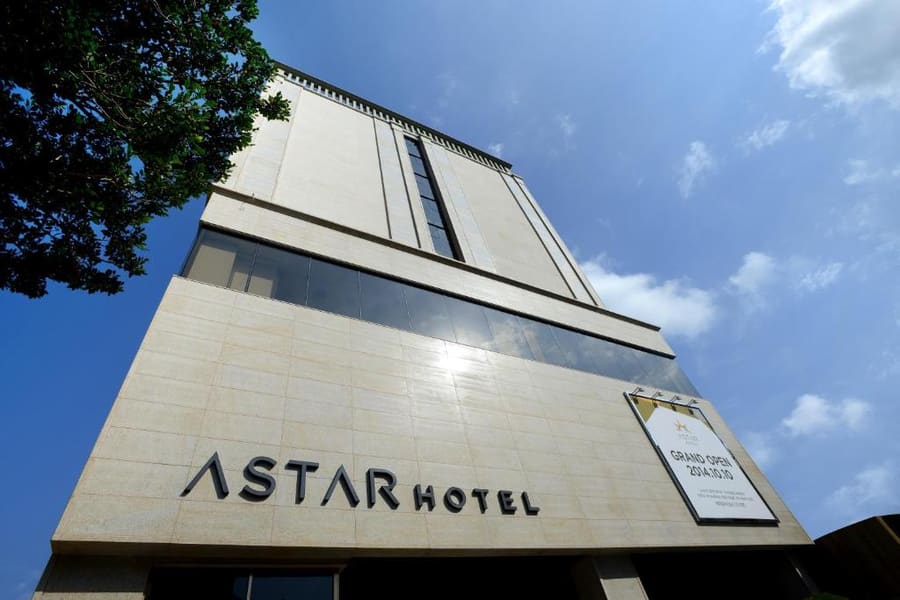
Choose your area based on transit needs and evening plans. Yeon-dong and Nohyeong-dong sit closest to the airport and offer high-rise modern hotels with late-night food options. Tapdong puts you on the waterfront near the fish market, while Ido-dong provides cheaper guesthouse options near historical sites.
Live rates, matched to the areas above.
transport
Jeju City relies entirely on road transport; there are no urban trains or subways on Jeju Island. City buses run dense routes between Yeon-dong, Downtown, and the port. Taxis are abundant, inexpensive for short journeys, and easily flagged along main corridors.For travel beyond Jeju City to rural island sites, travellers split between express island buses and rental cars. KakaoMap and Naver Map provide reliable transit routing, whereas Google Maps lacks turn-by-turn navigation in South Korea.
Dari Jeju International Airport (CJU)
Queues form outside Gate 3. Standard meters apply across all city trips.
City routes 365 and 325 connect the terminal directly to downtown Yeon-dong and Old City.
T-money or Cashbee transit cards work on all Jeju city and express buses. Tap when boarding and exiting.
Download KakaoMap or Naver Map before arrival. Google Maps does not give accurate walking or driving directions in Korea.
Red express buses numbered in the 100s run from Jeju Intercity Bus Terminal to outer island coasts along fixed express routes.
Jeju Island has no train system. All public transit relies on the municipal bus network.
cost
Jeju City is generally more affordable than central Seoul for food and short taxi fares, though black pork specialty restaurants charge premium rates. Credit cards are accepted almost universally, from convenience stores to taxi meters.
Standard price for a bowl of gogi-guksu at local joints along Noodle Culture Street.
Per-person cost for thick cut charcoal-grilled black pork in dedicated grill restaurants.
Flat fare for any short or medium bus ride within Jeju City limits using a transit card.
Covers most 3km to 5km journeys between Yeon-dong, Nohyeong, and Tapdong.
seasonality
MAR – MAY
Mild temperatures and blooming flora bring heavy domestic weekend travel. Book accommodation early for May public holidays.
JUN – AUG
Hot, humid summer weather with frequent rainfall. Coastal promenades fill up in the evenings to catch sea breezes.
SEP – NOV
Clear skies and crisp conditions make autumn the optimal season for hiking lower slopes and coastal paths.
DEC – FEB
Strong, cold ocean winds blow off the northern shore. Hotel prices drop to annual lows outside Lunar New Year.
practicalities
International credit cards work in almost all shops, taxis, and restaurants. Keep small cash only for traditional market stalls.
Dongmun Market operates daytime fresh produce stalls until 18:00, when the street food night market portion starts.
Coastal wind masks strong UV radiation near the water. Wear sun protection even on overcast days.
If renting a car, you must bring a physical International Driving Permit (1949 convention) along with your passport.
Volcanic rock along the Tapdong and Yongduam shores is sharp and wet. Stick to designated ocean paths.